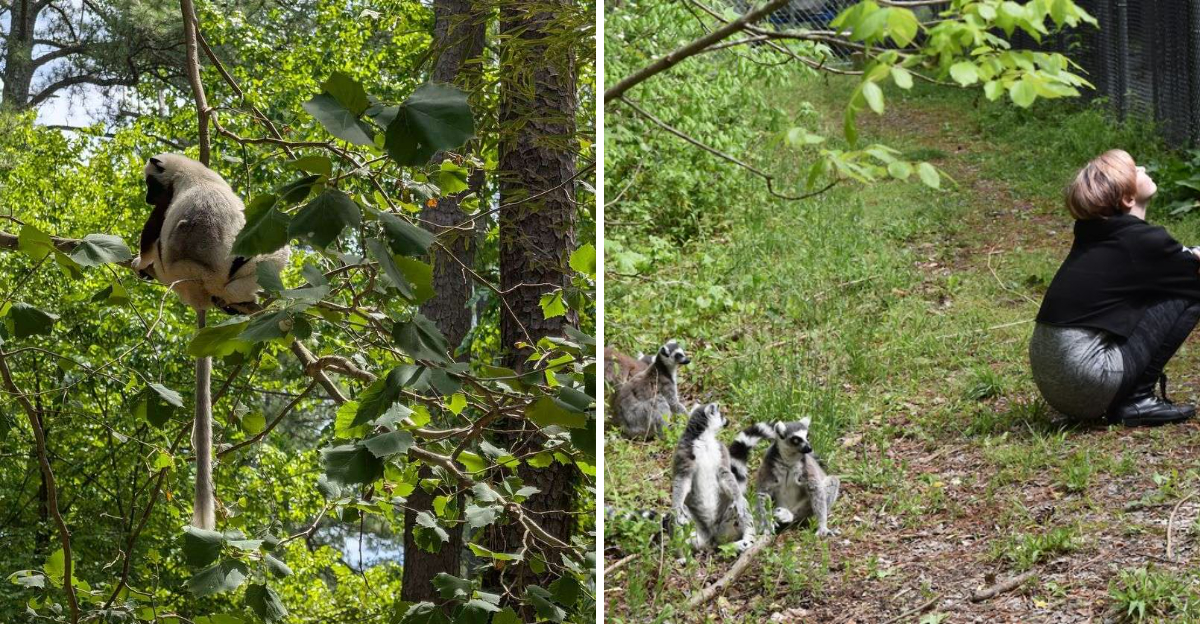
Hidden in Durham’s Duke Forest, there’s a place where you can walk through trees while lemurs leap overhead just a few feet away.
The Duke Lemur Center is home to more than 200 lemurs from multiple species, making it the largest collection of these incredible primates anywhere outside Madagascar.
Since 1966, this special facility has combined cutting-edge research with conservation work to protect some of the world’s most endangered animals.
Whether you’re a wildlife enthusiast or simply looking for an unforgettable family adventure, this one-of-a-kind sanctuary offers experiences you won’t find anywhere else in North America.
A Remarkable Lemur Haven Hidden in Duke Forest
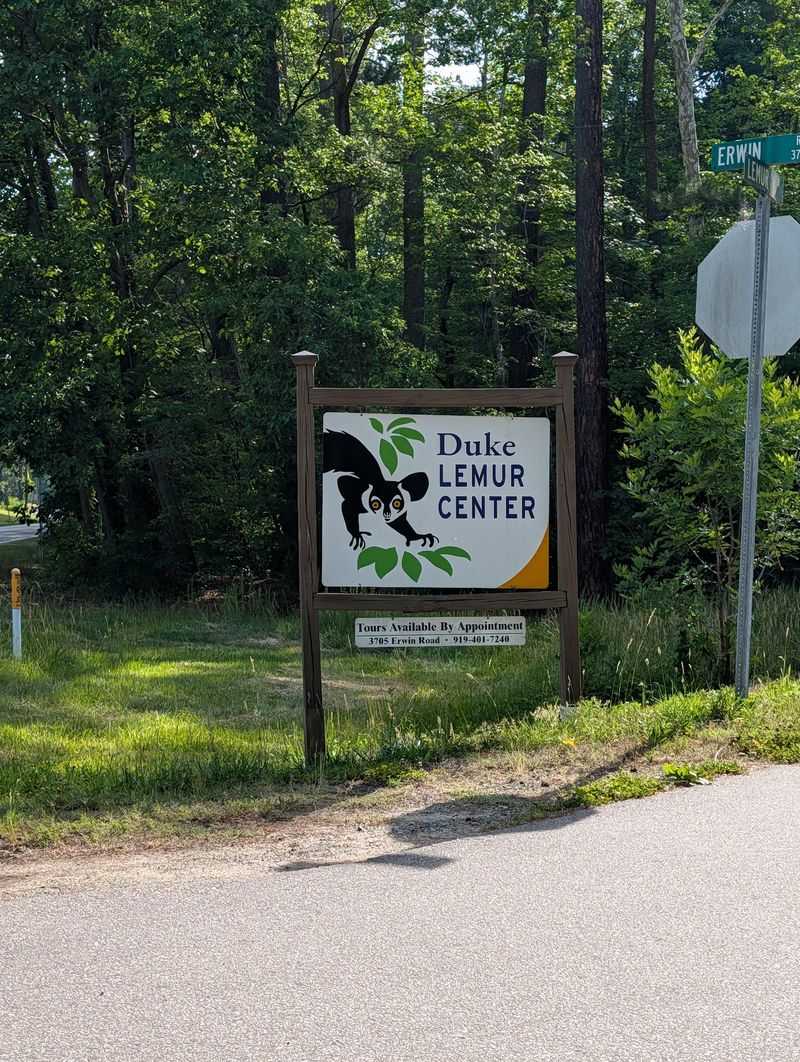
Tucked away on 100 acres of Duke Forest, the Duke Lemur Center has been quietly making history since 1966. What started as a small research facility has grown into one of the world’s most important centers for lemur care and conservation.
The center sits surrounded by tall trees and natural woodland, creating a setting that feels worlds away from typical city attractions.
Researchers here work daily to understand lemur behavior, biology, and social patterns. The facility combines serious scientific work with public education programs that help visitors understand why these primates matter.
Every tour supports research projects and conservation efforts that reach all the way back to Madagascar.
Walking through the grounds, you’ll notice how different this feels from a traditional zoo. The forested setting allows lemurs to live in spaces designed to match their natural behaviors.
Trees provide climbing opportunities, open areas encourage movement, and the peaceful environment helps these animals thrive while scientists study and protect them for future generations.
Why This Is the Largest and Most Diverse Lemur Population Outside Madagascar
More than 200 individual lemurs call the Duke Lemur Center home. That number alone makes it remarkable, but the diversity sets it truly apart from anywhere else on the planet.
Multiple species thrive here, representing a living library of lemur biology that scientists can study without traveling thousands of miles to Madagascar.
Madagascar is the only place lemurs naturally exist in the wild. The island nation faces serious environmental challenges that threaten lemur populations every year.
Having such a robust collection outside Madagascar provides critical insurance for these species while supporting research that helps wild populations survive.
Each species has unique needs, behaviors, and conservation concerns. Staff members track family histories, manage breeding programs carefully, and maintain genetic diversity within each group.
The center’s population represents decades of careful animal management and scientific understanding, creating opportunities for discoveries that benefit lemurs worldwide while giving visitors a chance to see species rarely displayed anywhere else.
Meet Lemurs From Ring-Tailed Favorites to Rare Aye-Ayes

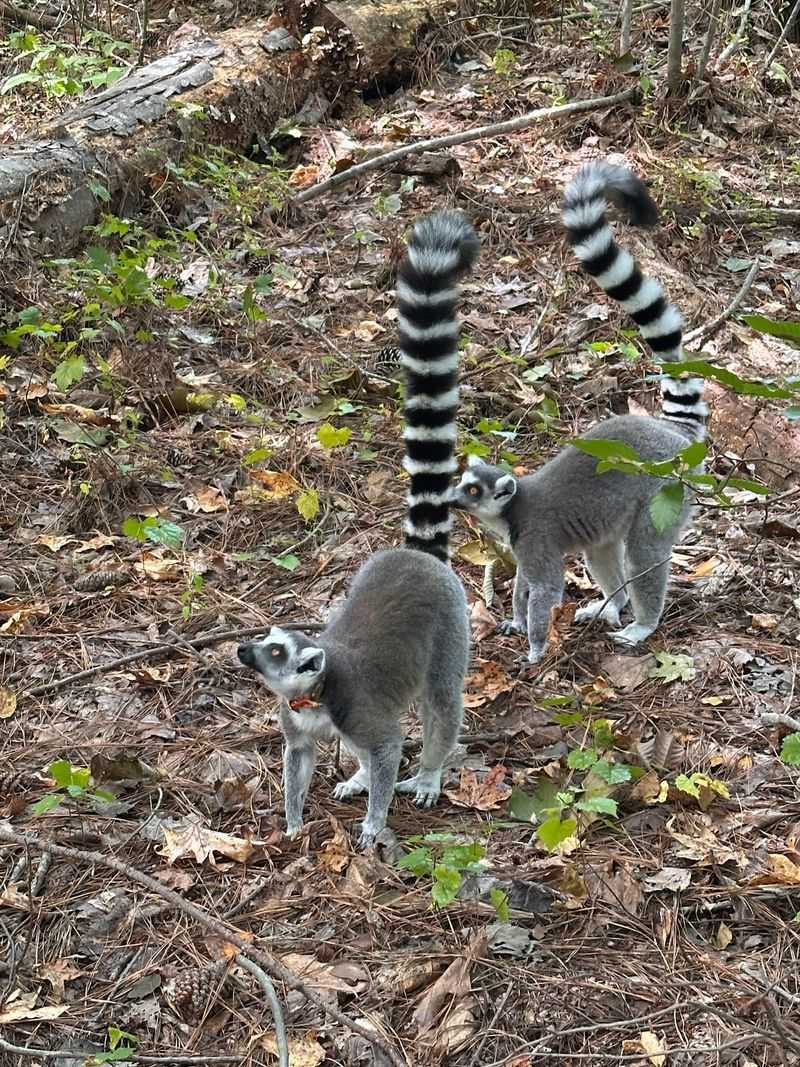
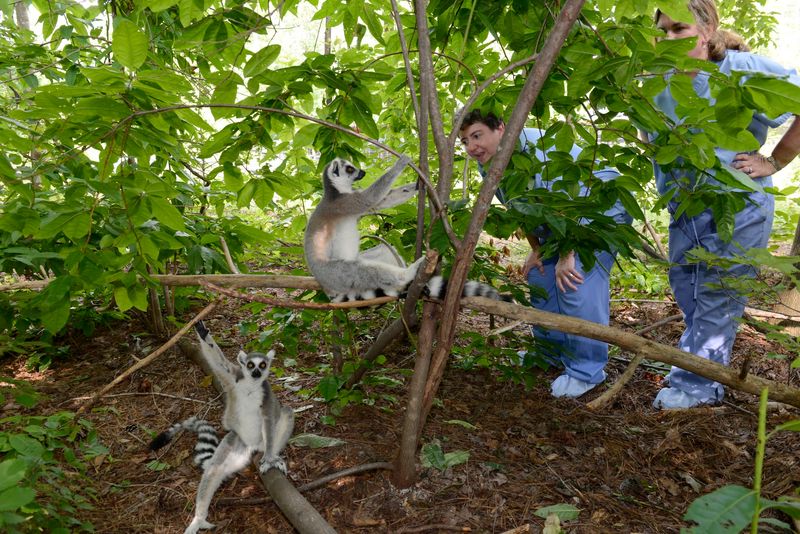
Ring-tailed lemurs steal the show with their iconic black-and-white striped tails and social personalities. Their playful antics and recognizable appearance make them crowd favorites during tours.
But the real surprise comes when you discover the center’s less familiar residents living in other habitats across the property.
Sifakas move through trees with incredible leaping abilities that seem almost gravity-defying. Blue-eyed black lemurs display striking coloration that contrasts beautifully with their forest surroundings.
Tiny mouse lemurs, some weighing less than two ounces, represent the smallest primates on Earth.
Then there’s the aye-aye, perhaps nature’s strangest primate creation. With bulging eyes, bat-like ears, and an extraordinarily long middle finger used for extracting insects from tree bark, aye-ayes fascinate and sometimes startle first-time visitors.
The Duke Lemur Center is one of only a handful of facilities in the world where you might encounter this bizarre and endangered species, making every visit an opportunity to see something truly unusual.
The Center Is More Than a Tourist Attraction
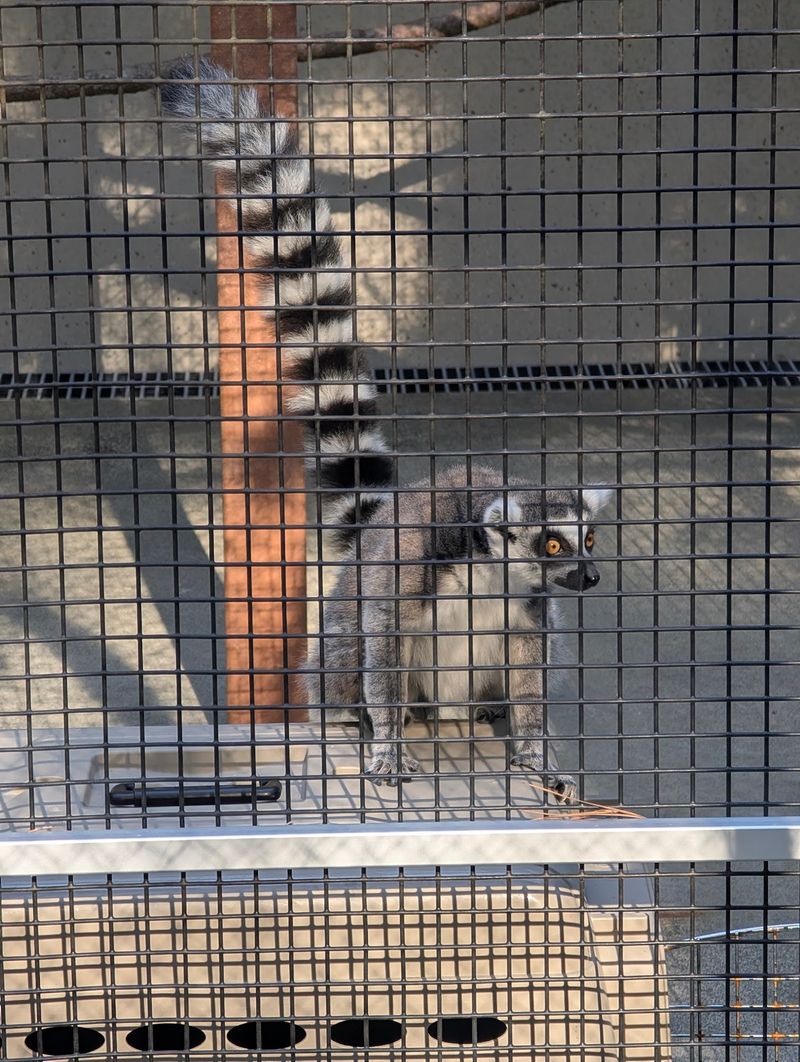
Step inside the Duke Lemur Center and you’ll quickly realize this isn’t your typical tourist stop. Research labs, animal care facilities, and conservation offices fill the buildings where scientists work year-round on projects that advance our understanding of primate biology.
Visitors are welcomed, but the center’s primary mission focuses on science and conservation rather than entertainment.
Staff members collaborate with conservation organizations working directly in Madagascar. Breeding programs here help maintain genetic diversity for endangered species.
Educational initiatives reach schools and communities far beyond Durham’s borders. The combination of research, animal welfare, education, and field conservation creates a model that other facilities study and attempt to replicate.
Your admission fee directly supports this important work. Every tour purchase funds lemur care, research projects, habitat improvements, and conservation programs that protect wild populations.
While you’ll certainly enjoy watching lemurs leap and play, you’re also contributing to legitimate scientific efforts that could determine whether future generations see these animals in the wild or only in history books.
Walking With Lemurs Through Their Forested Habitats

The Walking with Lemurs tour delivers exactly what the name promises. Small groups follow trained guides along unpaved forest paths into Natural Habitat Enclosures where lemurs move freely through large, forested spaces.
There are no glass walls, no fences between you and the animals, just open woodland where lemurs do what lemurs do best.
Guides position groups about six feet from lemur activity, close enough to observe facial expressions, hear vocalizations, and watch natural behaviors unfold. Lemurs might munch leaves above your head, leap between branches, or interact with family members while you stand nearby.
The experience feels less like visiting an exhibit and more like being invited into their world.
Touching or feeding the lemurs isn’t allowed. This rule protects both visitors and animals while keeping the experience focused on observation rather than interaction.
The guides share fascinating details about individual lemurs, their personalities, and behaviors you’re witnessing. Most tours last about an hour, though the memories of watching these primates up close in a forest setting stay with visitors much longer.
What It Feels Like to Watch Lemurs in a Natural Setting
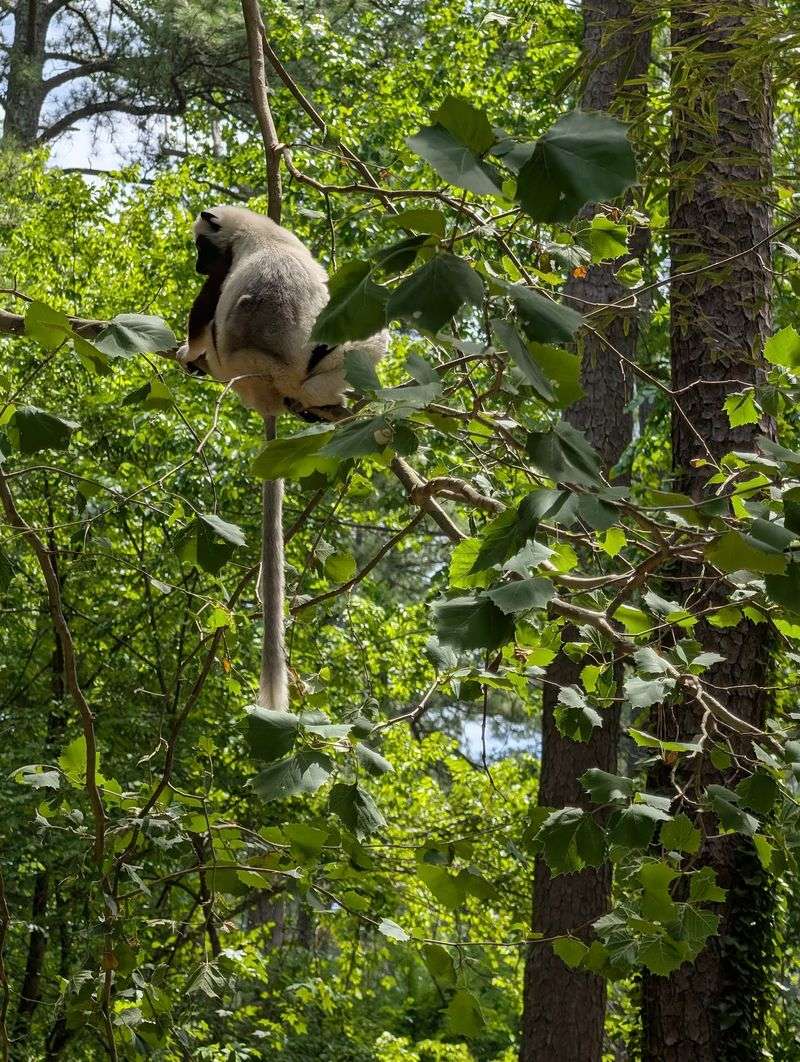
Sunlight filters through the tree canopy as you follow your guide down a narrow dirt path. Leaves rustle overhead and suddenly a sifaka launches itself from one tree trunk to another with effortless grace.
Another lemur sun-bathes on a low branch, arms stretched wide in a pose that looks almost yogic. The forest atmosphere creates something truly special.
Unlike staged animal encounters where creatures perform on command, this experience celebrates natural behavior. Lemurs might ignore your group entirely, absorbed in their own activities.
They could be foraging, playing, resting, or engaging in social grooming. Whatever happens unfolds on the lemurs’ schedule, not yours.
Guides help interpret what you’re seeing. That unusual call signals territorial defense.
This behavior indicates social bonding. Those acrobatic movements showcase adaptations for life in the trees.
The educational component deepens your appreciation while the forest setting transports you somewhere far from everyday North Carolina. It’s the closest most people will come to experiencing lemurs in a Madagascar-like environment without leaving the United States.
Choose the Tour That Fits Your Visit
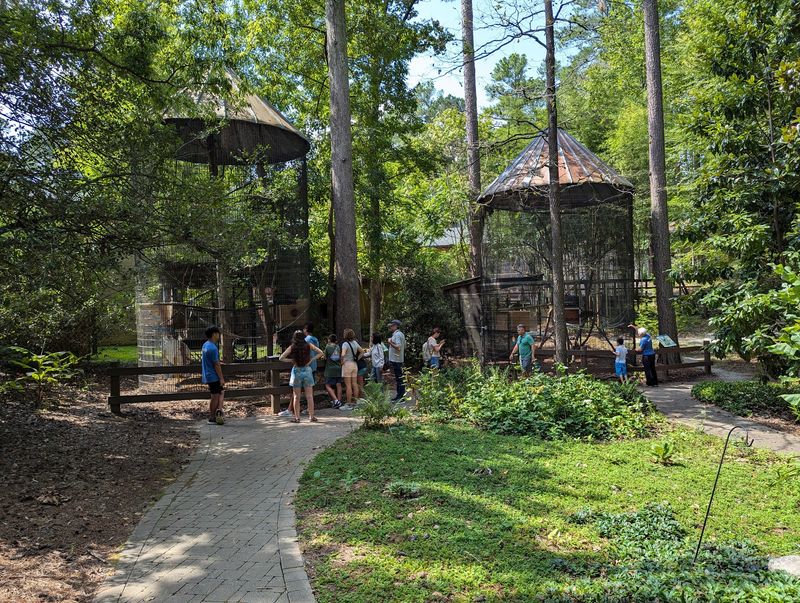
Several tour options let you customize your Duke Lemur Center experience. The General Tour provides a wonderful introduction for first-time visitors and works well for families with younger children.
Lasting about an hour, it typically showcases at least eight different species while guides share information about lemur biology, conservation, and the center’s mission.
Walking with Lemurs is the signature experience for guests wanting that close forest encounter. This tour requires participants to be at least 10 years old and physically able to walk on uneven terrain.
Groups stay smaller to minimize disturbance to the animals. Behind the Scenes tours offer deeper looks at animal care facilities, research areas, and day-to-day operations.
Private tours accommodate groups seeking more personalized attention or flexible scheduling. Each option provides quality time with knowledgeable guides who genuinely love these animals and the center’s work.
Prices and availability vary by season, so checking the website before planning your visit helps ensure you book the experience that best matches your interests, budget, and group composition.
Why the Lemur Center Matters for Conservation

Lemurs rank among Earth’s most endangered mammals. Habitat loss, hunting, and climate change threaten wild populations across Madagascar.
Some species number only in the hundreds. Without intervention, many could disappear within our lifetimes.
The Duke Lemur Center stands on the front lines of preventing that tragedy.
Conservation breeding programs here maintain genetic diversity for critically endangered species. Research conducted at the center informs protection strategies used in Madagascar.
Educational programs reach thousands of people annually, building awareness about why lemurs matter and what threatens them. Staff members partner with Malagasy organizations working to protect forests and wildlife on the ground.
Your visit makes a real difference. Admission fees, donations, and public support fund everything from lemur food to field conservation projects.
The center doesn’t receive government funding, relying instead on earned revenue and private contributions. When you walk those forest trails and watch lemurs overhead, you’re participating in conservation efforts that extend far beyond Durham, supporting work that could determine whether these extraordinary primates survive the century.
A Visit That Works for Animal Lovers and Curious Families
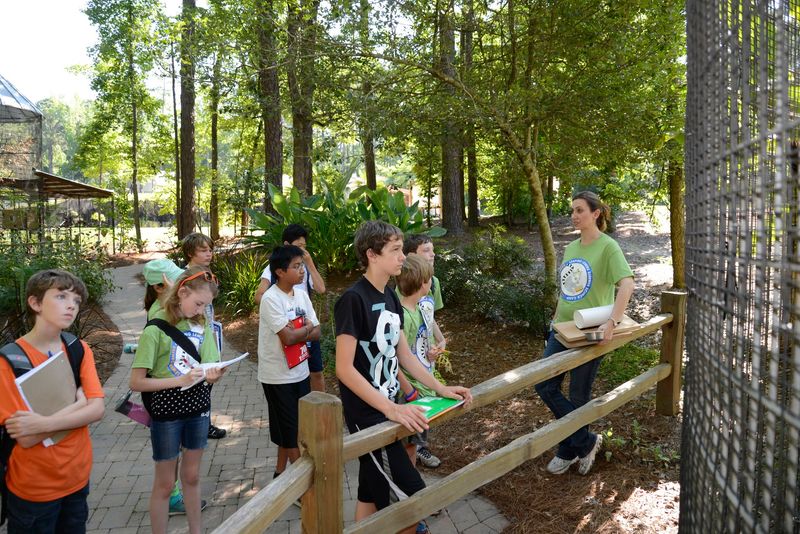
Serious wildlife photographers find endless subjects here. Biology students gain firsthand primate observation opportunities.
But you don’t need specialized knowledge or equipment to enjoy the Duke Lemur Center. Families discover that the combination of unusual animals, outdoor exploration, and engaging guides creates an outing that appeals across age ranges and interest levels.
Younger children appreciate the General Tour’s pacing and variety. Older kids and teens often prefer Walking with Lemurs for its adventurous forest setting.
Adults fascinated by conservation science might choose Behind the Scenes experiences. The center’s educational approach means everyone learns something new regardless of their starting knowledge level.
Durham offers plenty of typical attractions, but few provide this blend of education, conservation impact, and genuine wildlife encounters. The forest setting feels refreshingly different from indoor museums or crowded entertainment venues.
Guides answer questions enthusiastically, sharing stories about individual lemurs that bring the experience to life. Whether you’re planning a family vacation day or seeking unique date activities, the center delivers memorable experiences that stick with visitors long after they return home.
What to Know Before You Go
Advanced reservations are absolutely required. The center cannot accommodate walk-in visitors, so book your tour online before making the trip to 3705 Erwin Road, Durham, NC 27705.
Walking with Lemurs tours primarily run during warmer months, with limited winter availability depending on weather conditions. Call (919) 401-7240 with questions.
Age requirements vary by tour type. Walking with Lemurs requires participants to be at least 10 years old.
Wear comfortable clothes and closed-toe shoes since you’ll spend most time outdoors on unpaved paths. Bring sun protection and bug spray.
Tours proceed rain or shine when safe, but severe weather or extreme temperatures may cause cancellations or rescheduling.
You cannot touch the lemurs under any circumstances. Flash-free personal photography is welcome, though commercial shoots need advance permission.
Leave pets at home, even inside vehicles. Arrive 10 minutes early for check-in.
GPS sometimes directs drivers incorrectly, so follow Erwin Road to the main parking area rather than private forestry entrances. These guidelines ensure safe, enjoyable visits while protecting both guests and animals.