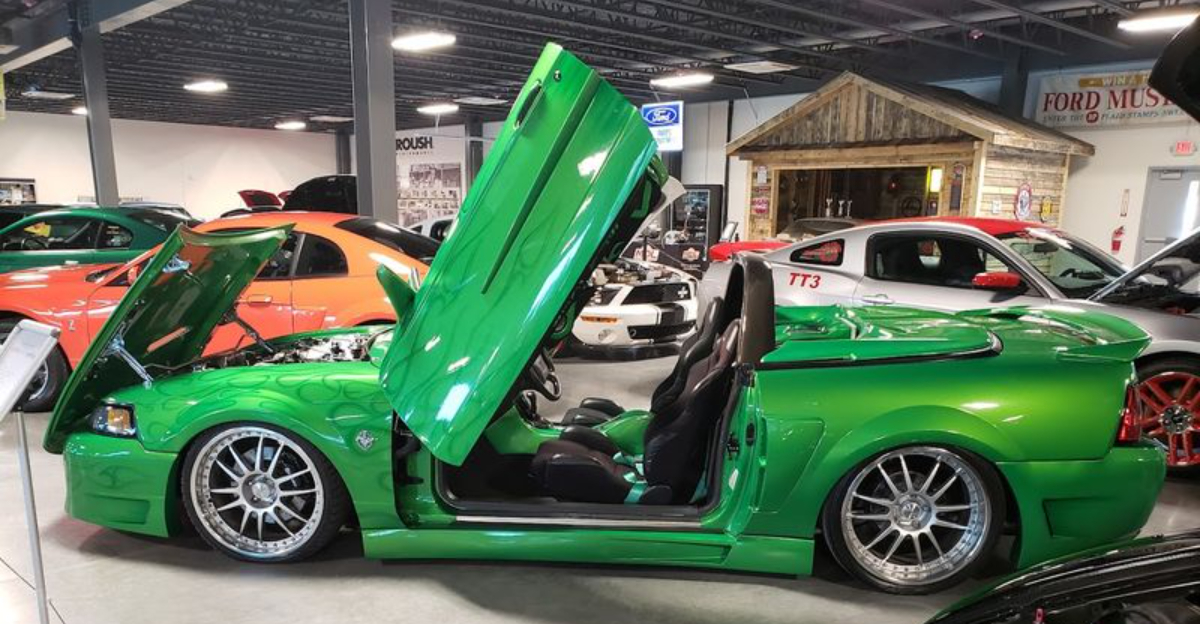
If the Ford Mustang ever meant something to you, this place feels less like a museum and more like a homecoming.
Tucked into Concord, North Carolina, the Mustang Owner’s Museum brings together history, horsepower, and the people who kept this iconic car alive for generations.
You do not have to own a Mustang to enjoy it, but if you have ever admired one, you will probably leave already planning your next visit.
From rare cars to deep nostalgia, this stop delivers far more than a quick walk past shiny paint.
A museum built entirely around Mustang history
What instantly makes the Mustang Owner’s Museum special is how focused it feels. This is not a general car museum with one Mustang corner tucked between unrelated exhibits.
Every inch of the experience is centered on the Ford Mustang, which gives the whole visit a sense of purpose that true fans notice right away.
You can feel that dedication in the way the stories are told, from design origins to performance milestones and cultural moments. Instead of rushing you past a few famous models, the museum invites you to slow down and appreciate why this car mattered so much to so many people.
That deeper focus gives every display a little more weight.
If you ever loved the sound, styling, or attitude of a Mustang, this place speaks your language. It feels personal without being exclusive, detailed without becoming overwhelming.
By the time you finish your first lap through the museum, you understand why enthusiasts treat it like a pilgrimage site instead of just another attraction.
That singular mission is what makes the museum memorable long after your visit ends.
Concord is the perfect home for it
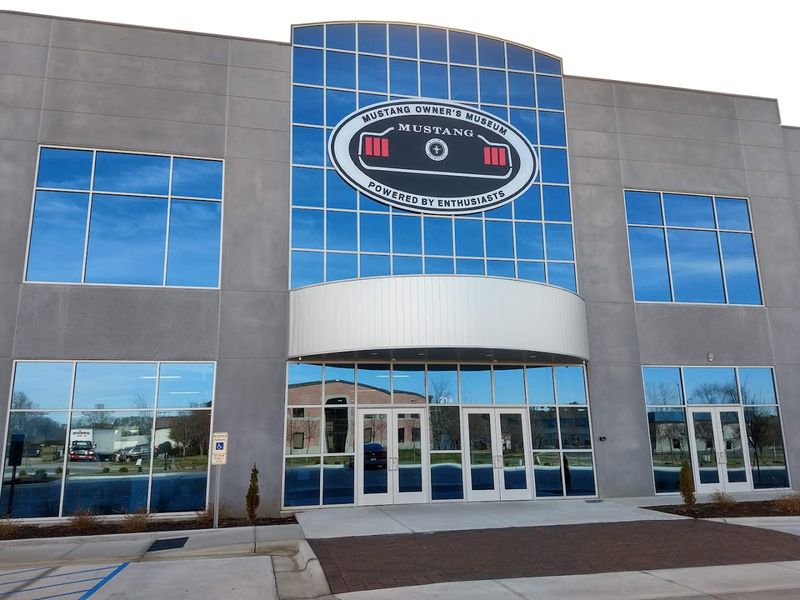
The museum’s location in Concord feels exactly right once you arrive. This part of North Carolina already carries serious motorsports energy, and that backdrop adds extra meaning to a museum devoted to one of America’s most recognizable performance cars.
You are not just visiting a building full of Mustangs, you are stepping into a city that understands speed.
Concord’s connection to nearby racing landmarks helps frame the museum in a bigger automotive story. With Charlotte Motor Speedway close by, the area naturally reinforces Ford performance heritage and the competitive spirit that shaped many Mustang legends.
Even the drive there can feel like part of the experience if you are already in a car enthusiast mindset.
That setting also gives the museum a strong sense of authenticity. It does not feel randomly placed or manufactured for tourists.
Instead, it feels rooted in a community where engines, race weekends, and car culture are part of everyday life, which makes the whole visit more immersive and satisfying for anyone who loves automotive history.
You feel the motorsports pulse before walking through the door.
The rotating lineup keeps every visit fresh
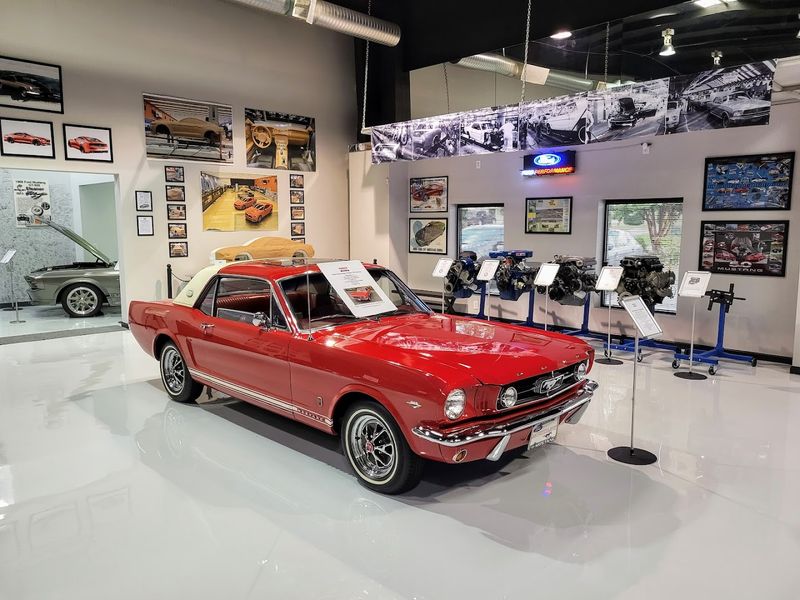
One of the smartest things about the Mustang Owner’s Museum is that the collection does not feel frozen in time. You can usually expect more than 50 Mustangs on display, and the lineup changes, which means repeat visits can reward you with completely different highlights.
That rotating approach keeps the museum lively instead of static.
On one visit, you might find yourself drawn to early classics with clean lines and period details. Another trip could spotlight aggressive modern performance cars, race-prepped builds, or unusual collector pieces that shift the whole tone of the gallery.
Because the cars change over time, there is always a reason to come back.
That variety also helps the museum appeal to different generations of visitors. Maybe your dream Mustang is a first-generation coupe, or maybe you care most about supercharged modern machines.
Either way, the rotating display makes room for personal favorites while still showing the broader scope of the Mustang story.
It turns the museum into a living collection instead of a one-and-done stop. You leave knowing the next visit might reveal something you missed, or something entirely new worth making the drive for.
Every Mustang generation gets its moment
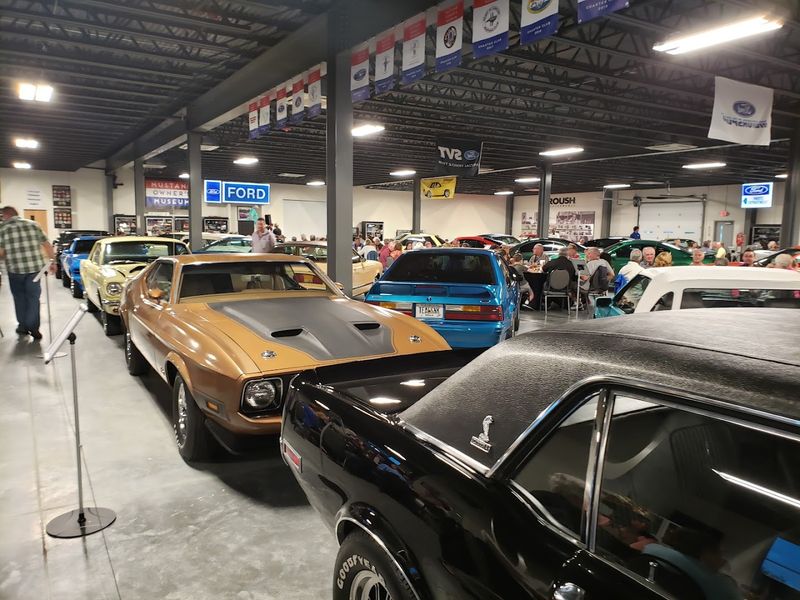
If you want to understand how the Mustang evolved, this museum makes that story easy to follow. The exhibits trace the car from the early 1960s originals through later redesigns and into today’s high-performance machines.
Seeing those generations represented together gives you a much clearer sense of continuity than photos ever could.
You start noticing how styling cues changed, how proportions shifted, and how performance priorities grew with each era. Some generations lean into elegance, others into raw attitude, and others into technology and track-ready power.
When they are displayed in context, each version feels like a chapter instead of an isolated model.
That wide generational coverage also makes the museum welcoming to all kinds of fans. Maybe your heart belongs to a vintage fastback, or maybe you came for newer GTs, Cobras, or special editions.
The museum respects each era enough to show how every generation helped shape the Mustang’s identity.
By the end, you are not just admiring individual cars. You are following a design and performance lineage that explains why the Mustang stayed relevant for decades, even as tastes, technology, and expectations kept changing around it.
Rare and one-of-a-kind cars steal the show
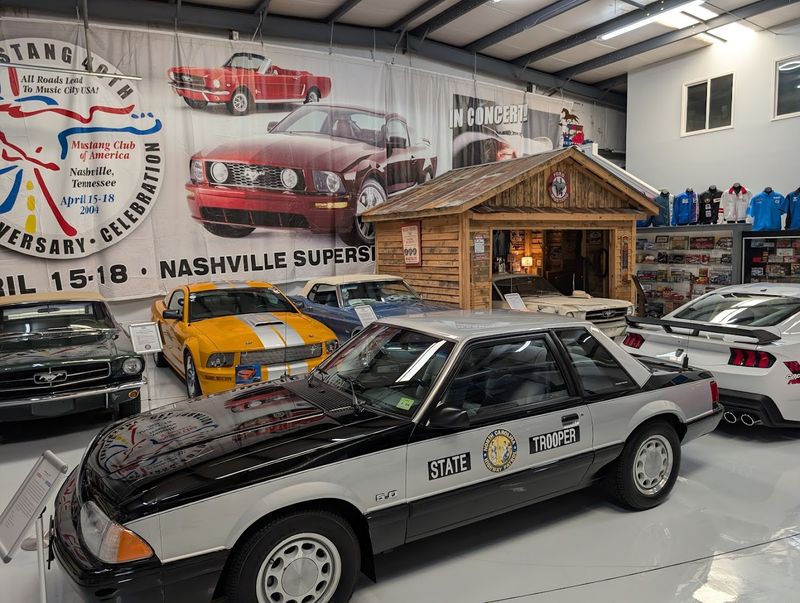
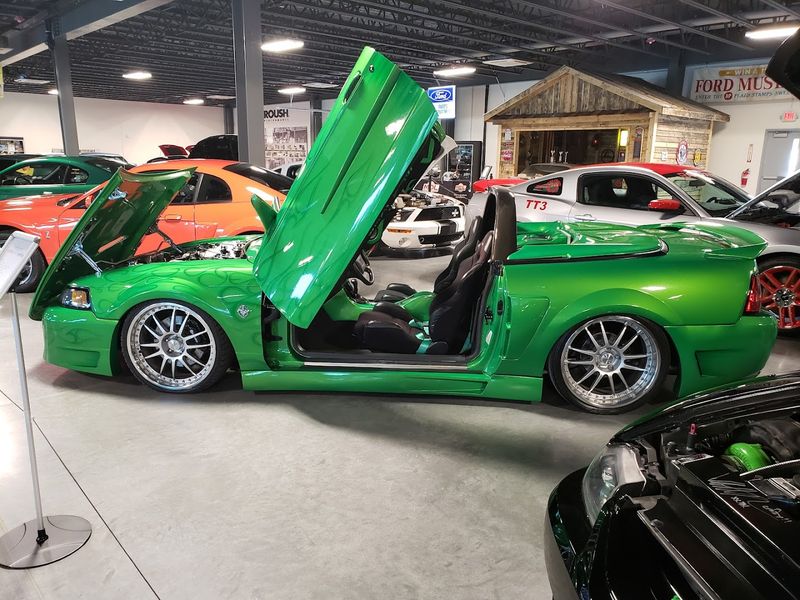
While the familiar models are fun, the rare cars are often what make people stop talking mid-sentence. The museum regularly features unusual Mustangs that you would probably never stumble across at a normal dealership, local cruise-in, or even many larger museums.
That includes special editions, historically important cars, and occasional true oddities.
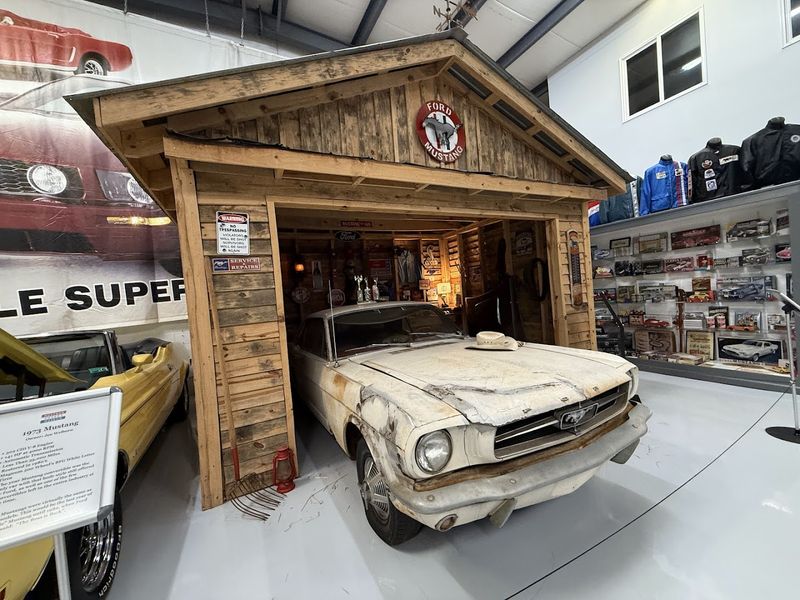
You may see a barn find with an incredible backstory, a race-linked machine tied to competition history, or a limited-production example that collectors usually keep hidden away. These vehicles add tension and surprise to the experience because they remind you the Mustang story is not just popular, it is layered and sometimes wonderfully strange.
Those one-of-a-kind displays also reward visitors who already know the basics. If you are the kind of person who notices trim differences, production quirks, or historical significance, the rare exhibits give you something deeper to appreciate.
If you are newer to Mustangs, they simply make the museum feel more memorable and less predictable.
That sense of discovery is a huge part of the appeal. You are not only seeing beautiful cars, you are encountering pieces of automotive history that feel genuinely special, uncommon, and worth traveling to Concord to experience in person.
It celebrates the people behind the cars
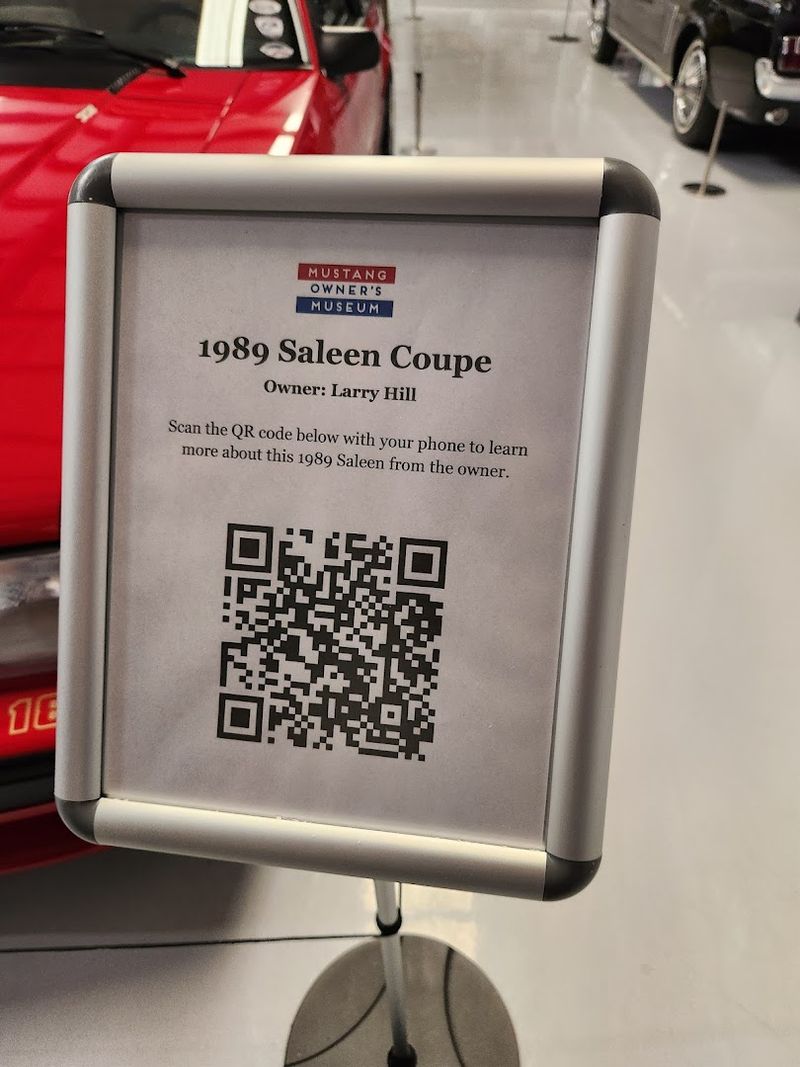
The museum does not treat the Mustang as just a product line, and that makes a huge difference. Alongside the cars, there is real attention paid to the owners, clubs, events, and personal stories that turned the Mustang into something bigger than transportation.
You are reminded that enthusiasm is part of the car’s legacy.
That community focus gives the museum a warmer feeling than a purely technical display would. Instead of only presenting specs and dates, it highlights how people formed friendships, traditions, and identities around these cars.
For many visitors, that emotional layer is what makes the Mustang feel alive rather than historic.
If you have ever gone to a car meet, spent too long talking in a parking lot, or bonded with someone over a shared favorite model year, this part will probably resonate. Even if you have never owned one, you can see how the Mustang became a lifestyle symbol with real social gravity.
The museum explains that clearly without forcing it.
By honoring the fan base as much as the machinery, the museum captures the full picture. It shows why the Mustang lasted across generations, because loyal people kept celebrating it, preserving it, and passing that passion forward.
Memorabilia adds depth beyond the sheet metal
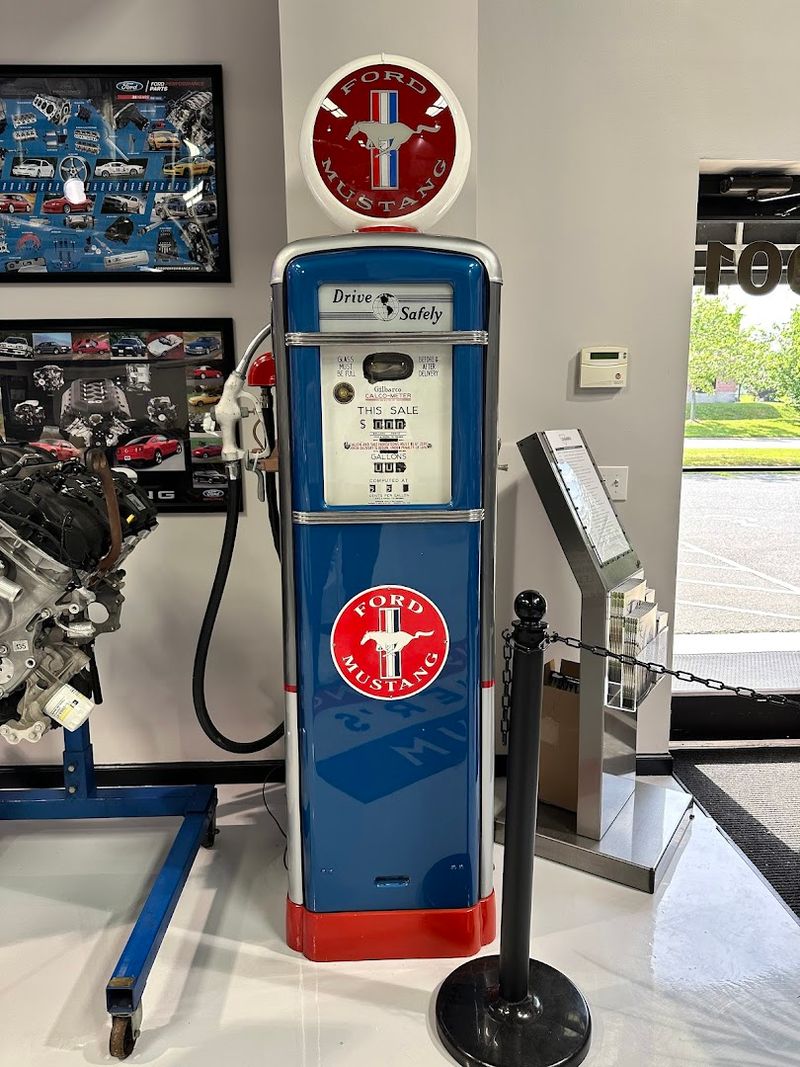
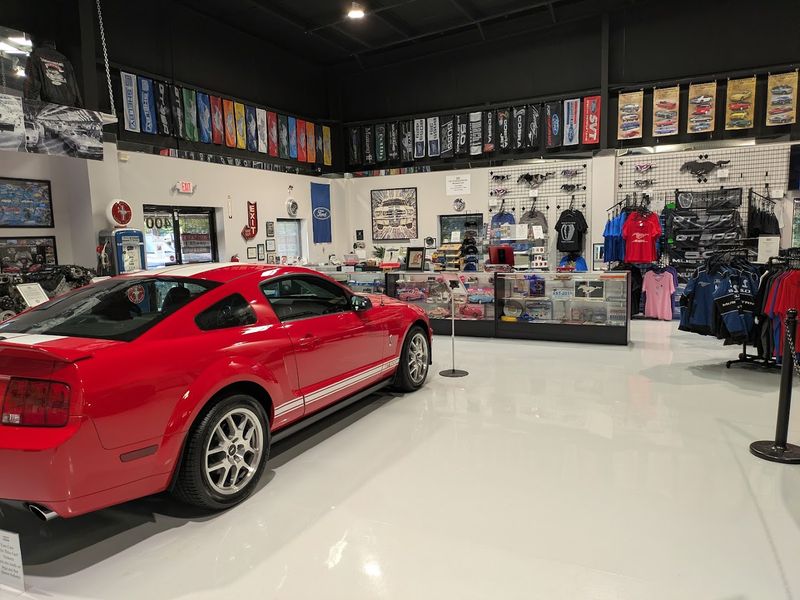
The cars may be the stars, but the memorabilia fills in the emotional and historical details. Throughout the museum, you can find literature, collectibles, engines, signs, photographs, and promotional materials that document how the Mustang was marketed, remembered, and loved.
Those artifacts make the story feel richer and more human.
It is one thing to see a beautifully restored car under museum lighting. It is another to stand nearby and notice period brochures, factory imagery, or vintage pieces that place that car in its original moment.
Suddenly you are not just admiring an object, you are stepping into the era that first gave it meaning.
This part of the museum is especially rewarding if you enjoy nostalgia. Old ads, branded items, and historical displays often trigger memories of family garages, magazine covers, dealership visits, or posters on bedroom walls.
Even when the objects are small, they help explain how the Mustang embedded itself in American culture so effectively.
Together, the memorabilia and vehicles create a fuller experience than either could alone. You leave with a stronger sense of not only what the Mustang looked like over time, but how it was sold, celebrated, collected, and woven into everyday life.
The experience is welcoming and easy to enjoy
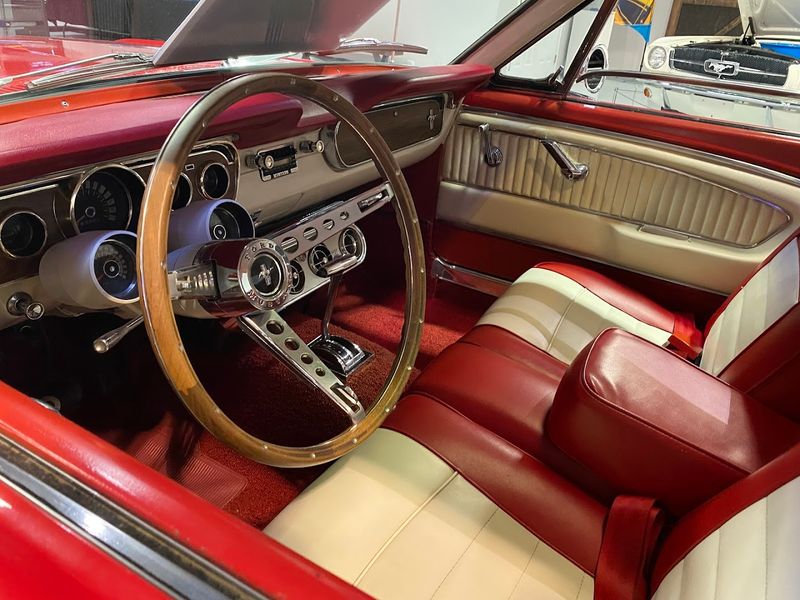
Some automotive museums can feel distant, overly formal, or built mainly for experts, but this one stays approachable. Visitors often mention how easy it is to get close to the cars and really take in the details without feeling rushed or intimidated.
That balance makes the museum enjoyable whether you are a lifelong collector or simply curious.
The layout encourages engagement instead of passive viewing. You can move at your own pace, linger over favorite models, and notice small design touches that would get lost behind a more hands-off presentation.
That up-close feeling makes the exhibits more personal, especially if you came with a specific generation or trim level already in mind.
It also helps that the subject itself is so recognizable. Even casual visitors usually have some memory or image connected to a Mustang, so the museum has an easy entry point.
You do not need encyclopedic knowledge to have a good time here, but enthusiasts will still find plenty to appreciate and discuss.
That welcoming atmosphere is part of what makes the museum such a strong recommendation. It respects serious fans while staying open and engaging enough for families, road trippers, and anyone who simply wants a fun, well-curated stop in Concord.
Events turn it into more than a museum stop
The museum becomes even more exciting when you think of it as an active gathering place rather than a static attraction. Throughout the year, it hosts events, celebrations, and Mustang meetups that bring owners and fans together from across the region and beyond.
Those occasions add movement, noise, and community to the already strong museum experience.
If your timing lines up with a special event, you may get far more than a typical walkthrough. Parking lots can become informal car shows, conversations happen naturally between strangers, and the shared enthusiasm becomes part of the entertainment.
That social energy gives the museum an extra layer that feels hard to replicate elsewhere.
Even if you visit on a quieter day, knowing the museum plays host to these gatherings says a lot about its role in the Mustang world. It is not just preserving history behind glass.
It is helping keep the culture active in the present by giving enthusiasts a place to connect, celebrate, and keep stories circulating.
For many fans, that may be the biggest draw of all. You are visiting a place that honors the past while still creating new memories, new friendships, and new reasons for people to keep driving their Mustangs to Concord.
Planning your visit is refreshingly simple
One of the best things about visiting the Mustang Owner’s Museum is that it is easy to fit into a day. The museum is located at 4001 Dearborn Place NW in Concord, North Carolina, and most visitors can comfortably see it in about one to two hours.
That makes it ideal as a focused destination or part of a bigger automotive trip.
Typical hours are Monday through Saturday from 10 AM to 5 PM and Sunday from 12 PM to 5 PM, though checking ahead is always smart before you go. Admission is usually around $10 for adults, with discounts for seniors and veterans, while children under 12 generally get in free.
For the experience you get, that feels like a very fair value.
If you want the best visit, give yourself enough time to read displays instead of just snapping photos and moving on. Pairing the museum with other nearby motorsports attractions can also make the day even better.
Comfortable shoes, a charged phone, and a little curiosity are really all you need.
It is a straightforward stop with a surprisingly lasting payoff. You arrive expecting a nice museum visit and leave feeling like you touched a living chapter of American car culture.