Some families in northeastern North Carolina have been coming to the same gathering for more than 30 years, first with their kids and later with their grandkids. That kind of loyalty does not happen by accident.
Out in Hertford County, near the town of Ahoskie, a Native nation with deep roots along the rivers of the region hosts dances, drum circles, and cultural events that pull people back year after year. The history books leave out a lot of this story, and the people here are happy to fill in the gaps.
Keep reading to learn where to go, what happens at the yearly powwow, how to be a respectful guest, and why so many first-timers mark their calendars for the next one before they even leave the grounds.
A Home Base on Highway 11
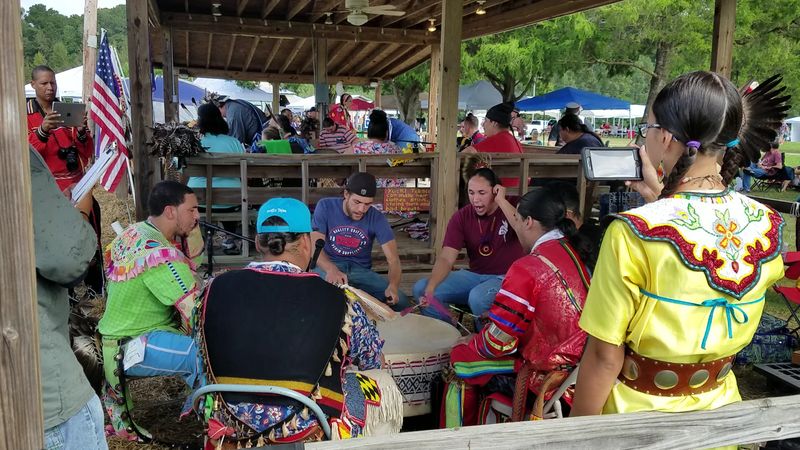
Every great story needs a home, and this one has an address you can type into a map. The Meherrin Indian Tribe keeps its tribal headquarters at 852 NC-11 South, Ahoskie, NC 27910, in the northeastern corner of North Carolina.
Ahoskie sits in Hertford County, a quiet, rural area of farm fields, small towns, and winding roads. The headquarters is the center for tribal business, community programs, and the cultural events that the public can attend.
The tribe is recognized by the State of North Carolina. Its members have lived in this part of the state and nearby Virginia for a very long time, and the headquarters gives them a place to gather, plan, and celebrate together.
Getting there is simple. NC-11 is a main road through the area, so you will not need to wander down tiny back lanes to find it.
Before heading out, check the tribe’s website at meherrinnation.org for event dates. That little step saves a wasted trip and makes sure you arrive when the drums are ready to sound.
People of the Muddy Water
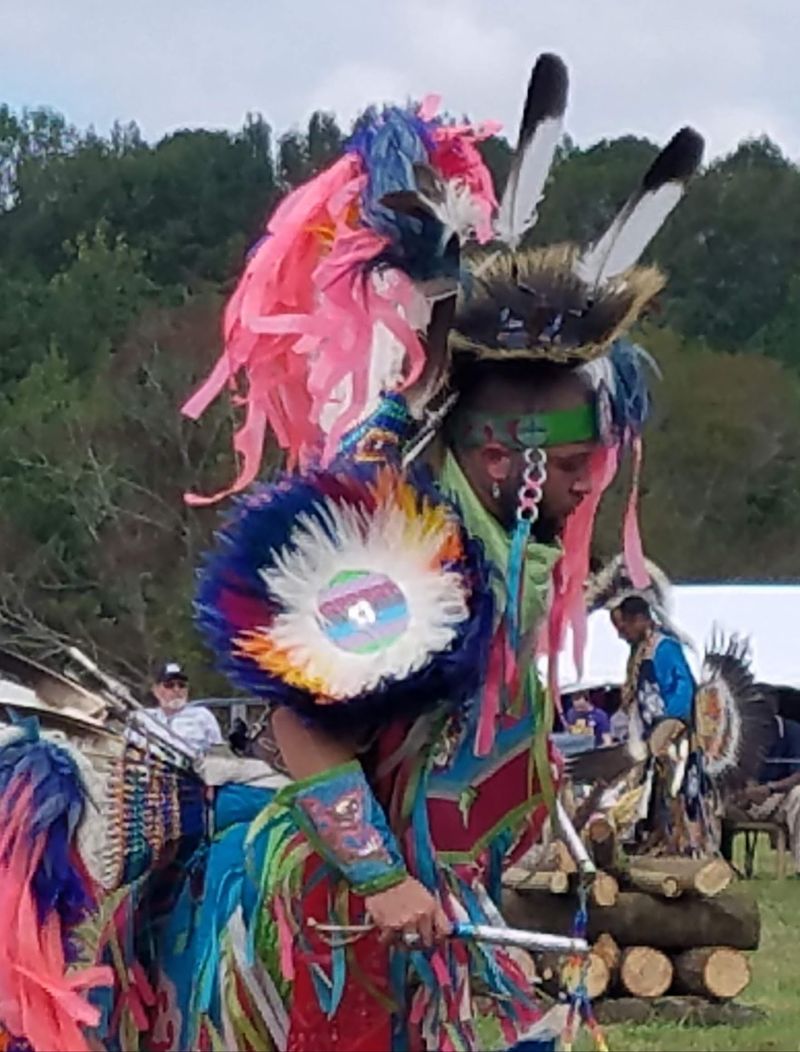
Names often hold clues, and the name of this nation is tied to a river. The Meherrin River flows from southern Virginia into North Carolina, and the tribe’s homeland has long followed its banks.
The Meherrin are an Iroquoian-speaking people. That places them in the same language family as the Tuscarora and the Nottoway, who were neighbors in this region centuries ago.
Colonial records from the 1600s and 1700s mention the Meherrin living along the river. Over time, pressure from settlers pushed them from place to place, yet many families stayed close to their original lands in what is now Hertford County.
Here is a fun fact for your next trivia night. The tribe’s name is often linked to the idea of people of the muddy water, a nod to that river.
Knowing this background makes every dance and song at their events feel more meaningful. You are watching a living history that started long before North Carolina was even a state.
Powwow Season Arrives
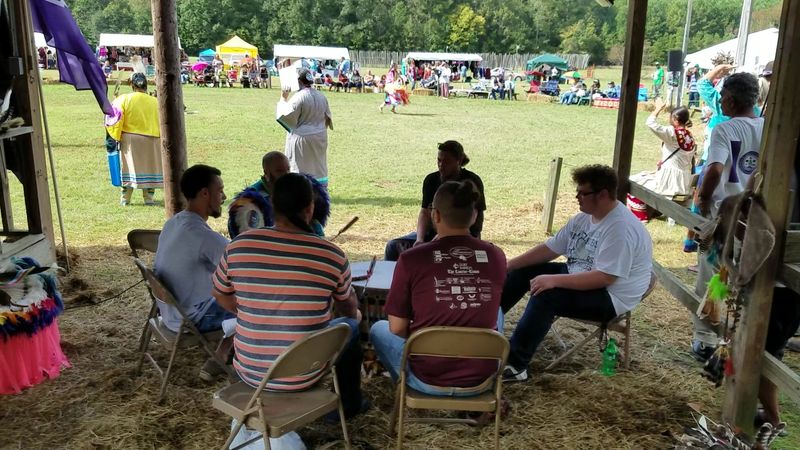
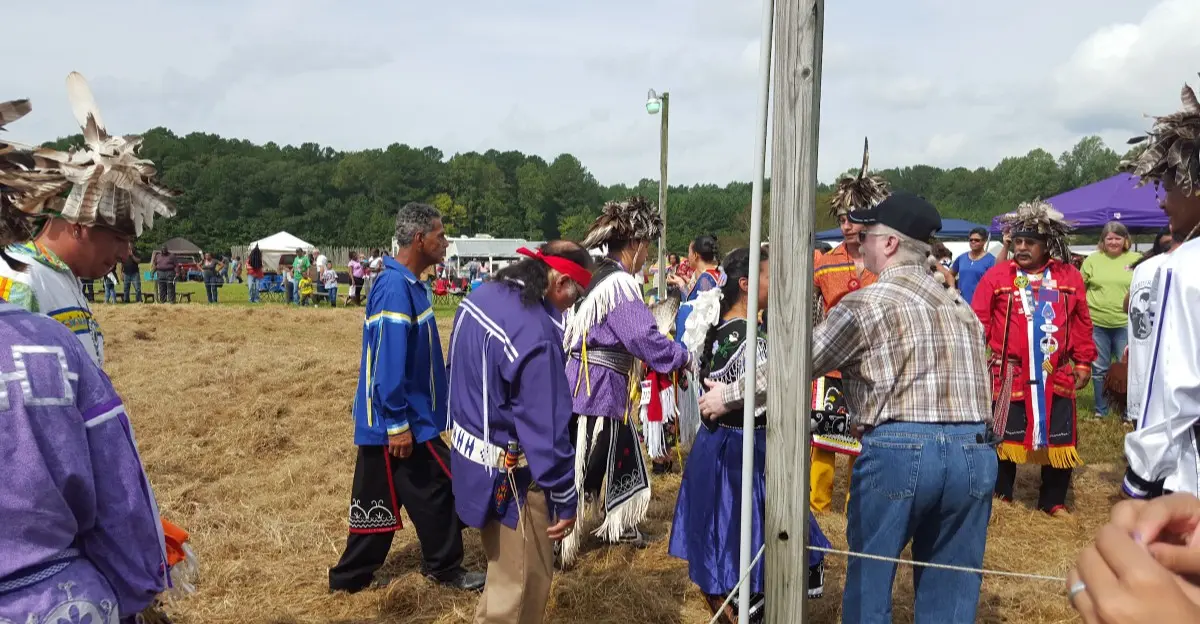
Mark it on the calendar early, because the annual powwow is the big event of the year. Families travel from across the region to share an afternoon of dancing, drumming, and friendship.
A powwow is a gathering that honors Native culture through song and dance. It is open to the public, which means you do not need to be a tribal member to attend and learn.
The Meherrin powwow has a reputation for an old-style, family-friendly feel. It is less about flashy shows and more about community, with people greeting each other like long-lost cousins.
Plenty of first-timers leave saying they want to come back next year. Some longtime attendees have been showing up for three decades, bringing new generations along each time.
Dates can shift from year to year, so check the tribe’s website or social pages for the current schedule. Planning ahead also helps you grab a good spot near the arena before the opening ceremony kicks off.
Grand Entry Gets Things Moving
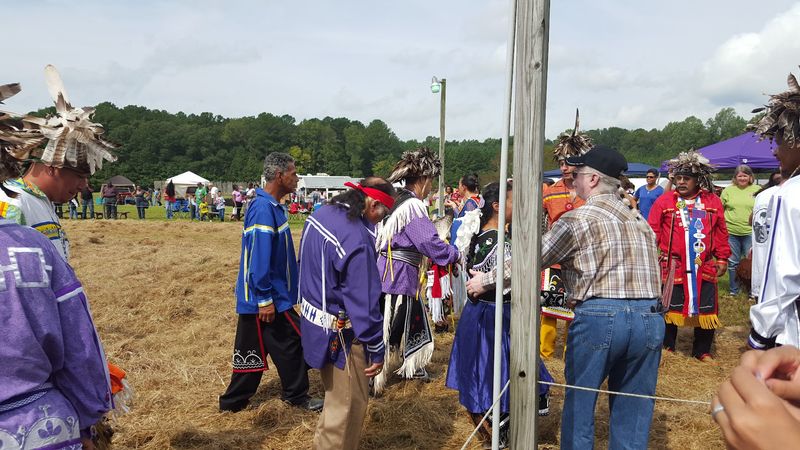
Nobody wants to miss the opening, and for good reason. The Grand Entry is when dancers file into the arena together to start the powwow.
Flags are usually carried in first, often by veterans who are honored for their service. Then come the dancers, grouped by style, age, and gender, moving in a long, colorful line around the circle.
Spectators are asked to stand during this part. Hats come off, and phones often go down, since some moments are meant to be watched with respect rather than recorded.
The Grand Entry is a great time to notice how many kids take part. Young dancers learn by following their elders, so tradition passes along one step at a time.
A quick tip for families is to explain to children before the event what will happen. When kids know why everyone stands, they feel included instead of confused.
Once the last dancer enters, the circle is full and the celebration is officially underway.
Regalia Full of Color and Meaning
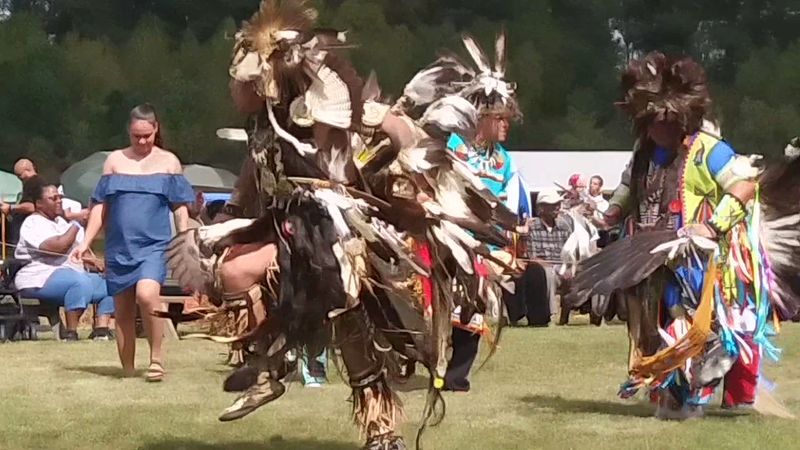
Bright ribbons, detailed beadwork, and careful feather work make the dancers easy to spot. Those outfits are called regalia, and they are never called costumes.
That word choice matters. Regalia often takes months or even years to make, and many pieces are gifts from family members or carry personal meaning.
Different dance styles come with different regalia. Fancy shawl dancers twirl with fringed shawls, jingle dress dancers wear rows of metal cones, and traditional dancers often wear more classic designs.
Good manners go a long way here. Always ask before taking a close-up photo, and never touch a dancer’s regalia without permission.
Many dancers are happy to chat about their outfits during breaks. A polite question can lead to a great story about a grandmother’s beadwork or a favorite family design.
Paying attention to these details turns a colorful scene into a lesson in art, family, and pride. Every bead seems to have a reason for being there.
Vendors and Handmade Treasures
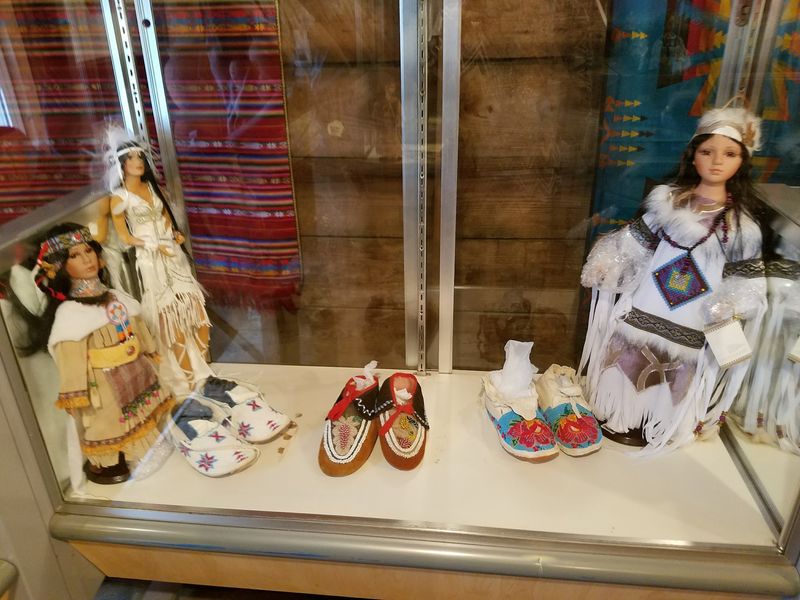
Shopping is part of the fun, too. Vendor booths line the grounds, offering handmade jewelry, beadwork, crafts, and other items.
Many vendors are friendly and glad to explain how their work is made. Asking questions can teach you about materials, styles, and the meaning behind certain designs.
Buying directly from Native artists supports their families and helps keep traditional skills alive. A pair of earrings becomes more than a souvenir when you know who made it.
Bring cash just in case. Some booths may take cards, but small vendors in rural areas sometimes prefer bills.
Food vendors are often on site as well, though the number can vary each year. Packing water and a few snacks is a smart backup plan, especially with kids.
Take your time walking the rows. Some of the best finds are tucked into quiet corners, and the stories behind them are just as valuable as the items themselves.
Lessons the Textbooks Skip
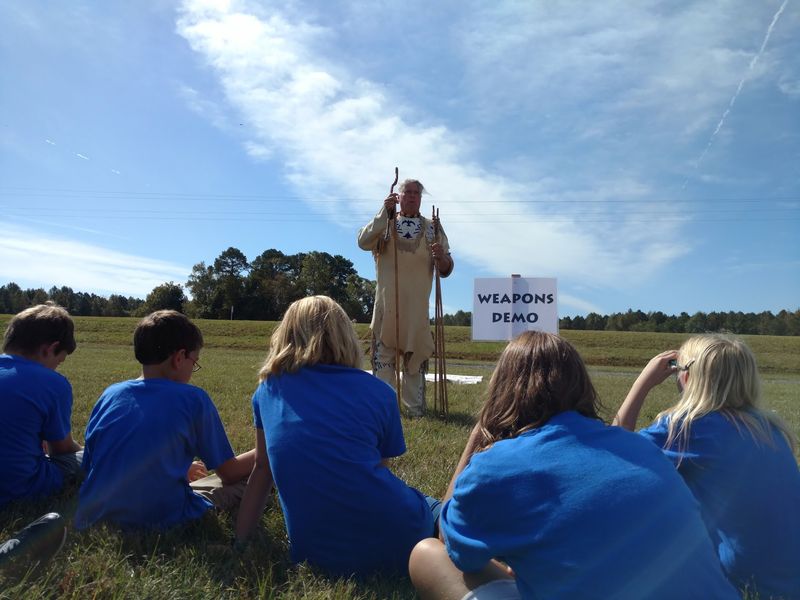
Plenty of guests leave saying they learned history they never knew. That is one of the most valuable gifts this community offers.
School books often give only a short mention of Native nations in North Carolina. Talking with tribal members fills in the missing pages about survival, family, and pride in heritage.
Many local families also have ancestors with Meherrin or Tuscarora roots. For them, events here are a way to reconnect with who they are.
Be a thoughtful guest by listening more than you speak. Ask respectful questions, and accept that some ceremonies or stories may not be shared with outsiders.
Teachers and parents can turn a visit into a hands-on lesson. Kids remember dancing and drumming far longer than a chapter they read once.
The Meherrin have kept their traditions going through hard times, and their celebrations prove it. Showing up, learning, and coming back is a simple way to honor that strength.