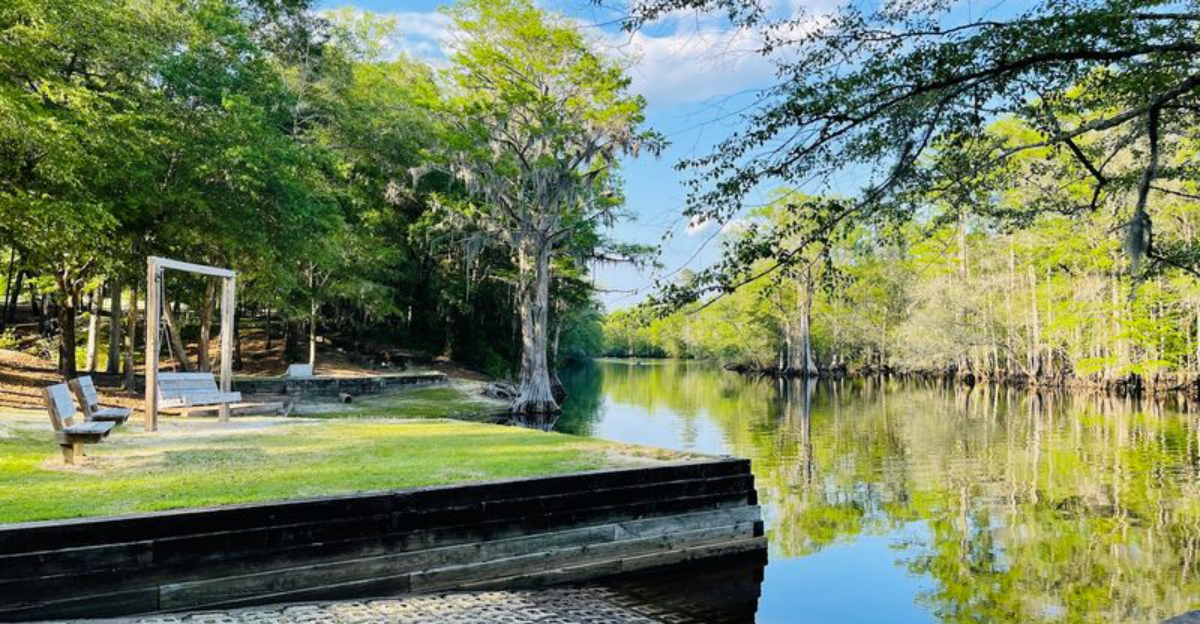
The water shimmers the color of brewed tea, yet beneath the surface it is remarkably clear, reflecting towering cypress trees and wisps of Spanish moss that seem untouched by time. With every paddle stroke, the quiet grows deeper, broken only by birdsong and the gentle ripple of the river.
Lumber River State Park, near Orrum in southeastern North Carolina, protects one of the state’s most remarkable blackwater ecosystems. Stretching along a 115-mile river, this peaceful landscape owes its rich amber color to natural tannins released by cypress and hardwood forests, creating a scene unlike almost anywhere else in the region.
Kayakers, anglers, hikers, and wildlife enthusiasts come here to experience winding waterways, shaded forests, and an extraordinary sense of solitude.
From hidden river bends to quiet swamp forests filled with native wildlife, every mile reveals another reason this remarkable state park has become one of North Carolina’s most captivating natural escapes.
The Tea-Colored Water Mystery
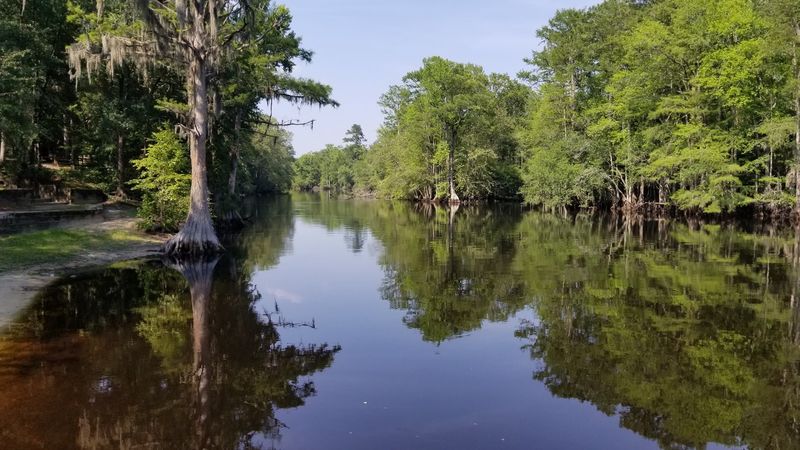
Have you ever seen water that looks like it belongs in a giant teacup? The Lumber River flows with a distinctive amber-brown color that captivates first-time visitors and puzzles curious minds.
This isn’t pollution or dirt making the water dark. Ancient cypress trees release natural compounds called tannins into the river, the same substances that make your morning tea brown.
As leaves, bark, and roots decompose in the slow-moving water, they create this stunning natural phenomenon.
The blackwater ecosystem supports incredible biodiversity despite its mysterious appearance. Fish, turtles, and countless aquatic creatures thrive in these tannin-rich waters.
Scientists call rivers like this “blackwater streams,” and they’re found throughout the coastal plains of the southeastern United States.
Lumber River State Park at 2819 Princess Ann Rd in Orrum preserves this unique waterway. Visitors often comment on how clear the tea-colored water actually is when you look closely.
It’s nature’s magic trick—dark yet transparent, mysterious yet teeming with life.
A 115-Mile Wilderness Journey
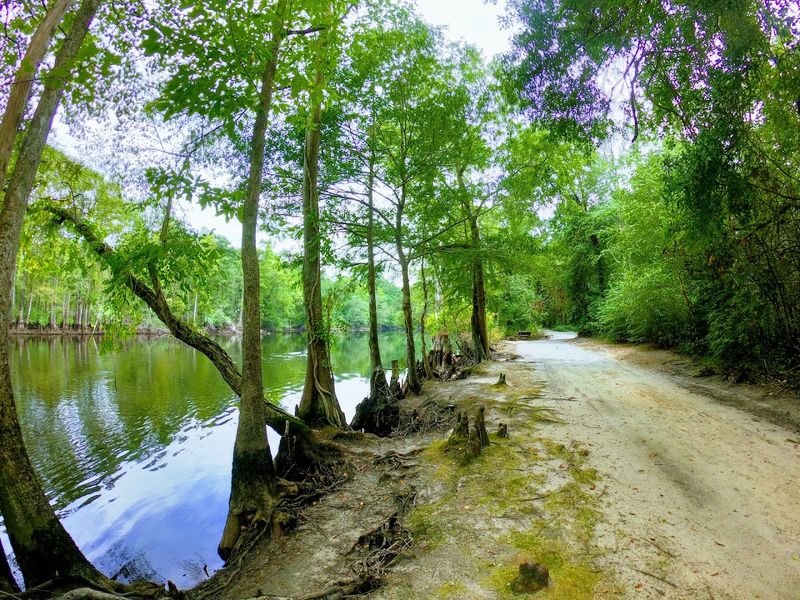
Some rivers rush and roar, but this one whispers secrets as it meanders through 115 miles of untouched wilderness. The Lumber River creates one of the longest natural corridors in North Carolina, carving a path through swamps, hardwood forests, and coastal plains.
Unlike mountain streams that tumble over rocks, this gentle giant flows at a leisurely pace. The slow current makes it perfect for paddlers of all skill levels.
You can spend hours drifting downstream, watching the landscape shift from cypress swamps to sandy banks lined with wildflowers.
The river connects communities and ecosystems along its entire length. Starting in the Sandhills region, it eventually joins the Little Pee Dee River in South Carolina.
Each bend reveals something new—a blue heron fishing in the shallows, turtles sunbathing on logs, or the flash of a fish breaking the surface.
Lumber River State Park protects a significant stretch of this aquatic highway. Rangers at the Princess Ann access point can tell you about the river’s geography and suggest the best routes for your adventure.
Ancient Cypress Cathedral
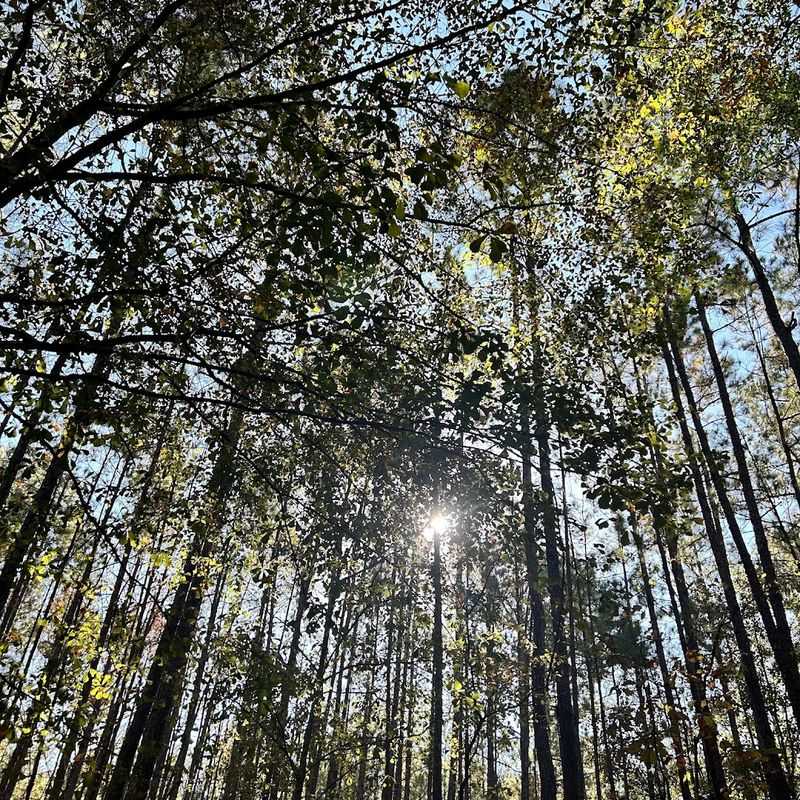
Walking among trees that were already old when your great-grandparents were born changes how you think about time. The cypress forest at Lumber River State Park feels like entering a natural cathedral, where massive trunks rise from the water and Spanish moss drapes like nature’s curtains.
Bald cypress trees develop unusual “knees”—woody projections that stick up from the roots around the tree base. Scientists debate their exact purpose, but they create an otherworldly landscape that looks like something from a fantasy novel.
These knees poke through the water’s surface, forming natural sculptures throughout the swamp.
The trees provide crucial habitat for countless species. Woodpeckers drill nesting holes in dead standing timber.
Fish find shelter among the submerged roots. Even the moss hanging from branches supports tiny insects and provides nesting material for birds.
At 2819 Princess Ann Rd in Orrum, the park’s cypress groves are accessible via trails and water routes. Early morning visits reward you with mist rising through the trees, creating an almost magical atmosphere worth every early wake-up call.
Paddler’s Hidden Paradise
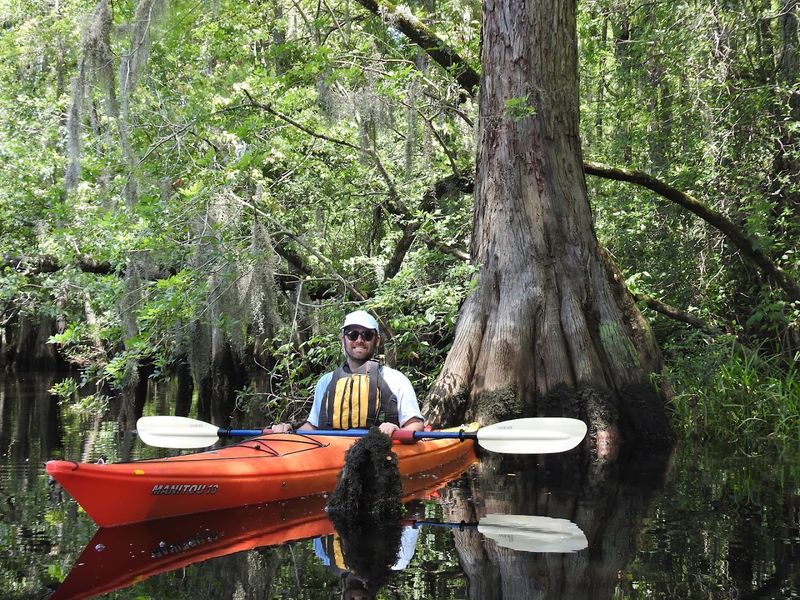
Silence broken only by your paddle dipping into dark water—this is kayaking at its most peaceful. The Lumber River offers paddling experiences that feel a million miles from everyday life, even though you’re just minutes from the road.
The boat ramp at Princess Ann access makes launching easy. The gentle current means you can paddle upstream without exhausting yourself, then enjoy a relaxing drift back to your starting point.
Rangers recommend heading upstream first so you’re not fighting the flow on your return journey.
Debris and fallen trees sometimes create natural obstacles after storms. Some paddlers see this as part of the adventure, navigating around cypress knees and ducking under low-hanging branches.
It’s like a natural obstacle course that keeps you engaged and alert.
Bring your own kayak or canoe—the park doesn’t offer rentals. However, they do provide free ranger-led tours if you call ahead and arrange a group outing.
The rangers know every bend, every wildlife hotspot, and every story the river has to tell about Lumber River State Park’s ecological treasures.
Griffin’s Whirl Vortex
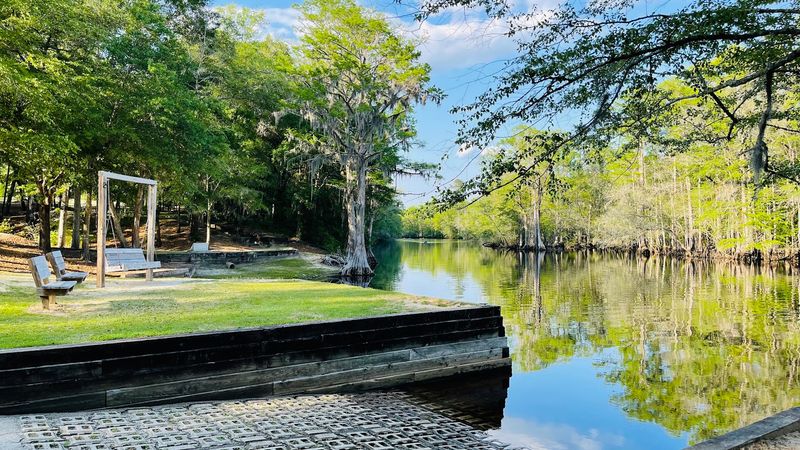
Water swirls in hypnotic circles, creating patterns that could entrance you for hours. Griffin’s Whirl is one of those natural phenomena that seems too perfect to be accidental—a spot where the river creates continuous vortex patterns that captivate everyone who sees them.
A wooden dock extends over the water, giving visitors the perfect viewing platform. Families spread out picnic lunches here while watching the endless spiral dance of the current.
The combination of river flow, underwater topography, and obstacles creates these mesmerizing whirlpools.
Photographers love this spot because the patterns change constantly yet remain consistent. The dark water makes the swirls stand out even more dramatically.
On calm days, you can see reflections of cypress trees distorting and twisting in the circular currents.
The Griffin’s Whirl trail leads you to this natural wonder. It’s an easy walk that most families complete in under an hour.
Remember your bug spray, though—mosquitoes consider this area prime real estate too. The dock provides lovely wooden swings where you can sit and lose yourself in nature’s spinning water show at Lumber River State Park.
Woodland Trail Adventures
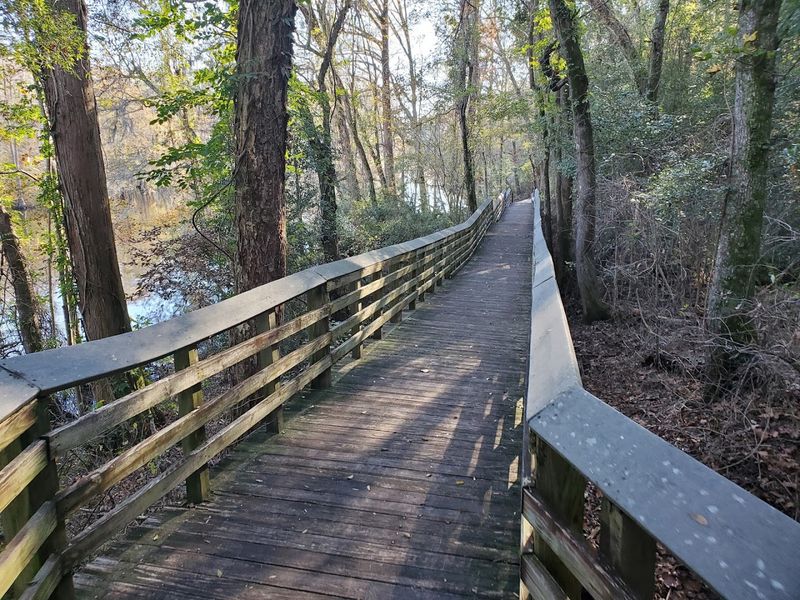
Footpaths disappearing into green tunnels of overhanging trees invite you to explore on foot. The trail system at Lumber River State Park offers everything from easy riverside strolls to longer hikes through diverse ecosystems that showcase the region’s natural variety.
Tree cover provides welcome shade during hot Carolina summers. Trails wind past wetlands, through hardwood forests, and along elevated areas where you can see the river from new perspectives.
Well-maintained paths make navigation easy, though some routes get overgrown during growing season.
Mill Hole trail and other routes offer different experiences and difficulty levels. Most visitors can complete all trails in about ninety minutes of leisurely walking.
The paths aren’t challenging, making them perfect for families with children or anyone seeking a relaxing nature walk.
Watch for occasional downed trees after storms—they’re part of the natural forest cycle. Wildlife officers and rangers keep paths clear, but nature constantly reshapes the landscape.
Benches and rest areas dot the routes, giving you perfect spots to pause and absorb the peaceful surroundings at 2819 Princess Ann Rd in Orrum.
Waterfront Camping Under Stars
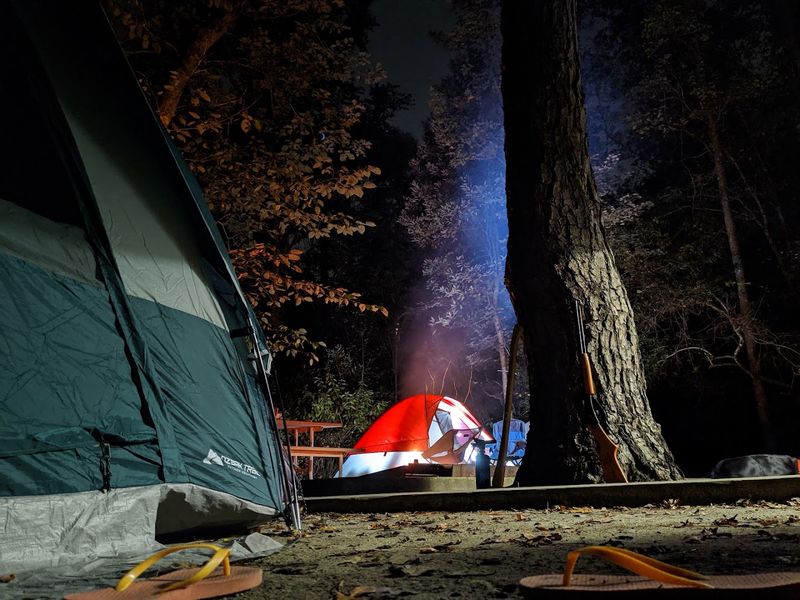
Campfire smoke drifting toward stars, crickets providing the soundtrack, and the river murmuring nearby—this is camping stripped down to its essentials. The campsites at Lumber River State Park offer an affordable escape where nature provides the entertainment and cell phone signals mercifully fade away.
Each site comes equipped with a fire pit and grill combination. Level tent pads make setting up shelter straightforward.
The rustic facilities keep things simple—no showers, just clean restrooms and potable water to fill your bottles.
Sites remain surprisingly uncrowded, even on weekends. Weekday visitors often report having the place practically to themselves.
The peace and quiet attract people seeking genuine solitude rather than crowded campground chaos.
Rangers maintain an active presence for safety without being intrusive. They’re helpful resources for fishing tips, trail conditions, and local wildlife information.
Pet-friendly policies mean your dog can join the adventure, making it a true family experience. At around thirty dollars per night or less, these riverside sites offer incredible value for anyone wanting quality outdoor time at Lumber River State Park.
The Challenge of River Fishing
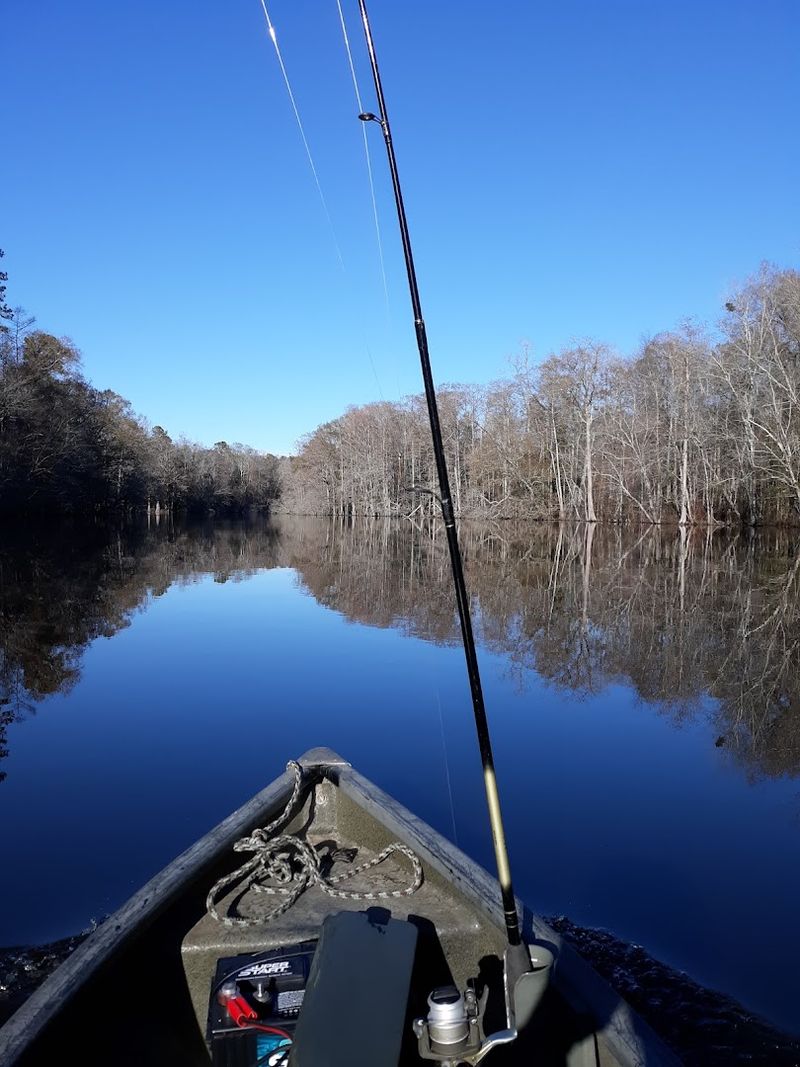
Your fishing line arcs through humid air and lands with a soft plop in dark water. Bank fishing at Lumber River State Park tests your patience and skill—the real action happens out on the water where kayakers and canoeists have the advantage.
The river holds bass, bream, catfish, and other species that thrive in blackwater environments. Shore anglers face challenges with overhanging vegetation and limited casting space.
Many experienced visitors bring kayaks specifically to reach prime fishing spots inaccessible from land.
A valid North Carolina state fishing license is required—rangers enforce regulations to protect fish populations. They’re friendly about it but serious about conservation.
The park’s office can point you toward productive areas and current conditions affecting fish behavior.
Early morning and late afternoon provide the best bite times. Heat drives fish deeper during midday hours.
Veterans recommend exploring different sections of the river to find where fish are actively feeding. Whether you hook a trophy or come up empty, the peaceful riverside setting makes every fishing trip worthwhile at this Princess Ann Road location in Orrum.
Wildlife Watching Wonderland

A great blue heron freezes mid-step, its reflection perfectly mirrored in still water. Moments like this make Lumber River State Park a paradise for anyone who loves observing animals in their natural habitat—if you move slowly and watch carefully, the creatures reveal themselves.
The diverse 11,064-acre ecosystem supports an incredible variety of life. Turtles sun themselves on half-submerged logs.
Water snakes (harmless ones, mostly) glide across the surface. Woodpeckers hammer on dead cypress trunks, and songbirds fill the canopy with music.
Bird enthusiasts especially appreciate the park’s wetland setting. Herons, egrets, wood ducks, and countless songbird species either live here year-round or stop during migration.
Bring binoculars to catch details of colorful plumage and interesting behaviors.
Patient observers might spot river otters playing in the current or deer coming to drink at dawn. Even common species like squirrels and chipmunks seem more interesting when watched in this wild setting.
The ranger office maintains wildlife sighting logs where visitors share recent observations, helping you know what’s been spotted lately in this North Carolina wilderness.
Native Plant Discovery Garden
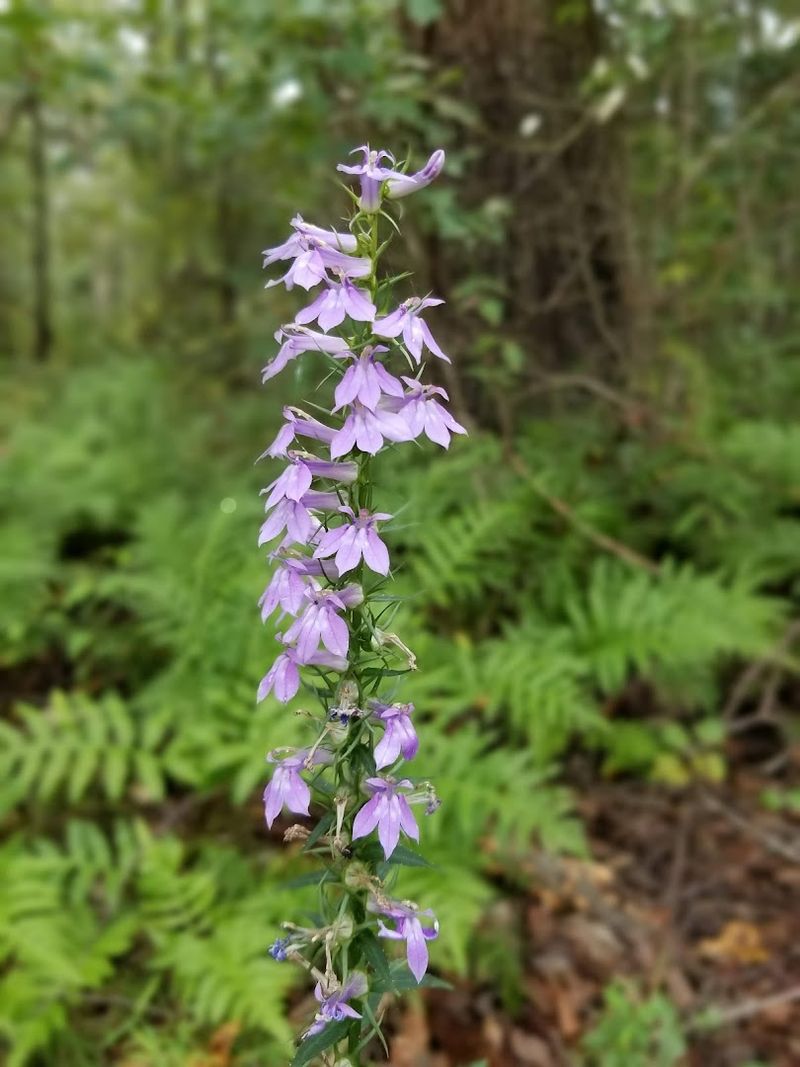
Labels attached to living specimens turn a casual walk into an outdoor classroom. The native plant display at Lumber River State Park showcases the incredible botanical diversity of North Carolina’s coastal plain ecosystems, with specimens clearly identified for curious visitors.
Wild varieties you might overlook suddenly become fascinating when you learn their names and purposes. Some plants provided food and medicine for indigenous peoples.
Others play crucial roles in supporting insects, birds, and other wildlife that depend on native vegetation.
The display helps visitors identify plants they see elsewhere in the park. Recognizing sweetgum, river birch, swamp rose, and other species enhances your appreciation of the landscape.
Understanding which plants are native versus invasive helps explain conservation efforts you might notice.
Educational signage explains ecological relationships and cultural significance. Children especially enjoy the scavenger hunt aspect of finding labeled plants they’ve spotted on trails.
Rangers sometimes lead interpretive programs about plant identification and natural history. This living library of vegetation adds depth to any visit, transforming the park from just a pretty place into a learning opportunity at 2819 Princess Ann Rd in Orrum.