Most trip plans in Marietta, Ohio, include river views, old brick streets, and a stop for something sweet. Very few people write down a funeral museum.
That is exactly why this small spot keeps winning over travelers who never planned to visit. Behind its doors sits a collection of restored horse-drawn hearses, shiny vintage Packards, and old tools of a trade most folks never talk about.
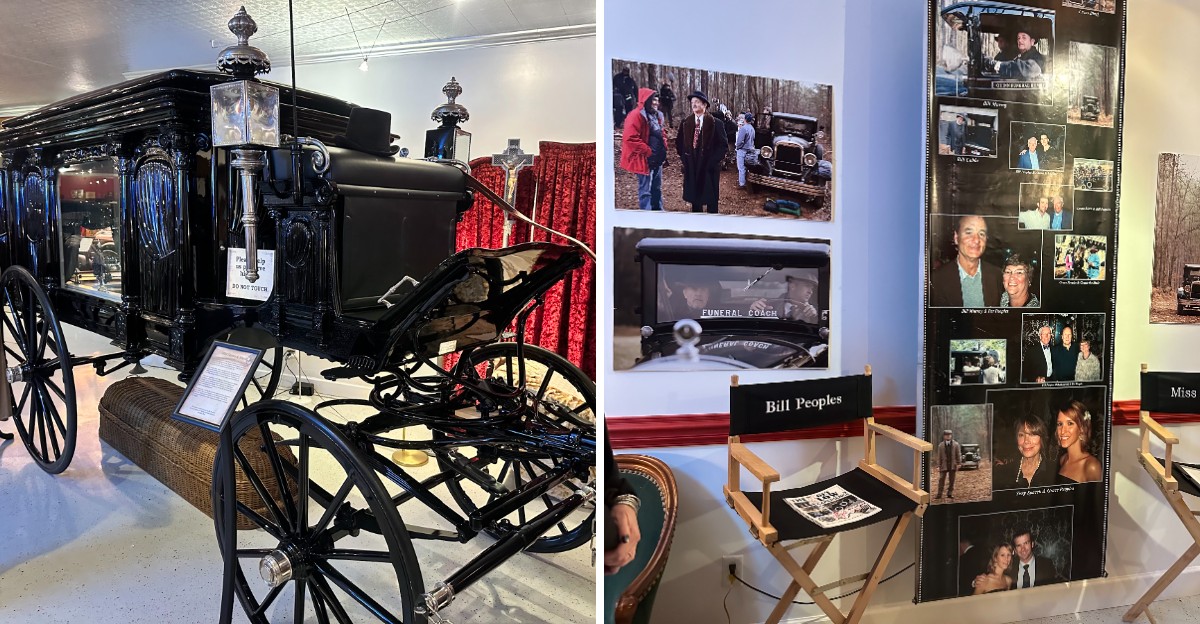
One of the cars even had a role in a Hollywood movie starring Bill Murray and Robert Duvall. The tours are free, guided, and full of stories you will not find in a textbook.
Keep reading to learn what makes this quirky stop so special, how to book a visit, and why it might become the highlight of your whole trip.
Where to Find This Hidden Stop
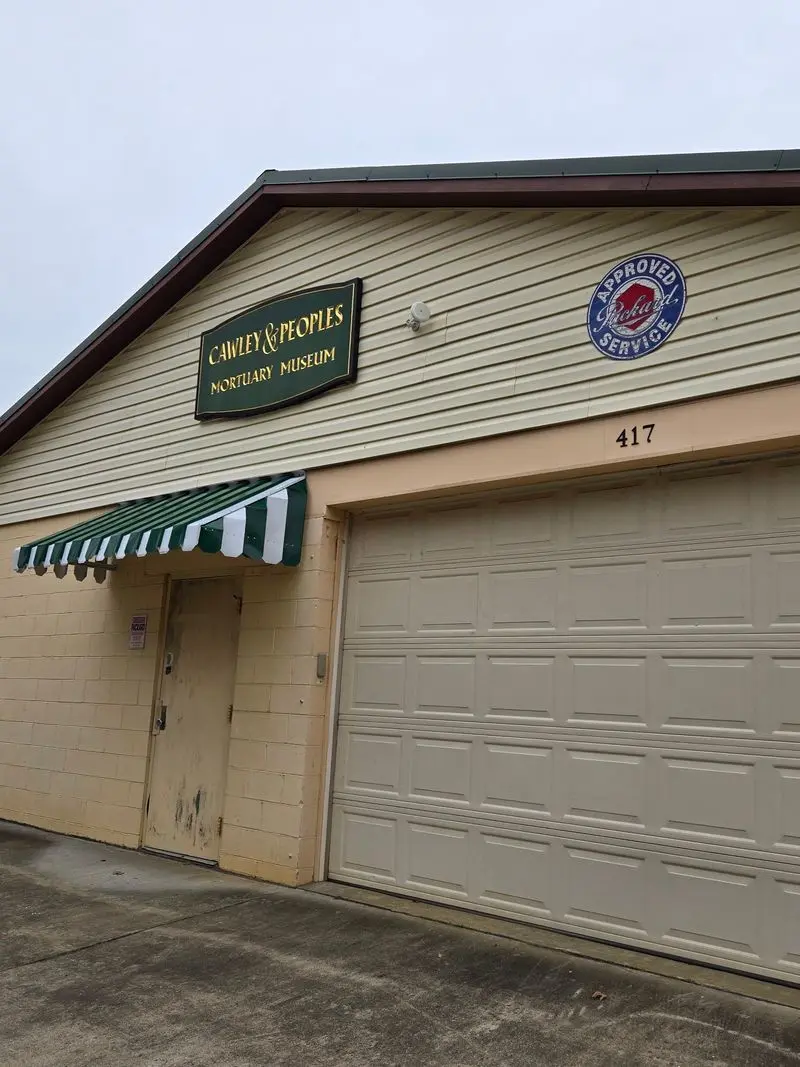
Some of the best travel finds hide in plain sight, and this one sits right on a quiet street in a historic river town.
The Cawley & Peoples Mortuary Museum is found at 417 2nd St, Marietta, OH 45750, in the southeastern corner of Ohio. Marietta sits where the Muskingum River meets the Ohio River, and it is known as one of the oldest towns in the state.
The museum is connected to Cawley & Peoples, a working funeral home that has served local families for generations. That link gives the collection a real, lived-in purpose.
It is not a giant attraction with flashy signs. In fact, it is not heavily advertised at all.
Many people only learn about it after spotting it on a map or hearing about it from friends. That small-town, word-of-mouth feel is part of the charm.
Plan to pair it with a stroll through downtown Marietta. The museum fits nicely into a relaxed day of exploring a town packed with history around every corner.
Call First, Then Show Up
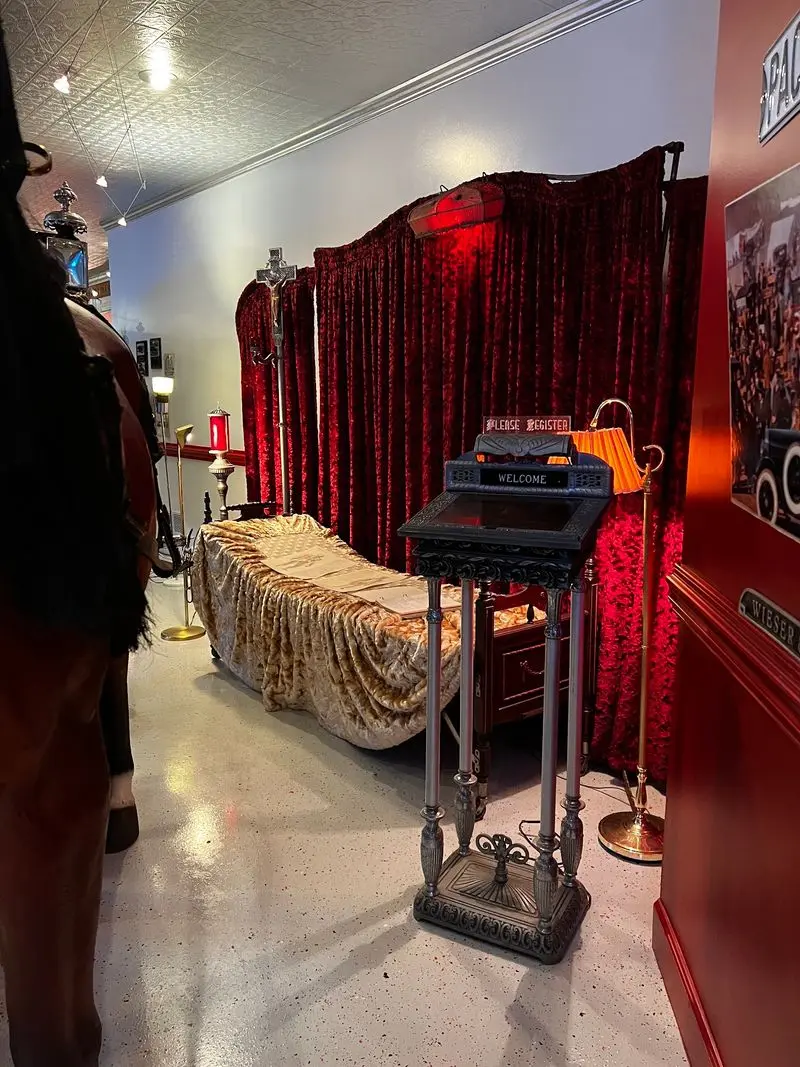
Here is the golden rule of this museum: do not just wander in. Tours run by appointment only, so a quick call or email ahead of time is a must.
There are no set tour times posted on a board. Instead, guests reach out with the day they hope to visit, and the team works to fit them in.
That system might seem old-fashioned, but it has a big upside. Groups often end up with a guide all to themselves.
Families, couples, and small groups get a personal walk-through instead of a crowded rush past the displays. Questions are welcome the whole time.
A smart move is to reach out several days before a trip to Marietta. That way, there is room to adjust plans if the first choice of time does not work.
Travelers coming from nearby attractions often build this stop into a weekend loop. A little planning turns a random detour into a smooth, well-timed adventure that feels made just for your group.
The Man Behind the Collection
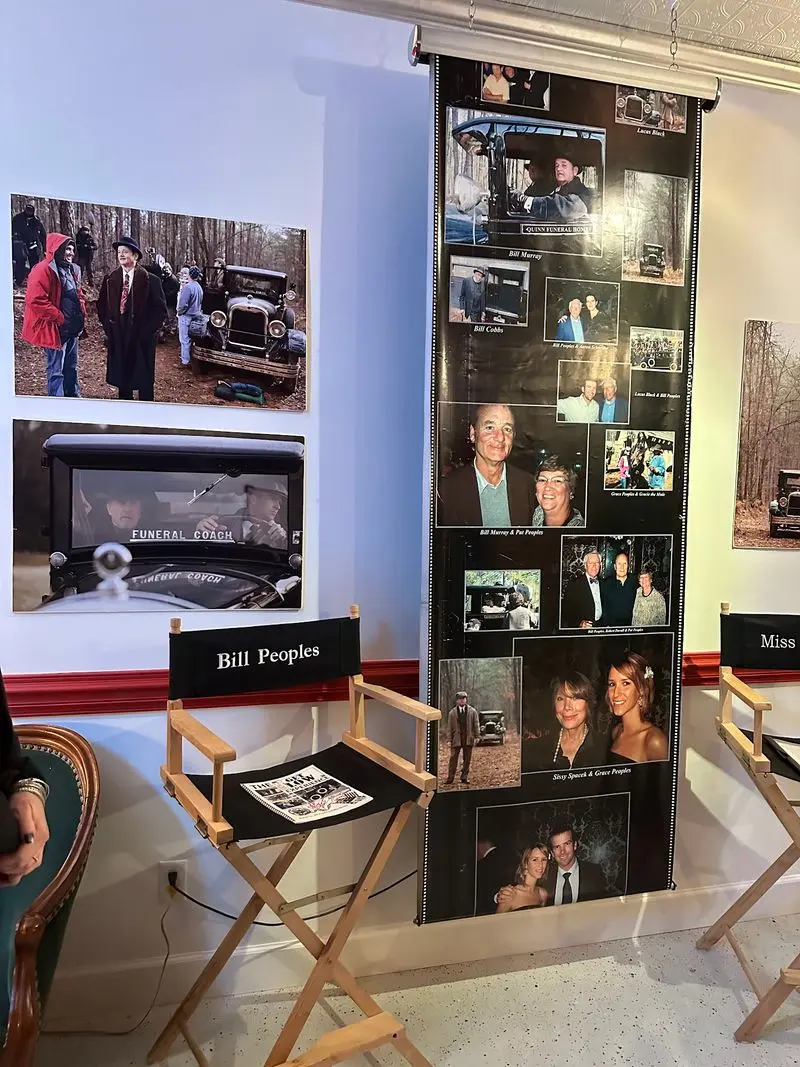
Every great museum has a story, and this one starts with a collector named Bill Peoples. He is the owner, a local mortician, and often the very person leading the tour.
The museum is his private collection, built over many years. His family business has carried on through generations, and that deep history shows in the way he talks about each piece.
Guests come away describing him as kind, relaxed, and full of knowledge. He seems to have an answer for every question, even the odd ones people are usually too shy to ask.
Other guides have helped lead tours too, including a guide named Bob, known for his long list of stories.
Here is a fun bonus fact. Bill Peoples is a second cousin of actor Don Knotts, the famous Barney Fife from The Andy Griffith Show.
So yes, in a way, Barney is still keeping an eye on things. Best behavior is strongly advised.
Carriages Built to Impress
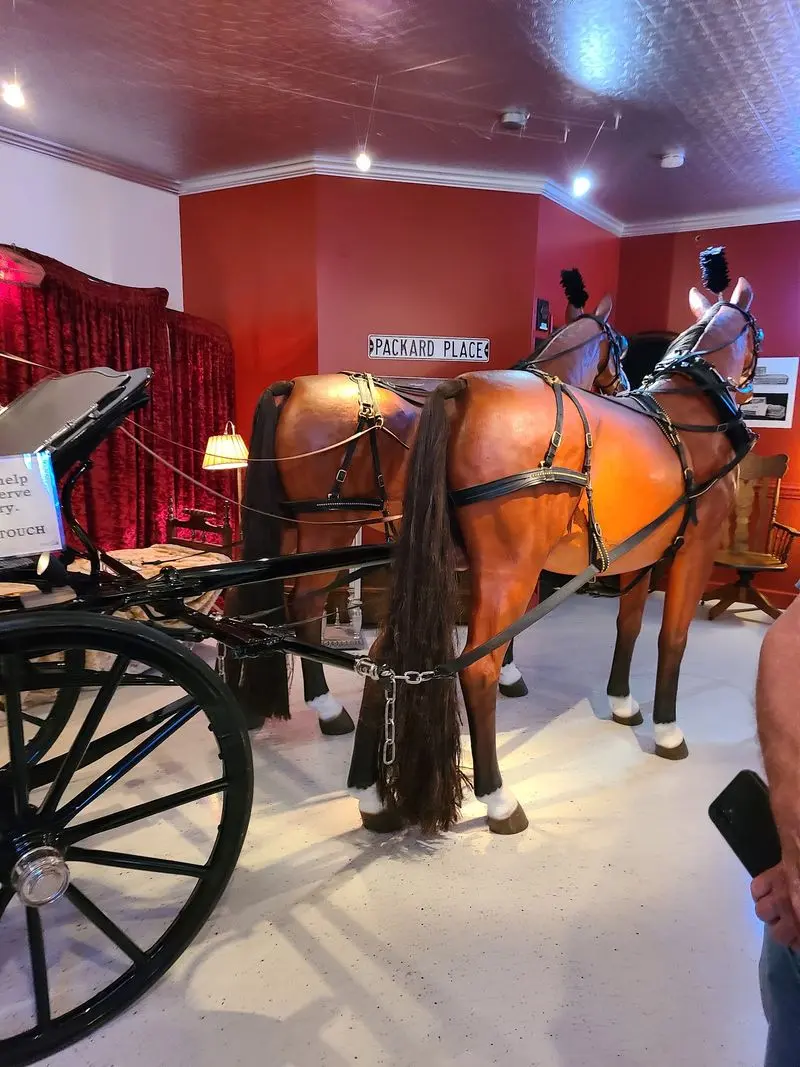
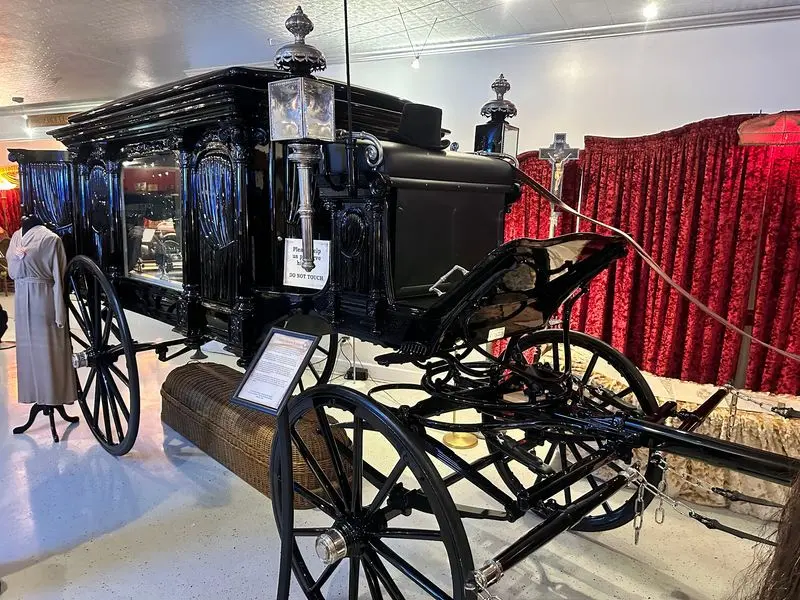
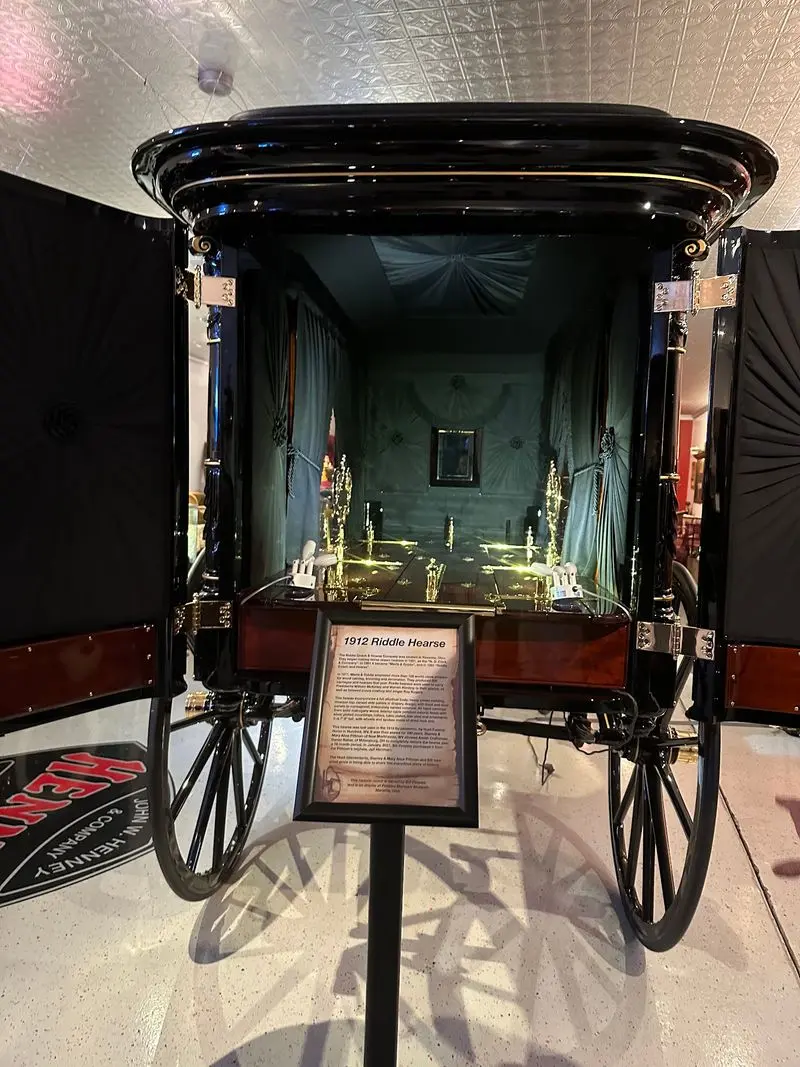
Long before engines took over the road, funeral processions moved at the pace of a horse. The museum’s horse-drawn hearses show just how much care went into those journeys.
Each carriage has been restored to an excellent condition. The carved decorative woodwork is a highlight, showing the skill of craftsmen who built these by hand.
Many hearses from that era had glass sides so the casket could be seen during the procession. Ornate details were a way of showing honor and respect.
The guide explains how these vehicles worked and why they looked the way they did. It turns a display into a real history lesson.
Car fans and history buffs both tend to linger here longer than planned. The pieces are rare, and seeing so many in one room is a treat.
Some experts call this one of the finest collections of vintage funeral transportation in the country. That is a big claim for a small museum, but these carriages back it up nicely.
Packards With Serious Style
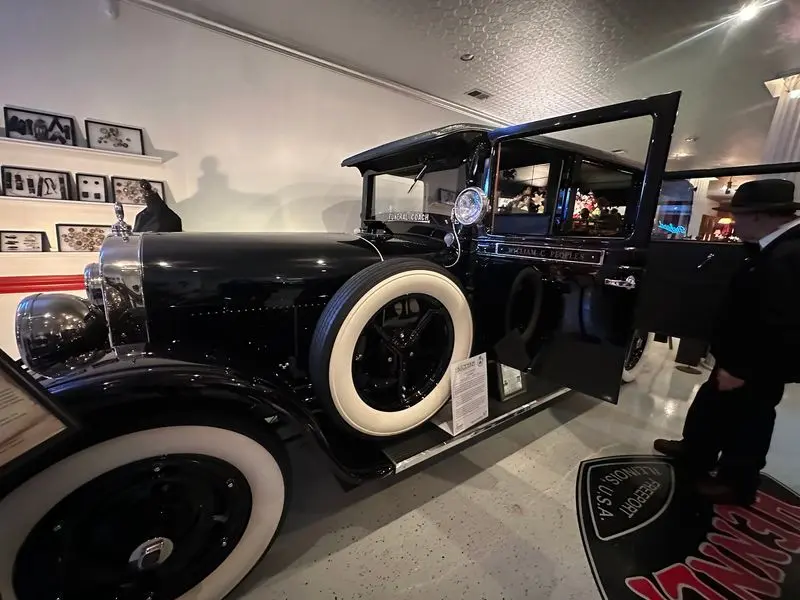
Calling all car lovers. The motorized side of this collection might just steal your heart.
The museum traces how hearses changed from stagecoach-style carriages to early motor vehicles. Along the way, it shows off several classic Packards and a Studebaker.
These machines are kept in pristine shape. Some of them are still used by the funeral home today, which is pretty rare for cars this old.
Packard was a luxury American carmaker in the early 1900s. Its vehicles were known for quality, so it makes sense they were chosen for such important work.
The guide points out clever design choices that helped these cars do their job. Small details, like how caskets were loaded, start to make a lot more sense.
Even guests who do not know much about cars find themselves impressed. The craftsmanship speaks for itself.
For true Packard fans, this stop alone might be worth the drive. It is like a classic car show with a very unusual theme.
A Hearse With a Hollywood Résumé
Not every museum piece can claim a movie credit. One vehicle here, a 1927 Henney, appeared in the film Get Low.
That 2009 movie starred Robert Duvall and Bill Murray. It tells the story of a man in the 1930s who plans his own funeral party while he is still around to enjoy it.
Because the film is set in that era, it needed a real vintage hearse. This museum had exactly the right one.
The guide shares stories about how the car ended up on set. Those behind-the-scenes tidbits are a fan favorite during the tour.
Henney was a well-known builder of professional cars, including hearses and ambulances. Their work often sat on top of other luxury car frames.
Here is a fun tip. Watch Get Low before or after your visit.
Spotting the car on screen after seeing it in person makes the whole movie a little more exciting. It is a perfect souvenir for film buffs.
Jewelry With a Surprising Secret
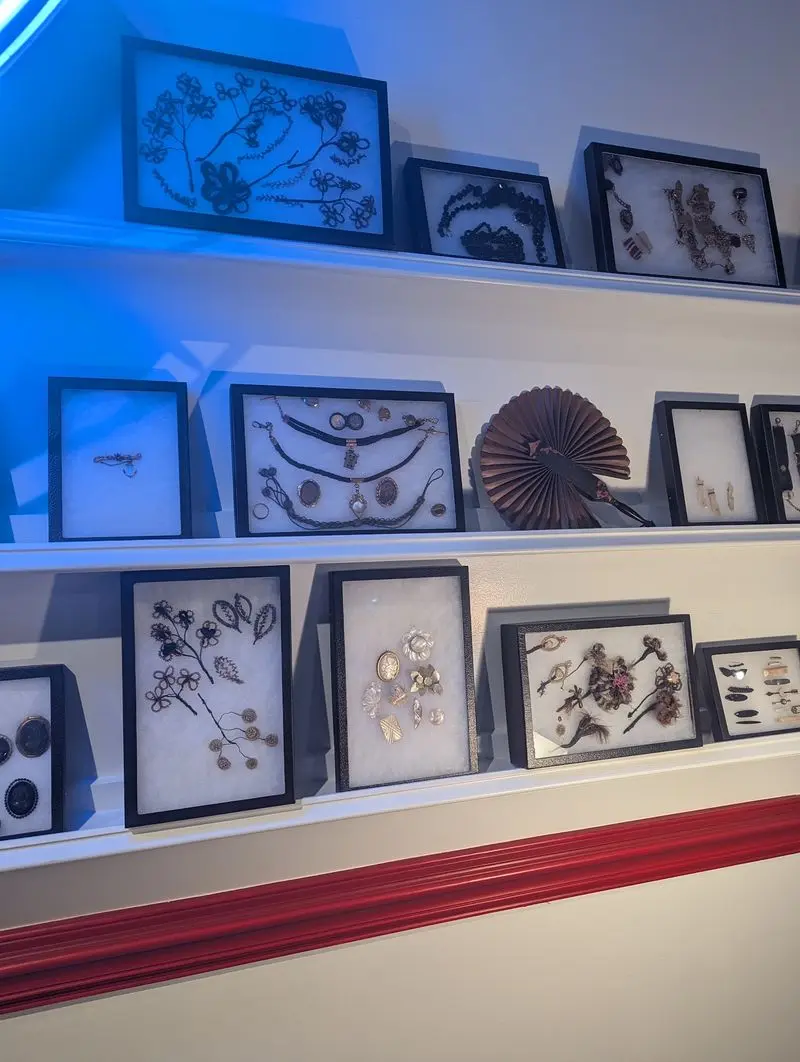
At first glance, the pieces look like ordinary old brooches and lockets. Then the guide explains what they are made from, and jaws tend to drop.
The museum displays Victorian-era mourning jewelry crafted from human hair. Families made these pieces to remember someone they cared about.
In the 1800s, this was a common and loving tradition. Hair was woven, braided, or shaped into delicate patterns and set inside jewelry.
It may sound strange today, but back then it was a heartfelt keepsake. People wore it close to keep a memory nearby.
Queen Victoria helped make mourning customs popular after her husband Prince Albert passed in 1861. Her long period of mourning set trends across the English-speaking world.
This display is a great conversation starter. It also shows how ideas about remembrance have changed a lot over time.
Guests with a taste for the unusual will want to spend extra time here. It is one of the most talked-about corners of the whole museum.
Old Tools of a Quiet Trade
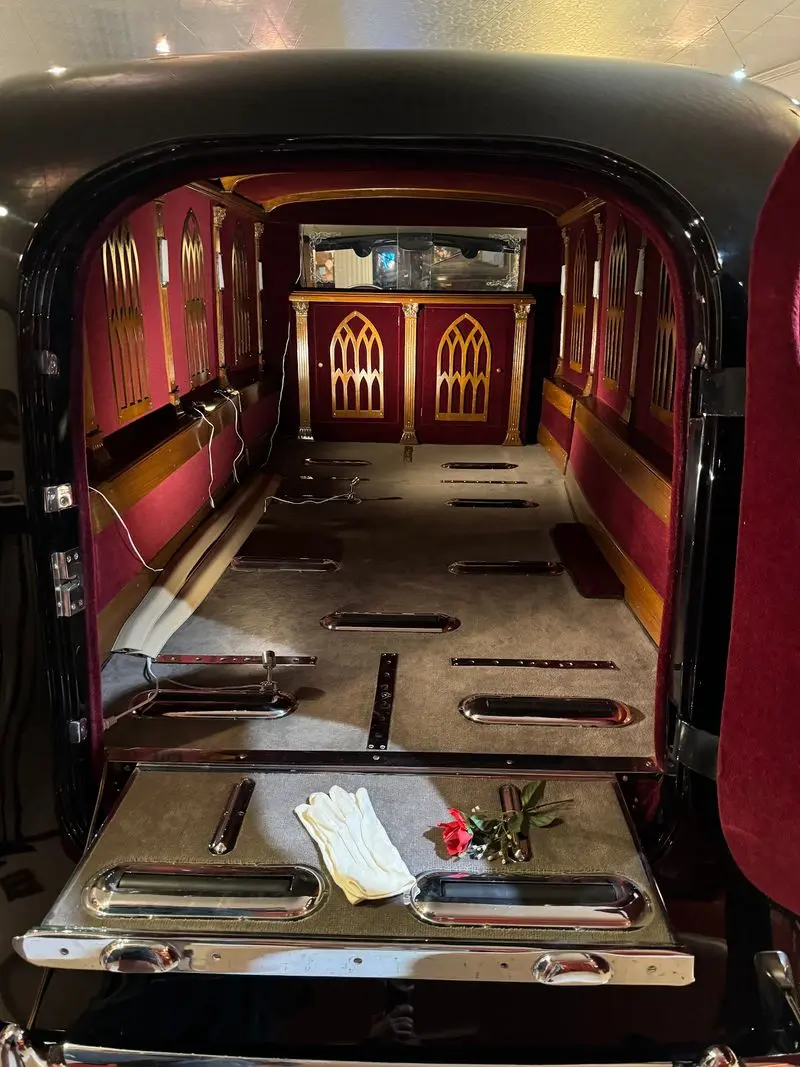
Funeral work has always happened mostly out of public view. This part of the museum pulls back the curtain in a respectful, educational way.
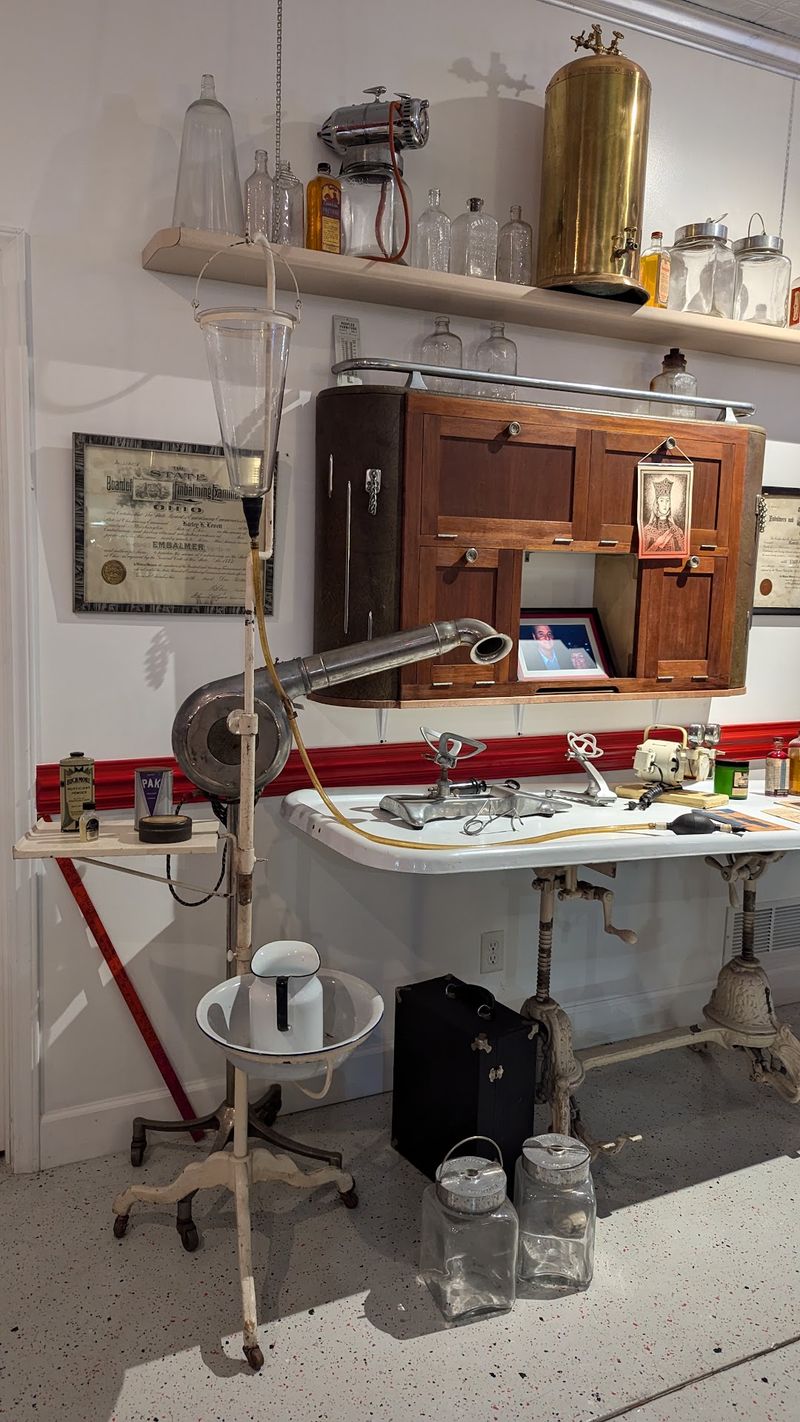
Displays include antique embalming equipment and other tools used by funeral directors long ago. There are also wicker baskets once used for temporary transport.
The guide explains how each item was used and why practices changed. Topics that are usually kept hush-hush get clear, honest answers.
Groups with lots of questions often stretch their visit to around an hour and a half. Nobody seems to mind.
The focus is mostly on customs from around 1800 to 1900. Guests learn not just what people did, but the reasons behind those traditions.
This section is especially helpful for students thinking about a career in funeral service. The guide is happy to talk shop with future professionals.
It all adds up to a fresh look at a job that serves families during hard moments. Respect for the profession grows with every display.
Not Spooky, Just Fascinating
Worried this place might be creepy? Good news, it really is not.
The museum is bright, tidy, and focused on learning. The tone stays respectful and calm from start to finish.
Instead of dark mysteries, the tour tells the story of roughly 200 years of change. It covers how people honored loved ones and how those ceremonies grew over time.
That angle makes a tough subject feel easier to talk about. Many guests leave feeling more comfortable with a topic they usually avoid.
The guide keeps things laid back and friendly. A bit of humor even slips in, which helps everyone relax.
Teens and curious kids often enjoy the visit, especially if they like history or cars. Parents can decide what feels right for their own family.
Fans of offbeat stops, like the Mothman Museum about 40 minutes away in West Virginia, often add this to the same trip. Together they make a wonderfully quirky weekend.
Free Tour, Smart Tips
Here is the best part for budget travelers. The tour costs nothing at all.
Instead of a ticket price, the museum offers a donation box at the end. Guests can give whatever amount feels right to them.
Those gifts help with upkeep of the collection. Keeping antique carriages and classic cars in top shape takes real effort.
Bring cash, since that makes donating simple. There is also a small souvenir section, and cash comes in handy there too.
Plan for about an hour, or a bit longer if your group loves asking questions. Comfortable shoes are a good idea, since the tour is a walking one.
Remember, this museum is not the owner’s main job. He runs a working funeral home, so patience with scheduling goes a long way.
Small towns often hold the biggest surprises. A free hour here could easily become the story you tell most when you get home from Marietta.