

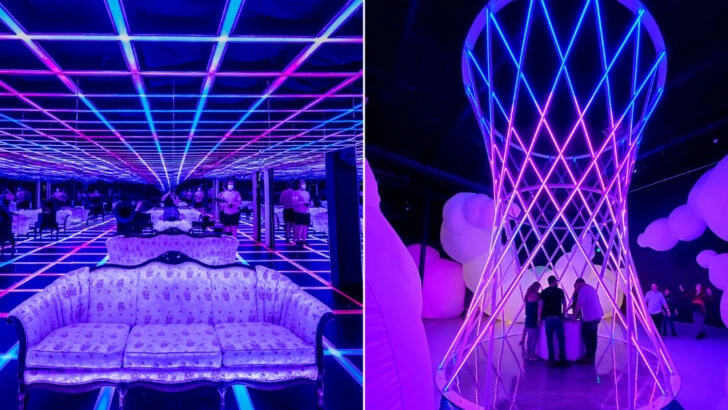
The moment you walk in, reality loosens its grip.
Otherworld in Columbus isn’t a museum you quietly stroll through—it’s a place you fall into. Walls glow, rooms shift, and every step feels like crossing into another dimension.
One turn leads to swirling colors, the next to hidden doors and interactive art that reacts to your touch.
This isn’t about standing back and looking. It’s about wandering, exploring, and letting curiosity pull you forward.
Lights pulse, sounds echo, and familiar rules fade as each space tells its own strange, playful story. You’re free to linger, poke around, and see what happens when art refuses to stay still.
Time slips away inside Otherworld. You leave buzzing, smiling, and slightly disoriented, as if you’ve just woken from a vivid dream.
It’s bold, surreal, and unforgettable—the kind of place that makes you question what an art museum can be, and crave a return visit before you even exit the door.
Know Before You Go: Hours, Tickets, and Timing


Before you step through the portal, a little planning pays off. Otherworld is open most days except Tuesday, typically from 10 AM with later hours Thursday through Sunday, so you can choose a relaxed morning or a glowing night vibe.
Timed entry keeps crowds manageable, but weekends and holidays still fill fast, so reserve ahead online for a smoother start.
Give yourself two to three hours at minimum. If you love puzzles, interactive tech, and hidden passages, budget more.
Comfortable shoes are a must, because you will wander, crouch through tunnels, and loop back to rediscover details you missed the first time.
Arrive a few minutes early to settle in and adjust to the low light. The lobby sets the tone with neon accents and a cozy, cinematic mood that tells your brain to play.
If you are sensitive to sound or light, consider midweek mornings for gentler crowds and pacing.
Parking can feel sketchy, but it is workable. Bring a fully charged phone for photos and flashlight comfort in darker rooms.
Grab water, wash hands often, and pace yourself. This dreamscape is a marathon of delight, not a sprint.
First Impressions: Lobby, Vibe, and Flow
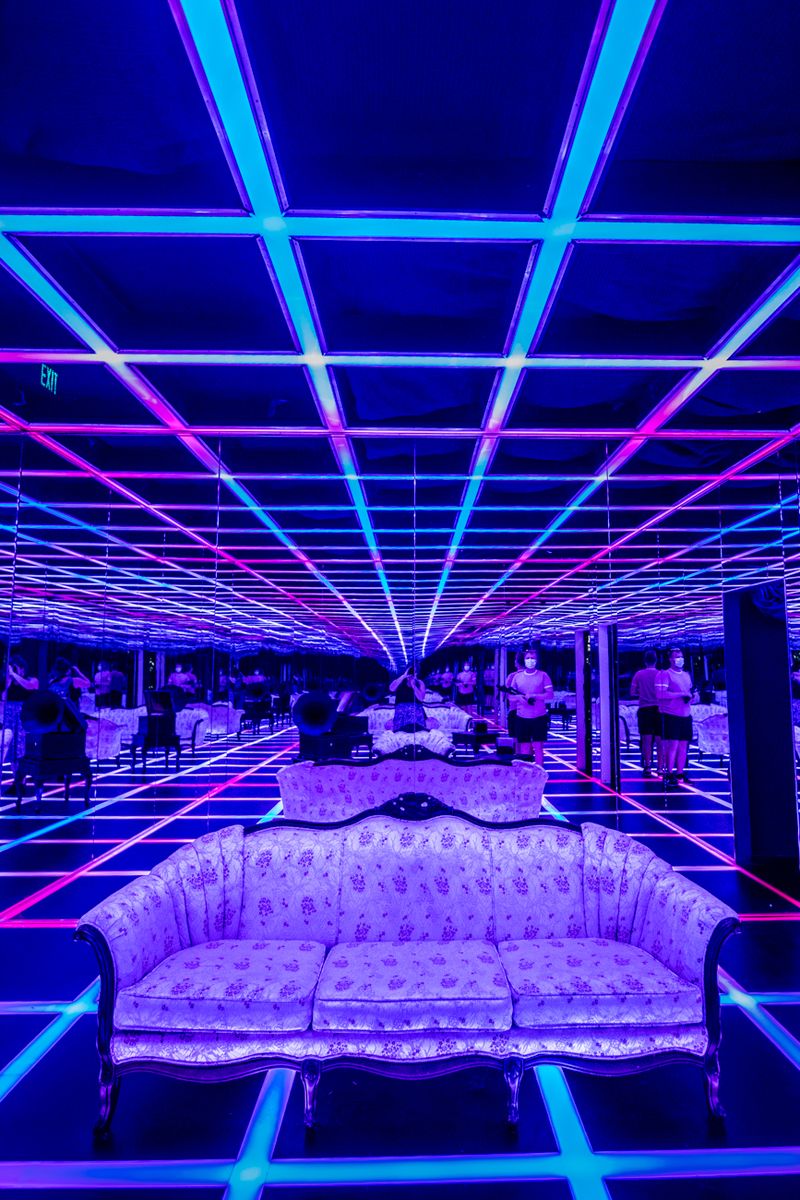
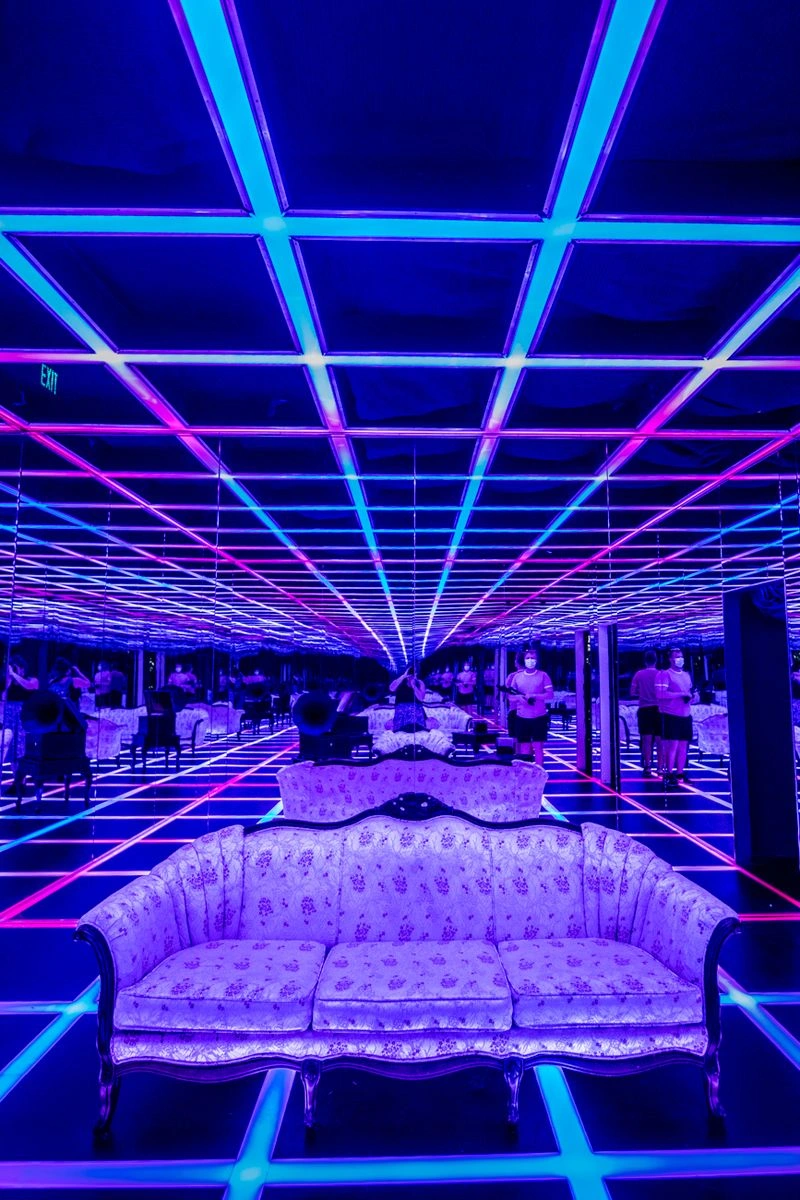
Stepping inside, the lobby instantly primes your senses. Dim lighting meets neon glow, and subtle soundscapes hum like you have crossed a threshold into story space.
Staff are welcoming and upbeat, guiding you through entry with a quick pulse check on rules and safety.
You will notice seating nooks and the deliberate maze like layout beyond the gate. That design is intentional, encouraging you to drift, double back, and discover.
The vibe is adult friendly yet kid safe, blending curiosity with comfort.
Start slow. Let your eyes adjust, notice how light pools on surfaces, and watch the way colors shift when people move.
Your camera will love this lobby, but your senses will love it more if you breathe and look without screens first.
As you move from the lobby into the exhibits, keep an open, exploratory mindset. There is no single correct path, and the magic multiplies when you let go of linear thinking.
Think playground, not checklist. You will quickly learn that touching, listening, and revisiting are the keys to unlocking wonder.
Interactive Art 101: Touch, Trigger, Transform
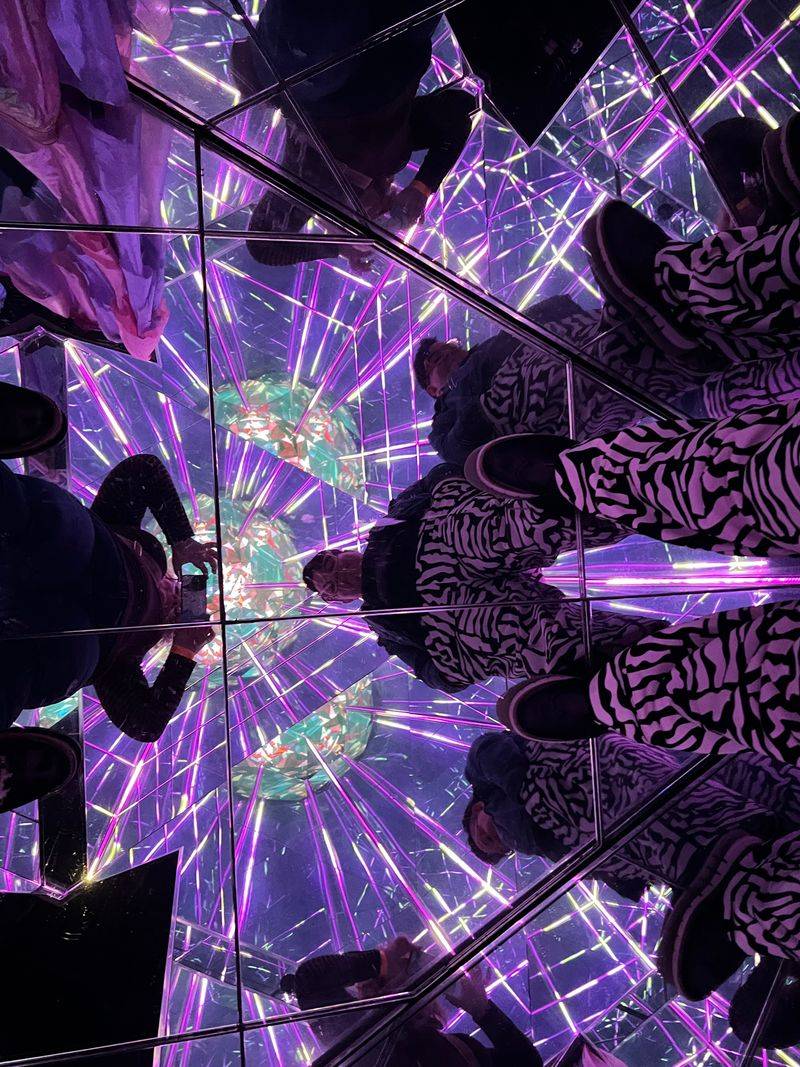
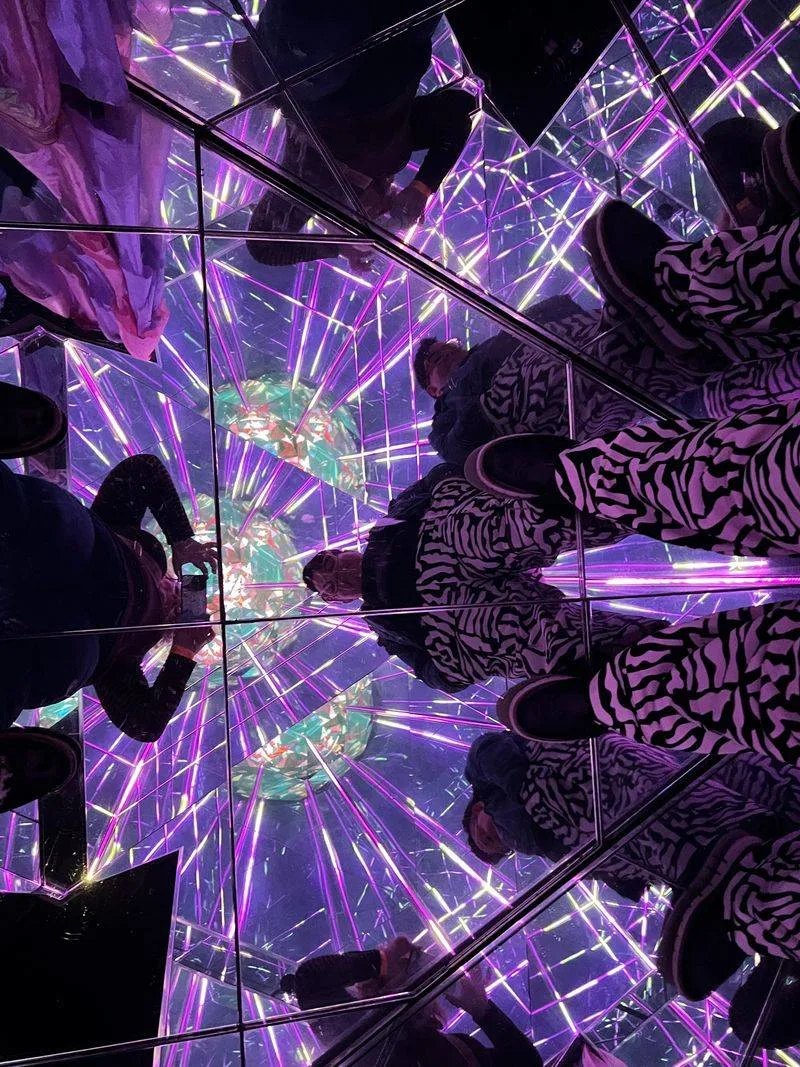
At Otherworld, art is a conversation you have with light and sound. Panels respond to your hands, floors ripple like water, and hidden sensors trigger melodies when you lean in close.
You are not just permitted to touch many installations, you are encouraged to.
Look for surfaces that shimmer, objects with subtle icons, and walls that hum under light. Try slow gestures first, then bolder movements to see how the environment adapts.
You will find pieces where drawing transforms into animated projections and shapes bloom when you clap.
Some works reveal layers when you revisit from a different angle or with a partner. Bring a friend and test how two sets of movements produce new patterns.
The joy is in experimenting without fear of doing it wrong.
Respect signage and staff prompts, and remember that not everything is interactive. That said, many rooms hide playful triggers in places you would not expect.
If an area feels still, check corners, ceilings, and floor seams. Chances are, the artwork is waiting for you to spark it awake.
The Puzzle Thread: Clues, Codes, and Secret Doors
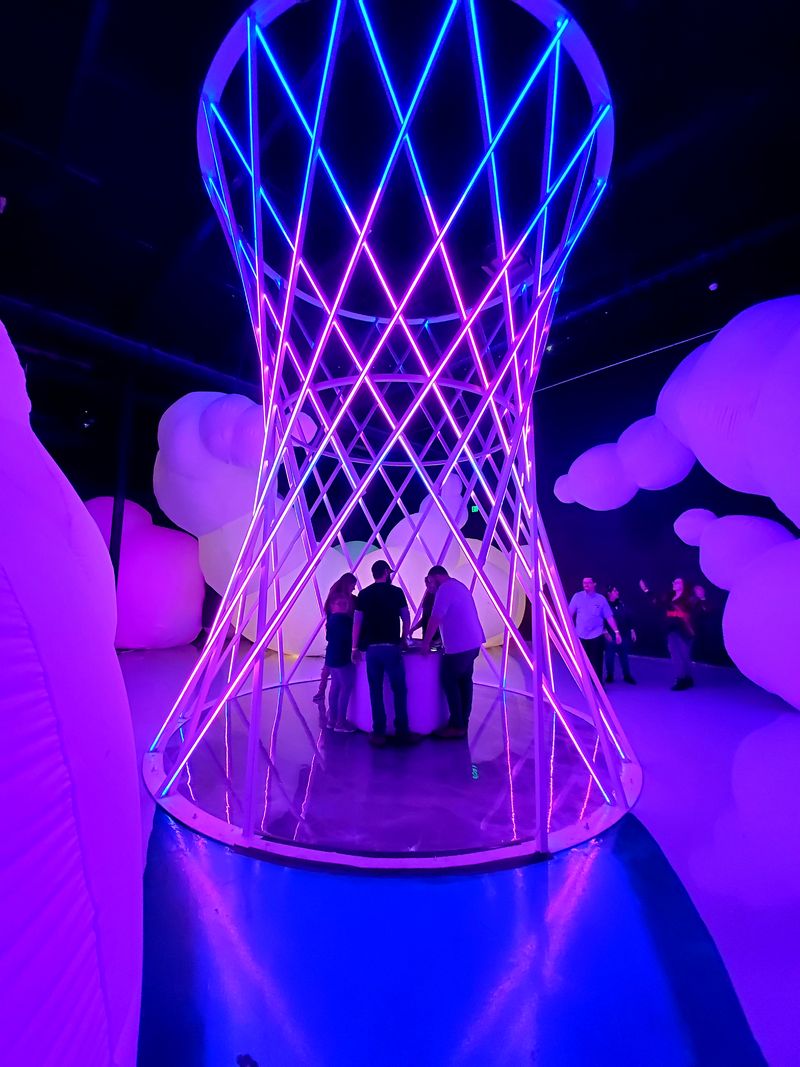
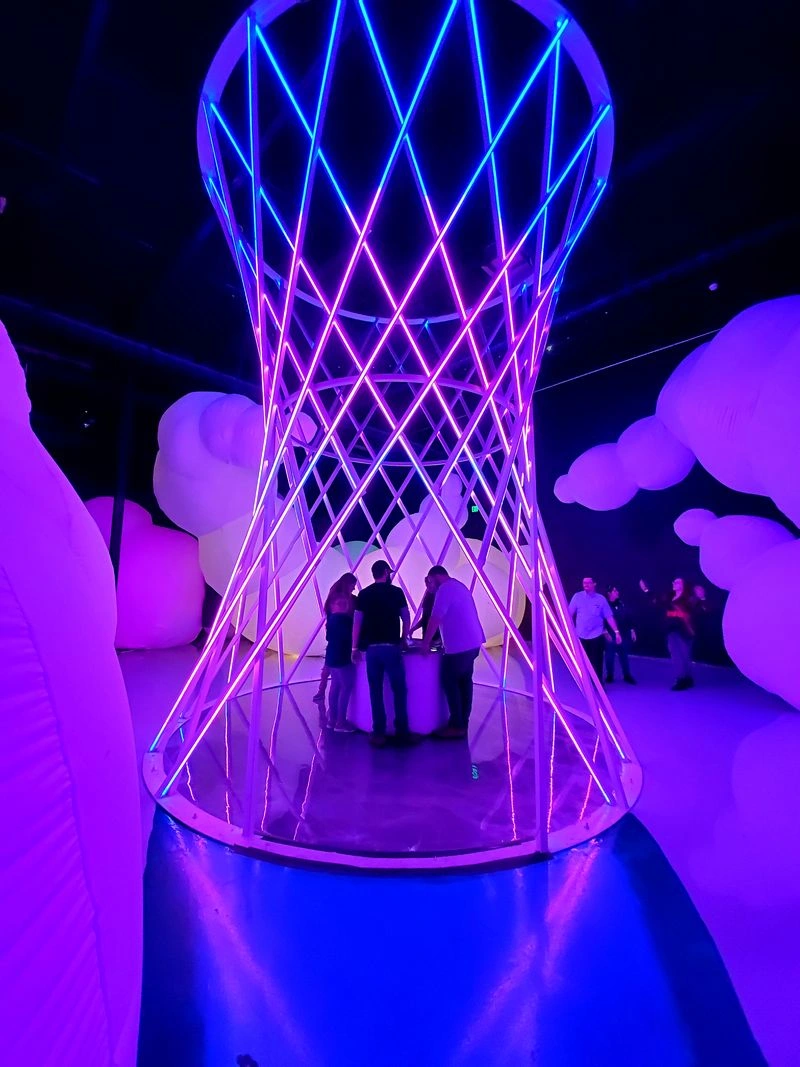
If you love problem solving, the puzzle narrative will hook you. Clues hide in record players, telephones, signage, and odd artifacts that seem decorative until they whisper a pattern.
Follow numbers, listen for tones, and do not ignore scratched notes.
Some doors are not doors until you figure out the context. Rotate objects, push against panels, or combine symbols you have seen in different rooms.
When you get stuck, shift spaces and let your brain refresh.
Not every visitor completes the full thread, and that is okay. You can still enjoy the art while dipping into the mystery.
If you want momentum, start by noting recurring shapes, colors, and audio cues.
Bring a small notebook or use your phone to track clues. Collaborate with strangers, because this place rewards shared observation.
And when a secret panel opens or a tunnel lights up, celebrate that spark of discovery. The puzzle is less about winning and more about noticing how the world responds to your curiosity.
Room Highlights: Sci Fi Biomes and Psychedelic Grottos
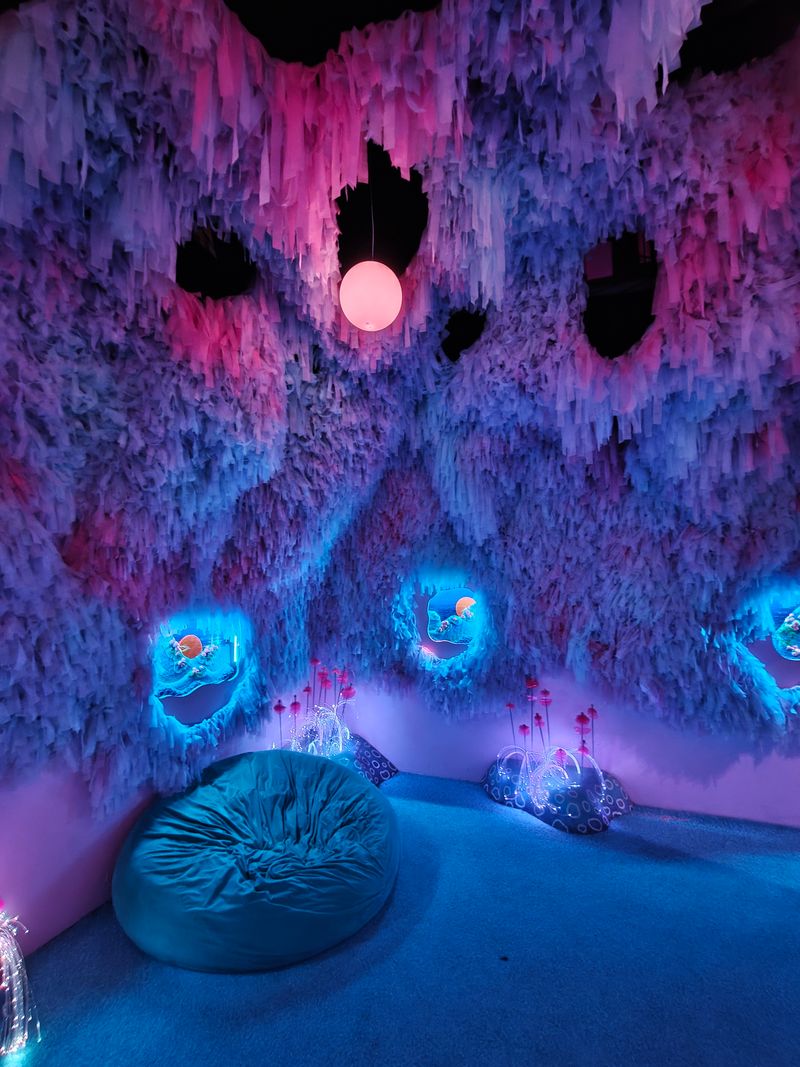
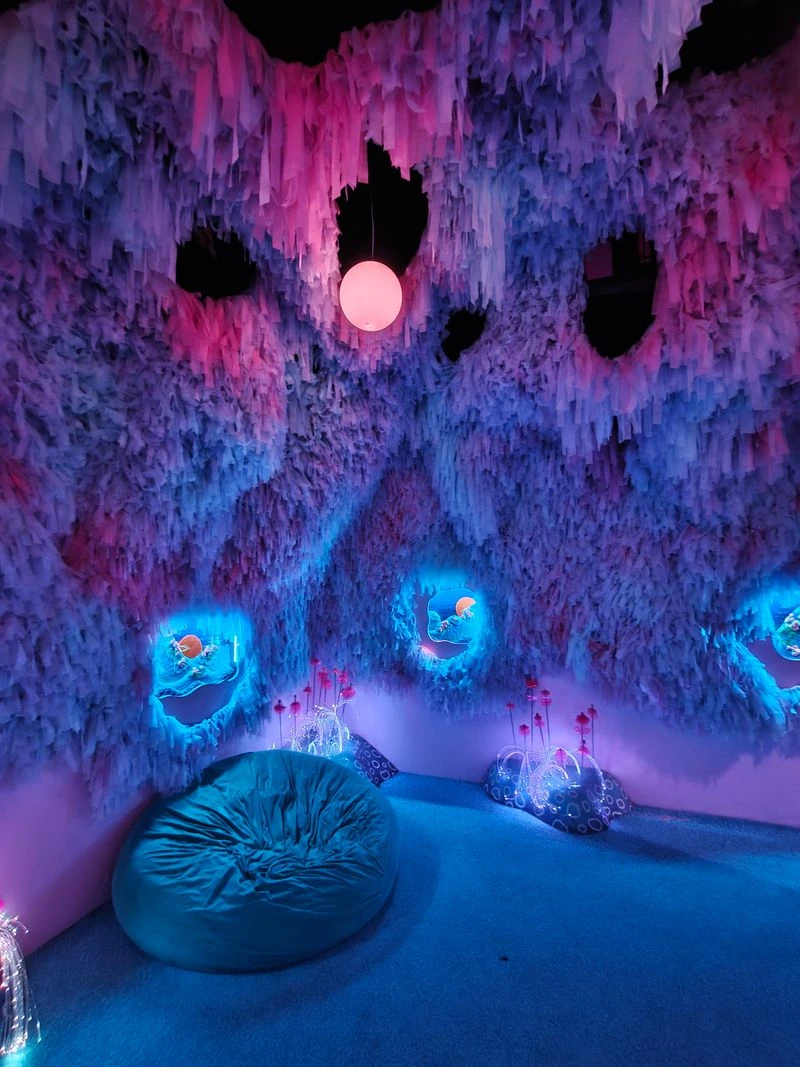
Otherworld unfolds as a chain of micro worlds. One room might feel like a coral reef dream, while another leans into retro tech with humming consoles.
Expect jelly soft color palettes, cascading LEDs, alien flora, and occasional eerie beauty.
Some fan favorites play with depth, so you feel suspended over water or floating in space. Others mimic an abandoned mall or office wing, turning familiar architecture into surreal theater.
The contrast keeps your senses alert and delighted.
Shift your pace across zones. In bright, kinetic spaces, move and experiment.
In quieter pockets, pause to hear subtle audio textures and to see how light rewrites surfaces layer by layer.
If you are here for Instagram, these rooms are candy. If you are here for immersion, they are portals worth lingering in.
Either way, explore the edges, not just the centers. The most rewarding details hide in corners, beneath ramps, and behind slightly ajar doors.
Game Grounds: Artist Made Arcade and Play Labs
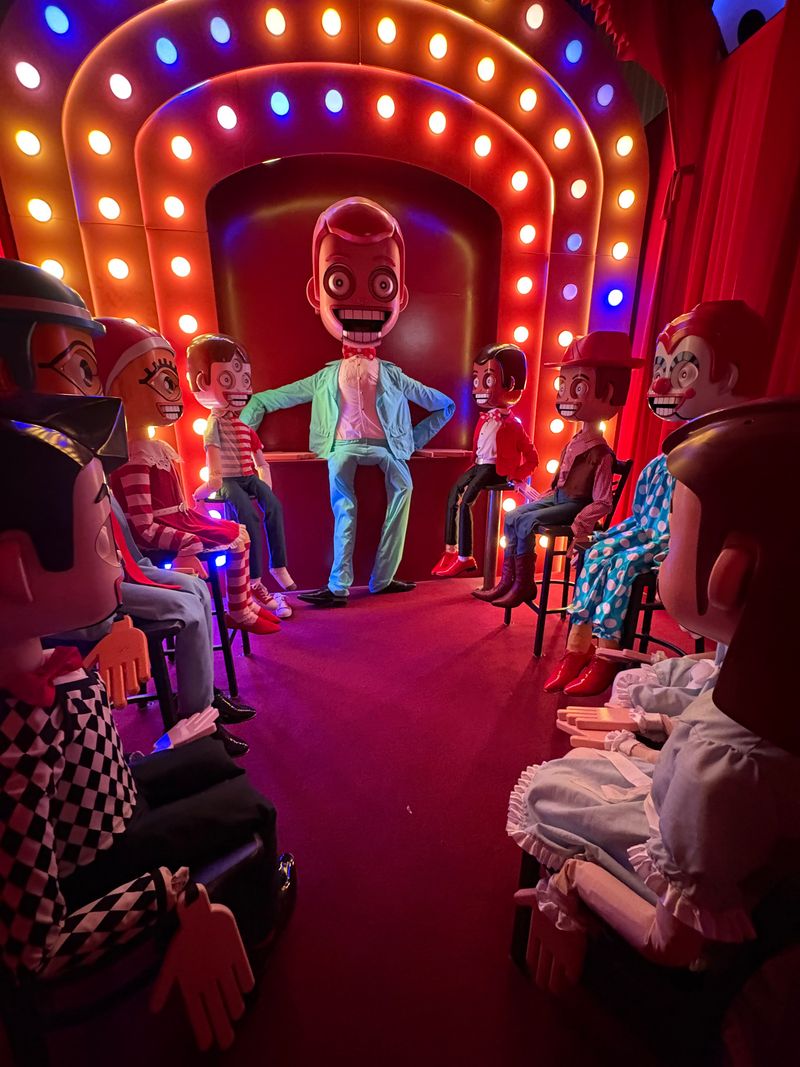
When you finish the main exhibit, do not skip the Game Grounds. This attached area features artist built arcade style games and playful digital experiments that extend the museum’s interactive spirit.
It is a perfect reset after sensory saturation.
Expect quirky controllers, inventive rules, and collaborative mechanics that make you laugh with strangers. Some games translate movement into beats, others turn drawing into competition, and a few feel like secret side quests from the larger narrative.
Budget at least 30 minutes, longer if you love indie arcade culture. The space is welcoming to both kids and adults, and it is often less crowded than headline rooms.
Bring a readiness to fail gleefully and try again.
Photos are great here, but the real charm is tactile. Grip the buttons, chase the lights, and let your inner kid drive the session.
When you leave, the main exhibit will feel fresh again, like you took a deep play breath and reentered the dream.
Family Friendly, Yet Great For Grownups
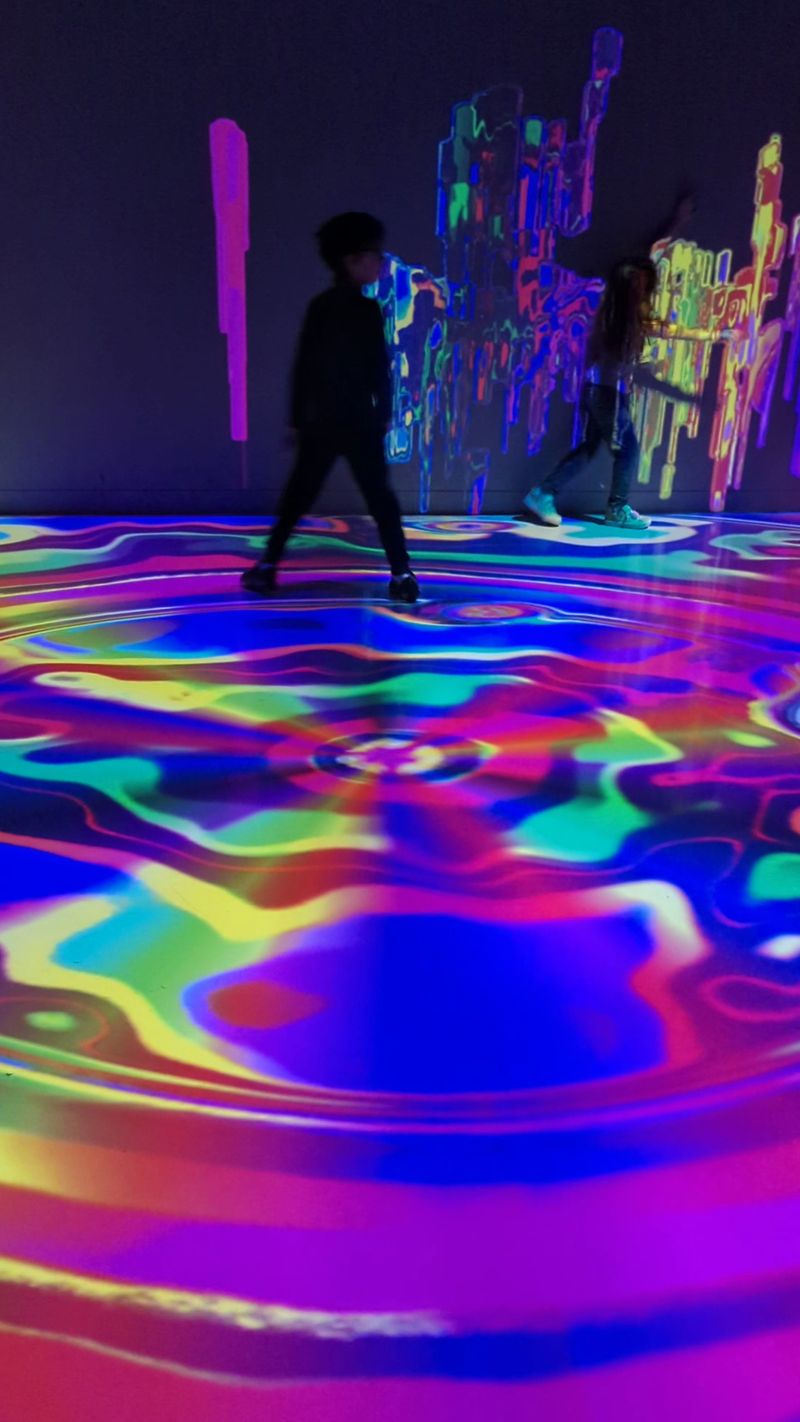
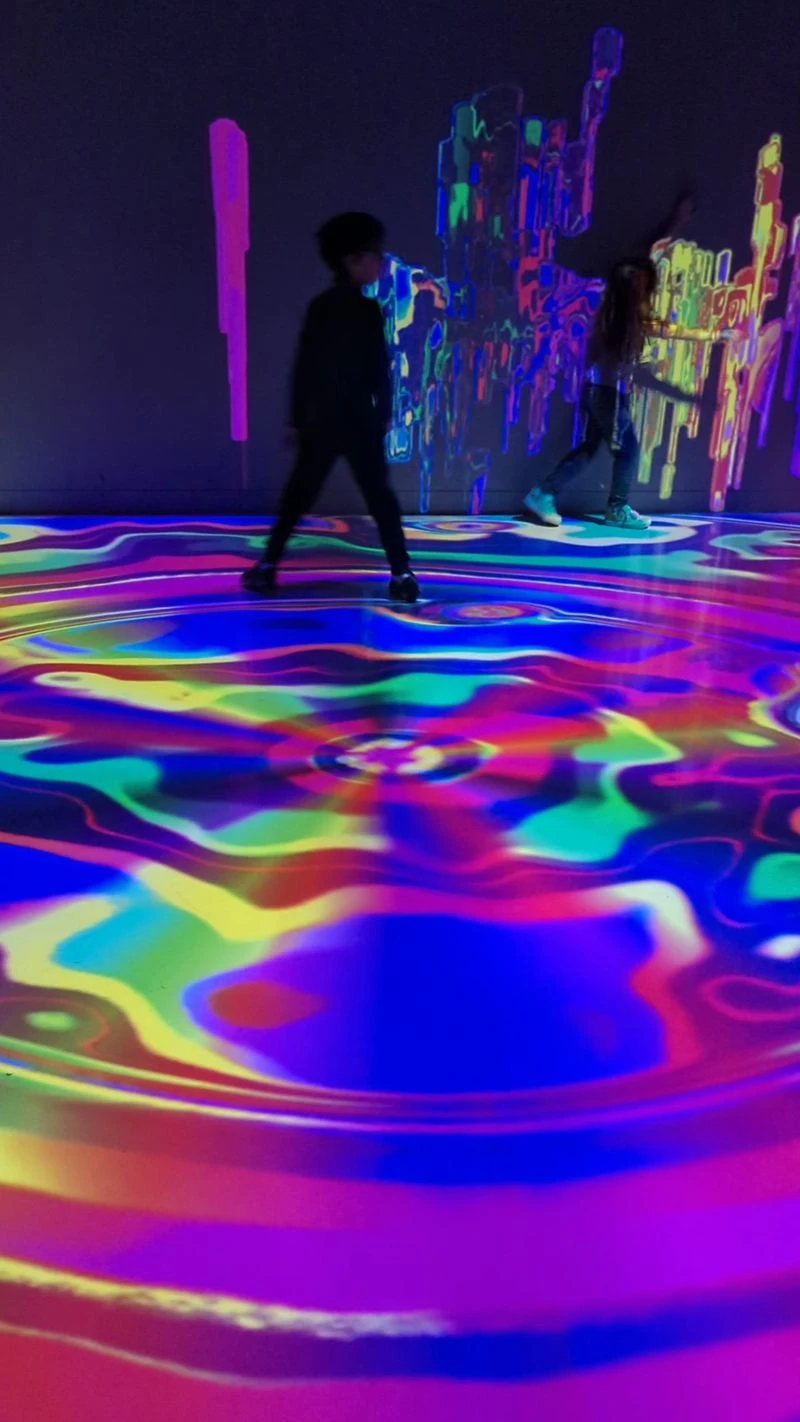
Otherworld threads a rare needle. Kids find wonder in crawl tunnels, glowing creatures, and buttons that make the world react.
Adults savor the craft, tech, puzzles, and cocktail bar without feeling like they borrowed a playground.
If your crew spans ages, set a meet up point before wandering. Some rooms can feel spooky for little ones, though nothing is truly haunted house scary.
Give kids permission to skip a space and return later when confidence catches up.
For grownups, the date night factor is real. Low light plus shared discovery makes for easy conversation and spontaneous laughter.
If you bond over creative tech or surreal aesthetics, you will leave with inside jokes and favorite rooms.
Strollers are not ideal due to narrow passages. Baby carriers work better, and sensory sensitive guests may prefer quieter midweek mornings.
Bring snacks for after, plan bathroom breaks, and embrace the slow meander. The museum meets you at your pace, whether that is headlong adventure or cozy curiosity.
Photography Tips: Capture the Glow Without the Glare
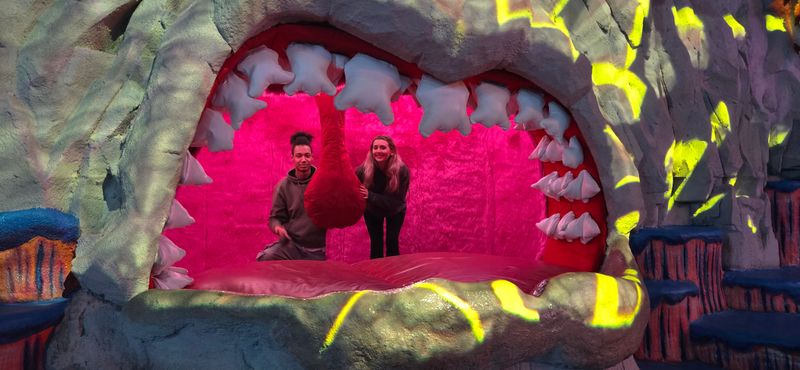
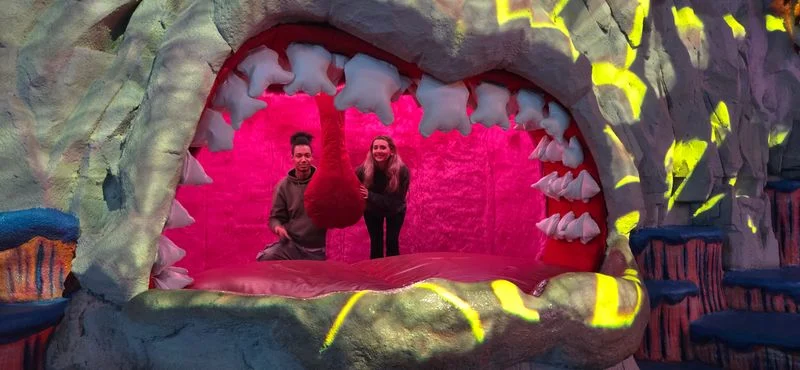
Low light and saturated LEDs can fool your camera. Turn off flash, stabilize your phone against a wall, and nudge exposure down to preserve color.
Night mode helps, but handhold steady or use a friend’s shoulder as a brace.
Shoot wide to tell the story, then go close for textures and reflections. Look for symmetry in portals and repeating motifs in ceilings and floors.
Avoid blocking pathways and keep an eye on nearby guests.
Video is where Otherworld shines. Pan slowly, walk lightly, and let reactive installations animate your clip.
Capture the moment a wall blooms with color as you touch it, then pivot to a quiet macro of fabric or moss.
Last tip: be present. Snap a few anchors, then pocket your phone for ten minutes and just explore.
You will return with a more interesting angle and a calmer pulse. The best shots come after your eyes adjust and your curiosity leads.
Accessibility, Comfort, and Safety Notes
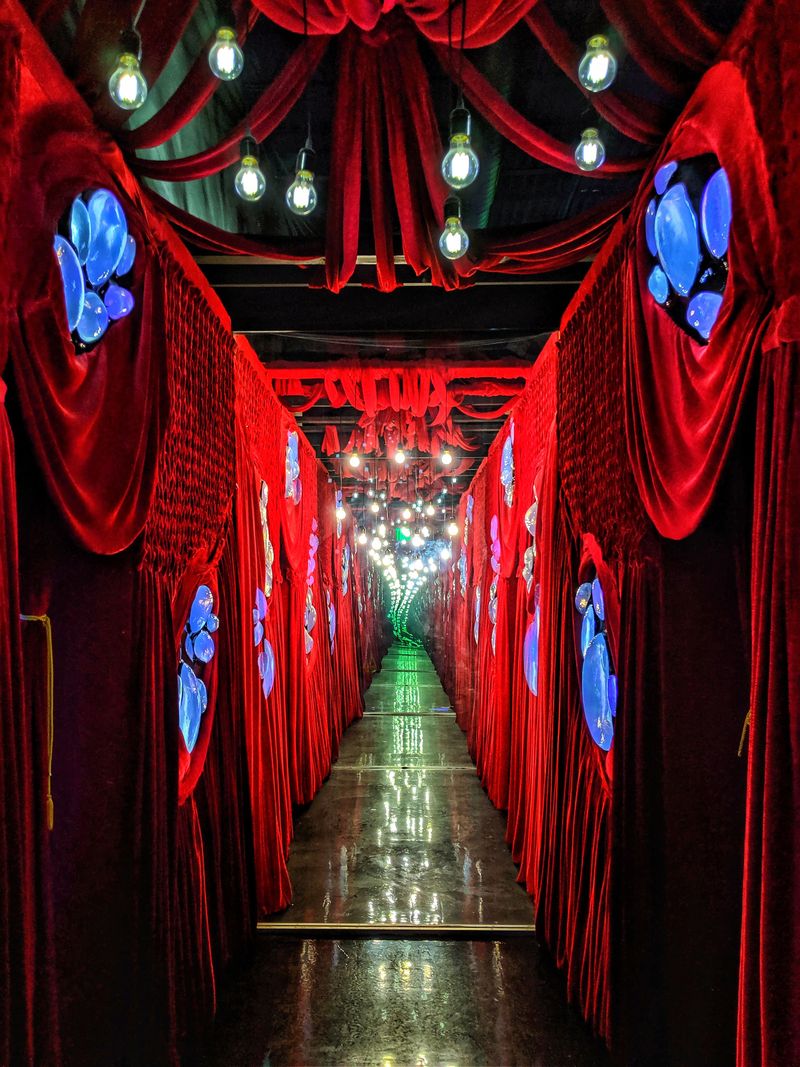
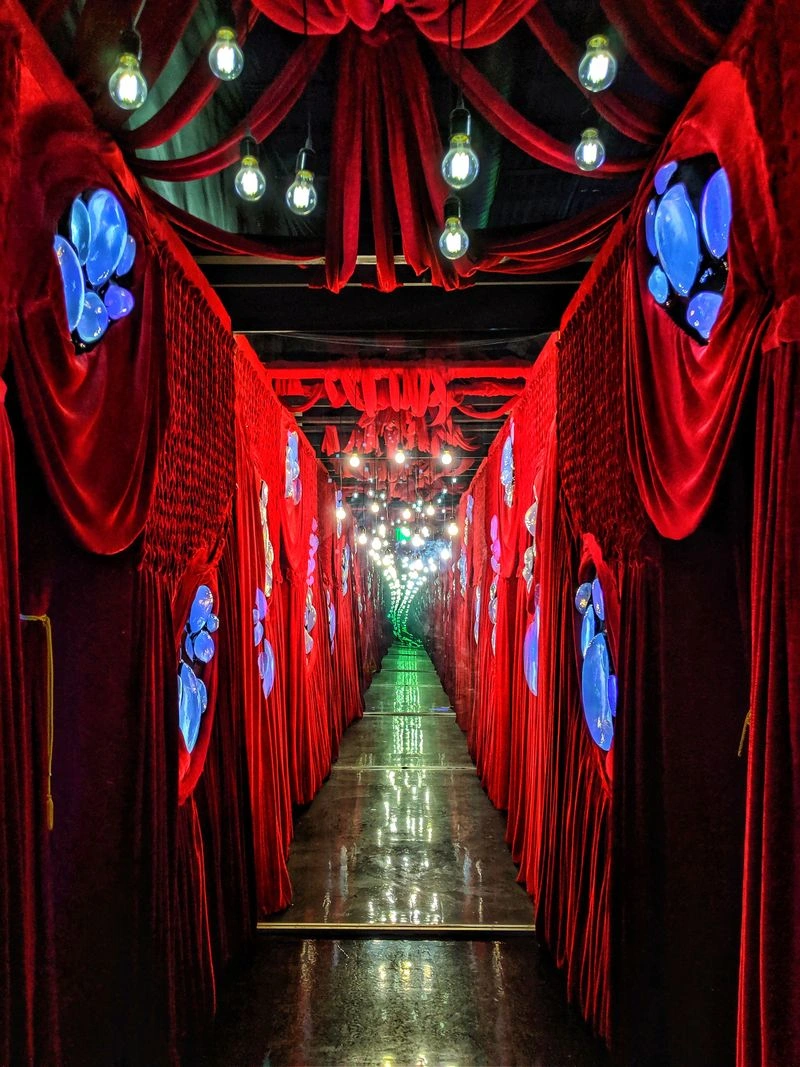
Most pathways are walkable and staff are attentive, but some tunnels are tight and optional. If mobility is a concern, you can skip crawl spaces and still see a rich portion of the exhibit.
Seating nooks appear throughout for breaks.
Lighting varies from gentle glow to vibrant strobe like transitions. If you are sensitive to flicker, ask staff which rooms to bypass.
Soundscapes can be layered, though quieter areas offer relief and recalibration.
Hand sanitizer stations appear in multiple zones, and restrooms are accessible near the lobby. Keep water handy, mind your pace, and step back if a space feels overstimulating.
Staff are great at guiding you toward a calmer route.
Parking feels rough around the edges, especially after dark. Carpool if you can, park near lighting, and keep valuables out of sight.
Inside, follow posted boundaries and touch only where encouraged. This is a choose your comfort adventure, and you can tailor it to your needs.
Plan Your Perfect Route: Slow, Looping, Curious
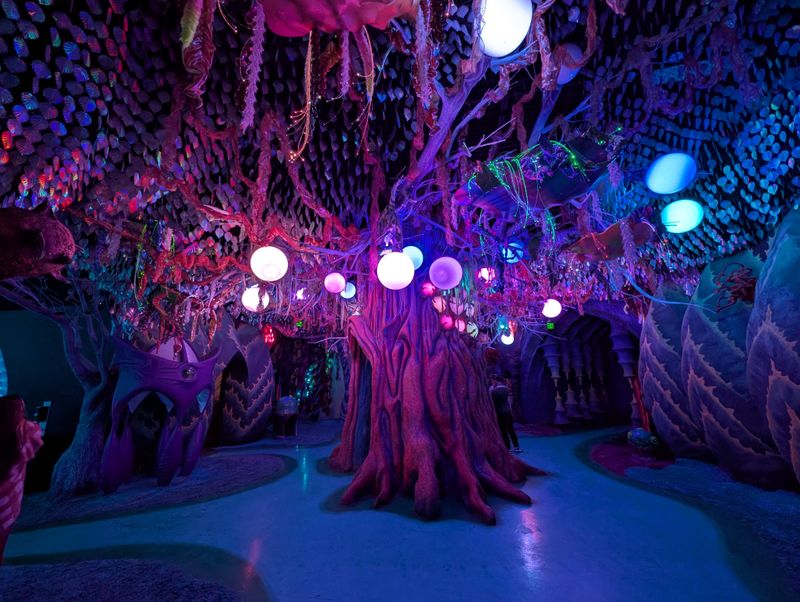
There is no official path through Otherworld, but pacing transforms the experience. Start with a slow loop to map the terrain.
Mark two rooms you want to revisit later, because the second pass is always richer.
Alternate high energy zones with quiet rooms to avoid fatigue. If a puzzle grabs you, lean in for ten minutes, then toggle to art grazing so your subconscious keeps working.
That rhythm keeps curiosity high without burning out.
Travel light. Phone, small wallet, and comfy shoes are all you need.
If you come with friends, agree on occasional check ins, then scatter so everyone follows their own curiosity.
End the visit by returning to your favorite room at a different time in the cycle. Lighting and crowd flow will shift the mood, and you will catch details you missed.
On your way out, hit the gift shop for artist made souvenirs and jot a few notes so you remember what you want to explore next time.