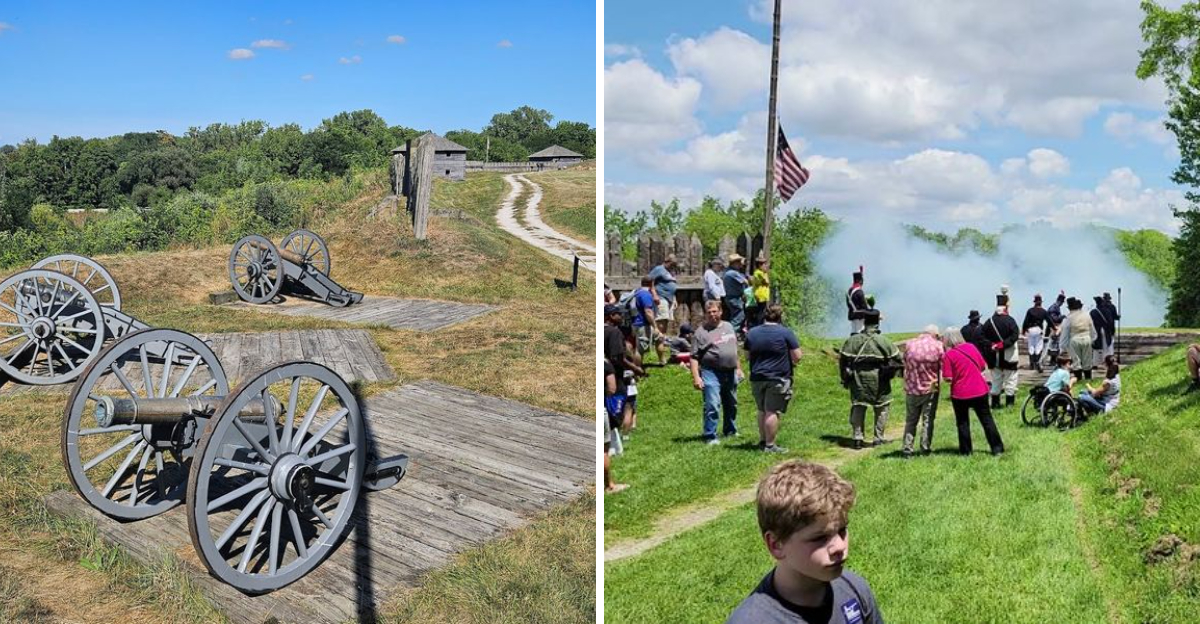
Fort Meigs Historic Site in Perrysburg, Ohio, isn’t your typical museum with dusty artifacts behind glass.
This massive reconstructed fort brings the War of 1812 roaring back to life with cannon fire, costumed soldiers, and towering wooden walls that stretch nearly as far as the eye can see.
Standing where thousands of American troops once defended the Northwest frontier, visitors get a hands-on history lesson that textbooks could never deliver.
Whether you’re watching a siege reenactment or exploring the actual battlefield where men fought and fell, Fort Meigs offers one of the most authentic and thrilling glimpses into early American military history anywhere in the country.
It Was the Largest Wooden Fort in North America
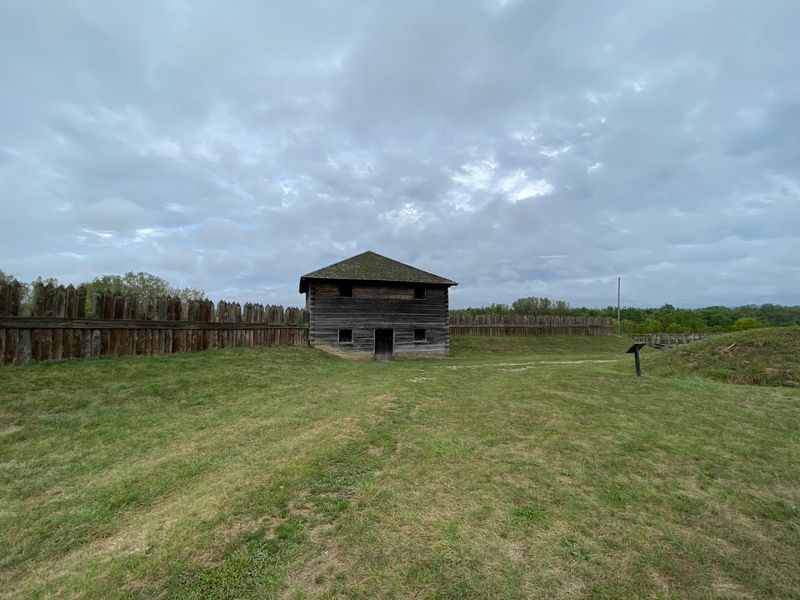
Picture a fortress so big that nearly ten football fields could fit inside its walls. That’s Fort Meigs for you.
General William Henry Harrison ordered its construction in 1813, and soldiers scrambled to build what became the largest wooden-walled fort on the entire continent.
The scale alone tells you how seriously America took the threat of British invasion during the War of 1812. Walking along the reconstructed walls today, you can still feel that sense of urgency and ambition.
The fortification wasn’t just big—it was a statement that the young United States wouldn’t back down.
Every blockhouse, every earthwork, every towering timber reminds visitors that frontier defense required massive resources and bold vision. When you stand inside those walls, you’re standing in a place that symbolized American determination during one of the nation’s most uncertain moments.
The sheer size makes you realize just how high the stakes were back then, and how much effort went into protecting the Northwest Territory from enemy forces.
The Site Played a Critical Role in the War of 1812
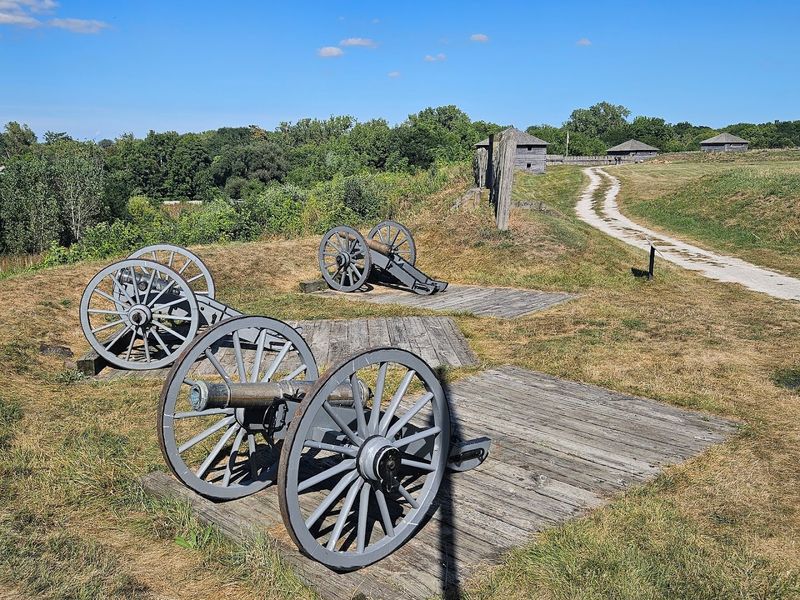
Fort Meigs wasn’t just another military post—it was the shield protecting the entire Northwest from British forces and their Native American allies. Positioned right along the Maumee River, the fort controlled a vital waterway that armies depended on for moving troops and supplies.
Lose Fort Meigs, and Ohio could fall. Lose Ohio, and the whole frontier might collapse.
That’s how critical this spot was during the war. British forces knew it, which is why they attacked twice in 1813, determined to break through American defenses.
Thanks to determined soldiers and smart commanders, Fort Meigs held firm both times. That success changed the course of the war in the Northwest and kept British troops from marching deeper into American territory.
Visitors today learn how one fort, in one corner of Ohio, became a turning point that shaped the nation’s future. Understanding that strategic importance makes every corner of the site feel more meaningful and significant.
Visitors Can Walk Through a Full Reconstruction
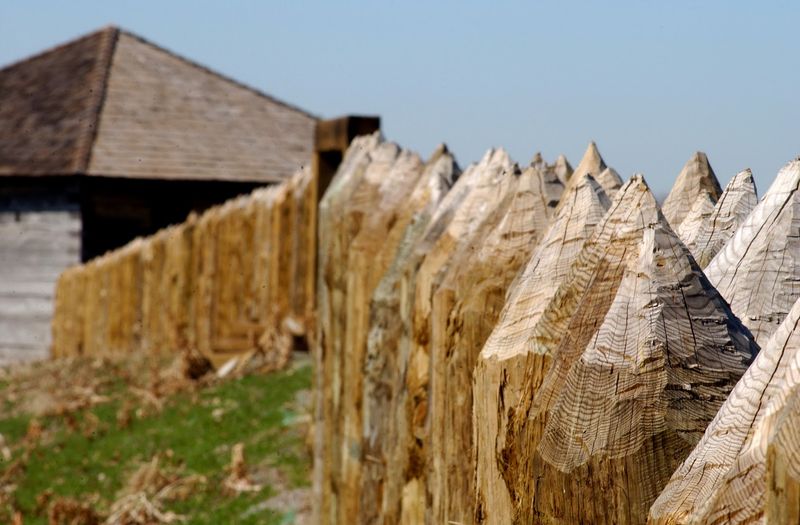
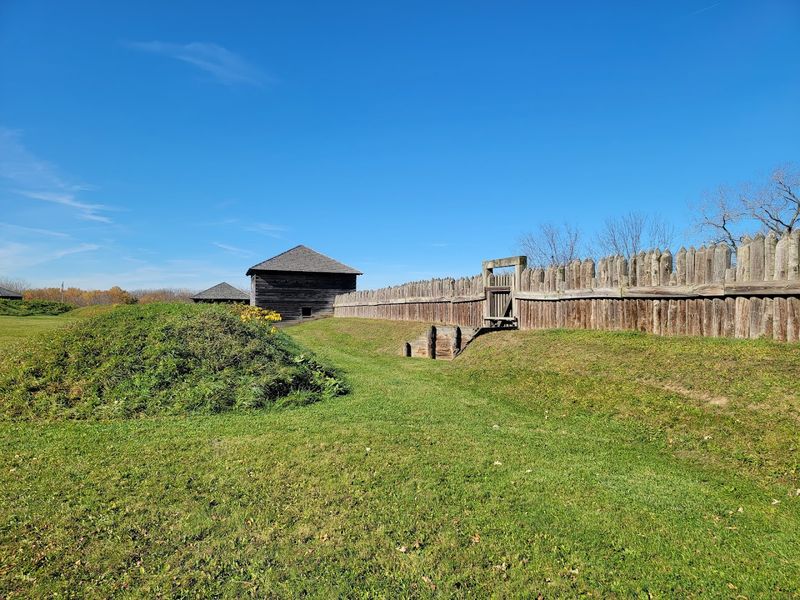
Most historic battlefields give you open fields and informational signs. Fort Meigs gives you an entire fort rebuilt from the ground up.
Researchers used original maps, archaeological digs, and soldier diaries to recreate what stood here two centuries ago.
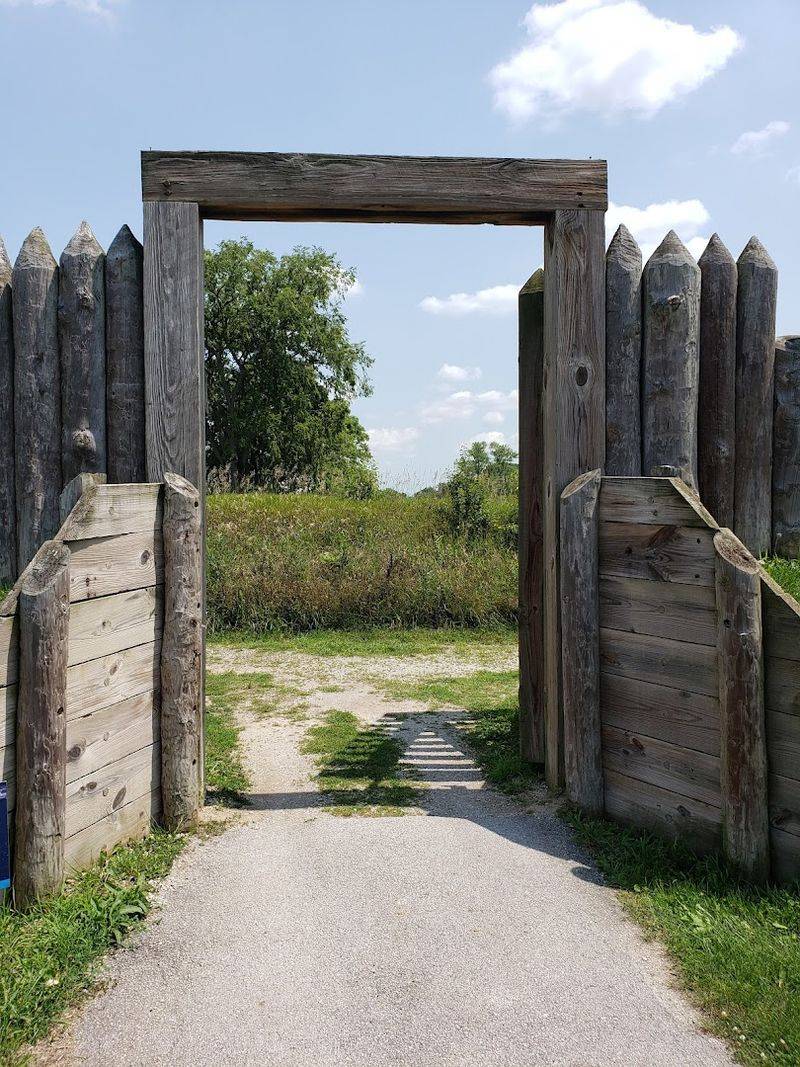
When you walk through those massive wooden gates, you’re not imagining history—you’re stepping into it. The blockhouses loom overhead.
The earthworks stretch in every direction. Even the layout matches exactly what soldiers experienced in 1813.
This level of accuracy transforms a simple visit into genuine time travel. Kids can touch the walls, peek through gun ports, and climb into officer quarters that look and feel authentic.
Adults appreciate the craftsmanship and historical precision that went into every beam and plank. Unlike sites where you have to imagine what once stood there, Fort Meigs lets you experience the real thing.
That immersive quality makes it unforgettable and way more educational than any book or documentary ever could be.
The Siege Reenactments Are the Main Attraction
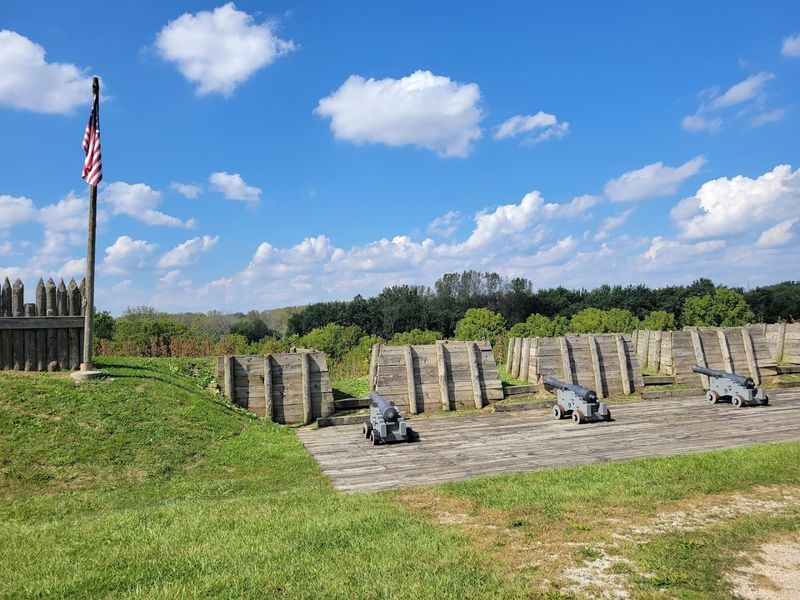
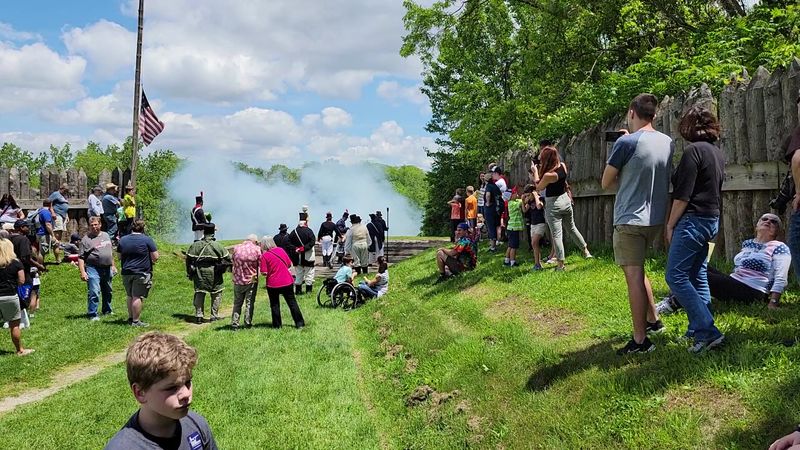
Boom! The cannons thunder so loud you feel it in your chest.
Muskets crack. Soldiers in period uniforms charge across the field while officers shout orders through the smoke.
This isn’t a movie set—it’s Fort Meigs during a siege reenactment, and it’s absolutely spectacular.
These massive events bring hundreds of reenactors who camp on site, cook over open fires, and recreate the chaos of 1813 battles with stunning accuracy. You’ll see British redcoats, American regulars, Kentucky militia, and Native warriors all playing their historical roles.
The attention to detail is remarkable, from authentic weapons to period-correct tents.
Even visitors who aren’t normally history buffs get swept up in the drama and excitement. Reddit users consistently rave about these events, calling them some of the best living-history demonstrations in Ohio.
Watching a full-scale siege unfold gives you respect for the courage and confusion soldiers faced. It’s loud, smoky, intense, and thrilling—exactly what makes Fort Meigs so special and memorable.
The Museum Adds Crucial Historical Context
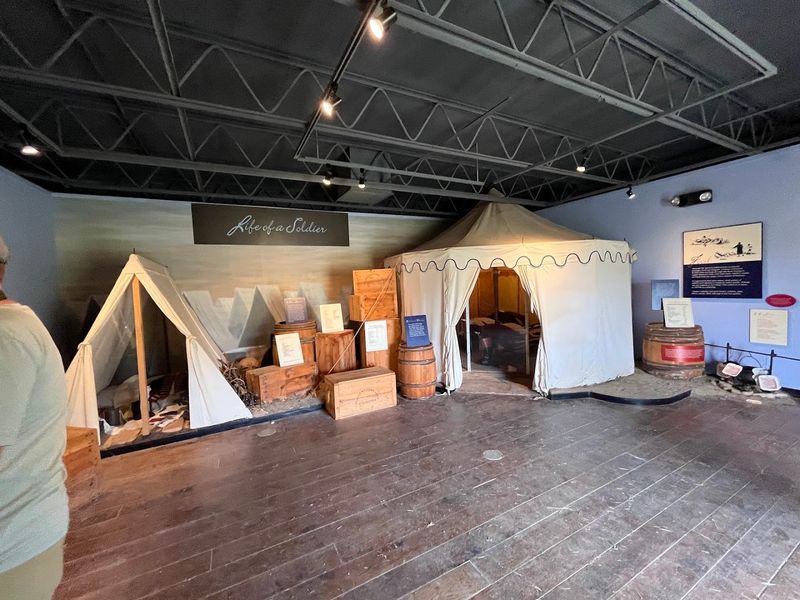
Before you explore the fort itself, spend time in the museum. It’s not optional if you want the full story.
Exhibits explain why America went to war in 1812, covering issues like British impressment of sailors and conflicts over western expansion.
You’ll see authentic artifacts, weapons, uniforms, and personal items that belonged to soldiers who lived and fought here. Interactive displays help younger visitors understand complex political tensions that led to war.
Maps show how battles unfolded and why this location mattered so much strategically.
The museum also addresses how the War of 1812 accelerated Ohio’s growth and changed the balance of power in North America. Without this background knowledge, the reconstructed fort is just impressive wooden walls.
With it, every corner tells a deeper story about national survival, frontier life, and the price of defending a young country. Teachers love bringing students here because the museum makes abstract historical concepts concrete and understandable, preparing everyone for a richer outdoor experience.
You’ll Learn About Tecumseh and Indigenous Resistance
Here’s what makes Fort Meigs different from many military history sites: it doesn’t tell just one side of the story. The site explores Tecumseh’s confederation and why numerous Native nations allied with the British against American expansion.
Tecumseh was a brilliant Shawnee leader who recognized that unchecked American settlement threatened Indigenous lands and ways of life. His alliance with British forces nearly succeeded in stopping the United States from expanding westward.
Fort Meigs interpretive programs explain these alliances and the complex motivations behind them.
This balanced perspective adds depth and honesty to the historical narrative. Instead of simple good-versus-bad storytelling, visitors learn about competing visions for the continent’s future and the tragic consequences for Native peoples regardless of who won battles.
Understanding Tecumseh’s resistance movement transforms Fort Meigs from a simple military triumph story into a more complete and thought-provoking historical experience. That complexity makes the site more educational and relevant for modern audiences seeking truthful history.
Original Battlefield Features Still Exist Nearby
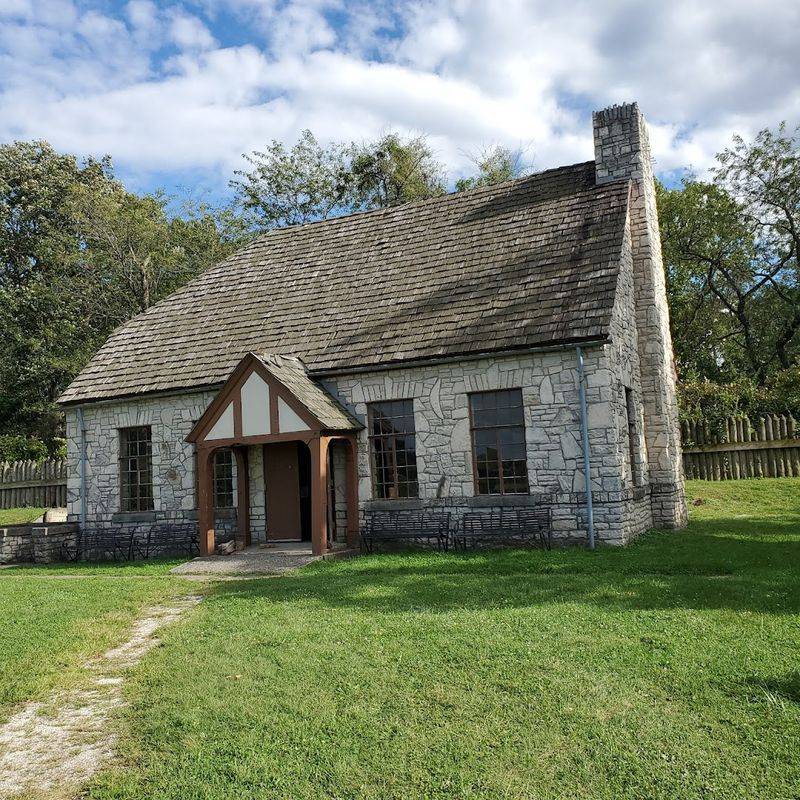
The reconstructed fort gets most of the attention, but don’t miss the surrounding battlefield where actual combat happened. Parts of the original landscape survive, including earthworks that soldiers hastily dug during the 1813 sieges.
You can trace old siege lines where British artillery positioned itself to bombard the fort. Burial grounds mark where fallen soldiers were laid to rest.
Walking these grounds connects you to the real terrain that shaped battle strategy and soldier survival.
These authentic features aren’t as dramatic as the wooden fort, but they’re arguably more moving because they’re the actual historical artifacts. Grass now covers the earthworks, making them easy to overlook, but guided tours point out where enemy lines formed and where the fiercest fighting erupted.
Touching these original battlefield remains creates a powerful connection to the past that even perfect reconstructions can’t match. History buffs especially appreciate this chance to stand on genuinely untouched ground where momentous events unfolded over two hundred years ago.
It Shows How Harsh Frontier Military Life Really Was
Hollywood glamorizes war, but Fort Meigs tells the unglamorous truth. Thousands of soldiers lived here in miserable conditions—freezing mud, terrible food, rampant disease, and constant fear of attack.
Living-history demonstrations show how troops cooked meals, repaired equipment, and tried staying warm in drafty barracks. Interpreters explain that more soldiers died from illness than combat, and that everyday survival required tremendous endurance.
The fort wasn’t built in ideal conditions either; construction happened during brutal winter weather with inadequate supplies.
This realistic portrayal of military life gives visitors profound respect for what soldiers endured. Modern comforts make it hard to imagine living without heat, antibiotics, or proper sanitation.
Seeing reenactors demonstrate these harsh realities—chopping wood, hauling water, standing guard in the cold—brings home just how tough frontier military service was. Young visitors especially benefit from understanding that war isn’t adventure and glory; it’s hardship, sacrifice, and suffering.
Fort Meigs doesn’t sugarcoat that truth, making its educational impact all the more powerful and memorable.
It’s One of Ohio’s Most Underrated Historic Destinations
Ask most Americans to name famous War of 1812 sites, and they’ll struggle after Fort McHenry. Ask about Civil War battlefields, and Gettysburg comes up immediately.
Meanwhile, Fort Meigs sits quietly in northwest Ohio, offering an experience that rivals any famous battlefield in the country.
The combination of full reconstruction, active reenactments, authentic battlefield terrain, and excellent interpretation makes it extraordinary. Yet it remains wonderfully uncrowded compared to more famous historical sites.
That’s actually a bonus—you can explore at your own pace without fighting tourist crowds.
History enthusiasts who discover Fort Meigs often wonder why it isn’t more nationally recognized. The quality of the experience deserves far more attention than it receives.
Whether you’re a hardcore military history buff or just looking for an interesting family outing, Fort Meigs delivers something special. It proves that you don’t need famous names or massive crowds to find genuinely immersive and educational historical experiences.
Sometimes the best destinations are the ones hiding in plain sight.
Visitor Info
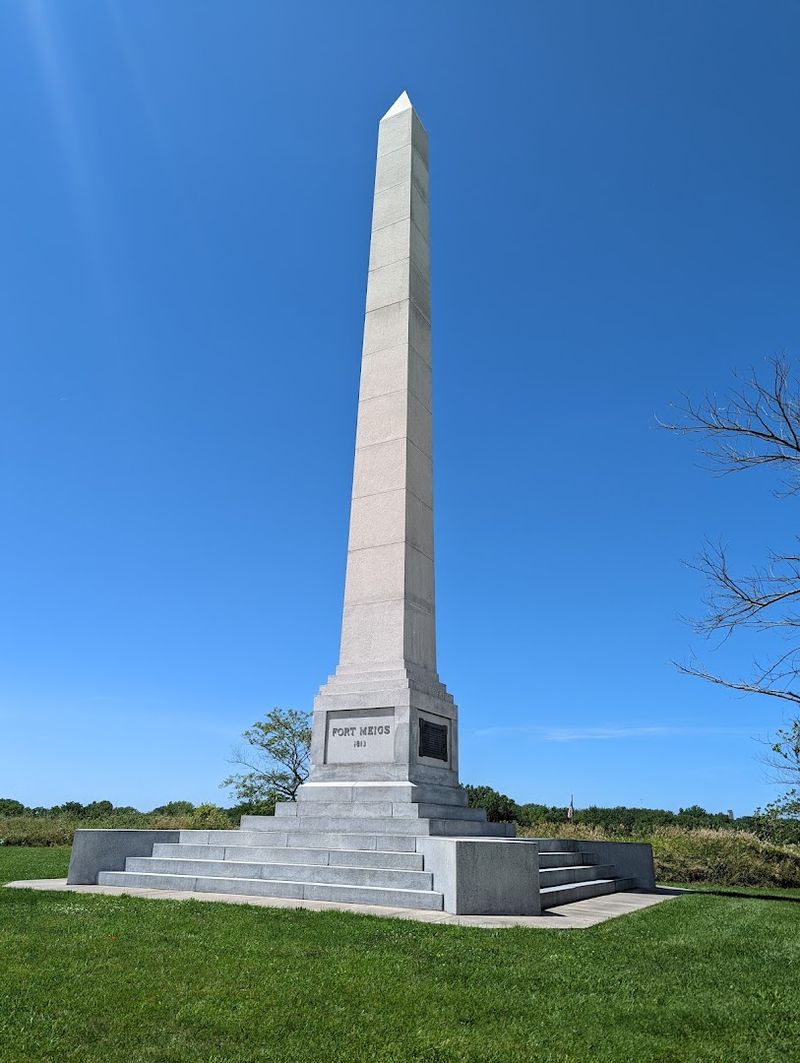
Planning your visit is straightforward. Fort Meigs Historic Site sits at 29100 W River Road in Perrysburg, just a short drive from Toledo.
The museum welcomes visitors year-round, while the reconstructed fort opens seasonally from April through October when weather permits outdoor exploration.
Regular admission runs around twelve dollars for adults, with discounts for seniors, students, and children. Winter visitors pay reduced rates since the outdoor fort remains closed during cold months.
Groups can arrange special tours with advance notice.
Here’s the insider tip: plan your visit around major reenactment weekends in spring and summer. These events transform the site from educational to absolutely spectacular, offering the most immersive experience possible.
Check the official website for the reenactment schedule before booking your trip. Even without special events, the site offers guided tours, interpretive programs, and self-guided exploration options.
Weekdays tend to be quieter than weekends, perfect for visitors who prefer a more contemplative experience. Allow at least three hours to see everything properly—the museum, reconstructed fort, and battlefield grounds all deserve your time and attention.