
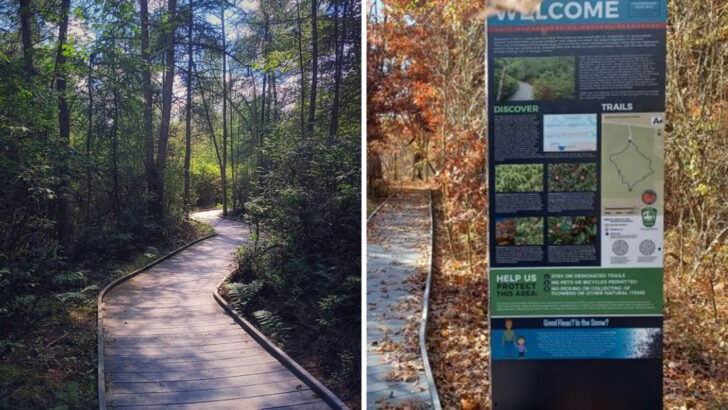
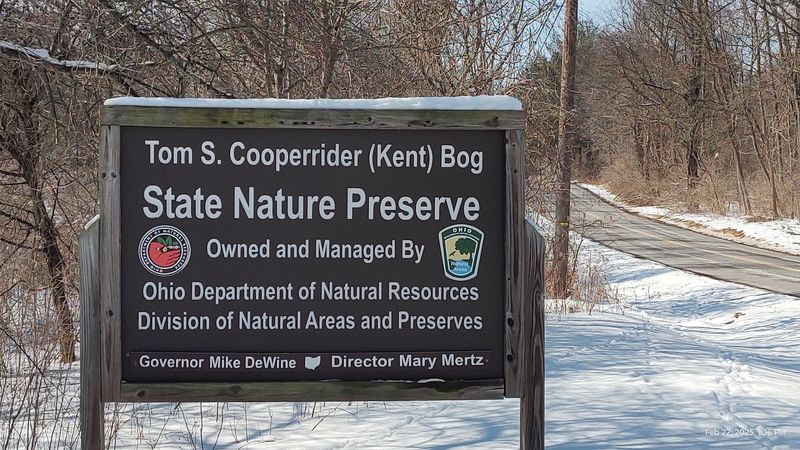
Tucked just off Meloy Road in Kent, this rare bog lets you step onto a scene shaped by ancient ice. A half-mile boardwalk carries you over peat, past tamarack trees, and into a pocket of northern habitat preserved in Ohio.
You get an easy stroll, wheelchair-friendly access, and a quiet education in how glaciers still whisper through the landscape. Come early or linger late, and you will feel time slow to the rhythm of water and moss.
Glacial Story Beneath Your Feet
Imagine standing on the rim of a vanished ice chunk, its weight having pressed a deep bowl that later filled with peat and tannin stained water. That is the origin story here, a classic kettle bog left by the last glacier retreating north.
You feel it in the springy boardwalk shadows, in the quiet that settles differently than a typical forest.
Look beyond the railing and picture a landscape that once mirrored Canada more than Ohio. Cold loving plants still linger, proof that time moves slowly where sphagnum builds millimeter by millimeter.
Reading the trail signs turns the walk into a detective story, connecting peat depth, water acidity, and the plant communities that survive those limits.
To get the most from the story, pause at the benches and listen for the gentle slurp of water beneath the mat. Bring a curious mindset and notice how tamarack needles soften the light, how gray birch bark flashes bright against green.
You will leave with new eyes, suddenly spotting glacial fingerprints in every kettle, esker, and smooth sandstone you pass on the drive home. The story lands even harder on cool mornings when mist hangs low over the bog like a quiet veil.
The Boardwalk Loop
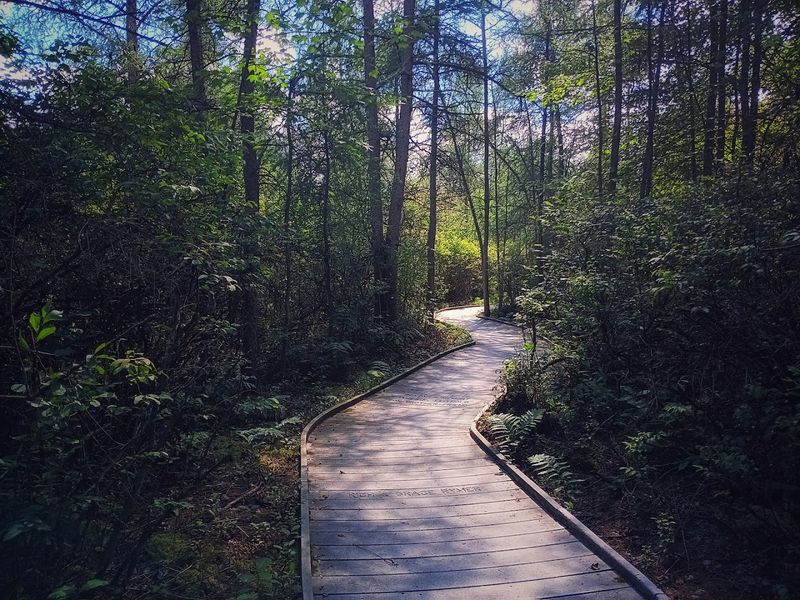
A level boardwalk guides you across the living carpet without disturbing it, which keeps the bog healthy and your shoes dry. The loop is short, so you can slow down and actually notice patterns in the moss and the way water pools in tea colored pockets.
Benches invite quick pauses that turn into longer sits as birds chatter and breezes comb the tamaracks.
Families appreciate the stroller friendly planks, and folks using wheelchairs often mention the smooth ride and generous turning space. Safety railings help with balance, yet the design still feels intimate, letting you peer into cranberry thickets and cotton grass tufts.
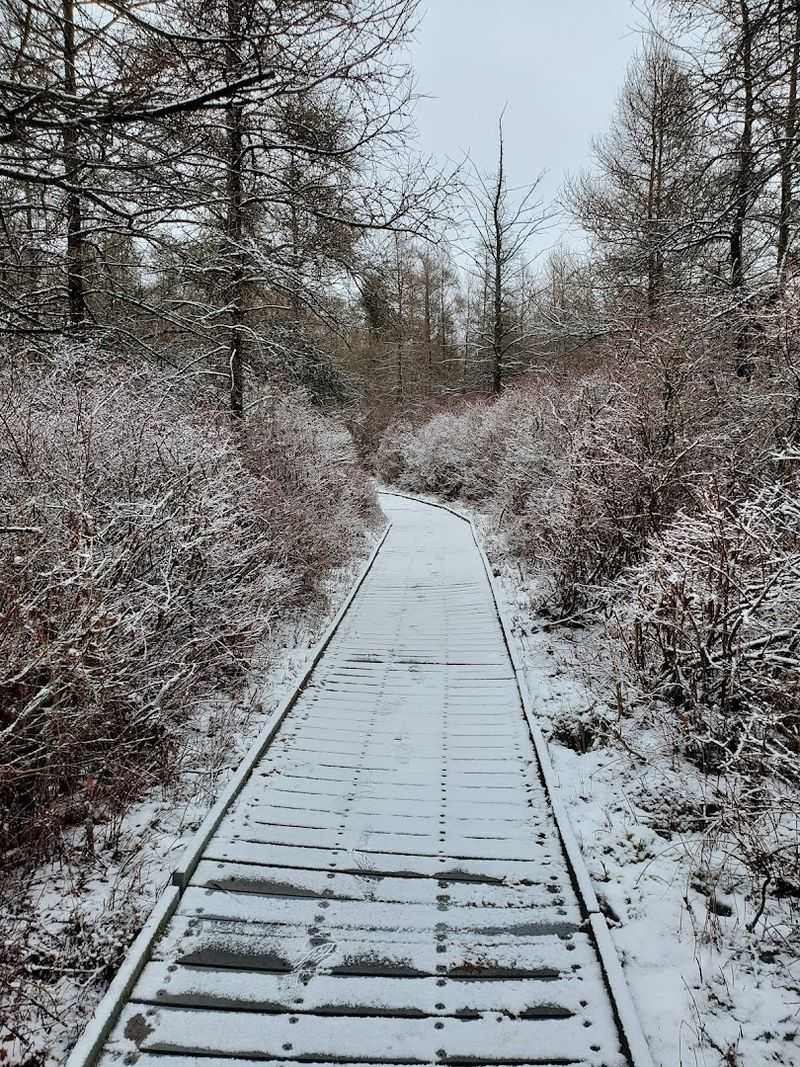
If the wood is damp in winter, step carefully and take smaller strides to avoid a slip.
To make the most of it, time your visit early or late in the day, when light rakes low and textures pop. You can comfortably finish in twenty to thirty minutes, but doubling back reveals new angles on the same scene.
Bring a thermos, pick a bench, and let the boardwalk turn a short walk into honest rest. If crowds gather on weekends, simply pause and let them pass, then savor the quiet pocket that returns almost instantly for you.
Sphagnum, Peat, and the Floating Mat
Under the railing sits the engine of the bog. Sphagnum moss builds habitat by holding water and slowly creating acidic conditions that few plants can handle.
Over long spans, the layers compress into peat, locking away carbon and forming the buoyant mat that moves gently when wind ruffles the surface.
Lean over safely and scan for texture shifts. You might spot moss heads like tiny starbursts, with cranberry vines threading between them and cotton grass punctuating the scene.
After rain, droplets cling to the sphagnum and sparkle, a natural light show you can enjoy without stepping off the boardwalk.
Curiosity is welcomed, but respect is nonnegotiable. The mat is delicate, and a single footprint can tear fibers, drain water, and invite invasive plants.
Keep to the planks, use your camera zoom for close views, and let time do the touching instead. If you want to compare seasons, visit in spring for bright greens and in late summer for deeper reds.
Those color shifts tell a quiet story about growth, chemistry, and patience.
Birdsong, Bees, and Quiet Wildlife Moments
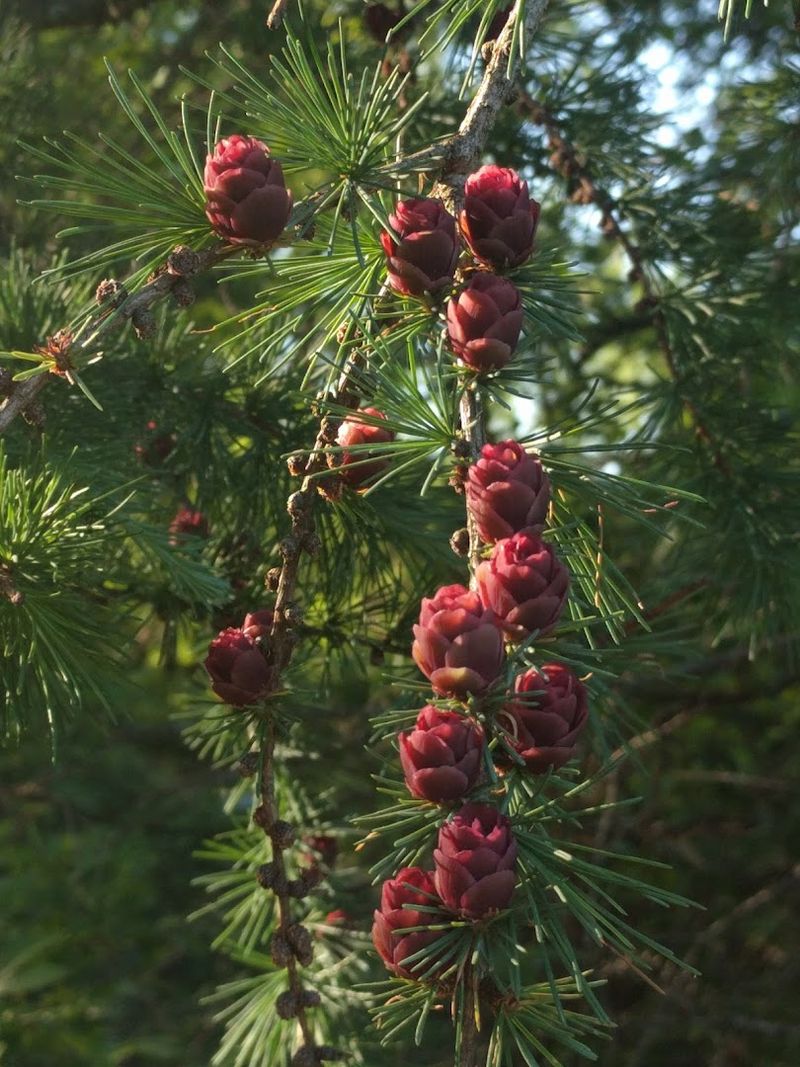
Wildlife here tends to be small, quick, and easily missed when you rush. Warblers flit through tamaracks, chickadees chatter, and red winged blackbirds ride the reeds like acrobats.
On warm days, you might notice bees pausing on hardware to sip a raindrop, a strangely tender scene that sticks with you.
Patience pays off, so sit at a bench and let the soundtrack come forward. Tadpoles wriggle near the margins in late spring, and harmless garter snakes may slide across the planks before disappearing into cover.
Keep distance, stay calm, and you will witness more than any fast lap allows.
Pack lightweight binoculars if birding is your thing. Early morning brings the richest chorus, while late afternoon light makes identification easier without glare.
Keep conversations low, set phones to silent, and teach kids to scan edges for motion rather than staring straight ahead. That small shift turns a simple walk into a memorable field hour you will talk about at dinner.
Seasons on the Bog: Winter to High Summer
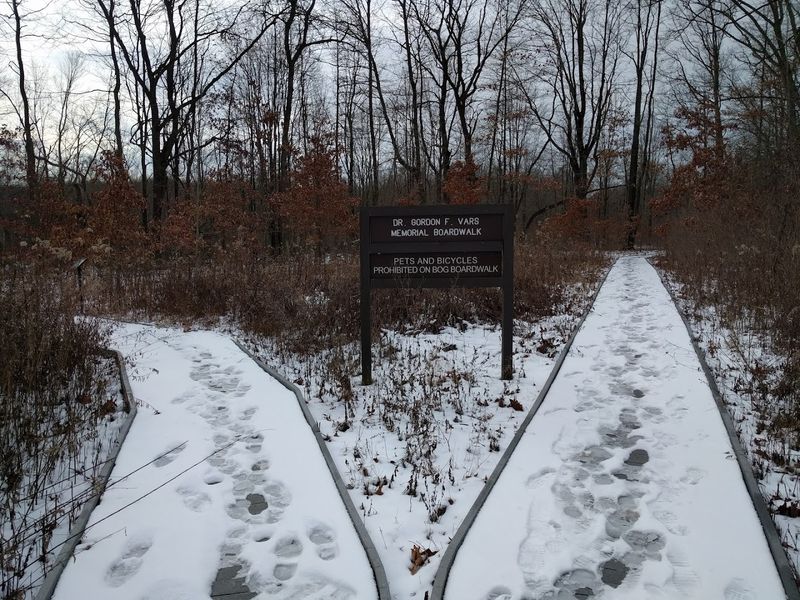
Each season rewrites the script. Winter quiets the trail, and the boardwalk can be slick, yet the stark forms of birch and larch look sculptural against snow.
Spring brings a softening green as needles return and sphagnum brightens, with chorus frogs providing background percussion.
In high summer, vegetation feels close, insects buzz, and cotton grass drifts like tiny clouds over the mat. Bug spray becomes your friend, along with a hat and slow breathing to keep horse flies from ruining your patience.
By fall, the payoff arrives when tamaracks glow gold and the air turns crisp enough for long pauses without sweat.
Plan for comfort rather than bravado. Traction in winter, hydration in summer, and layers any shoulder month will extend the time you want to linger.
If you love comparisons, visit the same bench each season and frame a matching photo. You will build a personal timeline of the bog that shows movement without hurry.
Accessible, Short, and Surprisingly Deep
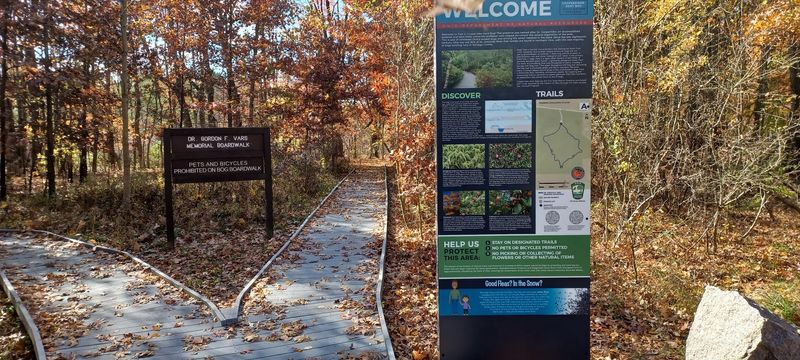
Easy does not mean shallow. The loop is short and flat, yet the ecological story is layered and rich enough to reward repeated visits.
Wheelchairs roll smoothly, strollers track well, and the grade stays gentle from parking lot to boardwalk and back again.
If mobility varies in your group, agree on two or three benches as meetup points. That way everyone can move at a personal pace while sharing anchor moments.
The shade keeps summer visits bearable, and the absence of steps opens the bog to more people without compromising habitat.
Bring what makes sitting pleasant. A small cushion, a thermos, and a field guide on your phone can turn fifteen minutes into a restorative break that still teaches you something.
The design proves that access and conservation can share the same footprint when visitors respect boundaries. You will likely leave grateful for a place that welcomes many bodies while protecting a rare community.
Photography Playbook for the Bog
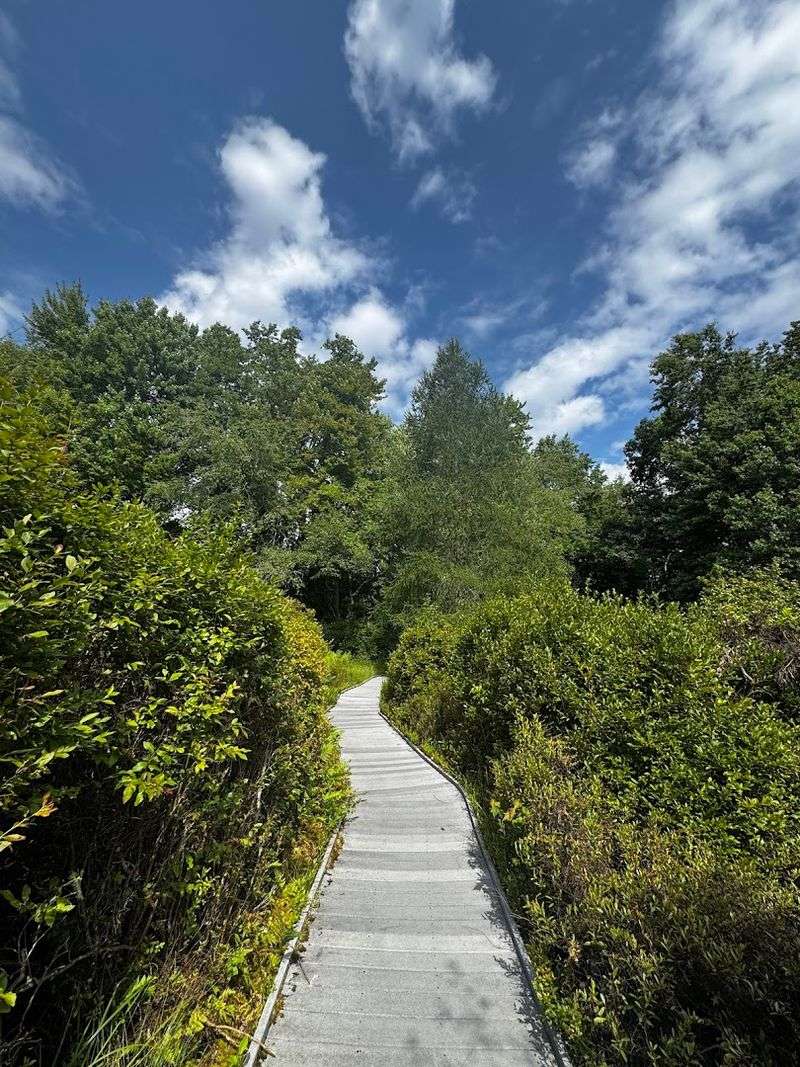
Good photos here start with patience and angles low to the railing. Side light reveals texture in sphagnum and leatherleaf, while backlight turns tamarack needles into glowing threads.
Leave tripods at home if the boardwalk is busy, and never step off the planks for a shot.
Think in layers. Foreground moss, midground shrubs, and a clean line of boardwalk can guide a viewer through the scene.
On cloudy days, switch to macro and chase beads of water on moss heads, blueberry leaves, or a cotton grass plume dangling in still air.
Keep gear simple. A phone with a clip-on macro lens covers most needs, and a microfiber cloth saves a fogged lens on humid mornings.
For people shots, pick a bench and wait for a clear background so you respect privacy. If you return across seasons from snow to gold, you will build a series that quietly teaches geology, botany, and light.
Etiquette: Protecting a Rare Habitat
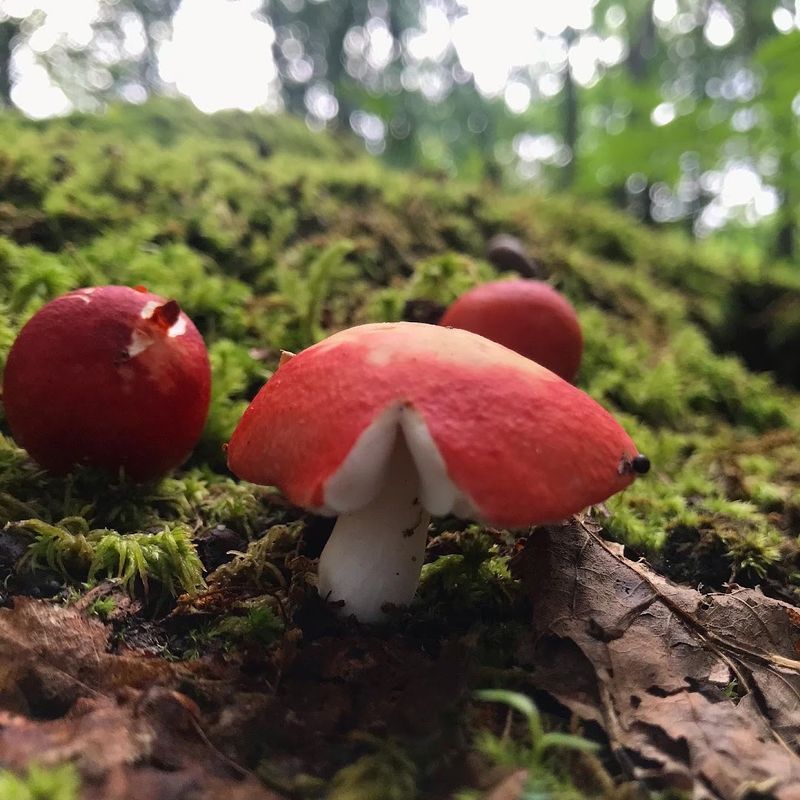
Care here is not optional. Staying on the boardwalk preserves the floating mat, keeps feet out of fragile root systems, and prevents nutrients from tracking where they do not belong.
Do not pick leaves, fruit, or cones, and pack out trash because bins are not guaranteed.
Quiet voices, slow pace, and a no pets policy help wildlife and people share the space. If you see something concerning, snap a photo and notify staff using the number on the website rather than trying to fix it yourself.
Small disturbances ripple big in bogs, so restraint is an act of stewardship.
Teach kids the why, not just the rule. Explain that each footprint off trail compresses sphagnum like a squeezed sponge that may not rebound.
You will see better behavior when the purpose is clear and shared. With such simple choices, visitors ensure this rare pocket stays intact for future slow walks and first discoveries.
Reading the Signs: A Self-Guided Class
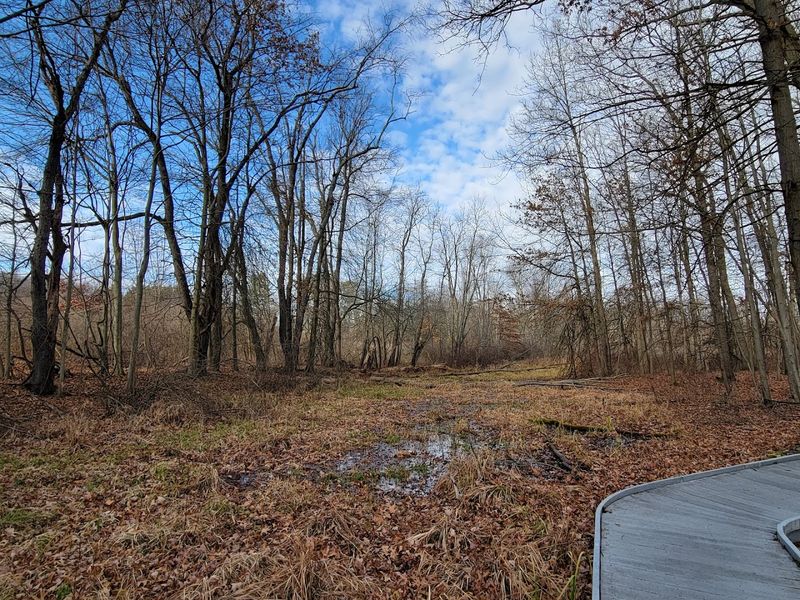
Those modest signs along the planks are your field teachers. One explains how a stranded ice block turned to a kettle, another maps acidity, and several highlight plants many people miss.
Treat them like chapter markers, and the loop becomes a short course in glacial geology and bog ecology.
Use them to pace your visit. Read a panel, look for three examples nearby, then compare with the next sign.
Families can make a game of it by spotting leatherleaf, gray birch, and cotton grass in order before moving forward.
If you are local, revisit after a season and see what details now pop. The same words make more sense once your eyes tune to the habitat.
Snap a photo of your favorite panel to review at home, then come back and test your memory. That repetition turns casual curiosity into real knowledge you can share with friends.
Parking, Hours, and Simple Logistics
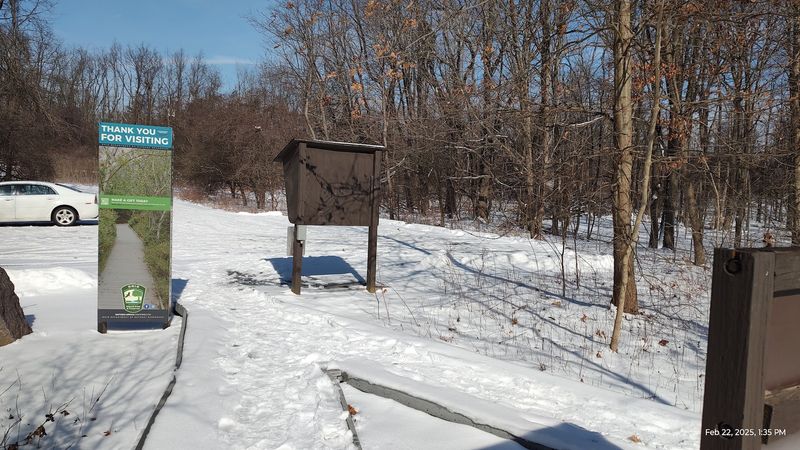
A small gravel lot sits at 1028 Meloy Road, and it can fill on sunny weekends. There are no restrooms or water, so plan stops before you arrive and bring what you need.
The preserve opens early, closes in the evening, and hours vary slightly by day, so a quick check of the ODNR page helps.
Cell coverage is usually fine, but download maps in case. Keep valuables out of sight, lock up, and carry a lightweight bag instead of juggling items on the boardwalk.
If you are traveling with a group, meet at the trailhead sign and set a return time to keep everyone synced.
Expect a short walk that starts and ends at the same place. That simple loop makes timing easy if you are squeezing in a visit between errands or classes at nearby Kent.
With logistics squared away, your mind can focus on tamaracks, moss, and the subtle textures that make this place special.