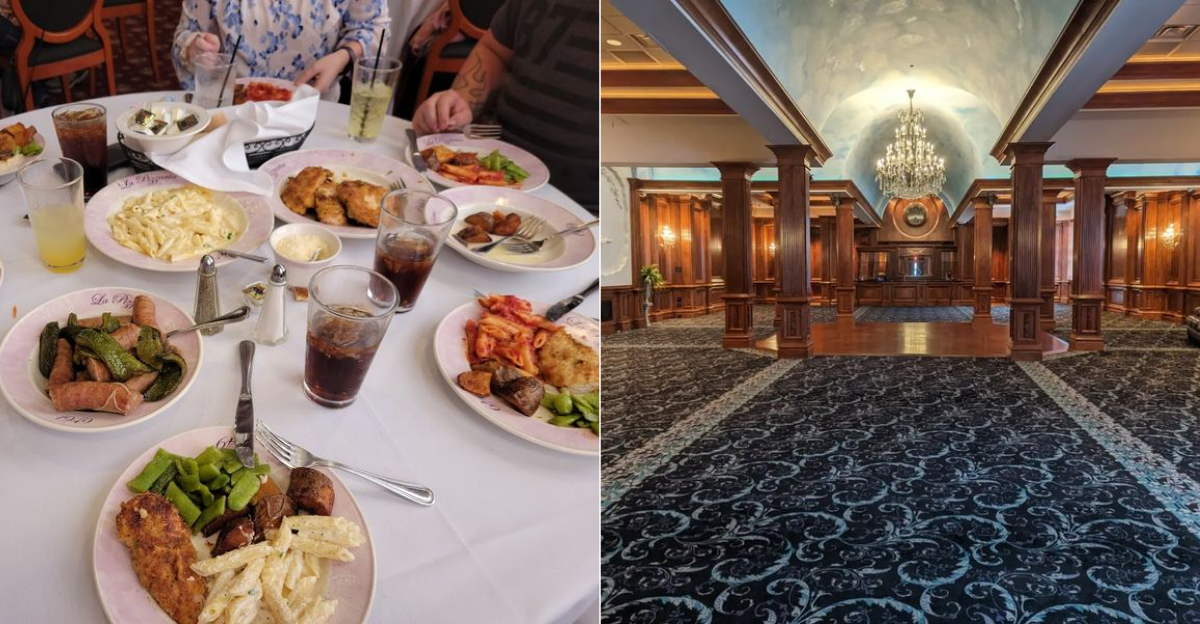
Pizza restaurants within local communities often carry far greater cultural significance than ordinary places for a quick meal, serving as important gathering points that bring people together.
They host casual weeknight dinners, family celebrations, and business meetings with equal ease, becoming an active part of everyday community life.
For decades, that role has been filled by La Pizzaria, located at 3656 Dressler Road NW, Canton, OH 44718.
Its longevity is not the result of chance, but of a commitment to hospitality and dependable food that generations of diners recognize and trust.
We explored how this restaurant evolved from a neighborhood pizzeria into an institution that has spent years building a lasting connection with its customers.
Where decades of repetition become reputation

Founded on repeat business rather than flash, this Canton favorite reflects the old restaurant rule that survival follows reliability.
Regulars return because the experience stays recognizable, from the pacing of service to the familiar structure of the menu and the comfort of classically styled rooms.
Instead of chasing reinvention, the operation appears to have built its name through disciplined habits that make a busy dinner feel similar to one from years earlier.
Across decades, that kind of steadiness turns a restaurant into shorthand for gatherings, celebrations, and dependable weeknight meals.
Generations learn the place through birthdays, rehearsal dinners, funeral meals, banquets, and ordinary suppers, so the business becomes woven into family timelines rather than treated as a one time destination. Local institutions accumulate memory with every table served.
Their reputation rests not only on taste but also on the reassuring sense that the people in charge understand what customers came for.
That trust endures because they protect those qualities carefully, even as the neighborhood around them changes.
Why the pizza still anchors the whole identity
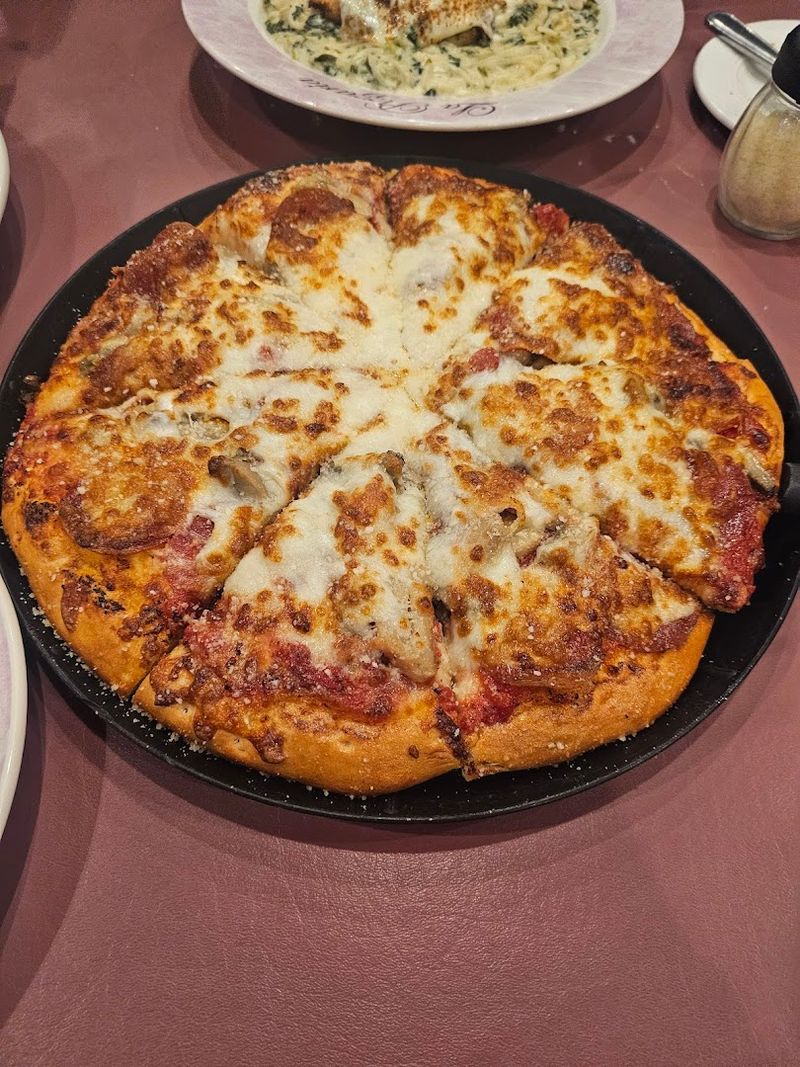
Nothing builds loyalty like a pizza people can picture before it reaches the table.
Signature pies matter because they create a standard, and standards keep families returning when everyone in the group wants something familiar, satisfying, and easy to share.
Here, the pizza seems to anchor the broader Italian menu by giving diners a benchmark for the kitchen’s balance of crust, sauce, cheese, and baking judgment.
Unlike trend driven styles that depend on spectacle, lasting neighborhood pizza usually wins through proportion and repeatable flavor.
Customers expect a crust with structure, enough sauce to register without soaking the base, and cheese that browns properly while still stretching across each slice.
That combination sounds simple, yet it demands control at every stage, from dough handling to oven timing. The attention to detail helps explain why a dependable pizza becomes the core identity of the restaurant.
That remains true even as the menu expands to include full dinners, private events, and a wider Italian repertoire for different occasions.
The foundation starts with dough, sauce, and cheese
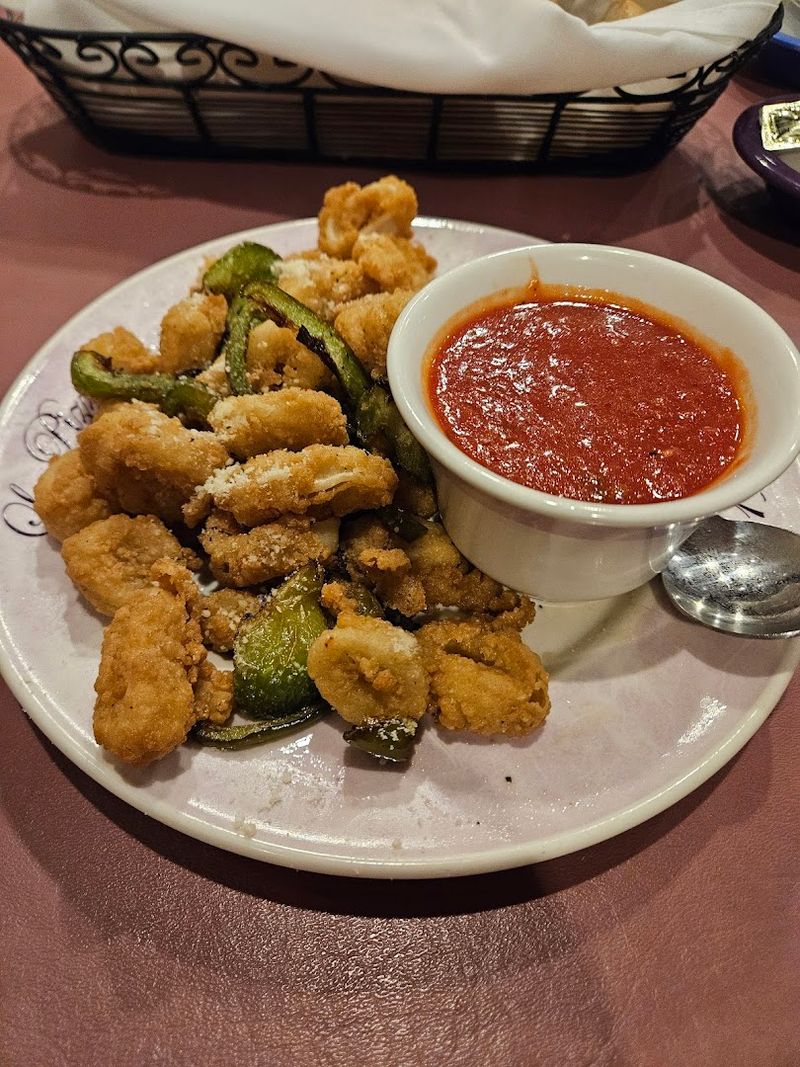
Dough tells you whether a pizzeria respects process, since texture begins long before baking starts.
Sauce carries equal responsibility, because its seasoning, thickness, and sweetness set the tone for the entire pie rather than acting as a background smear.
Cheese finishes the equation by contributing salt, richness, color, and that clean melt customers notice immediately when a slice is lifted.
From reviews that praise house made elements and consistent flavor, the strongest impression is that the kitchen understands foundations better than gimmicks.
Careful preparation matters because small inconsistencies in fermentation, tomato reduction, or cheese distribution can turn a familiar pizza into a disappointing one even if toppings remain generous.
That combination sounds simple, yet it demands control at every stage.
Dough handling, ingredient balance, and oven timing all play an important role in the final result.
The attention to detail helps explain why pizza remains the restaurant’s core identity, even as the menu expands to include full dinners, private events, and a broader Italian repertoire.
A menu built for more than pizza night
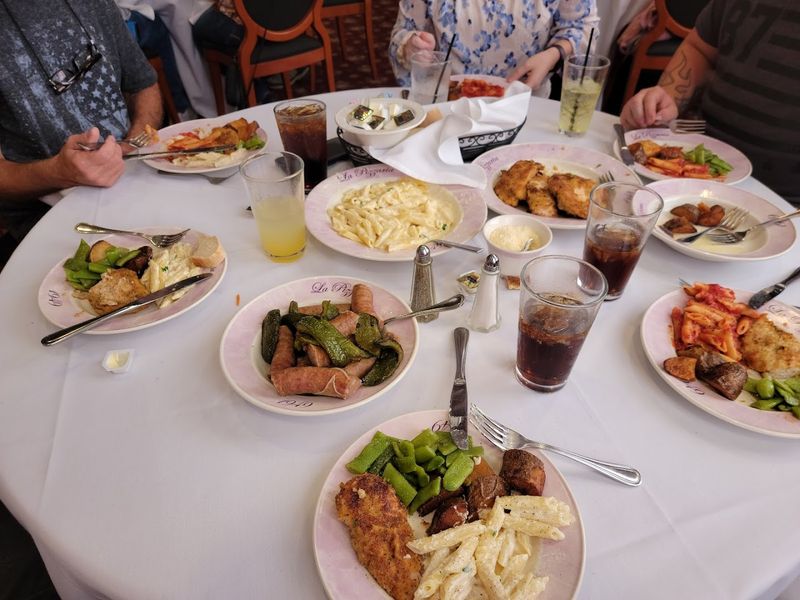
Beyond the pies, the menu appears designed for households that do not all order the same thing.
Chicken parmigiana, lasagna, ravioli, baked pasta, salads, bread, and other Italian American staples give the restaurant a broader role than a simple pizza stop.
Variety matters because families, work groups, and event guests often need a place where one person wants a slice while another wants a plated entree.
Several reviews point to memorable parmesan chicken, tortellini, meat ravioli, cannoli, and sizable portions, suggesting the kitchen has long relied on range as well as repetition.
Menu breadth can weaken quality when it is careless, yet in an established dining room it often strengthens loyalty by letting customers age with the restaurant and find different favorites over time.
Someone may first visit for pizza and return for chicken or pasta.
A later visit might involve a shower, banquet, or another special event.
The restaurant stays in regular rotation because it works for both everyday dinners and milestone occasions without abandoning the identity that earned customers’ trust in the first place.
Where familiar flavors become family tradition

Families create restaurant institutions by repeating rituals until the location becomes part of how they mark time.
Holiday meals, postgame dinners, rehearsal events, showers, and routine weekend outings all leave traces, especially when the food remains stable enough that parents can introduce children to the same dishes they once ordered.
In that way, loyalty becomes inherited rather than marketed, and the menu turns into a catalog of personal memories.
Many local places never reach that level because they cannot maintain quality or atmosphere through changing ownership trends and dining habits.
This one appears to have kept enough continuity that customers mention returning for annual parties, banquets, Mother’s Day meals, and large family gatherings, which says as much about trust as it does about flavor.
When guests know the room can handle both intimate dinners and milestone occasions, a pizzeria gains social weight within the community.
It becomes more than a place to eat, supporting celebrations, condolences, and reunions.
The same familiarity also makes it a natural choice for those recurring nights when everyone wants the comfort of a known table.
More than a grab-and-go address
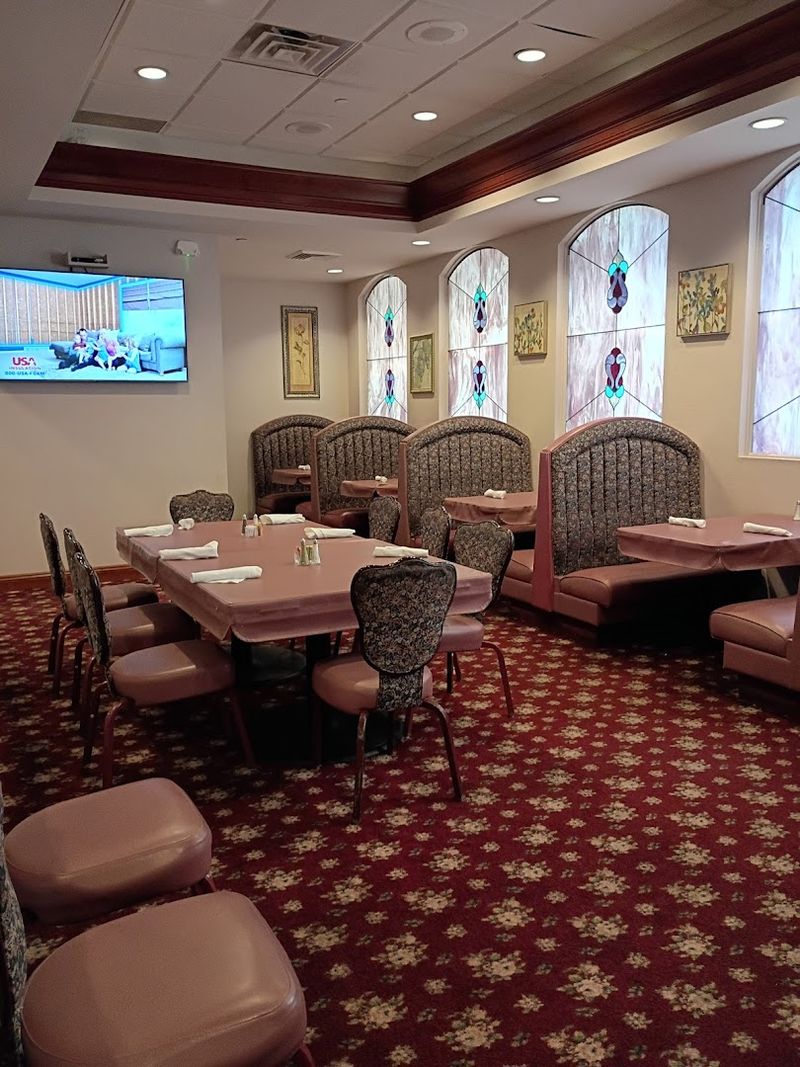
Inside, the atmosphere seems to matter almost as much as the food, which is a hallmark of durable full service restaurants.
Classically decorated rooms, banquet spaces, and a dining area suited to both date nights and larger groups give the business a different identity from a strictly takeout driven pizza counter.
Room design matters because comfort shapes how long guests stay, what they order, and whether they think of the place for life events beyond dinner.
Customers repeatedly describe family atmosphere, beautiful event spaces, fireplaces, and welcoming surroundings, all of which suggest a restaurant that understands hospitality as spatial as well as culinary. Seating layout, lighting, and table service can reinforce confidence in the kitchen by slowing the meal to a pace that suits salads, bread, entrees, and dessert instead of treating every order like a transaction.
That broader setting helps explain why a pizzeria can become a neighborhood institution.
People attach memories to places where they gathered, celebrated, or shared quiet meals with relatives. Those connections can become just as strong as the attachment to any specific dish on the menu.
Hospitality that keeps the door revolving
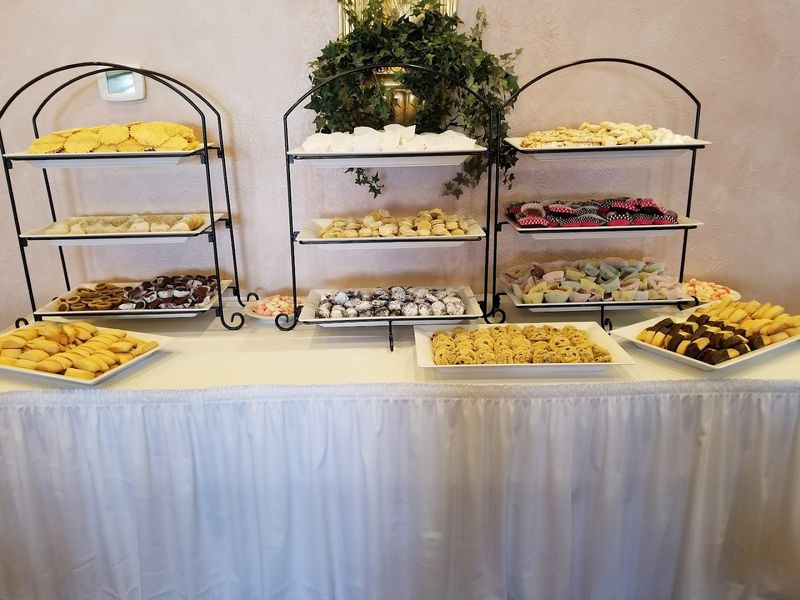
Service often decides whether good food becomes a lasting habit, since customers remember how smoothly a meal unfolded.
Attentive servers, clear pacing, and a sense of ease at the table help diners relax into the experience, especially in a restaurant that handles everything from quick dinners to private events.
Positive reviews frequently mention kind waitstaff and welcoming treatment, indicating that hospitality remains part of the appeal rather than an afterthought.
Even well regarded institutions receive criticism at times, and the meaningful point is how much consistent service supports long term loyalty when meals are otherwise familiar.
Staff members act as translators between kitchen and guest, guiding choices, managing timing, and preserving the rhythm that makes a dining room feel dependable instead of chaotic.
For a restaurant with both event business and regular dinner traffic, that role is especially important. Hospitality must scale from a two-person table to a banquet room without losing warmth.
That consistency is one reason repeat customers continue to include the place in birthdays, annual parties, and routine evenings out.
How tradition adapts without losing itself

Modern dining habits demand flexibility, and older restaurants have to serve dine in guests while also meeting expectations for takeout and event catering.
Hours focused around lunch and dinner service, plus a reputation for portions that carry into leftovers, suggest a business that fits both sit down meals and practical at home eating.
Adaptation works best when convenience does not erode the character of the food, especially with pizza, pasta, bread, and sauced entrees.
Rather than discarding tradition, successful institutions usually refine operations around it, preserving signature dishes while adjusting packaging, reservation handling, and banquet coordination.
That balance is difficult because food built for table service can lose texture or visual appeal in transit, yet customers now expect restaurants to handle multiple modes well.
By maintaining a full dining-room identity alongside takeout and private event service, this Canton mainstay shows why local institutions still matter in a changing restaurant landscape.
They offer continuity, a sense of place, and a connection to the community. Familiar food meets present-day needs without becoming anonymous.