While many modern restaurants compete to offer increasingly unusual fusions and more radical culinary experiments, experienced diners often place greater value on establishments that remain committed to proven classics.
True quality is not measured by a constant pursuit of innovation, but by the ability to prepare recognizable dishes with technical precision and respect for the recipes that made them enduring in the first place.
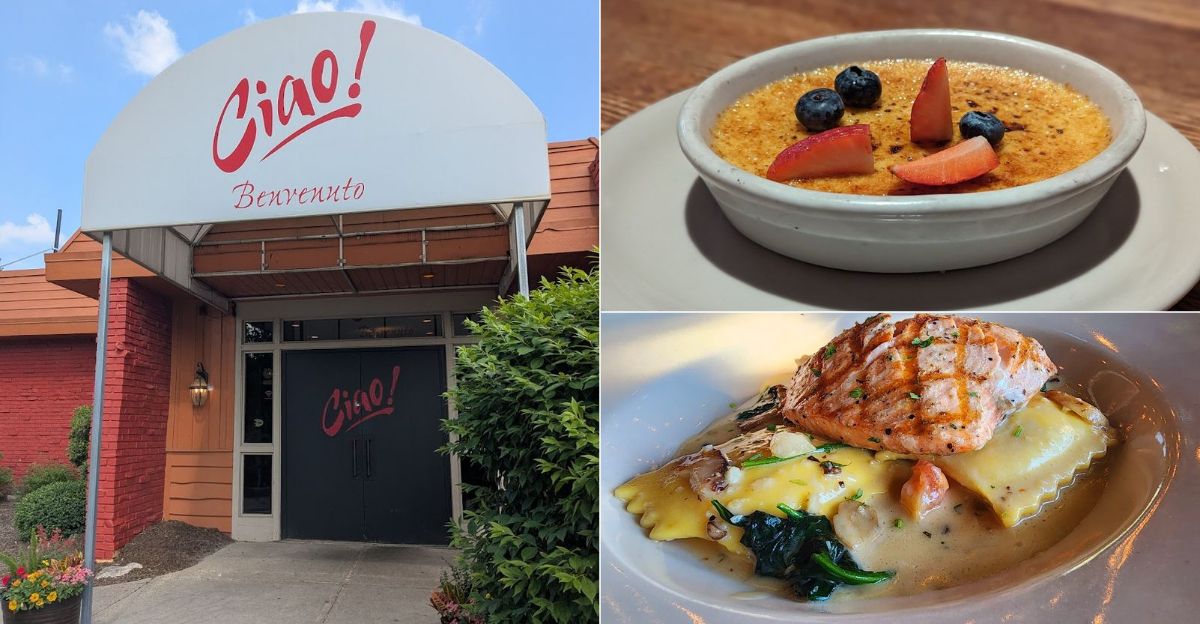
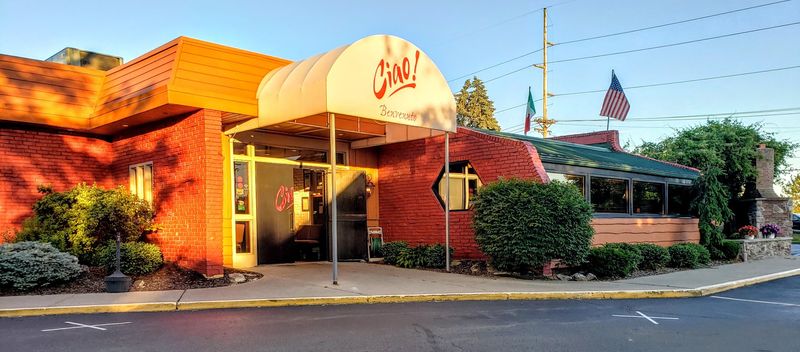
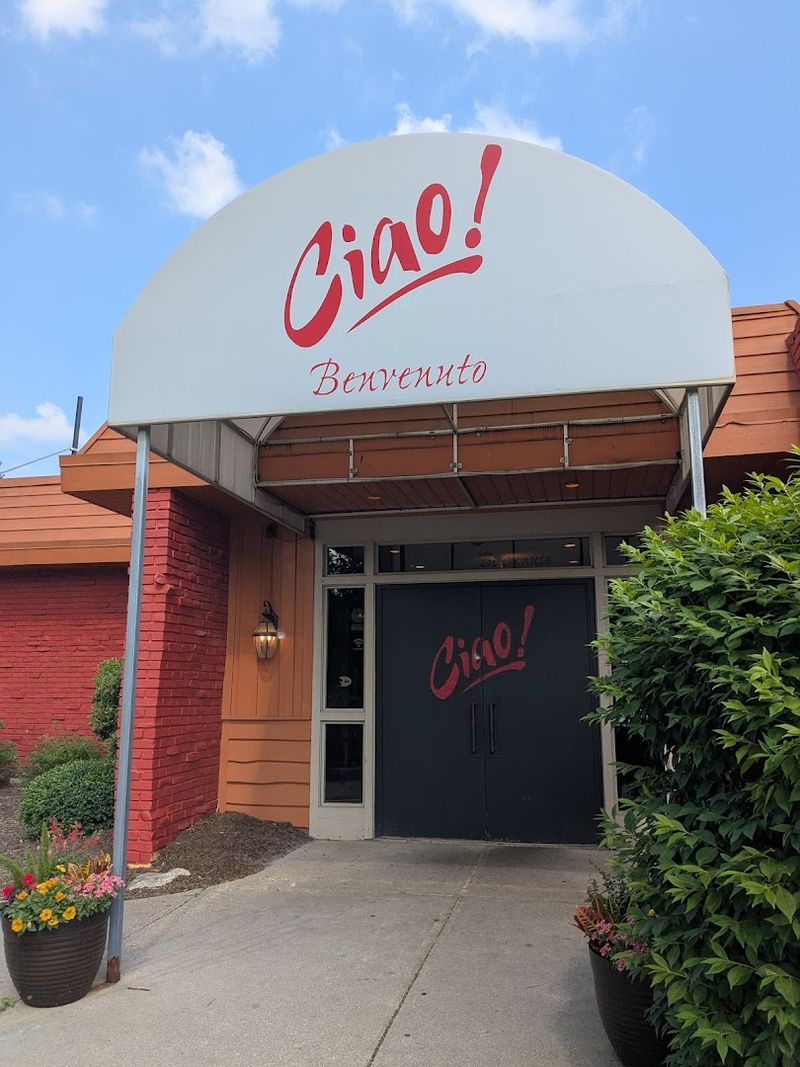
A strong example of that kind of culinary consistency is Ciao! Ristorante, located at 6719 Monroe Street, Sylvania, OH 43560.
The restaurant has built its long-standing reputation on dishes that prioritize method, balance, and recognizable regional Italian influences.
Explore this guide to its distinctive menu and discover which traditional specialties and elements of professional hospitality have helped make it a lasting destination for Italian dining.
Where Familiar Recipes Still Matter
Traditional Italian cooking lasts because technique gives familiar dishes their structure.
Here, the kitchen leans on reduction, sauteing, careful seasoning, and steady heat rather than flashy presentation.
That approach matters with classics because small decisions shape whether a plate tastes grounded or forgettable.
Red sauce needs time to settle into itself, not rush toward brightness alone.
Marsala depends on pan fond, balance, and a sauce that coats rather than floods the plate.
Brick-oven pizza also benefits from restraint, since a blistered crust only works when toppings remain measured.
Elsewhere, many menus treat old standards like obligations.
In this dining room, the standards appear to be the point, which explains their staying power.
Confidence in established methods allows the kitchen to focus on execution, showing that consistency often creates a stronger impression than constant reinvention.
Diners return for recipes they already know, yet still expect precision, and that expectation keeps traditional cooking relevant in a modern restaurant setting.
A Dining Room Built Around Conversation
Atmosphere often decides whether classic food feels current or dated.
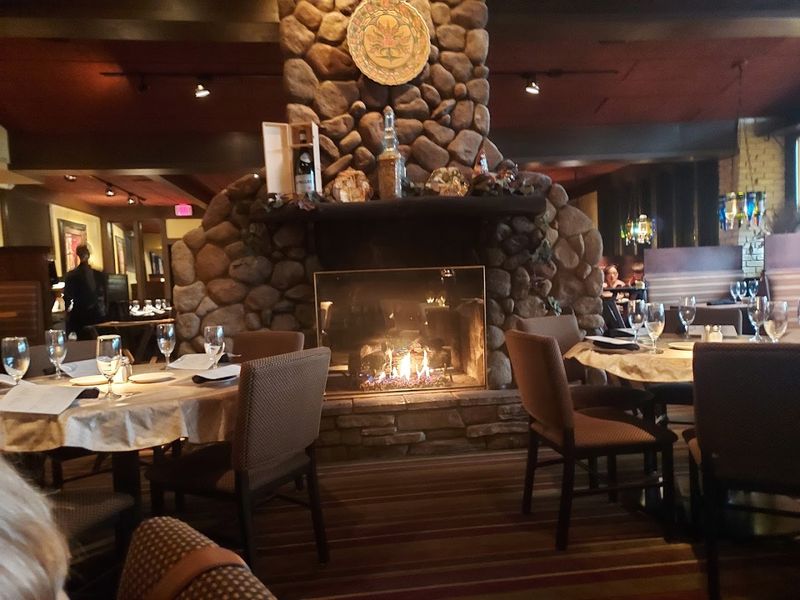
The dining room strikes a middle ground that many Italian restaurants chase but do not always reach.
Low lighting, comfortable spacing, and a polished but relaxed tone support long meals without turning dinner into ceremony.
Several guests describe the room as cozy while still feeling spacious, which is a useful distinction.
Close tables can create energy, but they can also flatten conversation and make service more difficult.
By giving parties enough room to settle in, the restaurant makes traditional dining feel social instead of hurried.
Bar-area live music on some evenings adds another layer without changing the restaurant’s identity. Outdoor seating extends that ease when weather cooperates, offering an alternative mood rather than a separate concept.
Warm finishes and thoughtful seating arrangements contribute to an environment that encourages people to stay longer without feeling pressured to order continuously.
Nothing in the design competes with the meal, and that restraint helps the room age well.
The Comfort of Properly Prepared Pasta
Pasta reveals whether an Italian restaurant respects detail.
Sauce must cling properly, noodles need structure, and portions should feel generous without becoming heavy.
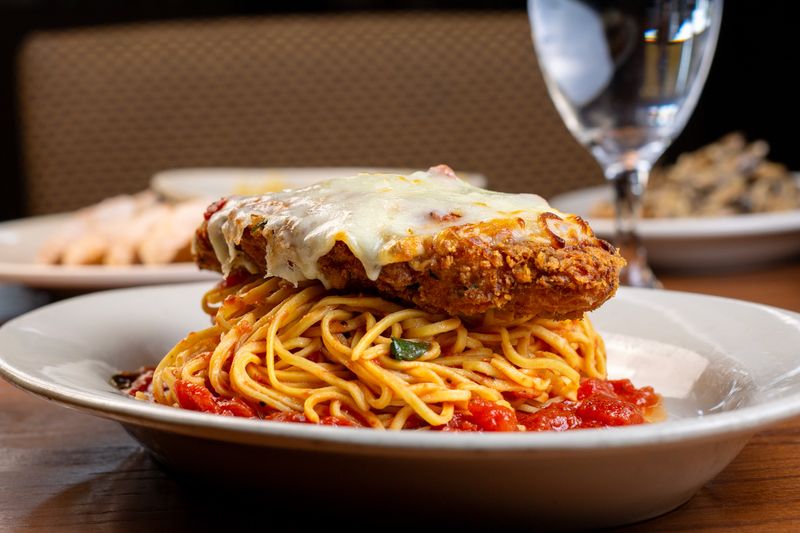
When those basics are handled well, even simple spaghetti with red sauce can carry as much importance as a richer house specialty.
Reports from diners point to a broad range of pasta options, including seafood combinations with vodka sauce and baked preparations such as asiago al forno.
Gluten-free diners have also noted unusually strong choice, which suggests that the kitchen understands pasta as a category rather than a single default format.
That flexibility matters because different sauces require different shapes, densities, and finishing methods.
Comfort, in this case, is not about excess.
Properly prepared pasta delivers texture, warmth, and a sense of order on the plate.
When a restaurant treats pasta as a craft instead of a filler, it keeps Italian dining rooted in the thing that made it enduring in the first place.
Beyond Red Sauce With Seafood, Chicken, And Veal
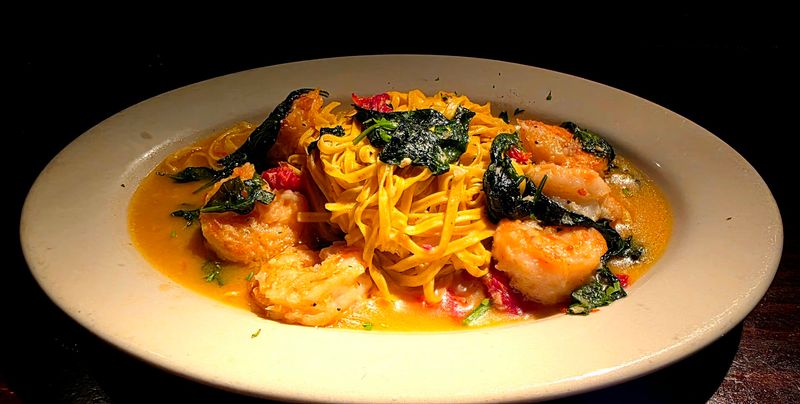
Range matters when a restaurant wants to serve regulars as well as occasion diners.
A menu centered only on pasta can feel narrow after a few visits, but this one extends into seafood, chicken, and veal with enough variety to reward repeat ordering.
That breadth helps explain its unusually loyal customer base.
Seafood appears to be a genuine strength, from catch-of-the-day offerings like swordfish to salmon piccata, lobster-shrimp-crab pasta, and shrimp scampi.
Chicken dishes such as Parmesan, Marsala, and mostarda give the menu familiar anchors for diners who want comfort without experimentation.
Veal, when present on a menu like this, signals a commitment to older Italian American dining traditions that many newer places no longer emphasize.
Diversity also protects the restaurant from feeling fixed in one decade.
Families, couples, and larger groups rarely order alike, so a wider spread of proteins keeps the table cohesive.
Classic Italian food works best when choice supports togetherness rather than fragmenting the experience.
Hospitality That Shapes the Entire Meal
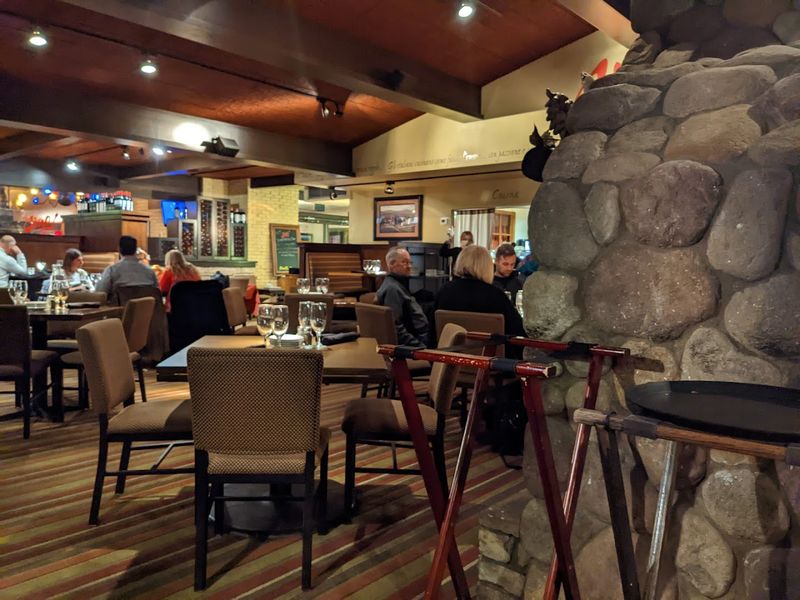
Service quality becomes especially visible in a restaurant built on familiarity.
Guests ordering classic dishes often know what good pacing looks like, how bread service should feel, and when a server is reading the room correctly.
Reviews consistently point to attentive staff, personable greetings, and a floor presence that helps the evening feel organized.
That matters because hospitality in Italian dining is not only about friendliness.
Timing influences the meal as much as seasoning does, especially when appetizers, salads, wine, and entrees need to arrive in a sensible rhythm.
Strong service also supports celebration dinners, family announcements, and birthdays, all occasions that appear frequently in customer accounts.
Not every visit seems perfect, which is normal in a busy dining room.
Still, the broader pattern suggests a management culture that values follow-up and sees hospitality as part of the product rather than an accessory to it.
In restaurants with longevity, that distinction is rarely accidental.
Why Families Keep Returning to the Same Table
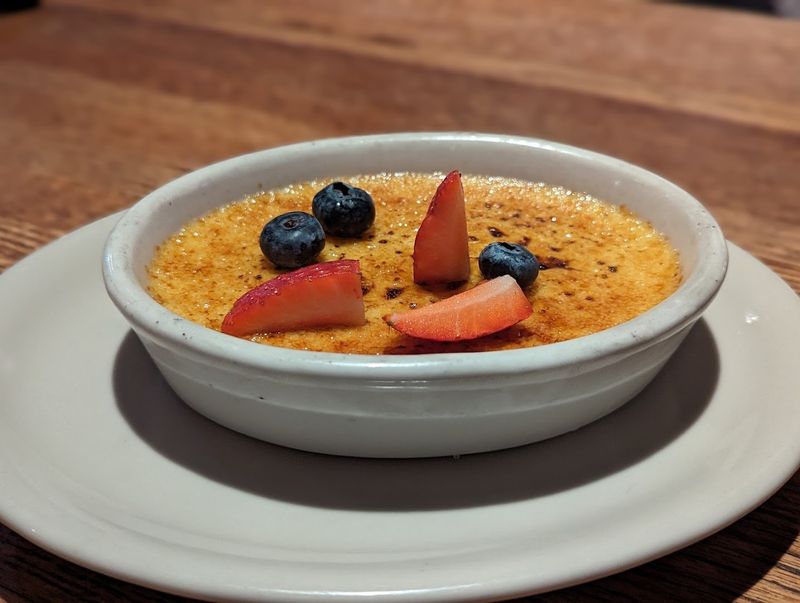
Italian restaurants often become part of family routine because the cuisine translates well across ages and occasions.
This place appears to fill that role for many local diners, who describe anniversaries, birthdays, return visits, and spontaneous stop-ins after events.
Repetition is meaningful here because it signals trust rather than convenience alone.
Shared preferences help, of course.
Plain spaghetti with red sauce can satisfy one diner while another chooses seafood pasta, pizza, or a composed entree.
Practical details matter too, including accommodations for children, high chairs, and enough room for larger parties to settle in without feeling like an afterthought.
Menu breadth strengthens that flexibility by giving different generations enough options to dine together without anyone feeling limited by the selection.
There is also a deeper reason these traditions persist.
Classic Italian dining encourages overlap between everyday eating and celebration, allowing one restaurant to serve both roles without changing its identity.
When a dining room can host a quiet weeknight meal and a family milestone with equal competence, loyalty stops being sentimental and becomes habitual.
Consistency Is the Real Signature Dish
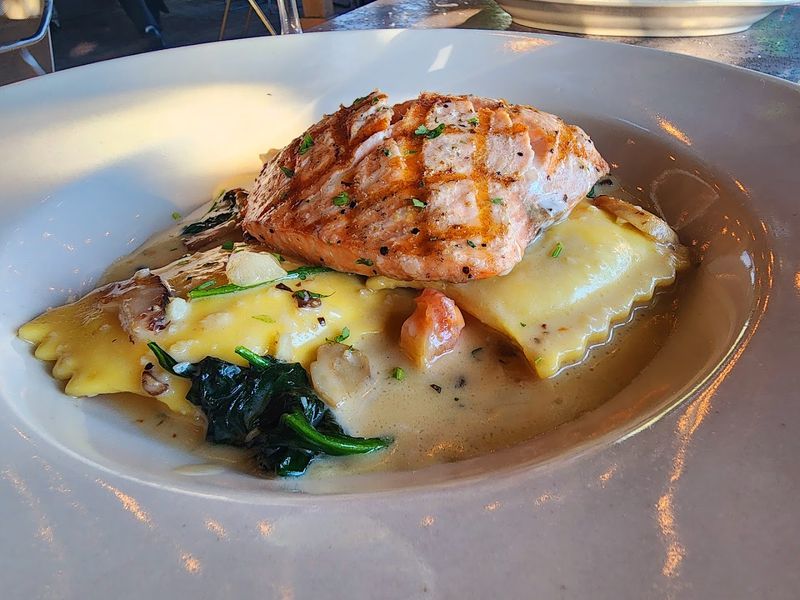
Many restaurants can produce one memorable meal.
Far fewer can deliver a reliable one over years, changing staff, and crowded weekends.
What stands out most strongly here is not a single dish but the number of customers who describe returning again and again for the same dependable experience.
Consistency is harder than creativity because it requires systems.
Reservations must flow, the kitchen has to maintain standards under pressure, and management needs to respond when a night falls short.
Longtime diners repeatedly note that the restaurant remains a first pick for celebrations and routine dinners alike, which indicates confidence built over time.
That kind of loyalty shapes perception more than marketing ever could.
A dining room with regulars develops its own internal standard because repeat guests notice small changes quickly.
When they continue coming back, they are effectively reporting that the fundamentals still hold. In traditional Italian dining, reliability is not boring; it is the core measure of success.
Tradition Finds Room for Modern Expectations
Traditional restaurants survive when they adapt without abandoning their center.
This one appears to understand that balance by keeping its culinary identity firmly rooted in Italian American classics while accommodating newer expectations around flexibility and convenience.
Gluten-free options, reservation systems, patio dining, and even digital menu presentation all point in that direction.
None of those updates change the core purpose of the meal.
They simply remove friction that might otherwise make a classic restaurant feel out of step with current dining habits.
That distinction is important because modernization can either clarify tradition or dilute it, depending on how aggressively it is applied.
Careful adaptation helps maintain relevance across generations, ensuring that long-time customers and newer visitors can enjoy the same foundational experience.
Here, the old and new seem to coexist without strain.
Brick-oven pizza, Marsala, red sauce pasta, and seafood specialties preserve the menu’s familiar backbone, while operational improvements make the experience easier for contemporary diners.
The result is a restaurant that does not chase novelty, yet still feels aware of how people want to dine now.