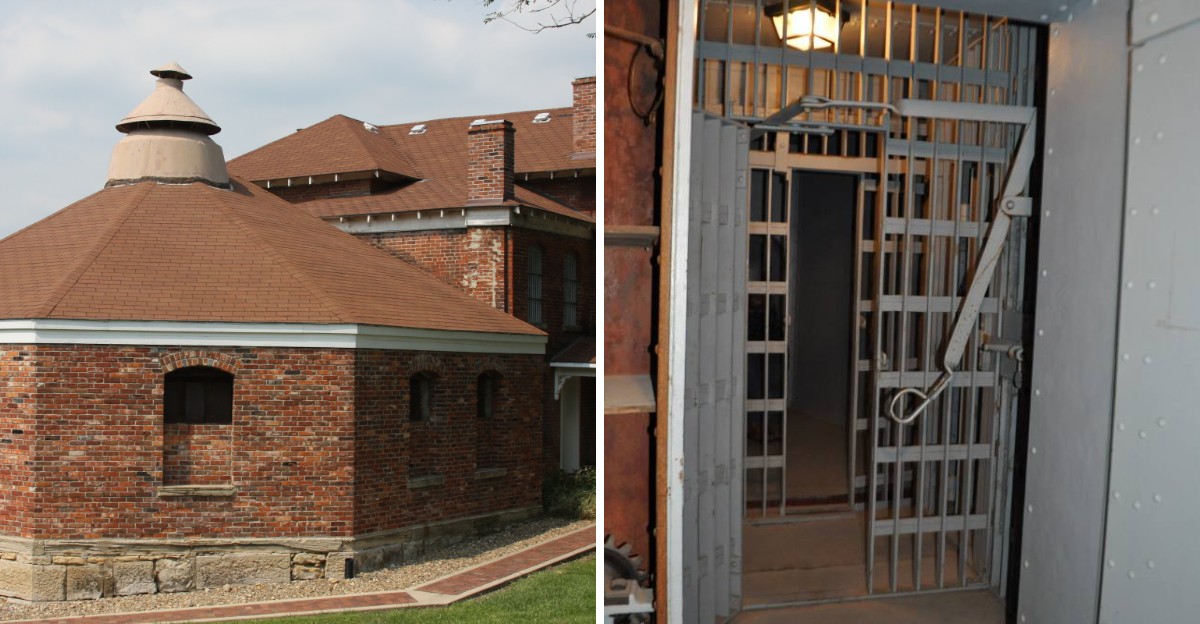
A sheriff could turn one hand crank and make an entire block of jail cells spin in a circle. No guard had to stroll past the prisoners.
The cage simply rolled until the right door lined up with the only way out.
That clever contraption still sits inside an old brick building in northwest Missouri. It is one of the very few rotary jails left anywhere in the country.
Folks nicknamed the design a squirrel cage, and honestly, the name fits.
I like how this place mixes a little shiver with a lot of Victorian brainpower. The jailer and his family even lived under the same roof as the inmates.
Supper cooked a few steps from a rotating cell block must have made for interesting evenings.
Best of all, a tour has traditionally cost nothing beyond an optional donation. So how did a jail end up working like a kitchen lazy Susan?
A Plain Brick Building With A Very Unusual Party Trick
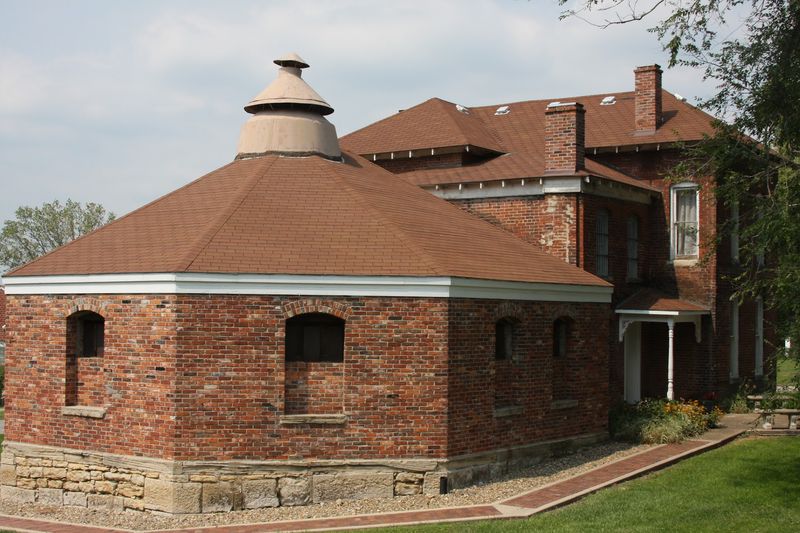
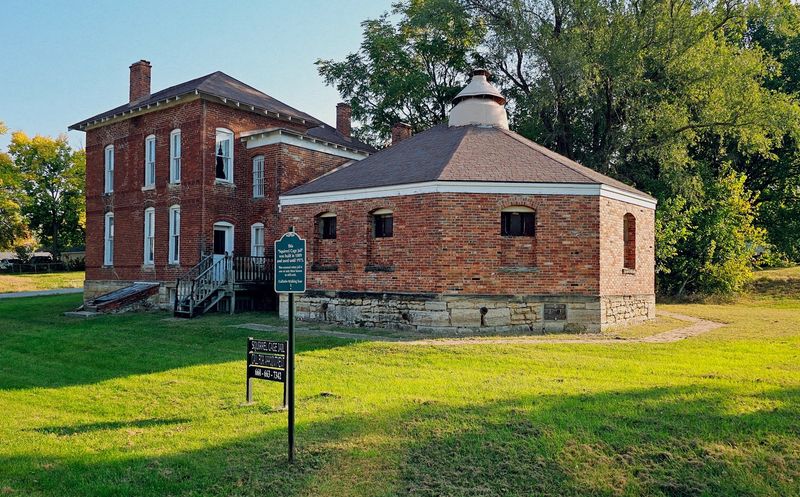
Nothing about the outside screams spinning prison. The Daviess County Squirrel Cage Jail looks like a sturdy old brick home on a quiet street in Gallatin, Missouri.
Step inside, though, and the story changes fast. The back of the building holds a round cell block that was built to turn in place like a giant wheel.
That rotating design gave the jail its famous nickname. It also explains why the place is sometimes called the Rotary Jail, a name you will see on signs and local materials.
Gallatin sits in Daviess County in the northwest corner of the state. It is a small county seat, the kind of town with a courthouse square and an easy pace.
The jail now serves as a museum, preserved so people can see how this odd system really worked. Few places let you stand beside a piece of machinery built to hold outlaws.
I believe that is why it sticks in your head long after the drive home. A spinning jail sounds like a tall tale until you see one with your own eyes.
Then you start wondering who thought of it first, and why.
Indiana Inventors Had A Wild Idea About Keeping Prisoners Put
Credit for the spinning cell idea reportedly goes to two men from Indianapolis. William Brown and Benjamin Haugh patented the rotary jail design in 1881.
Their goal was simple enough. They wanted a jailer to control many prisoners without ever opening several doors or standing within arm’s reach.
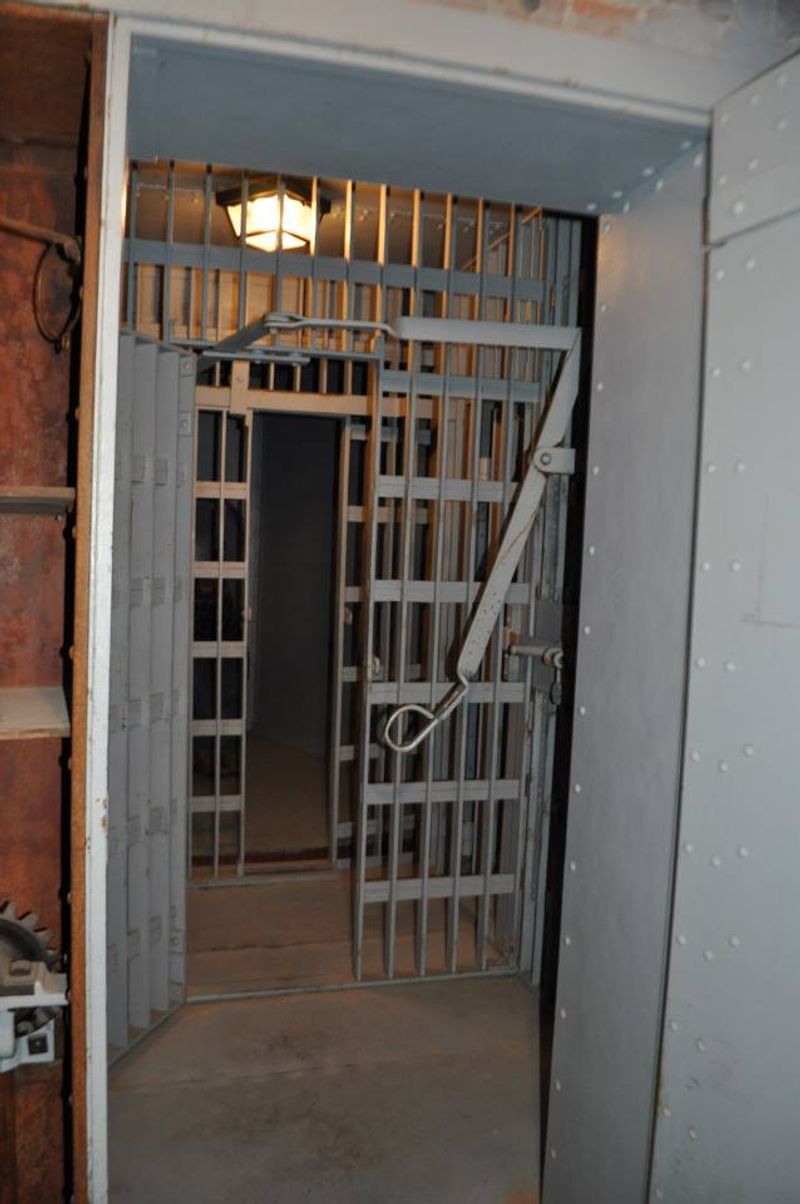
Their answer looked a bit like a round birthday cake. Wedge-shaped cells sat side by side on a platform, all wrapped inside a fixed outer cage of iron bars.
The outer cage had just one opening. To let a prisoner out, the jailer rotated the whole platform until that one cell faced the gap.
On paper, it sounded brilliant and safe. In practice, the idea caught on in a handful of Midwestern towns during the late 1800s.
Only a small number of these jails were ever built, and fewer still survive today. Most accounts list just three left standing in the country, with one in Indiana and one in Iowa.
The third one landed right here in Missouri. That makes this little Gallatin museum part of a very exclusive club, and nobody had to pay dues to join.
Gallatin Went All In On Its Carousel Of Cells In 1889
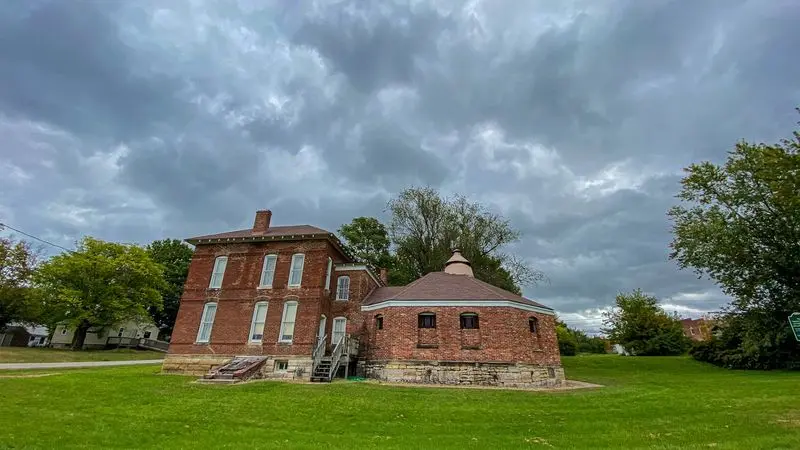
Daviess County built its rotary jail in 1889, a time when Missouri towns were still settling into life after the frontier era. Choosing a brand-new invention was a bold move for a rural county.
The building held more than a lockup. It combined the spinning cell block in back with living space for the sheriff or jailer up front.
For decades, that arrangement kept the county’s lawbreakers in one tidy, turning spot. The jail reportedly stayed in use until 1964, which is a remarkable run for any jail.
Think about how much changed in Gallatin during those years. Horses gave way to cars, and radios showed up in living rooms, yet the iron wheel kept doing its job.
After it closed, local folks worked to save the building rather than tear it down. Restoration work brought the jail back as a museum that shows off its old machinery.
The building has also earned a listing on the National Register of Historic Places. For a small county jail, that is quite a resume.
Grandparents may even remember when it was still a working lockup. That kind of memory makes a visit feel extra personal.
One Hand Crank Did The Work Of A Whole Squad Of Guards
Here is the part that makes kids and engineers grin. A single jailer could rotate the entire cell block using a hand crank and a set of gears.
Each wedge-shaped cell rode along with the turning platform. When the right cell lined up with the outer opening, the prisoner inside could step out.
Every other cell stayed sealed behind solid bars. No ring of keys, no long hallway walk, and no close contact with anyone the jailer did not choose.
Safety was the big selling point back then. The design meant fewer guards and less risk during feeding time or prisoner transfers.
Like many clever inventions, it came with problems too. Rotary jails in general were known for issues like pinched limbs and trouble getting prisoners out quickly in emergencies.
Those concerns helped explain why the style never spread far. Still, seeing the gear-driven system up close is the highlight for many history fans.
It really does feel like a lazy Susan built for outlaws instead of condiments. You can almost hear the iron groaning as the wheel inched around.
Few museums in Missouri offer anything quite this mechanical and strange.
Home Sweet Jailhouse For The Sheriff’s Family
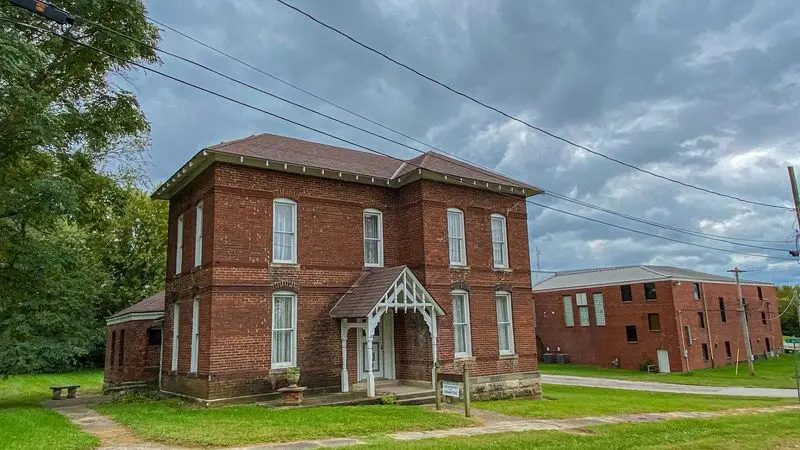
Talk about a short commute. The front portion of the building served as living quarters for the jailer and his family.
That setup was common for small county jails in the late 1800s. It let the family keep watch over the inmates without ever leaving home.
It also meant meals for prisoners often came straight from the family kitchen. Laundry, chores, and bedtime all happened just a wall away from the cell block.
Children grew up with a front-row seat to the county’s troublemakers. I can’t imagine explaining that arrangement to friends at school.
The museum’s well-kept spaces help you sense that everyday side of jail life. One recent guest described the building as so carefully preserved that it feels as if it could still be in use.
That balance of home and lockup gives the place a surprisingly warm personality. You get iron bars in one room and a family’s daily routine in another.
For older visitors, the household touches may spark memories of grandparents’ homes. For younger ones, it is a lesson in how differently people lived and worked before modern jails.
Frank James And The Trial That Put Gallatin In The Headlines
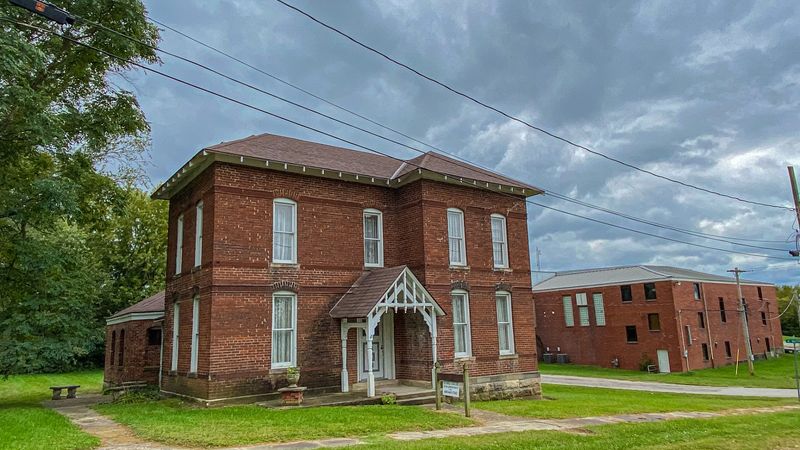
Gallatin had outlaw drama long before the spinning cells arrived. In 1883, Frank James, brother of Jesse James, stood trial here in Daviess County.
The case drew huge attention across Missouri and beyond. Frank James was acquitted, a verdict that stirred plenty of talk at the time.
The rotary jail was not built yet, so he never rode the iron wheel. Even so, the museum shares a good deal of history about that famous trial.
That connection gives the visit a bonus chapter. You come for the strange machinery and leave with a fresh slice of Wild West lore.
Missouri families raised on James brothers stories will feel right at home with this part. It ties the small town to one of the state’s best-known outlaw legends.
History buffs can easily lose track of time chatting about the trial. One guest specifically remembered a great conversation about Frank James during a tour here.
It is a fun reminder that small county seats often hold big stories. Gallatin just happens to have both a legendary courtroom moment and a jail that spins.
Who Will Love It, And A Heads-Up About The Stairs
History lovers, gadget fans, and true-crime buffs will feel like they hit the jackpot. Kids who enjoy anything that spins or creaks will be hooked too.
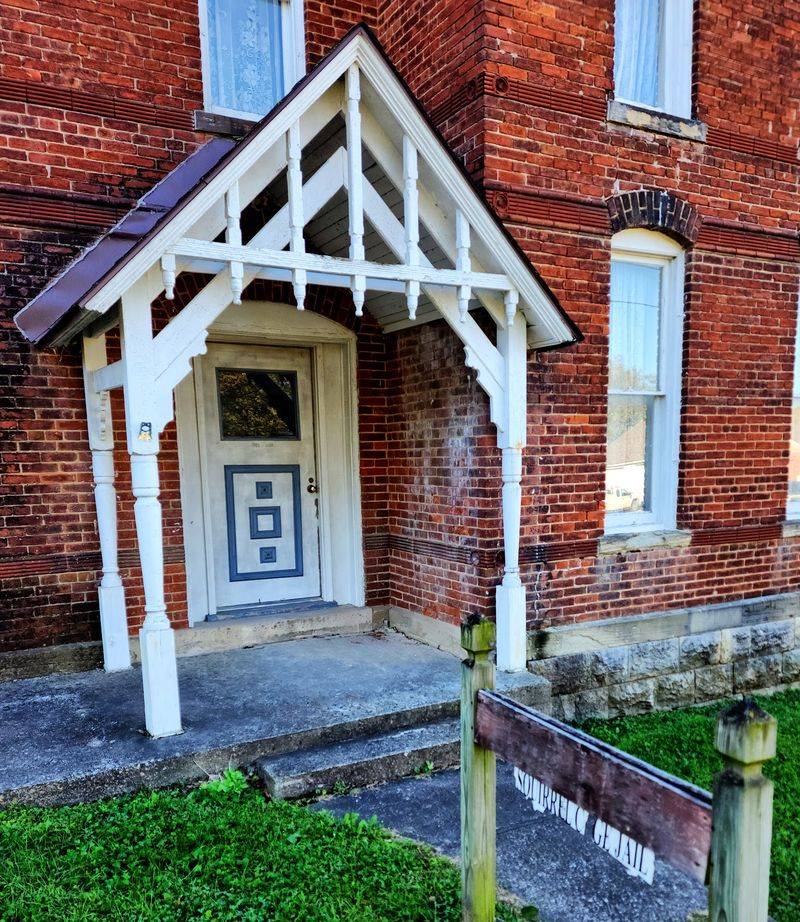
Fair warning, though, about getting around inside. Past guests have noted that the tour is not ideal for anyone who struggles with stairs.
That is worth knowing if Grandma or Grandpa uses a cane. Families might plan for one person to enjoy the ground floor while others head up.
The museum is small, so do not expect a long afternoon of exhibits. It is a focused, hands-on look at one remarkable piece of engineering.
Not everyone finds that enough to fill a big outing. A recent guest felt there was not much to see, so it helps to pair the stop with other plans.
Those who appreciate odd inventions usually leave delighted, though. Seeing a working rotary cell block in person is rare almost anywhere in the country.
Bring a camera and plenty of curiosity. Even a short visit gives you a great story to share with the grandkids on the ride home.
Free Admission, A Donation Jar, And Why You Should Call First
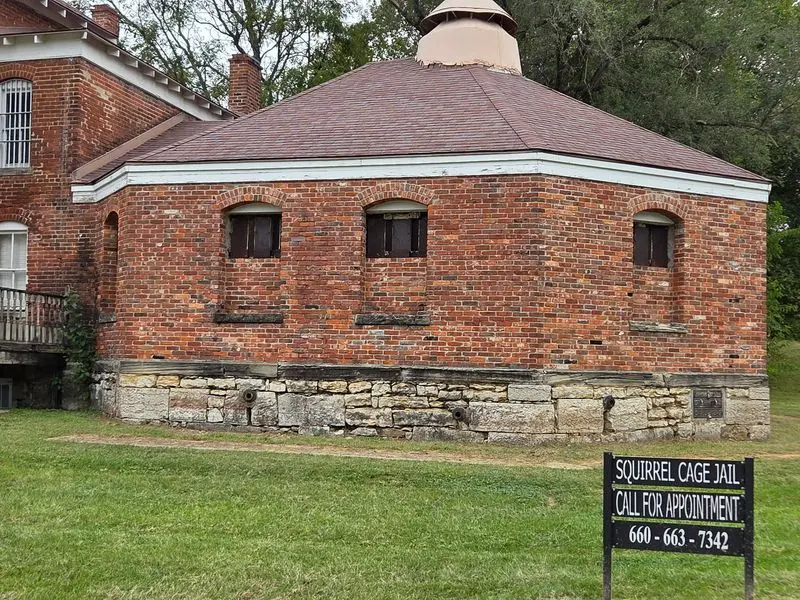
Good news for budget-minded day-trippers. Touring the jail has traditionally been free, with donations gladly accepted to help keep the place running.
You will find the museum at 310 W Jackson St, Gallatin, MO 64640. It sits an easy walk from the heart of this Daviess County town.
Hours are where a little planning pays off. The Daviess County Squirrel Cage Jail is a small operation, and opening times may vary by season.
Some guests have arrived to find it closed and could only admire it from the street. One recent visitor left disappointed for exactly that reason.
So give the museum a call before you head out. A quick check can save you a long drive and a frown in the parking area.
Gallatin sits in northwest Missouri, a reasonable drive from Kansas City or St. Joseph. It makes a tidy half-day outing paired with lunch somewhere in town.
If the tour wows you, consider dropping a few dollars in the donation box. Small gifts help preserve unusual landmarks like this for the next generation of curious travelers.
A Quirky Missouri Detour That Earns Its Spot On The Map
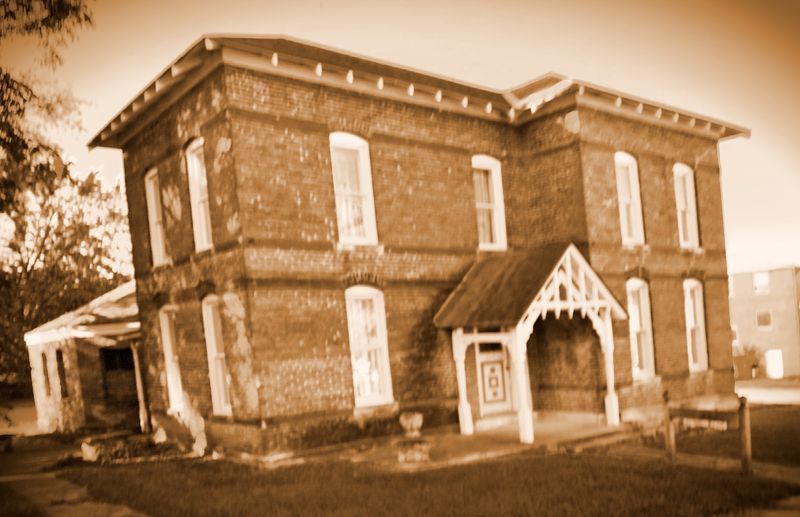
Big theme parks get the billboards, but small towns keep the best oddities. The Daviess County Squirrel Cage Jail proves that point in fine style.
Where else can you see cells built to turn like a dinner table centerpiece? It is equal parts history lesson, engineering puzzle, and campfire story.
The price makes it even sweeter. A free tour with an optional donation is a rare bargain in today’s travel world.
With a 4.5-star rating online, most guests clearly leave happy. Those who catch a guided tour seem to enjoy it most.
Plan ahead, mind the stairs, and bring your questions. A little preparation turns a quick stop into a memorable family outing.
Missouri is full of proud little places that tell big stories. This one just happens to tell its story while going around in circles.
Send it to the relative who loves outlaw tales or old machines. Then load up the car and see the spinning jail for yourself.
I suspect the lazy Susan at your next family supper will never look quite the same.