
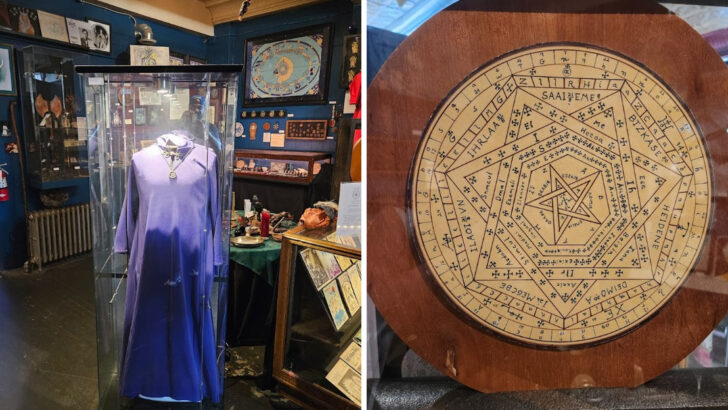
Tucked away in Cleveland, Ohio, there is a museum unlike anything else in the United States — a place where ancient rituals, mysterious artifacts, and centuries of occult history come together under one roof.
The Buckland Museum of Witchcraft and Magick is the only museum in America dedicated entirely to witchcraft, magick, and the occult, and it holds one of the largest collections of its kind anywhere in the world.
Whether you are a true believer, a curious skeptic, or simply someone who loves history and strange things, this place has something that will genuinely surprise you.
Get ready to explore a museum that turns myths into history and mystery into knowledge.
A One-of-a-Kind Museum in Ohio
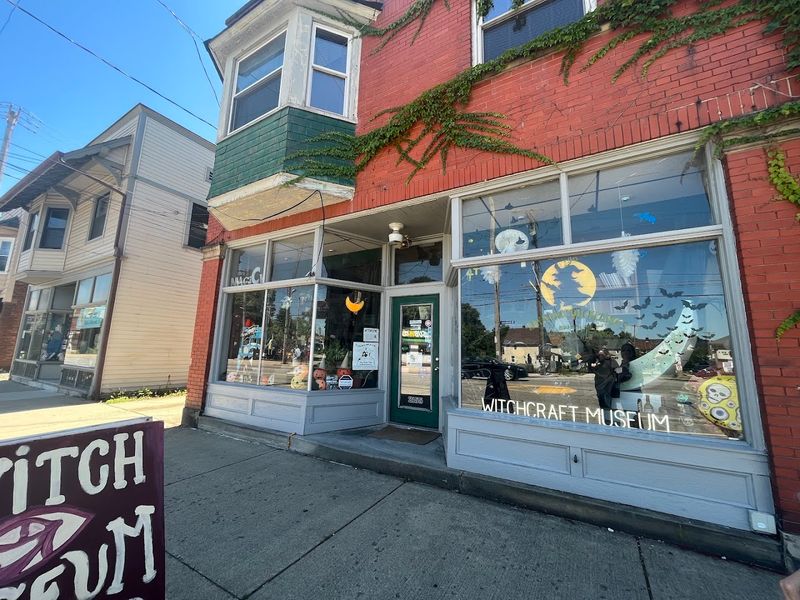
Cleveland, Ohio is known for rock and roll, amazing food, and now — witchcraft. The Buckland Museum of Witchcraft and Magick holds the title of being the first and only museum in the United States fully dedicated to witchcraft, the occult, and magick.
That alone makes it one of the most unusual cultural destinations in the entire country.
Visitors travel from all over the world just to walk through its doors. The museum sits at 2155 Broadview Road and feels like stepping into another dimension — one where history, spirituality, and mystery blend together in ways that are hard to describe until you experience them firsthand.
What makes this place truly special is that it does not treat witchcraft as something scary or shameful. Instead, it presents it as a rich, legitimate cultural tradition with deep historical roots.
Scholars, students, artists, and everyday curious people all find something meaningful here. Cleveland may not be the first city that comes to mind when thinking about the occult, but after visiting this museum, it absolutely should be.
Origins: Raymond Buckland and the Birth of the Collection
Every great collection has an origin story, and this one starts with a man named Raymond Buckland. Born in England in 1934, Buckland became fascinated with the occult at a young age.
His life changed forever when he connected with Gerald Gardner, the man widely credited as the father of modern Wicca, in the early 1960s.
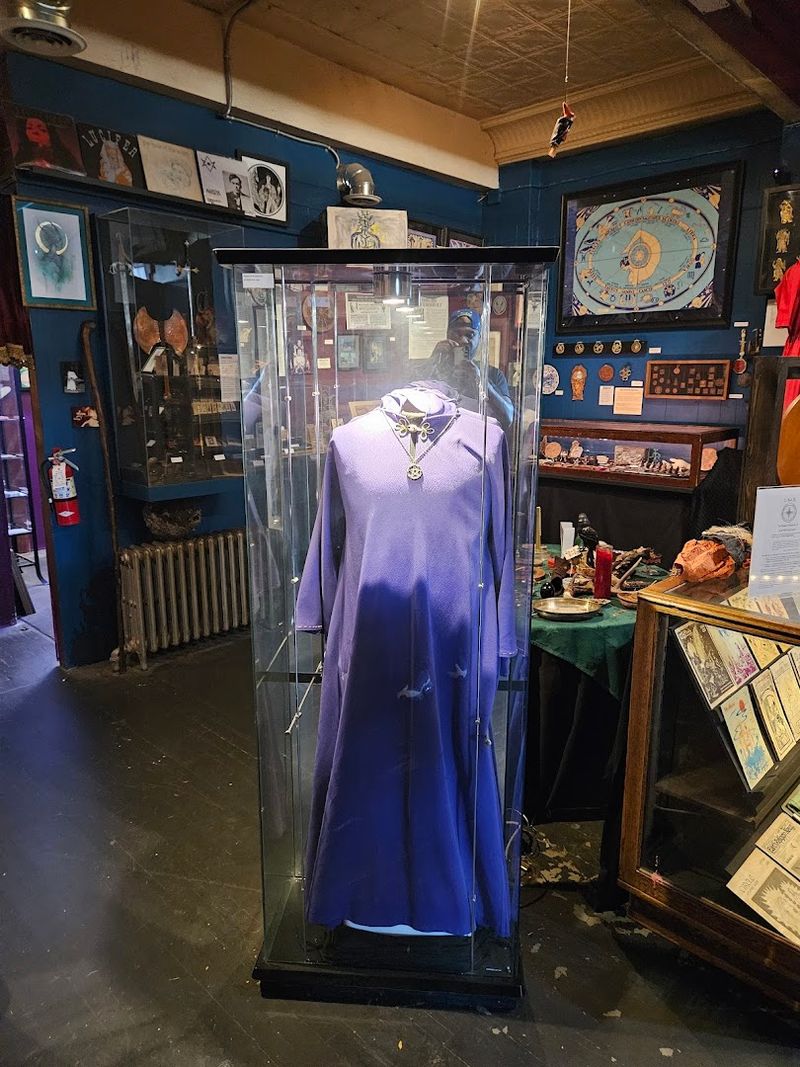
After studying under Gardner, Buckland moved to the United States and began building what would eventually become one of the most comprehensive witchcraft collections in American history. He gathered ceremonial tools, ritual objects, rare books, and personal items from practitioners around the world, treating each piece with the care of a true historian.
Buckland was also a prolific author, writing dozens of books on witchcraft and the occult that are still widely read today. His passion for preserving and sharing this knowledge shaped the entire philosophy behind the museum.
He believed that education was the antidote to fear, and that understanding witchcraft meant understanding a huge part of human spiritual history. His legacy lives on in every artifact displayed in Cleveland today.
The Long Journey of the Collection
Getting this collection to Cleveland was not a straight road — not even close. Raymond Buckland first established his Museum of Witchcraft and Magick in New York during the 1960s, making it the first of its kind in the country.
But over the decades, the collection moved around more than most people realize.
After New York, the artifacts traveled to New Hampshire, then to Virginia, and at one point the entire collection spent time in storage, which is genuinely heartbreaking when you think about how historically significant these objects are. A stop in New Orleans added another chapter to the story before the collection finally found a permanent home in Cleveland.
Each move reflected the challenges of maintaining a museum dedicated to a subject that mainstream culture did not always welcome. The fact that the collection survived all those transitions — and arrived in Cleveland largely intact — is a small miracle.
Today, the museum stands as proof that persistence pays off. The artifacts that once sat in boxes and storage units are now properly displayed, protected, and celebrated for the extraordinary historical treasures they truly are.
What Makes the Collection So Special
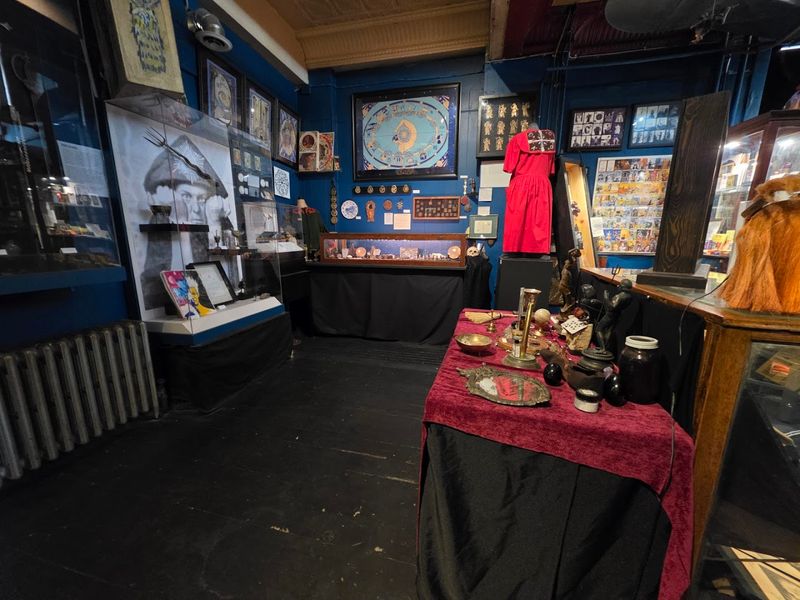
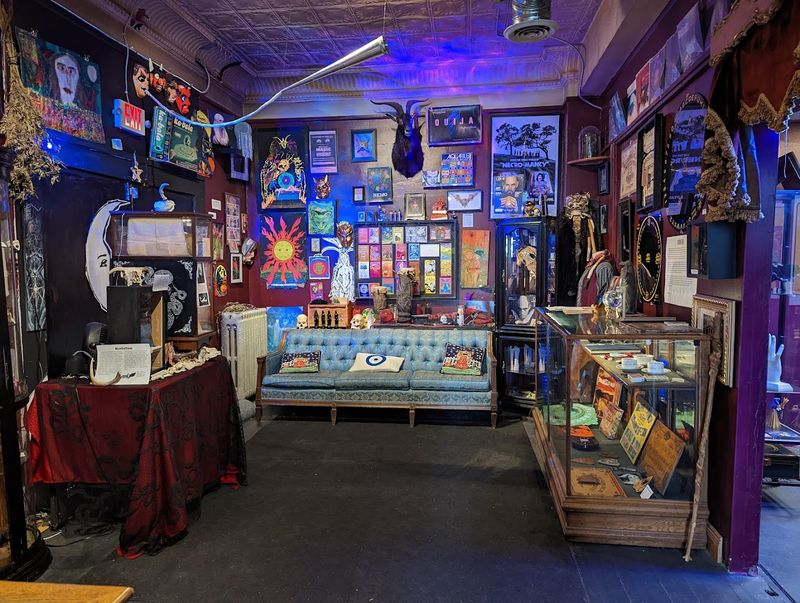
Hundreds of artifacts fill the Buckland Museum, and that number alone is staggering. But what truly sets this collection apart is not just its size — it is the sheer variety and authenticity of what is on display.
You will find ceremonial tools used in actual rituals, handcrafted altars, ritual robes, and objects tied to real historical practitioners of magick.
The collection spans multiple traditions within witchcraft and the occult, including Wicca, ceremonial magick, folk magic, and neopagan practices. This breadth means the museum tells a much bigger story than any single tradition could on its own.
Visitors get a panoramic view of how humans across cultures and centuries have engaged with the magical arts.
Personal items from notable occult figures are among the most prized pieces in the collection. Holding historical significance beyond their physical form, these objects connect visitors directly to the people who shaped modern witchcraft.
Few museums anywhere in the world can claim to hold such a focused yet wide-ranging collection on this topic. For anyone genuinely interested in the history of spirituality and the occult, the Buckland Museum is simply irreplaceable.
Standout Artifacts That Will Stop You in Your Tracks
Ask any visitor what they remember most about the Buckland Museum, and chances are they will mention the demon in a box. Yes, that is exactly what it sounds like — a sealed wooden box that is said to contain a trapped demon.
Whether you believe it or not, standing next to it is an experience that is hard to shake.
Then there is Aleister Crowley’s wand. Crowley was one of the most infamous and controversial figures in the history of Western occultism, and having one of his actual ritual tools on display is the kind of thing that makes history enthusiasts genuinely giddy.
The wand is not a replica — it is the real thing, and that distinction matters enormously.
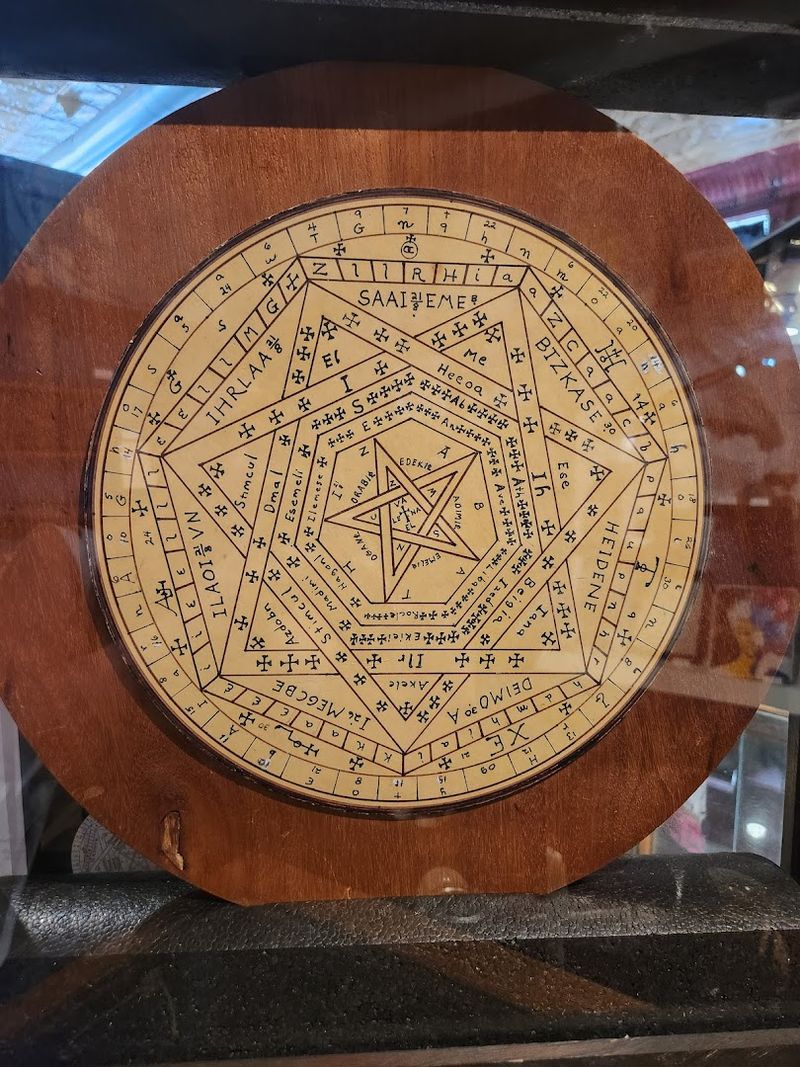
Beyond these headline pieces, the museum holds ritual daggers, handmade talismans, spell books, and objects tied to practitioners whose names appear in serious academic research on the occult. Each item comes with context, helping visitors understand not just what they are looking at, but why it matters.
The artifacts are presented with respect and curiosity rather than sensationalism, which makes the whole experience feel educational rather than exploitative.
Rotating Galleries Keep Every Visit Fresh
One visit to the Buckland Museum is great. Two visits are even better — and that is entirely by design.
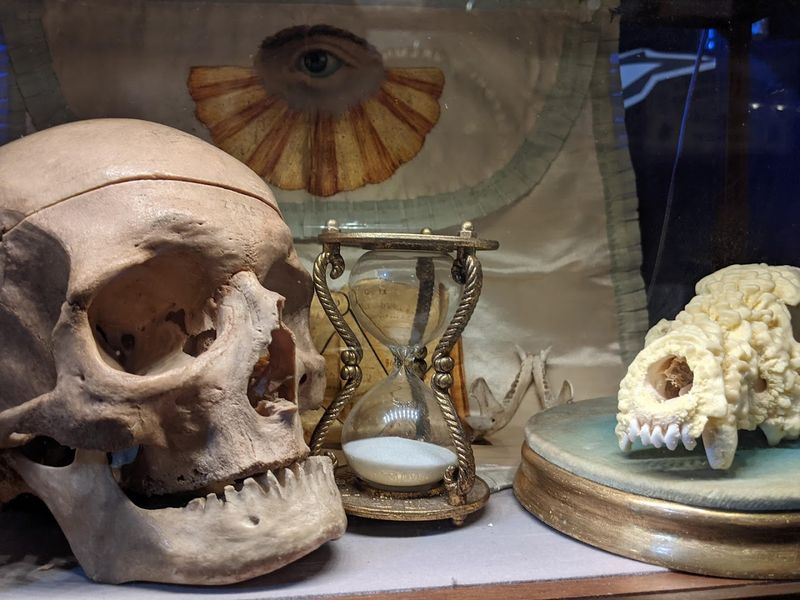
The museum regularly rotates its gallery exhibits, introducing themed shows that explore different corners of witchcraft, magick, art, and folklore throughout the year.
Past rotating exhibits have touched on topics like the history of tarot, the role of herbs in folk magic traditions, and the intersection of art and occult symbolism. These changing displays give the museum a living, breathing quality that a static collection simply cannot achieve on its own.
Regular visitors always have a reason to come back.
The rotating gallery format also allows the museum to highlight lesser-known aspects of magical history that might not fit neatly into the permanent collection. It creates space for local artists, scholars, and community members to contribute their own perspectives on witchcraft and the occult.
For a subject as wide-ranging as magick, this flexible approach to curation makes perfect sense. It keeps the museum relevant, exciting, and connected to the broader community of practitioners, artists, and curious minds who call Cleveland home.
The Gift Shop Is a Treasure Hunt All Its Own
Some museum gift shops sell refrigerator magnets and postcards. The Buckland Museum gift shop sells something far more interesting.
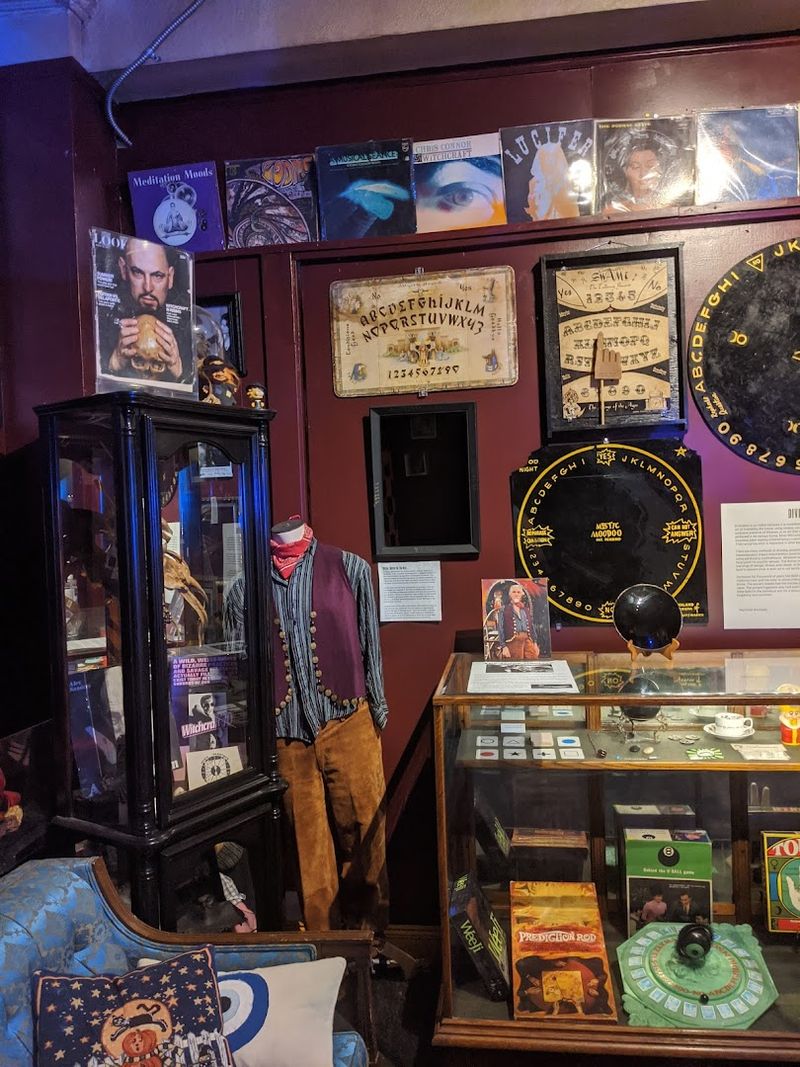
Step inside and you will find rare and out-of-print books on witchcraft, magick, and the occult that are nearly impossible to find anywhere else. For book lovers with a taste for the esoteric, this alone is worth the trip.
Beyond books, the shop stocks crystals, dried herbs, tarot decks, ritual candles, incense, and a wide range of metaphysical tools used in modern magical practice. Whether you are an experienced practitioner looking for specific supplies or a curious newcomer wanting to explore, there is something here for every level of interest.
The staff in the shop are knowledgeable and genuinely enthusiastic about helping visitors find what they need. They can explain the uses of different herbs, recommend beginner-friendly tarot decks, or point you toward a specific book based on your interests.
Many people who visit just for the museum end up spending extra time in the shop, which says a lot about the quality and uniqueness of what is offered. Plan to browse — and plan to leave with something you did not expect to buy.
What to Expect When You Visit
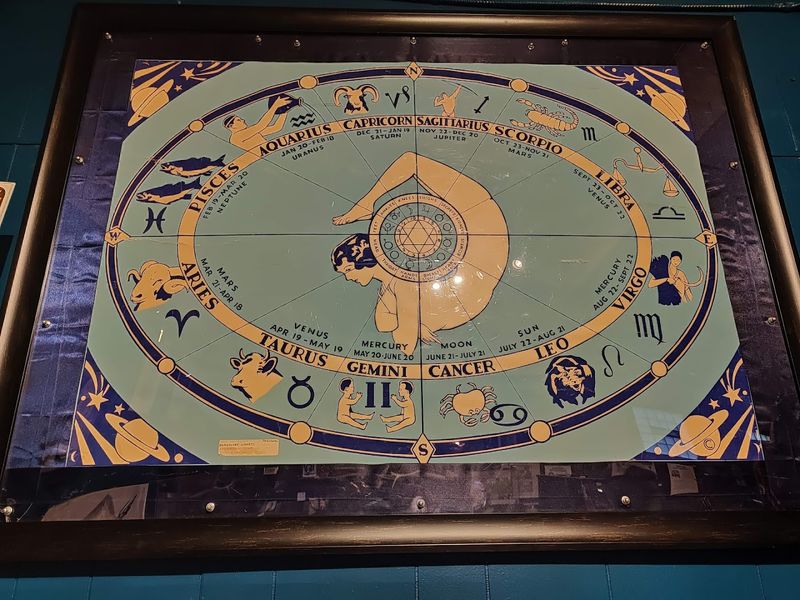
Walking into the Buckland Museum for the first time, most visitors are immediately struck by how intimate the space feels. This is not a sprawling warehouse museum — it is a carefully curated, personal experience that unfolds over roughly 45 minutes during the guided portion of the tour.
Guides kick things off with an introduction that sets the historical and cultural context for everything you are about to see. They are not just reading from a script — they genuinely know this material and love sharing it.
Questions are not just welcomed; they are encouraged. Curious visitors often find that a 45-minute tour stretches into much longer as conversations spark around specific artifacts.
After the guided section, guests are free to wander at their own pace, revisiting anything that caught their attention. The relaxed, unhurried atmosphere makes it easy to really absorb what you are seeing rather than rushing through.
Staff members are always nearby and happy to share additional context or stories about specific pieces. For anyone who has ever been curious about witchcraft but felt unsure where to start, this museum offers one of the most welcoming and informative entry points imaginable.
Cultural Impact and Changing Public Perception
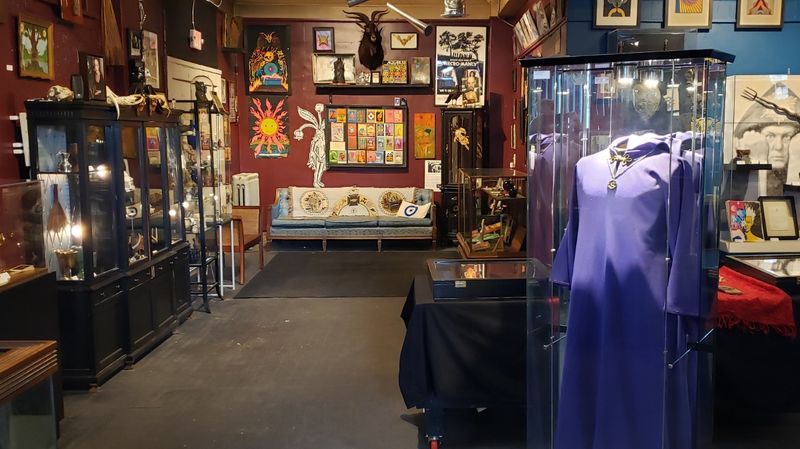
For centuries, witchcraft has been misunderstood, feared, and used as a tool of persecution. The Buckland Museum directly challenges that history by presenting witchcraft as what it actually is — a complex, diverse spiritual tradition with deep roots in human culture.
That mission matters far more than it might initially seem.
Visitors who arrive as skeptics often leave with a fundamentally different understanding of what witchcraft means and where it comes from. The museum does not ask anyone to believe anything — it simply presents history, artifacts, and context in a way that allows people to form their own informed opinions.
That kind of educational approach is genuinely rare.
Online reviews from visitors consistently highlight how surprised they were by how thoughtful and respectful the experience felt. People from all backgrounds — religious, secular, spiritual, and everything in between — report feeling welcomed rather than judged.
The museum has earned a reputation as a place that bridges gaps between communities rather than deepening divisions. In a world where misunderstanding still fuels fear, a museum that replaces fear with curiosity and knowledge is doing something genuinely important and worth celebrating.
Essential Visitor Info Before You Go
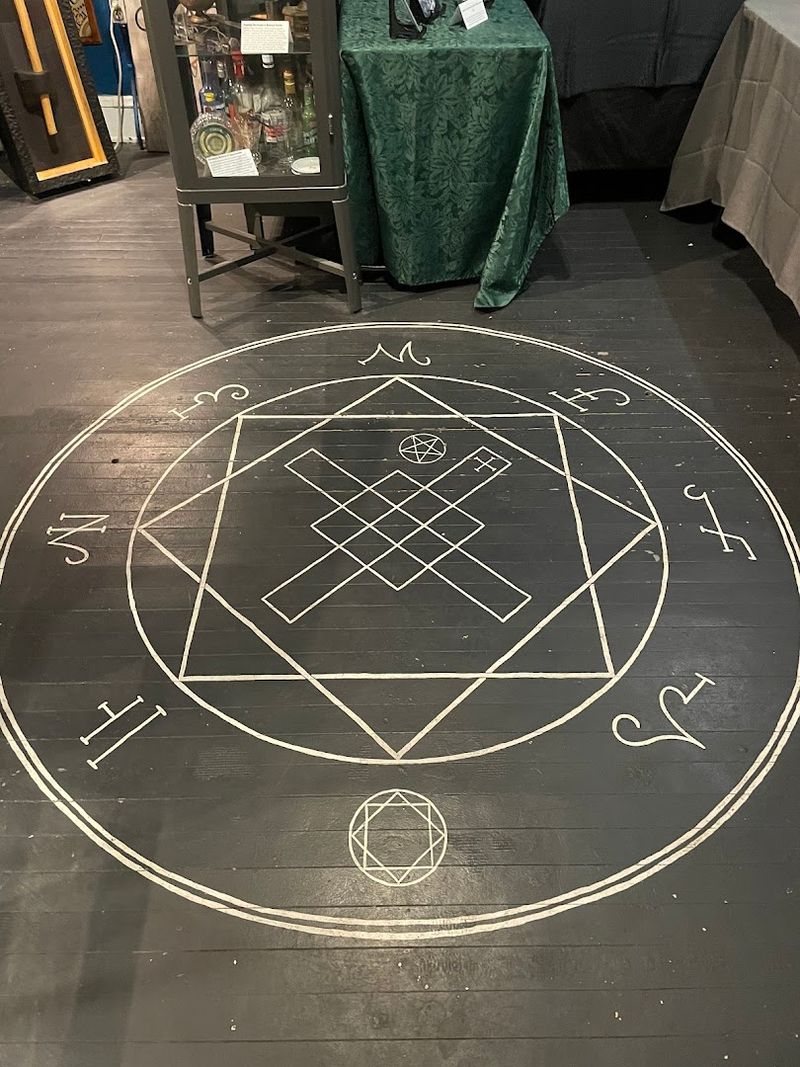
Ready to plan your visit? The Buckland Museum of Witchcraft and Magick is located at 2155 Broadview Rd., Cleveland, OH 44109.
Hours vary by day, and tours typically run on the hour, but it is strongly recommended that you check the museum’s official website or social media pages before heading out to confirm current hours and availability.
Admission is affordable — tickets purchased online cost around $8, while walk-in admission at the door runs about $10. Booking in advance is a smart move, especially on weekends when tours tend to fill up quickly.
Both on-site and street parking are available, making it easy to get there whether you are driving from nearby or coming from out of town.
Photography is allowed inside the museum, though flash photography is not permitted — a reasonable rule that helps protect the artifacts. Budget around an hour for your visit to comfortably explore both the museum and the gift shop without feeling rushed.
If you are making a day of it, Cleveland has plenty of other attractions nearby worth exploring afterward. This museum is a one-of-a-kind experience, and a little planning goes a long way toward making it truly memorable.