Some towns have traffic lights, chain stores, and glowing billboards. This one has 37 residents, a handful of old buildings, and a night sky that steals the whole show.
Out in the high desert of north central Oregon, the nearest big city is hours away, so very little artificial light gets in the way after sunset. That means the Milky Way can stretch right over the main road like a banner nobody had to hang.
The town also carries one of the strangest stories in Oregon history, tied to a famous chapter from the 1980s.
Keep reading to learn where it sits, how it began as a stagecoach stop, what makes its skies so dark, and how to plan a visit that respects this tiny, proud community.
Where the Map Gets Quiet
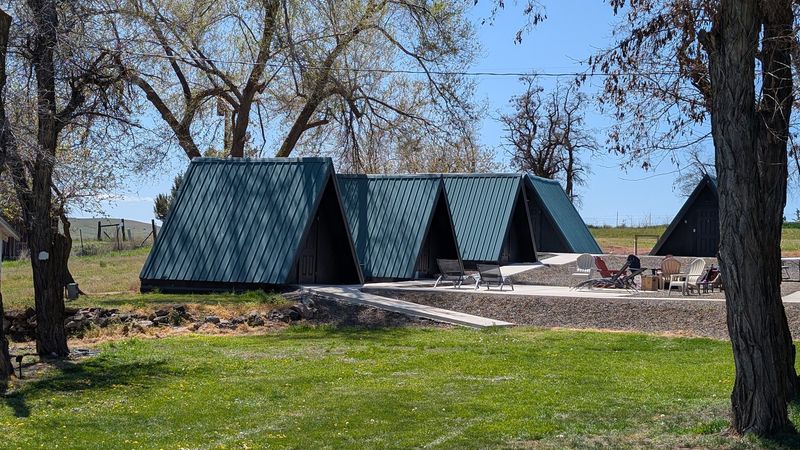
Finding this town on a map takes a little patience. Antelope sits in rural Wasco County, with a mailing address of Antelope, Oregon 97001, USA.
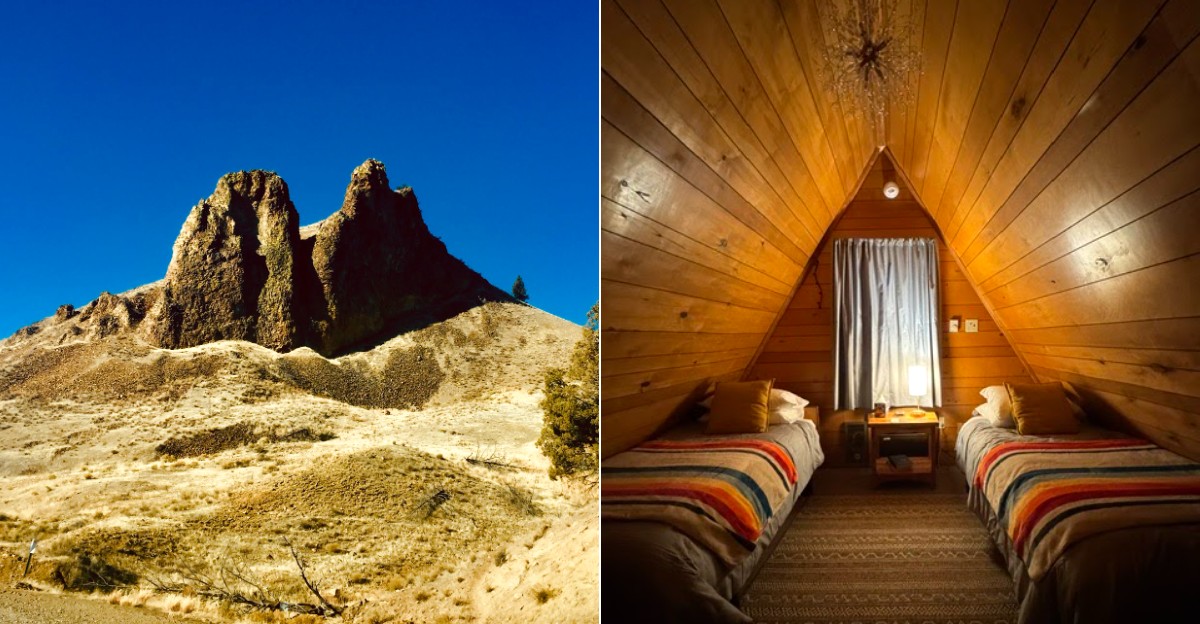
The town rests in the high desert of north central Oregon, far from the busy Interstate 84 corridor along the Columbia River. Rolling hills, open range, and wide valleys surround it on every side.
Small is an understatement here. The 2020 census counted just 37 people, which makes Antelope one of the tiniest incorporated cities in the entire state.
There are no big hotels, no shopping centers, and no fast food signs. What the town offers instead is space, history, and a sky that stays wonderfully dark.
Travelers usually reach it by state highways that wind through ranch country. Cell service can be spotty, so downloading offline maps before leaving a larger town is a smart move.
A full gas tank matters too, since fuel stops are few and far between. Getting here is part of the adventure, and the quiet roads set the stage for everything that follows.
Born on a Stagecoach Trail
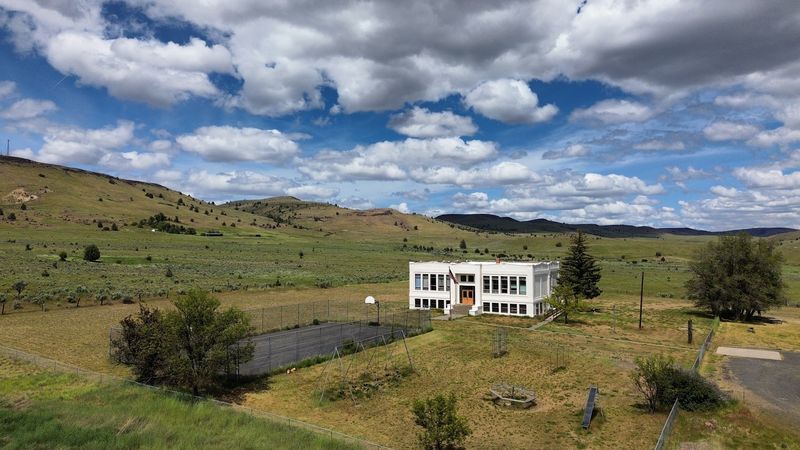
Long before anyone came here to stargaze, people came here to rest their horses. The town was established in 1872 as a stop for stagecoaches and freight wagons.
Those wagons traveled the old trail between The Dalles and Canyon City. Canyon City was a gold mining area, so supplies and people moved along this route on a regular basis.
A stop in the middle of such a long journey was valuable. Travelers needed water, food, and a safe place to stay before pushing on through rough country.
Over time, the little stop grew into a real community. Antelope was officially incorporated as a city in 1901, giving it a local government of its own.
Fun fact: the name comes from the pronghorn antelope that roamed the area when early settlers arrived. Pronghorn still live in parts of eastern Oregon today.
Knowing this backstory makes a stroll through town feel different. Every quiet street has roots in the age of wagon wheels.
Why the Stars Win Here
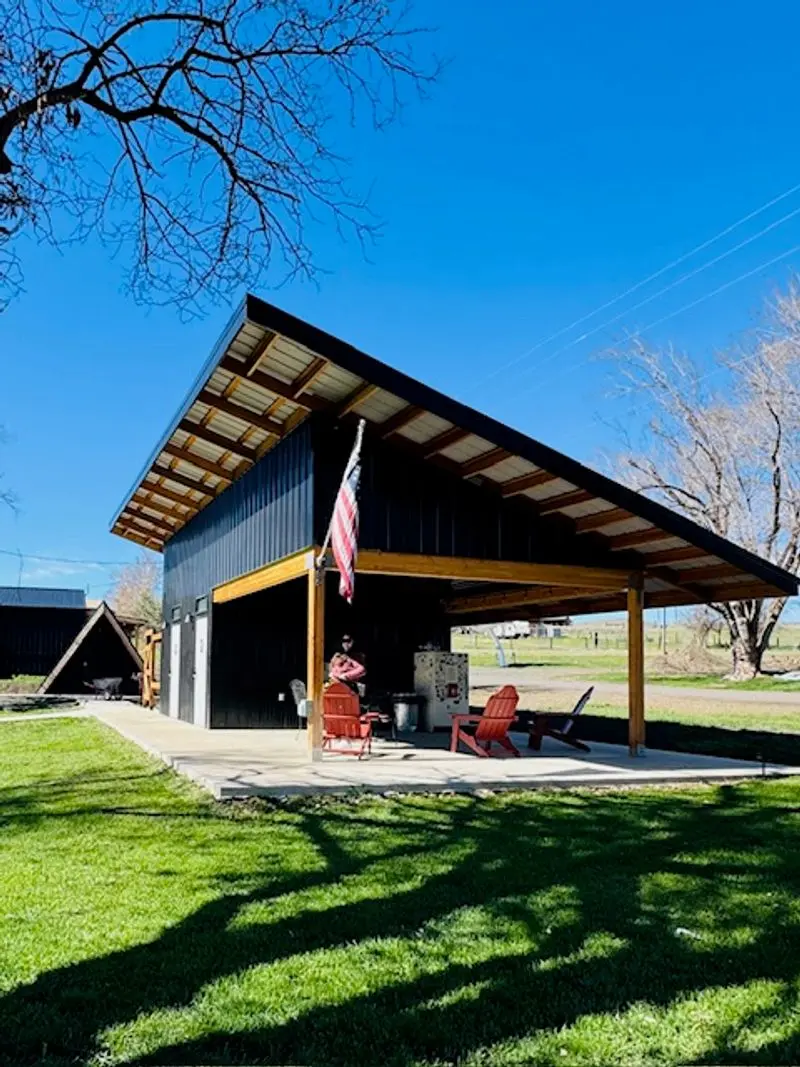
Darkness is the town’s secret superpower. With only a few dozen residents, there are very few porch lights, streetlights, or bright windows after sunset.
Light pollution is the glow that big cities send into the sky. It washes out faint stars, and many people in urban areas have never seen the Milky Way clearly.
Out here, that glow is mostly missing. The nearest large cities sit far away, so on clear, moonless nights the band of the Milky Way can stretch above the main road.
The high desert helps too. Dry air and many clear nights create good conditions for spotting stars, planets, and even passing satellites.
Here is a helpful tip. Give your eyes about 20 to 30 minutes away from bright screens to adjust to the dark.
A red flashlight protects night vision much better than a white one. Once your eyes settle in, faint stars start appearing one after another, and the sky seems to fill up fast.
Timing Your Night Under the Galaxy
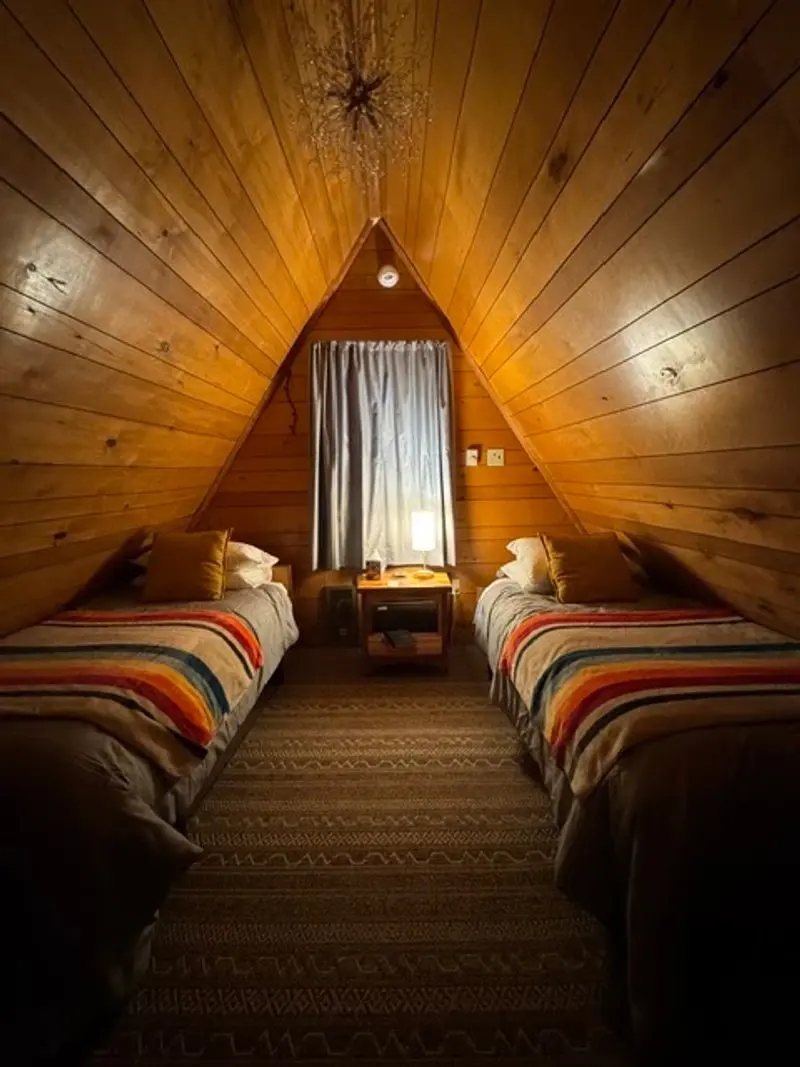
Good stargazing comes down to planning. The calendar matters just as much as the location.
The bright core of the Milky Way is easiest to see from late spring through early fall in the Northern Hemisphere. Summer nights are a favorite choice for many sky watchers.
Moon phases matter a lot. A full moon can brighten the sky and hide faint stars, so the days around a new moon usually work best.
Weather plays its part as well. Checking a cloud forecast before heading out can save a long drive and a lot of disappointment.
High desert nights can get chilly, even after warm days. Packing extra layers, a hat, and a blanket keeps a long night comfortable.
Photographers should bring a sturdy tripod and a camera that can take long exposures. A wide angle lens helps capture more of the sky in one frame.
Patience pays off in the end. The best views often show up after the last bit of twilight fades away completely.
A 1980s Chapter Nobody Expected
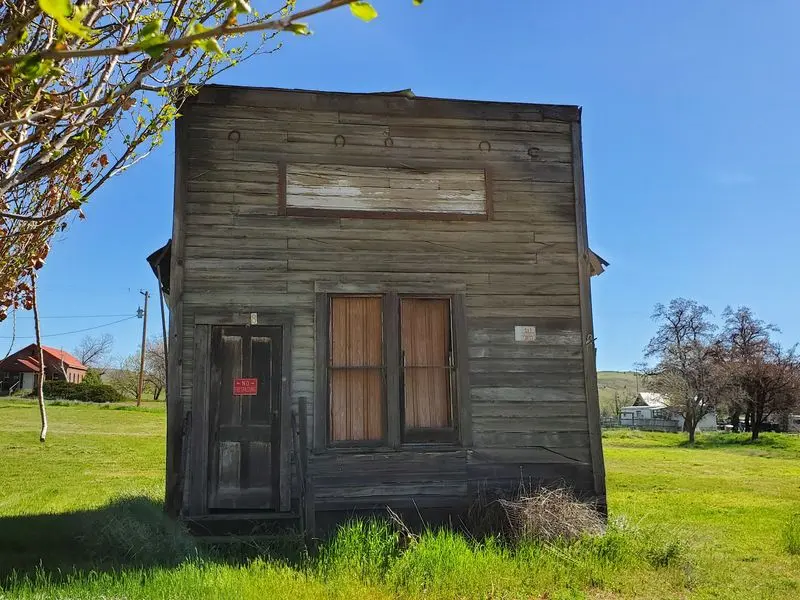
Few small towns end up in a hit documentary, but this one did. In the early 1980s, followers of the Rajneesh movement built a large commune on a ranch not far from Antelope.
Members of the movement moved into town and eventually gained control of the city council. In 1984, the town’s name was officially changed to Rajneesh.
Longtime residents pushed back, and tensions in the area grew. The story drew national news coverage during those years.
After the commune fell apart in the mid 1980s, residents voted to restore the original name. Antelope became Antelope again in 1985.
Many people learned about these events from the 2018 Netflix series Wild Wild Country. Interest in the town grew after it came out.
Travelers curious about this history should remember that real people lived through it. Asking polite questions and respecting private homes goes a long way.
The town’s name survived it all, and that resilience is part of its charm.
Daytime in Wide Open Country
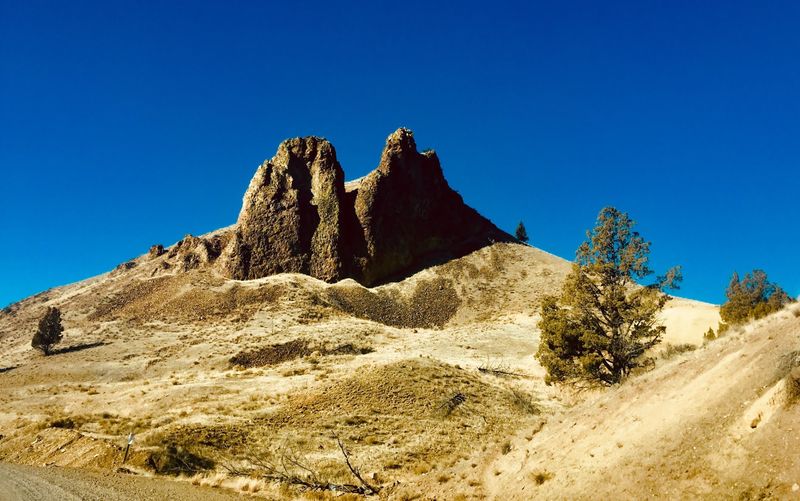
Sunset isn’t the only reason to make the trip. The daytime landscape around Antelope shows off the big, open side of eastern Oregon.
Ranch land stretches across hills and valleys in every direction. Two lane roads curve through the country, making this a favorite area for scenic drives.
Wildlife sightings are possible too. Hawks, deer, and other high desert animals live in this region, so keeping binoculars handy is a good idea.
Much of the land here is privately owned. Fences and gates usually mean private ranch property, so staying on public roads is important.
Summers can be hot and dry. Carrying plenty of water and sun protection makes daytime exploring much more comfortable.
A daytime visit also helps with nighttime plans. Scouting a safe, legal pullout in daylight makes it easier to return after dark for stargazing.
By evening, the same hills that looked so wide under the sun become a dark stage for the main event overhead.
Being a Good Guest in a Tiny Town
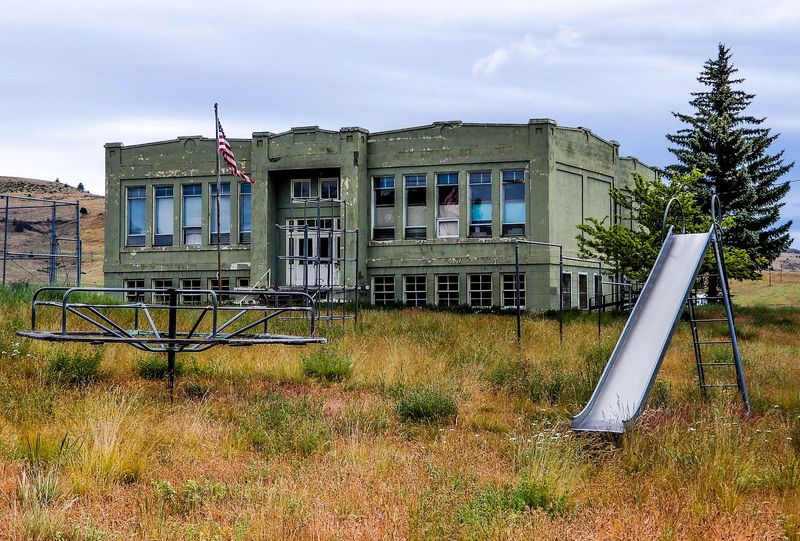
Thirty seven residents means every visitor gets noticed. Being thoughtful helps keep this little place welcoming for the next traveler.
Services are very limited. Planning meals, fuel, restrooms, and lodging in larger nearby towns before arriving prevents surprises.
Night etiquette matters for stargazers. Keeping headlights off when parked, using red lights, and keeping noise low protects both the dark sky and the neighbors.
Parking should only happen in safe, legal spots. Blocking driveways or ranch gates can cause real problems for people who live and work here.
Trash goes home with you. Leaving no trace keeps the roadsides clean and the community proud.
A friendly wave to locals never hurts either. Small towns often have big hearts, and a little kindness is usually returned.
In the end, Antelope proves that size has nothing to do with wonder. A town of a few dozen people, a trail from the 1800s, and a sky full of stars make for a trip worth remembering.