

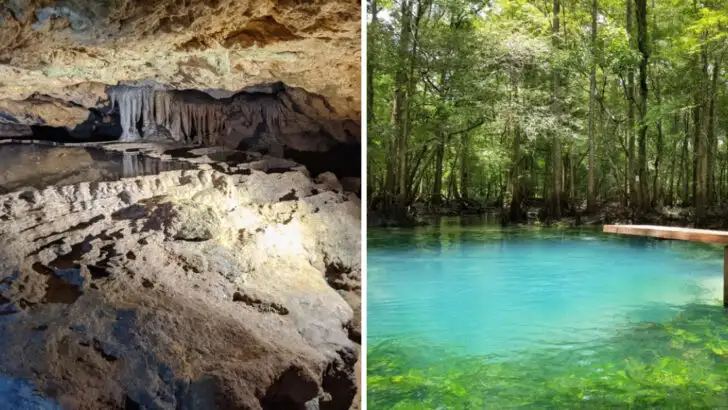
If you have ever craved the drama of otherworldly caverns without the rush, Florida Caverns State Park in Marianna quietly delivers.
Imagine glittering rooms of stalactites and stalagmites, cool air brushing your face, and a guided pace that lets you really look.
This is the kind of place where time slows down and details pop, from delicate soda straws to rippled flowstone.
It feels like a miniature Carlsbad Caverns experience, minus the crowds and frantic schedules.
Guided Cave Tour: The Heart of the Park
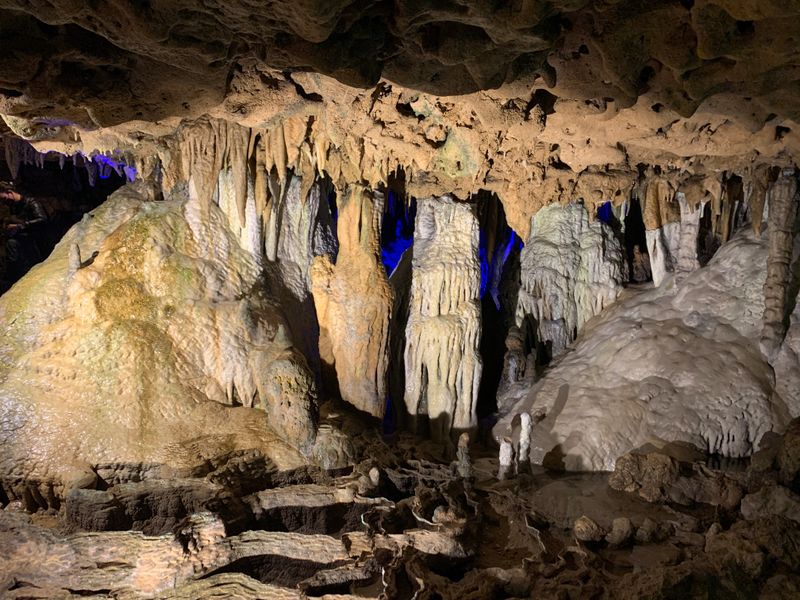
Step into the cool hush and you will instantly understand why the guided tour is the park’s soul. A ranger leads small groups through sculpted limestone rooms, pointing out soda straws, draperies, and stalagmites that rise like frozen candles. The pace is intentionally unhurried, so you can stop, breathe, and actually see the formations rather than just checking them off.
Moving room to room, lights reveal ripples of flowstone and delicate helictites curling in unpredictable directions. You will hear stories about how acidic water carved the cave, drip by drip, over thousands of years. The guide’s flashlight becomes a painter’s brush, teasing color from calcite and showing where minerals left faint blues, ambers, and ghostly whites.
Expect stairs, slick spots, and a constant pleasant chill, so closed toe shoes and a light layer help. The ranger will pause often to share safe footing tips and to answer questions about bats, fossils, and the fragile life of a living cave. You will feel the quiet settle in, a kind of reverence that makes whispers sound loud.
Compared to giant western caverns, this tour feels intimate and more personal. You are never rushed past a room without a moment to absorb its slow made textures. In that stillness, you start noticing details like tiny rimstone pools and popcorn clusters that usually blur by.
Reservations are wise during busy seasons, and tour schedules may shift with water levels. Call ahead or check the park’s website before you go, then give yourself time to linger in the visitor center exhibits. When the tour ends, you will step back into the Florida sun feeling like you visited another planet and brought the calm back with you.
Stalactites, Stalagmites, and Flowstone Explained
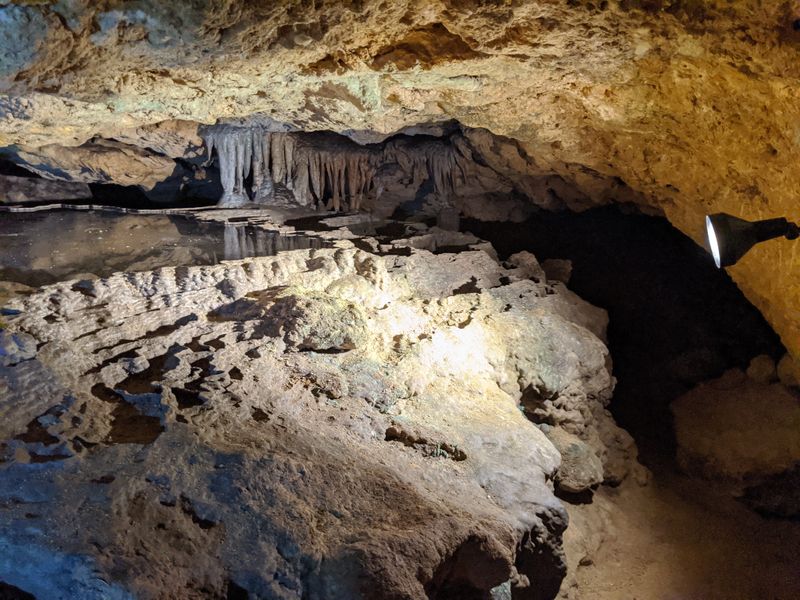
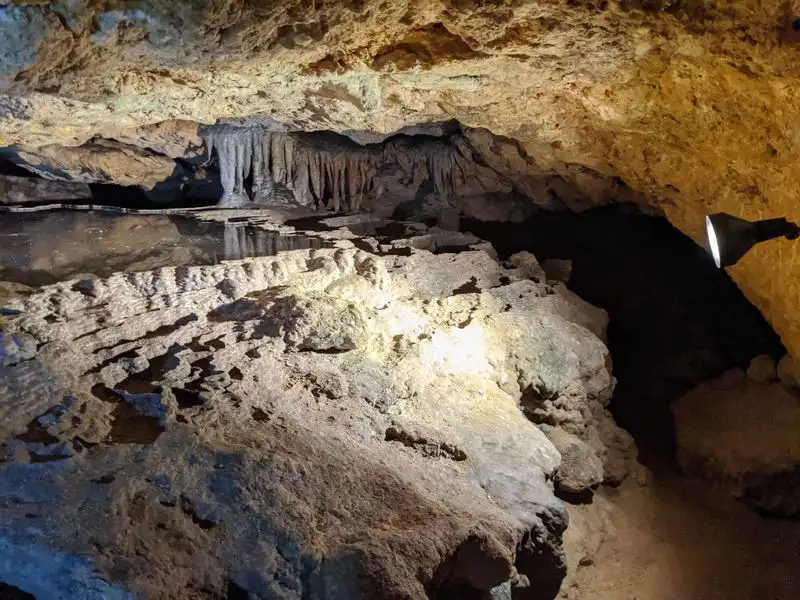
Stalactites hang tight to the ceiling, stalagmites might reach up from the floor, and flowstone looks like melted wax frozen in ripples. In Florida Caverns, you can see all three in striking arrangements, often within a single chamber. The ranger will shine a beam across thin soda straws that grew so slowly you can barely fathom the timeline.
Water carries dissolved limestone, and when it drips, carbon dioxide escapes, leaving calcite behind. Over centuries, a straw thickens into a stalactite, and the drips below stack into a stalagmite that can eventually meet it as a column. Flowstone forms when sheets of mineral rich water slide down walls and ledges, smoothing edges into glossy ribbons.
Look for textures that resemble curtains, bacon strips, and cauliflower like popcorn. The colors are subtle creams, rusts, and hints of blue from trace minerals, changing with moisture and the angle of the lights. You will find yourself stepping closer, then pausing, realizing each surface is incredibly delicate.
Learning the difference sparks a fun scavenger hunt as you move through rooms. You start spotting relationships between drip points overhead and stacks below, like cause and effect made visible. The guide’s comparisons make it easy to remember, so kids and adults can talk about formations without jargon.
Please resist touching, because skin oils can halt growth and stain the surface. Let your camera do the exploring, but mind the low light and stay with the group. When you exit, you will carry a mental map of how water writes slow stories in stone, one patient drop at a time.
Visitor Center and Exhibits
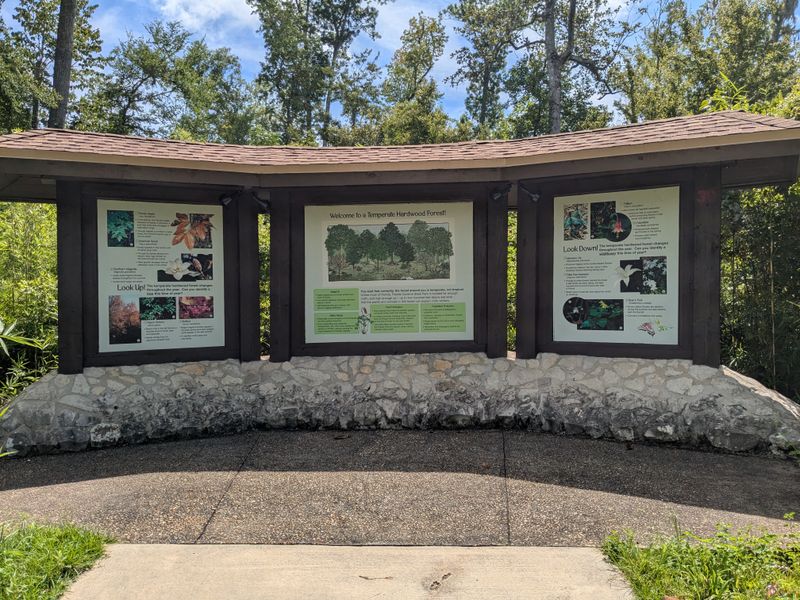
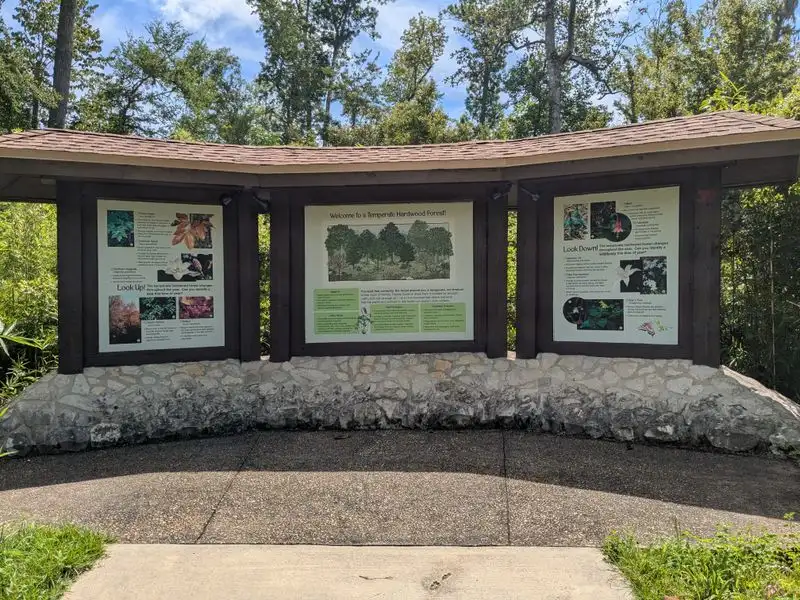
Before stepping underground, pop into the visitor center to frame your experience with context. Displays walk you through karst geology, local wildlife, and the human history of the park. You will find maps that show how the cave system sits beneath rolling pine and hardwood forests.
There are hands on elements ideal for kids, like rock samples you can touch and diagrams that break down water’s role in dissolving limestone. A short video introduces safety tips and explains why cave ecosystems are sensitive to light and noise. The ranger desk is nearby, ready with tour times, conditions, and trail suggestions for after your walk.
Exhibits also highlight Civilian Conservation Corps work that shaped early park infrastructure. Black and white photos show crews carving trails and building with native stone, tying your visit to a larger story. You will appreciate the care that went into preserving access without overwhelming the cave.
Pick up a brochure to follow along during the tour, or let kids complete a junior ranger style activity sheet. Questions about seasonal water levels, bats, or accessibility can be answered here, ensuring you set the right expectations. It feels welcoming, practical, and informative without being overwhelming.
After your tour, looping back helps you connect what you saw underground with the science behind it. You might recognize a formation from a display and smile, knowing you saw the living version. It turns a good visit into a great one, giving you language and understanding that stays with you long after the drive home.
Blue Hole Spring and Above Ground Trails
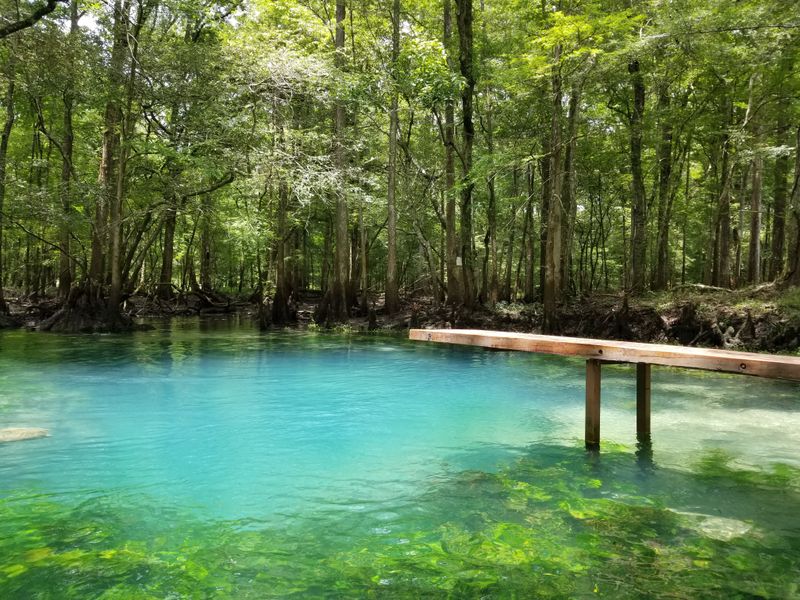
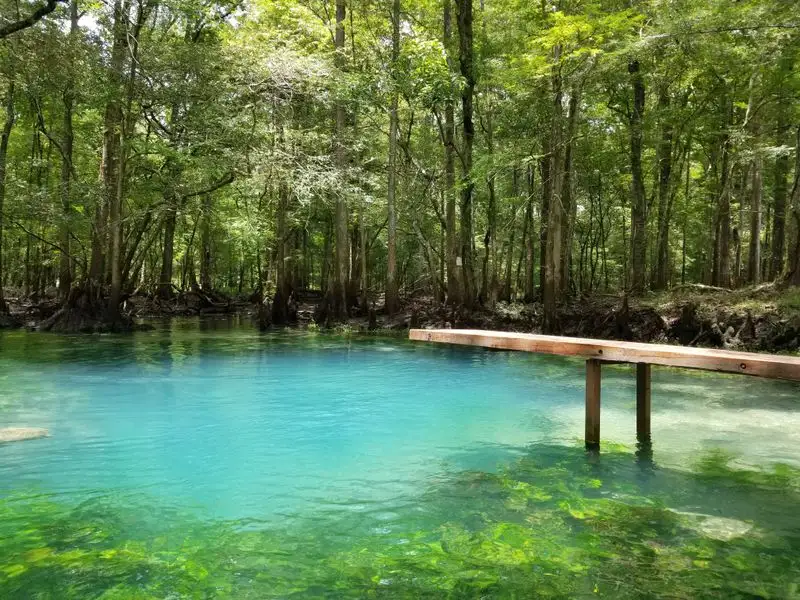
After the cave, the magic continues above ground at Blue Hole Spring. The water shifts from clear to jewel toned turquoise depending on light, framed by cypress knees and swaying grasses. A short path and boardwalk make it easy to linger, watch fish flicker, and breathe in that spring fresh air.
Trails wind through pine flatwoods and hardwood hammocks where woodpeckers tap and squirrels scold from branches. You will catch glimpses of karst features like sinkholes that hint at the hidden world below. The pace here mirrors the cave tour, slow and observant, letting small details reveal themselves with each step.
Expect well marked paths with moderate roots and sand, suitable for most walkers with decent shoes. Heat builds in the afternoon, so bring water and pause in shaded spots to listen for owls and rustling lizards. The contrast between cool cave and sunlit forest is refreshing, like moving between two climates in minutes.
If you love photography, arrive early or later in the day for softer light over the spring. Reflections of trees ripple across the surface, broken by turtles surfacing to breathe. It is an easy place to reset, especially after the sensory focus of the underground tour.
Maps at the visitor center outline loop options so you can match time and energy. Keep an eye out for interpretive signs that connect geology, plants, and waterways into a bigger picture. You will leave with a fuller sense of how everything here is linked, water shaping stone, forests sheltering the water, and time moving at a gentle Florida pace.
Camping and Cabin Stays
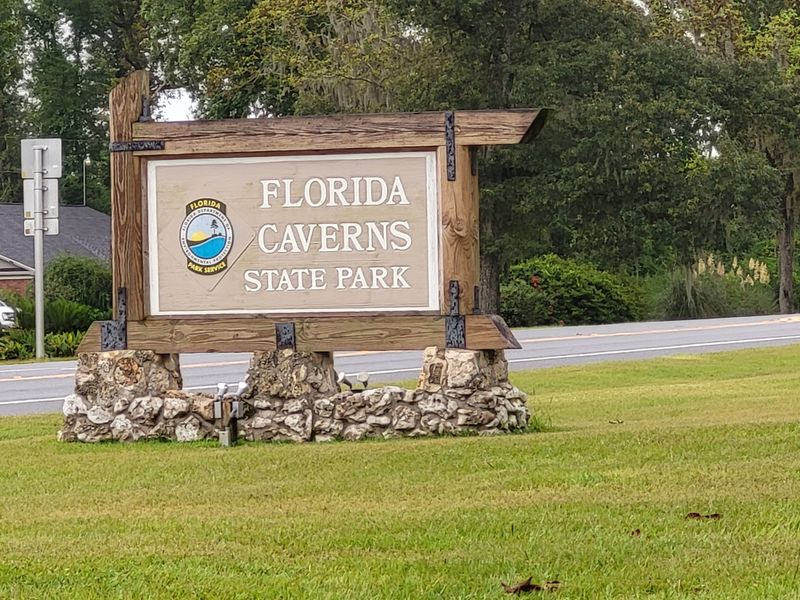
Staying the night stretches the calm into morning and star filled evening. The campground sits under tall pines with sites for tents and RVs, plus modern bathhouses for comfort. A few rustic style cabins offer porches perfect for coffee before your cave tour.
Reservations are recommended, especially on weekends and spring break. You will appreciate the spacing between sites, which keeps nights quiet enough to hear owls and wind in the trees. Fire rings and picnic tables make meals simple, and nearby trails turn dinner into a stroll afterward.
Bring layers for the cool morning air and plan for humid afternoons typical of the Panhandle. Camp hosts and rangers keep things tidy and are quick with local tips on wildlife and best times for tours. It feels like a classic state park camping experience with just enough amenities to smooth the edges.
If cabins are available, they make an easy base for families who want less gear. Expect simple furnishings, plenty of shade, and an easy drive to the visitor center. You can be sipping tea on the porch and then underground in minutes, a sweet balance of comfort and adventure.
At night, step away from lanterns to let darkness deepen and stars pop. The lack of hurry out here threads perfectly with the slow made cave itself. You will wake rested, ready to see more formations, and grateful you lingered instead of rushing on to the next stop.
When To Go and How To Prepare
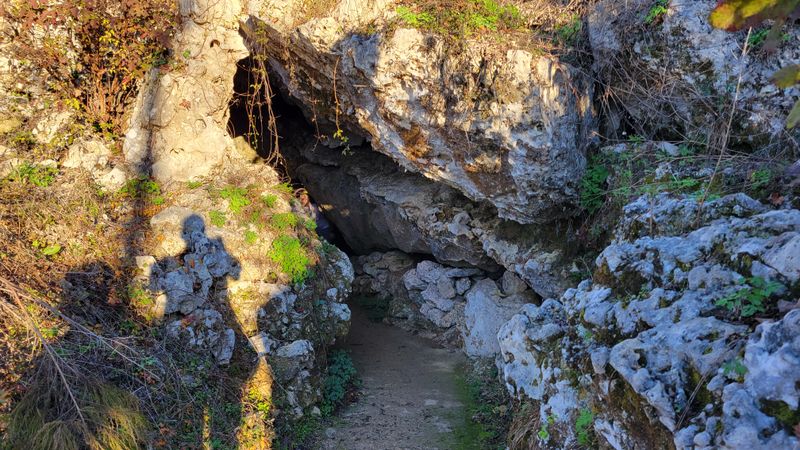
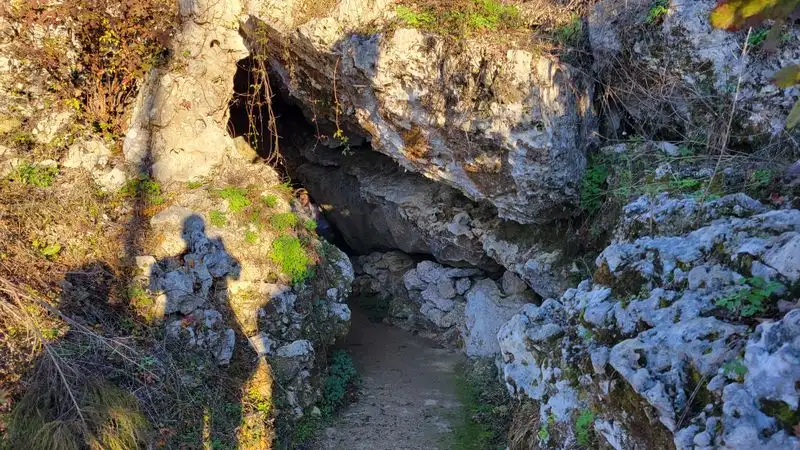
Timing matters, and a little prep turns a good visit into a great one. Mornings usually bring cooler temps and quieter tours, while summer afternoons can be hot and busy above ground. Check the park’s website or call for up to date tour times because rainfall can affect access.
Closed toe shoes with decent grip are a must for slick spots and stairs. A light jacket or hoodie helps in the cave’s steady chill, even when the parking lot feels steamy. Bring water for before and after the tour, and keep hands free so you can use railings when needed.
Photography can be tricky in low light, so brace elbows against railings and avoid flash that can wash out textures. If you are bringing kids, talk about no touch rules beforehand to protect delicate formations. You will move with a group, so keeping pace while still pausing for looks makes the experience smooth for everyone.
Holidays and weekends book fast, making weekday visits a smart choice. Shoulder seasons like early spring and late fall offer comfortable temps and lively bird activity on the trails. The cave stays cool year round, which is a gift during peak summer heat.
Plan a buffer in your schedule to explore Blue Hole Spring or the visitor center exhibits after the tour. That breathing room matches the park’s slower rhythm and lets details sink in. You will leave feeling like you did a lot without doing too much, which is exactly the charm here.
Accessibility and Family Tips
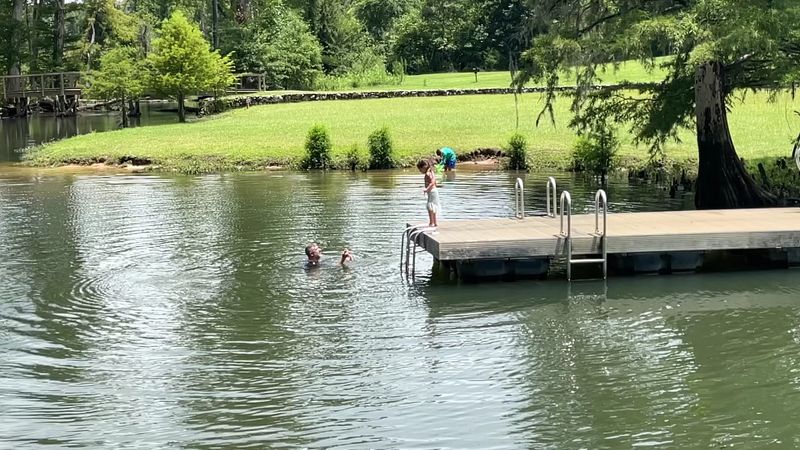
Florida Caverns State Park aims to make the experience welcoming, though the cave has inherent challenges. There are stairs, narrow passages, and uneven footing that may not suit all mobility levels. Above ground, the visitor center area and some paths offer smoother routes and places to rest.
Calling ahead is the best way to match needs with tour availability and current conditions. Rangers can advise on group sizes, lighting, and sections with tighter squeezes so you can plan accordingly. If you are visiting with young kids, a baby carrier often beats a stroller for the cave tour’s steps.
Noise carries in enclosed spaces, so remind kids about quiet voices and walking feet. The guide’s storytelling keeps attention, with fun formation nicknames that make geology stick. You will find bathrooms near the visitor center and water for refills before heading underground.
For sensory sensitive visitors, bring a light layer, consider ear protection, and discuss darkness beforehand. The lighting is gentle rather than harsh, yet some rooms feel close, so taking the back of the group can help. Breaks are easier if you let the ranger know your needs before the tour begins.
Afterward, Blue Hole Spring and picnic areas give families space to wiggle and relax. Having snacks ready and a simple plan for trails turns the day into a balanced adventure. You will come away proud of the shared experience, the kind that teaches patience, curiosity, and care for a living place.