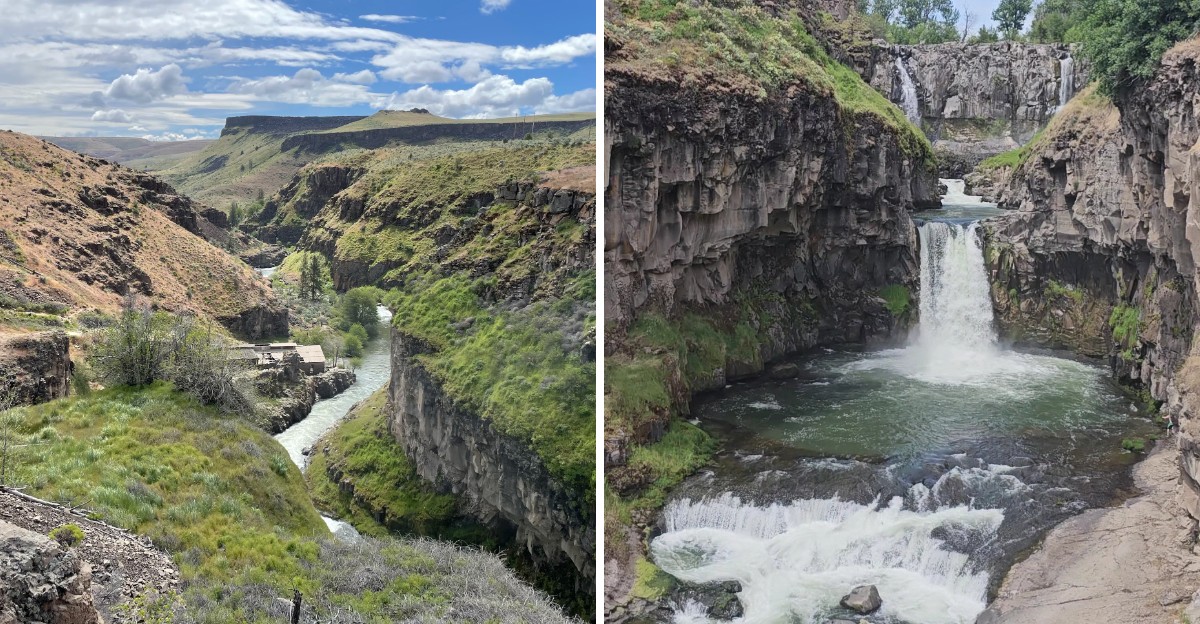
A 90-foot waterfall thunders down a desert canyon, and right below it sits an abandoned hydroelectric powerhouse. That pairing alone stopped me cold.
The old building is locked up now, slowly weathering beside the river. Swallows nest along the cliff edges above it.
Past the ruins, a trail keeps going to even more falls and a cold swimming hole.
I like how this spot feels like two trips in one. You get a jaw-dropping viewpoint steps from the parking lot.
Then you get a rugged scramble into Oregon history if your legs are willing.
The best part might be how quiet it can feel on a weekday. Some families have it nearly to themselves.
So why haven’t more people heard of it?
A Desert Canyon Park Worth The Detour Off Highway 197
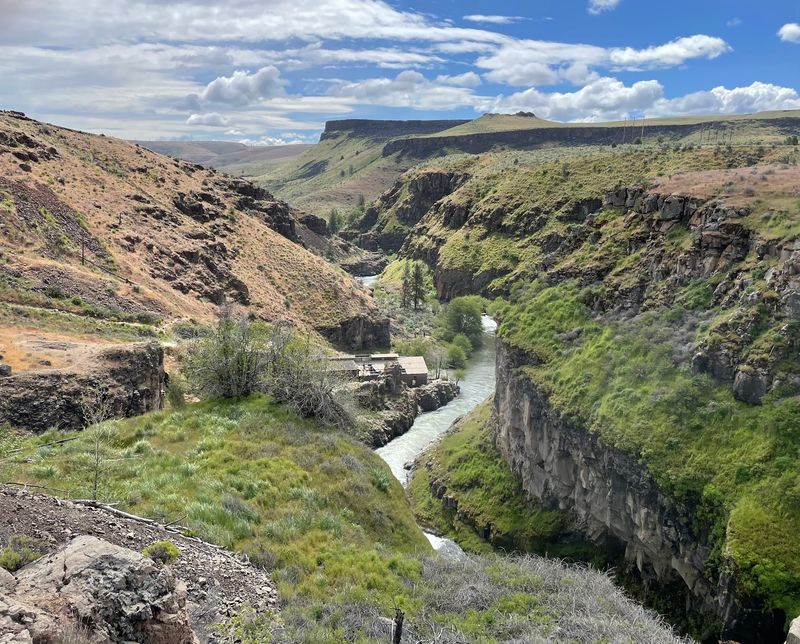
Out in the dry hills of Wasco County, Oregon, the White River suddenly drops into a rocky canyon. White River Falls State Park sits right at that dramatic spot.
The park’s address is White River Rd, Maupin, OR 97037, and it lands near the small community of Tygh Valley. It’s a classic road-trip detour for families heading through central Oregon.
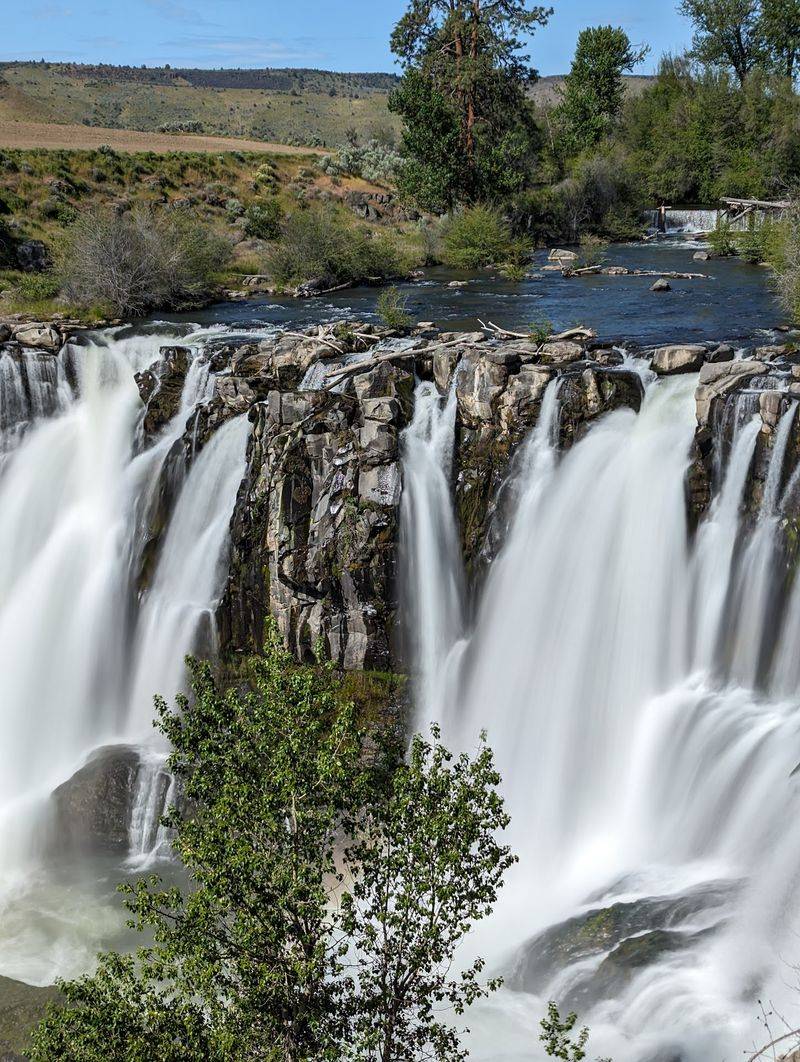
So what’s actually here? A 90-foot waterfall, rugged hiking trails, and a historic hydroelectric plant left standing in the canyon below.
That mix is rare. Plenty of parks offer a pretty view, but few toss in old industrial ruins as a bonus round.
The park earns a 4.7-star rating across more than a thousand Google reviews. For a spot many Oregonians have never heard of, that’s a pretty loud whisper.
One visitor called it an oasis in the desert, and the comparison fits. The green ribbon of river looks almost out of place against the surrounding sagebrush country.
I believe the location is part of the charm. It feels remote enough to be an adventure, yet the main viewpoint is easy to reach.
Families who love a good “you have to see this” story will find one waiting here.
Ancient Lava Flows Built This Dramatic Drop
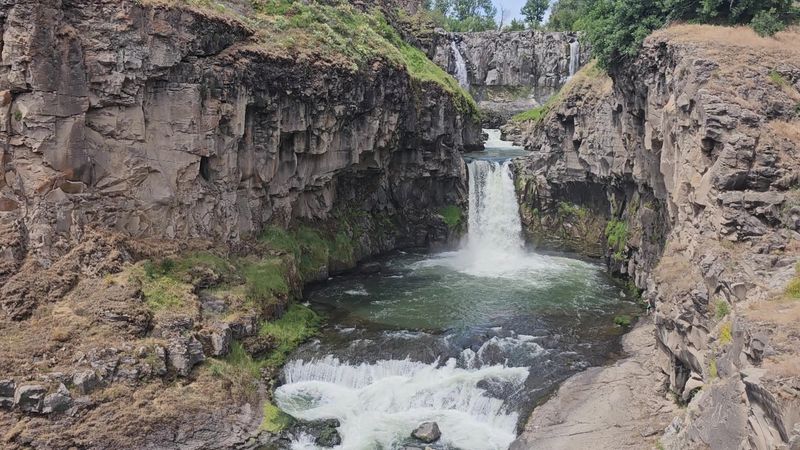
Seventeen million years ago, massive lava flows spread across this region. Those layers of rock eventually shaped the ledges the White River now tumbles over.
The falls sit on the Columbia Plateau, a landscape built by enormous volcanic eruptions. You can see the result in the dark, rugged cliffs framing the canyon.
One visitor was so impressed by the terrain that they spent hours studying the area’s geography afterward. Honestly, that’s a fair reaction to a canyon this striking.
Kids who love rocks will have plenty to point at. The jagged outcrops and layered walls make an easy, hands-off geology lesson.
The canyon also shelters hikers from the wind, according to one winter visitor. That’s a nice perk in a region known for open, breezy hills.
Another note worth sharing involves the wildlife. Visitors have spotted swallows swooping over the river and darting back to nests tucked along the cliff edges.
I can’t imagine a better classroom than this. The scenery explains itself, no textbook required.
Bring curious minds along. The deeper you look at these walls, the older and stranger the story gets.
The Main Falls Viewpoint Is Barely A Stroll Away
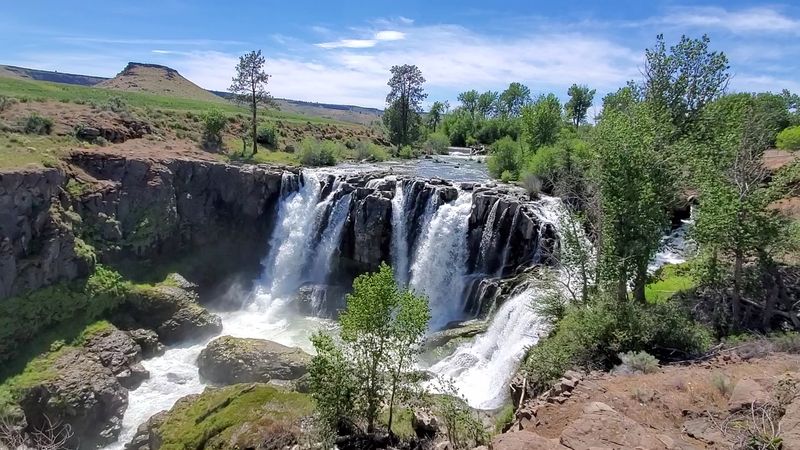
Good news for anyone with tired legs or tiny hikers. The viewpoint for the main waterfall sits close to the parking lot.
You can stand above the 90-foot drop and hear it before you fully see it. Visitors describe the falls as stunning to view, hear, and even feel.
The falls have multiple levels, so the water keeps putting on a show as it descends. It’s a lot of drama packed into one short walk.
Wire fencing lines the area above the falls for safety. Some visitors wish it were less closed off, but the barriers do keep everyone a safe distance from the edge.
A paved upper trail continues from the viewpoint. It leads to the holding area of the former hydroelectric operation.
That means even a quick stop delivers both scenery and a taste of history. Not bad for a few minutes out of the car.
I like that grandparents and toddlers can share this view without a sweaty climb. It keeps the outing inclusive.
If your crew only has time for one photo, this is the spot. Just expect someone to ask, “Can we go down there?”
Eerie Powerhouse Ruins Waiting At The Canyon Floor
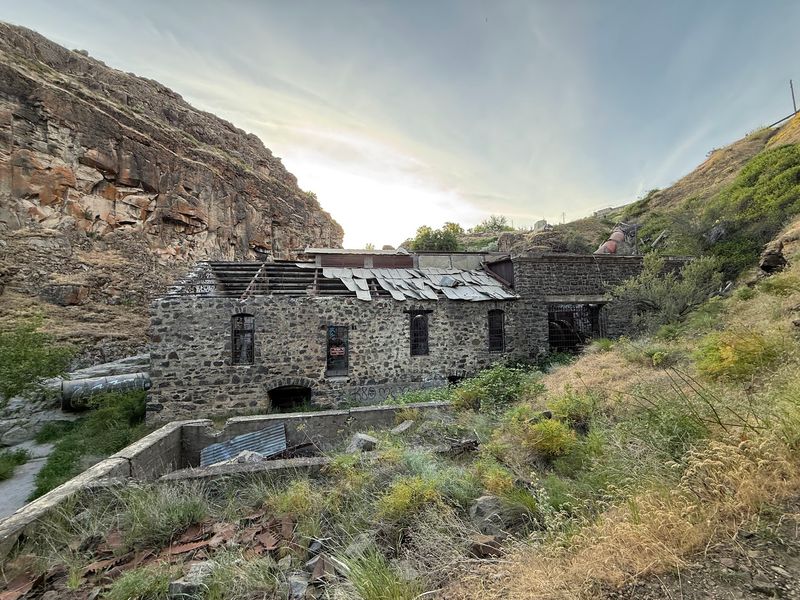
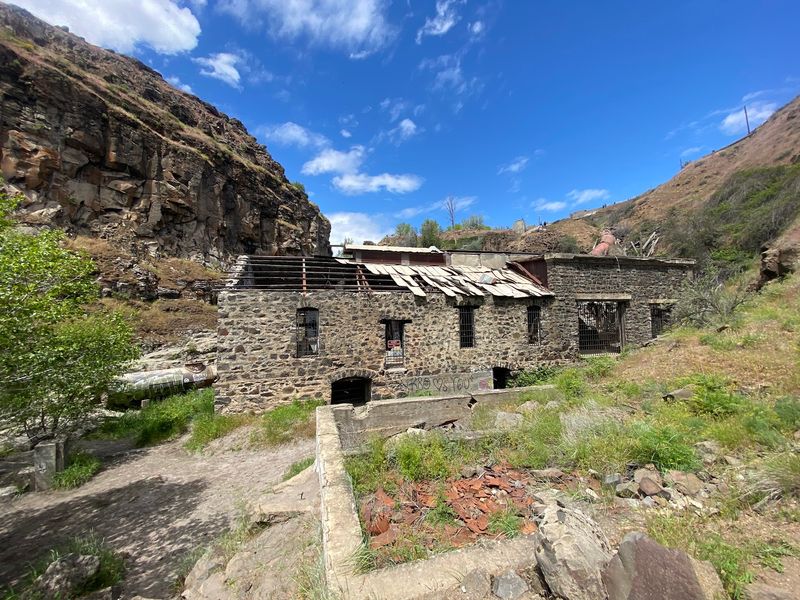
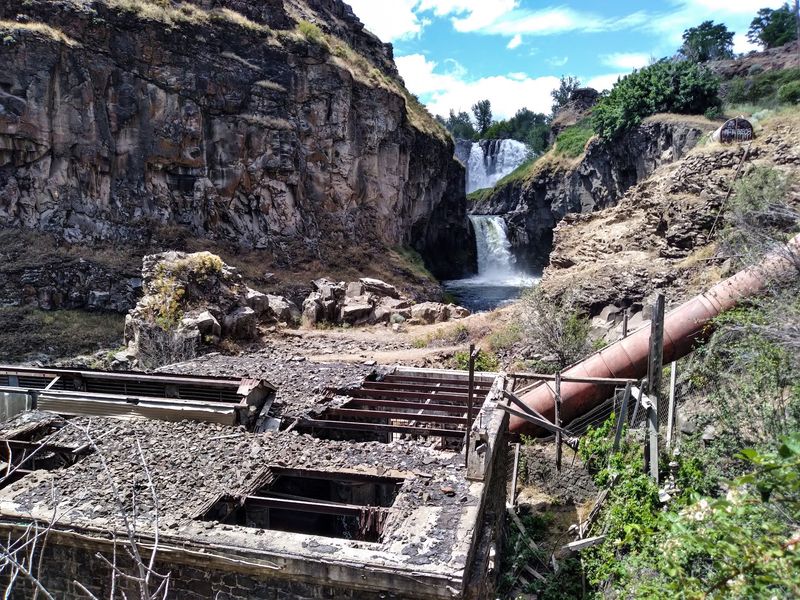
Down at the bottom of the canyon, an old hydroelectric plant still stands beside the river. It’s the ruin that gives this park its mysterious streak.
Visitors often call it the abandoned power plant or the old PGE pump house. Either name hints at the canyon’s working past.
The building is locked and off-limits, which makes sense given its current state. Still, the exterior makes for some seriously moody photos.
One visitor summed it up neatly: nature and history are both here to enjoy. The ruins add a storyline that a waterfall alone can’t tell.
Kids tend to love anything that looks forgotten. A crumbling powerhouse in a desert canyon checks every adventure-movie box.
Remember to admire it from outside only. Respecting the barriers keeps the site around for the next curious family.
History fans can stretch the day by exploring other historic sites in Wasco County. One visitor suggested pairing them for a fuller trip.
Honestly, the ruins are the reason this park sticks in people’s heads. A waterfall is lovely, but a waterfall with a ghostly power station next to it?
That’s a story worth repeating at dinner.
That Steep Trail Down Demands Respect And Good Shoes
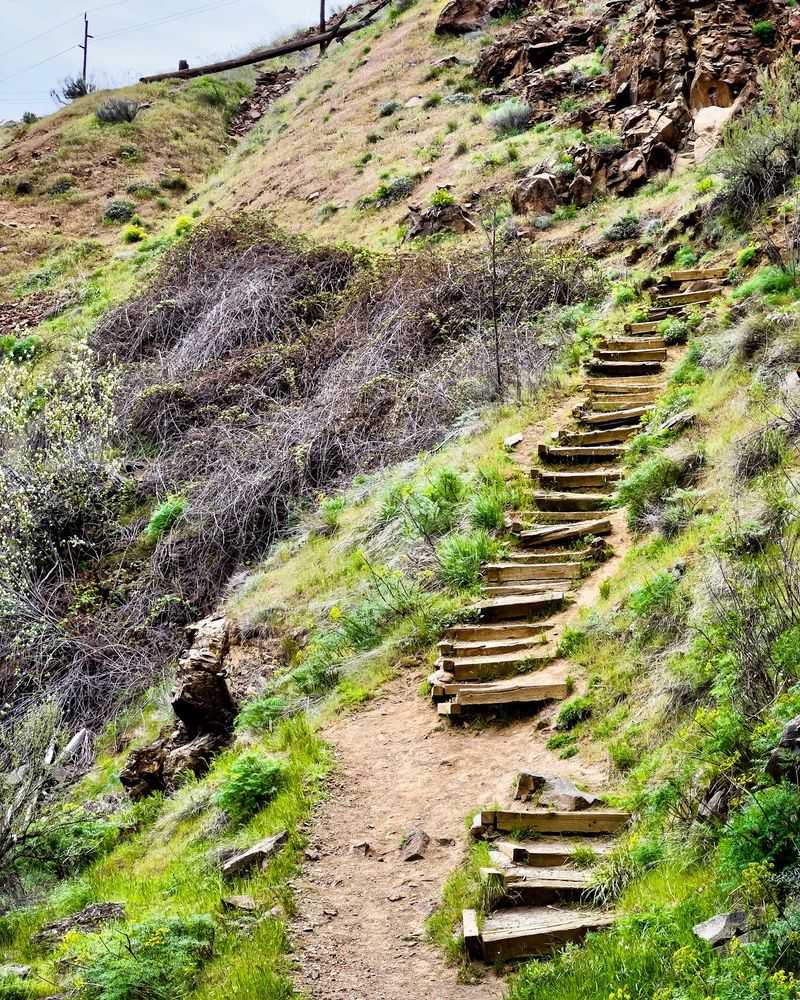
Here’s the honest truth about the hike: going down is the easy half. One visitor joked you’re basically walking down a waterfall, then walking back up it.
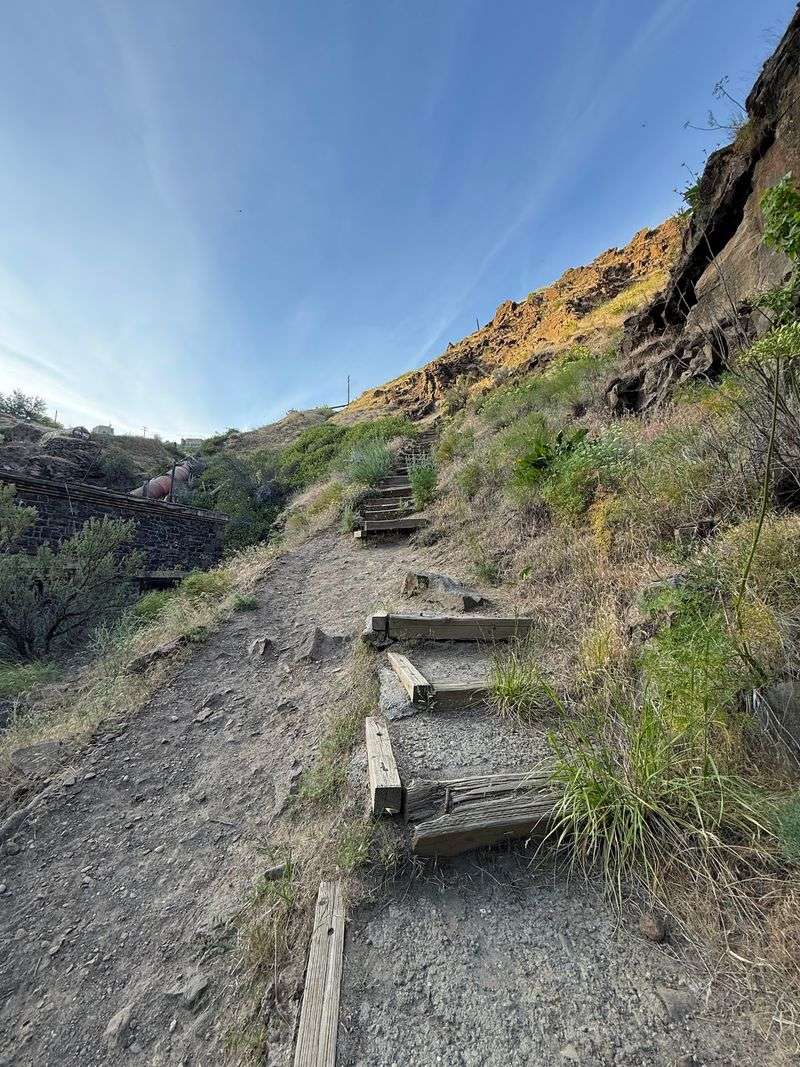
The route to the canyon floor is steep and rough. It’s less a developed trail and more a path worn in by many feet over the years.
Expect jagged rock outcrops and a set of old, worn wooden stairs near the bottom. There are no handrails along the way.
The park posts clear signs about the risks. They even list the distance to the nearest hospital, which is a sobering touch.
Shoes with solid traction make a huge difference. So does carrying water, since the climb back up can get tough.
Plenty of families do make it, including parents with kids around 7 and 9. Young children may need a helping hand on the steeper parts.
Once you reach the bottom, the trail smooths out nicely. The round trip is under 2 miles, so it’s short but punchy.
Take breaks on the way up. There are several good places to pause and catch your breath before the final push.
More Falls Hiding Past The Old Ruins
Most people stop at the powerhouse and call it a day. That’s a mistake, because the trail keeps going.
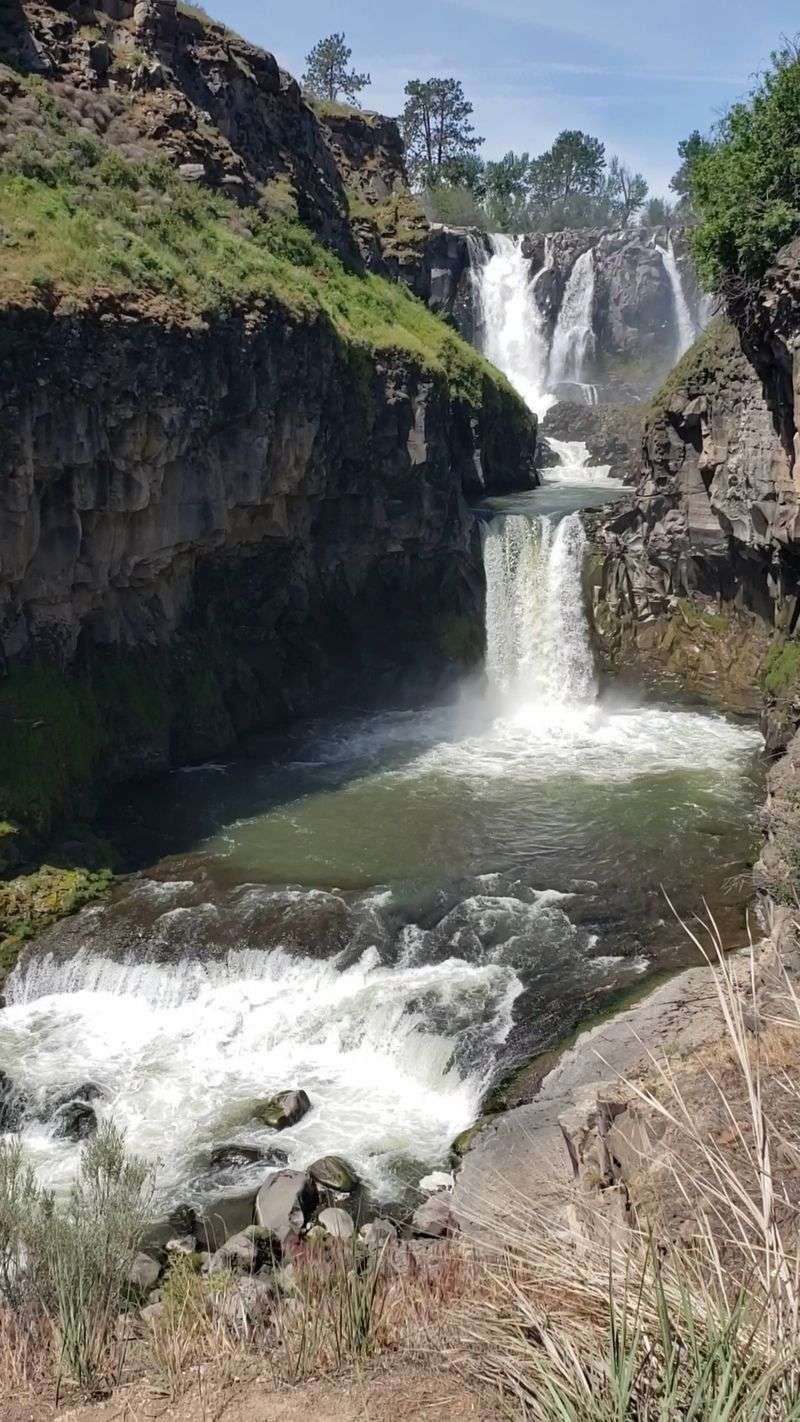
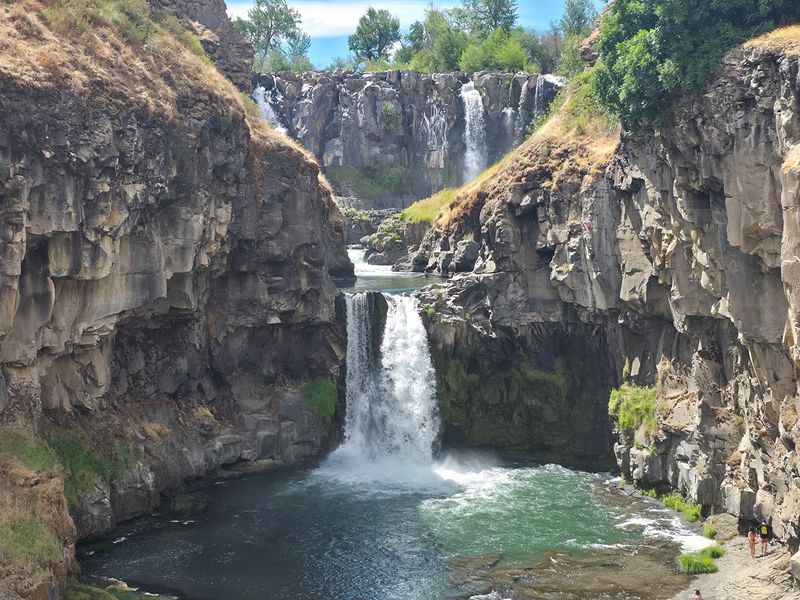
About a quarter mile past the old ruins, a second set of falls waits along the river. Visitors describe the stretch beyond the main waterfall as downright magical.
One hiker called the views out of this world and very ethereal. That’s high praise from someone who admitted the hike gave them a few scrapes.
The trail along the river is smoother than the descent. It makes this extra stretch feel like a reward rather than a chore.
Following the river also gives you new angles on the main falls. Visitors say the bottom offers better views than the top.
I believe this is the true “secret” part of the park. Lots of folks never realize there’s more to find.
Plan a little extra time for this bonus walk. The quarter mile is easy to underestimate when the kids want to keep exploring.
Families who push on get bragging rights. Not everyone can say they saw the falls most visitors miss.
A Chilly Swimming Hole With A Little Beach
Hot day in the high desert? The canyon floor has a cure.
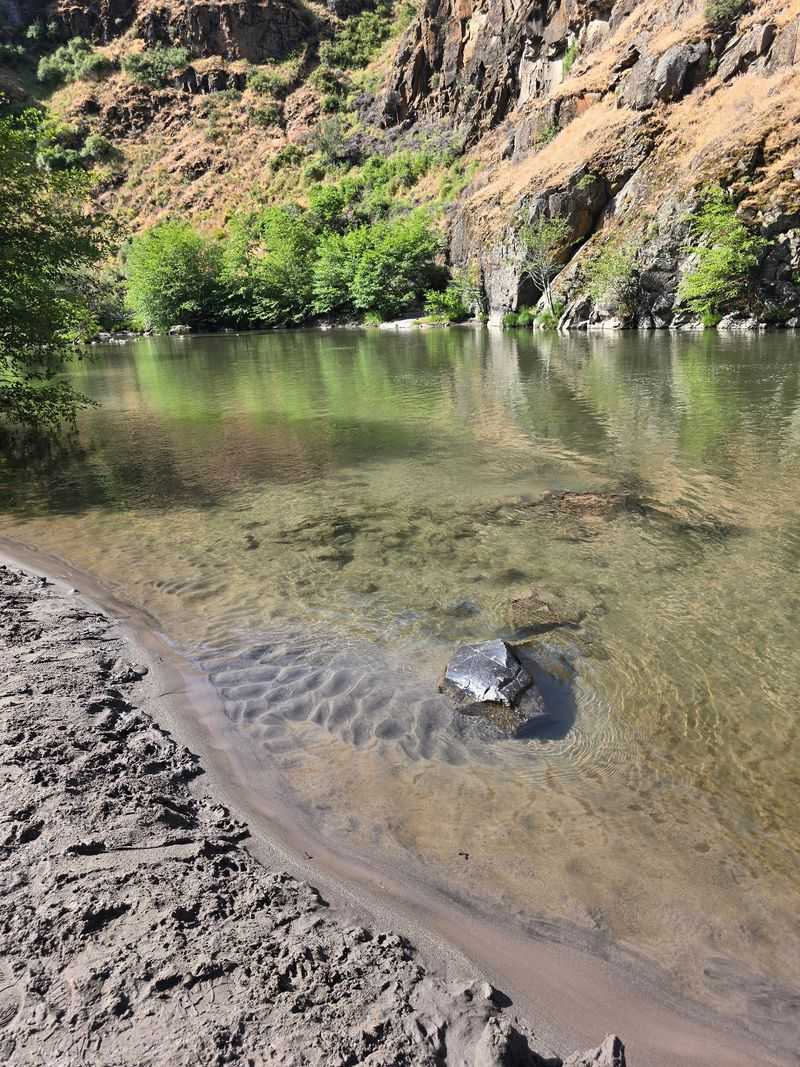
Near the powerhouse, the river opens into a swimming hole with a small beach area. Visitors call it a great spot for kids to play.
The water runs pretty shallow across much of the swimming area. It’s also quite cold, which feels amazing after the hike down.
One visitor’s tip was simple: bring a towel and flip flops, then jump in. Another suggested taking a safe dip to cool off.
On busy holidays like the Fourth of July, the swimming hole can fill up fast. Weekdays often feel much quieter.
Little ones should always stay close to an adult near moving water. Cold rivers deserve respect, even in the shallows.
Packing snacks and lunch makes the beach a natural break before the climb back. Sitting by the falls with a sandwich is hard to beat.
I like how this turns a sightseeing stop into a full afternoon. Kids who grumble on the way down usually forget all about it once their toes hit the water.
Picnic Tables With A Thundering Soundtrack
Picnic tables earn more mentions in visitor feedback than almost anything besides the falls. That tells you a lot about this park’s personality.
The grounds stay green and well kept, which feels surprising in such a dry setting. It’s a lovely contrast to the golden hills around it.
Visitors mention lots of spots for picnicking near the top. One said they’d stop for lunch with a view all the time if it weren’t so far out.
That’s the budget-friendly magic here. A packed cooler and a waterfall backdrop beat a pricey restaurant any day.
Restrooms are available, and one visitor praised them as real facilities rather than a basic pit. In winter, portable toilets take over, including an accessible one.
Dogs are welcome on a leash. Some visitors brought their pups along and said the dogs loved it.
Visitors also describe the park as clean and free of trash. Let’s keep it that way by packing out everything you bring.
For families who can’t tackle the canyon hike, a picnic here still makes the drive worthwhile. Sometimes lunch with a soundtrack is plenty.
Sun, Heat, And Zero Shade On The Canyon Trail
Sunscreen isn’t optional out here. Visitors repeatedly describe the area as very sunny and very hot.
The canyon trail offers no shade at all. That exposure can turn a short hike into a real workout on a summer afternoon.
Bring more water than you think you need. Even a small bottle helps, but a bigger supply is smarter for the climb back up.
Hats and light clothing make the trip more comfortable. So does picking a cooler time of day.
One visitor arrived near sunset and loved the experience. Softer light and milder temperatures can be a winning combination.
The cold swimming hole offers some relief at the bottom. Just remember you’ll still need energy for the return trip.
Families with little ones should plan rest stops. There are good spots along the way to sip water and recover.
I can’t stress enough how much preparation helps here. A little planning turns a sweaty slog into a fun adventure.
The falls will still be roaring whether you rush or not, so take it slow and stay cool.
Quiet Weekdays And Busy Summer Holidays
One family visited on a Monday and had the place completely to themselves. Midweek visitors often describe it as not very crowded at all.
That peaceful vibe is a big part of the appeal. One visitor joked they almost wanted to rate it lower to keep people away.
Summer weekends and holidays tell a different story. On the Fourth of July, the park was completely full and folks parked back by the entrance gate.
Parking can start filling by late morning on popular days. Arriving early gives you the best shot at a good spot.
Early arrival also means cooler temperatures for the hike. That’s a double win for families.
Winter brings its own kind of calm. The area usually stays uncrowded during the colder months.
Families who crave solitude should aim for a weekday outing. School breaks and summer Fridays could work nicely too.
Either way, the falls deliver. A busy day means a lively swimming hole, while a quiet day means the waterfall gets to do all the talking.
Both versions have their charm.
Hours, Winter Gates, And Other Planning Notes
Hours are refreshingly simple. The park is open daily from 7 AM to 9 PM.
Winter changes the routine a bit. The main gate and parking area close for the season, usually around November.
During that time, parking near the entrance is limited to roughly eight cars. You’ll walk in past the gate to reach the trail.
The space beside the closed gate is narrow and not wheelchair accessible. Families with strollers or mobility needs should plan for warmer months.
Restrooms also close in winter, though portable toilets stay available. One visitor found them cleaner than average.
As for cost, one visitor saw no fee station or envelope and believed the park was free. Fees can change, so it’s smart to check with Oregon State Parks before you go.
Hours may also shift, so a quick check never hurts. Nothing ruins a road trip like a surprise locked gate.
Pack water, snacks, sun protection, and sturdy shoes. With those basics covered, you’re ready for nearly anything this canyon throws your way.
Why This Canyon Deserves A Spot On Your Oregon Bucket List
Few road-trip stops serve up a 90-foot waterfall, a ghostly powerhouse, and a cold swimming hole in one place. White River Falls State Park pulls off all three.
One family finally checked it off their Oregon bucket list and said it was worth the trek. They suggested it for anyone within a couple hours.
The drive itself adds to the payoff. Mountain views on the way in make the miles fly by.
Families can tailor the day to their energy level. Some will picnic and enjoy the overlook, while others will brave the canyon.
Either way, the price is friendly and the scenery is huge. That’s a hard combination to beat for a weekend outing.
I believe the old ruins are what make it unforgettable. They turn a pretty view into a genuine story.
Just respect the steep trail, carry water, and keep kids close near the river. Safety makes the memories sweeter.
So load up the cooler and grab the sunscreen. This quiet corner of Wasco County might become your family’s new favorite secret, at least until you start bragging about it.