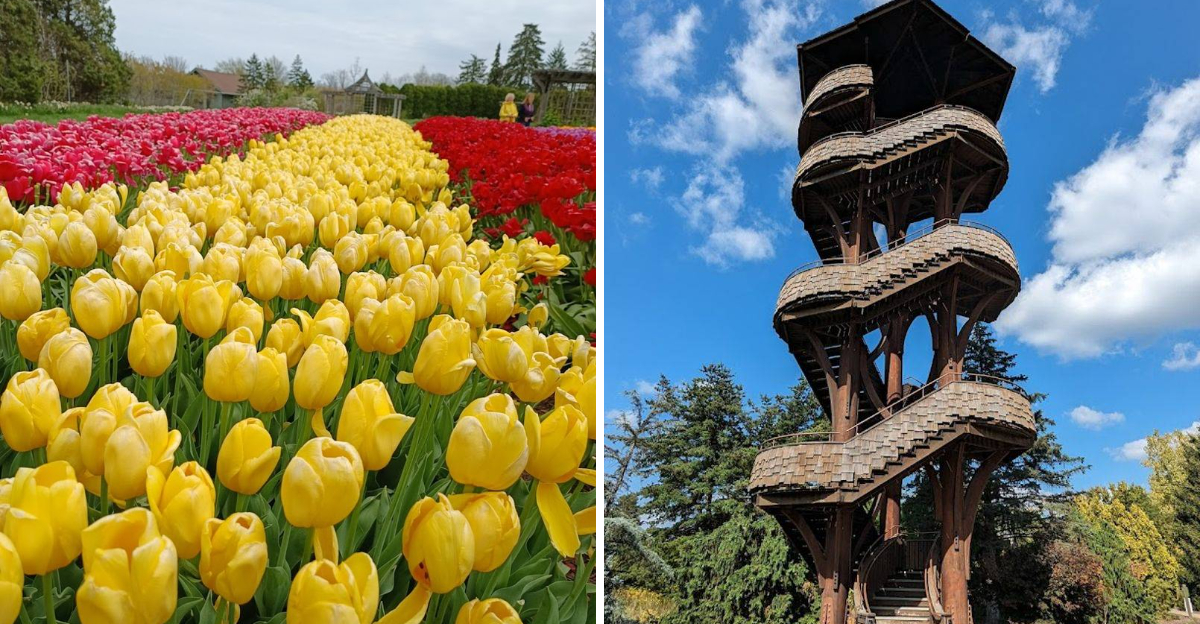
Tucked away in Dayton, Ohio, Cox Arboretum MetroPark offers visitors a rare chance to climb a towering tree structure built from a massive Douglas fir and enjoy sweeping views across gardens, woodlands, and the Miami Valley.
This 187-acre nature retreat combines walking trails, specialty gardens, and wildlife habitats into one family-friendly destination.
Whether you’re a plant enthusiast, a wildlife watcher, or simply looking for a peaceful escape, this arboretum hideaway delivers natural beauty and outdoor adventure just minutes from the city.
The Tree Tower: A 65-Foot Canopy Viewpoint
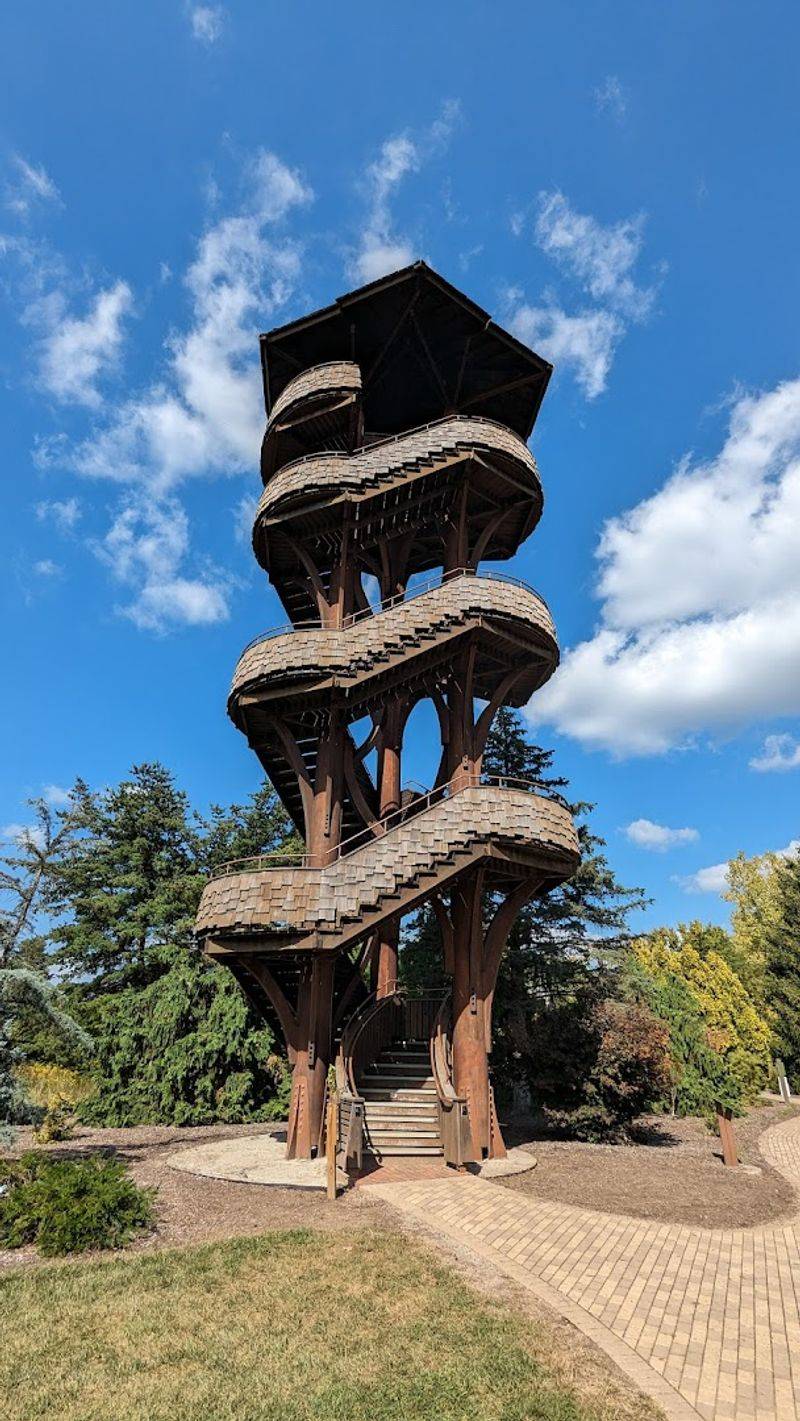
Standing tall as the park’s crown jewel, the Tree Tower was crafted from a single Douglas fir and reaches about 65 feet into the sky. Climbing the 81 steps might sound like a workout, but each level brings you closer to one of the most stunning views in the entire Dayton area.
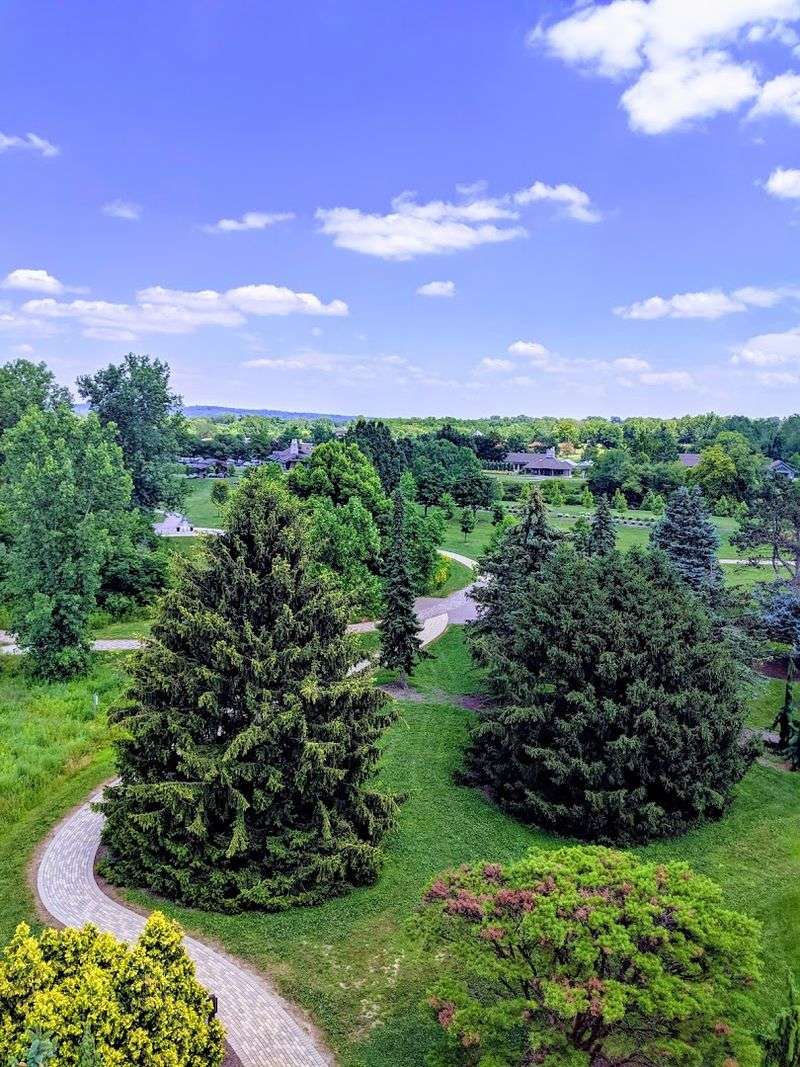
From the top platform, you can see colorful garden patches, dense woodlands, and the rolling landscape of the Miami Valley stretching toward the horizon.
Photographers love this spot because the changing seasons paint different backdrops throughout the year. Spring brings fresh green leaves, summer offers lush canopy views, fall displays fiery reds and oranges, and winter reveals the bare bones of the forest below.
The tower itself is a piece of natural art, blending rustic wood construction with modern safety features.
Families often make the climb together, pausing at different levels to catch their breath and snap photos. It’s a memorable experience that combines mild physical activity with rewarding scenery, making it perfect for visitors of all ages who can handle stairs.
Specialty Gardens That Change With the Seasons
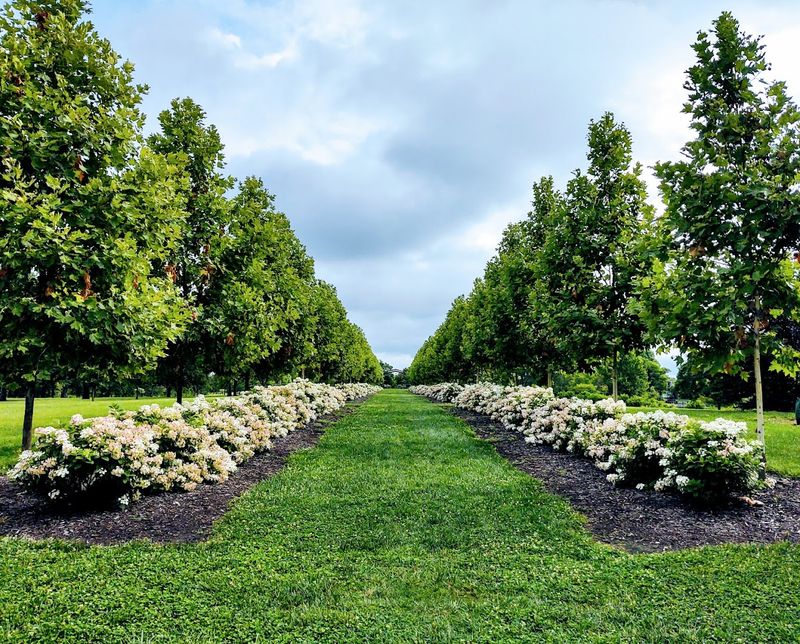
Walk through the arboretum and you’ll discover garden spaces designed to look beautiful no matter when you visit. The rock garden showcases plants that thrive in tough conditions, tucked between stones and boulders in creative arrangements.
Meanwhile, the perennial garden explodes with color as different flowers take their turn blooming from early spring through late fall.
What makes these gardens extra special is the edible landscape section, where visitors learn that food plants can be just as pretty as decorative ones. You might spot berry bushes, herb gardens, and vegetable plants arranged in ways that challenge the idea that edible means boring.
Garden staff carefully plan which plants go where, ensuring something interesting catches your eye during every season.
Spring wildflowers give way to summer’s bold blooms, then fade into autumn’s ornamental grasses and seed heads that birds love. Even winter has its charm with evergreen textures and architectural plant structures.
These gardens teach sustainable horticulture principles while providing endless photo opportunities and peaceful spots to sit and observe nature’s cycles at work.
Butterfly Habitat and Pollinator Spaces

Did you know that butterflies can taste with their feet? You might witness this fascinating behavior when you explore the pollinator-focused areas throughout the park.
During warmer months, these wildflower-rich sections buzz and flutter with activity as butterflies, bees, and other beneficial insects move from bloom to bloom collecting nectar and spreading pollen.
Native plant species dominate these habitats because they’ve evolved alongside local pollinators over thousands of years. Milkweed provides essential food for monarch butterfly caterpillars, while purple coneflowers and black-eyed Susans attract a rainbow of winged visitors.
The gardens demonstrate how choosing the right plants can support declining pollinator populations while creating beautiful outdoor spaces.
Bring a camera with a zoom lens or simply sit quietly on a nearby bench to observe these tiny creatures at work. Children find it magical to watch butterflies dance between flowers, and educators use these spaces to teach about ecosystem connections.
The conservation message is clear but never preachy, showing visitors how small habitat choices can make real environmental differences.
Conservation Corner: Native Ohio Ecosystems
Conservation Corner spreads across seven acres of carefully restored native habitats that showcase what Ohio landscapes looked like before widespread development. Prairie grasses sway in the breeze alongside wetland areas where frogs croak and dragonflies zip past.
Shrubland sections provide cover for songbirds, while dedicated bird-watching spots let visitors observe wildlife without disturbing it.
This living exhibit proves that ecological restoration works when done with knowledge and patience. Land managers removed invasive species, reintroduced native plants, and created conditions that allow natural processes to rebuild.
Over time, native wildlife returned on their own, recognizing suitable habitat when they found it. Turtles now bask on logs in the wetlands, and migrating birds stop to refuel during spring and fall journeys.
Educational signs scattered throughout explain what you’re seeing and why each habitat type matters. The experience feels like stepping back in time to a wilder Ohio, yet it’s completely accessible and safe for families.
It’s outdoor education at its finest, showing rather than just telling how ecosystems function when given the chance to thrive.
Ruth Cummings Mead Woodland Overlook
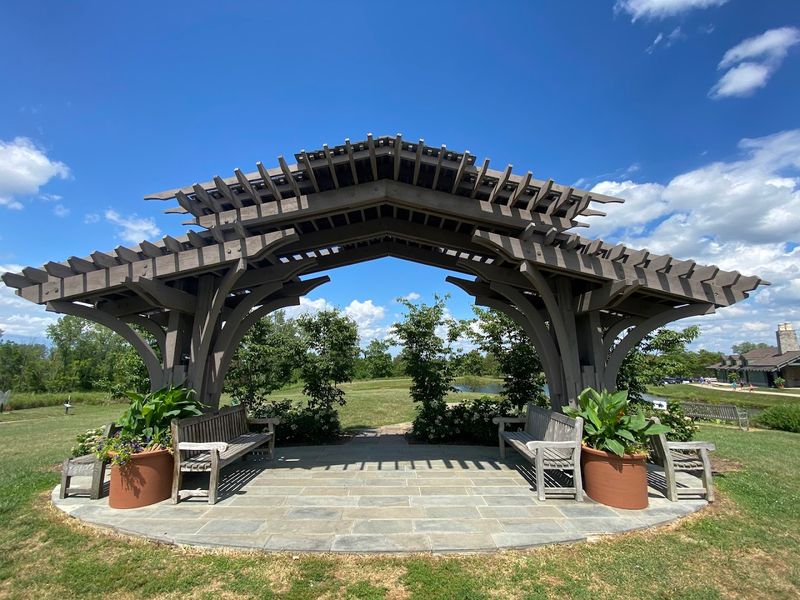
Some visitors prefer the quiet shade of mature forests over sunny garden spaces, and this woodland area delivers exactly that atmosphere. Named after Ruth Cummings Mead, these forested trails wind through towering hardwood trees that have stood for decades, their thick canopy filtering sunlight into gentle green patterns on the forest floor below.
Native wildflowers carpet the ground in spring before the trees fully leaf out, creating a brief but spectacular woodland flower show. Trails lead deeper into the forest where the temperature drops noticeably on hot summer days, offering natural air conditioning.
The ravine overlook serves as the woodland’s highlight, where the land drops away to reveal layers of forest terrain and geological features carved by water over countless years.
Bird songs echo through the trees here, often different species than you’d hear in the open garden areas. Woodpeckers tap out rhythms, warblers sing from high branches, and occasionally deer browse quietly among the undergrowth.
It’s the perfect spot for contemplative walks, nature journaling, or simply escaping the busy world for an hour of forest peace.
Bell Children’s Maze
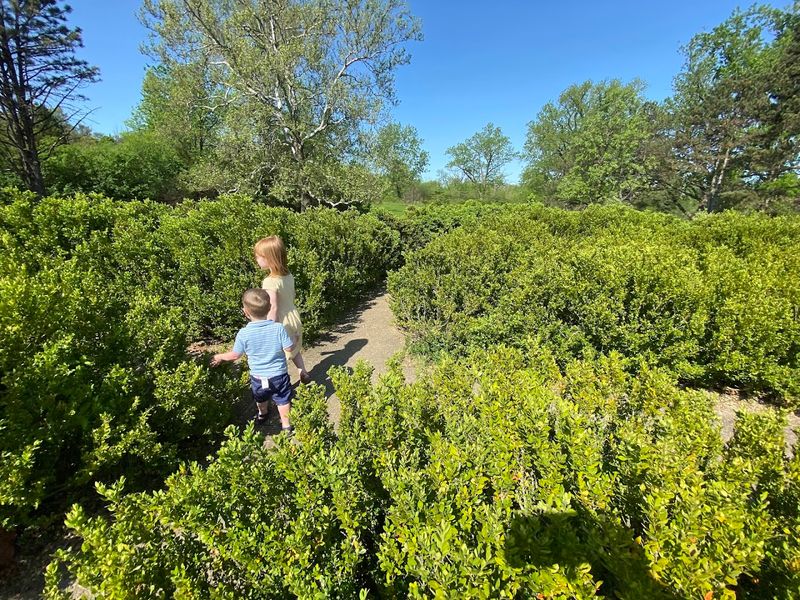
Over 1,100 boxwood shrubs form the walls of this interactive maze that turns garden exploration into an adventure game. Kids race through the winding passages, making choices at each turn while trying to reach the center first.
Some paths lead to dead ends requiring backtracking, which adds to the challenge and keeps the experience engaging even for repeat visitors.
Parents and grandparents can watch from elevated viewing areas around the maze’s perimeter, calling out hints or simply enjoying their children’s excitement. The living walls stand tall enough to block views inside but not so high that supervising adults lose sight of little ones.
Boxwoods were chosen because they stay green year-round and handle the foot traffic and occasional touching that comes with being a hands-on attraction.
This maze works brilliantly as a way to burn off energy before or after exploring quieter garden areas. It teaches spatial reasoning and problem-solving while feeling like pure play.
On busy weekends, you might hear laughter echoing from within as multiple families navigate the paths simultaneously, creating a joyful soundtrack to the surrounding gardens.
Walking Trails Through Forests and Meadows
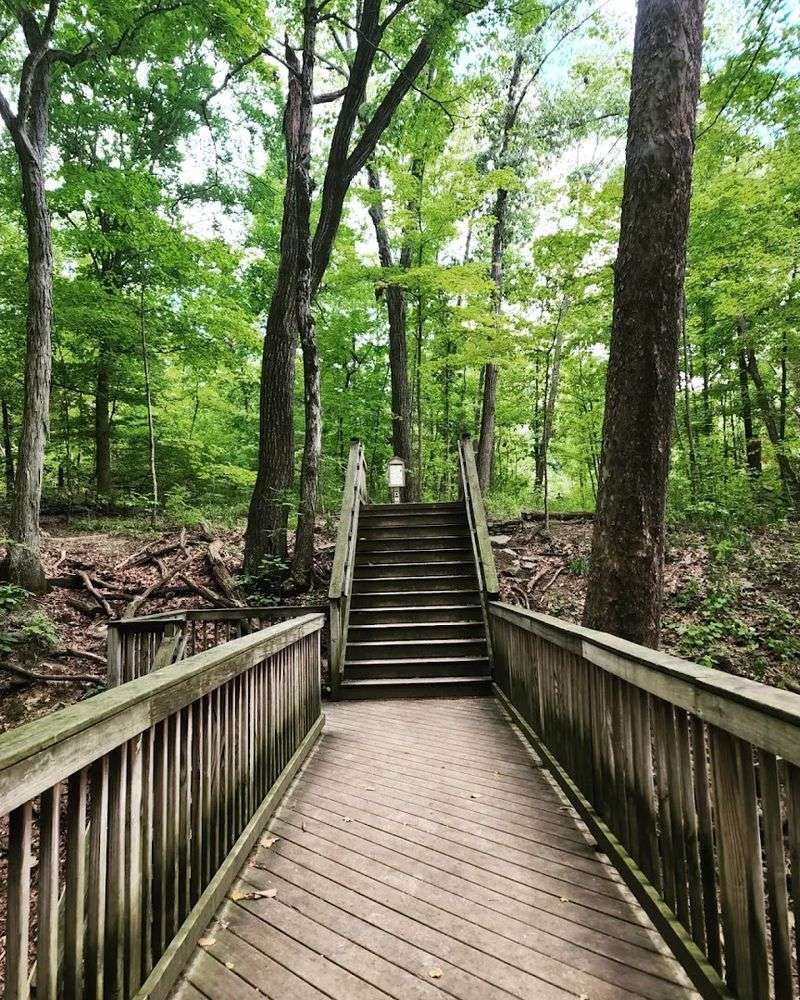
Lace up your walking shoes because roughly 2.5 miles of natural trails plus additional paved pathways crisscross this arboretum, connecting different ecosystems and garden areas. Some routes stay smooth and paved, perfect for strollers, wheelchairs, or anyone who prefers easier surfaces.
Other paths venture onto packed earth through meadows where grasshoppers leap ahead of your footsteps and wildflowers sway at knee height.
Woodland sections of the trail system provide shade and chances to spot forest birds, while open meadow stretches offer big sky views and seasonal butterfly watching. Wetland boardwalks let you cross marshy areas without getting muddy, bringing you eye-level with cattails and water-loving plants.
Each trail type offers different experiences, so you can choose based on your mood, fitness level, or what you’re hoping to see.
Photographers appreciate how the trails provide access to diverse subjects within a compact area. Casual walkers enjoy the gentle terrain and numerous benches for resting.
Trail maps available at the entrance help you plan routes matching your available time and energy level, whether that’s a quick 20-minute stroll or a two-hour exploration.
Zorniger Education Center and Learning Campus

Before heading into the gardens, most visitors stop at the Zorniger Education Center to grab a trail map, check upcoming programs, or use the restrooms. This attractive building serves as the park’s hub, where friendly staff answer questions and help you plan your visit based on current bloom conditions or recent wildlife sightings.
Inside, exhibits explain arboretum plants, local ecosystems, and conservation efforts in ways that make sense to visitors of all ages. Interactive displays let kids touch samples or test their knowledge, while informational panels give adults deeper context about what they’ll see outside.
The center hosts workshops throughout the year covering topics like native plant gardening, bird identification, composting techniques, and seasonal nature photography.
School groups often use the education campus for field trips that combine outdoor exploration with classroom-style learning. The programming focuses on hands-on experiences rather than lectures, encouraging participants to observe, ask questions, and make connections between garden lessons and their own lives.
Even if you’re not attending a scheduled program, the center’s resources make your self-guided visit more meaningful and help you spot details you might otherwise miss while wandering the grounds.
Wildlife Viewing and Seasonal Highlights
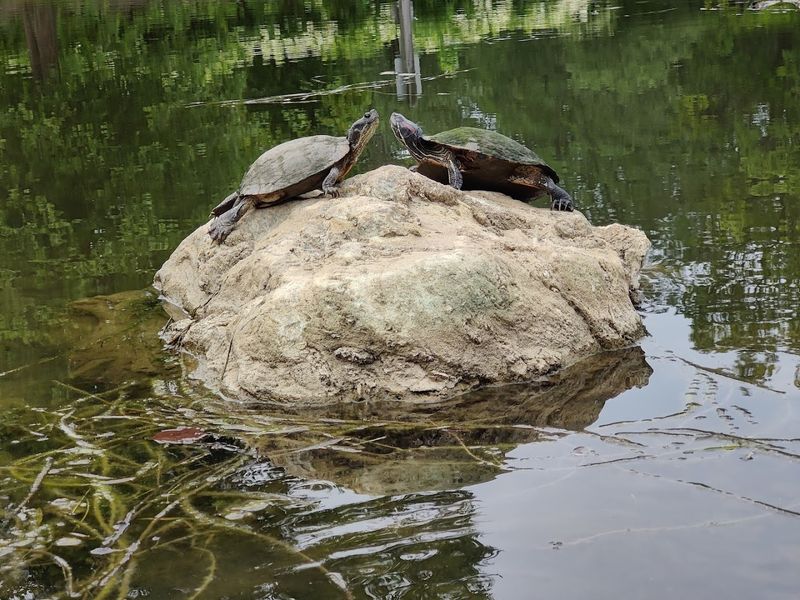
Patient observers who move quietly through the arboretum often spot white-tailed deer browsing at forest edges, especially during early morning or evening hours. Turtles sunbathe on logs in wetland areas, pulling into their shells at the first sign of approaching footsteps.
Bird species change with the seasons as migrants pass through during spring and fall, joining year-round residents like cardinals, chickadees, and woodpeckers.
Spring ranks as the most popular season because wildflowers carpet forest floors before trees leaf out, creating brief but spectacular color shows. Early summer brings peak butterfly activity and the fullest garden blooms.
Fall transforms the landscape with foliage colors ranging from golden yellow to deep burgundy, while prairie grasses turn shades of copper and amber. Winter reveals the park’s bones, with evergreens standing out against snow and interesting seed heads feeding birds.
Photographers should visit multiple times across seasons to capture different moods and subjects. Wildlife watchers might bring binoculars for distant bird identification.
Everyone benefits from staying alert and moving slowly, since rushing through guarantees you’ll miss the quiet moments when a deer steps into view or a hawk circles overhead.
Visitor Info and Tips (Hours, Access & What to Know)

You’ll find Cox Arboretum MetroPark at 6733 N Springboro Pike in Dayton, Ohio, where both admission and parking come completely free. Operating hours typically run from 8 AM to 8 PM or 10 PM depending on the season, giving you flexibility for early morning bird watching or evening strolls when temperatures cool down.
The park welcomes leashed dogs, so your four-legged family members can enjoy the experience too.
Most main pathways offer accessible surfaces suitable for wheelchairs, walkers, and strollers, though some natural trails involve uneven terrain or steeper grades. The Tree Tower’s 81 steps present mobility challenges for some visitors, but plenty of ground-level attractions ensure everyone can enjoy the arboretum regardless of physical limitations.
Restrooms located at the Zorniger Education Center provide convenient facilities near the entrance.
Smart planning enhances your visit: arrive early on weekday mornings for the quietest experience, especially during peak spring and early summer bloom seasons when weekends draw crowds. Pack water, comfortable shoes, and a camera.
Check the park website before visiting for current hours, special events, or seasonal highlights to maximize your time exploring this peaceful Ohio hideaway.