
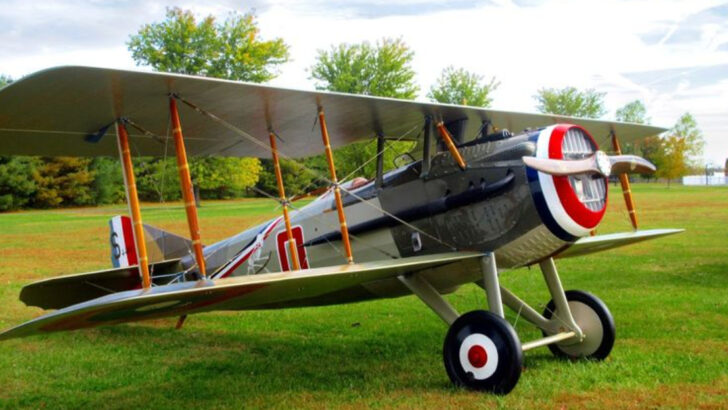
Craving the rumble of vintage engines and the thrill of flight you can feel in your chest. At Golden Age Air Museum in Bethel, Pennsylvania, airplanes are not just artifacts, they move, fly, and occasionally drop pumpkins.
You get close to craftsmanship, stories, and a grass runway that still earns its keep. Plan it right and you will leave smelling like avgas and grinning like a barnstormer.
How to Navigate Your First Visit
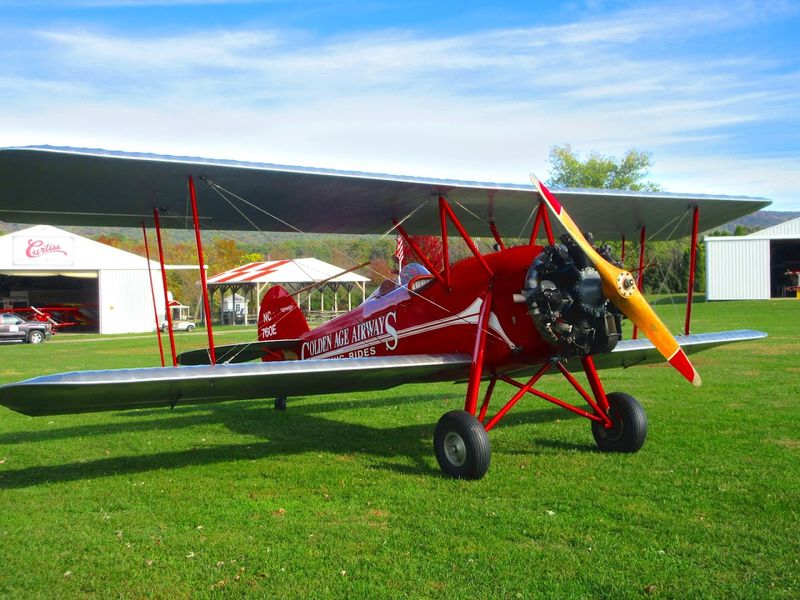
Start with the grass runway humming and the scent of avgas riding the breeze. At Golden Age Air Museum, the day flows at a human pace, so you can meander the hangars without missing the action.
Grab a paper program at the farmhouse gift shop, then bookmark the biplane ride board to time your walkabouts.
Crowd pleasers often spark up around noon, including impromptu engine runs and formation passes. If you hear a horn or a volunteer waving a flag, hustle outside, because flying machines here are not static trophies.
Stay nimble by parking your chair near the flightline, but tuck it back to respect safety ropes.
Snacks and simple lunches live at the food shack, and the Sheetz off I 78 is handy before or after. Budget extra time for the display cases, where labels are short and docents fill in glorious gaps.
End the visit on the fence line during golden hour, when fabric wings glow like lanterns.
One last tip: check the events calendar before you commit, because special weekends reshape the rhythm. Wings and Wheels draws antique cars, road rallies, and extra flying, while October brings pumpkin drops and candy for kids.
Plan for lines, smiles, and unforgettable noise.
The Open-Cockpit Biplane Ride
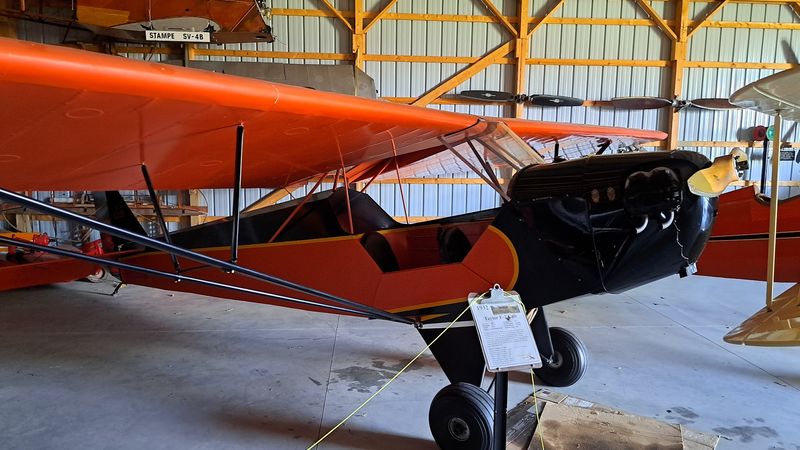
Strapping into the front cockpit changes the museum from quiet gallery to living story. A leather helmet, a snug belt, and a quick briefing settle nerves while the radial coughs to life.
As the tail lifts, treetops drop away and the slipstream tugs at your cheeks like a friendly prank.
You will not chat much in flight, so agree on hand signals with your pilot. Expect gentle banks, low passes, and a few photo moments if the pattern is clear.
Hold your phone with a tether or stash it, because wind has a habit of making souvenirs.
Sensitive stomachs do fine when you keep eyes outside and eat lightly beforehand. Morning air is usually smoother, and cooler temperatures keep engines happy.
After you land, grab a snapshot beside the ship, then return later to watch it roar off with a new grin in the front seat.
Pricing varies by event day, so check the signboard or ask at the farmhouse desk. Rides sell out during Wings and Wheels, and same day slots vanish quickly once the first engine run crackles across the grass.
Put your name in early, keep your ears open, and bring exact payment.
WWI Replicas That Actually Fly
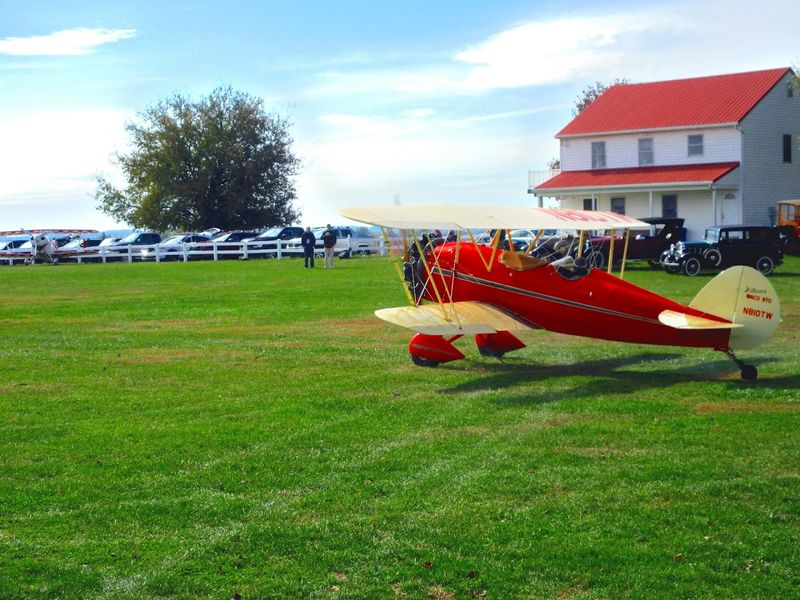
Canvas, wood, and wire look delicate until a rotary spins up and the whole airframe quivers with intent. The museum fields full scale replicas of icons like the Fokker Dr.I and Sopwith Pup, finished in period markings.
Seeing them taxi on grass connects the dots between history text and human courage.
Static time is generous, so you can study control cables, fabric stitching, and the spoked wheels. Volunteers will gladly point out what is original pattern and what is a modern safety concession.
Ask about how castor oil affected pilots, and you will get an unforgettable explanation of goggles and scarves.
If a mock dogfight is scheduled, position near midfield to watch opposing passes and balloon busting theatrics. Ear protection is smart, because propwash and engine crackle carry far on the valley air.
After the show, those same aircraft become approachable again, letting your questions land while the engines cool.
Photography fans should aim for late afternoon when fabric translucence turns wings into stained glass. Long lenses are helpful, yet a fast wide angle captures pilots grinning under coamings.
Keep the fence out by crouching, and always respect ropes, because these machines earn their keep in the sky.
Inside the Restoration Hangar
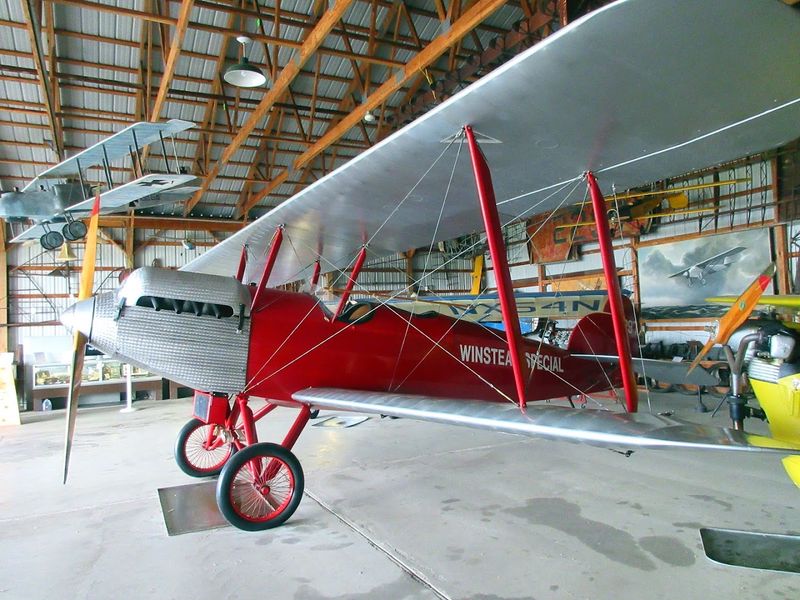
Wood chips on the floor and plans tacked to walls make this space feel like a time machine that still pays rent. Jig tables carry half built wings, varnish gleams, and the scent of linen dope lingers.
You can watch real craftsmanship convert raw spruce and steel into airworthy history.
Conversations here run practical. Ask how ribs are spaced, why turnbuckles get safety wire, or what glue handles Pennsylvania humidity.
With permission, you might handle a scrap of fabric, noticing the taut drum note that signals a job done right.
This is also where timelines and budgets become real, so donations and memberships matter more than you think. Volunteers balance authenticity with safety, choosing modern hardware only where invisible and essential.
When a completed wing rolls past, step aside and admire the hundreds of quiet hours it represents.
Bring thoughtful questions and you will often get stories about sourcing rare fittings or reverse engineering fittings from photographs. Some projects take years, and seeing progress between visits becomes its own reward.
Snap a picture of the chalkboard notes, then compare them later to a roaring, finished airplane today. It feels like homework that learned to fly.
Wings and Wheels Weekends
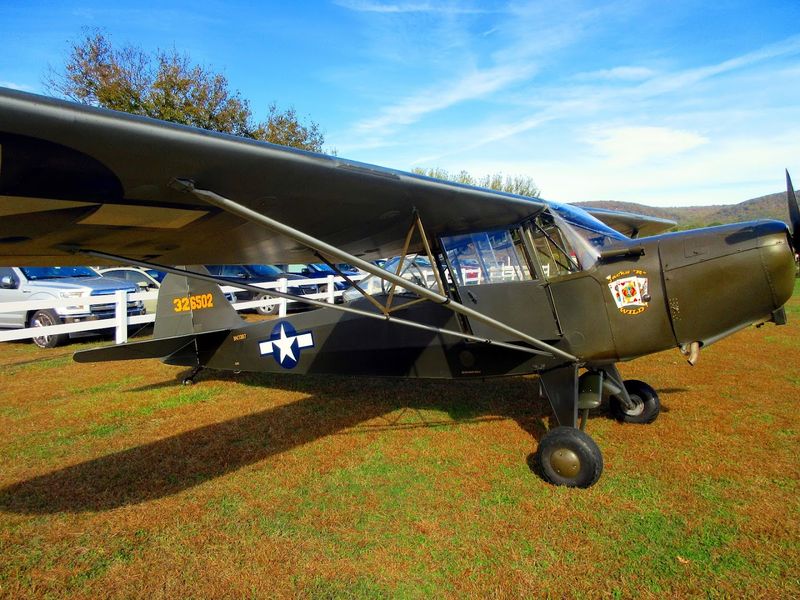
Car guys and airplane folks speak different dialects of the same language, and this event proves it. The grass becomes a gallery of chrome, lacquer, and polished struts, with pistons everywhere you look.
Road rally groups roll in for lunch, then linger as taildraggers rumble out for flybys.
If you split your time, start with aircraft scheduled to fly, then wander the rows of classics and hot rods. Owners welcome questions, so ask about compression ratios the way pilots ask about prop pitch.
You will leave with a camera roll full of hood ornaments and wooden prop tips.
Bring a folding chair, sunscreen, and a small cooler, but keep pathways clear for moving airplanes. Ear protection is smart for kids and car enthusiasts who stand close to runups.
When a spontaneous rev off erupts between a V 8 and a vintage inline, the smiles make perfect sense.
Merch tables often feature event posters and patches that sell out before afternoon. Grab yours early, then circle back for the finale passes when the light softens.
Engines at idle, propbeats echo across the farm fields, and you realize you got two hobbies for one ticket. It is a keeper.
Family-Friendly Strategies and Accessibility
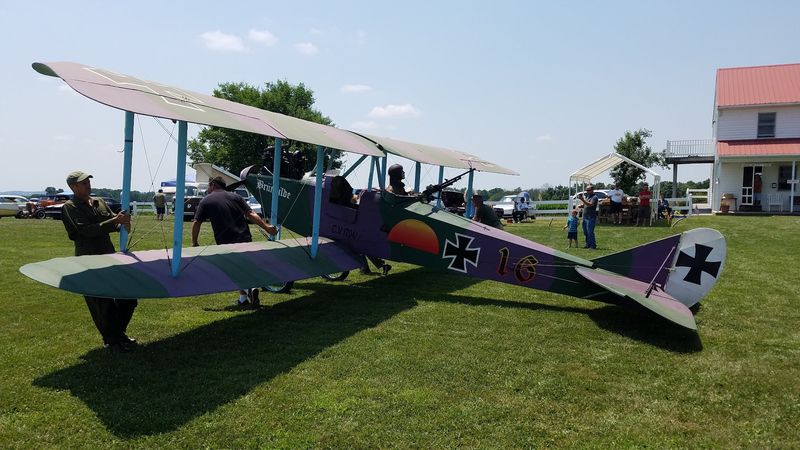
Smaller scale exhibits mean attention spans last longer, and the staff genuinely welcomes questions at kid height. Strollers roll fine on gravel with a bit of muscle, and there are designated handicap spots close to the entrance.
Keep sunscreen handy, since many highlights happen outdoors beside the runway.
The museum is compact enough to finish in a few hours, but flights and engine runs reward staying flexible. Build in breaks at the food shack for breakfast sandwiches or fries, then reset attention with a movie loop inside.
Bathrooms are portable yet plentiful and cleaned throughout busy weekends.
Ear protection for kids is wise, and many families bring lightweight muffs that live in the day bag. Pets are welcome on leash, though you will want to gauge comfort around engines.
Cap the visit with a fence line picnic as biplanes carve smooth arcs over Berks County.
If attention drifts, hunt for cars tucked near the hangars or watch a mechanic safety wire a bolt. That small discovery resets curiosity and often sparks smarter questions.
Before leaving, swing through the farmhouse shop for a patch or postcard that keeps young memories fresh. Little victories make great museum days.
Photography and Spotting Like a Pro
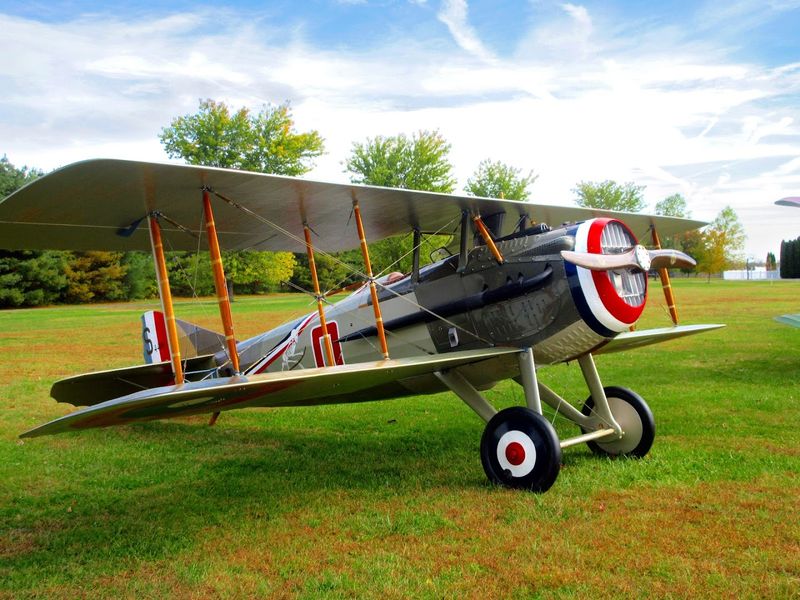
The airfield sits in a valley that gifts soft backdrops and workable light most afternoons. Start with shutter priority around 1 1000 for props, then dial slower to 1 250 to capture elegant blur.
Track through the subject and press gently, letting the prop trace smooth circles.
For ground shots, position near the threshold and wait for taxi turns that reveal pilot faces. A polarizer tames glare on vintage paint, while a small step stool helps you clear fences cleanly.
Keep your bag light, because when the horn sounds you will sprint for the flightline.
Respect ropes and stay aware of prop arcs while composing your masterpiece. Ask a volunteer if unsure, since they know where safe, photogenic access can be found.
After sunset, try a tripod near the hangars to catch golden bulbs glowing on wood and fabric.
Smartphone users should switch to burst mode and lock focus before panning. Lens hoods beat stray flare when the sun slides low behind the ridge.
Finally, wipe dust often, because grass fields share tiny particles that love screens and filters far more than you do. A microfiber cloth in your pocket saves edits later.
Trust timing.
Volunteers, Stories, and Living History
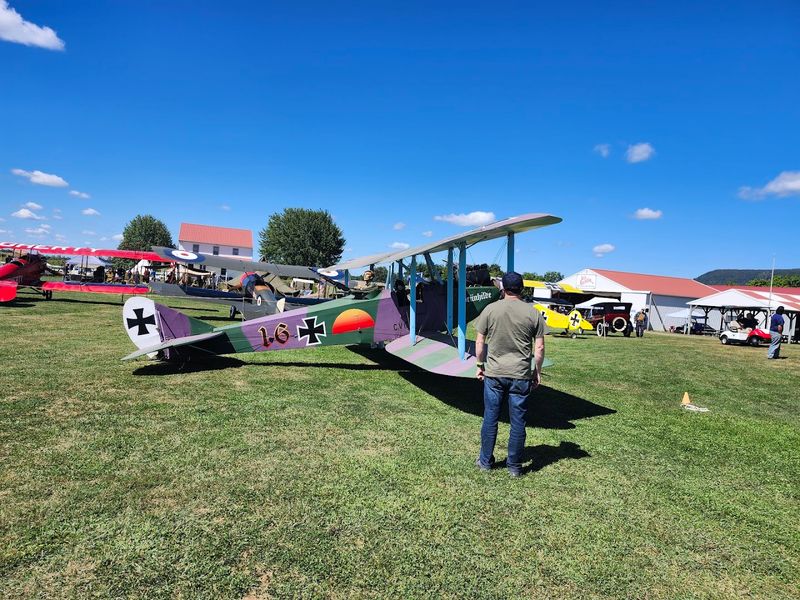
The best displays here walk and wear name tags. Retired mechanics, current pilots, teachers, and tinkerers spin yarns that pull you straight into 1918.
Listen for the quiet pride when someone points to a plane and says they helped stitch that wing.
If you have a question, ask it, then wait. Answers arrive with context, humor, and sometimes grease under fingernails.
Questions about engines often summon a short field trip to the corner where cutaways sit ready.
On event days, living history reenactors add texture with uniforms, period slang, and etiquette. Ask for photo etiquette before posing with gear, and thank them for the time.
They bring grace to the noise, reminding everyone that these were once the newest machines on Earth.
If the place feels like a community hangout, that is accurate, because it runs on volunteers and memberships. Consider joining, even if you live a state away, since newsletters and return trips keep the spark lit.
Your support keeps fabric tight, fuel in tanks, and stories flying for the next kid. Say hello, learn a name, and you might leave with a tip about the next engine run.
Good manners open the best doors.
Practical Details: Hours, Tickets, and Getting Here
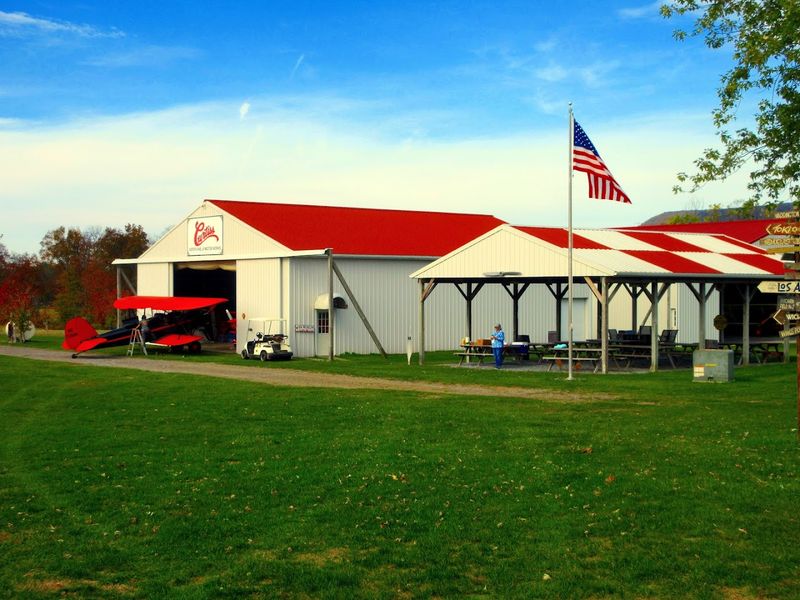
Hours focus on weekends, with Saturday 10 to 4 and Sunday 11 to 4 posted, so plan a morning start. The museum is closed Monday through Friday most weeks, and Thursday is also quiet.
Call +1 717 933 9566 or check the website before you roll, especially in shoulder seasons.
Admission is reasonable, with guided tours and ride tickets priced separately during special events. Cash speeds small purchases at the food shack, but cards may work in the shop.
Directions are easy off I 78 to Bethel, then Airport Road takes you to the grass strip and hangars.
Parking sits on gravel with attendants during bigger weekends, so arrive early for shade. Pack water, hats, and ear protection, then verify that pets are leashed before stepping onto the ramp.
Finally, bookmark the events page, because the calendar drives the magic here as much as the airplanes.
If you use maps, search Golden Age Air Museum and confirm the Bethel address at 371 Airport Road. Cell coverage is solid, which helps when friends arrive separately.
Keep expectations flexible, because weather calls the shots, and on the sunniest afternoons you will be rewarded. Good planning buys more prop time.