

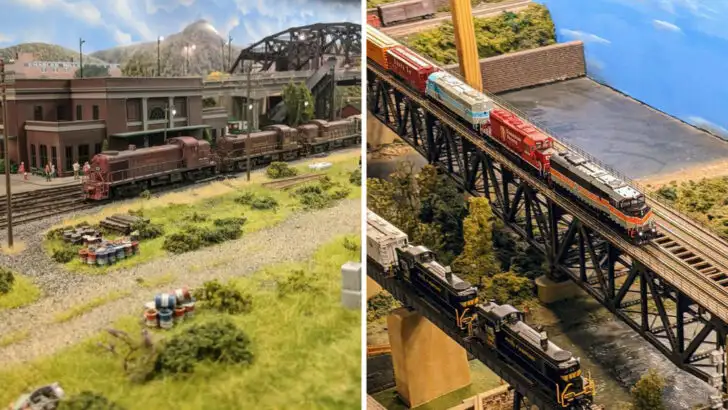
Tucked inside Bethlehem, Pennsylvania, a world of steel, signals, and scenery comes alive at Lehigh & Keystone Valley Model Railroad Museum, Inc. Step into a meticulously crafted HO scale universe where the Lehigh Valley’s golden rail era rolls by on perfectly timed schedules. Friendly volunteers share deep knowledge, while kids and grownups alike chase moving headlights through iconic towns.
If you love railroads, history, or jaw dropping miniature detail, this is the place that turns curiosity into pure wonder.
Essential Visitor Info and What to Expect

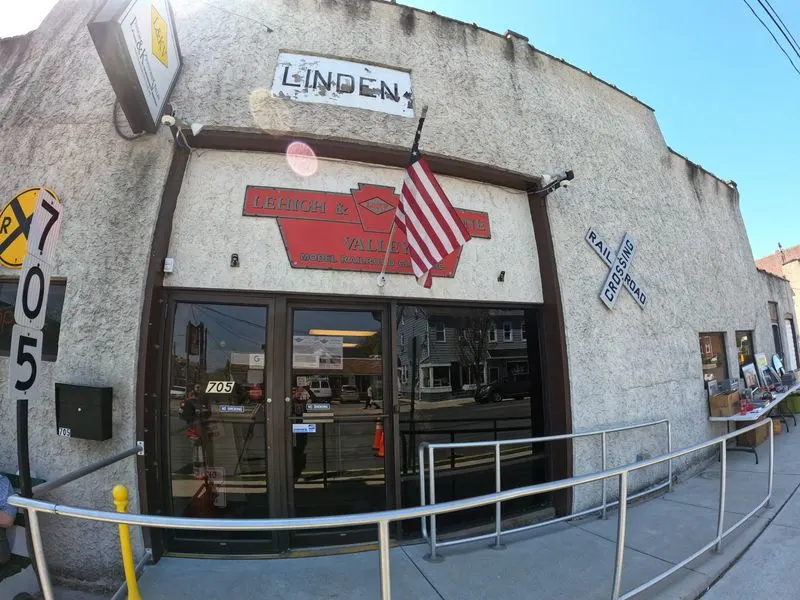
Start your visit at 705 Linden Street in Bethlehem, where Lehigh & Keystone Valley Model Railroad Museum opens its doors on select open house dates. Check the official website for current hours, ticketing, and seasonal themes, since the schedule runs mainly late September through early May.
Parking is straightforward, the building is clean, and staff welcome questions the moment you arrive.
Inside, you will circle the room following a route that mirrors the Lehigh Valley. The trains glide through steel mills, rivers, and towns, pausing at signals that actually work.
Plan at least one to two hours, because every corner hides new discoveries.
Expect plenty of families, hobbyists, and locals pointing out recognizable spots. Volunteers manage operations and answer technical questions about locomotives, scenery, and signals.
You will feel encouraged to slow down and study scenes you might otherwise rush past.
Bring a camera, but be courteous of others on busy days. Kids can press buttons during special events and search for Easter egg details.
If you leave inspired, ask about membership and volunteer opportunities, since the layout is always evolving and welcomes new energy.
The Layout’s Big Picture: A Miniature Lehigh Valley

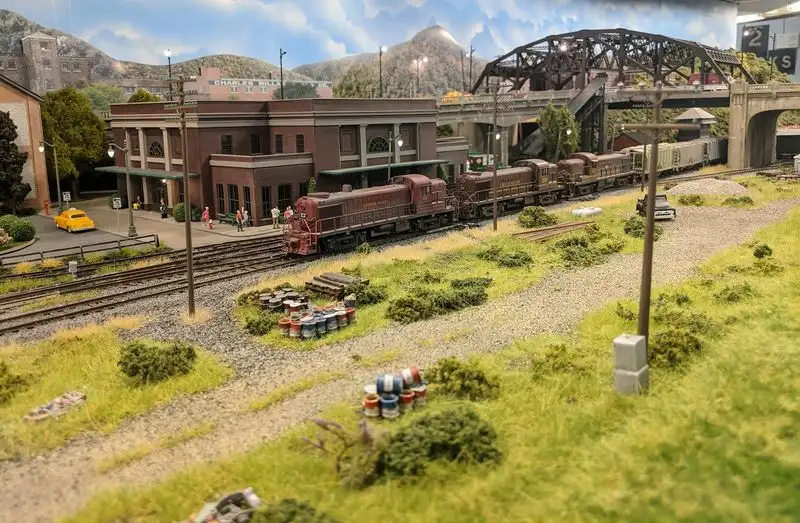
The museum’s HO scale layout recreates Allentown, Bethlehem, Easton, and Phillipsburg NJ, weaving a believable narrative of industry and community. You will trace routes along rivers, cross bridges, and watch freight snake through yards.
It feels like a living map, structured for flow yet dense with micro stories.
Scenes transition smoothly, so your eyes follow trains as landmarks shift from urban blocks to rolling hills. You will recognize Bethlehem Steel’s silhouette and cement plants that once defined the region’s economy.
It is regional storytelling done with ballast, track, and paint.
Lighting and sightlines create depth, guiding you to appreciate different elevations and angles. Trains disappear behind buildings and reappear across towns, giving the sense of real distance.
The result is a continuous loop that never feels repetitive.
Expect historical accuracy blended with modeler creativity. Volunteers refine scenes over years, referencing photographs and local memories.
If you have roots here, you will find familiar corners miniaturized with surprising fidelity and affection.
Era and Theme: 1950s to 1970s Railroading

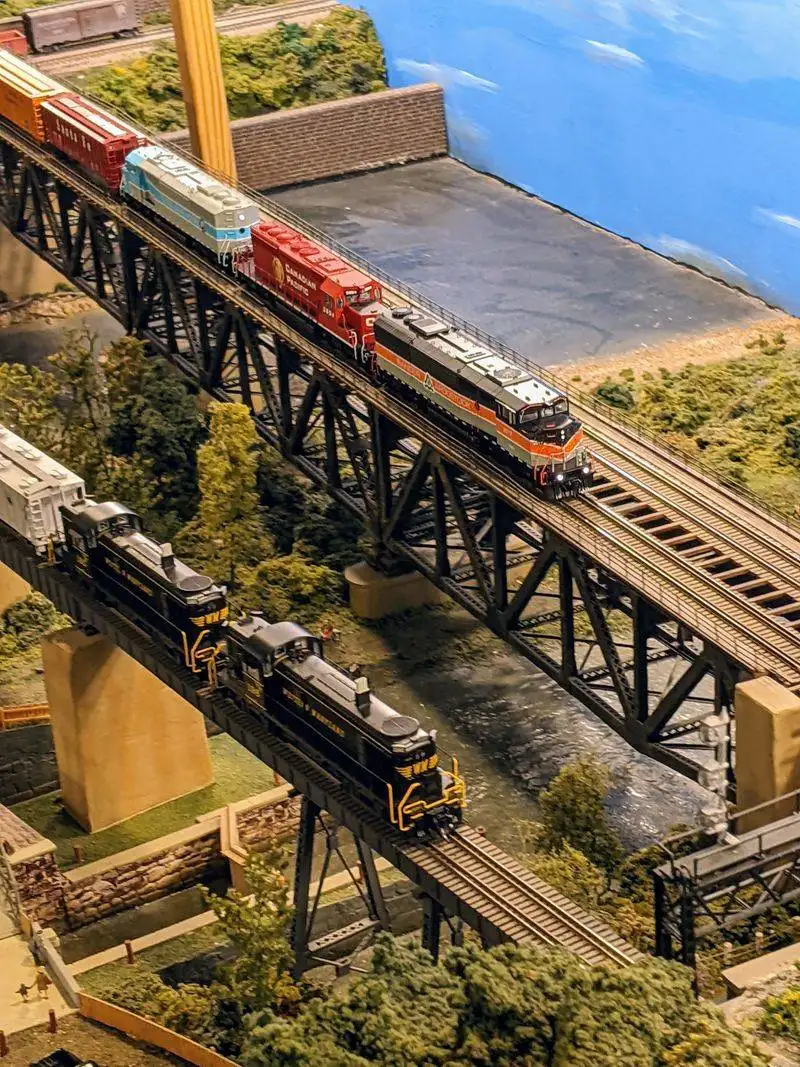
The layout lives mainly in the 1950s through 1970s, when steel making roared and freight yards thrummed. You will see first and second generation diesels, coal drags, and switching moves that match the period.
Street scenes, billboards, and vehicles keep the timeline consistent.
That era choice matters because it captures peak operations and the look of once mighty industries. Rolling stock markings and weathering mirror real railroads that served the valley.
Even the muted color palette feels like old film come to life.
Signals, depots, and trackside details reinforce the timeframe without turning it into a history lecture. You will notice humble homes, diners, and storefronts that anchor the human side of railroading.
The blend of commerce and community makes every train movement believable.
For younger visitors, it is an engaging way to visualize mid century America. For longtime residents, it is a memory lane with trains.
By focusing on a clear era, the museum delivers authenticity that deepens the story at every glance.
Signature Scenes: Bethlehem Steel and Heavy Industry

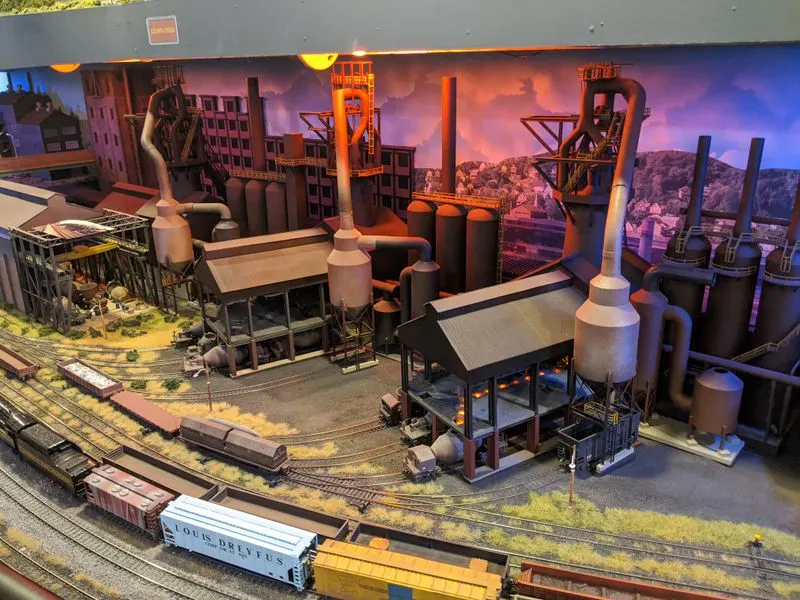
Bethlehem Steel commands attention, its furnaces towering over a lattice of tracks and sidings. You will spot mill cars, slag ladles, and switchers shuttling between shops.
The scene captures heft and heat, even without the fire.
Industrial textures are everywhere, from corrugated siding to rusted walkways. Pipes and conveyors connect buildings with purposeful logic.
Trains move raw materials in and finished products out, echoing real operations.
Nearby cement plants, coal facilities, and warehouses extend the industrial storyline. Rolling stock is weathered with care, so cars look worked, not toy like.
The choreography of switching moves invites you to linger longer than planned.
Photographers love the deep sightlines and layered backdrops. With careful angles, your pictures feel like full scale rail photography.
If industry shaped your family history, this corner will hit home.
Allentown Yards and Hump Operations

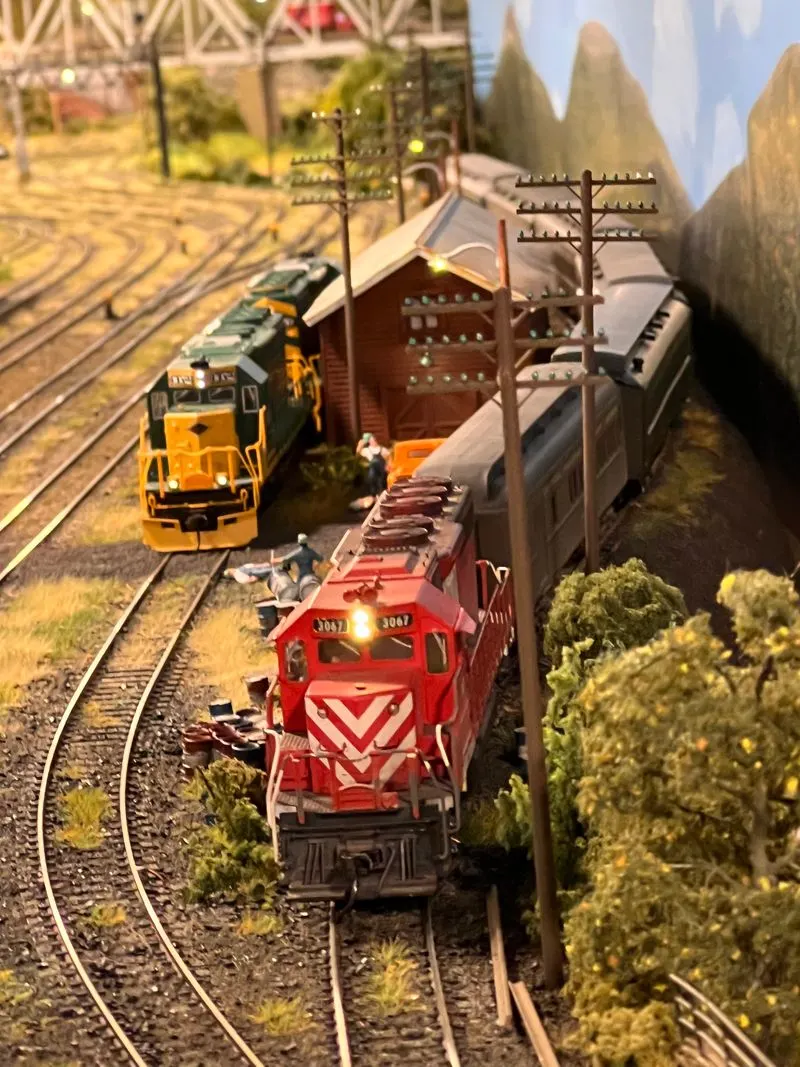
In Allentown, you will find a sprawling yard modeled with two operating hump yards. Strings of cars roll over the crest, then glide into classification tracks under the watch of a tower.
Yard switchers churn steadily, making the puzzle flow.
Car routing is thought through, so movements feel purposeful. Retarders and signals simulate real control, delivering an educational window into freight logistics.
Watching from above, you can trace a car’s journey from arrival to departure.
The scene shows why railroading is both art and systems engineering. Yard ladders, crossovers, and caboose tracks pack in technical interest for modelers.
For casual visitors, the motion and rhythm are simply mesmerizing.
Ask a volunteer about how operating sessions manage meets, blocks, and waybills. You will gain a new appreciation for the planning behind every seemingly simple shove.
It is living proof that rail yards are the unsung heart of the network.
Working Signal System and Operations

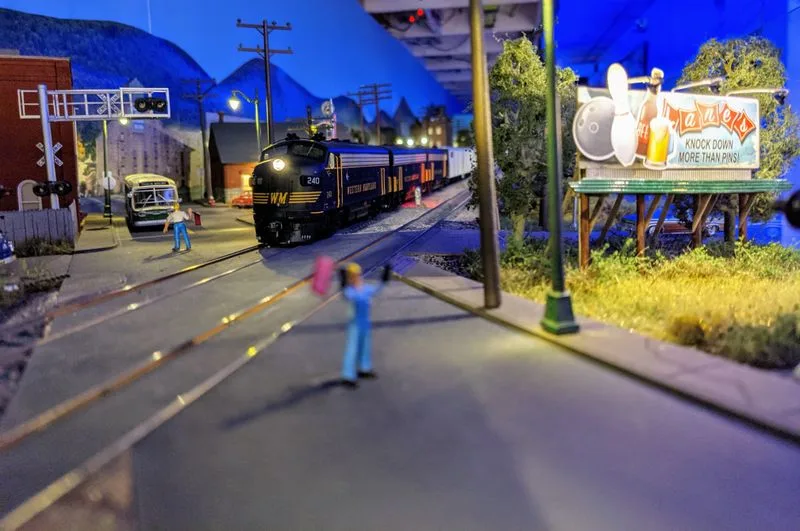
The museum features an operating signal system that trains actually obey. You will see aspects change from red to green, with trains slowing, stopping, and proceeding accordingly.
It turns a static display into living railroading.
Signals integrate with blocks, turnouts, and dispatcher logic, keeping traffic flowing smoothly. For kids, the lights are pure magic.
For hobbyists, it is a lesson in electronics, detection, and operations design.
Because the system is reliable, operations nights feel authentic. Crews coordinate meets and set priorities based on signal indications.
You can watch how one decision echoes down the line.
If you build at home, ask how they wired occupancy detection and interlockings. Volunteers enjoy sharing methods and parts sources.
You will leave with ideas you can scale to your own layout.
Kid Friendly Highlights and Family Tips

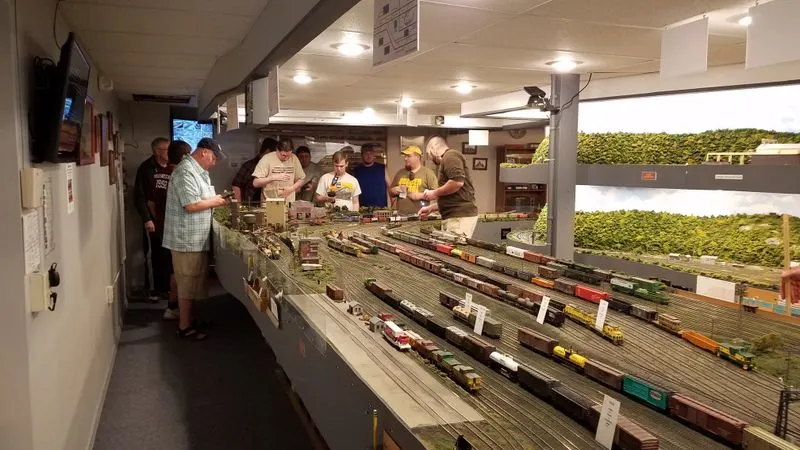
This place shines for families, with clean aisles, good sightlines, and friendly conversation. Kids love following trains nose to tail, especially when Thomas themed events roll in.
Staff make space at railings so little ones can see.
Plan a flexible schedule since open houses can be busy. Bring a step stool for smaller kiddos and a camera for reactions.
Button activated scenes sometimes pop up during special weekends.
Holiday season visits add festive touches that feel timeless without overwhelming the layout. You will also find small items for sale, ideal souvenirs for budding modelers.
The vibe is welcoming and low pressure.
Encourage kids to pick a favorite town and hunt details like dogs, diners, or station signs. That simple game transforms the walk into an adventure.
Before leaving, check the website for the next event so excitement continues.
Membership, Volunteers, and Community

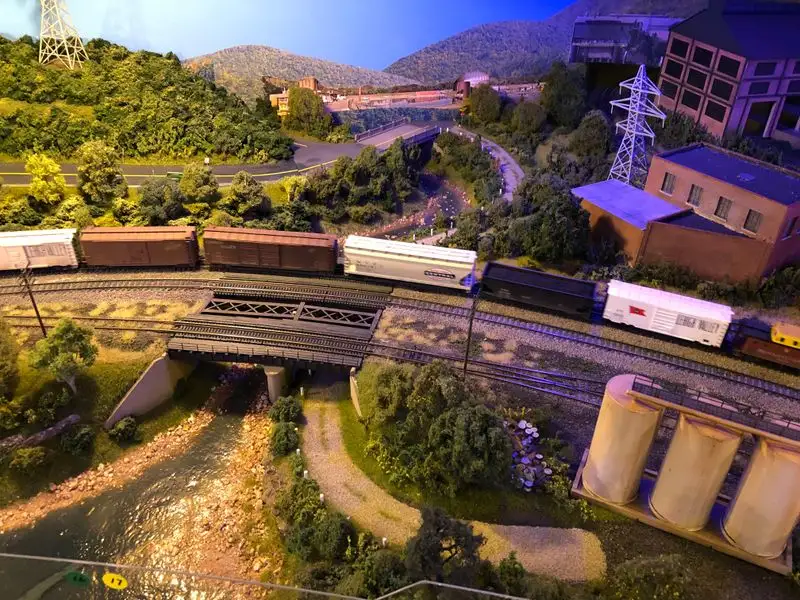
The museum thrives on volunteers who build, wire, and operate the layout over years. You will sense pride in every scene, from carved hills to carefully laid track.
Membership turns casual interest into meaningful contribution.
New members learn by doing, guided by veterans happy to teach. If you are handy with woodworking, scenery, or DCC, there is a place for you.
Even non technical roles like greeters and docents matter.
Community events connect the layout to regional history and rail heritage. Locals often share stories that become new modeling projects.
It is a cycle where memory sparks craftsmanship, which then invites more stories.
Ask at the front desk about joining or donating. Your support keeps lights on and signals green.
It also ensures future generations discover the joy of creative railroading.
Photography and Filming Best Practices
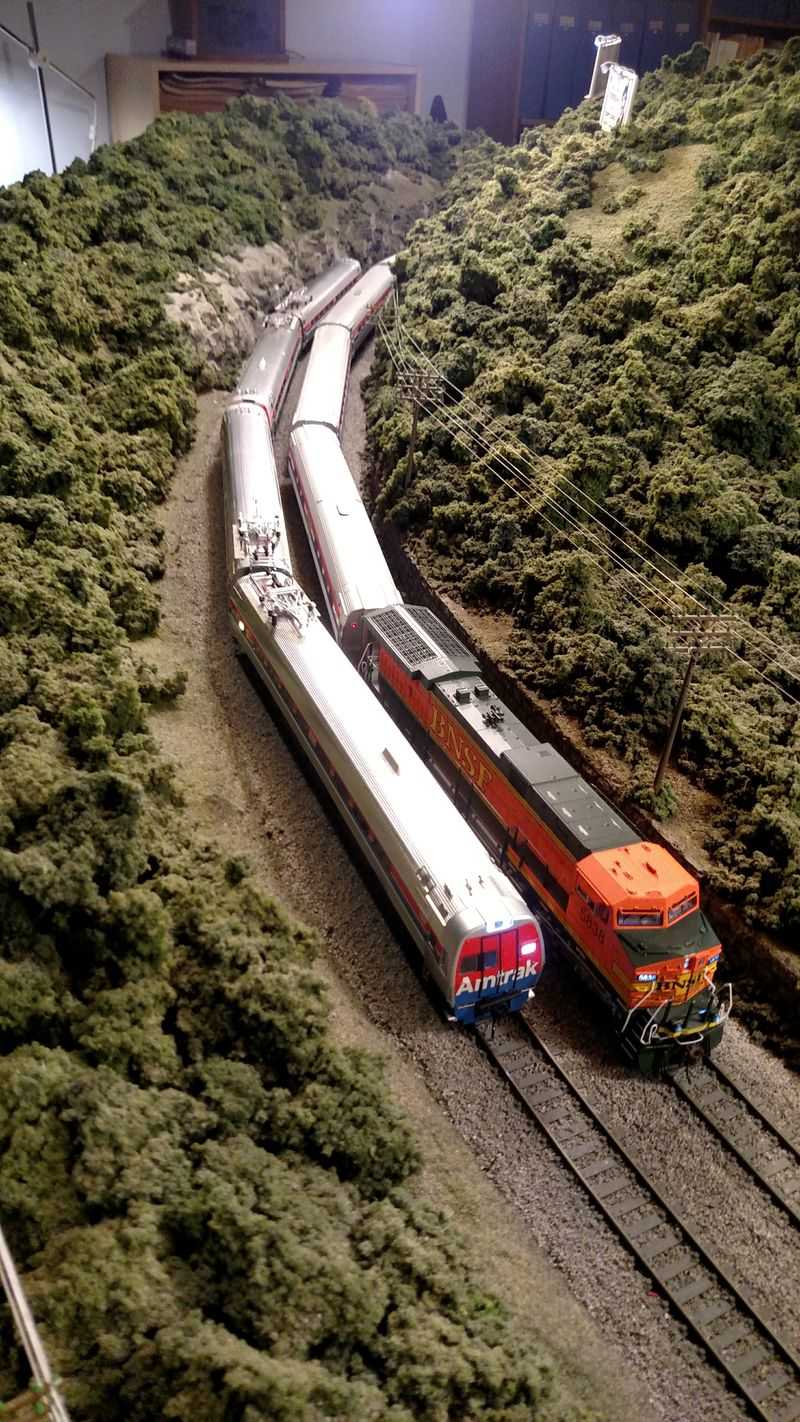
Photography here is rewarding if you plan your angles. Go low for locomotive eye level and use shallow depth of field to blur backgrounds.
Keep flashes off to avoid glare and be courteous around children.
Weekday or early open house slots often mean fewer crowds. A fast lens helps in low light, but modern phones do great.
Stabilize elbows on railings for steadier shots.
Try sequences: a train entering, crossing a bridge, then vanishing behind mills. Those three frames tell a complete story.
Consider short clips of signals changing and hump action.
Always follow staff guidance and never lean over scenery. If you post online, tag the museum and credit the volunteers’ work.
Your photos help spread the word and support future open houses.
Planning Your Trip: Hours, Tickets, and Nearby Stops
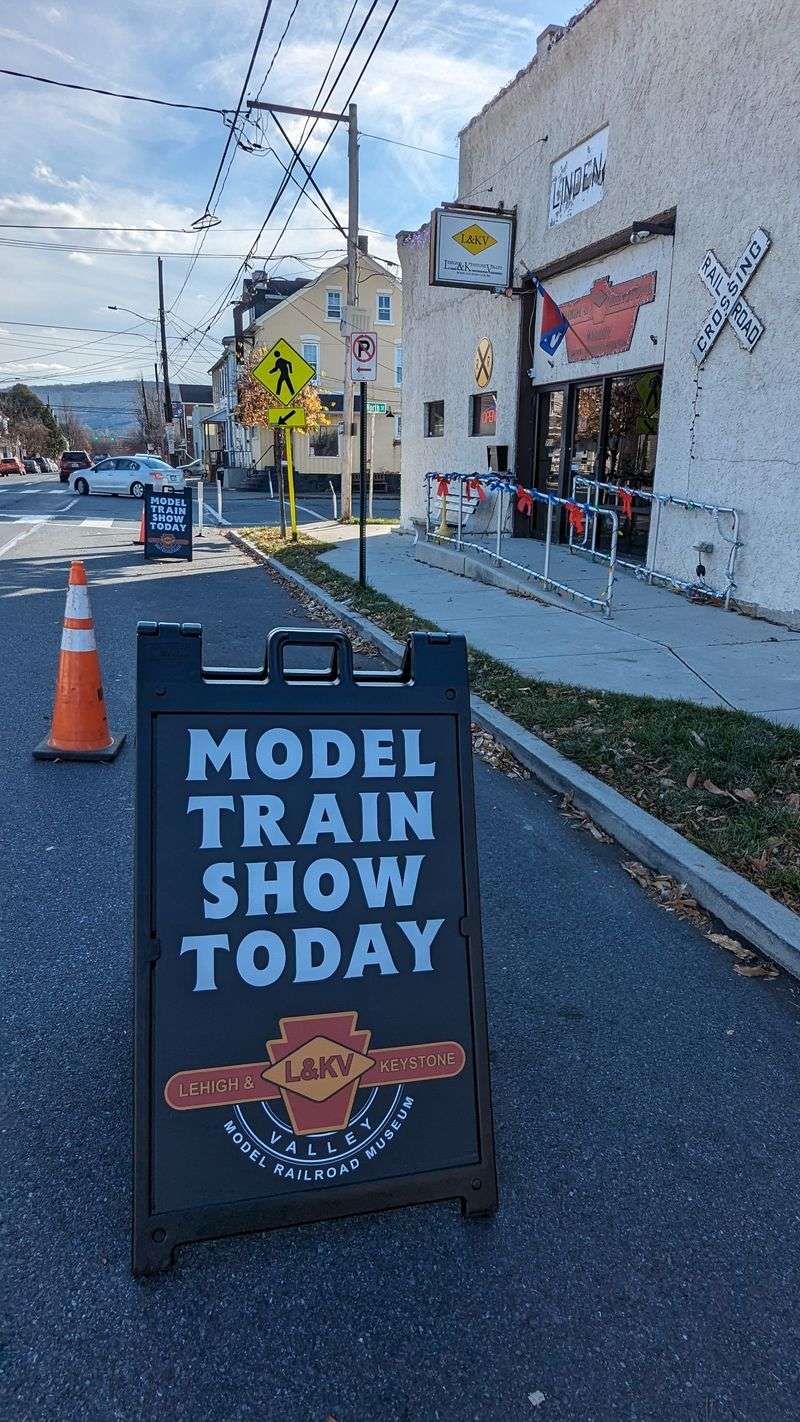
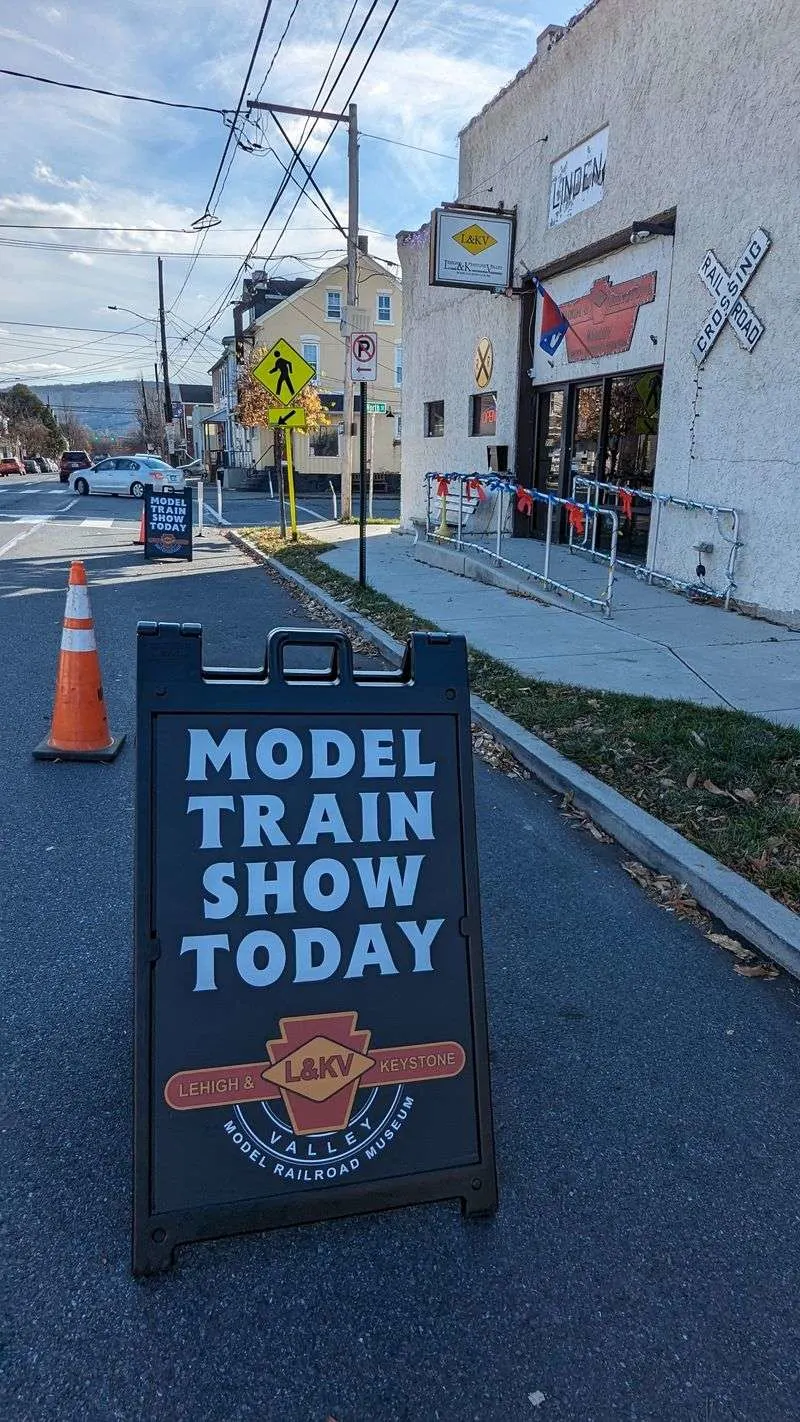
Before visiting, check lkvmodelrailroad.com for open house dates, hours, and online tickets. The calendar leans September through early May, with special seasonal weekends.
Calling ahead is helpful if traveling far.
The museum sits at 705 Linden Street in Bethlehem, close to downtown attractions and dining. Pair your visit with a walk by the historic steel stacks or a coffee nearby.
Families will appreciate straightforward parking and easy entry.
Budget an hour or two, longer if you love operations. Comfortable shoes help because you will slowly circle the room.
Light layers are smart for varying indoor temperatures.
Afterward, consider other regional rail sites or bike segments of the D&L Trail. You will recognize scenes you just saw in miniature.
It is a satisfying way to connect model and prototype in one memorable day.