Some stores don’t just sell things, they hold the memory of a community in their shelves, their floorboards, and their front porch.
Pennsylvania has its share of historic storefronts, but few have managed to stay open and stay authentic across more than 170 years of continuous operation.
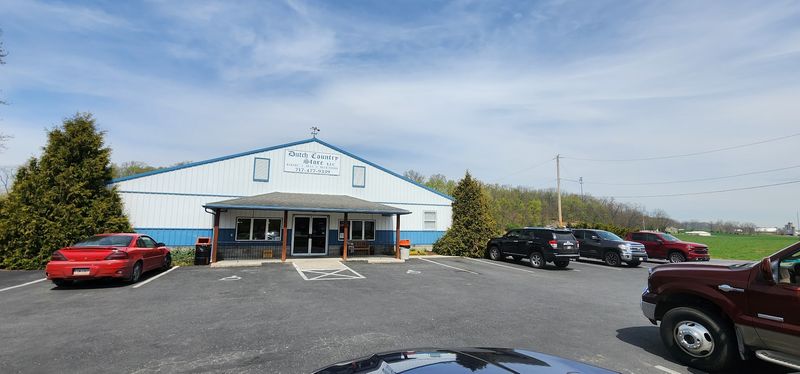
The Dutch Country Store LLC sits along Mooney Rd, Shippensburg in the quiet Cumberland County borough of Newville, looking very much the way it always has.
For road trippers and history lovers passing through central Pennsylvania, it’s the kind of detour that sticks with you long after the drive is over.
If you’ve ever wondered what a general store was really like before everything moved online, this is your answer.
A Front Door That Feels Like a Step Back
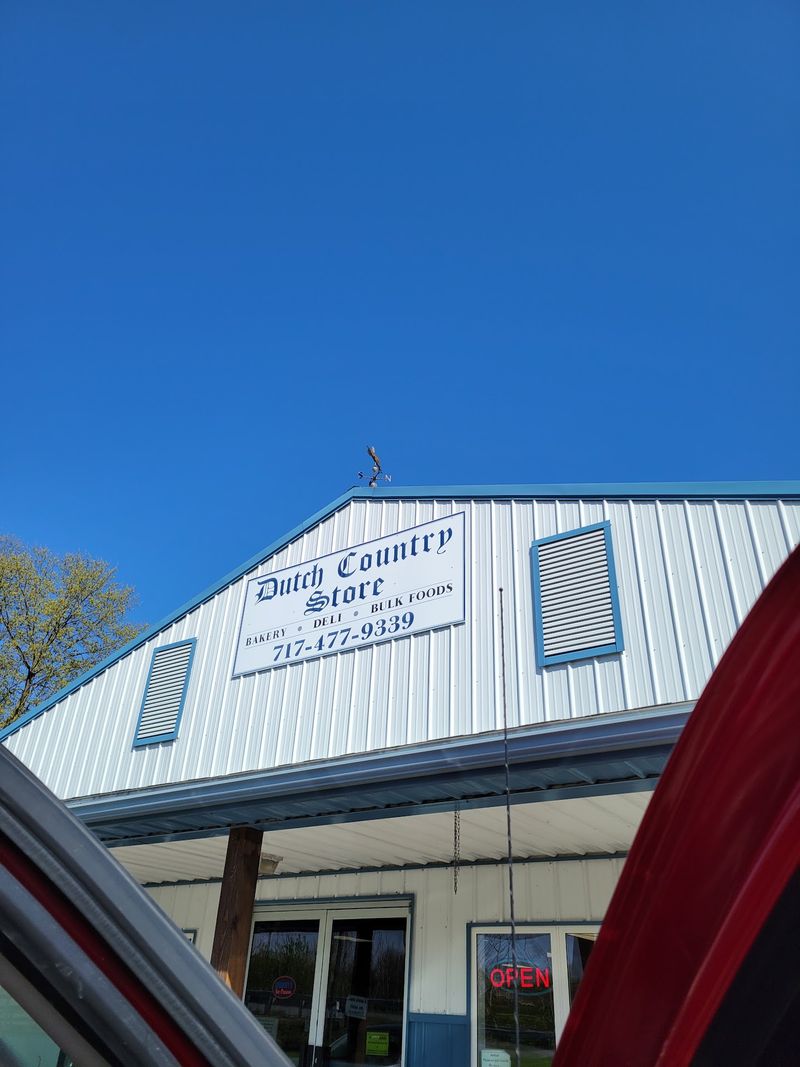
The first few seconds near an old general store can tell you plenty.
A plain doorway, a modest sign, and a street that moves at a slower pace all help set the mood.
For readers, that opening moment is the best way to introduce why a simple shop can feel more memorable than a busy chain store.
Newville General Store and More, located at 10 Mooney Rd, Shippensburg, PA 17241, carries the kind of small-town presence that makes people pause before going inside.
Its listed history reaching back to 2000s gives the story weight, especially because many local stores from that period have disappeared.
When writing about it, focus on how visitors may notice the scale first, since older stores were built for neighbors, errands, and friendly talk rather than giant parking lots.
A helpful tip is to frame the entrance as part of the experience, not just a way in.
Encourage readers to look at the street, the nearby buildings, and the shopfront details before shopping.
Those small clues make the visit feel connected to the past.
Shelves With an Old-Fashioned Rhythm
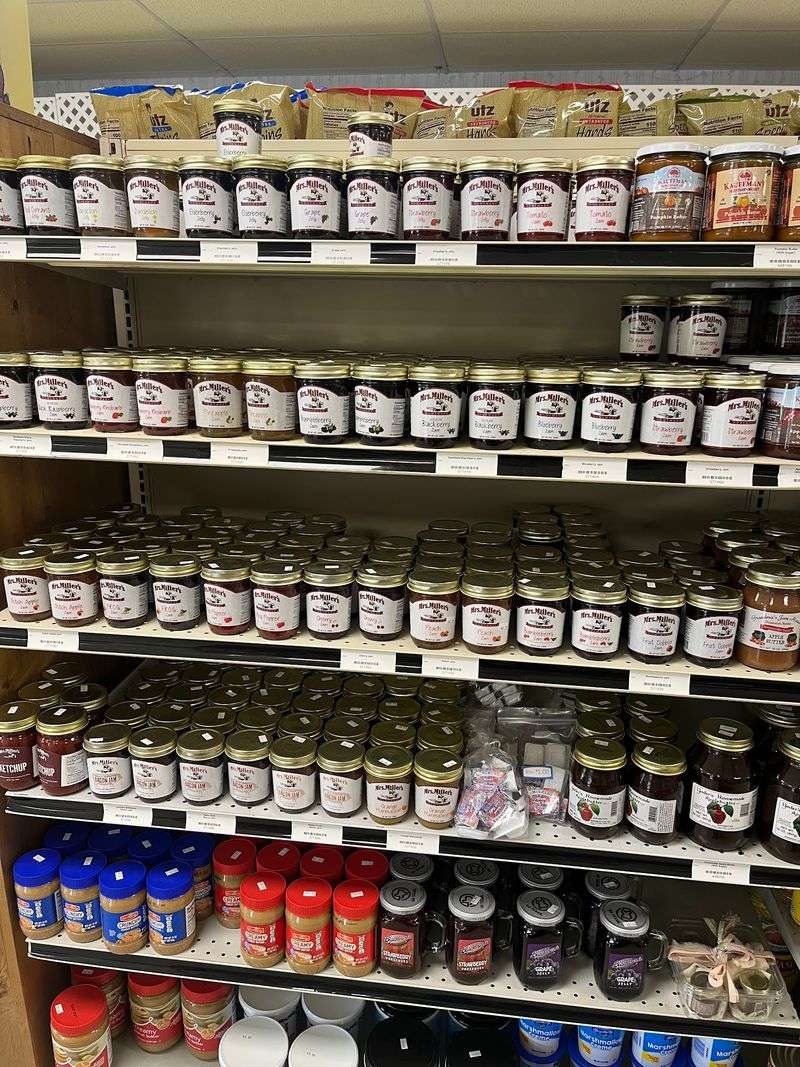
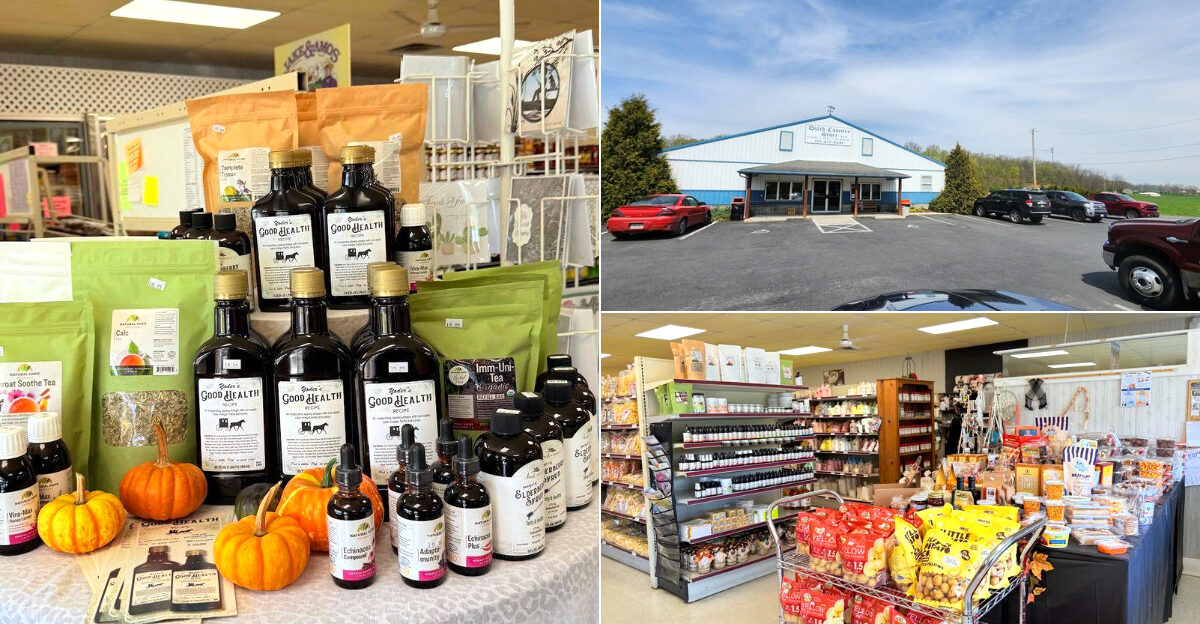
Rows of mixed goods can feel oddly comforting when they are not arranged like a big-box maze.
Older general stores often grew around what local families needed most, so the shelves might seem practical, personal, and a little surprising.
That uneven charm is part of the story.
A strong article section can explain how a general store traditionally served many roles at once.
It was a place for basic supplies, quick finds, local news, and simple conversation.
Shoppers did not always visit with a long list, because the store itself helped remind them what they needed.
For modern readers, point out that the appeal is not only what sits on the shelves.
It is the slower rhythm of looking around, noticing familiar items beside unexpected ones, and feeling less rushed.
If visitors come with patient eyes, they may enjoy the small discoveries more than any single purchase.
That is why a store like this works well in a travel story.
It shows that useful places can also hold memories, habits, and quiet local character.
A Small Store With a Long Local Memory
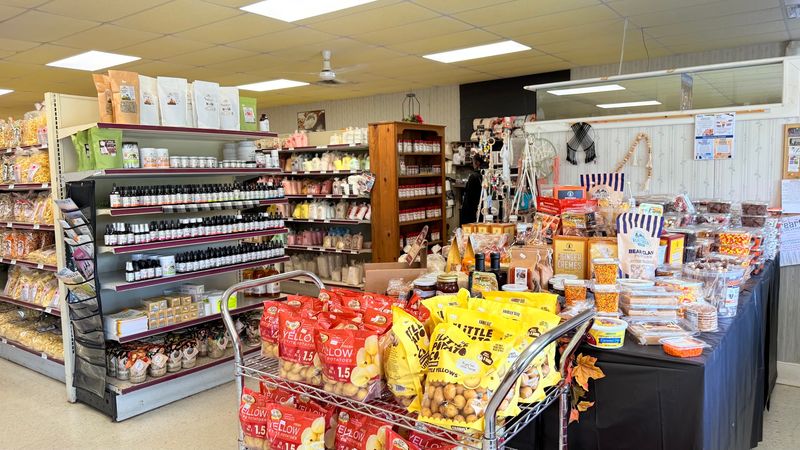
A business tied to the year 2000 naturally invites people to imagine horse-drawn wagons, handwritten lists, and neighbors trading news near the counter.
That history makes the store more than a stop for supplies.
It becomes a reminder of how daily life once worked in many Pennsylvania towns.
When building this section, keep the history simple and careful.
A general store from that era would have existed in a world where travel was slower and local businesses mattered deeply.
Families often depended on nearby shops for goods, updates, and a sense of connection.
Readers may appreciate a practical note here.
Old places can change owners, names, layouts, and stock over time, so the best way to discuss the past is to connect the store to the tradition it represents.
That makes the article honest while still giving the history room to breathe.
A good angle is to show how the store’s long timeline helps visitors think about ordinary people from earlier generations.
History is not only found in museums.
Sometimes it waits near a counter, a shelf, or a creaky floor.
The Kind of Place Where Time Slows Down
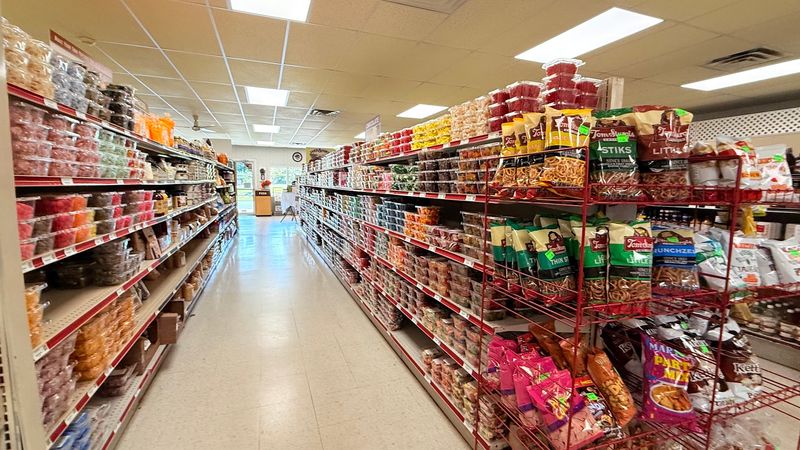
Not every visit needs to be packed with noise, speed, or a long receipt.
Part of the charm of an old general store is the way it can make a short errand feel slower.
That feeling is useful for a listicle because it gives readers an emotional reason to care.
Describe the pace as part of the attraction.
Instead of bright aisles stretching forever, a smaller shop invites people to notice details.
A counter, a display, an old fixture, or even the quiet between conversations can help create the sense that time has softened around the edges.
For visitors, the best advice is to avoid rushing.
Walk through the space with curiosity, and let the store show its personality bit by bit.
A quick stop may still be worthwhile, but a slower look can reveal the feeling behind the place.
Travel writing works best when it helps people understand how to experience a stop, not only how to find it.
Here, the experience is about patience, attention, and the pleasure of an unhurried moment.
Simple Goods, Real-World Usefulness
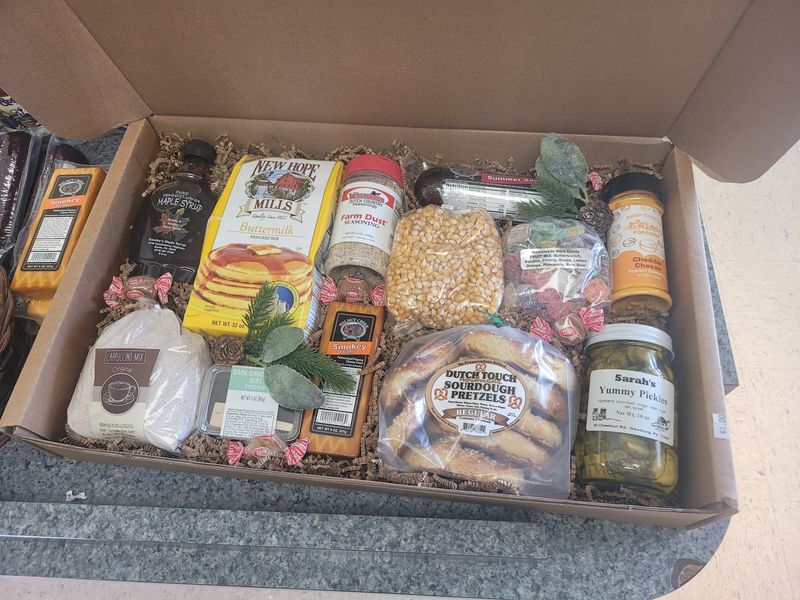
A charming store still needs to be useful, and that is where the general store idea earns its place.
The best small shops are not only pretty backdrops for photos.
They help people solve everyday needs without turning a simple errand into a long trip.
This section can explain the classic value of mixed merchandise.
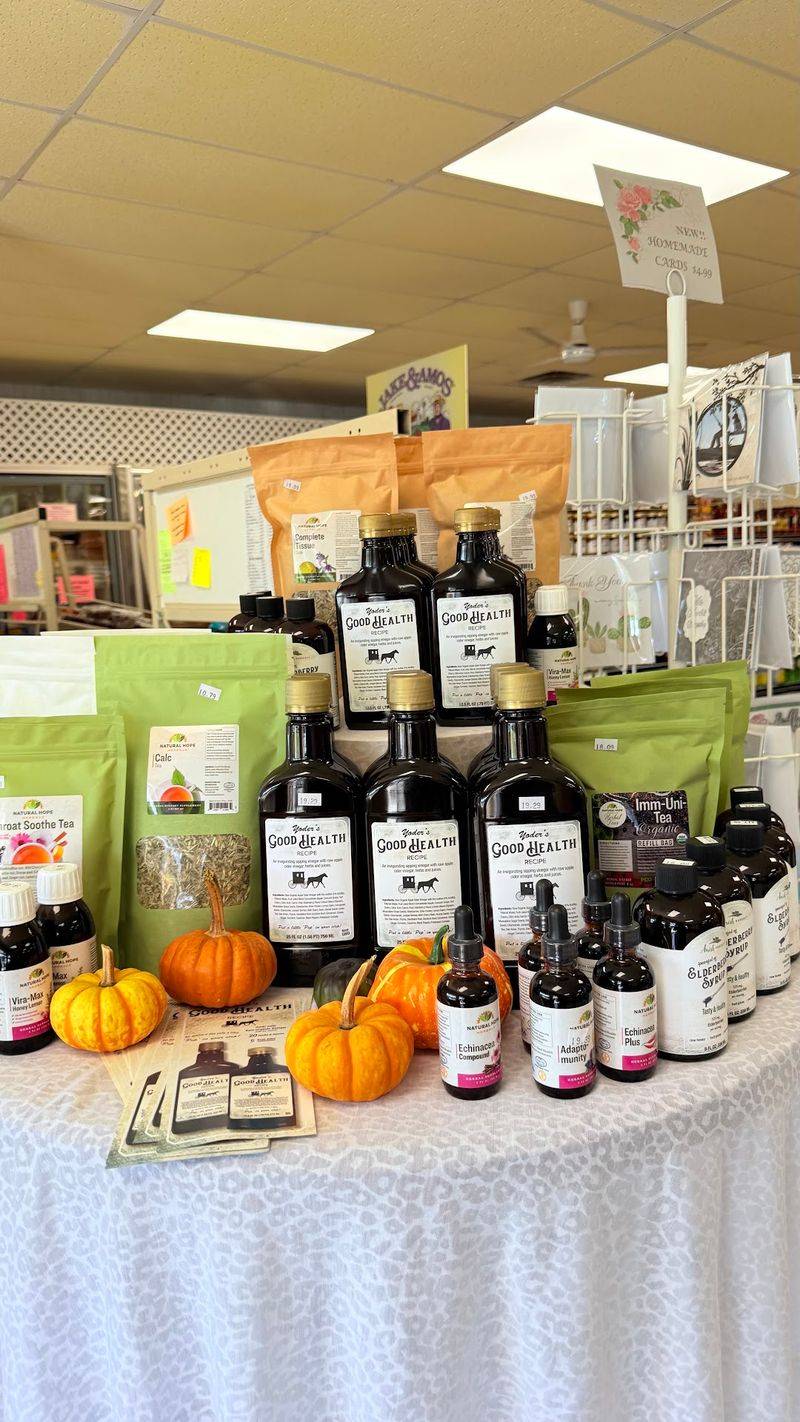
General stores often bring together small household goods, snacks, basic supplies, gifts, and other handy items under one roof.
That variety matters in a small community because convenience is not always about size.
Readers should know that stock can change, especially in independent shops.
A smart suggestion is to call ahead if someone hopes to find a certain item or wants to confirm hours.
The available phone listing makes that kind of planning easy and respectful.
At the same time, visitors should leave room for surprise.
Part of the fun is not knowing exactly what will catch your eye.
A practical shop with a personal feel can turn ordinary browsing into a small adventure, especially for travelers who enjoy local places more than polished tourist stops.
A Reminder of Neighborly Shopping
Before shopping became mostly self-checkout screens and online carts, many errands included a face-to-face exchange.
A general store keeps that older idea alive in a way readers can easily understand.
Even a brief stop can feel more human when the space is built for conversation.
Use this point to explore the social side of the store.
In small towns, businesses often become informal gathering places where people recognize one another, ask quick questions, or share local updates.
That does not mean every visit is long or chatty, but the possibility of connection is part of the appeal.
A helpful tip is to remind visitors to be courteous and patient.
Independent shops may run with fewer people than large retailers, and kindness goes a long way.
Ask questions politely, respect the pace of the business, and remember that local stores depend on steady community support.
For a blog post, this theme adds heart.
The store is not just about old walls or stocked shelves.
It is about the neighborly habits that once shaped daily shopping and still matter today.
Why It Belongs on a Slow Pennsylvania Drive
A quiet road trip becomes better when there is a stop that feels real rather than staged.
General stores fit that role beautifully because they connect travel with everyday life.
They give visitors a reason to leave the car, stretch, browse, and notice a town at sidewalk level.
This final section can place the store within the idea of slow travel in Pennsylvania.
Instead of rushing from one major attraction to another, readers can build a route around small communities, local shops, and historic streets.
That style of travel rewards attention more than speed.
Suggest pairing a visit with a relaxed walk nearby, a check of local history, or a simple snack stop if available.
The goal is not to turn the store into a grand destination with oversized promises.
Its value comes from being modest, old-fashioned, and rooted in place.
For readers who enjoy hidden corners of the state, that may be exactly the point.
A store with roots reaching back to 1850 offers something rare today.
It gives modern shoppers a brief, friendly glimpse of a slower Pennsylvania past.