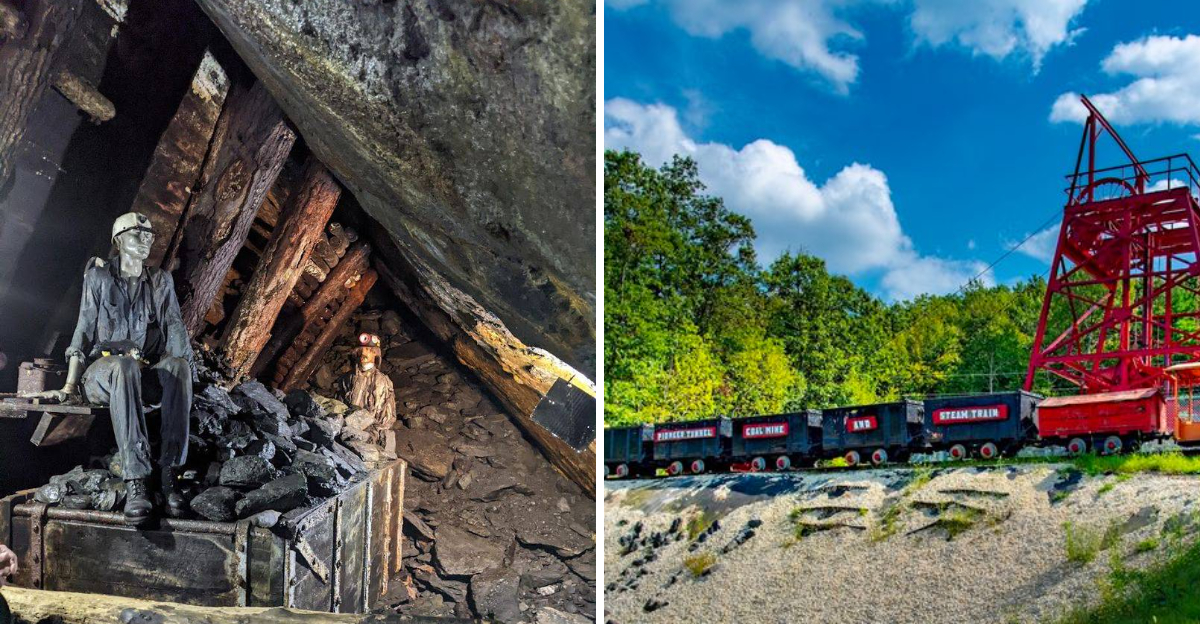
What if your next train ride took you straight into a mountain?
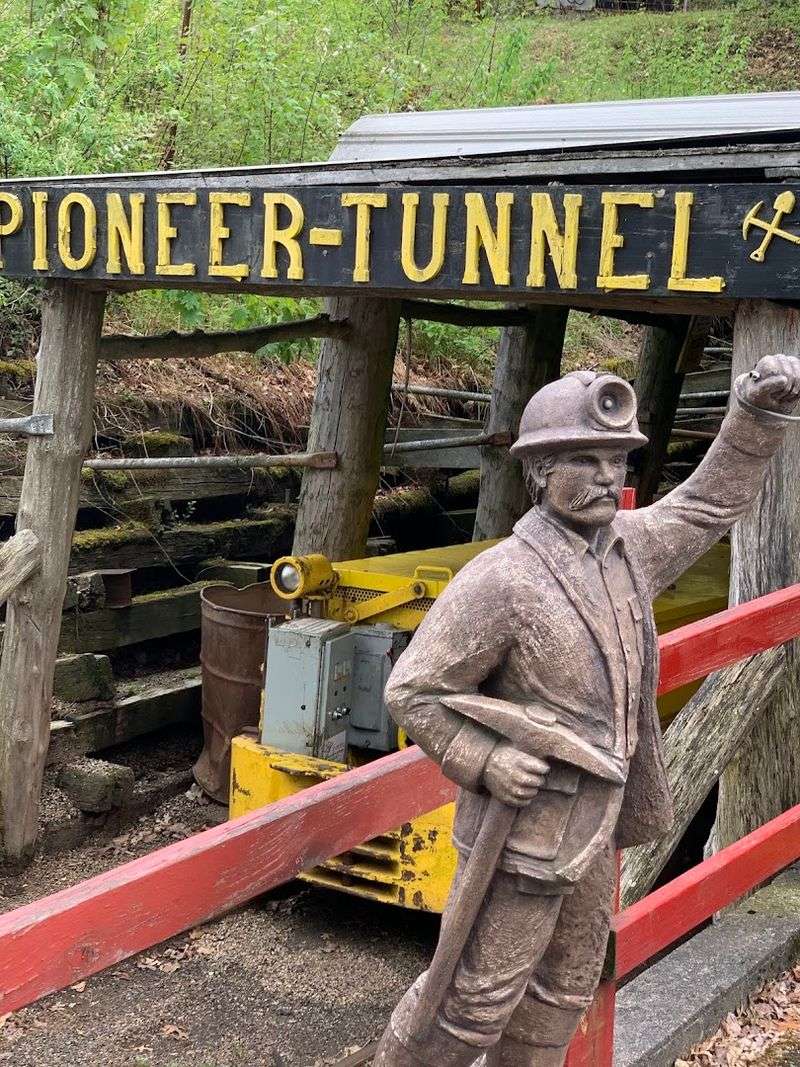
Deep beneath Mahanoy Mountain in Ashland, Pennsylvania, an old coal mine still opens its tunnels to curious visitors. At Pioneer Tunnel Coal Mine, you can climb aboard a mine train and travel into the darkness, following the same underground paths once used during Pennsylvania’s coal-mining days.
Then comes the steam train.
A vintage locomotive rolls through the countryside, adding another unforgettable chapter to the story of anthracite coal and the communities built around it.
You’ll see the rugged world miners knew, hear stories of the work that happened below ground, and get a glimpse of the industry that helped power America.
This isn’t a history lesson behind glass. It’s a journey into the mountain.
A Real Anthracite Mine Hidden Beneath Mahanoy Mountain
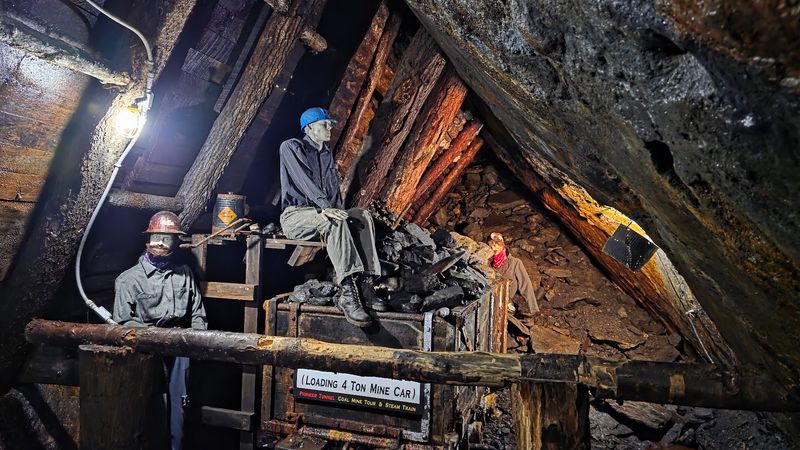
Most museums keep history behind glass cases, but Pioneer Tunnel invites you to walk right into it. This attraction sits inside a genuine anthracite coal mine that once operated beneath the mountains of Ashland, Pennsylvania.
Instead of reading about mining on display boards, visitors step into the very tunnels where workers once spent their days extracting coal from deep within the earth.
The mine environment feels dramatically different from the world above. Cool air flows through the passages, and the rock walls tell stories of the men who carved them out more than a century ago.
Anthracite coal, known as hard coal, was prized for its high heat output and low smoke, making it valuable for heating homes and powering factories across America.
Walking through these authentic tunnels creates a connection to the past that no recreated exhibit could match. The experience helps visitors understand why coal mining became such an important part of Pennsylvania’s identity and economy for generations.
The Mine Closed Decades Ago—But Its Story Never Did
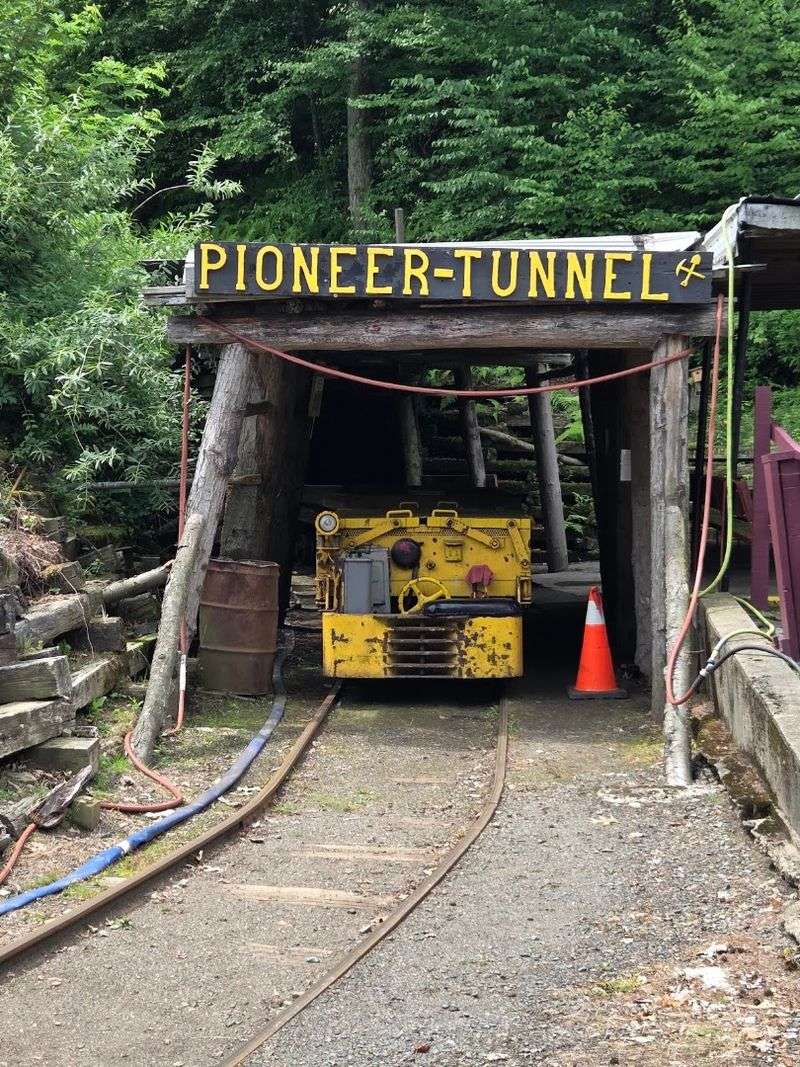
Back in 1931, the Pioneer Tunnel stopped producing coal and closed its underground operations. For three decades, the tunnels sat dark and silent beneath Mahanoy Mountain.
But in 1962, something remarkable happened—the mine reopened its gates, this time welcoming tourists instead of miners.
This transformation gave the community a way to preserve their heritage and share it with future generations. Many families in Ashland had fathers, grandfathers, and great-grandfathers who worked in the coal mines.
The decision to convert the tunnel into an educational attraction meant their stories wouldn’t be forgotten.
Today, thousands of visitors pass through annually, learning about the anthracite coal industry that defined eastern Pennsylvania for over a century. The mine stands as a living monument to the workers who risked their lives underground.
Their legacy continues through every tour that ventures into the mountain, keeping the memory of Pennsylvania’s coal mining era alive and relevant for modern audiences.
The Mine Train Carries You 1,800 Feet Into the Mountain
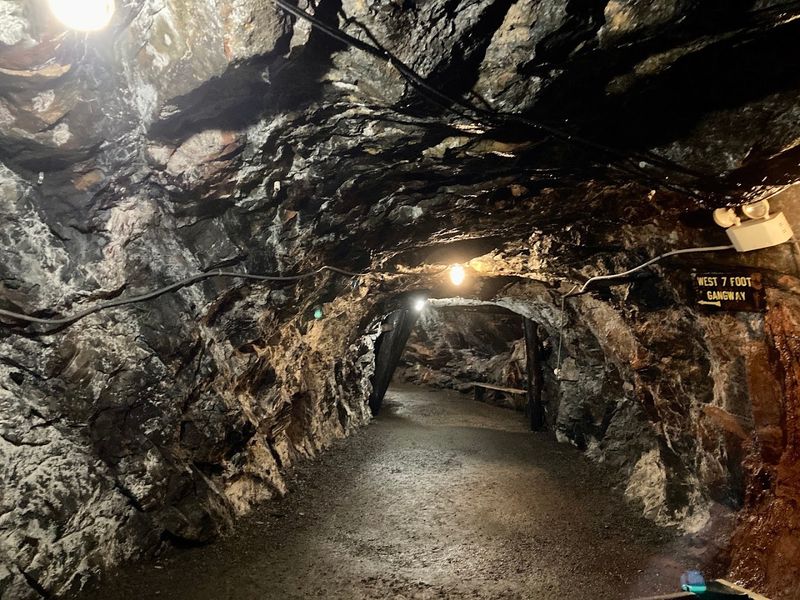
Your underground adventure begins the moment you board an authentic open-air mine car. A battery-powered motor pulls the train along the original tracks that miners once used to transport coal and equipment.
The journey stretches approximately 1,800 feet into Mahanoy Mountain, taking you far beyond what you can see from the entrance.
As the train moves deeper into the tunnel, daylight gradually fades behind you. The temperature drops noticeably, and the sounds of the outside world disappear completely.
This isn’t a quick peek into a mine entrance—it’s a genuine descent into the working heart of a coal operation.
The open-air design of the mine cars lets you see the tunnel walls passing by and feel the cool underground air. Riding these cars gives you a small taste of what miners experienced daily, though they faced much harder conditions.
The journey itself becomes part of the education, showing visitors just how far miners traveled to reach the coal veins they worked.
You’ll Go About 400 Feet Below the Earth
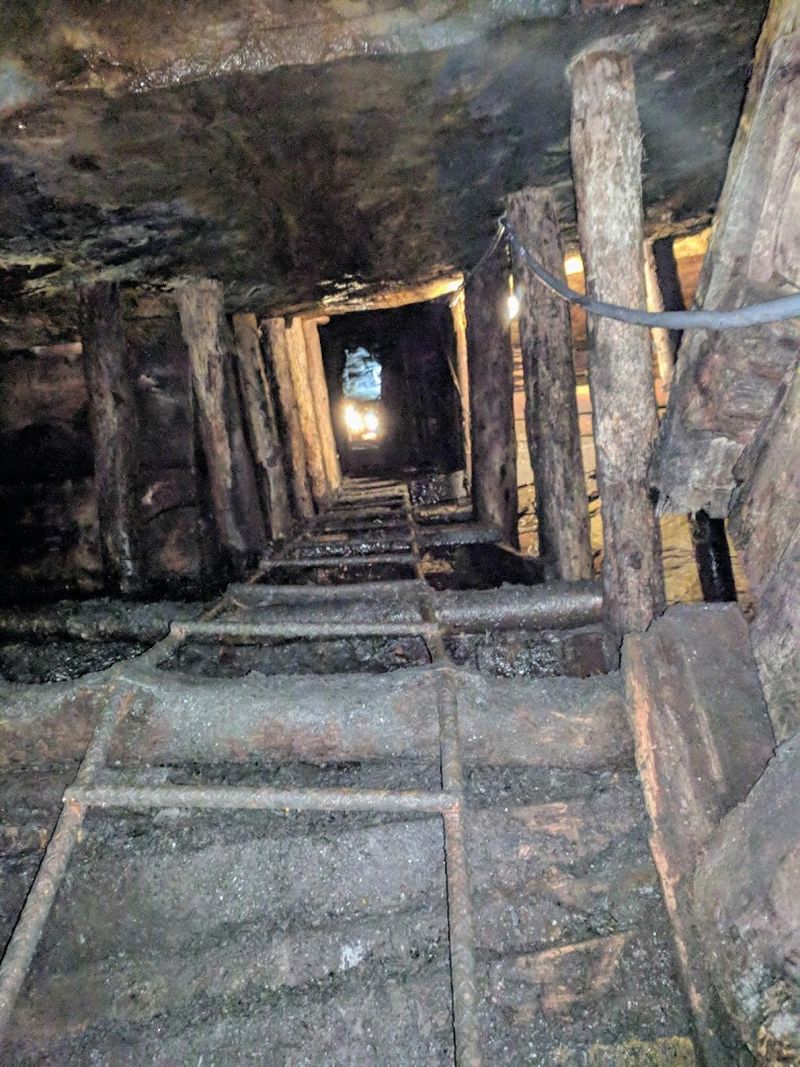
After the mine car ride, visitors step out and continue deeper with an experienced guide. At this point, you’re standing roughly 400 feet below the surface—about the height of a 40-story building, except you’re beneath the ground instead of above it.
The weight of all that rock and earth above creates an experience that’s hard to describe until you’ve felt it yourself.
The guided portion reveals details that would be impossible to appreciate from the mine car alone. Your guide explains how anthracite coal formed millions of years ago and how miners located and extracted it from deep within the mountain.
You’ll learn about the dangers they faced, from cave-ins to poor air quality, and the techniques they used to stay safe.
Standing 400 feet underground changes your perspective on mining work. The isolation, darkness, and confined spaces made this one of the most challenging jobs in American industry.
This firsthand experience helps visitors truly appreciate the courage and determination of the men who worked these tunnels.
Inside, You’ll See How Miners Actually Worked
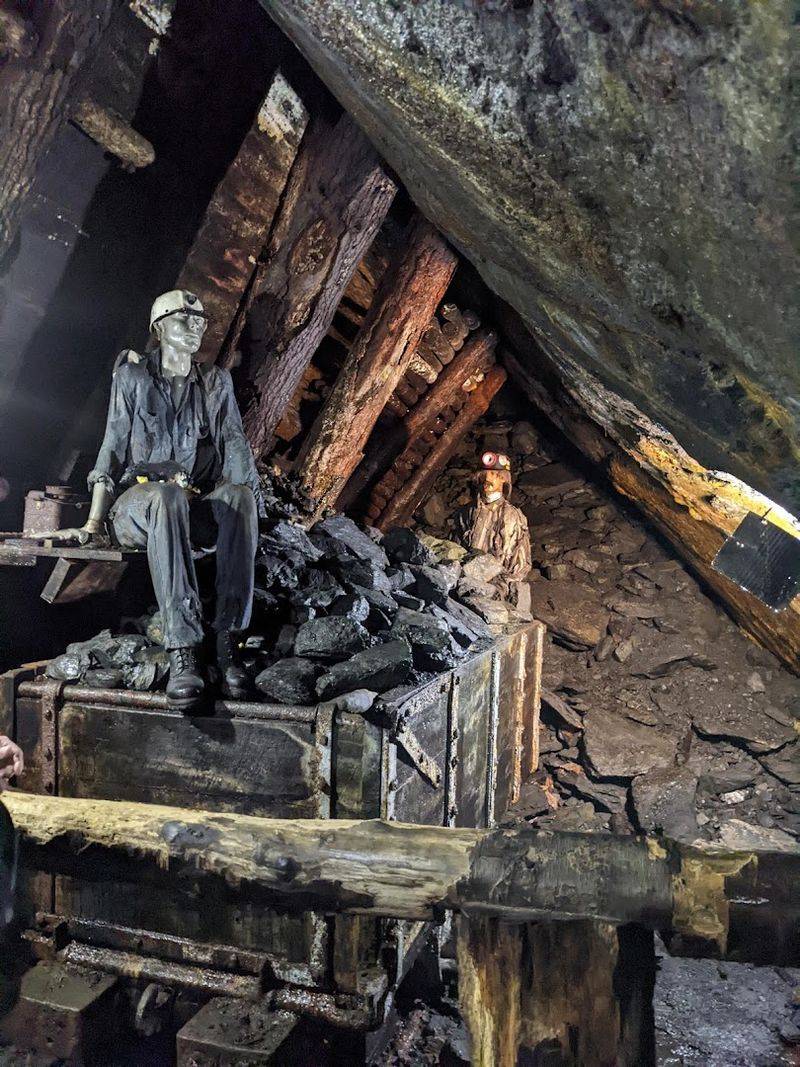
Standing inside the actual workspaces brings mining history into sharp focus. Guides point out the coal veins running through the rock and explain the geology that created these valuable deposits.
You’ll see the gangways that provided main access routes and the manways where miners climbed between different levels of the operation.
The chutes where coal was sent down to collection points still remain visible in the tunnels. Learning about mining methods from the late 1800s and early 1900s reveals just how physically demanding this work was.
Miners used hand tools and explosives to break coal loose, then loaded it into cars by hand—backbreaking labor performed in darkness, dust, and danger.
Rock formations tell their own stories about the immense geological forces that shaped this region. The tour demonstrates how miners read these formations to find coal and predict where veins would continue.
Every detail—from the height of the tunnels to the spacing between support beams—had a practical purpose that kept miners alive and productive.
The Steam Train Ride Adds a Completely Different Side to the Experience
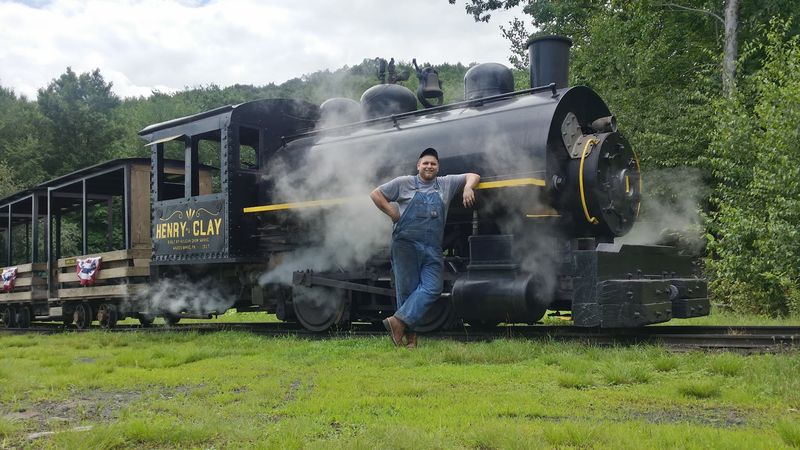
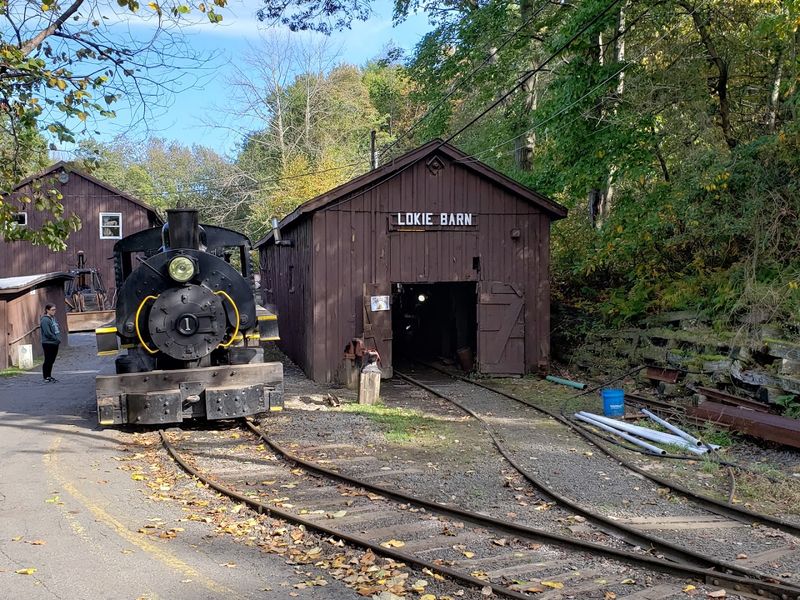
After exploring the underground mine, visitors can switch gears entirely by boarding a historic steam locomotive. This vintage narrow-gauge train, Lehigh Valley Coal Company No. 123, was built way back in 1927.
The scenic ride takes passengers around the side of Mahanoy Mountain, offering fresh air and mountain views after the underground tour.
The steam engine chugs along narrow tracks, releasing puffs of steam and the distinctive smell of coal-fired locomotives. Children especially love watching the engine work and feeling the rhythm of the wheels on the tracks.
The experience transports riders back to an era when steam trains were the primary way to move coal, people, and goods across Pennsylvania.
This half of the attraction shows the surface side of the coal industry. While the mine tour reveals where coal came from, the steam train demonstrates how it was transported.
Together, these two experiences create a complete picture of the coal mining operation, from extraction deep underground to delivery across the region.
The Historic Locomotive Once Hauled Coal, Not Tourists
Locomotive No. 123 earned its place in history through decades of hard work, not just good looks. Before it carried tourists, this steam engine operated at the nearby Park Place Colliery, where it hauled loaded coal cars from mines to processing facilities and rail yards.
The locomotive represents a crucial link in Pennsylvania’s anthracite coal network.
These narrow-gauge locomotives were specifically designed for coal mining operations. Their smaller size allowed them to navigate tighter curves and steeper grades than standard railroad engines.
The coal they transported fueled homes, factories, and other trains across the northeastern United States throughout the early 20th century.
Seeing this locomotive in action today helps visitors understand the transportation systems that made large-scale coal mining possible. Without railroads to move the product, mining would have remained a small local operation.
The preserved steam engine serves as a working reminder of how railroads and coal mining grew together, shaping Pennsylvania’s economy and landscape for generations.
The Mountain Views Reveal the Scale of Pennsylvania’s Coal Industry
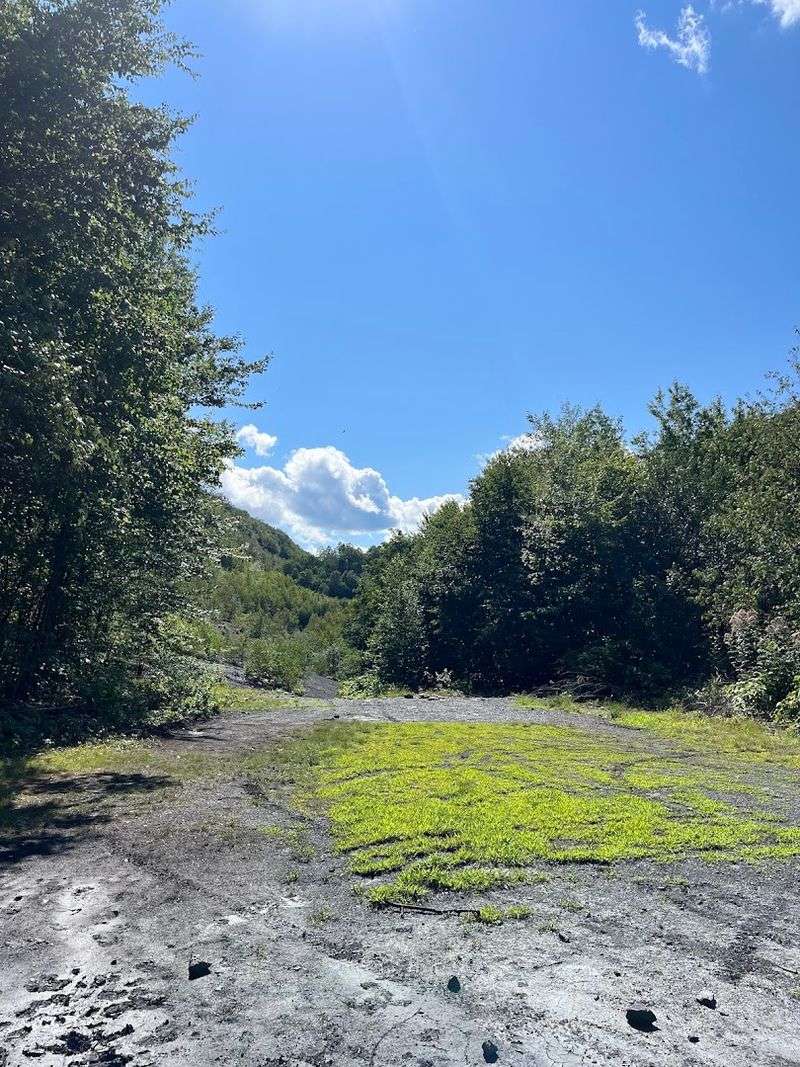
At the end of the steam train route, passengers can take in sweeping views of the surrounding landscape. From this vantage point, guides explain how coal mining transformed the entire region, not just what happened underground.
The visible scars of strip mining and bootleg operations tell stories about different eras and methods of coal extraction.
One remarkable feature visitors learn about is the Mammoth Vein, where an unusually thick seam of anthracite coal actually reached the surface. This exposed coal made early mining easier but eventually led to more aggressive extraction methods.
The landscape itself becomes a history lesson, showing where different types of mining occurred and how they changed the mountains.
These views help visitors grasp the enormous scale of Pennsylvania’s coal industry. Mining wasn’t just a few isolated operations—it reshaped entire mountain ranges and created whole communities.
Understanding this scope makes the personal stories of individual miners even more meaningful, connecting individual experiences to the massive industry that employed tens of thousands across eastern Pennsylvania.
This Is More Than a Train Ride—It’s a Look at a Region Built on Coal
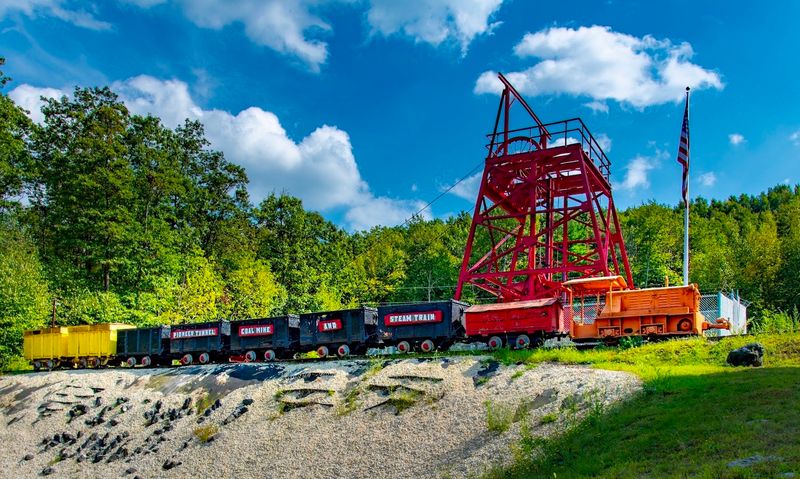
Pioneer Tunnel succeeds because it weaves together multiple threads of history into one cohesive experience. The mine tunnels, steam locomotive, mountain landscape, and stories of the miners all work together to explain why coal became so central to eastern Pennsylvania’s identity.
Mining wasn’t just an industry—it shaped where people lived, how towns developed, and what opportunities existed for generations of workers.
Communities throughout the anthracite region grew up around coal operations. Jobs in the mines supported families, schools, churches, and businesses.
Transportation networks expanded to move coal to markets. The industry influenced politics, labor movements, and immigration patterns as workers arrived from Europe seeking mining jobs.
Understanding this broader context makes the experience more meaningful than simply riding a train or touring a tunnel. Visitors leave with appreciation for how deeply coal mining influenced Pennsylvania’s development.
The attraction preserves not just equipment and tunnels, but the story of how an entire region’s economy, culture, and way of life revolved around what lay beneath the mountains.
What To Know Before You Go
Planning ahead makes your visit smoother and more enjoyable. You can reach Pioneer Tunnel at +1 570-875-3850 to check the current schedule and ask questions.
Tours operate on a first-come, first-served basis, so arriving 15 to 20 minutes before your preferred tour time is smart, especially during busy periods.
The underground temperature stays cool year-round, so bringing a light jacket or sweatshirt makes sense even on hot summer days. Comfortable, sturdy shoes are important because the steam train tour includes short walks over uneven ground.
The facility can accommodate visitors using non-motorized wheelchairs, though anyone with specific mobility concerns should call ahead to discuss any limitations.
Pets aren’t allowed on tours except for registered service animals. Pioneer Tunnel is located at 1900 Oak Street in Ashland, Pennsylvania.
If you have time, experiencing both the underground mine tour and the steam train ride gives you the complete story of coal mining in the region. This combination creates a fuller understanding of how coal was extracted and transported throughout Pennsylvania’s anthracite country.