Most car museums ask you to admire history from a respectful distance. The Simeone Foundation Automotive Museum in Philadelphia does something far bolder: it wakes history up and lets you hear it breathe through open exhaust.
Built from one surgeon’s lifelong obsession, this unflashy place holds some of the most important racing machines on earth and treats them like living athletes, not polished fossils. If you have ever wanted to feel motorsport history in your chest instead of just reading a plaque, keep going.
A Surgeon’s Obsession Became a World-Class Museum
What makes this museum unforgettable starts with the man behind it. Dr. Frederick Simeone was a Philadelphia neurosurgeon, but his other lifelong discipline was chasing the most important racing sports cars ever built.
After inheriting $8,000 and four cars in 1972, he kept building a collection with the patience of a scholar and the instincts of a true believer.
That obsession became the Simeone Foundation Automotive Museum, which opened in 2008 and eventually earned global recognition as the world’s top classic car collection. You can feel that this was never assembled for glamour or speculation.
It was built to preserve a complete argument about racing history, engineering progress, and the meaning of competition.
Walking through the museum, you are really walking through one person’s decades-long thesis. The miracle is that it never feels private or sealed off.
It feels generously shared, like Dr. Simeone wanted you to inherit the passion too.
Cars Here Are Treated Like Athletes, Not Statues
The museum’s guiding idea is called The Spirit of Competition, and you notice it immediately. These cars are not arranged as precious dead objects under theatrical lighting.
They are preserved as machines whose importance comes from what they did on the track and how competition pushed them to evolve.
That philosophy leads to active preservation, one of the museum’s most unusual strengths. Roughly 95 percent of the collection remains in working mechanical order, which means originality matters more here than over-restoration.
You are seeing racing cars with scars, purpose, and authentic presence instead of glossy rewrites of the past.
I love how radical that feels in a museum setting. Rather than freezing history, Simeone keeps it breathing, rolling, idling, and occasionally roaring.
You leave with the sense that a race car is only half understood when silent, because speed, vibration, smell, and motion are part of its biography.
The Collection Is Dense With Legends and Near-Unrepeatable Rarity
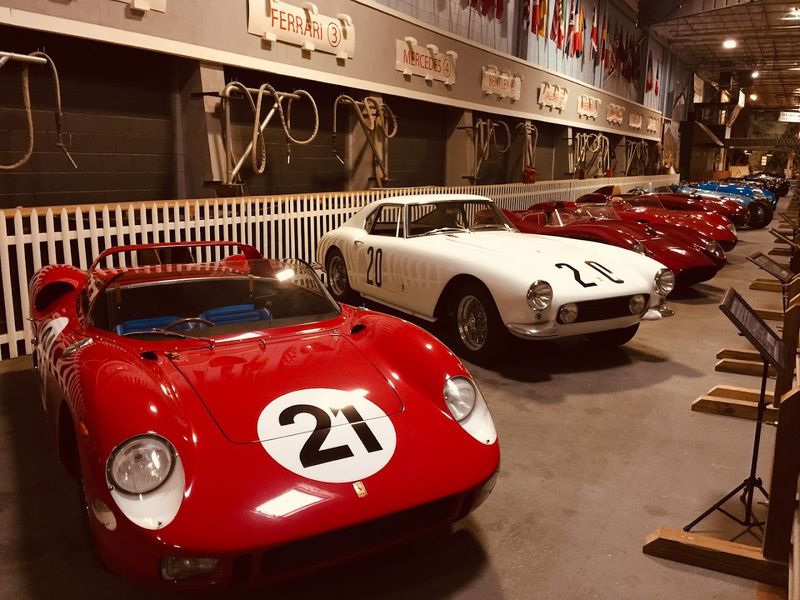
The headline number matters, but the real story is the quality. Simeone houses more than 75 historically significant cars, sometimes nearing 100 with special exhibitions, spanning the early 1900s through the mid-1970s.
Ferrari, Alfa Romeo, Bugatti, Mercedes, Bentley, Jaguar, Porsche, Aston Martin, Corvette, and Ford all appear, but pedigree is the point, not brand variety.
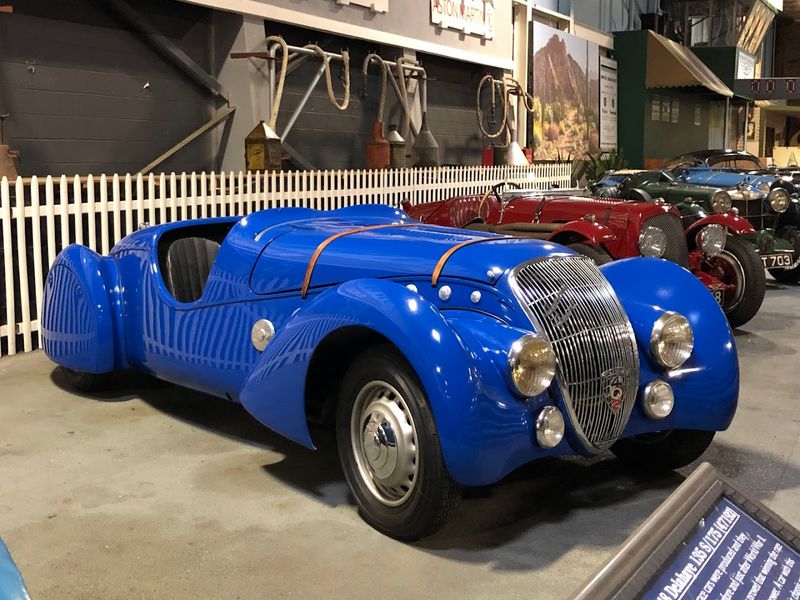
Nearly every car was chosen because it changed racing or represented a decisive leap in engineering. Many retain original bodies, which is astonishing when you consider how often important competition cars were modified, wrecked, or rebuilt beyond recognition.
This gives the museum a rare kind of authority that feels almost archival.
You are not just seeing beautiful survivors. You are standing near machines that redirected the sport itself.
That is why the collection feels different from a typical greatest-hits display. It tells a coherent story about invention under pressure, where each car answers the one that came before it.
Demo Days Turn the Museum Into a Full-Body Experience
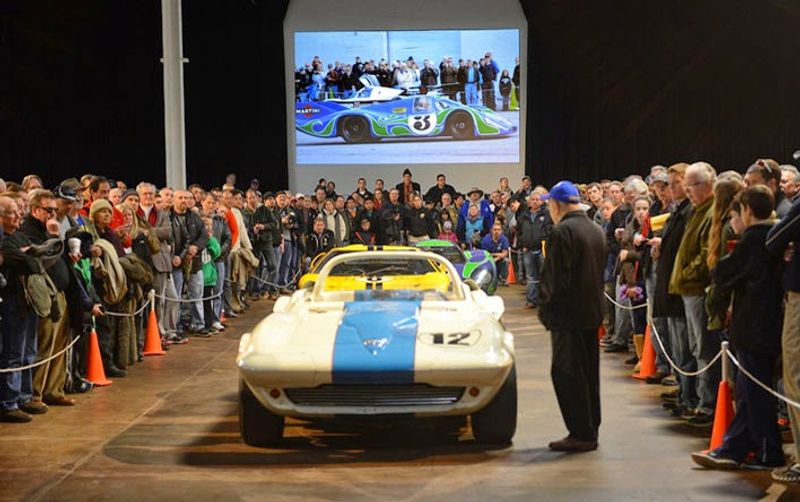
If you can time your visit for a Demo Day, do it. On the second and fourth Saturdays of most months, the museum moves from excellent to unforgettable as selected cars are started and demonstrated outside.
The schedule usually begins with an 11 a.m. scrutineering session, followed by historical presentation at noon and live running afterward.
This is where the place separates itself from almost every other museum in America. You do not just look at a Jaguar D-Type or a Porsche 917 and imagine the sound.
You hear the metallic bark, smell warm fuel and oil, and watch the car move with an animal confidence that static display can never deliver.
Even the crowd seems to change in those moments. People lean in, grin, and go quiet all at once.
It is part classroom, part ritual, and part shock therapy for anyone who thought museumgoing had to be gentle and hushed.
Landmark Cars Read Like a Hall of Fame With Teeth
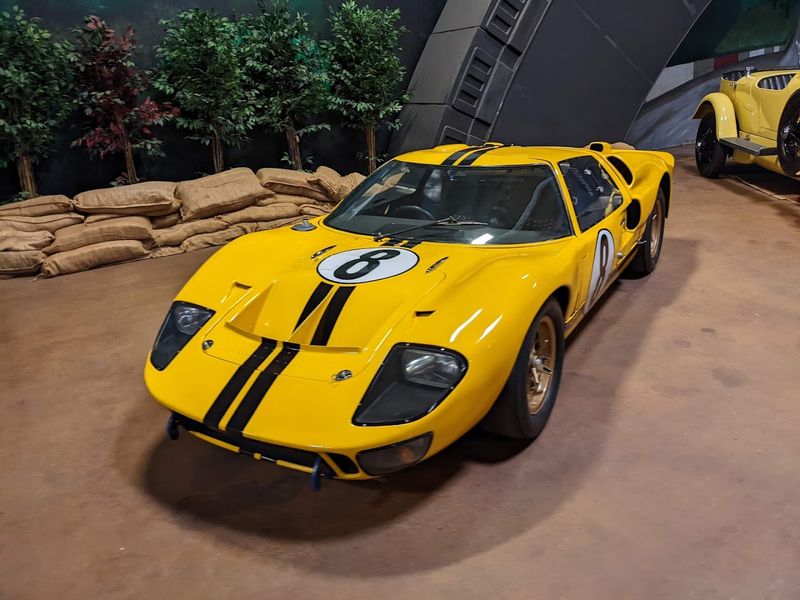
Some museums have one or two stars and a supporting cast around them. Simeone feels more like a compressed hall of fame where the supporting cast would headline almost anywhere else.
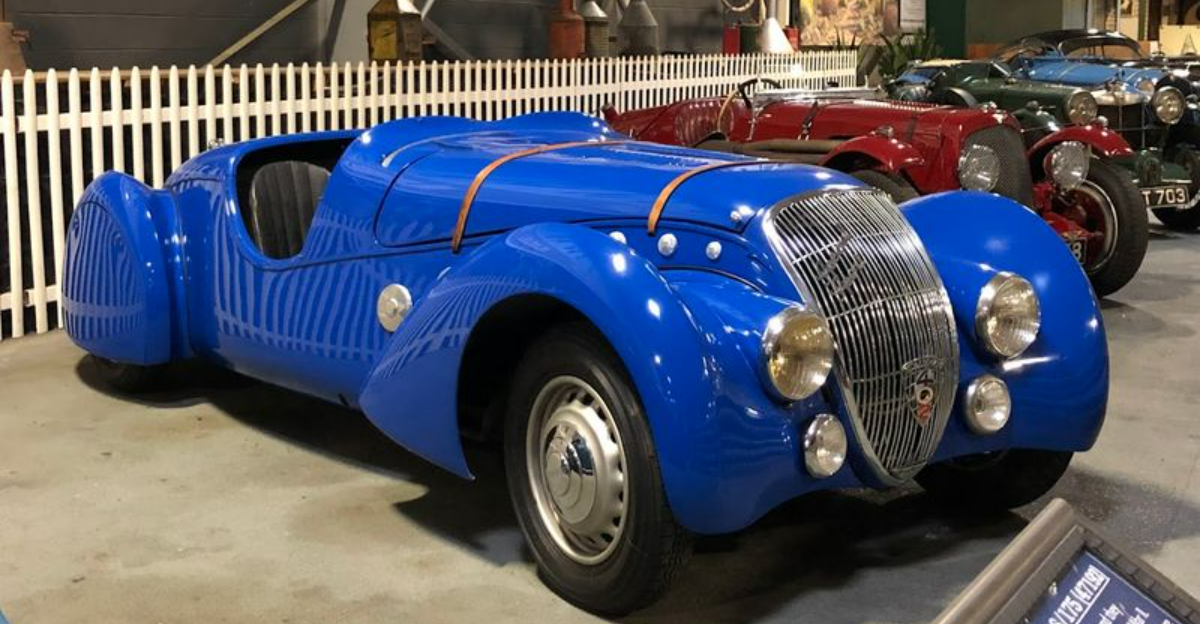
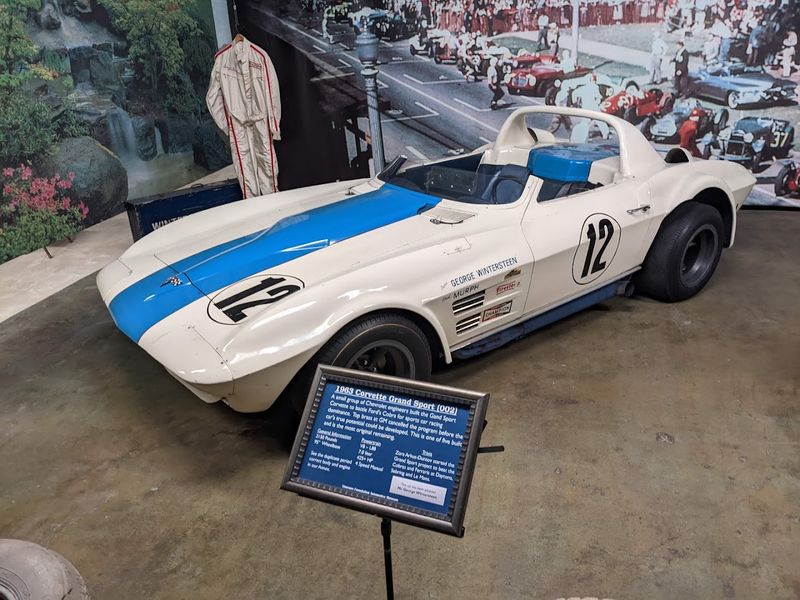
Among the standouts are the Porsche 917 variants, Ferrari 250 Testa Rossa, Jaguar D-Type, Ford GT40 Mk II, Shelby Daytona Coupe, Bugatti Type 57G Tank, and remarkable Alfa Romeos.
The Alfa Romeo 2900 B is especially staggering, often described as the rarest car in the collection and one of the finest prewar sports racing cars ever created. The museum’s holdings are not random trophies.
They represent pivotal ideas, aerodynamic breakthroughs, endurance heroes, and machines tied directly to major victories and legendary drivers.
You do not need to memorize race results to feel their gravity. Each car seems to carry a charge of consequence.
Together they create the unnerving impression that automotive history briefly gathered itself into one warehouse near the Philadelphia airport.
The Building Is Plain, and That Is Exactly Why It Works
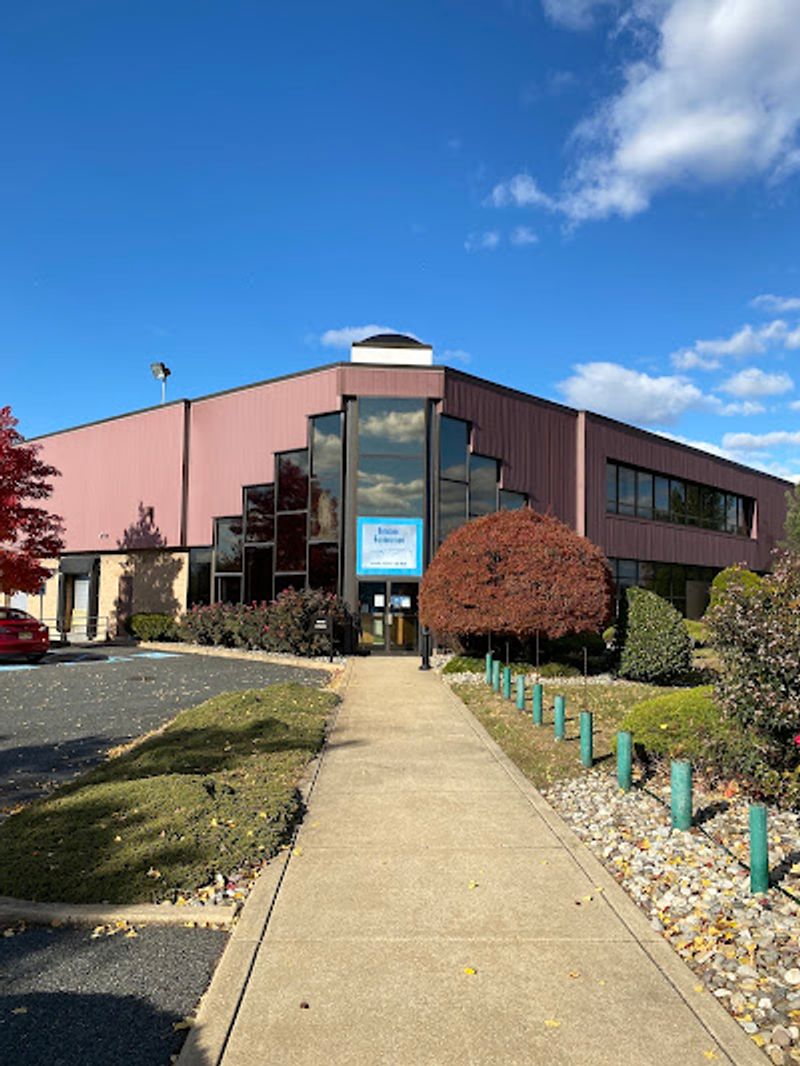
One of the museum’s secret strengths is that the building refuses to perform. From outside, the 100,000 square foot facility on Norwitch Drive is easy to overlook, and inside it keeps a practical, warehouse-like honesty.
That restraint turns out to be perfect for the collection because nothing distracts from the cars themselves.
The openness creates a rare intimacy. Instead of being pushed through theatrical corridors, you move through a clear chronological layout where dioramas evoke race venues without overwhelming the objects.
The result is immersive, but not gimmicky, which is a hard balance for any museum to achieve.
I found that simplicity oddly moving. It lets the cars meet you on direct terms, with little mediation and no fake drama.
In a world of experience design and sensory overload, Simeone trusts that a historically important machine in honest space is already more than enough.
Behind the Roar Are Mechanics Who Work Like Historians
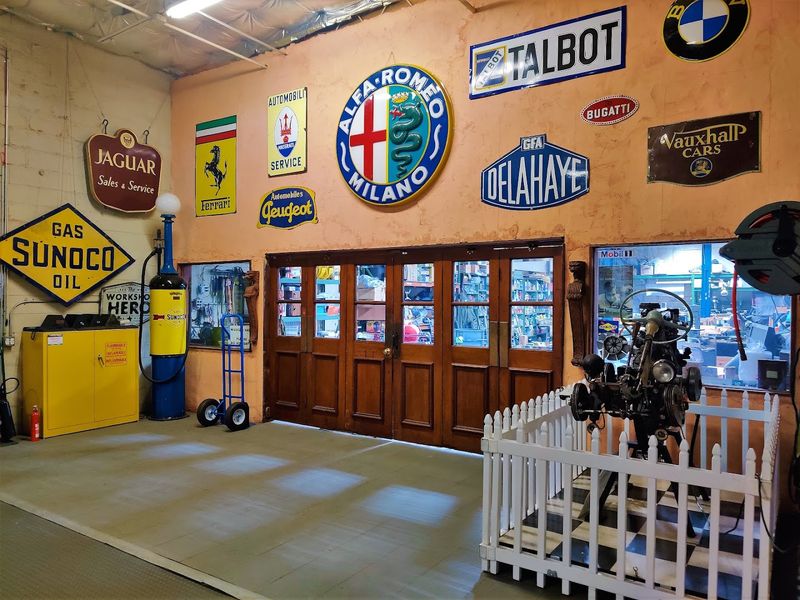
The museum’s mechanics might be the least visible stars in the building. Keeping prewar and mid-century racing cars operational is not routine maintenance.
It requires fluency in vanished materials, period engineering, fragile tolerances, and the strange habits of engines designed for speed, not convenience.
That is why these specialists feel less like technicians and more like mechanical historians. Their job is to protect originality while keeping the cars capable of doing what they were made to do.
Every gasket, tune, ignition issue, and fuel decision carries ethical weight because preserving function can never come at the cost of erasing history.
You may never see all that labor, but you hear its success whenever a car fires cleanly on Demo Day. The sound is thrilling because it is improbable.
It means expertise, restraint, and respect have aligned long enough to let a fragile piece of racing history speak in its own voice again.
Standing Near a Running 917 Feels Almost Improper
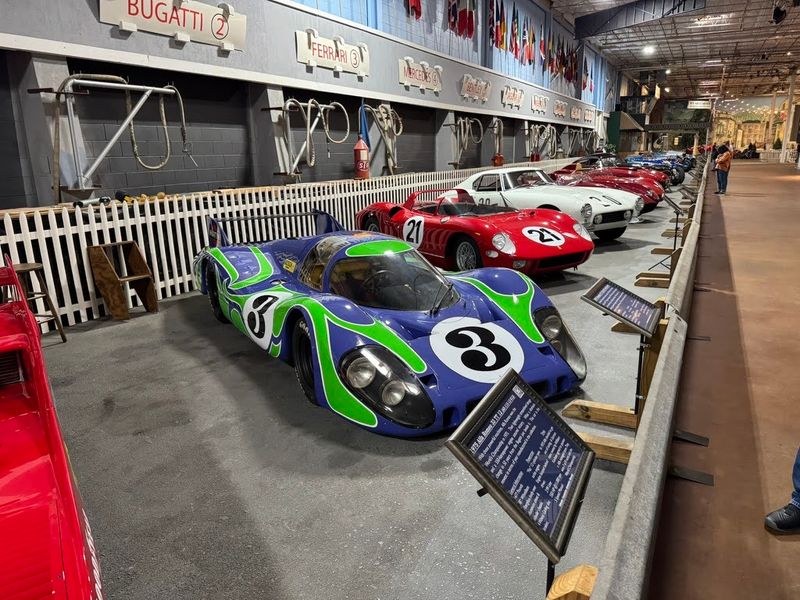
There is a specific sensation that stays with you after Simeone, and it arrives when a truly serious car starts in front of you. Imagine standing just a few feet from a Porsche 917 as it catches, settles, and then hardens into a violent mechanical rhythm.
The noise is not simply loud. It is physical, pressing against your ribs and rearranging your sense of distance.
You smell fuel, hot metal, and old oil almost at once. The car stops being an icon from books and posters and becomes a difficult, living thing with temperament.
In that moment, you understand why museum staff insist these machines are athletes, because they feel coiled, trained, and almost impatient even at idle.
That closeness feels rare now, maybe even a little improper, which makes it unforgettable. Most institutions protect you from the object.
Simeone, carefully and deliberately, lets the object overwhelm you just enough to make history feel real.
The Museum Tells Racing History as One Continuous Argument
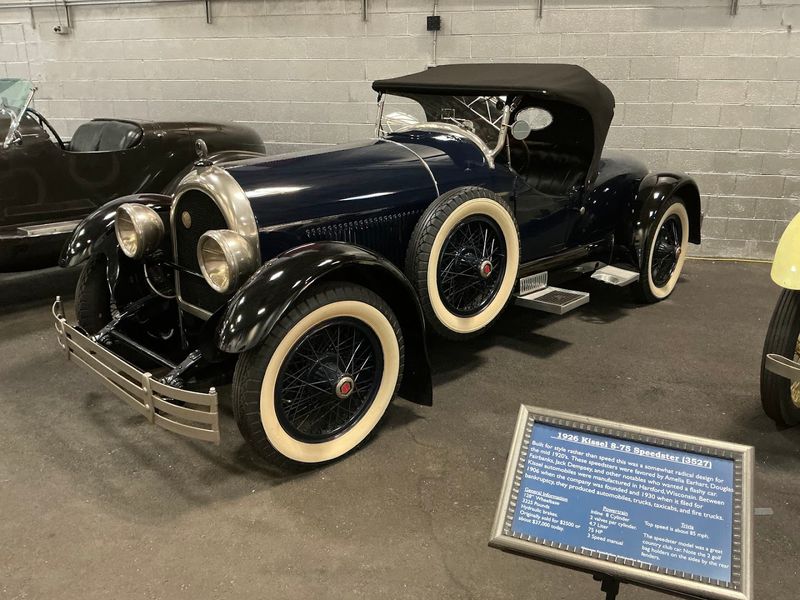
What impressed me most was not simply the rarity, but the narrative discipline. Simeone does not present racing as a pile of unrelated masterpieces.
It tells motorsport history as a continuous thread, showing how one solution led to another and how competition forced designers to rethink power, weight, braking, bodies, and endurance.
The chronological arrangement helps, but the deeper achievement is interpretive. Each car stands in relation to rivals, road conditions, rules, and famous races, so you begin to understand progress as a chain of responses rather than a sequence of isolated triumphs.
Racing here is not nostalgia. It is engineering under pressure, made visible.
That perspective gives the museum unusual intellectual heft. You leave feeling that speed changed more than lap times.
It changed materials, methods, and even ideas about what a car could be. Simeone makes that case without shouting, which somehow makes it more convincing.
Visiting Is Easier and Cheaper Than the Collection Suggests
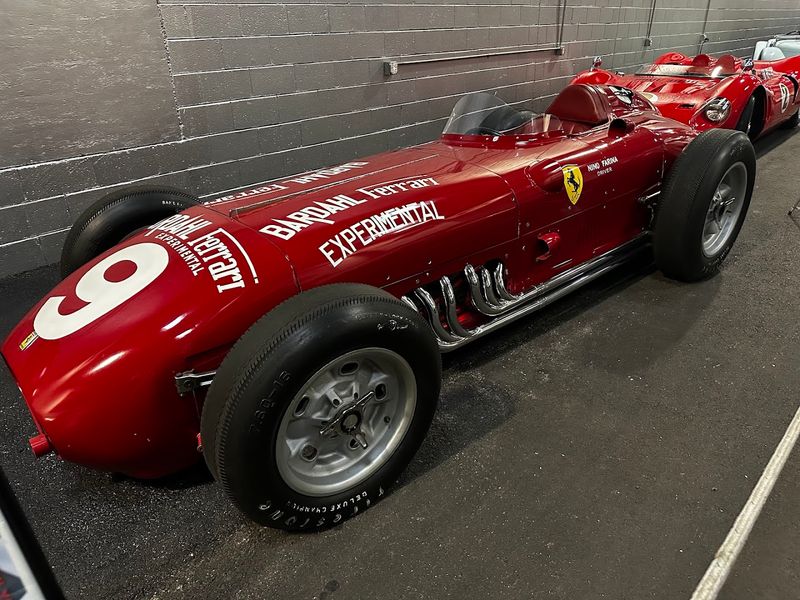
For a collection this important, the practical side feels refreshingly straightforward. The museum sits at 6825-31 Norwitch Drive in Philadelphia, just minutes from Interstate 95 and close to the airport, which makes it surprisingly easy to reach.
There is ample free parking, and that alone already makes the visit less stressful than many city museums.
Hours are Tuesday through Friday from 10 a.m. to 6 p.m. and Saturday and Sunday from 10 a.m. to 4 p.m., with Mondays closed. Last admission is 90 minutes before closing, so planning ahead matters if you like to linger.
Adult admission is notably accessible at $12, with discounts for seniors, students, veterans, and free entry for active military and children under eight.
That price feels almost absurd once you are inside. You expect a collection of this caliber to come with a premium.
Instead, Simeone remains one of the best-value museum visits in Pennsylvania.
This Place Matters Beyond Car Culture
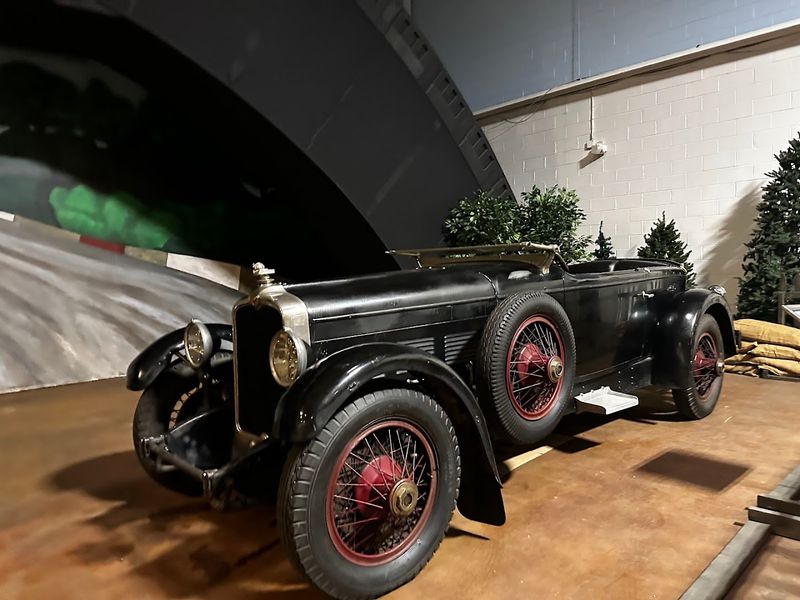
Even if you do not identify as a car person, the museum lands as a story about human imagination. Racing is the frame, but the subject is bigger: ambition, risk, design, and the constant urge to solve difficult problems under public pressure.
Simeone captures that beautifully by showing how competition accelerated ideas that later shaped the broader automotive world.
That is why the museum has real cultural weight. These cars record changing notions of speed, safety, materials, national identity, craftsmanship, and modernity itself.
Seen that way, they are not hobby objects. They are evidence of how the twentieth century thought, built, and dreamed through machinery.
I think that is also why so many visitors leave surprised by how much they connected with it. You do not need to know camshaft jargon to understand ingenuity or courage.
Simeone works because it preserves engineering as a human drama, not just a technical one.
The Quiet Greatness That Keeps Pulling People Back
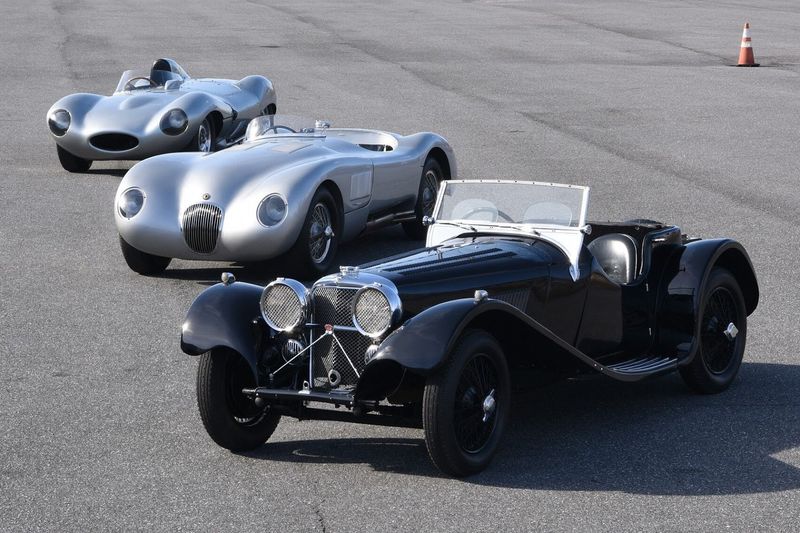
Simeone is not loud about its importance, which may be part of its charm. It sits in an unglamorous pocket of Philadelphia, near the airport, looking almost too modest for what it contains.
Then you walk inside and realize you are in the presence of one of the great automotive museums anywhere.
What keeps people coming back is not just rarity, though there is plenty of that. It is the museum’s unusual integrity.
The cars remain original, the storytelling stays focused, the staff knows the material deeply, and Demo Days deliver the kind of access that turns admiration into memory.
Some places feel designed to impress you once. Simeone feels built to deepen on repeat visits, especially as different cars run and different details start revealing themselves.
That quiet, undersung greatness is hard to manufacture and easy to recognize. Once you find it, you understand why so many visitors immediately plan a return.