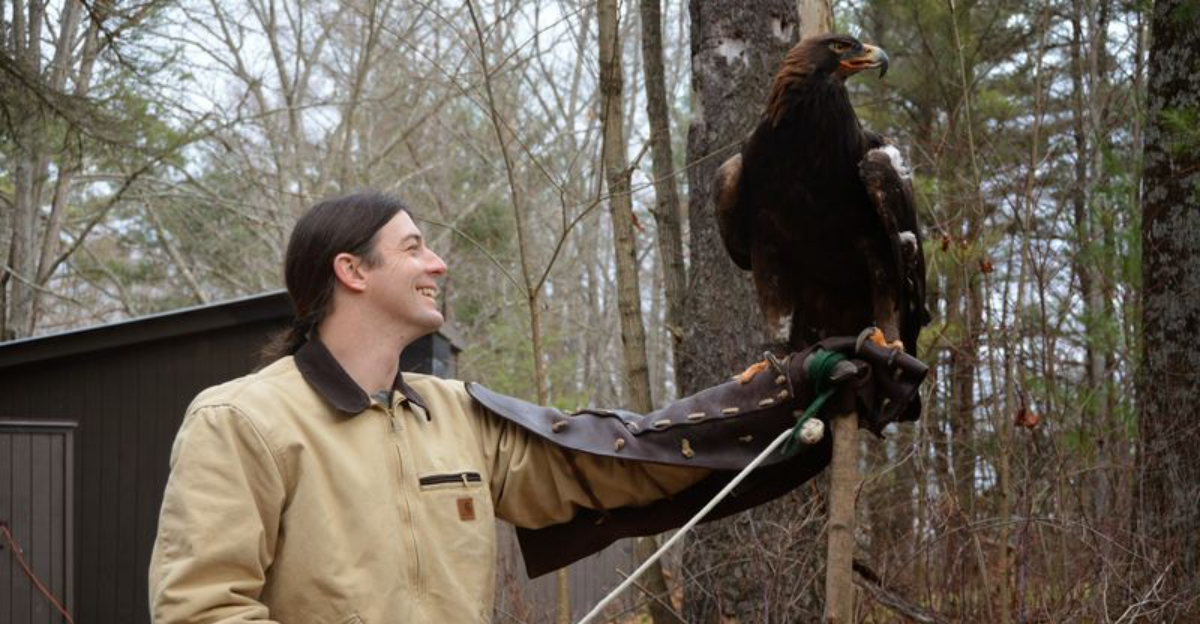
Tucked away in the rolling hills of central Pennsylvania, Shaver’s Creek Environmental Center is one of those rare places that feels like it was designed specifically to make you fall in love with the natural world.
Whether you’re a curious kid, a passionate birder, or a family looking for a meaningful outdoor adventure, this place has something that will stop you in your tracks.
Located near Petersburg, PA, and operated by Penn State University, Shaver’s Creek blends wildlife care, hands-on science, and stunning trails into one unforgettable experience.
If you’ve never heard of it before, get ready to add it to your must-visit list.
The Raptor Center That Brings Birds of Prey Up Close
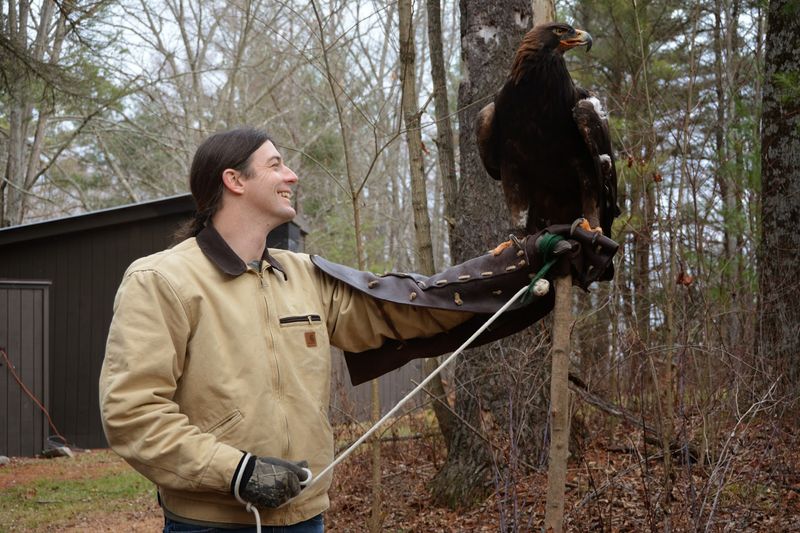
Some wildlife encounters stay with you for life, and watching a great horned owl blink slowly just a few feet away from you is definitely one of them. Shaver’s Creek’s raptor program is home to hawks, owls, falcons, and eagles that cannot survive on their own in the wild due to past injuries.
These birds aren’t just residents — they’re ambassadors for their entire species.
Trained staff members and Penn State student interns care for these birds around the clock, ensuring they live healthy, enriched lives. Visitors get to observe them up close during scheduled programs and daily visits to the raptor area.
You might spot a bald eagle, a barn owl, or a sharp-shinned hawk depending on the season.
What makes this program especially powerful is the storytelling behind each bird. Every raptor has a backstory — a window strike, a car collision, or a wing injury that changed its life forever.
Learning those stories helps visitors see wildlife not as a distant concept, but as real, living neighbors. Kids especially connect with these birds in ways that no textbook could replicate.
Plan to spend extra time here because it’s genuinely hard to walk away.
The Klingsberg Aviary’s Silent Wings and Sharp Eyes
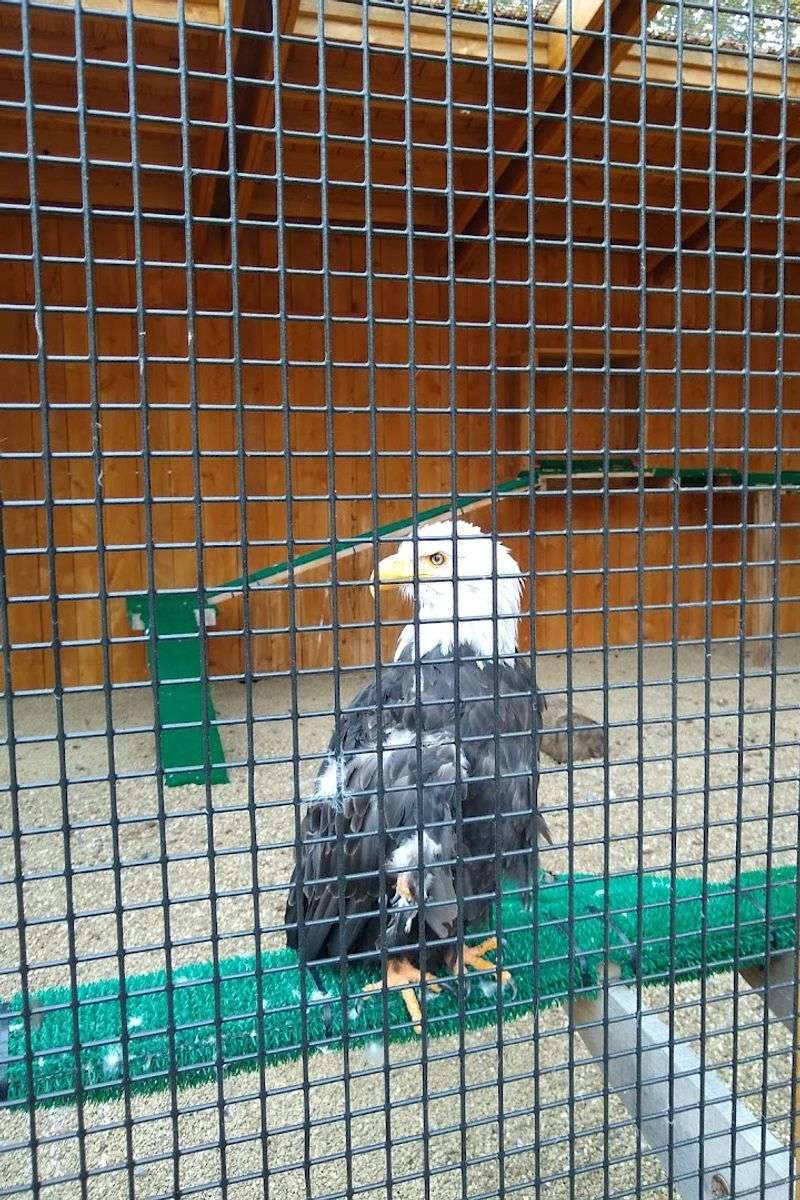
There’s something almost meditative about standing inside the Klingsberg Aviary, watching a hawk shift its weight on a branch without making a single sound. This thoughtfully designed space is one of the crown jewels of Shaver’s Creek, housing a diverse collection of non-releasable raptors in habitats that prioritize both bird welfare and visitor learning.
It feels less like a zoo and more like stepping into the raptors’ world.
Each bird in the aviary has been carefully placed in an environment that mirrors its natural habitat as closely as possible. The design gives visitors an immersive, almost cinematic experience.
You’re not just looking at birds behind glass — you’re surrounded by the sights and sounds that make these animals come alive.
Conservation education is woven into every corner of the aviary. Interpretive signage explains the ecological roles raptors play, from controlling rodent populations to maintaining balanced food webs.
Staff members often lead guided talks near the aviary, making it easy to ask questions and learn more. Whether you’re a seasoned birder or someone who can barely tell a hawk from a falcon, the Klingsberg Aviary will sharpen your appreciation for these extraordinary hunters of the sky.
Hands-On Learning at the Discovery Room
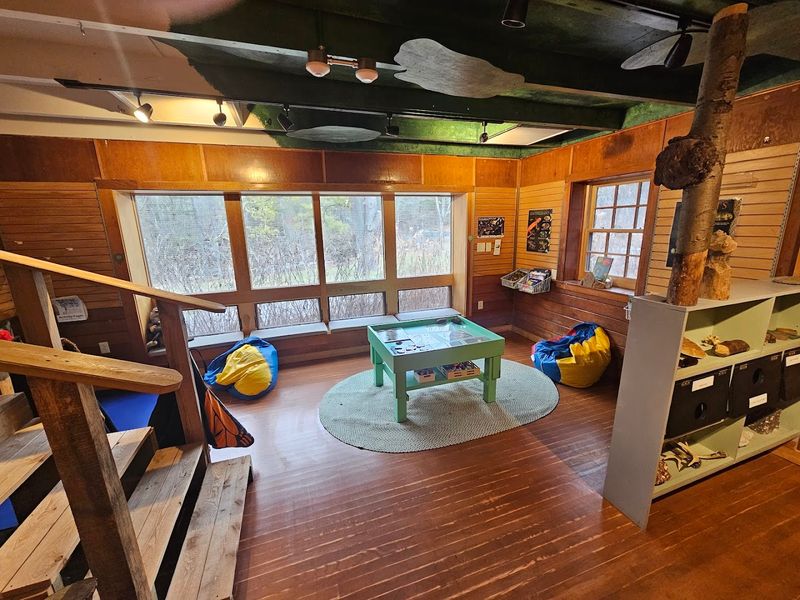
Walk through the doors of the Shaver’s Creek visitor center and you’ll immediately notice the buzz of curiosity filling the air. The Discovery Room is an interactive exhibit space designed to turn passive observers into active learners, and it does that job brilliantly.
Touch-friendly displays, wildlife specimens, and ecosystem models make science feel approachable and exciting for all ages.
Kids can examine animal skulls, explore Pennsylvania habitat dioramas, and engage with exhibits that explain everything from forest ecology to water cycles. Adults tend to linger just as long as the children, which says a lot about how well the space is designed.
Nothing is roped off or labeled “do not touch” — the whole point is engagement.
Penn State’s educational mission shines through every inch of the Discovery Room. The exhibits connect directly to real science concepts taught in schools, making this an ideal stop for field trips and homeschool families.
Teachers often use the room as a launching point for outdoor exploration, letting kids connect what they learned inside to what they observe on the trails outside. If you’re visiting with young ones, budget at least 30 to 45 minutes here.
The Discovery Room has a way of sparking questions that fuel the rest of your entire visit.
Reptiles, Amphibians, and the Hidden World of the Herpetarium
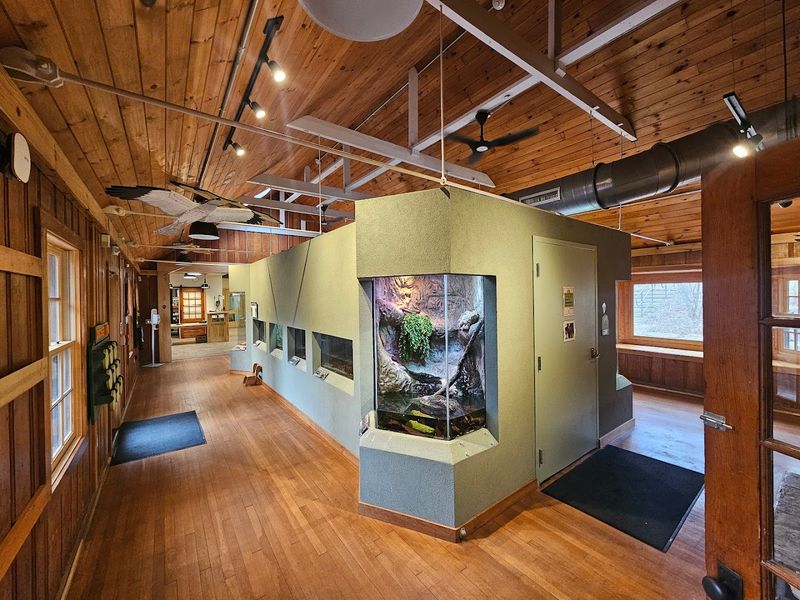
Most people rush past the reptile and amphibian section of any nature center, but at Shaver’s Creek, the Herpetarium quietly earns its own fan club. Snakes, turtles, frogs, and salamanders are on display in carefully maintained indoor habitats that highlight the incredible diversity of cold-blooded life found right here in Pennsylvania.
These are creatures most hikers walk past without ever noticing.
The exhibits do a fantastic job of explaining why these animals matter. A wood frog might seem unremarkable at first glance, but learning that it can survive being frozen solid in winter makes it one of the most astonishing animals in the state.
That kind of storytelling is exactly what the Herpetarium delivers.
For kids who are naturally drawn to creepy-crawly things, this section feels like hitting the jackpot. For those who are a little squeamish, the informative displays help build appreciation and reduce fear through understanding.
Staff members occasionally handle some of the animals during educational programs, giving visitors a rare chance to see these species up close in a safe, educational setting. The Herpetarium is a quiet reminder that biodiversity doesn’t always roar — sometimes it slithers, hops, or sits perfectly still on a sun-warmed rock.
Scenic Trails Through 7,000 Acres of Wild Pennsylvania
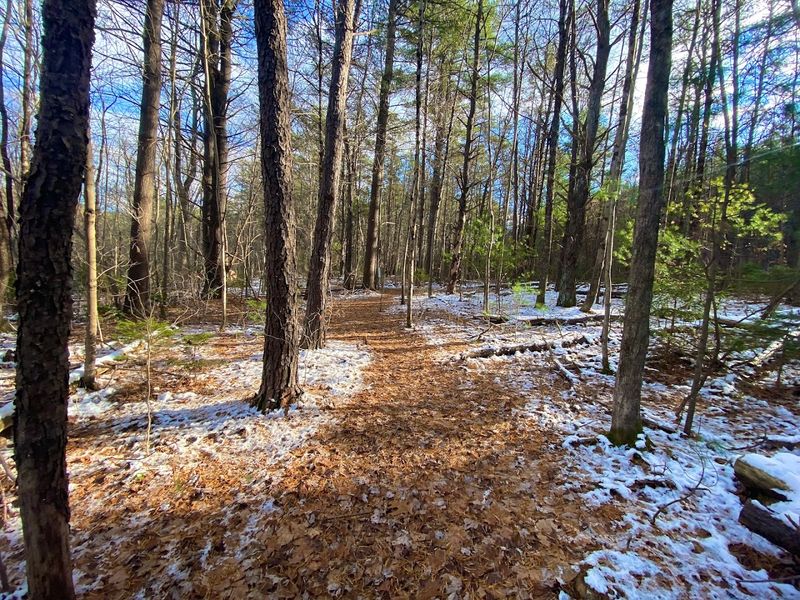
Lace up your boots, because the trails surrounding Shaver’s Creek are worth every step. The environmental center sits within the Penn State Stone Valley Recreation Area, which encompasses roughly 7,000 acres of forests, wetlands, rocky ridges, and stream corridors.
Whether you have 20 minutes or an entire afternoon, there’s a trail route that fits your pace and energy level.
Short boardwalk loops near the visitor center are perfect for families with strollers or visitors who want a calm, scenic stroll. Longer trails climb through hardwood forests and open up to sweeping views of the surrounding ridges, rewarding hikers with the kind of scenery that makes you forget your phone exists.
Wildlife sightings on the trails — deer, wild turkeys, salamanders, and warblers — are genuinely common.
Fall is an especially magical time to visit, when the hillsides ignite with color and the air carries that crisp, unmistakable October chill. Spring brings wildflowers and migrating songbirds.
Even winter has its charm, with quiet snow-covered paths and the occasional hawk circling overhead. Trail maps are available at the visitor center, and staff can recommend routes based on your group’s fitness level and interests.
Getting outside here feels less like exercise and more like therapy.
The Lake Perez Boardwalk Experience
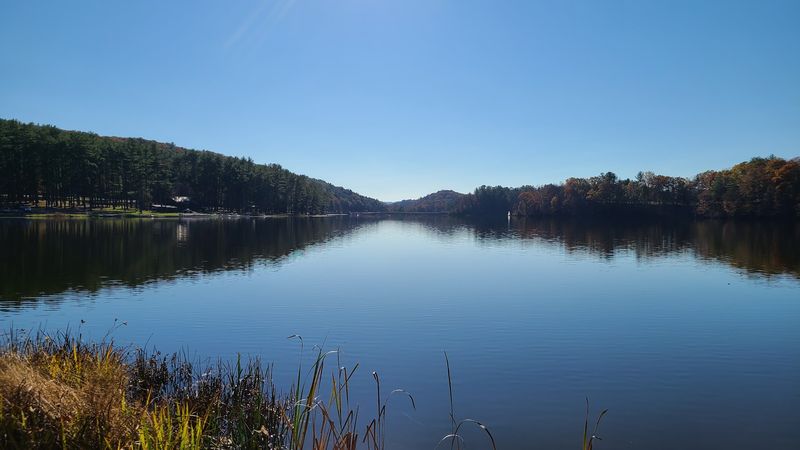
Few things in life are as instantly calming as standing on a wooden boardwalk over still water, listening to red-winged blackbirds call from the cattails. The Lake Perez boardwalk at Shaver’s Creek delivers exactly that kind of moment, and it’s accessible to nearly everyone who visits.
The trail leads over Shaver’s Creek itself and opens up to gorgeous views of Lake Perez, one of the most photogenic spots in the entire region.
Birdwatchers absolutely love this area. Great blue herons stalk the shallows, ospreys dive for fish during warmer months, and wood ducks paddle quietly near the reedy edges of the lake.
Bring binoculars if you have them — you’ll use them constantly. Photographers also flock to this spot at sunrise and sunset when the light turns the water into something out of a painting.
The boardwalk is relatively short, making it a low-effort, high-reward experience that pairs beautifully with a longer trail hike. It’s a wonderful spot to pause, breathe, and just exist in nature for a few minutes without any agenda.
Kids love spotting turtles sunning themselves on logs and watching dragonflies zip across the water’s surface. Honestly, even a five-minute stop here has a way of resetting your entire mood for the better.
A Living Classroom for Environmental Education
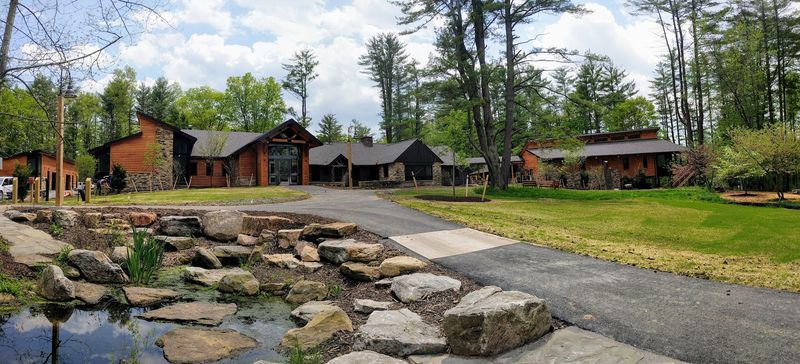
Shaver’s Creek wasn’t built just to be pretty — it was built with a purpose. Founded as part of Penn State University’s outreach mission, the center operates as a living, breathing outdoor laboratory where environmental education takes center stage.
Students from kindergarten through college level come here to learn ecology, conservation, and natural science in a way that no classroom wall can contain.
Programs are thoughtfully developed to align with academic standards, making it easy for teachers to justify a field trip here. Groups can participate in guided nature walks, stream studies, wildlife observations, and hands-on experiments that connect directly to what students are studying in school.
The learning sticks because it’s rooted in real experience.
Penn State student interns play a huge role in delivering these programs, gaining valuable hands-on experience in environmental education while sharing their enthusiasm with younger visitors. That energy is contagious — when a college student lights up talking about wetland food webs, the kids around them light up too.
For homeschool families, the center offers flexible programming options throughout the year. Shaver’s Creek proves that the best science lessons happen outside, where the air smells like pine needles and every fallen log is a potential discovery waiting to happen.
Pollinator Gardens and Native Plant Habitats
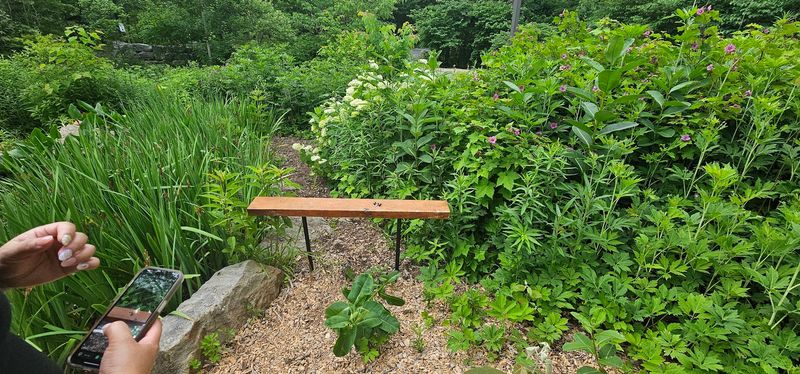
Scattered throughout the grounds of Shaver’s Creek, native plant gardens quietly demonstrate one of the most important lessons in modern conservation: what you plant in your backyard genuinely matters. These pollinator-friendly landscapes are alive with activity from spring through fall, drawing in monarch butterflies, native bees, hummingbirds, and a parade of other wildlife that depends on native plants to survive.
Walking through the gardens feels like attending a free masterclass in sustainable landscaping. Interpretive signs identify plants by name and explain their ecological relationships with local wildlife.
You’ll see milkweed hosting monarch caterpillars, native grasses sheltering ground-nesting bees, and coneflowers feeding goldfinches well into autumn. It’s biodiversity in action, right at eye level.
These spaces also serve as inspiration for home gardeners. Many visitors leave Shaver’s Creek motivated to swap out a section of lawn for native plantings, and the center’s staff are happy to offer guidance on getting started.
Even a small patch of native wildflowers in a suburban yard can make a measurable difference for pollinators. The gardens here show, in the most colorful and convincing way possible, that conservation doesn’t require vast wilderness — sometimes it just requires choosing the right plants and letting nature do the rest.
Seasonal Programs, Camps, and Nature Events
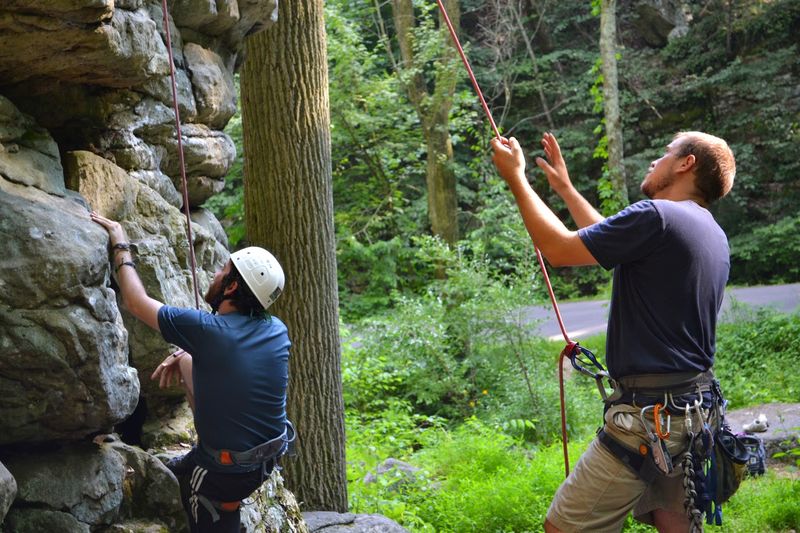
Every season at Shaver’s Creek brings something new to look forward to, which is a big part of why so many visitors return year after year. The center hosts an impressive lineup of programs throughout the year, including guided bird walks, nature journaling workshops, owl prowls after dark, and educational festivals that celebrate the rhythms of the natural world.
There’s always something on the calendar worth circling.
Summer camps are especially popular with families. Kids spend their days exploring trails, studying wildlife, and developing a genuine comfort in wild spaces that many carry with them for years.
The camp experience at Shaver’s Creek is less about scheduled activities and more about building a relationship with the land — which is a rare and valuable thing in today’s screen-saturated world.
Fall hawk watches draw birding enthusiasts from across the region, while spring migration programs help visitors identify the wave of warblers and shorebirds passing through central Pennsylvania. Winter programming, though quieter, includes tracking workshops and indoor natural history events that keep the learning going even when the trails are frosty.
Checking the events calendar before your visit is always a smart move. Arriving on a program day can transform a good visit into a truly memorable one that you’ll talk about for weeks.
Visitor Information: Hours, Location, and What to Know Before You Go

Planning a trip to Shaver’s Creek is pretty straightforward, and knowing a few key details ahead of time will make your visit run smoothly. The center is located at 3400 Discovery Rd, Petersburg, PA, nestled within the Penn State Stone Valley Recreation Area.
It’s typically open daily from 10 a.m. to 5 p.m., though hours can vary seasonally, so calling ahead or checking the website is always a good idea.
Admission to the grounds and many of the outdoor areas is free, which makes Shaver’s Creek one of the best-value nature destinations in Pennsylvania. Certain special programs and events may have associated fees, so review the events calendar when planning your visit.
The phone number for the center is +1 814-863-2000, and staff are genuinely helpful when it comes to answering questions about accessibility, group visits, and programming.
Accessibility options are available for visitors with mobility needs, including paved paths near the visitor center and the boardwalk trail. Groups and school trips should contact the center in advance to arrange guided programs and ensure the best possible experience.
Parking is available on site. Wearing comfortable walking shoes, bringing water, and packing binoculars will make your time here significantly more enjoyable.
Shaver’s Creek rewards those who arrive prepared and leave with no particular hurry.