

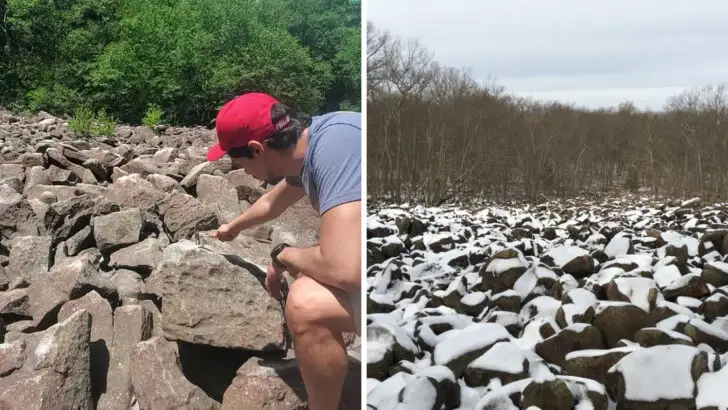
Step into a park where rocks sing.
Ringing Rocks County Park in Upper Black Eddy, Pennsylvania, isn’t your everyday nature spot.
Scattered across its fields are boulders that chime like bells when struck, creating a natural orchestra you can actually play.
Wander among these mysterious stones and feel the uncanny thrill of hitting one and hearing a clear, resonant ring echo through the quiet woods. Scientists still puzzle over why these rocks sing, adding an extra layer of wonder to your visit.
It’s a playground for the curious and adventurous—where nature, mystery, and music collide. Every step brings a new discovery, a new note, and a story you’ll want to tell long after you leave.
The Famous Ringing Boulder Field

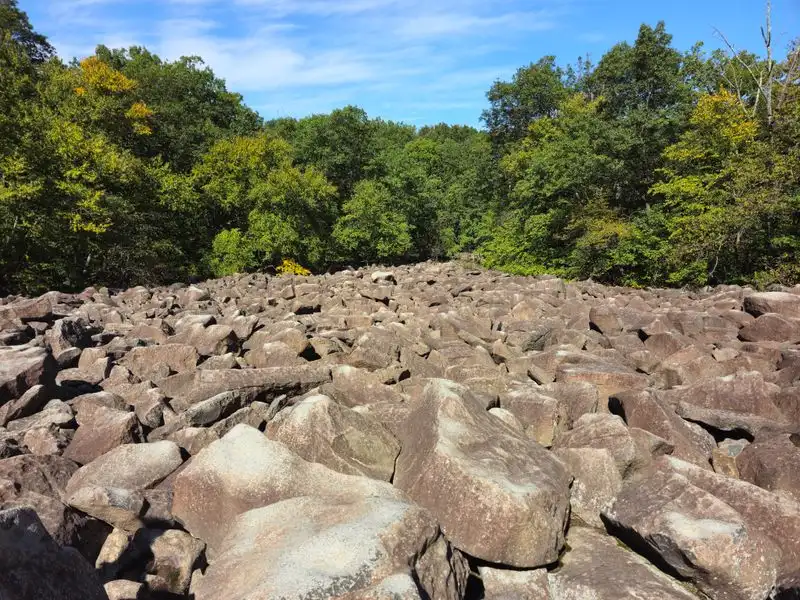
Step onto the boulder field and it feels like standing on a frozen, stone ocean. The rocks are dark, blocky, and stacked in tangled piles, yet they fit together like a puzzle nature never finished.
Tap one with a hammer and you will hear a bright metallic ping, then try another and notice how the note softens or deepens like a bell. You will quickly learn that not every rock sings, and that is part of the fun.
Wander deeper, testing your balance and your ear, and you will find tones that surprise you.
Some stones hum longer, others click sharply, and the mix turns the field into a casual instrument you can play.
Traction matters here, because gaps between rocks can be tricky and ankles are precious. Good hiking shoes or sturdy sneakers make the difference when you step from boulder to boulder.
Take your time, keep your hands free, and savor the odd joy of coaxing music out of stone.
Why The Rocks Ring: The Geology Mystery
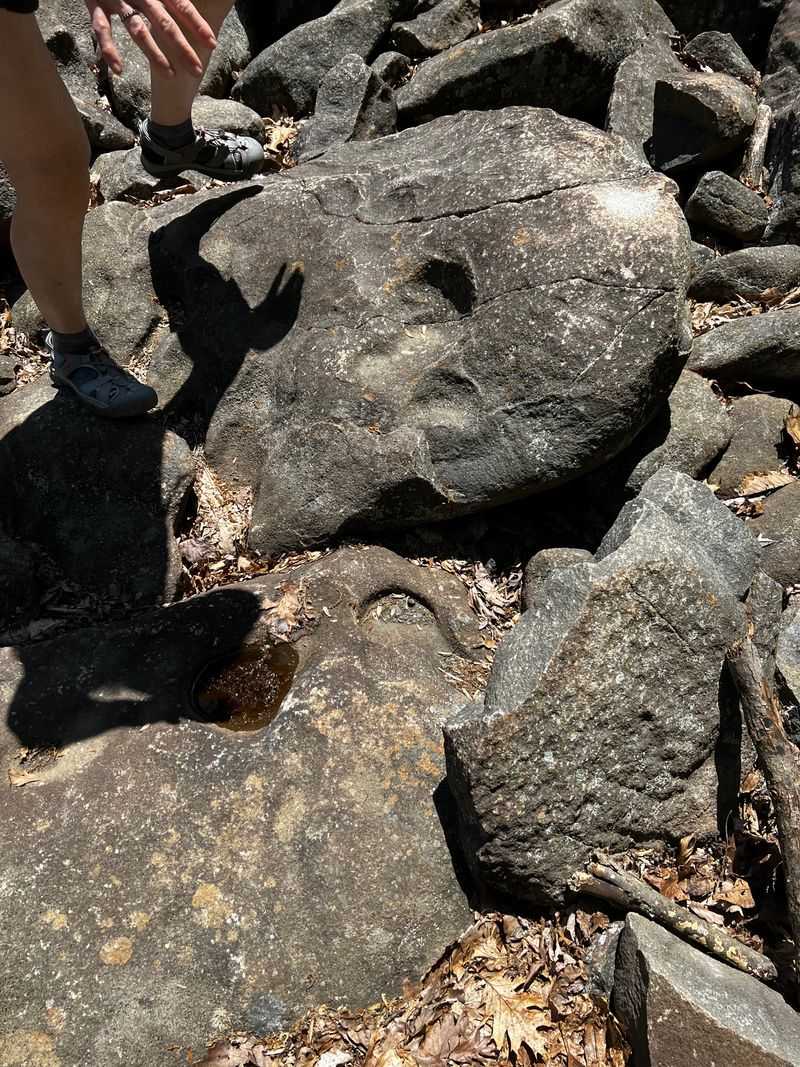
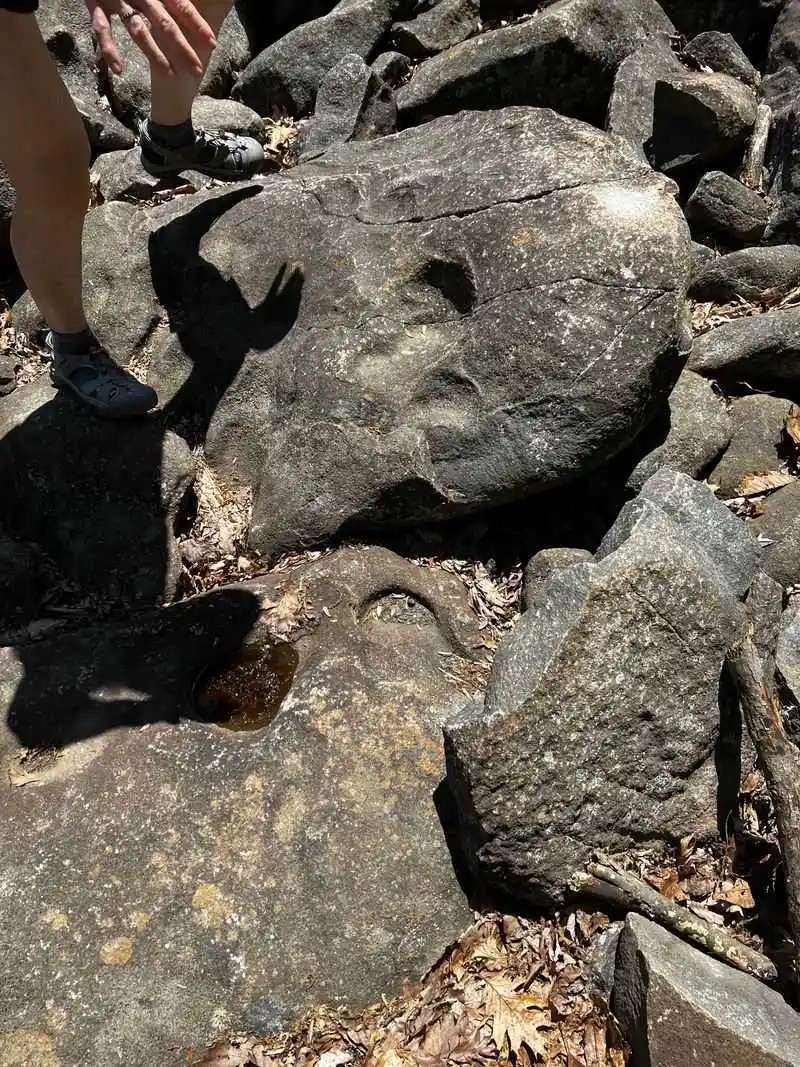
The ringing stones are mostly diabase, an intrusive igneous rock formed when molten magma squeezed into cracks and cooled under pressure. Over time, erosion exposed these blocks, leaving a field of angular boulders.
The tones likely come from internal stresses, mineral structure, and how the rocks rest against each other, creating resonant vibrations when struck.
Scientists have suggested that weathering, microfractures, and the support points between stones influence pitch.
You can test it yourself by tapping rocks that are tightly wedged versus ones sitting more loosely. Often, rocks with more contact points ring clearer, while isolated stones make duller thuds.
Bring a small hammer and listen for differences across the field. Some boulders carry sound farther because the vibration travels through neighboring stones like a hidden drumhead.
It is not pure myth or magic, yet there is still debate about the exact mechanics, which makes every ping feel like a tiny experiment you are running with your own hands.
Essential Gear To Bring
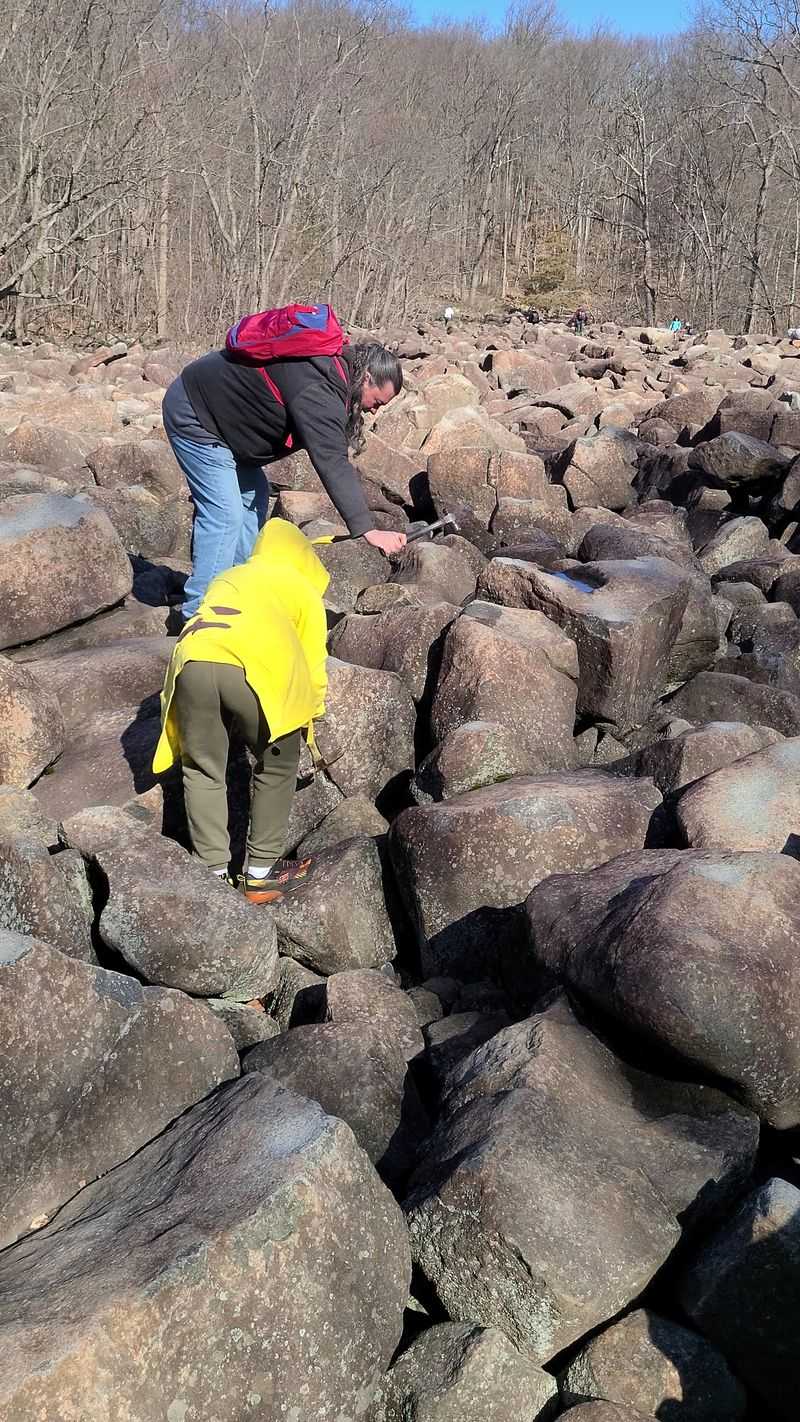
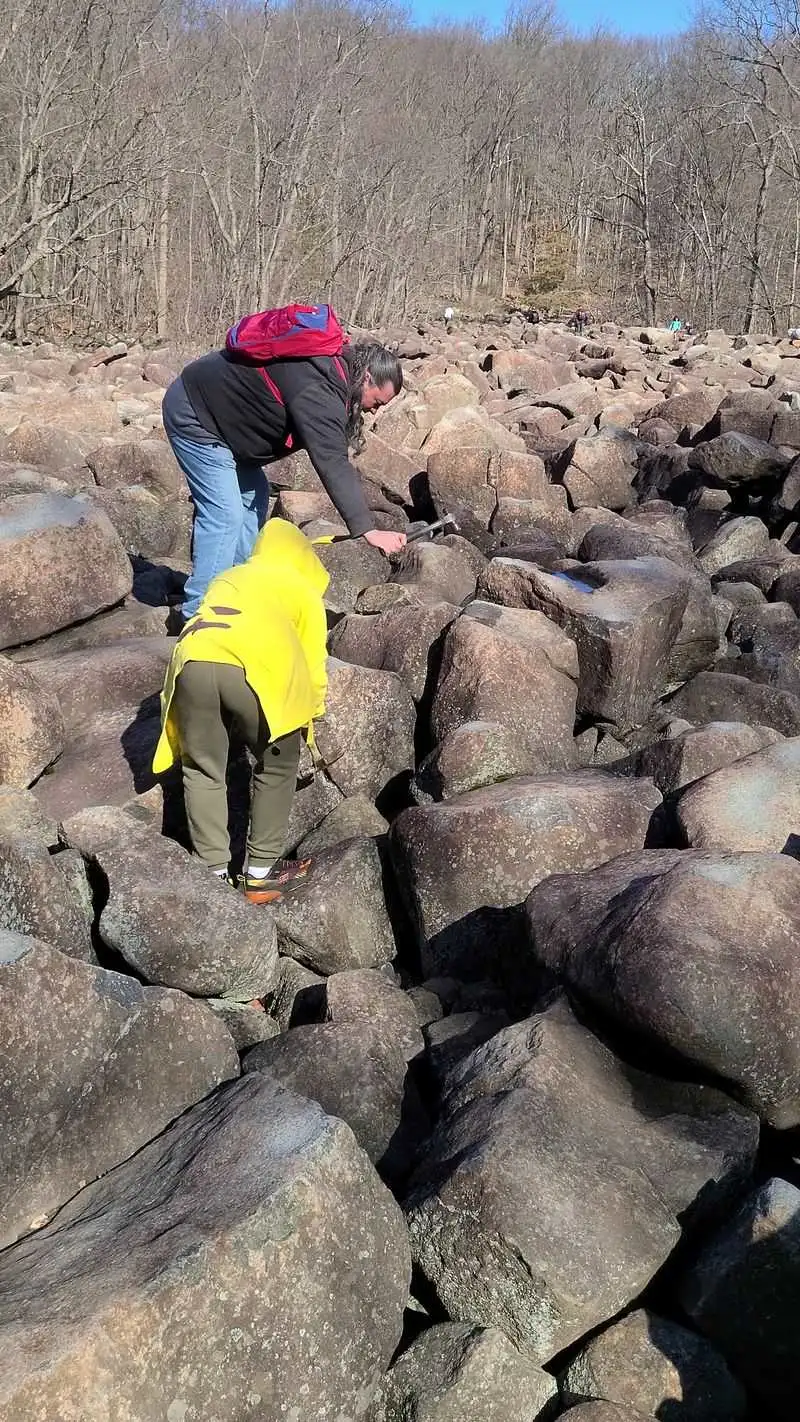
Pack light but smart. A lightweight hammer makes the experience, and it is courteous to share if the park’s community box is empty.
Wear sturdy sneakers or hiking boots with grippy soles, because the boulder field demands secure footing and patient steps. Bring water and snacks, especially on sunny days when the rocks reflect heat and shade is limited on the field.
A small first aid kit is wise for scrapes, and gloves can help if you prefer extra grip. Keep your hands free by using a small backpack rather than juggling bottles or phones.
There are portable restrooms near the parking area, but no water fountain, so plan ahead. Pack out every wrapper, and do not chip or remove rock fragments while tapping.
A hammer, hydration, and common sense are all you need for a safe and satisfying ring-scouting session.
Safety And Trail Tips
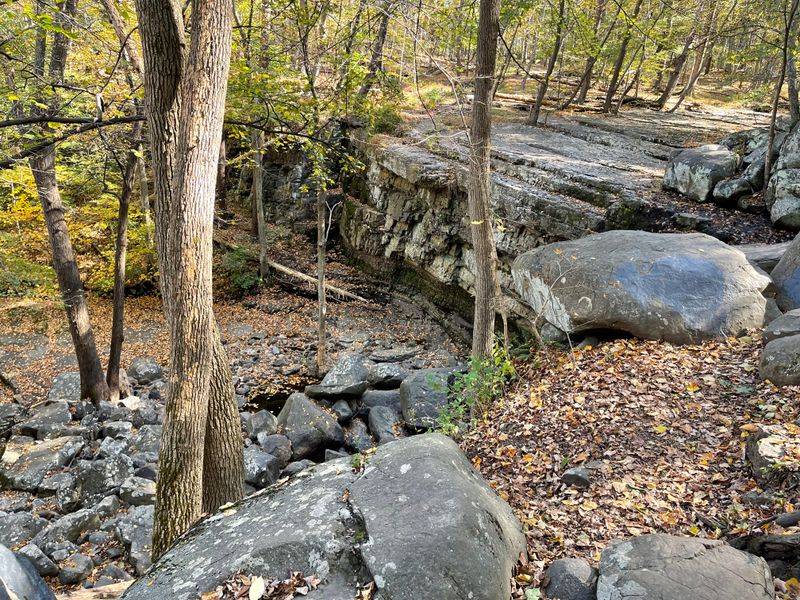
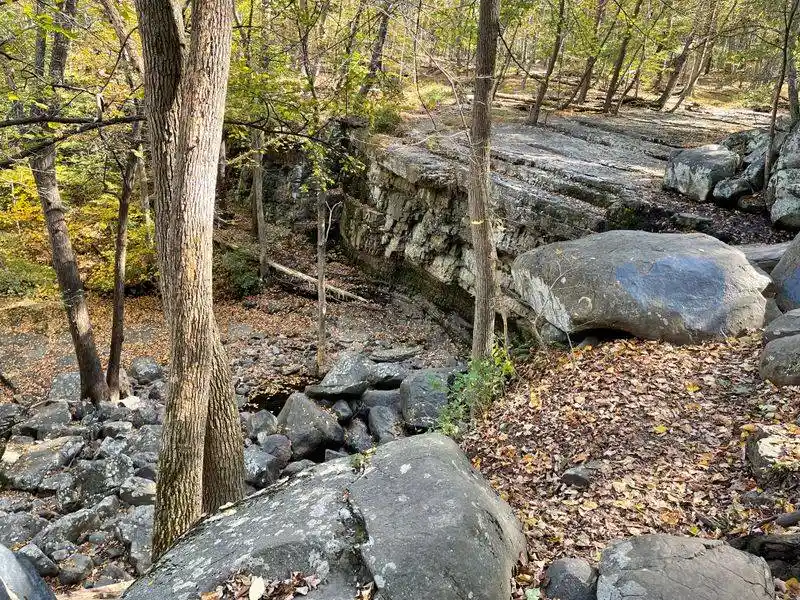
The loop trail to the boulder field is short, but the footing can be rocky, muddy, and leaf covered. Move deliberately, and watch for worn signs as you approach the field and waterfall spur.
Kids love tapping rocks, but you will want to guide them closely once you step onto the gaps. On the boulders, test each step before shifting weight, and keep your center of gravity low.
If the surfaces are wet or icy, scale back your goals and stick to the edge. Sneakers or hiking boots with good tread reduce slips and make balancing across joints feel much more stable.
Carry extra water when the sun is strong, and avoid hopping with your phone in hand. Borrowing a hammer is possible, but lines happen on busy days.
Visit early morning or late afternoon for fewer crowds, safer pacing, and more time to listen to the subtle notes.
Finding The Best Ringing Tones
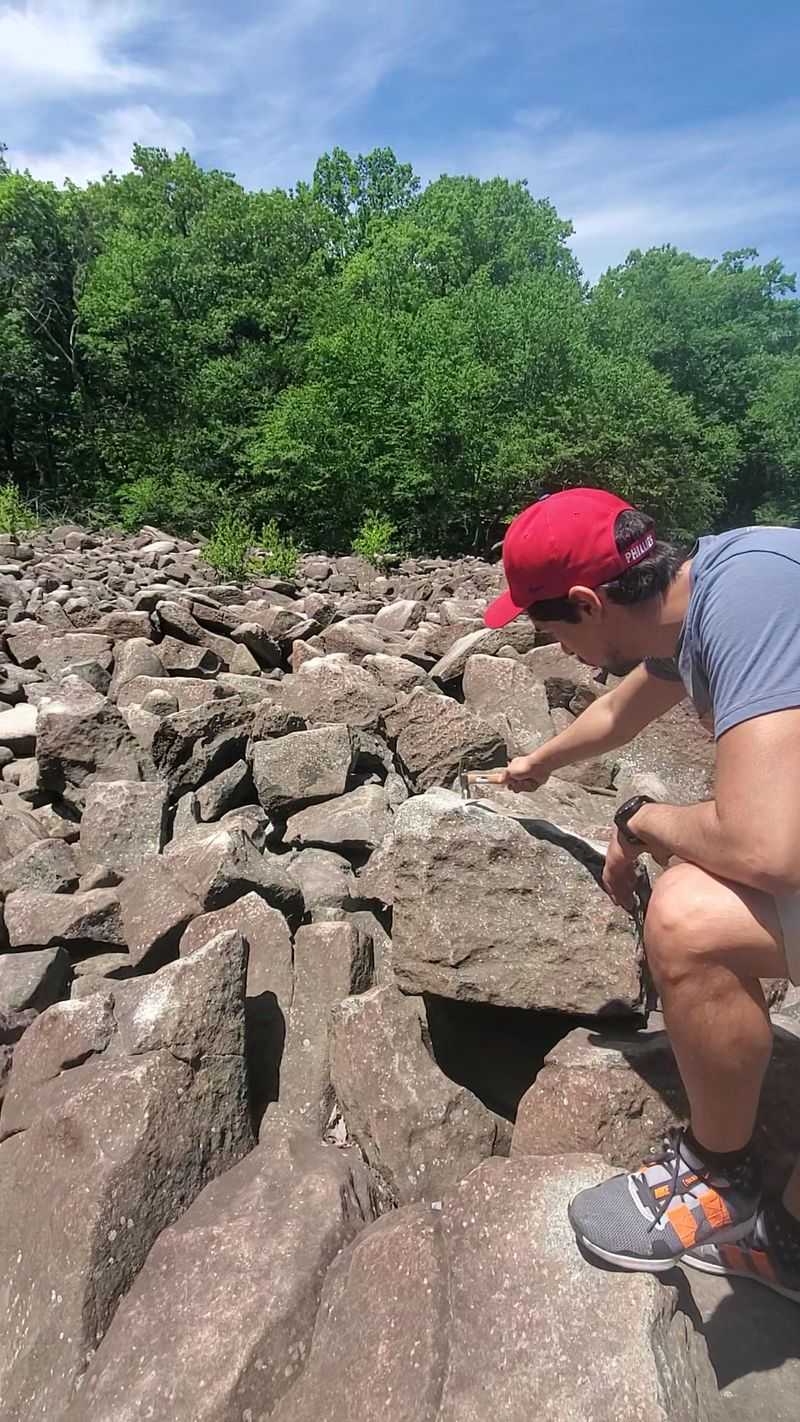
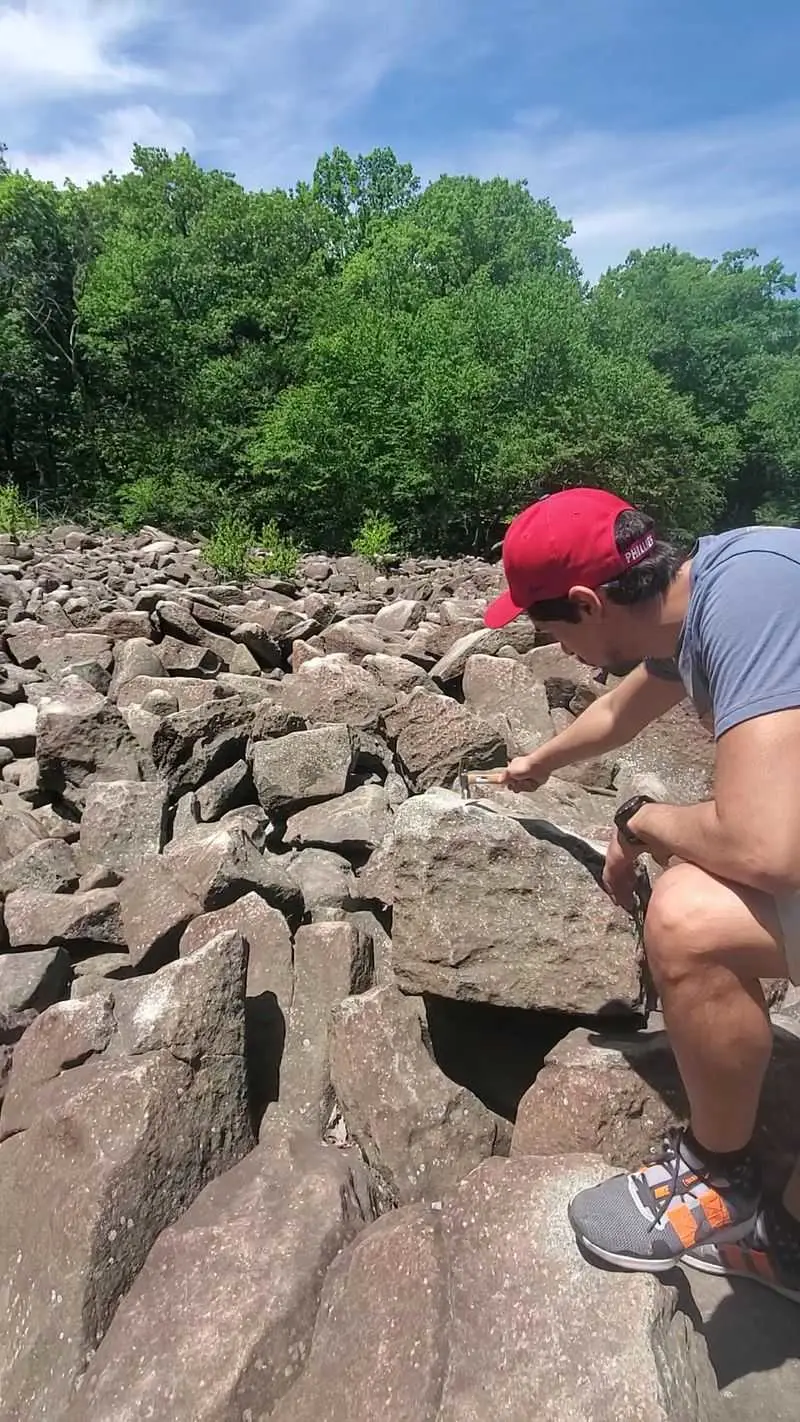
Start near the field’s edge to warm up, then venture toward the center where many visitors report brighter tones. Tap gently first, then vary force and angle until the sound opens up.
Try the face, corners, and edges to find different notes on the same rock. Listen for sustained pings that ripple through neighboring stones, like overlapping bells.
Some rocks sing only when supported by specific contact points, so compare a stone wedged tightly with one resting loosely. If you discover a standout note, remember nearby landmarks rather than marking the rock.
A simple rhythm unlocks surprising music when friends spread out and answer each other’s taps. The field becomes a communal instrument without needing volume.
Stay mindful of others’ fingers and footing, keep swings small, and enjoy the almost meditative routine of tap, listen, step, repeat.
The Waterfall And Creek Bed
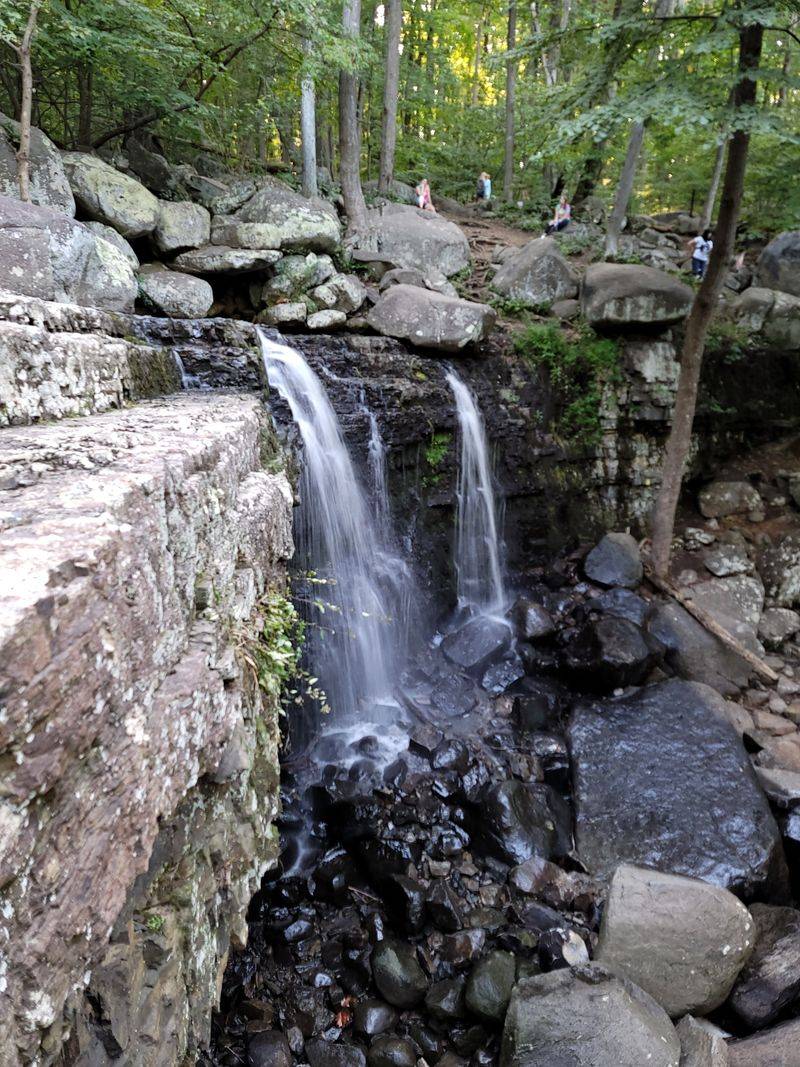
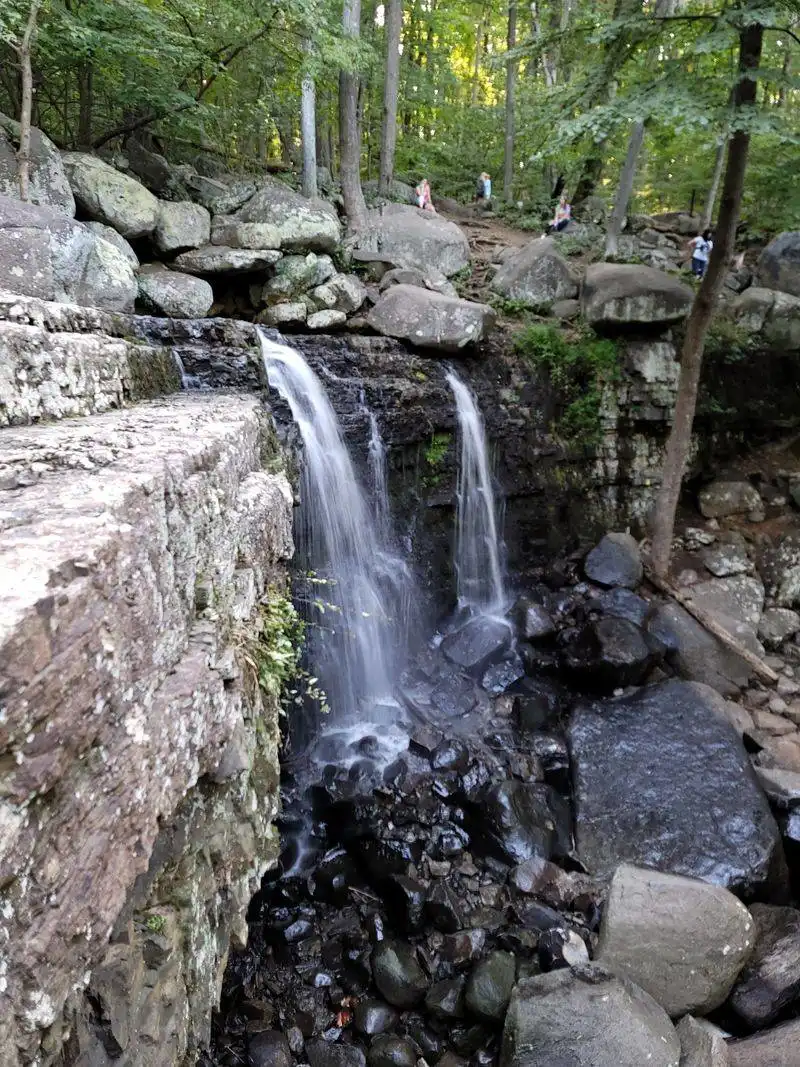
After the boulder field, follow the short spur to the waterfall, a lovely surprise tucked in a rocky ravine. Flow varies by season and rainfall, so you might find a dramatic sheet or a gentle trickle.
Even when it is low, the gorge and creek bed are worth a slow look. The top of the falls can be slippery, especially where smooth rock meets thin water.
Step carefully, and use three points of contact when scrambling around ledges. If you are visiting with kids, set clear boundaries before they get excited by the view and rush ahead.
The creek bed above the drop showcases sculpted channels and textured stone. Sit for a snack, listen to the water, and let the cool air reset your senses after clambering on the sunlit boulders.
It is a peaceful counterpoint to the park’s metallic music.
When To Go And How Long To Stay
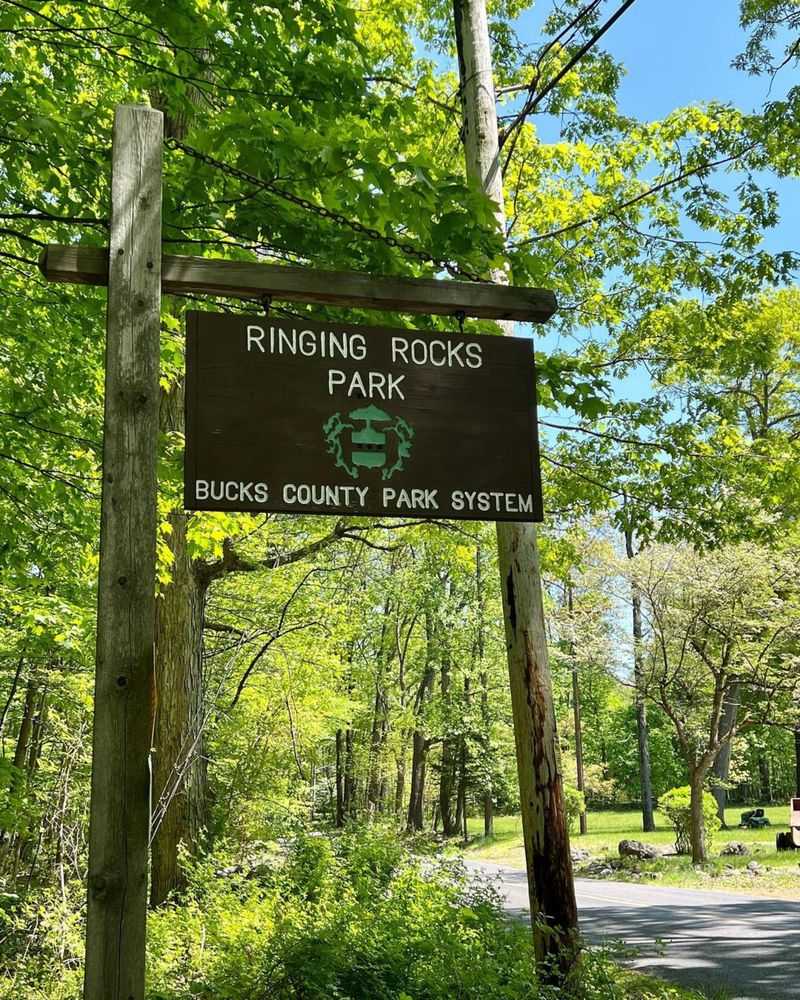
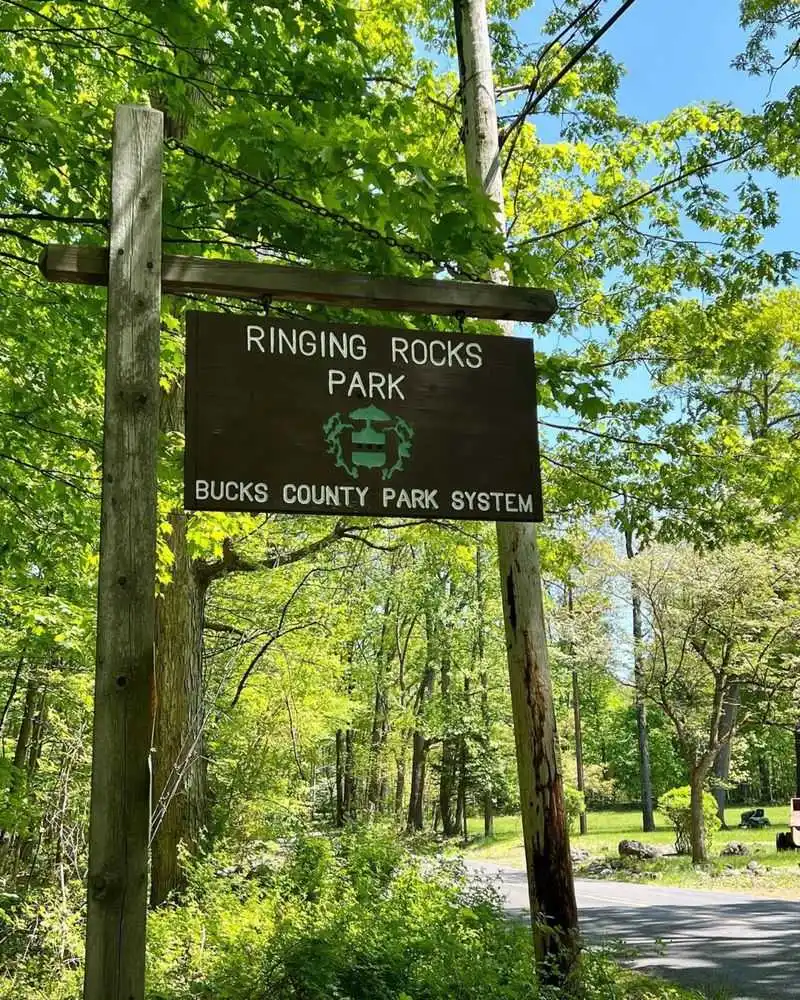
This park is easy to fit into a half day, especially if you are building a Bucks County road trip. From the lot, it is a short walk to the field, plus an add-on to the waterfall.
Most visits last one to three hours depending on crowd levels and how deeply you explore. Mornings and weekdays are calmer, which helps if you want to hear subtle tones.
After rain, the rocks can be slick, but the waterfall often looks better. Summer brings heat and busier lots, while fall adds color and crisp air for careful boulder hopping.
Winter visits can be magical if conditions are safe, with bright sound carrying in cold air. Always check footing and avoid icy patches.
Plan flexible timing, bring layers, and let the day’s conditions guide whether you linger at the field or loop quickly.
Respectful Etiquette And Leave No Trace
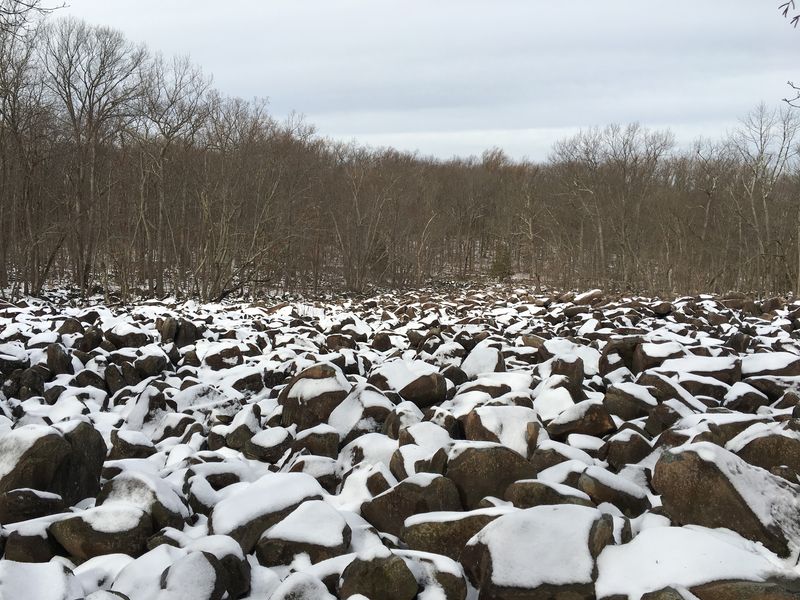
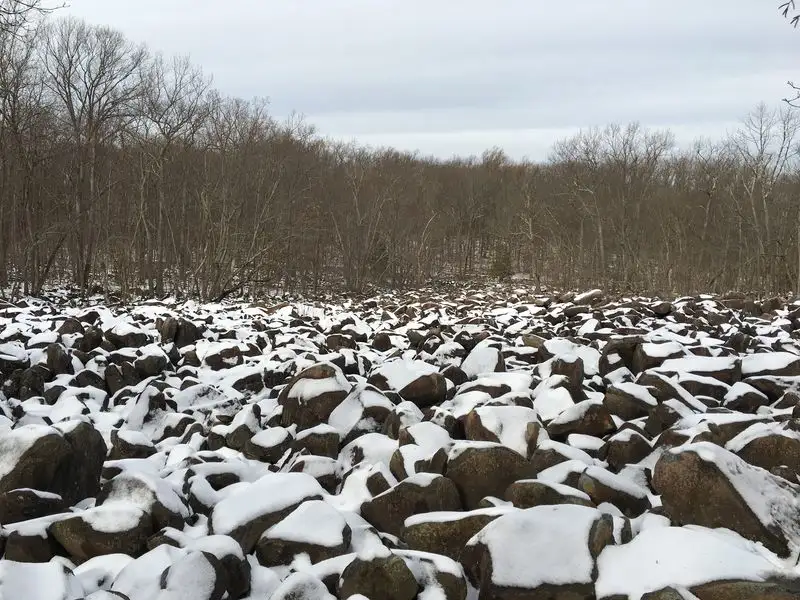
Ringing Rocks is special partly because it feels unspoiled, so treat it like a shared backyard. Pack out every scrap, keep noise to conversation level, and avoid tossing or prying at stones.
Tapping is welcome, but chipping, carving, or removing fragments harms the experience for everyone. Share the boulder field with patience, offering a turn to kids or newcomers who look curious.
Dogs and families use these trails, so keep swings controlled and eyes up. Yield on narrow paths, and step aside where roots and rocks force single-file walking.
There are portable restrooms near the parking area and limited facilities otherwise. Skip glass bottles, store hammers securely, and consider gloves if you tend to grip hard.
With a few respectful habits, you will leave behind only echoes of bell-like notes drifting across the stones.