

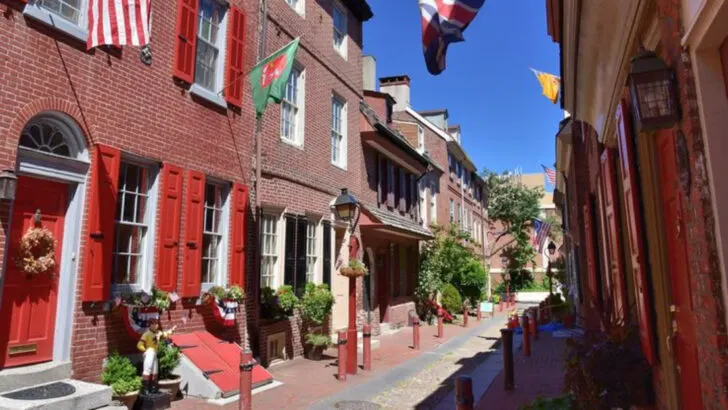
Step onto a narrow cobblestone lane where three centuries of everyday life still echo between brick facades and bright shutters.
Elfreth’s Alley is not a stage set, but a lived-in street where past and present share the same front steps.
You will feel the hum of a real neighborhood while glimpsing the craftsmanship and stories that built Philadelphia.
Come curious, leave connected to a place that never stopped being home.
America’s Oldest Continuously Inhabited Street

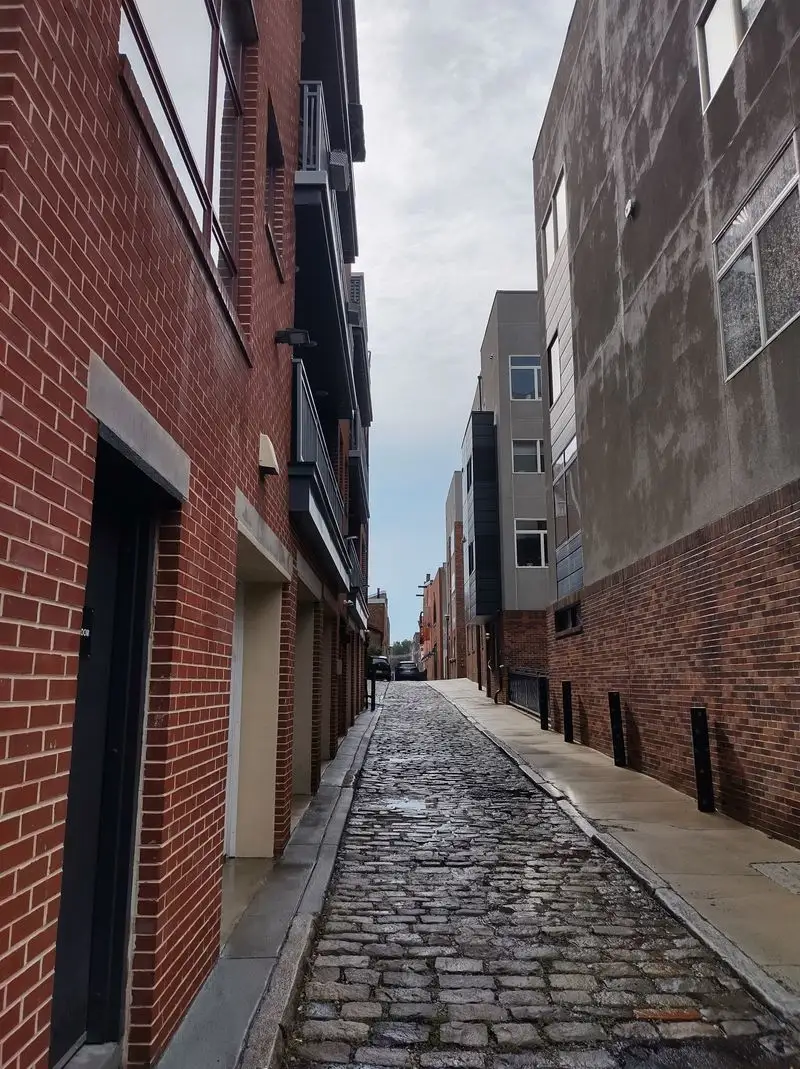
Walk this lane and you are moving through a living timeline. Elfreth’s Alley has housed families for over 300 years, making it America’s oldest residential street still in daily use.
The houses are not exhibits, they are homes, with mail slots, bicycles, and flower boxes signaling a neighborhood that never went quiet.
You can hear your footsteps click over cobblestones worn by artisans, immigrants, and modern professionals alike. Every doorway suggests continuity, from colonial days to today’s morning coffee runs.
You are not just visiting history here, you are sharing space with it, and that is the magic.
Look closely at the modest scale and you will sense how community was built through proximity and shared routines. The alley’s survival feels like a small miracle of care, compromise, and civic pride.
If you come respectfully and with curiosity, the street will tell you its story.
Colonial Origins and Jeremiah Elfreth
In the early 1700s, this narrow passage grew from practical needs, not grand plans. Craftspeople needed back lanes for carts, stables, and quick access to the Delaware waterfront.
Later the alley would take the name of Jeremiah Elfreth, a blacksmith and property owner whose trade echoed through the clatter of iron and hoof.
The design reflects colonial Philadelphia’s tight-knit urban logic. Homes rose shoulder to shoulder, conserving space and encouraging neighbors to become helpers, witnesses, and friends.
You will sense that intimacy in the alley’s scale, where a whispered greeting carries from window to window.
Imagine the clang of tools and the smell of coal fires drifting into tiny gardens. Barrels rolled, shutters swung, and messages traveled faster than letters because doors were so close.
The alley did not aim to be picturesque. It aimed to work, and that usefulness became its charm.
Historic Residents and Everyday Trades
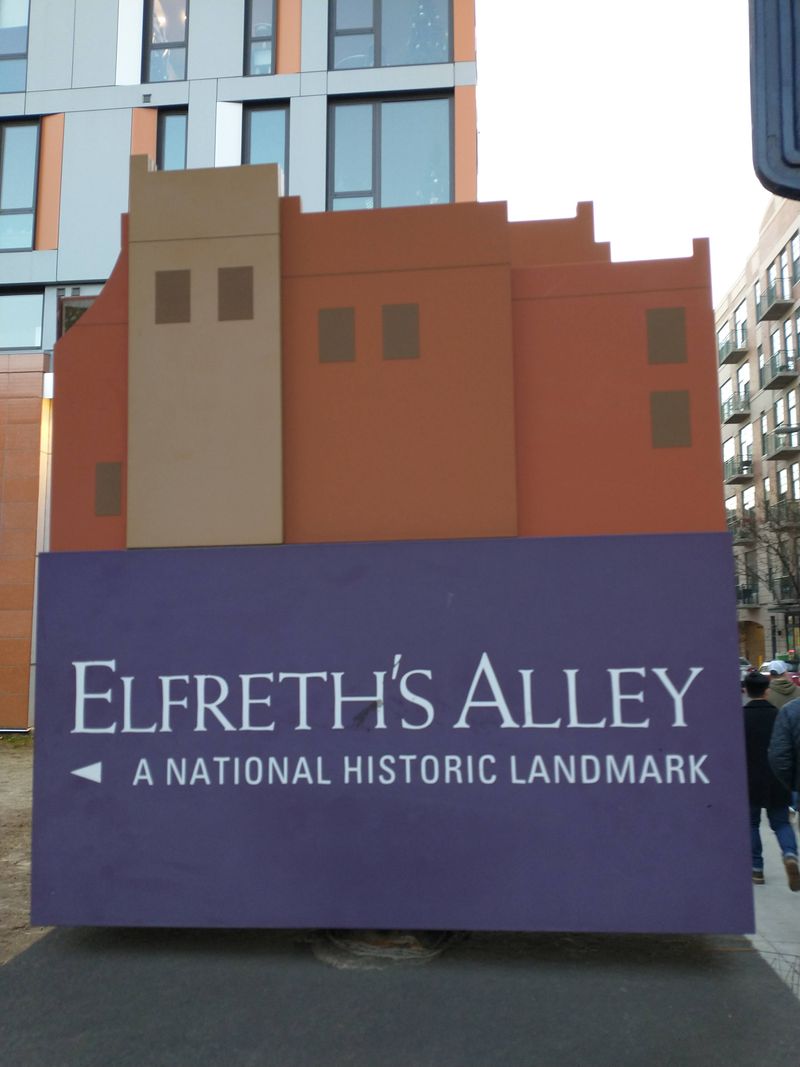
The first residents were people who made and fixed the things a growing port city depended on. Shipwrights shaped keels, blacksmiths forged hinges and nails, and furniture makers planed fine lines into chairs and chests.
Many lived above their workshops, blurring the boundary between livelihood and family life.
Stand here and you can picture apprentices hurrying with buckets, the ring of hammer on anvil, and sawdust drifting like morning mist. Goods moved out the front door to market or down to the river.
You will feel how craft anchored community, because everyone’s skills solved someone else’s problem.
The rhythm was practical and social at once. Tools were borrowed, news was exchanged, and a broken wheel could be mended within earshot.
When you visit, try listening for that hum of exchange, a reminder that cities thrive when hands and hearts work close together.
Georgian and Federal Architecture Details
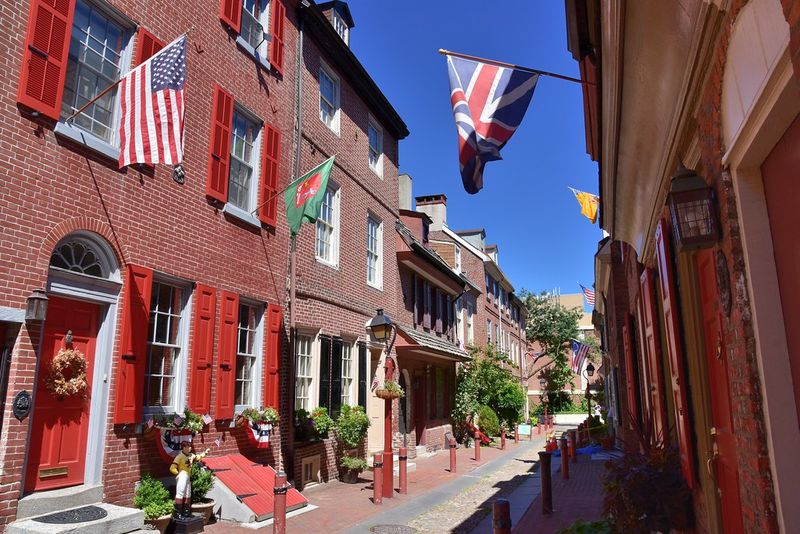
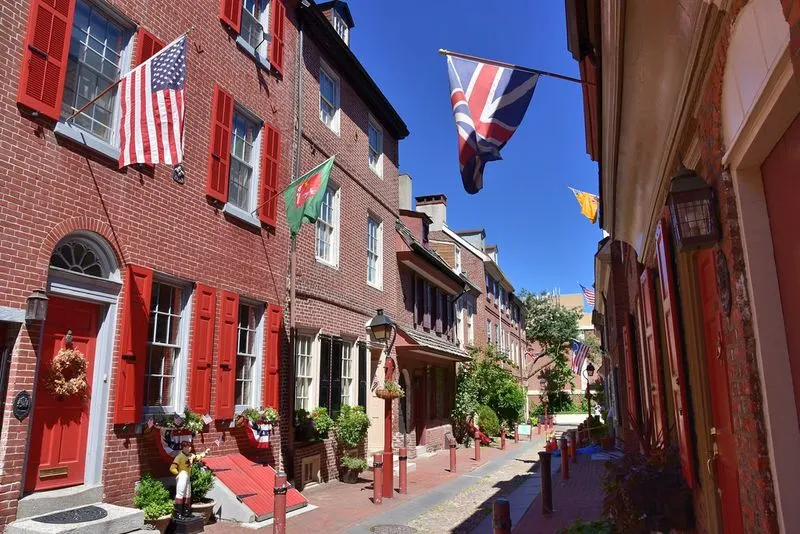
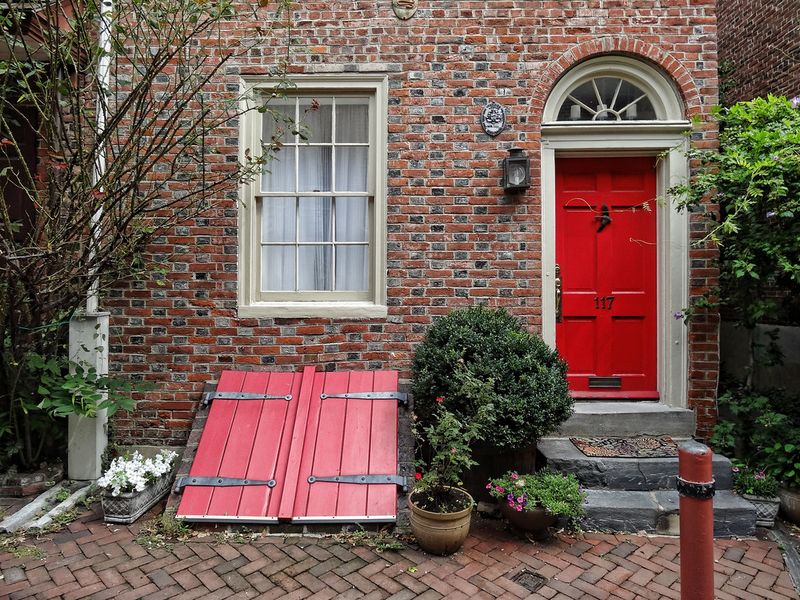
Look at the brick and you will notice quiet elegance. Flemish bond patterns catch light differently, while lintels and transom windows guide daylight deep inside narrow rooms.
Shutters, door knockers, and boot scrapers are small but telling details that whisper about etiquette and everyday mud.
The architecture shifts from Georgian symmetry to the lighter touch of Federal style. Fanlights and refined moldings signal the city’s growing confidence after independence.
You will see proportion doing heavy lifting here, creating harmony from modest materials and compact footprints.
Do not rush the facades. Step closer to pick out ironwork curls, original stone thresholds, and handblown glass with ripples that bend reflections.
These homes speak through texture and scale, reminding you that beauty often hides in practical choices and careful craft.
Life Across Three Centuries
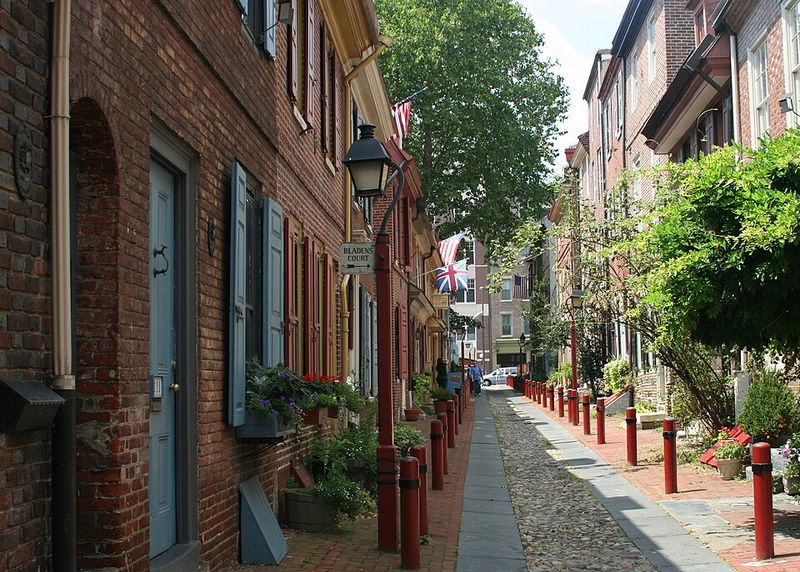
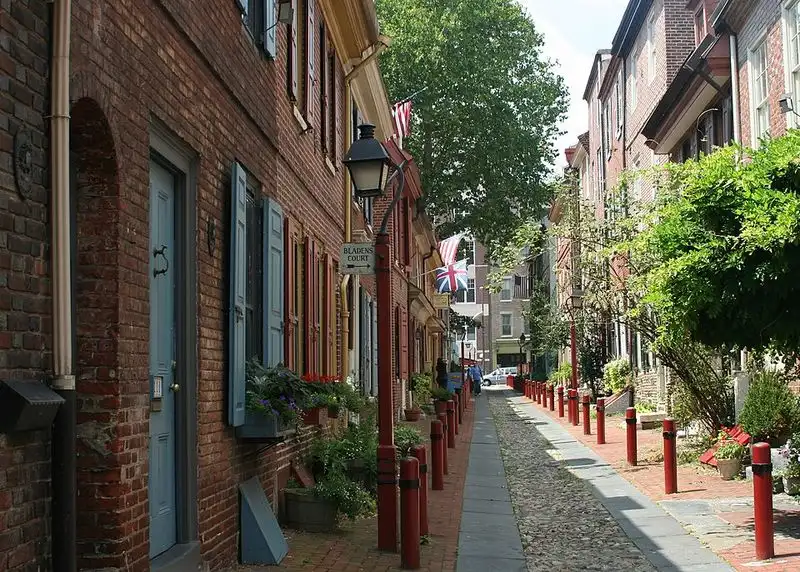
Elfreth’s Alley has never been static. Households shifted from colonial artisans to 19th-century laborers and shopkeepers, then to immigrant families carving out new routines.
Each generation altered interiors, tastes, and rhythms while the street’s backbone stayed steady.
You can sense the layers in patched brick, evolving door colors, and garden beds reclaimed from utility space. Laundry lines gave way to strollers, and handcarts to delivery bikes.
Listen long enough and you will hear echoes of lullabies in many languages, all sheltered by the same cornices.
The alley’s endurance is not nostalgia alone. It is adaptation within limits, a community negotiating change without erasing itself.
When you walk here, you step into a living agreement that home is a verb as much as a place, renewed daily by the people who love it.
Preservation and Community Stewardship
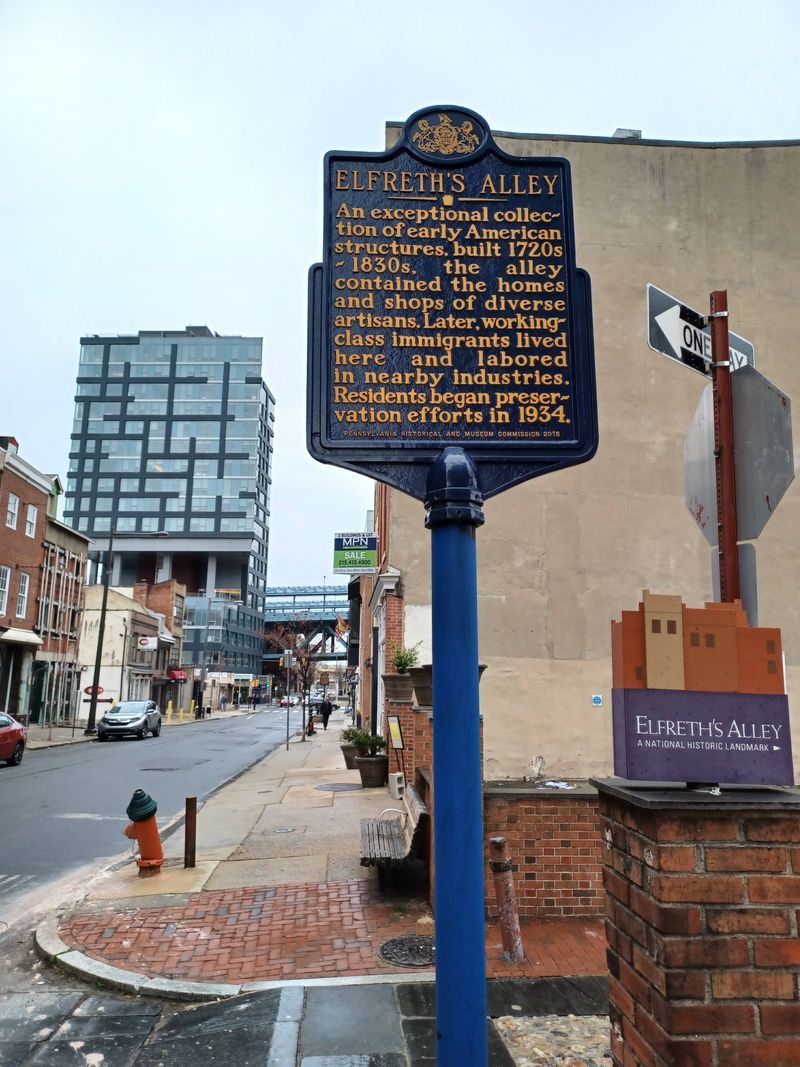
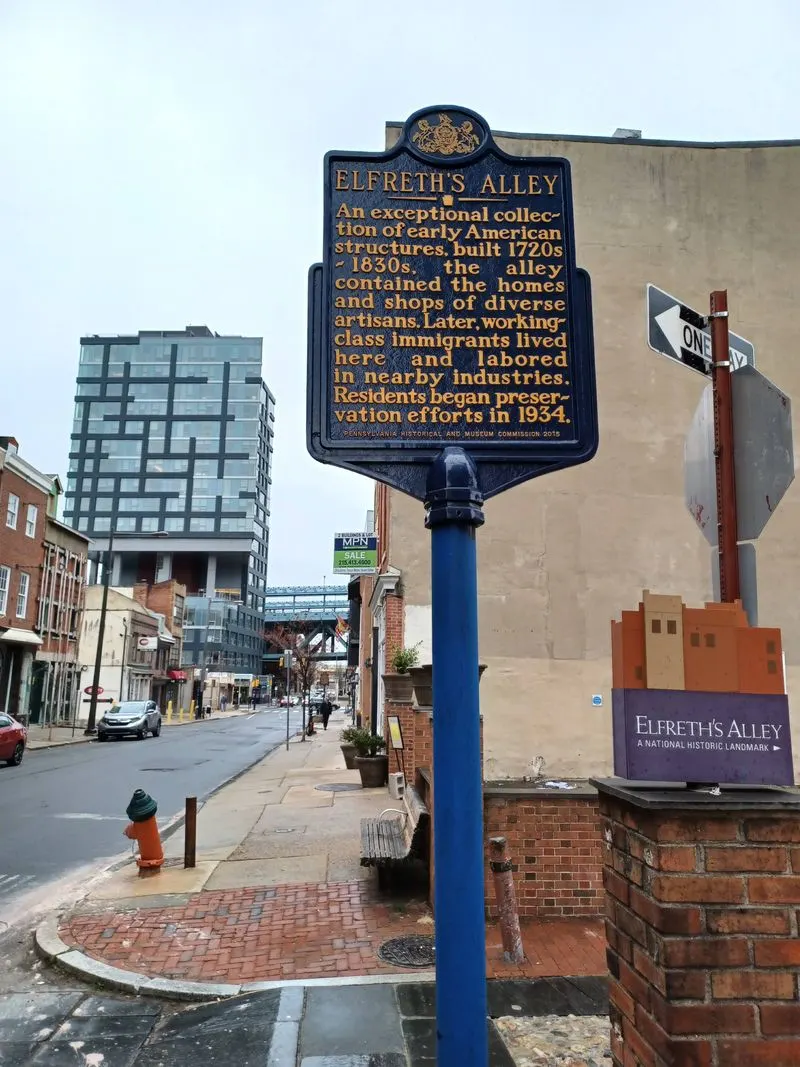
By the 20th century, the alley faced decay and pressure from widening streets and modern demands. Preservationists, neighbors, and city advocates stepped in, raising funds and awareness to safeguard irreplaceable fabric.
Their work aimed for authenticity, not a polished theme park.
You will appreciate the restraint: careful mortar matching, discreet utilities, and rules that balance privacy with public interest. The result feels lived-in and honest, with imperfections that tell the truth.
Community stewardship turns out to be the secret ingredient, because buildings alone cannot hold a soul.
When you visit, your choices matter too. Keep voices low, respect doorways, and support the museum and local efforts.
In doing so, you become part of the chain of care that kept this street intact for you to discover and for others to inherit.
Inside the Elfreth’s Alley Museum
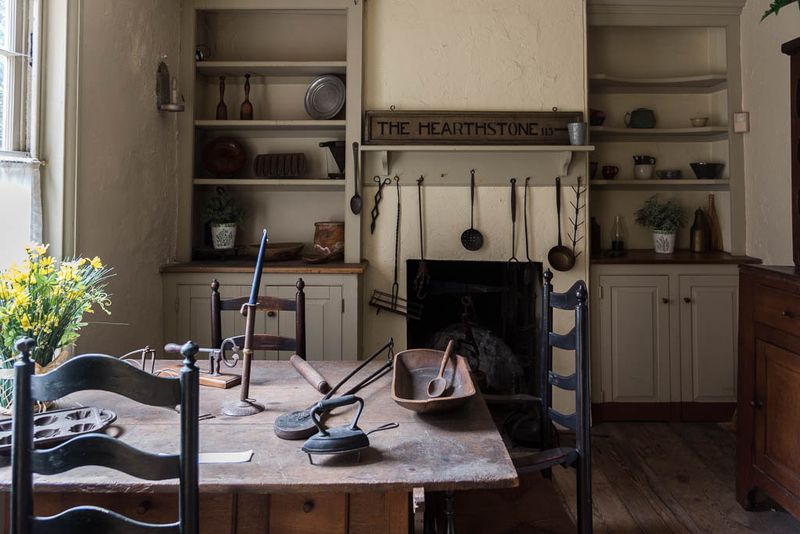
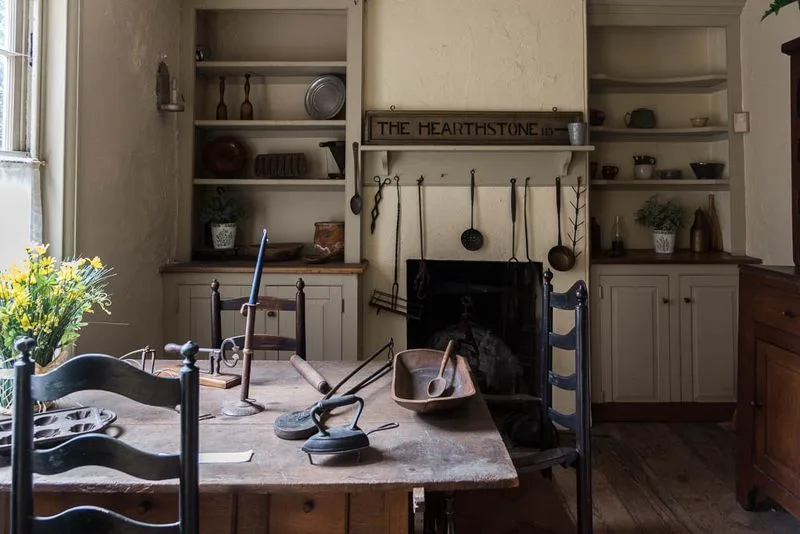
Two historic houses operate as the Elfreth’s Alley Museum, opening doors to everyday colonial rooms. You will see period furniture, hearth tools, and textiles that make domestic life feel close and tactile.
Docents share stories of real families, tying objects to names and choices.
The scale is intimate, which means you can focus on details like a pewter plate’s worn rim or a wooden settle polished by use. Exhibits highlight how work and home coexisted, and how modest comforts were prized.
It is less about grand portraits and more about bread, warmth, and rest.
Tours add context you might miss from the street alone. You come away with a toolkit for reading the alley: how windows ventilated, why staircases twist, and where storage hid.
The museum translates architecture into human experience, turning walls into memories you can almost touch.
Events, Etiquette, and Visitor Tips
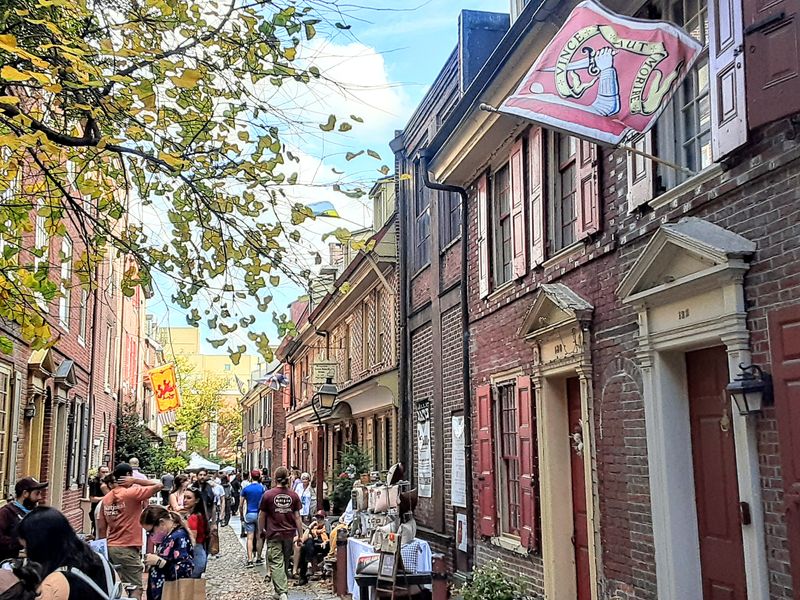
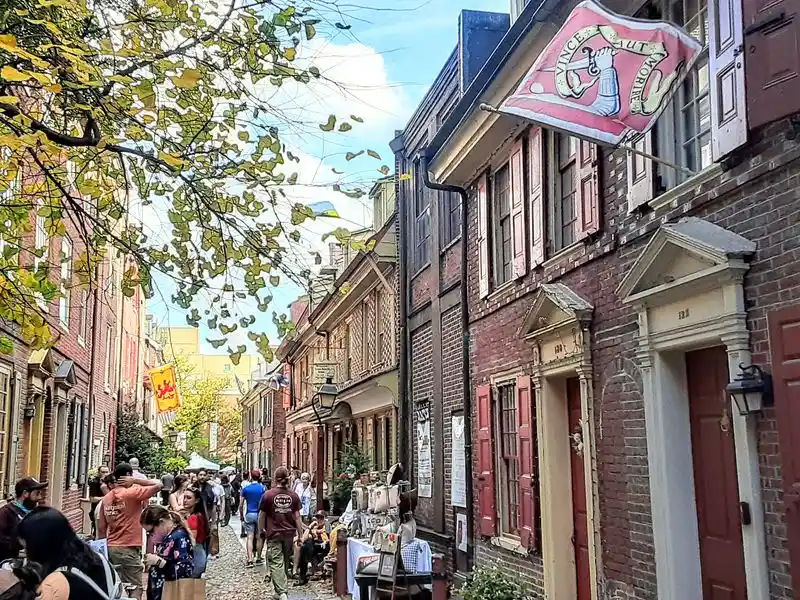
The alley comes alive during annual events like Fete Day and Deck the Alley, when residents open doors and traditions spill into public view. You will wander past wreaths, candlelit windows, and musicians while learning how celebrations evolved here.
It feels like stepping into a friendly neighborhood party with centuries of practice.
Plan your visit with care. The alley sits in Old City Philadelphia near key transit lines, and museum tours offer depth that rewards scheduling ahead.
Keep voices low, stick to sidewalks, and remember these are real homes with mail delivery and bedtime routines.
Come early or late for softer light and fewer crowds. Wear comfortable shoes for cobblestones, and bring questions for docents.
With respect and curiosity, you will discover a place where hospitality and history meet, and where your presence can help sustain a living landmark.