
Imagine drifting down a quiet river while towering mountains rise on both sides and eagles soar overhead — that is exactly what awaits you on the Lehigh River in Pennsylvania.
Jim Thorpe River Adventures turns this dream into reality by offering guided floats and rafting trips through one of the state’s most stunning natural landscapes.
Whether you are a first-time paddler or a seasoned outdoor enthusiast, this experience delivers breathtaking scenery, exciting water, and unforgettable wildlife encounters.
Pack your sense of adventure, because the Lehigh River is calling.
Lehigh River Float Experience
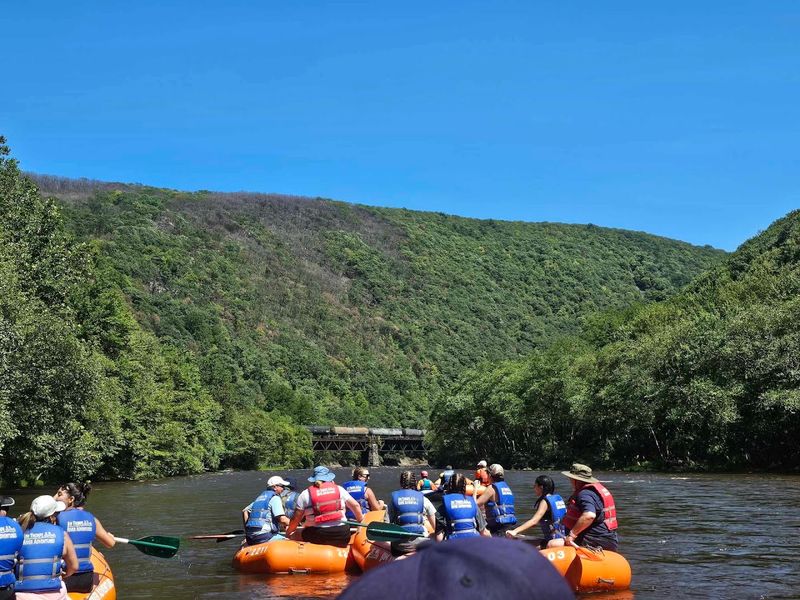
Picture yourself gliding across cool, clear water while ancient mountain ridges tower above you and the sound of rushing current fills the air. That is the magic of a Lehigh River float, and it is unlike almost any other outdoor experience in the entire northeastern United States.
The combination of wild scenery, fresh air, and moving water creates a sensory experience that is both energizing and deeply calming at the same time.
Jim Thorpe River Adventures runs trips through Lehigh Gorge State Park, a protected stretch of river corridor that keeps the surrounding land beautifully wild and free of development. Guests travel downstream past towering hemlocks, rocky canyon walls, and hidden waterfalls tucked into side gullies.
The river does most of the work, so you spend more time looking around than paddling hard.
Floats typically cover several miles of river, giving participants a generous amount of time to soak in the views and watch for wildlife along the banks. Groups of all sizes — families, couples, school trips, and friend squads — find something to love about this adventure.
It is one of those rare outdoor experiences that feels both accessible and genuinely wild.
About Jim Thorpe River Adventures
Founded with a passion for sharing the Lehigh River’s natural beauty, Jim Thorpe River Adventures has become the go-to outfitter for water-based recreation in Carbon County, Pennsylvania. The company is based in the charming historic town of Jim Thorpe — often called the “Switzerland of America” — which sits right at the gateway to Lehigh Gorge State Park.
That prime location makes it incredibly easy for visitors to gear up and get on the water without a long drive.
The outfitter offers a variety of trip formats, including rafting, tubing, and kayaking, so guests can pick the style that suits their energy level and comfort zone. Staff members are experienced, safety-conscious, and genuinely enthusiastic about the river.
They provide all necessary gear, including helmets and life jackets, and give thorough safety briefings before every trip launches.
What really sets this outfitter apart is the welcoming atmosphere they create for guests of all ages and backgrounds. A nervous first-timer gets just as much attention and encouragement as a seasoned paddler looking for whitewater thrills.
Booking is straightforward through their website, and the team is responsive to questions about trip options, group rates, and seasonal availability. It is a well-run operation from start to finish.
The Lehigh Gorge State Park Backdrop
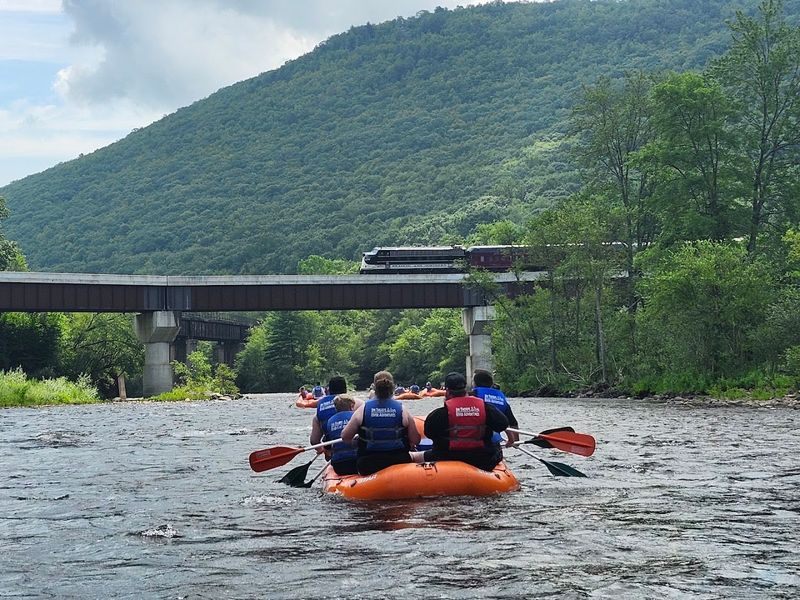
Carved over thousands of years by the relentless flow of the Lehigh River, Lehigh Gorge State Park is one of Pennsylvania’s most jaw-dropping natural landscapes. The gorge stretches roughly 26 miles through Carbon and Luzerne counties, and its steep walls rise dramatically on both sides of the river, sometimes reaching heights that make you feel like you are floating through a cathedral of stone and trees.
It is the kind of scenery that makes you put your paddle down just to stare.
The park protects a narrow, heavily forested corridor that has remained remarkably untouched compared to much of the surrounding region. Hemlocks, oaks, and maples cling to the canyon slopes, their roots gripping rocky outcroppings above the waterline.
When sunlight filters through the canopy on a calm morning, the gorge takes on an almost mystical quality that photographers and nature lovers absolutely adore.
Because the land within the gorge is protected state park property, there are no buildings, roads, or commercial development visible from the river. That sense of complete wilderness immersion is something you cannot get at a theme park or resort — it has to be earned by getting on the water.
Lehigh Gorge delivers that feeling in abundance, every single trip.
Forest Views Along the Riverbanks
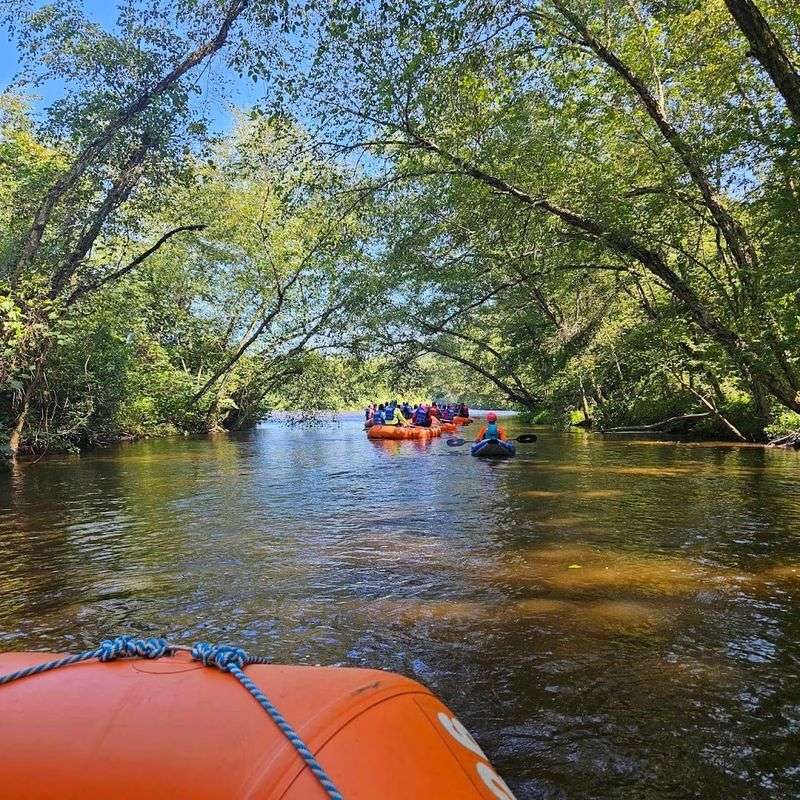
One of the quieter joys of floating the Lehigh River is watching the forest change as you move downstream. The riverbanks are lined with a rich mix of eastern hemlocks, white oaks, red maples, birches, and wild rhododendrons that bloom in spectacular pink clusters during early summer.
Each bend in the river reveals a slightly different arrangement of trees, light, and shadow that keeps the scenery feeling fresh mile after mile.
Autumn is arguably the most visually stunning time to float, when the hillsides above the gorge explode in shades of orange, crimson, gold, and amber. The foliage reflects off the river surface in shimmering pools of color that make every photo look professionally edited.
Spring brings a softer palette of fresh green growth, while summer offers dense, cooling shade that makes the experience comfortable even on warmer days.
The forest is not just beautiful — it is also a functioning ecosystem full of life. Fallen logs along the banks host salamanders and insects, while overhanging branches become perches for kingfishers and warblers.
Mossy rocks and fern-covered slopes hint at the moisture-rich environment that keeps this forest so lush. Floating through it feels less like a recreational activity and more like a slow, moving tour of a living nature documentary.
Mountain Vistas and Appalachian Surroundings
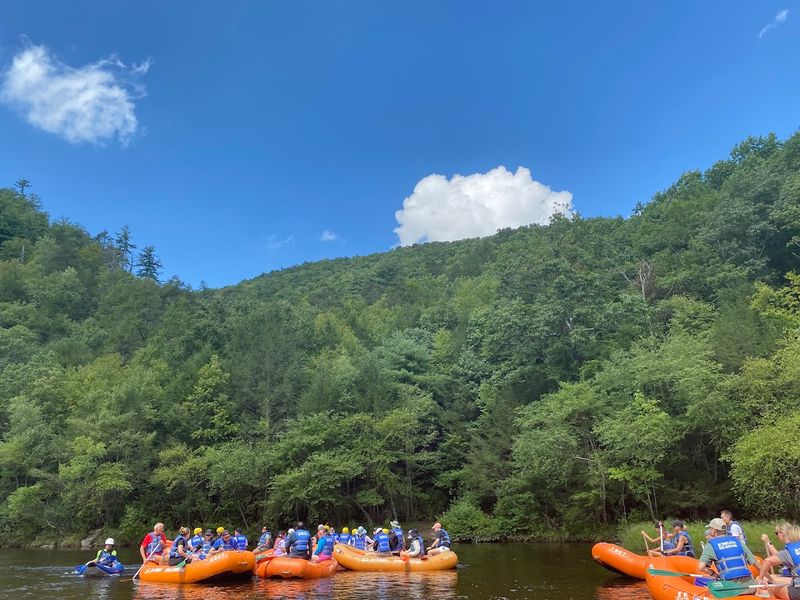
The Lehigh River does not just flow through a gorge — it flows through the heart of the Appalachian Mountains, one of the oldest and most storied mountain ranges in North America. Ridges like Broad Mountain frame the valley on either side, their rounded summits stretching across the horizon in long, unbroken lines that remind you just how ancient and enduring this landscape really is.
On clear days, the views from the river are genuinely breathtaking.
Unlike the sharp, jagged peaks found further west, the Appalachians here have a worn, rounded softness that feels almost gentle from a distance. But up close, the gorge walls are steep and imposing, covered in dense vegetation and streaked with mineral stains from centuries of water seeping through the rock.
The contrast between the calm river below and the rugged terrain above creates a visual drama that photographers and painters have been chasing for generations.
Looking upriver or downriver during a float, you often get a perfectly framed corridor view — river in the center, forested slopes rising on both sides, and a mountain ridge capping the horizon. It is the kind of composition that makes you wish you had brought a better camera.
Even a smartphone shot from the raft can look like a postcard worth framing.
Wildlife You Might Spot on the Float
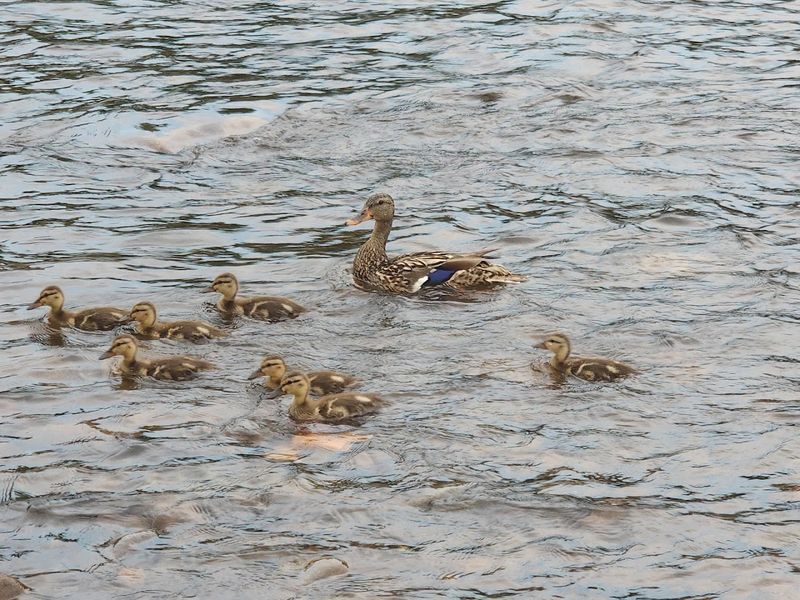
Keep your eyes moving on the Lehigh River, because wildlife shows up when you least expect it. Great blue herons are among the most common sightings — these prehistoric-looking birds stand motionless in the shallows, waiting patiently for a fish to swim within striking range.
Spotting one launch into flight with its enormous wingspan spread wide is a moment that never gets old, no matter how many times you have seen it.
Bald eagles have made a remarkable comeback in the Lehigh Valley and are now regularly spotted soaring above the gorge or perched in tall trees along the riverbanks. River otters, mink, and white-tailed deer also make appearances near the water’s edge, especially during early morning floats when animal activity is highest.
Osprey dive dramatically for fish, and belted kingfishers dart along the surface in flashes of blue and orange.
Below the waterline, the Lehigh River supports healthy populations of smallmouth bass, brown trout, and various native species that attract both anglers and fish-eating birds. The river’s relatively clean water and protected corridor make it a genuine wildlife refuge in the middle of a densely populated region.
Bringing a pair of lightweight binoculars can transform an already great float into a proper wildlife-watching expedition worth every penny.
Float and Rapids: What to Expect on the Water
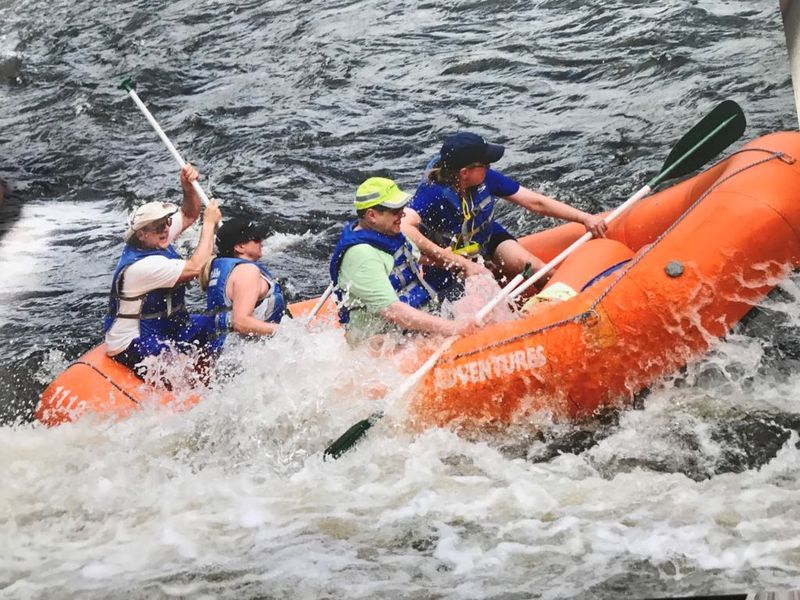
Not every stretch of the Lehigh River is a calm, mirror-smooth glide — and honestly, that variety is a big part of what makes it so exciting. Depending on which section you float and the current dam release schedule, paddlers can encounter anything from peaceful flatwater drifts to lively Class II and Class III whitewater rapids that send spray flying and get everyone laughing.
The river keeps you engaged without ever feeling overwhelming for most participants.
The whitewater sections tend to cluster around specific spots where the river narrows or drops over rocky ledges. Jim Thorpe River Adventures does an excellent job of preparing guests for what is coming, so nobody gets surprised by a rapid around the bend.
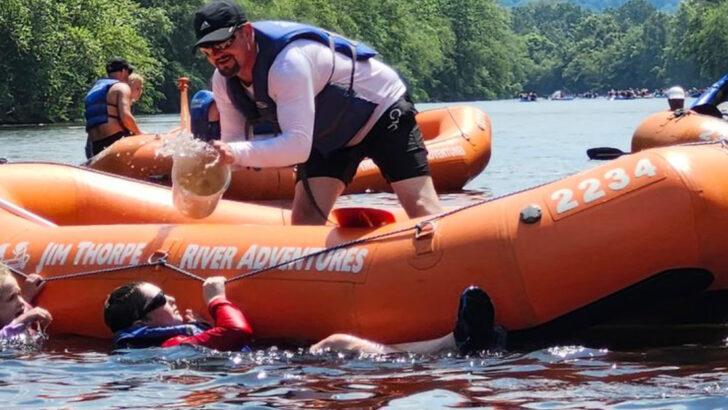
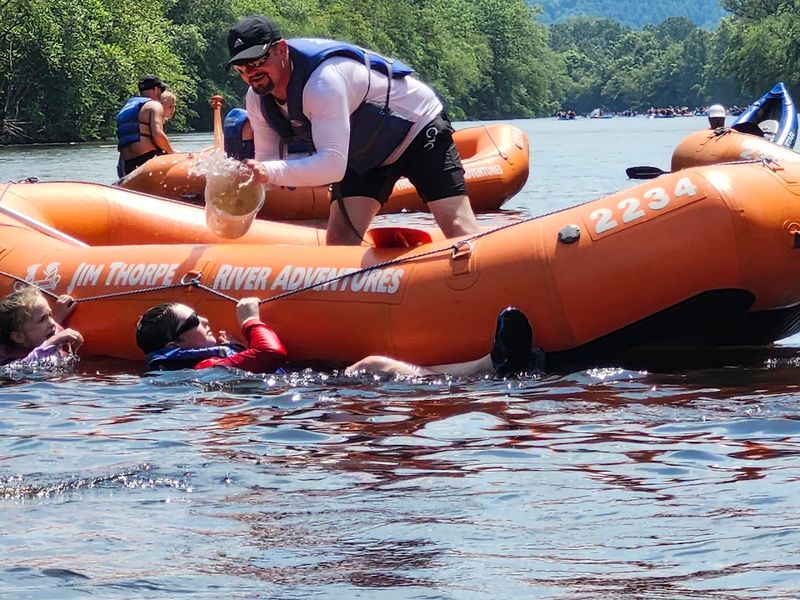
Guides give clear instructions on paddling technique, how to read the water, and what to do if a raft takes on water or flips in a rapid — which, for the record, is part of the fun.
Dam releases from the Francis E. Walter Dam upstream can significantly boost water levels and current speed, turning a mellow float into a more dynamic whitewater adventure.
The outfitter tracks release schedules carefully and adjusts trip recommendations accordingly. Checking conditions before you book can help you land on the type of water experience that matches your personal comfort level and thrill threshold.
Guided Trips for Every Skill Level
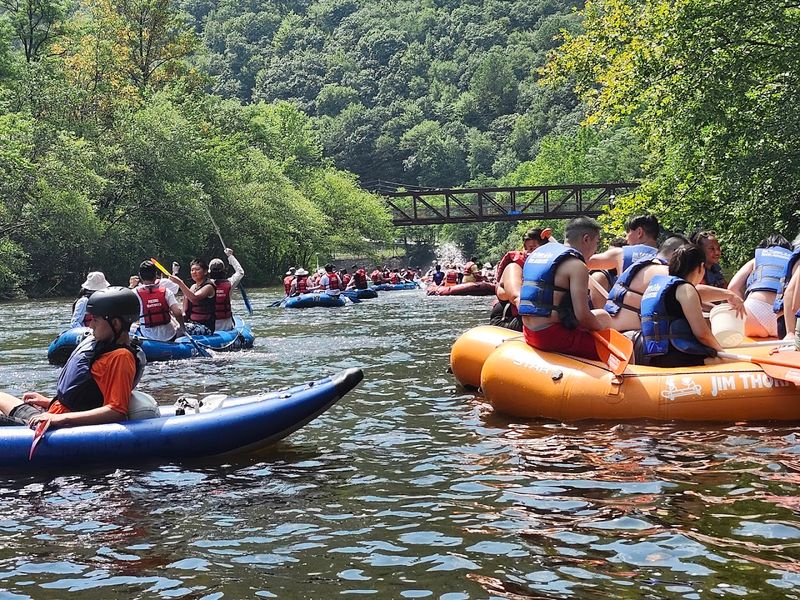
One of the most impressive things about Jim Thorpe River Adventures is how thoughtfully they have designed their trip lineup to welcome literally everyone. A nervous eight-year-old on their first river trip gets the same quality of care and guidance as a seasoned paddler looking to push their limits on faster water.
The outfitter has clearly spent years figuring out how to make river adventures feel safe and fun across a wide range of ages and abilities.
Families with younger children tend to gravitate toward the scenic float options, which cover calmer stretches of the Lehigh River at a relaxed pace. These trips prioritize sightseeing, wildlife watching, and enjoying the gorge scenery without the adrenaline of significant rapids.
Groups with older kids or adults who want more excitement can opt for whitewater rafting trips that include the more spirited sections of the river with trained guides leading the way.
Corporate groups, school field trips, birthday parties, and bachelorette outings have all found a home on the Lehigh River with this outfitter. The social, shared nature of rafting makes it a natural team-building activity that bonds people together through shared effort and shared laughter.
Few experiences are as reliably fun for a mixed group as navigating a river together under the guidance of a knowledgeable, enthusiastic local guide.
Seasonal Timing and Best Conditions
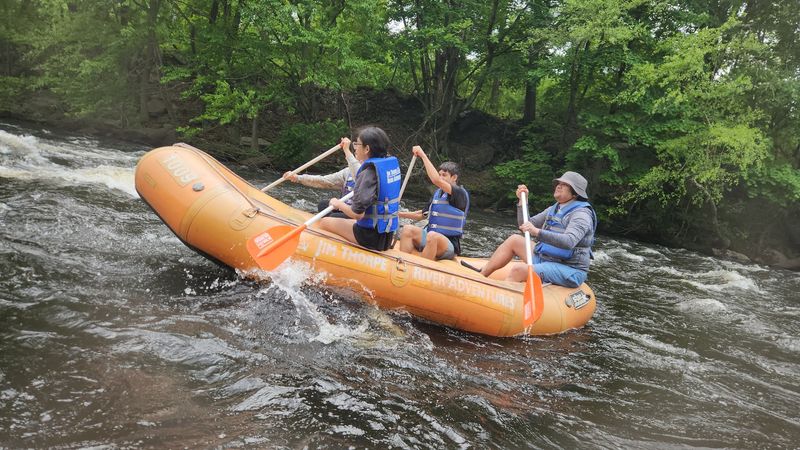
Timing your Lehigh River float can make a real difference in the quality of the experience, so it pays to know a little about the seasonal rhythm of the river. Jim Thorpe River Adventures typically operates from spring through fall, with the season often kicking off in March or April when snowmelt and spring rains push water levels up and the river runs with satisfying energy.
Early season floats have a raw, dramatic quality that appeals to paddlers who do not mind chilly temperatures.
Spring is widely considered the prime whitewater season on the Lehigh, thanks to higher water volumes and frequent dam releases from Francis E. Walter Dam upstream.
These controlled releases are scheduled in advance and can dramatically increase the river’s current and rapid intensity, creating conditions that whitewater enthusiasts specifically plan their trips around. Checking the release calendar before booking is a smart move for anyone chasing the best water.
Summer brings warmer temperatures that make the float more comfortable for families and casual visitors, though water levels can drop on non-release days. Fall offers arguably the most beautiful scenery of the year, with autumn foliage turning the gorge into a living tapestry of color.
The outfitter’s website typically lists operating dates and conditions updates, making it easy to plan a trip that aligns with your preferred season and experience style.
Tips for Making the Most of Your River Adventure
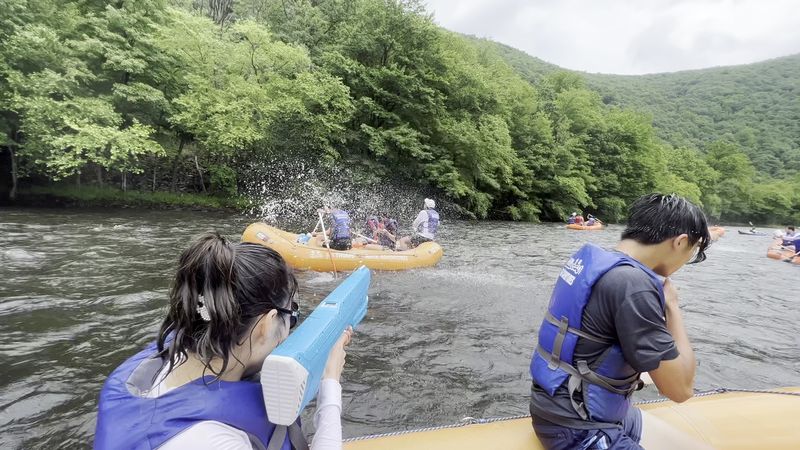
Arriving early is one of the simplest and most effective ways to upgrade your Lehigh River experience. Getting to the launch site before the crowds means calmer parking, more relaxed gear distribution, and a better chance of spotting wildlife before the river gets busy with other groups.
Early morning light also happens to be the most flattering for photography, casting a warm golden glow across the gorge walls and water surface.
Dress in layers that you do not mind getting wet, especially in spring or on release days when splashing is inevitable. Synthetic fabrics dry quickly and keep you warm even when damp, while cotton holds moisture and can leave you feeling cold and uncomfortable.
Water shoes or sandals with secure straps work much better than flip-flops, which have a habit of floating away at the worst possible moments on a river trip.
Bring a waterproof case or dry bag for your phone if you want to capture wildlife shots and mountain vistas without risking a soggy device. Many guests combine their float with a ride or hike on the Lehigh Gorge Trail, a scenic rail-trail that runs parallel to the river and offers a completely different perspective on the gorge.
Spending a full day in the area — float in the morning, trail in the afternoon — makes for an incredibly satisfying outdoor adventure from start to finish.