
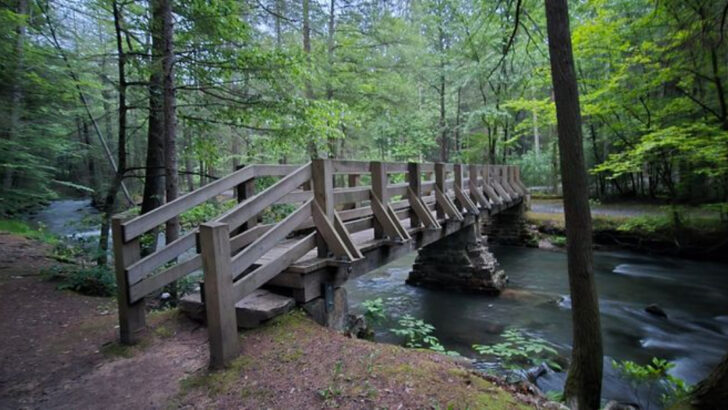
Tucked along Honey Creek, Reeds Gap State Park keeps things charmingly simple, the way your grandparents might remember a Saturday outdoors. No frills, no frenzy, just shady groves, friendly rangers, and the steady hush of water.
It feels like the 1950s survived here on purpose, and that slower rhythm is exactly what makes the place special. If you crave easy trails, picnic tables that tell stories, and a campground where stars still steal the show, you will feel right at home.
Honey Creek Fishing Simplicity
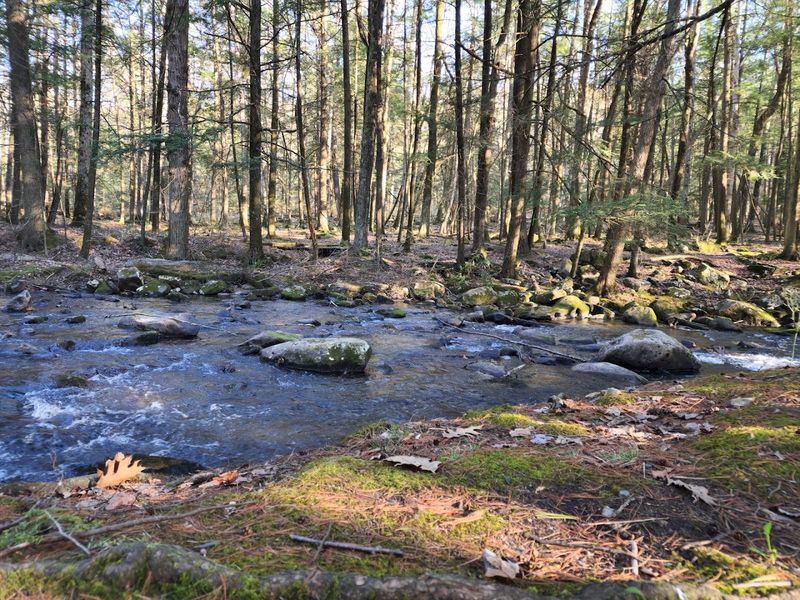
Follow the sound of riffles and you reach a creek that invites unhurried casts. Honey Creek is narrow, cold, and surprisingly generous when patience wins out over fancy tackle.
You notice more by slowing down, like stonefly shucks on rocks and shadows slipping beneath eddies.
Spinners and small spoons work, but a basic worm rig catches when nothing else does. Barbless hooks make releases cleaner, and a compact net saves knees on slick stones.
Polarized sunglasses help you read seams and spot deeper pockets from the bank.
Morning and last light are prime, especially after a gentle rain bumps the flow. Keep footsteps quiet and approach from downstream so fish see the lure before they see you.
When the bite pauses, sit on a boulder, sip water, and let the creek reset your timing.
Licenses are required, so handle that before lines hit water. Pack a small trash bag to carry out clipped line and snack wrappers, since clean banks mean better fishing tomorrow.
Leaving with one keeper for dinner and a story for years feels perfectly on brand here.
Tent-Only Campground Nights
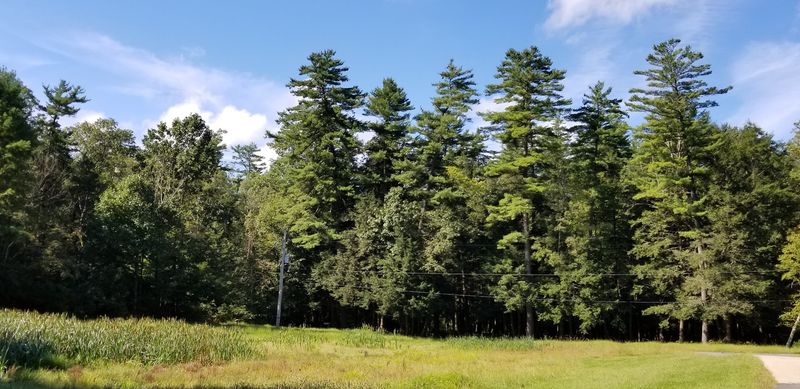
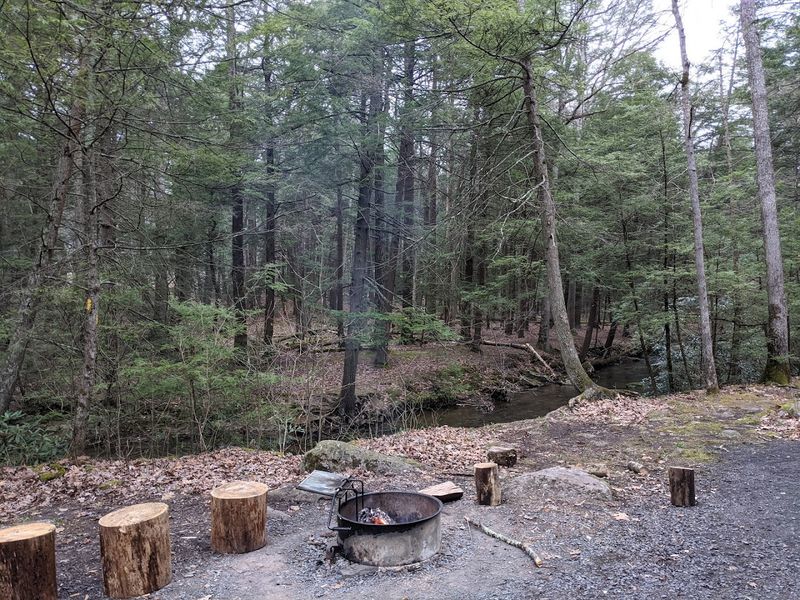
Skip the buzz of generators and you get crickets, a creek, and a fire that talks softly. The tent-only campground at Reeds Gap is compact, social, and still quiet after dark.
It feels safe to stroll for water with a headlamp and wave at neighbors swapping marshmallows.
Site spacing varies, so check the map and choose more tree cover if hammocks matter. Gravel pads ask for a solid sleeping pad and sturdy stakes, plus a small whisk broom for grit.
Dogs are welcome, which is charming until a chorus warms up, so earplugs help.
Arrive before sunset to settle cords and guylines while you can still see colors. Keep food sealed and tidy, and bring a folding drying line for wet socks after a creek wade.
A simple lantern and a paperback make the best evening entertainment money cannot buy.
Bathrooms are clean and basic, with showers that sometimes run cooler than expected. That is part of the throwback, and a brisk rinse feels honest after a warm day.
When the last ember glows and the stars sharpen, you remember how quiet used to sound.
Easy Trails Through Tall Trees
You will find footpaths that meander instead of muscle you uphill, perfect for conversation and curious kids. Bridges cross the water at just the right moments, and the air smells clean and green.
Mud happens after rain, so shoes that shrug off puddles are worth packing.
Trail blazes are generally clear, though boundaries get faint as you near the forest edge. A simple paper map in your pocket beats a dead phone every single time.
Take breaks on flat rocks, sip from a bottle, and notice wildflowers edging the path.
For a little more effort, the route toward Thick Mountain cranks up the grade quickly. Short switchbacks warm calves, and views peek through trees like postcards you have to earn.
If that sounds like too much, loops along Honey Creek deliver movement without sweat.
Afternoons can be quiet, especially on weekdays, with birdsong filling the gaps between footfalls. You will pass locals walking dogs and kids testing new boots on tiny roots.
It all feels perfectly sized for an unhurried hour that still counts as a day out.
Historic Dam Remnants And Footbridges
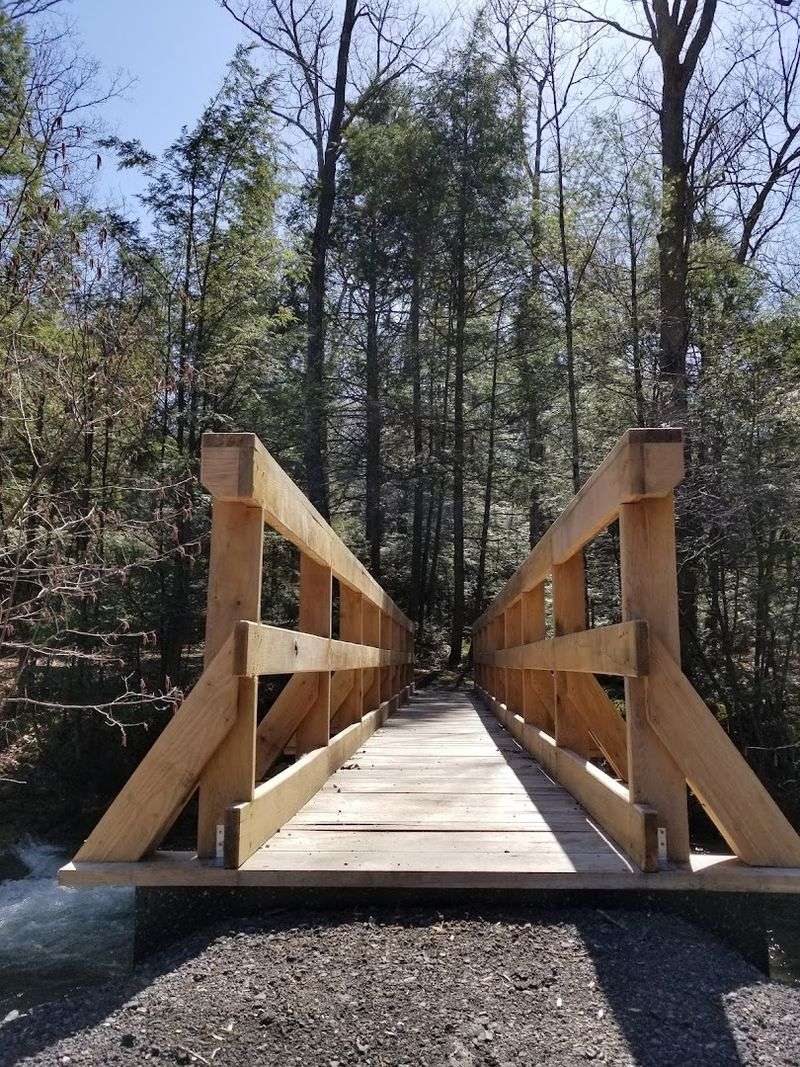
Old stonework peeks from the creek like a quiet history lesson you can touch. The remnants hint at earlier park days, when swimming holes and small dams shaped summer routines.
You can hear water fold over the rocks, steady and patient, like a metronome for memories.
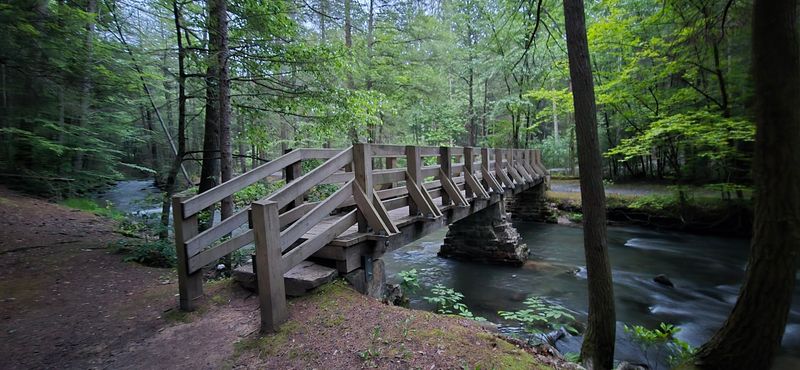
The Historic Dam loop is modest in length but rich in texture. Mossy blocks, weathered rails, and a few muddy stretches keep steps interesting without stress.
Sneakers handle it fine, though waterproof low hikers make puddles a nonissue.
Photography is lovely on cloudy days that soften glare and deepen greens. Try shooting low near the waterline, then step back to frame footbridges and tree trunks for scale.
If crowds gather, wait one minute and the scene resets, because movement here is constant.
Bring a small towel to perch on stones while you snack and watch insects ride the current. It is a simple pause that turns a short walk into a morning you actually remember.
You leave with damp cuffs, a camera roll full of moss, and a grin that lingers.
Playground And Family Green Space
Small can be perfect when attention spans are short and snacks run out fast. The playground sits close to picnic tables, so adults can supervise while coffee stays warm.
Shade arrives early and lingers, making midday breaks gentler on little legs.
Bring baby wipes, sunscreen, and a small first aid kit for splinters and adventurous scrapes. A Frisbee or foam ball turns the nearby grass into an all ages arena.
You can promise creek time after, which motivates cleanups like nothing else.
Bathrooms are a short walk, and seasonally open facilities by the lot simplify logistics. If the swings are busy, wander toward the footbridge and toss leaf boats downstream.
That tiny contest buys another happy half hour without screens or negotiations.
Packing a simple scavenger list keeps kids engaged without overplanning. Think a blue feather, a heart shaped rock, and a leaf that feels like wax.
By the time nap yawns arrive, you will have a camera roll of grins and a peaceful drive home.
Mid State Trail Connection Day
Three miles of local paths are the warmup for a bigger idea just beyond the boundary. The Mid State Trail slips past, offering mileage that stretches legs without leaving comfort behind.
You can sample an out and back segment, then return for a creekside cool down.
Carry a paper map and a simple compass as blazes occasionally fade at intersections. Snacks with salt matter on longer outings, along with two bottles and a spare layer.
Cell service can wobble, so texts to share an ETA are smarter at the trailhead.
Pace feels different on ridge terrain, with rocks demanding shorter steps and steady ankles. Trekking poles help on loose slopes, and a hat earns its keep in bright gaps.
If you plan six miles, start early and build in time for photos and water stops.
Afterward, the park’s quiet tables make a great staging area for late lunch. You can compare notes, circle tomorrow’s loop, and rinse socks in the creek.
A peaceful reset like that turns a simple day hike into a small tradition.
Ranger Help And Paper Maps
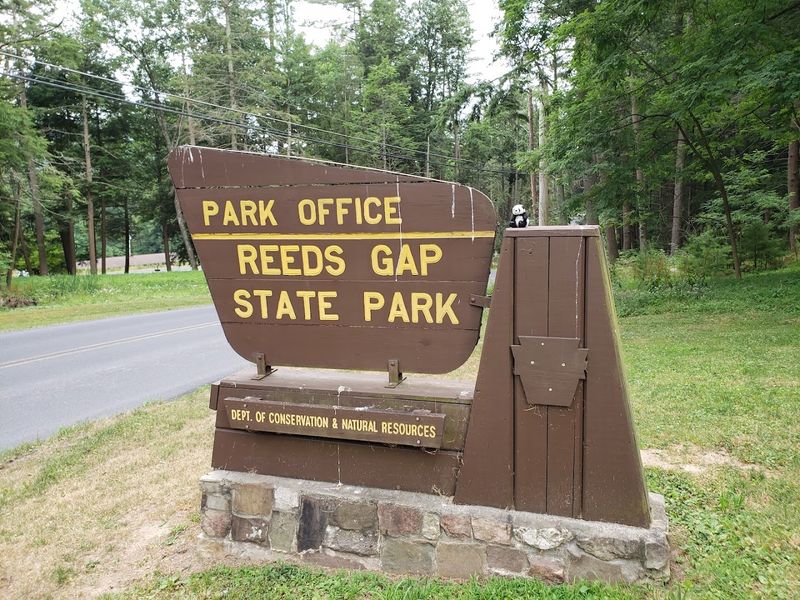
Questions get answered by people here, not kiosks that talk at you. Rangers are friendly, practical, and quick with tips about sites, muddy corners, and quiet hours.
You feel looked after without being managed, which sets the tone for the whole visit.
Grab a paper map even if your phone is charged. Batteries vanish in cold and heat, and a folded map works in every hollow.
Circle restrooms, pavilions, and trail junctions so nobody wanders hungry past lunchtime.
Bulletin boards list events, seasonal closures, and helpful reminders about hunting and dogs on leash. It pays to snap a quick photo of the notices, then share with your group.
That tiny step prevents a dozen minor headaches before they start.
If you have an issue, stop by early while staff are still on rounds. You will get better campsite swaps and smarter advice before the afternoon rush hits.
Kindness is the park’s unofficial currency, and it buys more calm than anything else.
Quiet Evenings And Stargazing
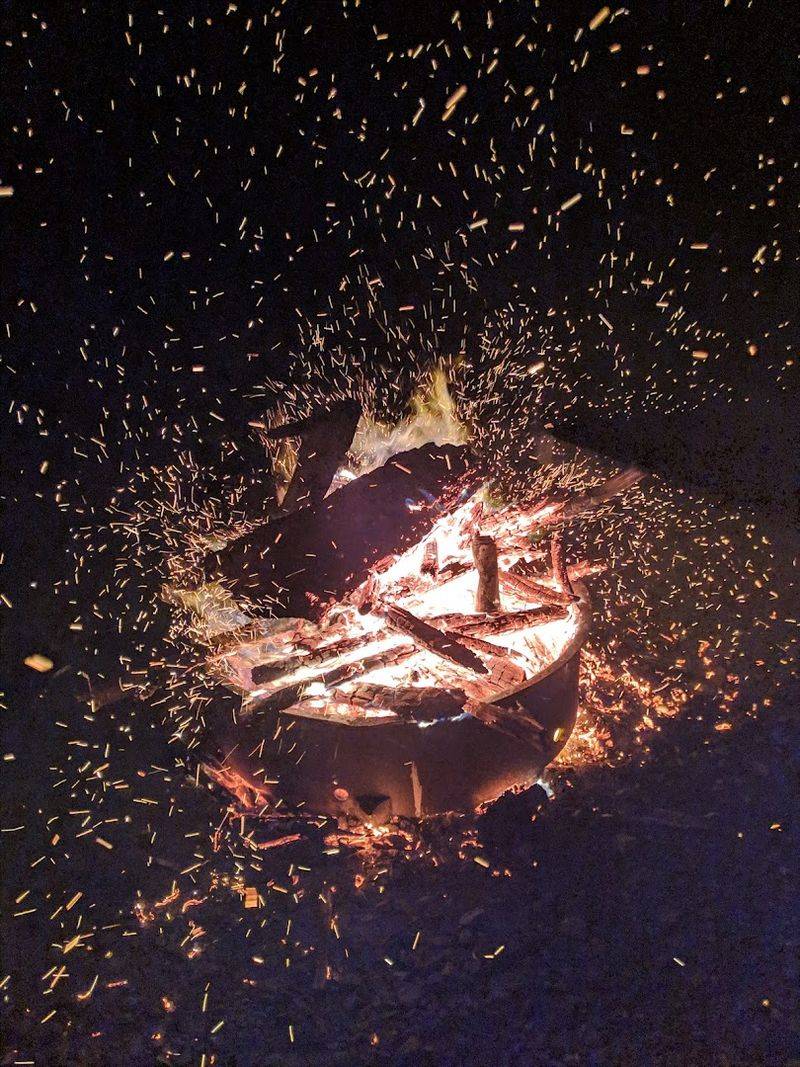
Evenings unfold slowly in this valley, with crickets tuning up and creek water keeping rhythm. Phones fade to pockets when the fire takes over the conversation.
You notice constellations sooner than expected because the darkness cooperates.
Bring a red headlamp to protect night vision and a simple star chart for quick wins. Find the Summer Triangle, trace Cassiopeia, then step back and just breathe for a minute.
A camp chair with a low recline beats a stiff bench for long looks.
Sound carries in small campgrounds, so late talk stays soft and quick. Zippers close gently, bottles clink once, and the night fills the spaces between.
That shared courtesy lets everyone sleep while owls handle the soundtrack.
Cold sneaks in after midnight, even in June, so stash a warm layer inside your bag. A kettle and cocoa packet become luxury when fingers cool down.
By morning, ash hides under gray dust, and you wake rested, already planning the next trip.
Seasonal Notes And Smart Timing
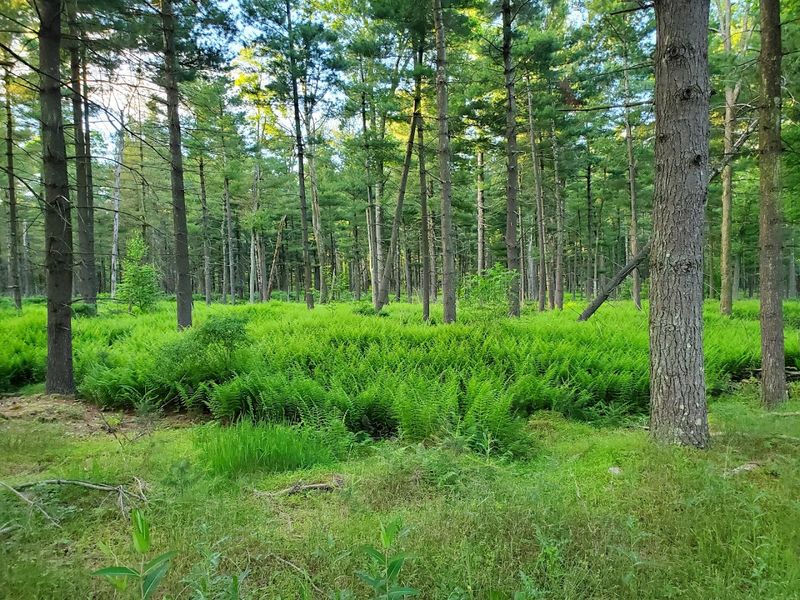
Timing shapes your day here more than gear lists do. Spring brings wildflowers and higher water, which means prettier photos and muddier shoes.
Summer fills pavilions by noon, so arrive early or lean into lazy late afternoons.
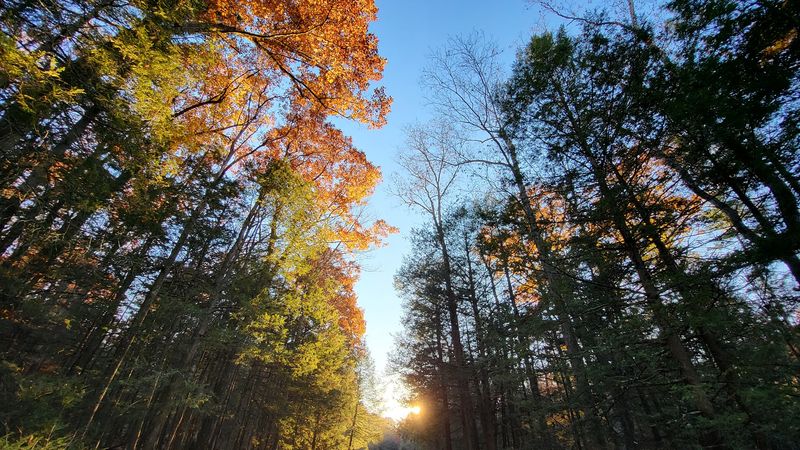
Autumn lights the ridges like a postcard, and cool air makes burgers taste better. Trail traffic spreads out, but parking still rewards early birds and patient exits.
Winter strips distractions away, leaving footprints, breath fog, and a clear sense of place.
Check hours and event boards since schedule shifts happen with seasons. A backup plan helps when rain hits, like swapping a longer hike for the dam loop and a pavilion lunch.
Keep cash handy for firewood nearby, and always confirm dogs, quiet hours, and reservation details.
The best days often start simple. Pack water, pick one goal, and leave room for a second if energy stays high.
That flexible approach fits Reeds Gap’s old fashioned rhythm, which is probably why you will want to return.