
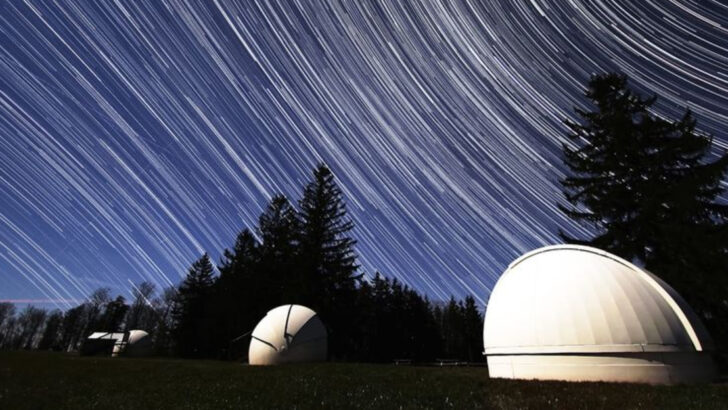
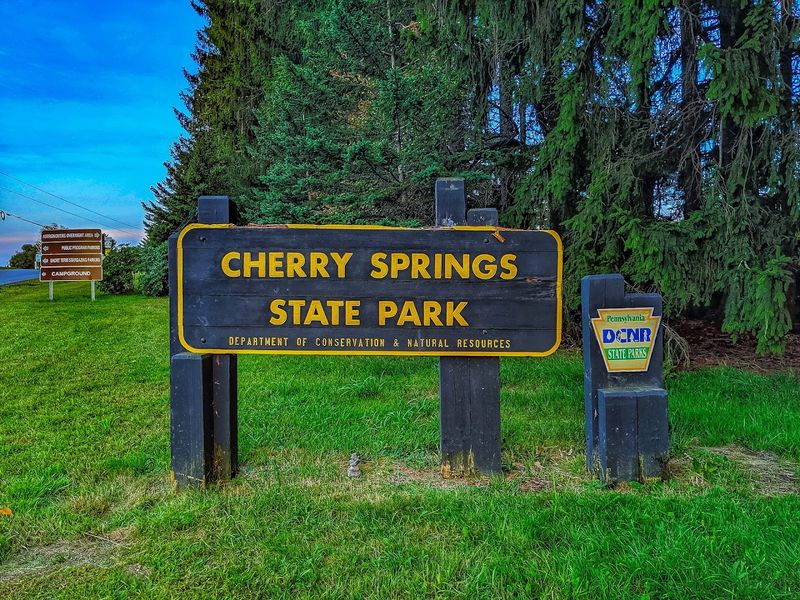
High on the Allegheny Plateau, Cherry Springs State Park offers night skies so dark you can see the Milky Way with your naked eye. At 2,300 feet, stars spill across the horizon, and even casual visitors whisper wow without thinking.
If you have ever wondered what a true dark sky feels like, this is the place you measure all others against. Bring curiosity, a red flashlight, and a little patience, because the show only gets better as your eyes adjust.
Overnight Astronomy Observation Field
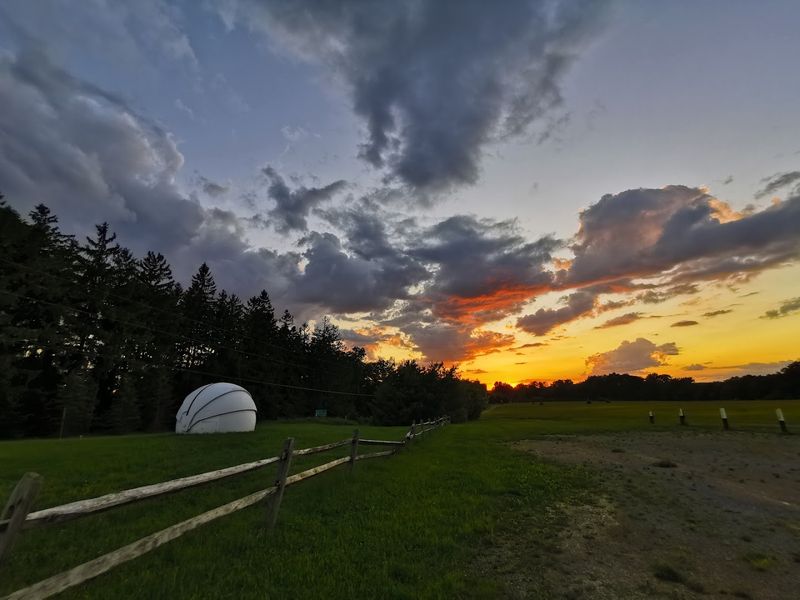
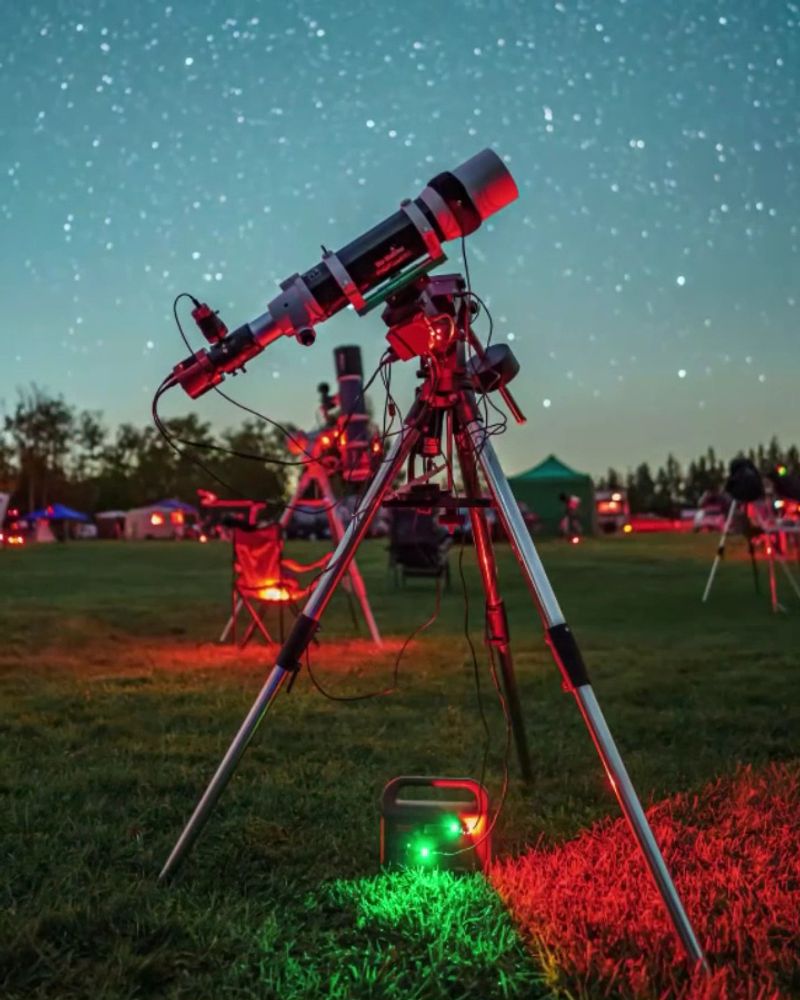
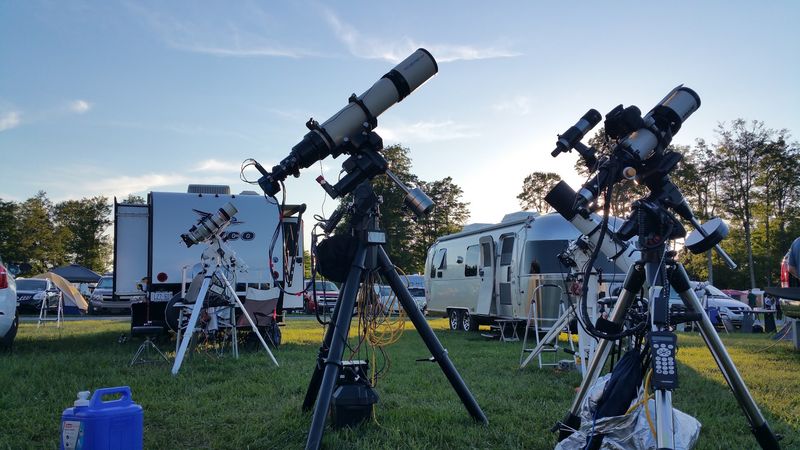
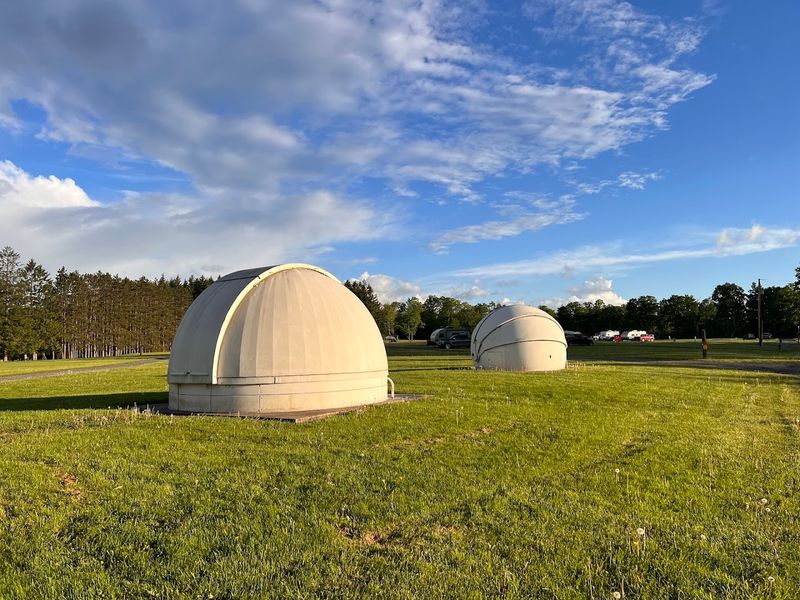
Serious skywatchers gravitate to the Overnight Astronomy Observation Field, a controlled area where white light is banned after dusk. Power pedestals support mounts and dew heaters, and the ground is level enough to keep tripods steady all night.
Entry rules matter here, so plan to arrive before the gate closes at sunset.
Expect a low murmur of conversation, careful red lights, and a shared focus on the sky. You will hear soft clicks from tracking mounts and the occasional cheer for a bright meteor.
Bring an extension cord, gaffer tape to secure cables, and covers to keep dew from turning optics into glistening mirrors.
There are restrooms, designated parking, and enough space to set up without bumping a neighbor. The vibe is welcoming if you are new, provided you respect etiquette and keep screens dimmed.
Pack snacks you can open quietly, a reclining chair, and a thermos, then let your setup run while you simply look up. If clouds threaten, do not bolt early, since post midnight windows often open and reward the patient with crystal views and unexpected satellites skimming the Milky Way.
The Signature Dark-Sky Experience
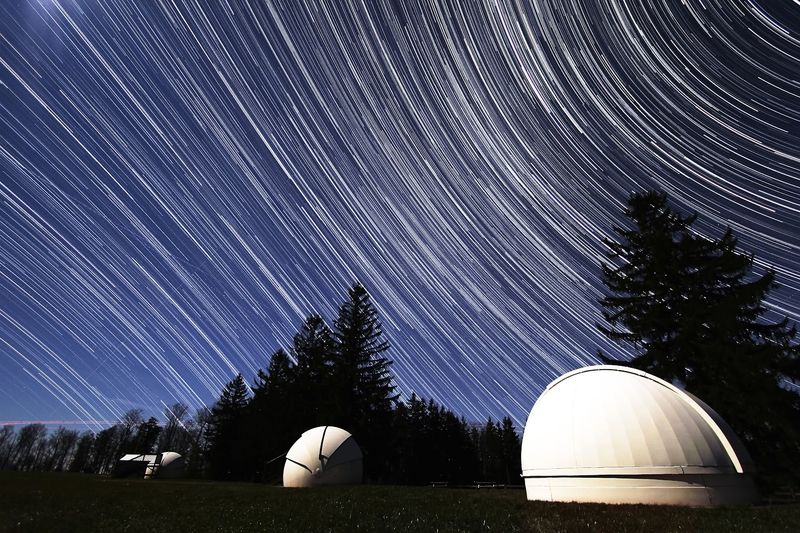
At this elevation in Pennsylvania, the sky turns ink black and the Milky Way looks textured, almost three dimensional to the naked eye. Bortle 2 conditions reveal structure in distant nebulae, star clusters, and the dark rifts you usually miss at home.
You feel small in the best way while Orion rises and faint satellites glide past.
Public programs run seasonally, and rangers use green lasers to trace out constellations while sharing easy stories you will actually remember. Benches, restrooms, and low red pathway lights make the experience welcoming if you have never visited a dark site before.
Arrive before dusk to settle in, then let your eyes adapt for thirty slow minutes.
You can watch the Andromeda Galaxy materialize from a smudge into an oval, then notice the Double Cluster pop like frost. On the right night, the zodiacal light or airglow adds a faint cone near the horizon that cameras love.
Pack patience, warm layers, and a flexible plan, because clouds and wind shift quickly here. If conditions thin after midnight, stay put, since the sky often stabilizes and transparency improves toward dawn, turning already impressive views into something unforgettable that keeps you coming back.
Public Viewing Area Essentials
First timers often start in the Public Viewing Area, which has benches, restrooms, and a clear southern horizon. Rangers sometimes offer constellation tours, using a laser to sketch stories across the sky in plain language.
You can bring a blanket, a warm jacket, and snacks, then settle in without special gear.
Lights matter. Switch phone screens to red, cover headlights with approved shields, and avoid opening car doors once it gets truly dark.
That little courtesy helps everyone see fainter details, and you will be surprised how bright the Milky Way appears after twenty minutes of adaptation.
Parking has improved, and simple amenities keep the night comfortable without flooding the field with stray glow. If you plan to photograph, step to the edges and angle away from the crowd to avoid accidental flashes.
Families appreciate that you can arrive and leave at reasonable times, but staying late usually pays off. Bring a reclining camp chair and a hat, because even in summer the breeze can chill at altitude, and a small thermos turns a long watch into a pleasant ritual you will remember.
Best Times, Moon Phases, and Weather Windows
Timing makes or breaks a stargazing trip. Aim for a new moon or the few nights bracketing it, since a bright moon washes out the Milky Way and most faint targets.
Check forecasts from multiple sources, including the Clear Sky Chart and satellite loops, because local valleys can trap clouds while the plateau stays clear.
Conditions often improve after midnight as traffic dies and cooler air settles. Dew can be heavy, so stash microfiber towels, chemical hand warmers for eyepieces, and lens hoods that extend beyond the objective.
Warm layers are essential in every season, and a beanie can save a long session from ending early.
Should the first night fail, treat the trip like fishing and wait out a second window. Patience pays here, and even partial clearing can unlock breathtaking contrast across Sagittarius and Scutum.
If you plan a weekend, book your campsite early and coordinate arrival before dusk. A simple rule helps: prioritize new moon weekends in September and October for crisp transparency, or pick late spring for longer twilight and core views, then add a backup date two weeks later to double your odds.
Camping and On-Site Amenities
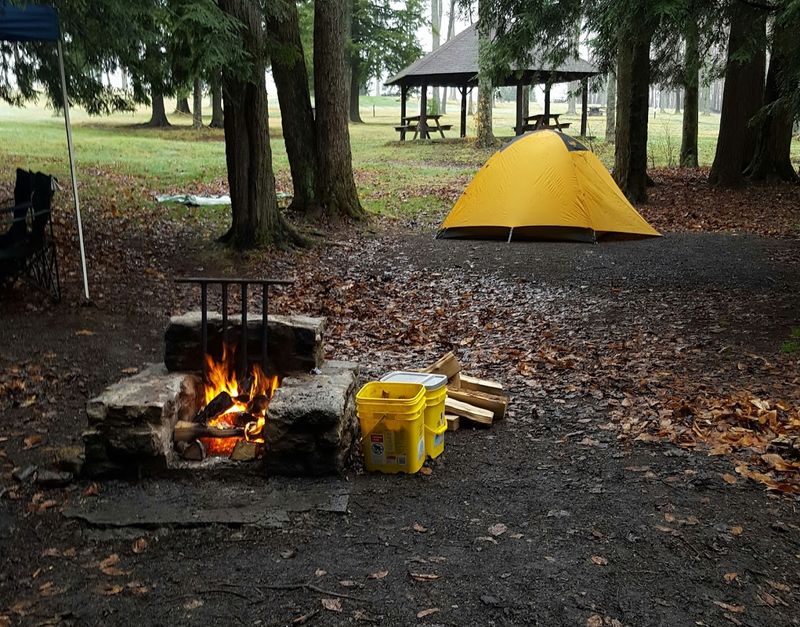
Campsites are limited and popular, so reserve early and arrive with a simple, quiet setup. The campground is primitive yet tidy, with clean restrooms and enough space to enjoy a calm evening before the lights-out focus on the sky.
Fire rules vary, and flames must be out well before nightfall near the astronomy areas.
Expect the basics: picnic tables, fire rings in designated spots, and a short drive to a general store for wood and last minute provisions. Even in July, nights can sting, so pack a warmer sleeping bag than you think you will need.
Earplugs help if neighbors whisper late while meteor counts rise.
EV chargers at the public side make logistics easier, and parking improvements keep headlights directed away from seats. If you plan to combine camping with the Overnight Field, read the different rules and stage gear during daylight.
Keep food sealed to avoid wildlife visits, and stow anything that clicks or beeps. After a hot drink under a wool hat, slide into your bag early, then set an alarm for 2 am, when skies often sharpen and traffic is nearly silent, perfect for a second round.
Astrophotography Tips for Beginners
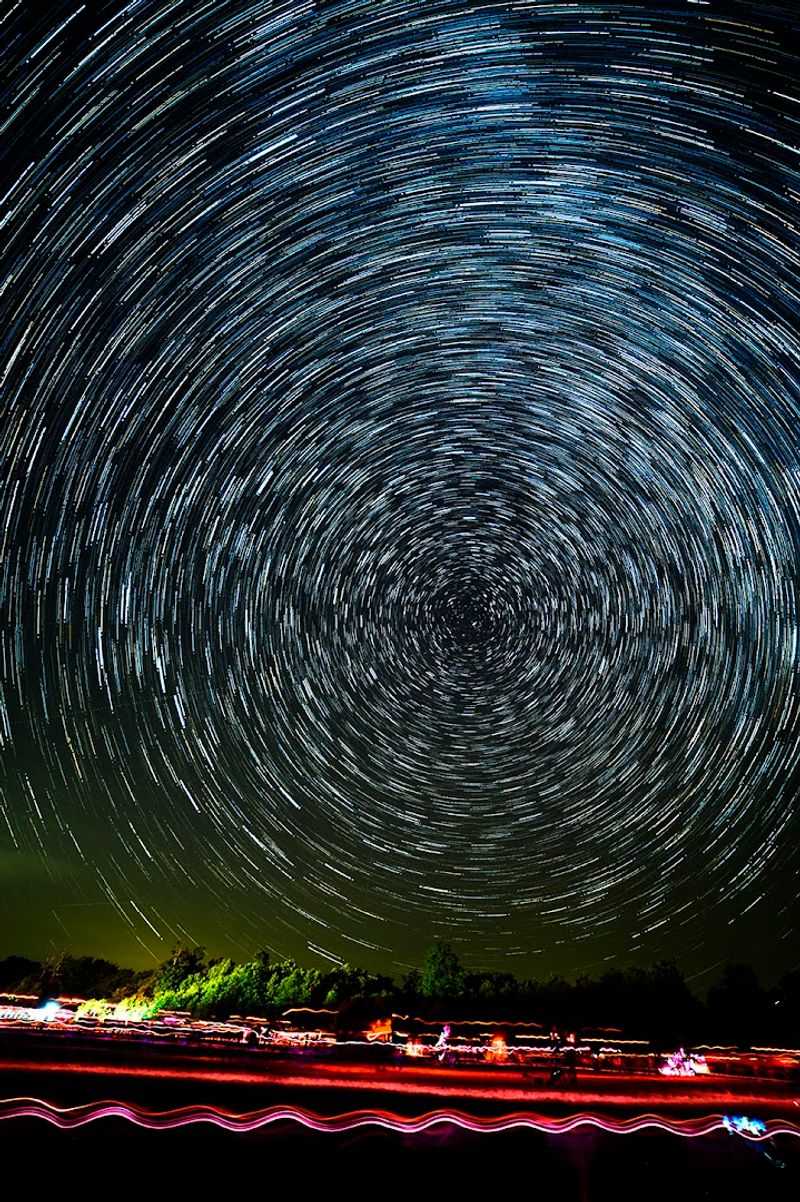
Bright images begin with a solid tripod and a fast wide lens around 14 to 24 millimeters. Use manual mode, focus on a bright star with live view magnified, and lock focus with tape.
Start around ISO 3200, f2, and 15 to 20 seconds, then adjust after a quick histogram check.
For sharper stars, apply the 500 rule or better, the NPF rule, to choose shutter speed that avoids trails. An intervalometer keeps exposures rolling while you relax in a chair.
Dew heaters or hand warmers secured with rubber bands can save a session when moisture creeps in around midnight.
Compose with intent. Place the Milky Way off center, include the bench line or pavilion roof, and watch for red path lights that add grounding without blowing highlights.
If crowds arrive, step to the edge to protect others from accidental screens. Shoot a calibration set later, then stack images at home for noise control.
Finally, try a tracked set with a small star tracker once you are comfortable, but always shield the control panel and mute beeps, because dark field etiquette matters more than any single frame.
Hiking, Daytime Nature, and That 2,300-Foot Plateau
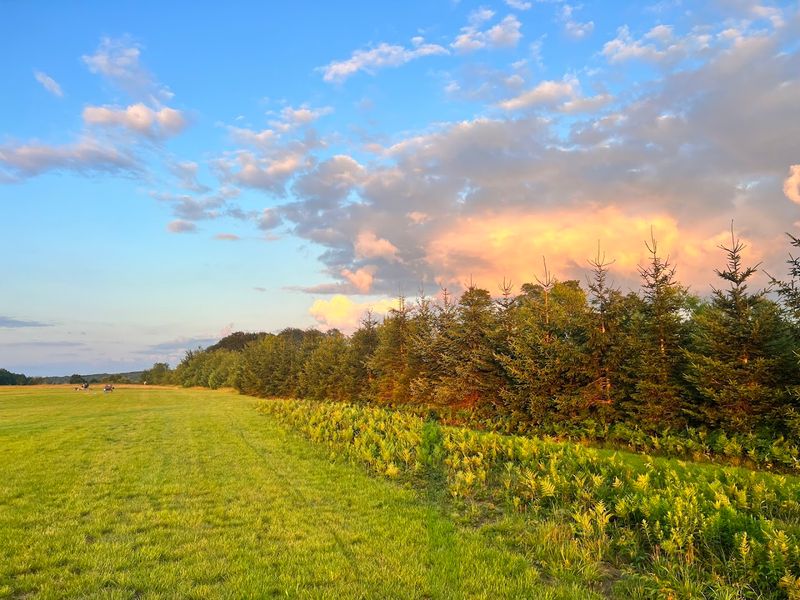
Daylight hours are quiet, green, and perfect for slow walks before a long night. Trails in the surrounding Susquehannock State Forest offer gentle grades and bird song that resets your pace.
You can scout sight lines, check horizons, and pick a southern view free of tall branches for the evening.
Pack a lunch and use picnic areas while breezes slide across the plateau. Interpretive signs share the area’s connection to old cherry stands and historic travel routes.
Keep an eye on clouds marching from the west, since afternoon cumulus can evaporate into a pristine canopy just after sunset.
Smart pacing helps. Nap in the afternoon, hydrate, and keep caffeine modest until after midnight.
Comfortable shoes, a brimmed hat, and sunscreen matter more than you expect at altitude, even on milder days. If you want a quick win, walk the perimeter during golden hour to spot interesting silhouettes, like lone pines or the pavilion outline, then return after dark to frame them beneath star fields that arc from horizon to horizon.
Ranger Programs and Seasonal Events
Summer brings engaging talks that decode the sky without jargon. A ranger might weave mythology with science, then pivot to current spacecraft missions you can follow on your phone later.
The tone is welcoming, and you will leave knowing how to hop from the Big Dipper to Polaris confidently.
Some programs are ticketed or require small fees, so check the official website before driving up. Arrive early for good seating, since the benches fill quickly under promising forecasts.
Presentations wrap before true darkness, leaving time to apply what you learned while the first stars appear.
Special nights highlight meteor showers, lunar themes, or guest astronomers with portable telescopes. If the moon is featured, views of craters and rilles can be shockingly crisp through even modest optics.
Clouded dates are not wasted, because rangers pivot to stories, equipment demos, or sky stewardship tips focused on protecting dark places. You will pick up practical etiquette and leave better prepared, which lifts the whole field.
Bring a notebook, a red pen, and one goal to practice afterward, like finding Scorpius from Antares, then combine that skill with repeat visits to build a simple, satisfying stargazing routine.
Logistics: Getting There, Staying Safe, Heading Home
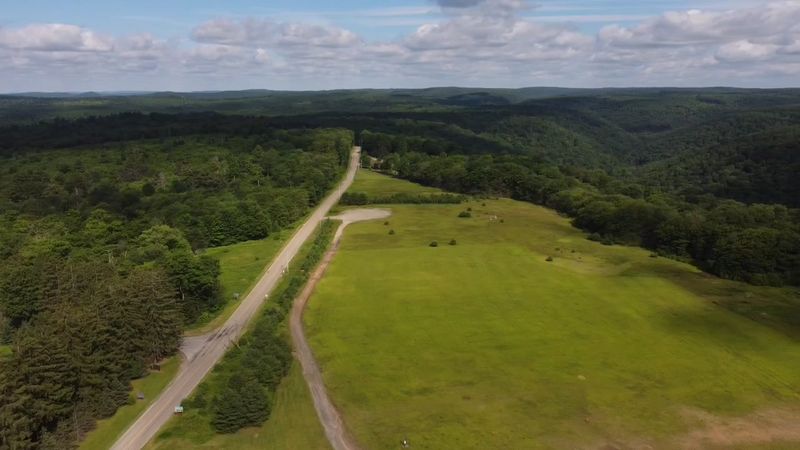
Remote roads add to the magic, but they demand patience on the way out. Deer and winding grades make late night driving intense, so rest first, sip water, and let adrenaline fade before heading downhill.
A blanket and pillow in the car turn a 30 minute nap into safer choices.
Coudersport is your supply hub for fuel and last minute snacks. Keep your tank topped off before sunset, and program directions while you still have strong signal.
Print the park number and webpage in case reception dips, and share your plan with someone at home.
Small habits prevent mishaps. Pack a real spare tire, a headlamp with extra batteries, and a bright vest for roadside moments away from the field.
Keep chargers organized, and label bins so you can find gloves without opening everything under the stars. When you leave, drive with fully dimmed lights until you clear the area, then reenable normal beams once you are back on open road.
Set a reasonable speed, watch for fog pockets across meadows, and make sunrise breakfast the reward, not the deadline.
Sample One-Night and Weekend Itineraries
Simple plans beat perfect plans. For a one night visit, arrive by late afternoon, pitch camp, eat early, and walk the viewing area to pick a southern horizon.
From dusk to 10 pm, learn the bright constellations, then nap until 1 am for a fresh push through the clearest hours.
A weekend plan adds resilience. Night one is for orientation, easy binocular sweeps, and a short photo session.
Day two includes a slow morning, a hike in Susquehannock State Forest, and a power nap. Night two is for deeper targets, meteor counts, and a quiet hour just listening to others whisper when a fireball streaks overhead.
Packing lists live on a single card. One side covers clothing and safety, the other lists optics, batteries, and snacks.
Reserve early, confirm weather 48 hours out, and keep a backup date two weeks later. If you arrive under clouds, spend the first evening at a ranger program or practice focusing on a distant ridge light at dusk.
That way you are ready to work fast when the first clear hole opens, and your whole trip feels smooth and unhurried.