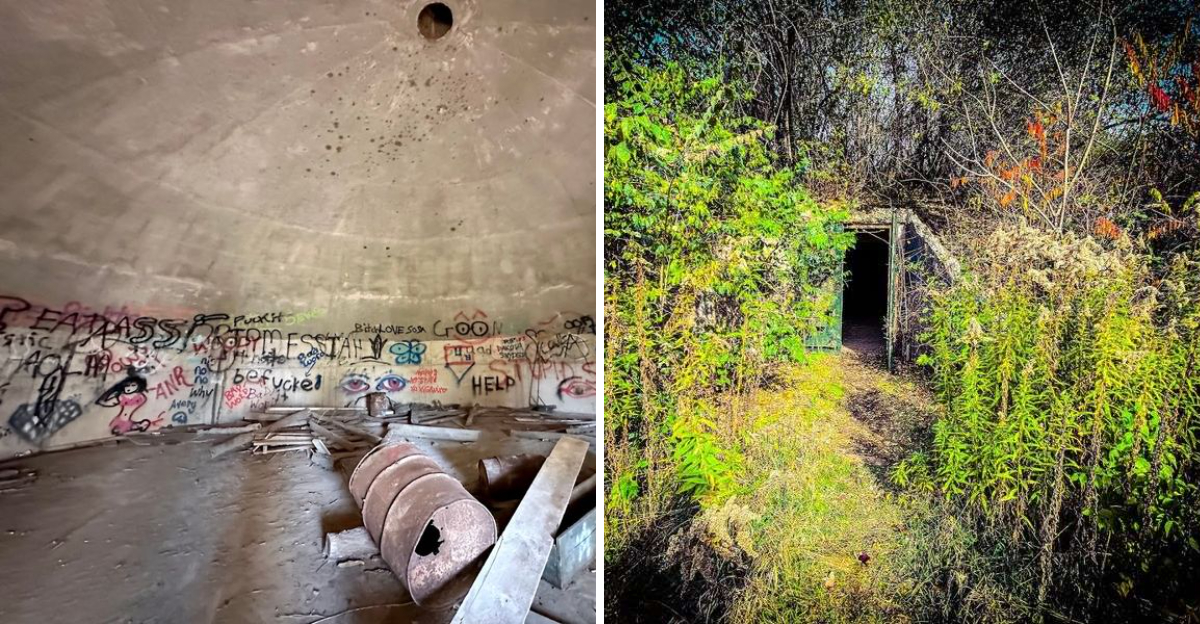
Imagine hiking through the woods and suddenly coming face-to-face with a massive concrete bunker.
That’s the strange reality waiting along this Pennsylvania trail, where the remains of a vanished town hide among the trees near Allenwood. State Game Lands 252 holds far more than quiet paths and forest scenery.
Alvira was once a real community, filled with homes, families, and everyday life. Then World War II changed everything.
In 1942, the government took the land for a massive wartime project, forcing residents from the place they called home.
Today, hikers can follow the area’s roads and paths to find old foundations, cemeteries, and dozens of enormous bunkers tucked into the woods.
The result is a hike that feels part history lesson, part forgotten-town mystery, and part real-life adventure.
Start Along Alvira Road, Where the Story Begins
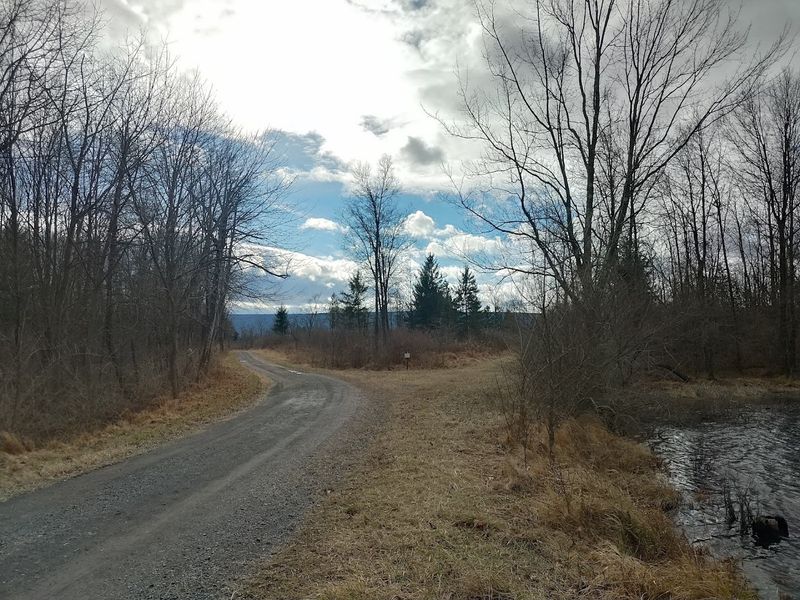
Your adventure begins on what seems like an ordinary woodland path through State Game Lands 252. Tall trees line the route, birds chirp overhead, and everything appears perfectly normal for a Pennsylvania hike.
Then suddenly, geometric shapes of weathered concrete emerge from the landscape.
These unexpected structures create an eerie contrast against the natural surroundings. Walking this trail feels different from typical outdoor excursions because history literally sits alongside the path.
Each turn might reveal another bunker or foundation.
The route itself provides more than exercise or fresh air. Instead, it serves as an outdoor classroom where visitors piece together stories from scattered clues.
Alvira Road winds through terrain that witnessed dramatic changes during wartime.
What makes this hike memorable is the constant sense of discovery. You never quite know when the next historical remnant will appear.
The combination of natural beauty and human history creates an atmosphere found nowhere else in Pennsylvania, making every step feel purposeful and meaningful.
Discover the Town of Alvira Before It Disappeared
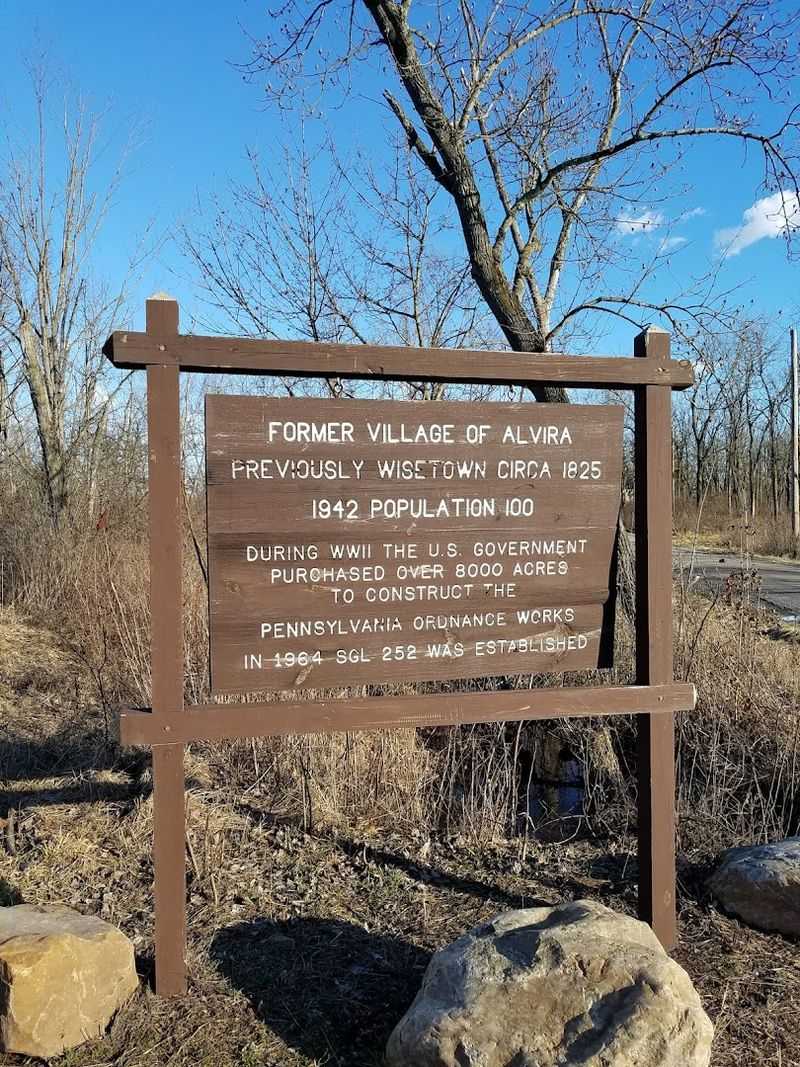
Picture a peaceful valley community where everyone knew their neighbors by name. Alvira thrived as a close-knit settlement with everything a small town needed—homes where generations grew up, farms that fed families, churches where people gathered, and a school filled with local children.
White Deer Valley provided fertile ground and beautiful scenery for these residents.
Families built entire lives here, establishing roots that ran deep into Pennsylvania soil. Some had lived in Alvira for decades, watching their children and grandchildren grow up surrounded by familiar faces.
The town represented stability and tradition in rural America.
Understanding Alvira’s past transforms how you experience the trail today. These weren’t just random buildings that disappeared—they were homes filled with memories, laughter, and ordinary daily routines.
When you spot a foundation or remnant now, you’re looking at where someone cooked breakfast, children played, or families celebrated holidays together.
This context makes the bunkers and abandoned structures more meaningful. You’re not just exploring military history but witnessing the physical evidence of displaced lives and a community erased from maps forever.
Follow the Trail to the Concrete Igloos
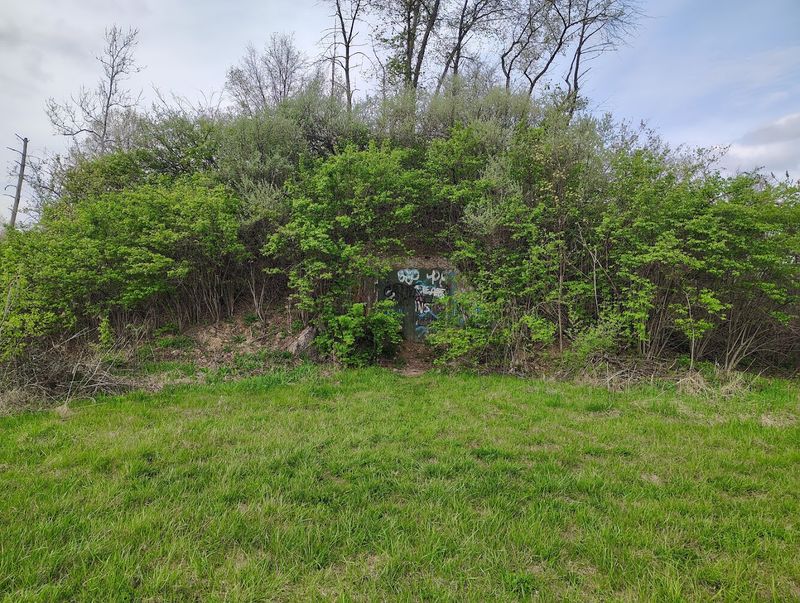
Nothing prepares you for your first glimpse of these strange structures. Over 100 concrete bunkers still dot the landscape, their distinctive curved shapes earning them the nickname “igloos.” Earth covers their rounded tops, making them blend into hillsides while their entrances stare out like mysterious doorways.
Each bunker was designed specifically for storing explosives and munitions safely. The thick concrete walls and earth covering could contain potential blasts, protecting surrounding areas.
Engineers built them scattered throughout the property rather than clustered together for additional safety.
Some bunkers sit right beside roads and trails, impossible to miss. Others hide deeper in the woods, requiring more exploration to find.
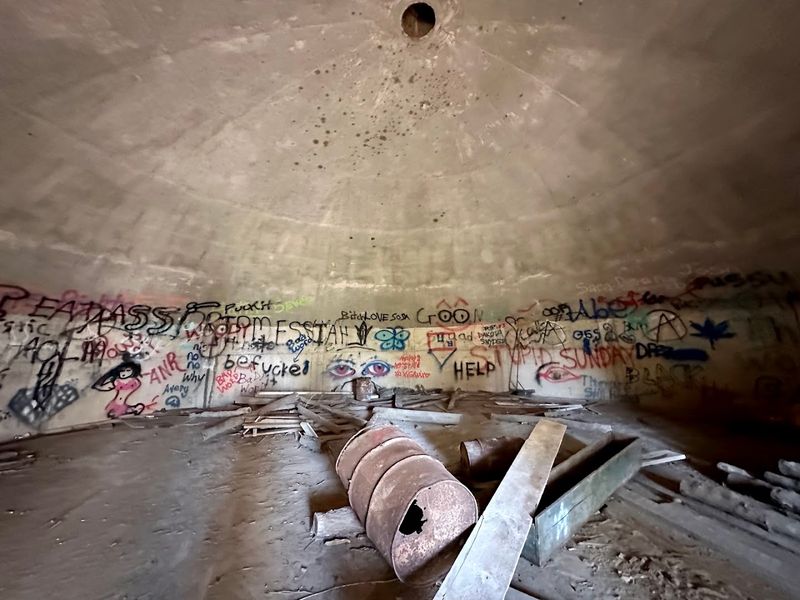
Their size varies, but most are surprisingly large—big enough to walk inside if they were safe and accessible.
These igloos represent the main attraction for most visitors today. They photograph beautifully, creating surreal images of wartime architecture overtaken by peaceful forest.
Kids find them fascinating, adults find them eerie, and everyone agrees they’re unlike anything else you’ll encounter on Pennsylvania trails. The bunkers transformed ordinary woodland into something extraordinary and unforgettable.
See the Remains of a Wartime Project That Barely Lasted
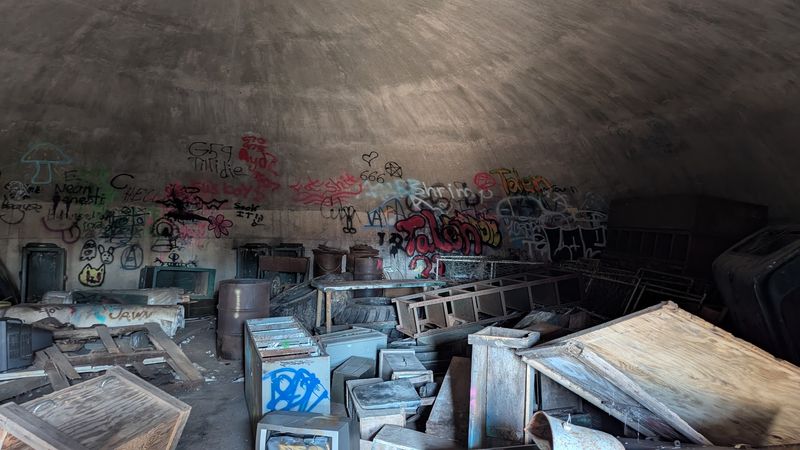
Here’s where the story takes an ironic twist that makes everything more poignant. After forcing an entire community to relocate and constructing this massive facility, the Pennsylvania Ordnance Works operated for only about 11 months.
That’s less than a year of actual TNT production before the project ended.
The government spent millions building infrastructure that barely got used. Workers manufactured explosives briefly before military needs shifted elsewhere.
By the time World War II ended, the facility had become obsolete.
Yet the bunkers remained, outlasting their intended purpose by decades. While the active military operation disappeared quickly, these concrete structures proved nearly indestructible.
They became permanent landmarks of a temporary wartime need.
This brevity makes the site’s history even more striking. Alvira’s residents lost their homes forever for a project that operated less time than it took to build.
The bunkers serve as monuments to both wartime urgency and questionable planning. Walking among them today, you can’t help wondering whether such drastic measures were truly necessary for such short-term use.
History rarely offers simple answers to such questions.
Search for the Forgotten Foundations of Alvira
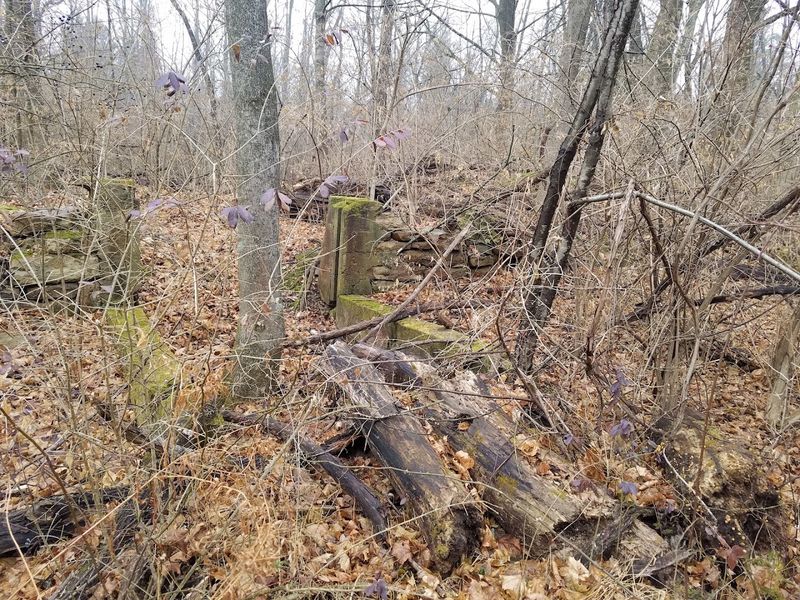
Beyond the obvious bunkers lies something more subtle and deeply moving. Scattered throughout the area, careful observers can spot foundations, stone walls, and other traces of Alvira’s residential buildings.
These remnants require sharper eyes and more patience than the massive concrete structures.
Look for rectangular depressions where basements once were, or stone borders marking where homes stood. Sometimes you’ll find old wells, fence posts, or fragments of building materials.
Trees now grow where living rooms and kitchens once buzzed with family life.
Finding these foundations feels like detective work. Nature has reclaimed most evidence, so you’re piecing together clues rather than viewing obvious ruins.
A cluster of stones might mark a chimney base, while flattened areas could indicate where barns stood.
These quiet discoveries hit differently than the bunkers. The military structures represent government power and wartime needs, but the foundations represent individual families—specific people with names, stories, and daily routines.
When you locate where someone’s home once stood, you’re connecting directly with Alvira’s human history, making the town’s erasure feel personal and real rather than abstract.
Pause at the Cemeteries Left Behind
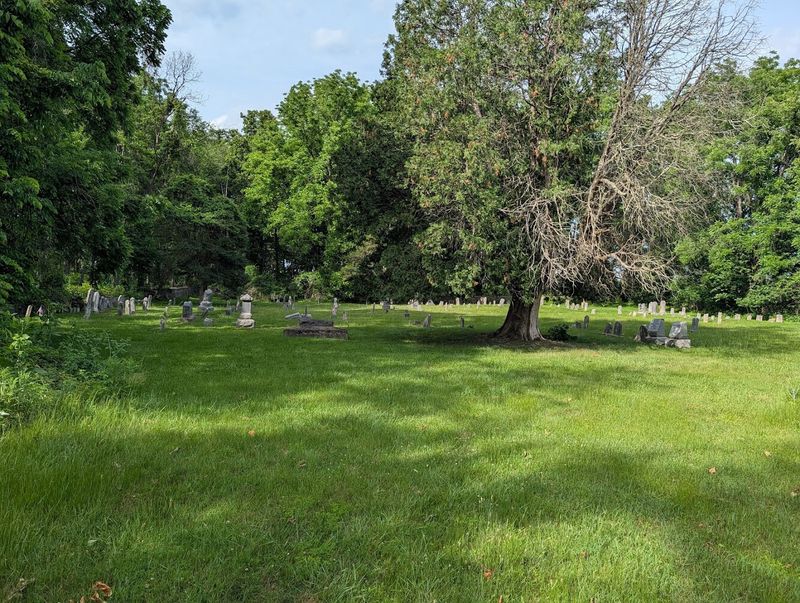
Among the most powerful connections to Alvira’s past are the cemeteries that remain. While homes and businesses disappeared, the burial grounds stayed, creating solemn spaces where visitors can read actual names and dates of former residents.
Old headstones mark generations of families who built their lives in this valley.
Walking through these graveyards adds emotional weight to your hike. You’re not just imagining nameless people anymore—you’re reading about real individuals who were born, married, raised children, and died here.
Some stones date back to the 1800s, showing how long families called Alvira home.
These cemeteries represent one aspect the government couldn’t completely erase. The dead remained even as the living were forced out.
Family members still visit occasionally, maintaining a connection to ancestors who rest in what’s now state game lands.
Take time to be respectful in these spaces. Don’t rush through or treat them as merely another photo opportunity.
The headstones remind us that Alvira was more than a map location or historical footnote—it was home to people who deserved to be remembered, making these burial grounds essential stops on any thoughtful exploration.
Notice How Nature Is Reclaiming the Bunkers
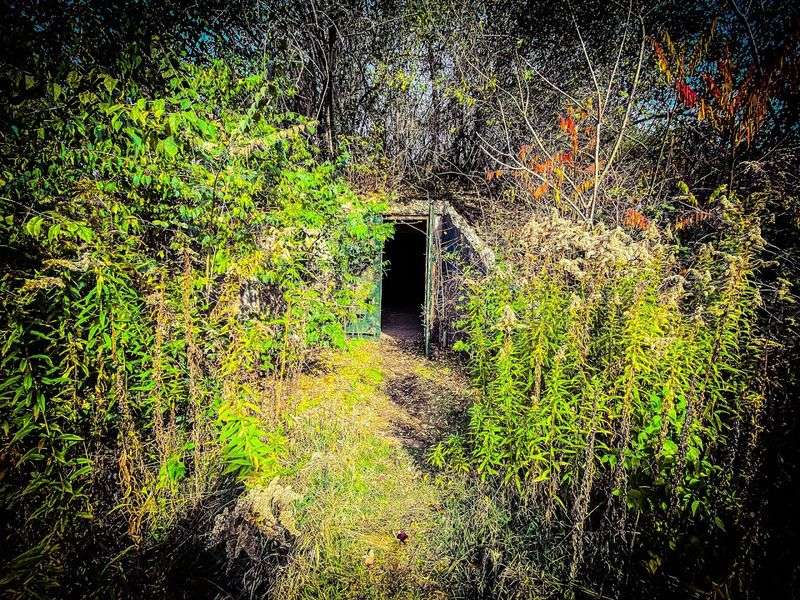
Time and nature are slowly winning against concrete and military engineering. Visit these bunkers today and you’ll witness an ongoing transformation as the forest gradually swallows these artificial structures.
Moss carpets their surfaces, vines creep across walls, and small trees sprout from cracks.
Some bunkers already blend so well with surroundings that you might walk past without noticing. Vegetation hides their geometric shapes, making them look like natural hillsides until you get closer.
Earth that was placed over them deliberately has become home to established plants and trees.
This reclamation creates beautiful contrasts worth appreciating. Massive concrete structures that once represented human power and military might now serve as foundations for ecosystems.
Birds nest in crevices, animals shelter against walls, and roots slowly break down what was built to be indestructible.
Watching nature reclaim human construction offers its own kind of poetry. It suggests that no matter how permanent we think our buildings are, the natural world eventually takes everything back.
These bunkers won’t stand forever—eventually the forest will completely absorb them, leaving future generations to wonder what once stood here.
Experience a Trail That Feels Like a Walk Through History
What makes this hike truly special is how it combines multiple experiences into one journey. You’re simultaneously enjoying outdoor exercise, exploring military history, discovering a ghost town, and walking through beautiful natural scenery.
Few trails offer such diverse experiences packed into one location.
Rather than arriving at a single preserved attraction with interpretive signs and tour guides, you gradually piece together Alvira’s story yourself. Each discovery—whether bunker, foundation, or cemetery—adds another chapter to your understanding.
This self-guided exploration feels more personal and engaging than structured tourist experiences.
The trail rewards curiosity and attention. Observant hikers notice details others miss, finding remnants and connections that bring the past alive.
Every visit can reveal something new depending on which paths you follow.
This combination of hiking and history hunting appeals to diverse interests. Outdoor enthusiasts enjoy the physical activity, history buffs appreciate the wartime stories, and families find educational value for kids.
The site works equally well for solo reflection or group exploration, making it remarkably versatile for different visitor types and purposes throughout the year.
What to Know Before You Go
Address: 1884-2198 Alvira Rd, Allenwood, PA 17810. Before heading out, understand this isn’t a developed tourist destination with visitor centers or marked trails.
State Game Lands 252 remains wild, rugged terrain requiring preparation and respect.
Wear sturdy hiking boots and dress appropriately for uneven ground, woods, and changing weather. Bring water, snacks, and a charged phone.
Don’t expect bathrooms, gift shops, or other typical tourist amenities.
Safety matters significantly here. Most bunkers are sealed for good reasons—they’re unstable and potentially dangerous.
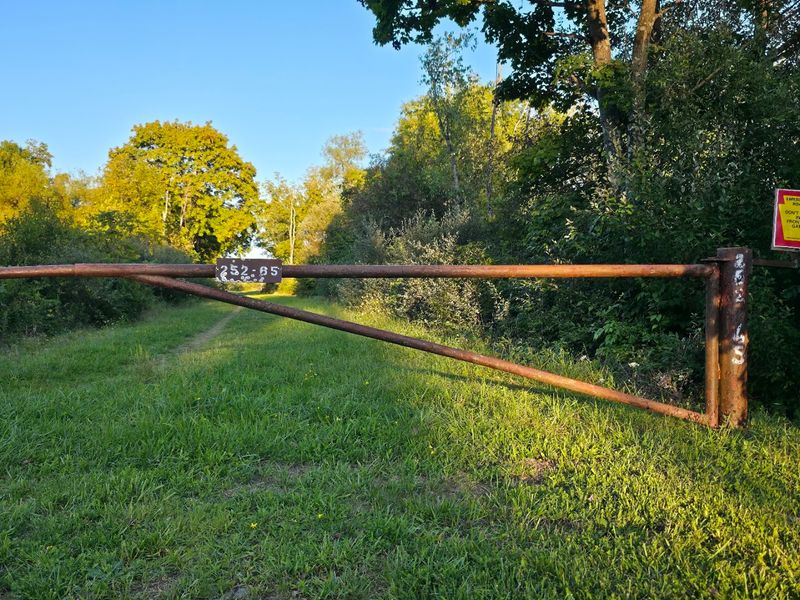
Never force entry or enter any structure that’s accessible. Respect all barriers and warning signs.
Check Pennsylvania Game Commission regulations before visiting, especially during hunting seasons. Wearing bright orange during hunting season isn’t just smart—it’s often required.
Know when the land is open to visitors versus restricted for wildlife management.
Respect private property boundaries, cemetery spaces, and historical remains. Don’t remove artifacts, vandalize structures, or disturb sites.
These places survived decades precisely because visitors treated them carefully. Take only photographs, leave only footprints, and help preserve Alvira’s story for future explorers.