Imagine walking into a world-class arts venue where towering blast furnaces loom overhead like industrial giants frozen in time.
That is exactly what you experience at ArtsQuest Center at SteelStacks in Bethlehem, Pennsylvania.
Built on the bones of the legendary Bethlehem Steel plant, this campus has transformed a rusting industrial relic into one of the most visually stunning and culturally vibrant spaces in the entire country.
From live concerts to film screenings, this place proves that even the most forgotten spaces can be reborn into something truly extraordinary.
From Industrial Giant to Cultural Landmark
For over a century, Bethlehem Steel was one of the most powerful industrial forces in American history. At its peak, it supplied steel for iconic structures like the Golden Gate Bridge and the Empire State Building.
Entire communities in the Lehigh Valley were built around its massive operations, and thousands of families depended on it for their livelihoods.
When the plant finally shut down in the late 1990s, it left behind a haunting landscape of rusted equipment, silent furnaces, and crumbling infrastructure. The closure hit Bethlehem hard, leaving a gaping economic wound that seemed almost impossible to heal.
For years, the site sat largely untouched, a reminder of what once was.
But instead of bulldozing the past, local leaders and visionaries chose to honor it. The decision to preserve the industrial remains and build a cultural campus around them was bold and creative.
Today, SteelStacks stands as proof that history does not have to be erased to make room for progress. The transformation from industrial giant to cultural landmark is one of the most inspiring stories in modern American urban development, and it all started with a refusal to forget.
A 10-Acre Arts Campus Built on a Brownfield
Brownfield redevelopment sounds like a technical term, but the idea behind it is simple and powerful. When industrial land gets contaminated or abandoned, it becomes a brownfield, and turning that land into something useful again takes serious planning, investment, and imagination.
SteelStacks pulled it off on a remarkable scale.
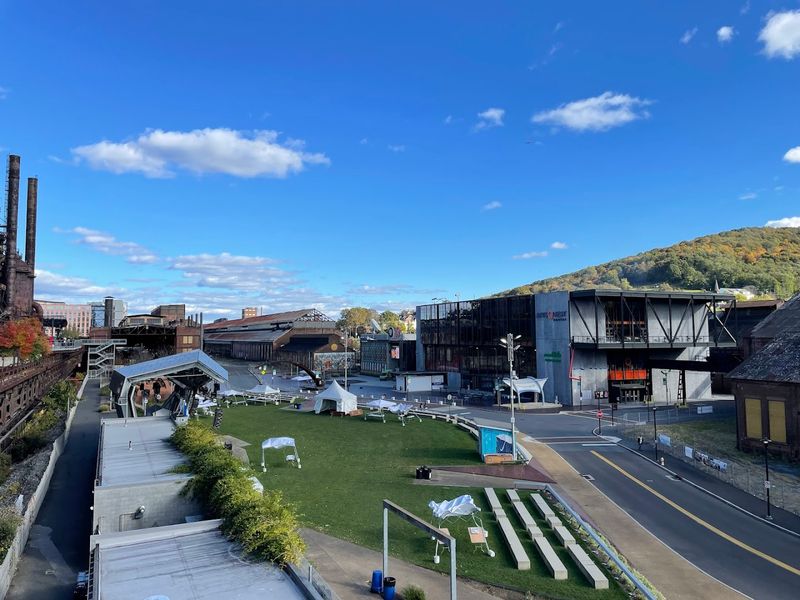
Spanning roughly 10 acres, the SteelStacks campus is now recognized across the country as one of the best examples of brownfield redevelopment done right. Environmental cleanup, infrastructure upgrades, and thoughtful design all played a role in making this transformation possible.
The result is a campus that feels alive, welcoming, and deeply connected to its industrial roots.
What makes this especially impressive is how the design embraces rather than hides the site’s past. Old rail lines, industrial textures, and raw materials are woven into the architecture and landscaping throughout the campus.
Cities across the United States have studied SteelStacks as a model for what is possible when communities refuse to give up on abandoned land. Urban planners, architects, and civic leaders regularly visit Bethlehem to see firsthand how a ruined industrial site can become a thriving hub for arts, culture, and community connection.
Blast Furnaces as a Dramatic Backdrop
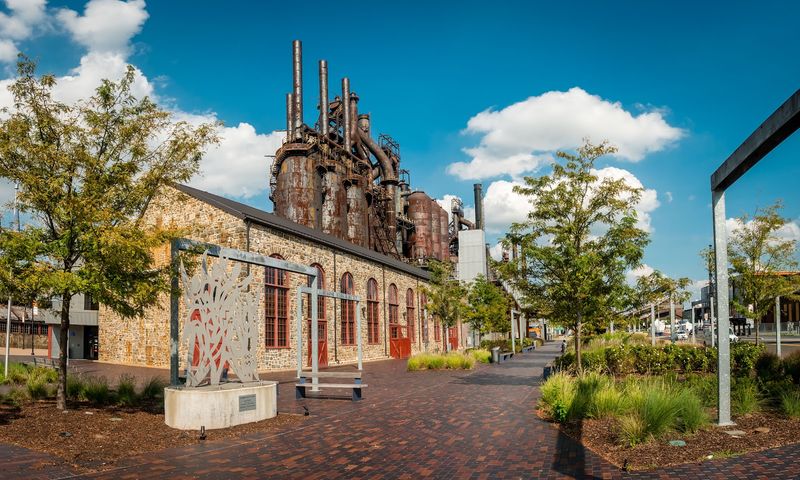
Few places in the world can claim a backdrop quite like this one. The five towering blast furnaces of the old Bethlehem Steel plant stand behind the SteelStacks campus like enormous steel sculptures, reaching heights of over 200 feet.
At night, they are bathed in dramatic lighting that shifts colors and creates an atmosphere unlike anything else in the arts world.
Rather than tearing these massive structures down, the developers made the inspired choice to preserve and celebrate them. That decision alone sets SteelStacks apart from virtually every other arts campus in the country.
You could be watching a live band inside the Musikfest Cafe and look through the floor-to-ceiling windows to see those glowing furnaces right outside, and the effect is genuinely jaw-dropping.
The furnaces serve as a constant, powerful reminder of what this land once was and the people who worked here. Many visitors who grew up in the Lehigh Valley have family members who spent careers inside this plant, and seeing the furnaces preserved brings a wave of emotion and pride.
For newcomers, the visual drama is simply unforgettable. The blast furnaces are not just a backdrop.
They are the soul of this entire campus, grounding every performance and event in real human history.
The ArtsQuest Center as the Heart of It All
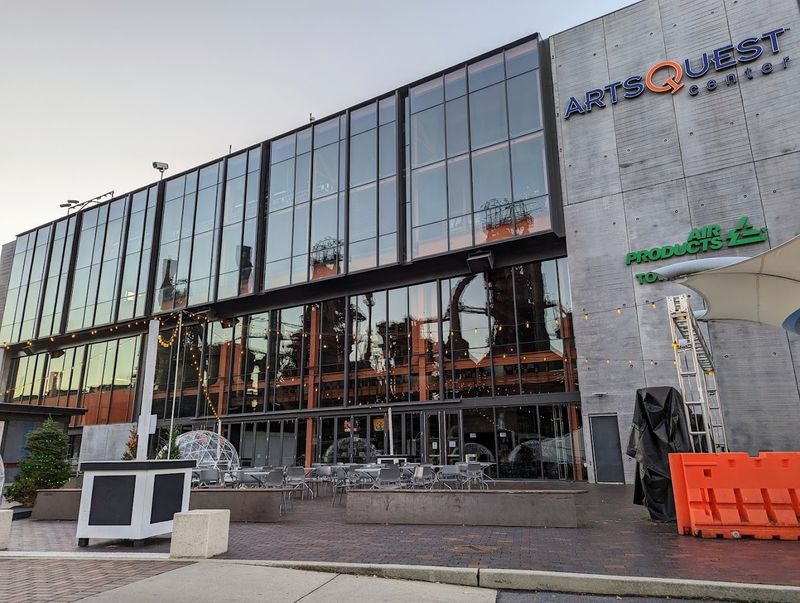
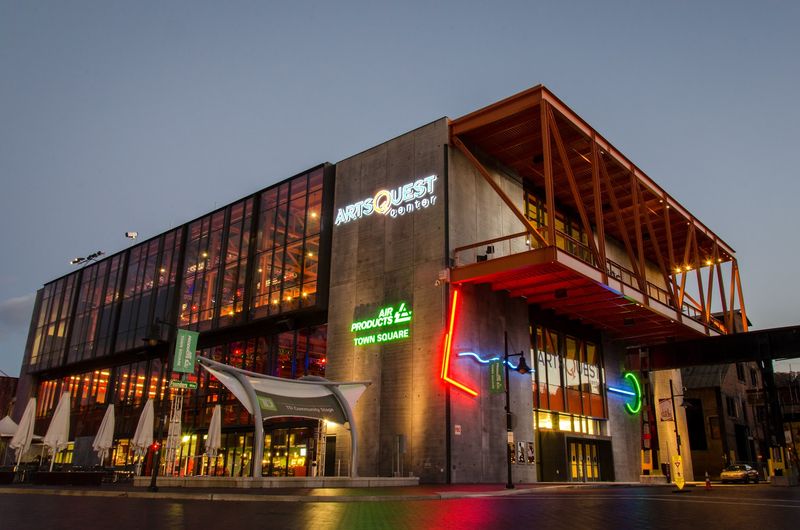
At 65,000 square feet spread across multiple levels, the ArtsQuest Center is the beating heart of the entire SteelStacks campus. Step inside and you will find performance spaces, art galleries, classrooms, a cinema, and dining areas all packed into one thoughtfully designed building.
Every inch of the facility was built with community in mind.
One of the most intentional design choices was orienting the building so that its main spaces face the preserved blast furnaces. Whether you are watching a film, taking an art class, or grabbing a meal, the industrial remains are always visible and present.
This connection between the new and the old gives the ArtsQuest Center a sense of depth and meaning that most modern buildings simply cannot match.
The facility serves people of all ages and backgrounds. Young children come for arts education programs, teenagers attend workshops and film screenings, adults enjoy concerts and gallery exhibitions, and seniors participate in community events.
ArtsQuest, the nonprofit that runs the center, is deeply committed to making arts accessible to everyone in the region regardless of income or background. The building is not just a venue.
It is a living, breathing community resource that brings thousands of people together every single week of the year, making culture feel personal and approachable.
Designed Like a Music Box
Here is something most people do not know when they first visit: the ArtsQuest Center was architecturally designed to function like a giant music box. That concept guided nearly every decision made during construction, from the placement of walls to the selection of building materials.
The goal was to create a space where music could happen anywhere, anytime, without one performance bleeding into another.
Advanced acoustic engineering was built directly into the structure of the building. Thick walls, specialized flooring, and carefully designed ceilings allow multiple performances to take place simultaneously in different rooms without any sound interference.
This flexibility is a huge advantage for an arts organization that hosts hundreds of events every year across multiple venues under one roof.
The adaptable layouts also mean the spaces can be reconfigured quickly depending on the type of event. A room that hosts an intimate acoustic set one night can be rearranged for a standing-room rock show the next.
This kind of versatility is rare and valuable, and it allows ArtsQuest to serve an incredibly wide range of artists and audiences. The music box concept was not just a clever architectural idea.
It was a practical solution that has made the ArtsQuest Center one of the most functional and beloved multi-venue arts facilities in the entire region.
Musikfest Cafe and Year-Round Performances
Walk into the Musikfest Cafe on any given evening and you might find a nationally touring comedian, a jazz ensemble, a rock headliner, or a folk singer-songwriter taking the stage. This intimate venue inside the ArtsQuest Center hosts performances nearly every night of the year, making it one of the busiest and most beloved live entertainment spots in the Lehigh Valley.
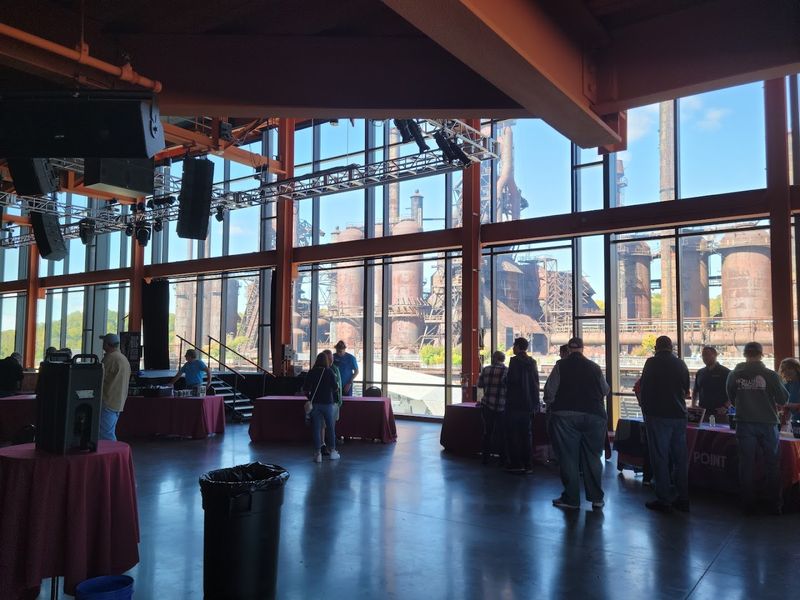
What truly sets the Musikfest Cafe apart is its view. Giant floor-to-ceiling windows frame the illuminated blast furnaces just outside, turning the industrial landscape into a living piece of art that changes with the light and the seasons.
Diners and concert-goers can enjoy a meal while watching performers on stage and glancing out at those glowing steel towers just beyond the glass. It is a sensory experience that is hard to put into words until you have actually sat in that room.
The cafe format also creates a relaxed, approachable atmosphere that feels nothing like a typical concert hall. You can grab a local craft beer, share a plate of food with friends, and catch a great show all in the same space.
Year-round programming means there is almost always something happening here, regardless of the season. For locals and visitors alike, the Musikfest Cafe has become a go-to destination for memorable nights out in Bethlehem.
A Festival Hub That Draws Massive Crowds
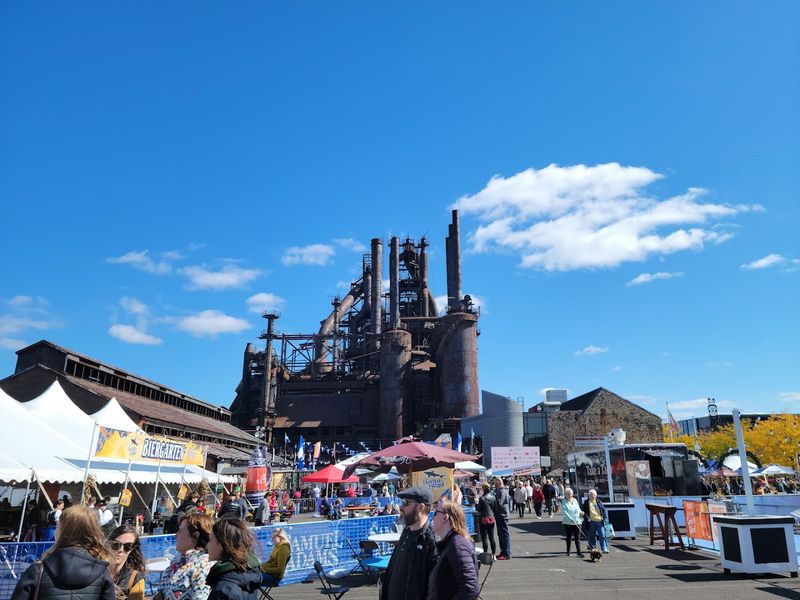
Every August, something remarkable happens in Bethlehem. More than a million people pour into the SteelStacks campus and surrounding streets for Musikfest, a 10-day outdoor music celebration that ranks among the largest free music festivals in the United States.
Hundreds of performances take place across multiple stages, featuring artists ranging from local acts to major national headliners.
Musikfest was actually founded in 1984, well before SteelStacks existed, but the creation of the campus gave the festival a permanent, purpose-built home that has elevated the entire event. The open plazas, outdoor stages, and indoor venues all work together to create a seamless festival experience that flows naturally from one performance to the next.
The industrial backdrop of the blast furnaces adds an atmosphere that no other festival venue in the country can replicate.
Beyond Musikfest, the campus hosts dozens of other major events throughout the year, including Christkindlmarkt, a beloved German-style holiday market that draws enormous crowds every winter. The SteelStacks campus has essentially become the festival heart of the Lehigh Valley, with something significant happening nearly every month.
For the city of Bethlehem, these events generate enormous economic activity, filling hotels, restaurants, and shops with visitors who come specifically because of the unique experience this campus delivers.
Outdoor Spaces Built for Community Gathering
Not everything at SteelStacks requires a ticket. One of the most thoughtful aspects of the campus design is the generous amount of outdoor public space built specifically for community gathering.
Town Square, the central outdoor plaza, functions like a town green, a welcoming open space where people of all ages and backgrounds come together throughout the year.
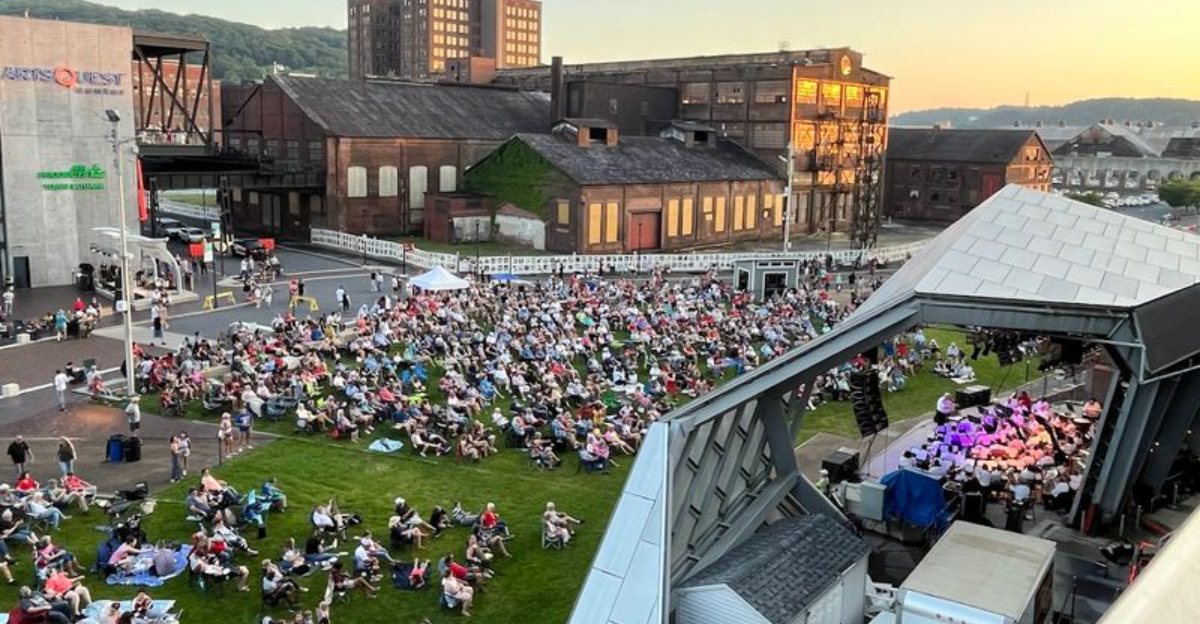
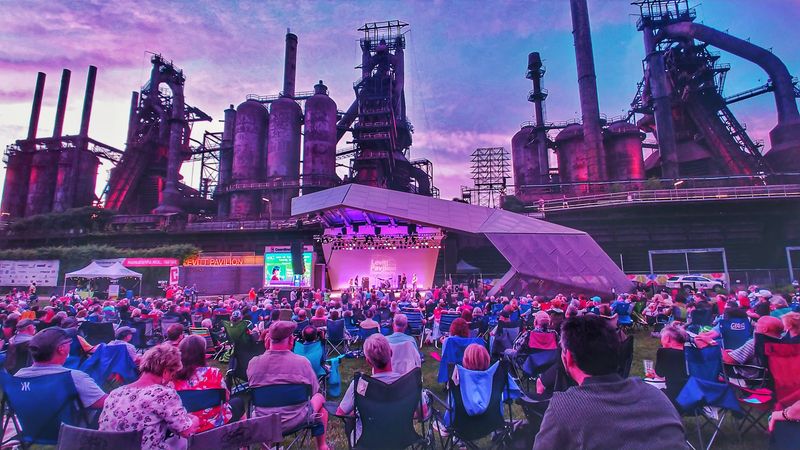
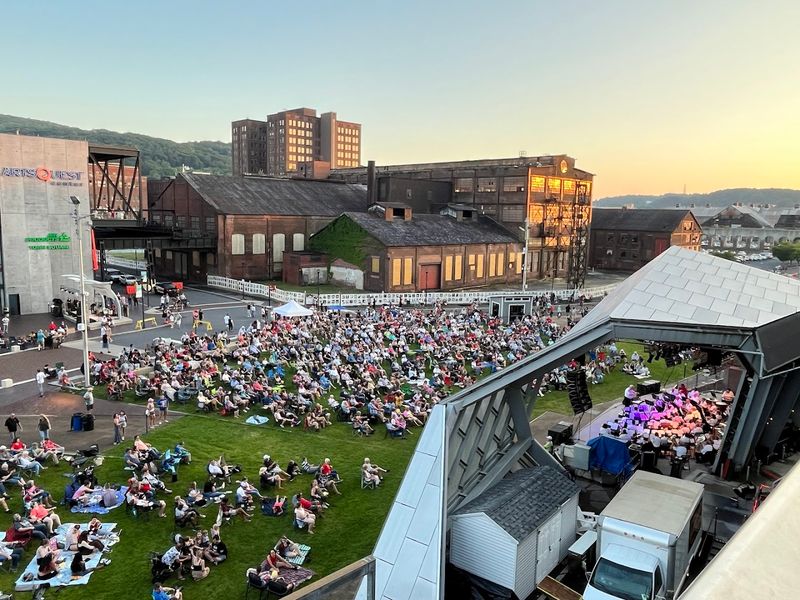
The Levitt Pavilion is another highlight, offering a dedicated outdoor stage where free concerts happen regularly throughout the warmer months. Families spread blankets on the lawn, kids run around while parents listen to live music, and neighbors catch up with each other in an environment that feels genuinely communal.
This kind of free, accessible programming is rare and deeply valued by the local community.
Movie nights, seasonal festivals, food truck gatherings, and fitness events also activate these outdoor spaces on a regular basis. Even on days when no formal event is scheduled, people wander through the campus, admire the blast furnaces, and enjoy the unique atmosphere.
The outdoor design encourages lingering, exploring, and connecting, which is exactly what a great public space should do. SteelStacks has managed to create an outdoor environment that feels both grand in scale and warmly human, drawing people in not just for events but simply for the pleasure of being there.
A Model for Revitalizing Post-Industrial Cities
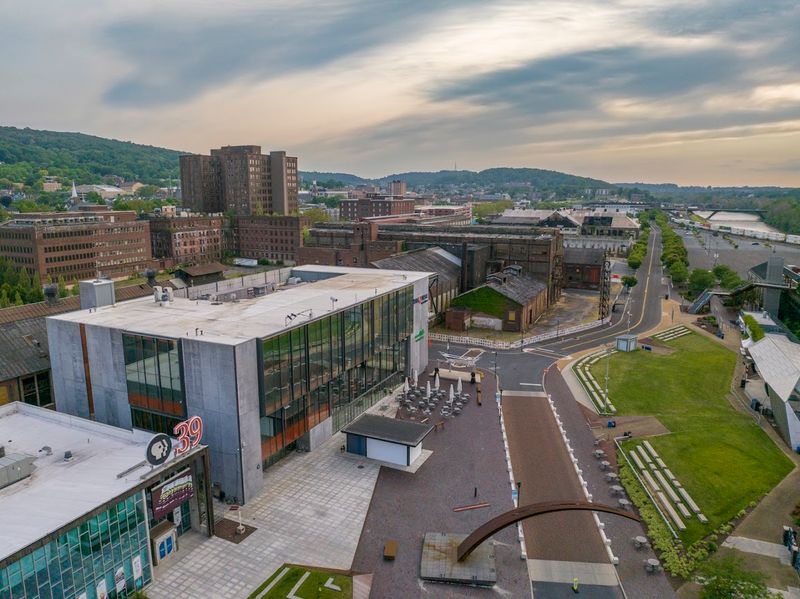
Urban planners across the country have taken notice of what happened in Bethlehem. SteelStacks is now widely cited in academic studies, city planning conferences, and economic development reports as one of the clearest success stories in post-industrial revitalization.
The numbers back it up: the campus draws over a million visitors annually and has sparked significant economic growth throughout the surrounding neighborhood.
What makes SteelStacks especially instructive as a model is the combination of cultural programming, historic preservation, and community access that defines its approach. Many cities have tried to redevelop old industrial land by simply building condominiums or shopping centers.
Bethlehem took a different path by investing in arts and culture as the foundation for economic recovery, and the results have been transformative for the entire city.
New restaurants, hotels, and small businesses have opened in the area around SteelStacks because visitors need places to eat, stay, and explore. Property values in nearby neighborhoods have climbed steadily.
Younger residents who might have left Bethlehem for larger cities have stayed or returned because the community now offers a rich cultural life. SteelStacks has demonstrated, in real and measurable terms, that honoring the past while building boldly for the future is not just a romantic idea.
It is a genuinely effective economic and civic strategy that other struggling post-industrial cities can learn from and adapt.
Visitor Info and What to Know Before You Go
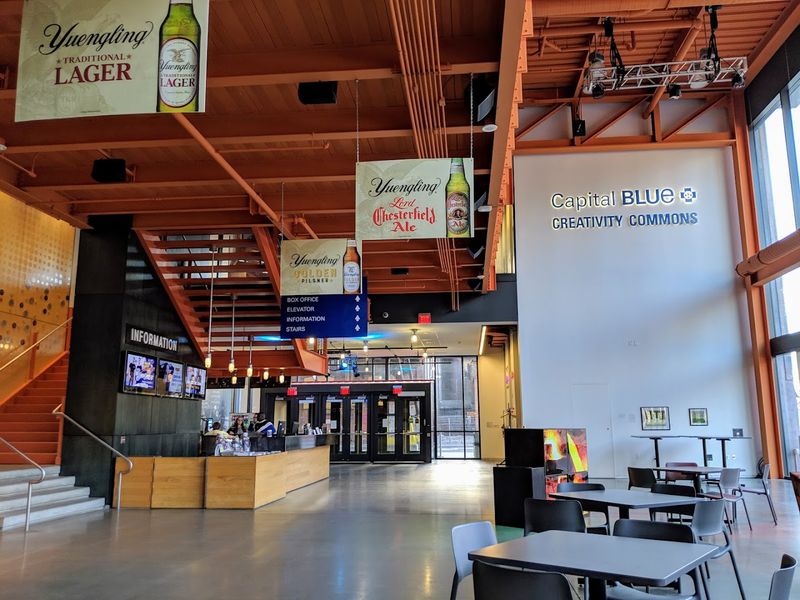
Planning a visit to SteelStacks is easier than you might think, and the experience is well worth the trip from anywhere in the Mid-Atlantic region. The campus is located at 101 Founders Way, Bethlehem, PA 18015, right in the heart of the South Side.
Parking is available nearby, and the campus is also accessible by public transit for those coming from Philadelphia or New York.
Evening visits offer something truly special. The blast furnaces are illuminated after dark, casting a warm, dramatic glow across the entire campus that turns an ordinary night out into something you will talk about for years.
If you can time your visit to coincide with Musikfest in August or Christkindlmarkt in November and December, the atmosphere reaches another level entirely.
Many outdoor events and plaza activities are completely free, making SteelStacks one of the most accessible arts destinations in Pennsylvania. Indoor performances at the Musikfest Cafe and other venues vary in price depending on the artist.
One absolute must-do is walking the Hoover-Mason Trestle, an elevated pedestrian walkway that takes you right alongside the blast furnaces for an up-close look that is both thrilling and deeply moving. Wear comfortable shoes, bring a camera, and plan to spend several hours exploring everything this extraordinary campus has to offer.