If you think a great wildlife escape requires leaving the city far behind, this Philadelphia refuge will happily prove you wrong.
John Heinz National Wildlife Refuge at Tinicum brings together birdwatching, peaceful wetlands, and surprising skyline views in one easy outing.
It feels like a place where you can slow down, spot something wild, and still remember you’re in one of America’s busiest metro areas.
That rare mix is exactly what makes a visit here so memorable.
America’s First Urban Wildlife Refuge
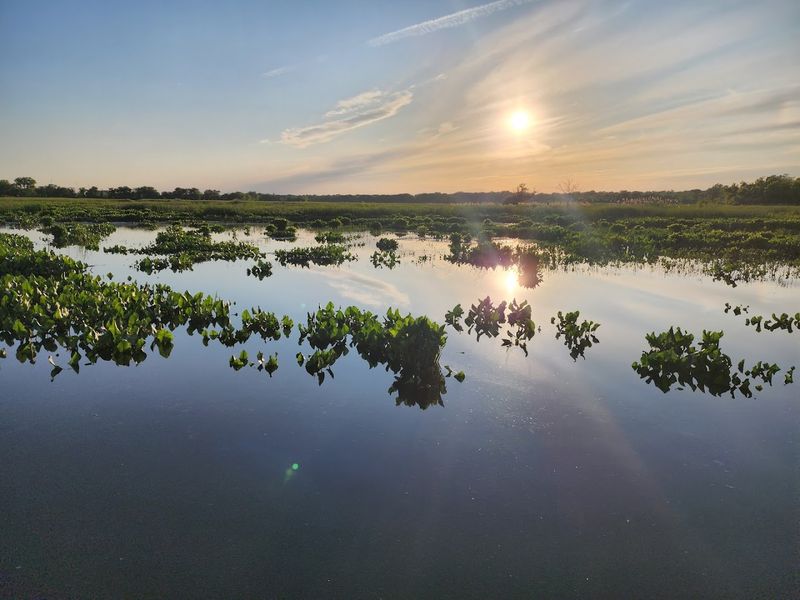
One of the first things that makes this refuge stand out is its history. Established in 1972, John Heinz National Wildlife Refuge at Tinicum is recognized as America’s first urban wildlife refuge, and you can feel that special identity the moment you arrive.
It protects important habitat right inside Philadelphia, which still feels wonderfully surprising.
Instead of driving hours to reach a meaningful nature escape, you get wetlands, birds, and quiet trails close to neighborhoods, roads, and the airport. That balance gives the refuge an inviting, democratic feel, because it makes wildlife watching accessible to people who may not have time for a big outdoor trip.
You can stop by for an hour or stay much longer.
What I love most is how the refuge proves conservation does not need to happen far from everyday life. It shows you that cities can protect fragile ecosystems while also welcoming visitors, students, photographers, and curious first timers.
That mission feels especially relevant now.
If you enjoy places with both natural beauty and cultural significance, this one delivers both. It is not just a scenic stop, but a landmark in the story of urban conservation in the United States.
Tinicum Marsh and Pennsylvania’s Largest Freshwater Tidal Wetland
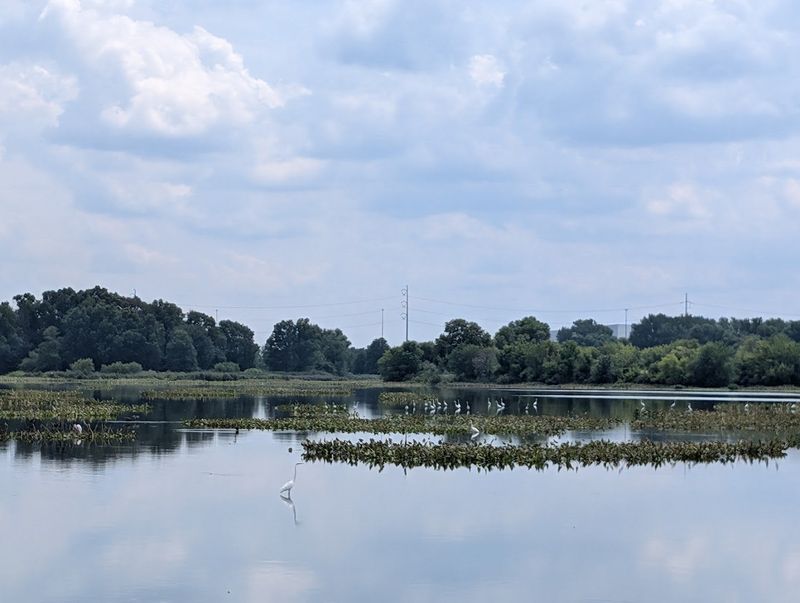
At the heart of the refuge is Tinicum Marsh, the largest remaining freshwater tidal marsh in Pennsylvania. That alone makes this place feel rare, but seeing it in person adds another layer.
The wide stretches of reeds, open water, and shifting mudflats create a landscape that feels alive in every direction.
This is not a static scene that looks the same all day. Water levels, bird activity, light, and weather keep changing the marsh, so each visit can feel slightly different.
If you enjoy landscapes with texture and movement, you will find plenty to watch even before spotting wildlife.
The marsh also matters far beyond its beauty. Freshwater tidal wetlands support an intricate web of plant and animal life, helping filter water and provide habitat in a region where such ecosystems have become increasingly scarce.
Standing here, you get a direct sense of why preserving places like this is so important.
It is especially impressive that such a distinctive wetland survives within a major city setting. That contrast makes every overlook and boardwalk more memorable.
You are not just admiring a pretty view, but stepping into one of Pennsylvania’s most ecologically significant natural spaces.
A Birdwatching Hotspot With More Than 300 Species
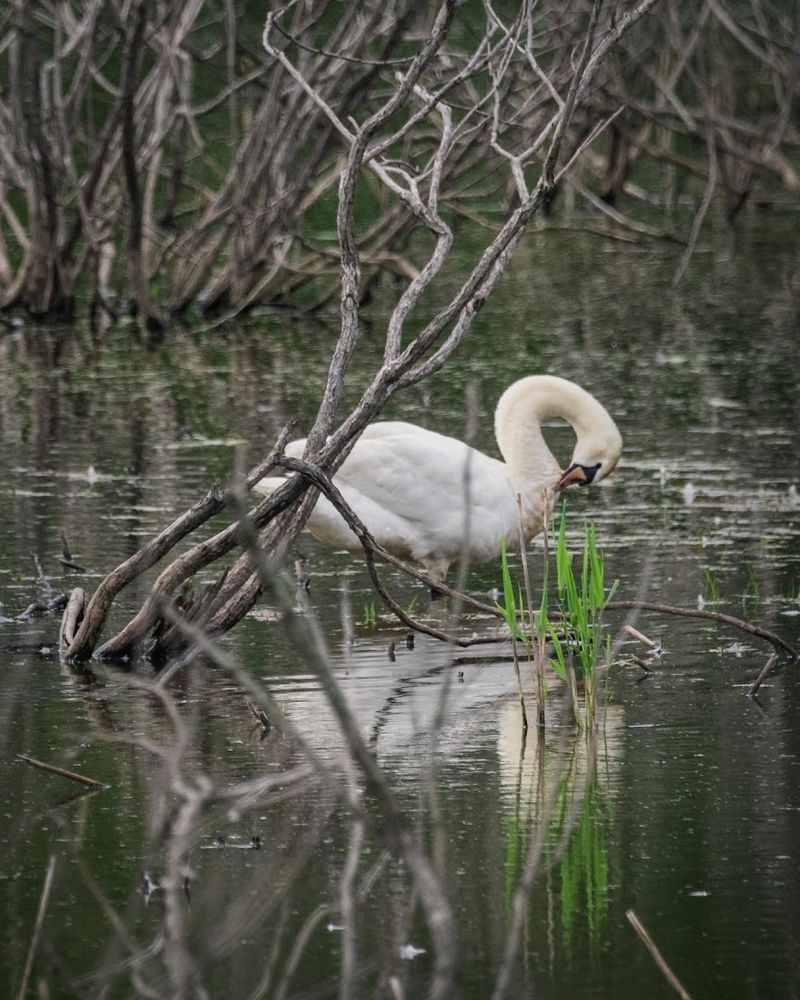
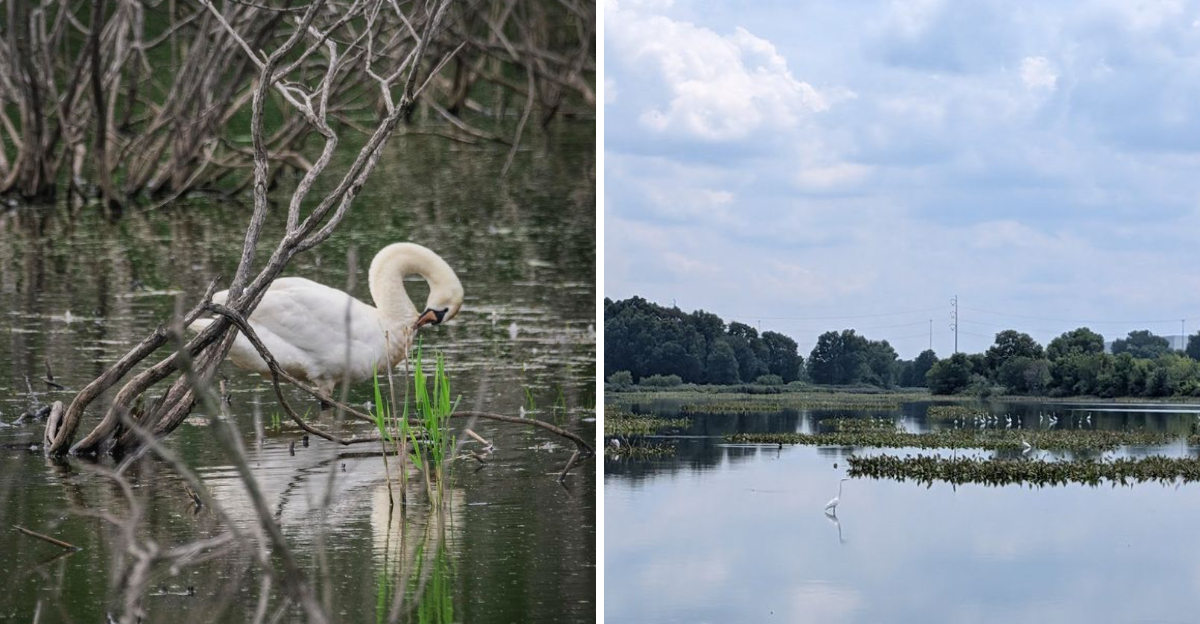
If birding is even a small part of your travel personality, this refuge deserves a place on your list. It is a designated Important Bird Area, with more than 300 recorded bird species, which gives you excellent odds of seeing something memorable no matter the season.
Even casual visitors can appreciate how active the refuge feels.
You might spot great egrets stalking the shallows, red winged blackbirds flashing through the reeds, or hawks overhead during migration. Dozens of species also nest here annually, so the refuge is not just a temporary stop for birds, but an essential breeding habitat.
That makes every walk feel more meaningful.
What I find especially appealing is that you do not need expert knowledge to enjoy the birdlife. Bring binoculars, move slowly, and listen as much as you look.
The refuge rewards patience, but it also gives beginners plenty of chances to see birds without feeling overwhelmed.
Because habitats vary so much across the site, your sightings can change quickly from one trail to the next. That variety keeps birdwatchers coming back.
It is one of the strongest reasons this refuge has become such a beloved destination in the Philadelphia region.
Wetlands That Support Wildlife Beyond Birds
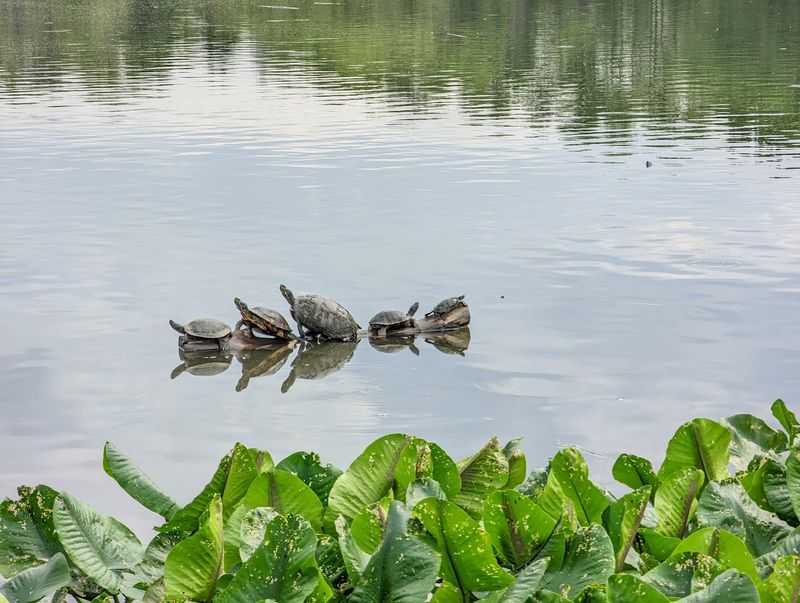
Although the refuge is famous for birds, it protects far more than feathers and migration routes. Across its wetlands, meadows, and wooded edges, the habitat supports fish, amphibians, reptiles, and mammals that all depend on this compact urban sanctuary.
That diversity gives every visit a sense of possibility.
You may notice turtles basking on logs, frogs calling from hidden pockets of water, or dragonflies skimming low over the marsh. On a quieter walk, you might also catch movement from small mammals along the trail margins or see signs of wildlife you never directly encounter.
The ecosystem feels busy even when it seems calm.
This range of species matters because healthy wetlands function as connected systems, not isolated attractions. Birds rely on insects, fish need quality water, amphibians need breeding areas, and mammals benefit from cover and food sources across multiple habitats.
When you walk here, you are seeing those layers overlap in real time.
I think that is one reason the refuge feels richer than many quick nature stops. There is always more happening than the eye immediately catches.
If you slow down and pay attention, the refuge reveals itself as a full community of wildlife, not just a birding destination.
Easy Trails and Boardwalks Through Scenic Habitats
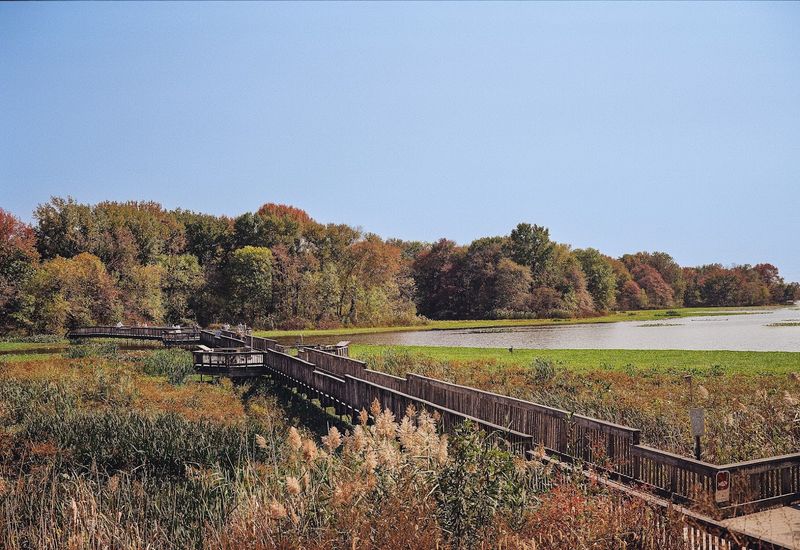
One of the best things about visiting this refuge is how easy it is to explore. With more than 10 miles of trails, including boardwalk sections over marshland, you can move through several ecosystems without needing hiking boots, advanced skills, or an all day commitment.
It is approachable in the best possible way.
The paths let you experience wetlands, wooded stretches, and open areas at a comfortable pace, so you can focus on what you are seeing instead of managing difficult terrain. That makes the refuge especially appealing for families, beginner birders, photographers, and anyone who simply wants a gentle outdoor outing.
You can tailor the walk to your energy level.
I appreciate how the boardwalks bring you close to the marsh without making the experience feel rushed or overly structured. They create those satisfying moments where you are standing above the water, scanning the reeds, and hearing birds all around you.
It feels immersive while still remaining easy to navigate.
For travelers who love scenic places but do not want a strenuous hike, this refuge hits a sweet spot. You get variety, beauty, and wildlife access in a format that feels welcoming.
That simplicity is part of why it is such an easy place to recommend.
Where Wetland Calm Meets Philadelphia Skyline Views
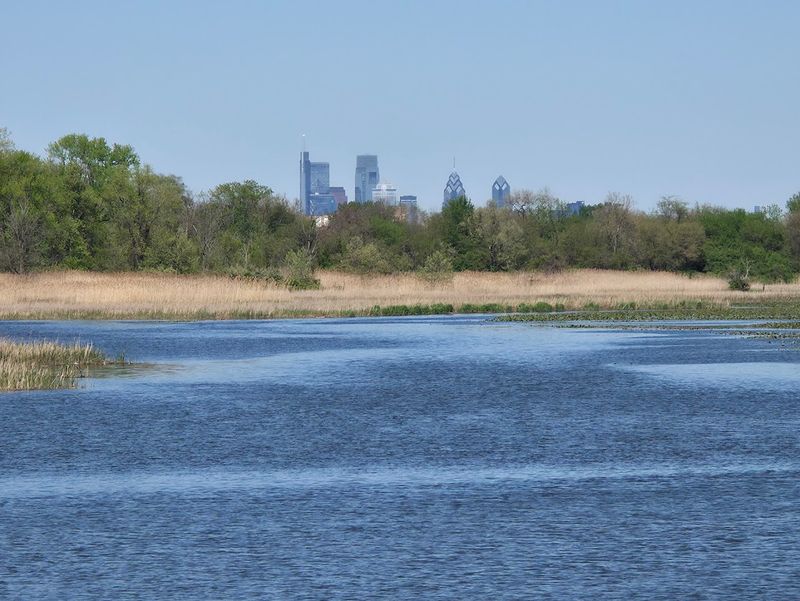
Few places capture the meeting point of city and nature as clearly as this refuge. As you look across quiet marshes and reflective water, you can also catch glimpses of the Philadelphia skyline, creating a view that feels both peaceful and slightly surreal.
It is one of the refuge’s most distinctive visual signatures.
That contrast is not just photogenic, though it certainly is. It also reminds you how valuable urban protected spaces can be when development surrounds them.
Instead of hiding nature far away from daily life, the refuge puts it in conversation with the city, letting you appreciate both at once.
I find those skyline moments especially memorable because they sharpen the sense of place. You are not in a remote preserve where human life disappears.
You are in a living metropolitan landscape where marsh birds, tidal wetlands, planes overhead, and distant buildings all coexist in the same frame.
If you enjoy destinations that feel visually layered and emotionally surprising, this is one of the refuge’s biggest draws. The skyline never overwhelms the scenery, but it adds context and character.
It turns a beautiful walk into something more distinctive, giving you a view that would be difficult to duplicate anywhere else.
A Key Stop Along the Atlantic Flyway
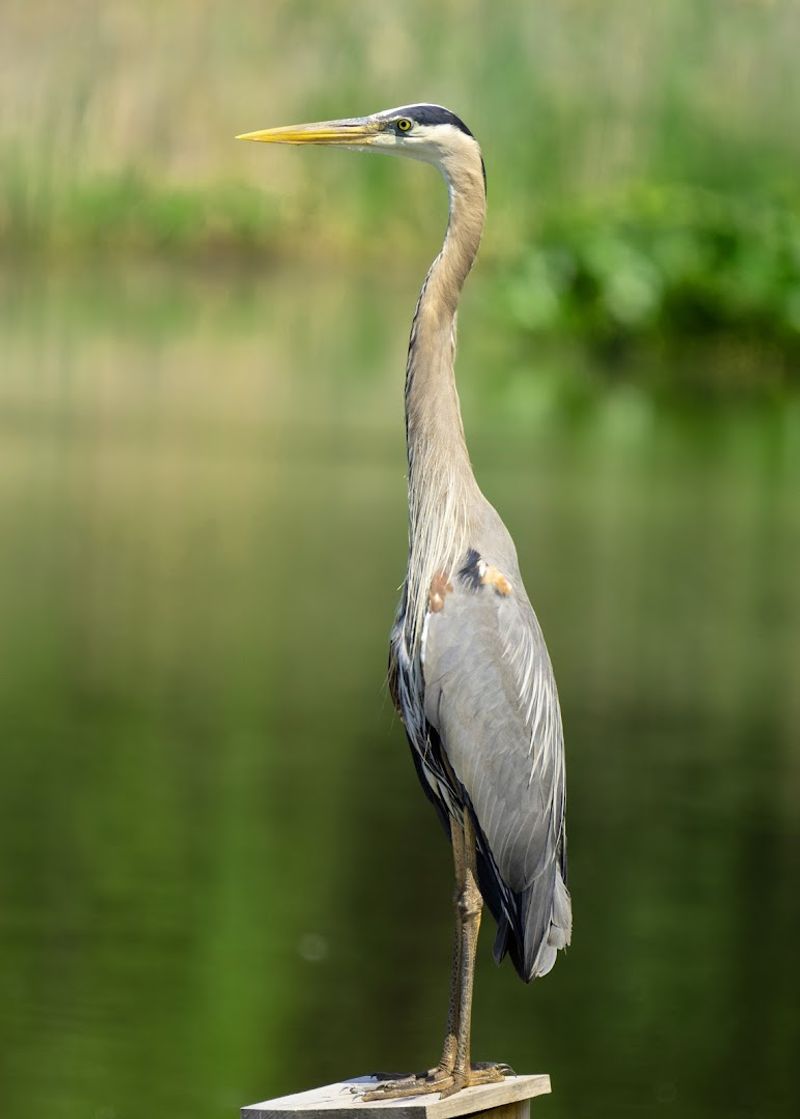
The refuge plays an important role along the Atlantic Flyway, one of North America’s major bird migration routes. During spring and fall, migratory species rely on places like this to rest and feed, which adds a thrilling sense of timing to any visit.
You never know what might appear during a peak movement day.
That seasonal importance is one reason birders keep returning again and again. The refuge can look familiar in one sense, yet feel completely different depending on migration patterns, weather, and water conditions.
If you visit during active migration, the energy in the marsh can be remarkable.
Even if you are not an experienced birder, migration season makes the refuge especially rewarding. More birds often means more motion, more sound, and more chances to notice behavior that feels dramatic and immediate.
You do not need a long checklist to appreciate the excitement of birds arriving after long journeys.
I would especially recommend early visits in spring or fall if you want the refuge at its most dynamic. Cooler air, softer light, and increased bird activity create a strong combination.
It is one of those places where the right season can turn a pleasant walk into a genuinely memorable wildlife experience.
Visitor Center, Exhibits, and Community Education
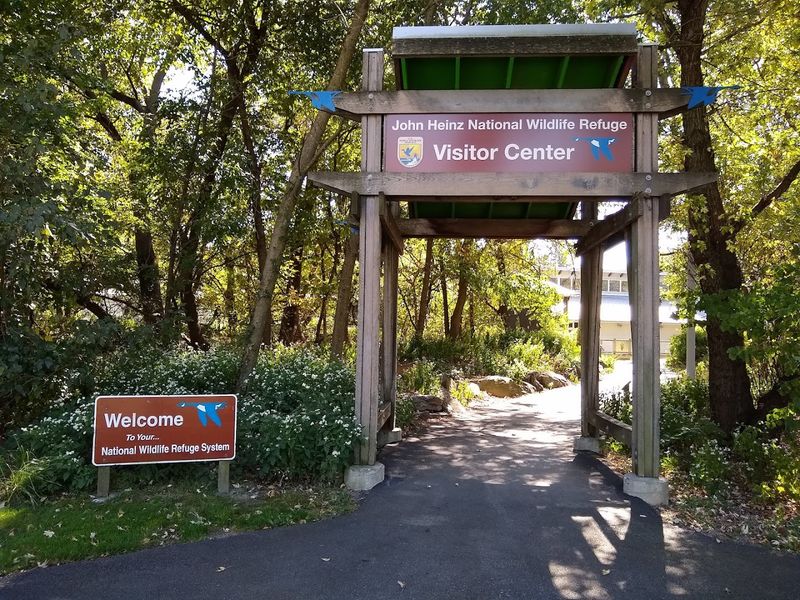
The visitor center adds another layer to the experience, especially if you like understanding a place as much as seeing it. Inside, you can find exhibits, maps, and educational information that explain the refuge’s ecology, conservation mission, and wildlife habitats in a clear, approachable way.
It is a useful first stop before heading outside.
For first time visitors, the center can help make the refuge feel less overwhelming and more personal. You get context for the wetlands, learn what species may be active during your visit, and discover how urban refuges support both wildlife and surrounding communities.
That background makes the trails feel more meaningful.
The refuge also hosts educational programming and community focused activities that reinforce its role beyond recreation. This is not just a place to take pictures and leave.
It is a living classroom where conservation becomes visible, local, and relevant to everyday life in Philadelphia.
I like that the visitor center helps bridge curiosity and observation. If you arrive with a simple desire to walk around, you may leave with a better understanding of why this habitat matters so much.
That combination of accessibility and substance is a big part of what makes the refuge memorable.
More Than Birding: Photography, Fishing, and Kayaking
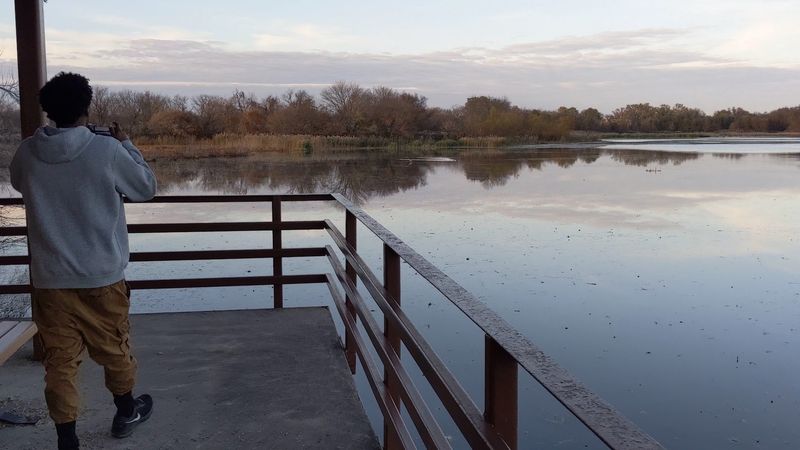
Birdwatching may be the headline activity here, but the refuge offers more ways to enjoy the landscape. Visitors also come for photography, fishing, kayaking, and general wildlife observation, making it a flexible destination for different interests and skill levels.
That variety keeps the refuge from feeling too niche or specialized.
If you love photography, the mix of marsh textures, changing light, boardwalk views, and wildlife movement gives you plenty to work with. Anglers can enjoy designated fishing opportunities, while paddlers get a closer perspective on the wetland environment when conditions allow.
Even a simple walk with a camera phone can feel rewarding.
What stands out to me is how the refuge supports both purposeful outings and low pressure visits. You can arrive with a bird checklist, a fishing plan, or a kayak in mind, but you can also just wander and see what catches your attention.
The setting adapts well to many kinds of outdoor days.
That makes this refuge especially appealing if your travel group has mixed interests. Not everyone needs to be a dedicated birder to enjoy the experience.
It works just as well for nature lovers, quiet explorers, and anyone looking for a scenic break that feels close to the city yet pleasantly removed from it.
Visitor Tips for the Best Experience
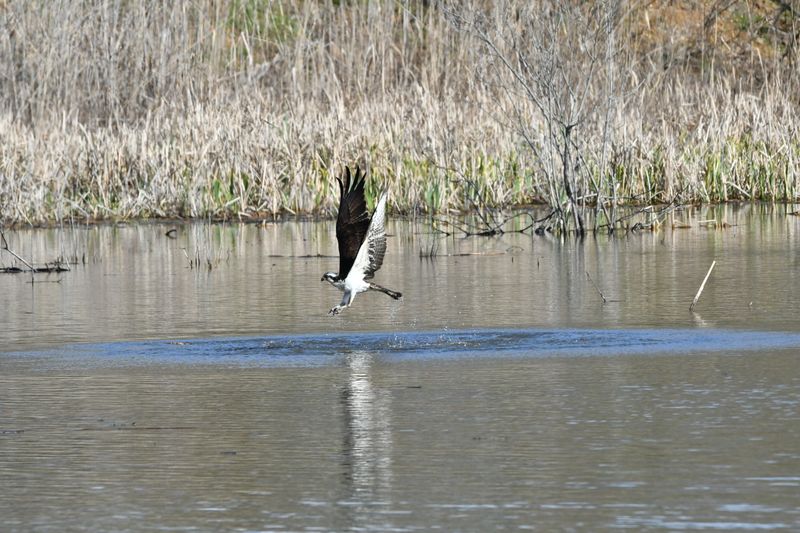
Planning a visit here is refreshingly simple, which is part of the refuge’s appeal. John Heinz National Wildlife Refuge at Tinicum is located at 8601 Lindbergh Blvd., Philadelphia, PA 19153, and admission is free.
Trails are generally open daily from sunrise to sunset, making it easy to fit into many schedules.
If you want the best chance of seeing active wildlife, try to arrive early in the day. Morning light is beautiful, temperatures are often more comfortable, and bird activity is usually stronger before the busiest hours.
Bringing binoculars will dramatically improve your experience, even if you are only casually interested in birds.
I would also recommend stopping at the visitor center for maps and seasonal updates before heading out. Conditions can change, and staff or posted information may help you choose the most rewarding trail for current sightings.
That small step can make your visit feel much more focused.
Most importantly, give yourself permission to slow down once you arrive. This is not a place to rush through for a quick photo and leave.
If you take your time, listen carefully, and let the landscape unfold, the refuge rewards you with a fuller and more memorable urban nature experience.