
Pennsylvania hides a trail where history never fully disappeared—it just sank into the woods.
At first glance, this forest path feels peaceful. Birds, trees, quiet air.
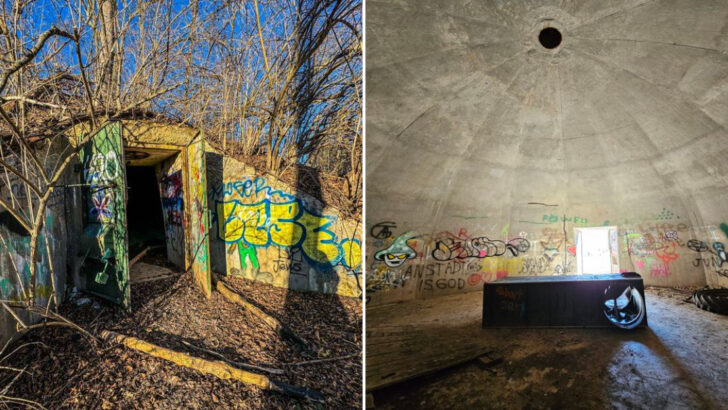
Then the ground starts telling a different story. Cracked concrete.
Rusted doors. Shapes that don’t belong to nature alone.
You’re not just walking through the woods—you’re stepping into what’s left of a town erased on purpose.
The Bunkers of Alvira are scattered like clues from another life. Homes once stood here.
Families were forced out. What remains are military bunkers, forgotten roads, and echoes that feel heavier with every step.
It’s eerie, fascinating, and impossible to ignore once you know what you’re seeing.
This trail isn’t about a scenic hike or a quick escape. It’s about discovery, curiosity, and standing face to face with a chapter of Pennsylvania history most people never learn about.
How Alvira Became A Ghost Town
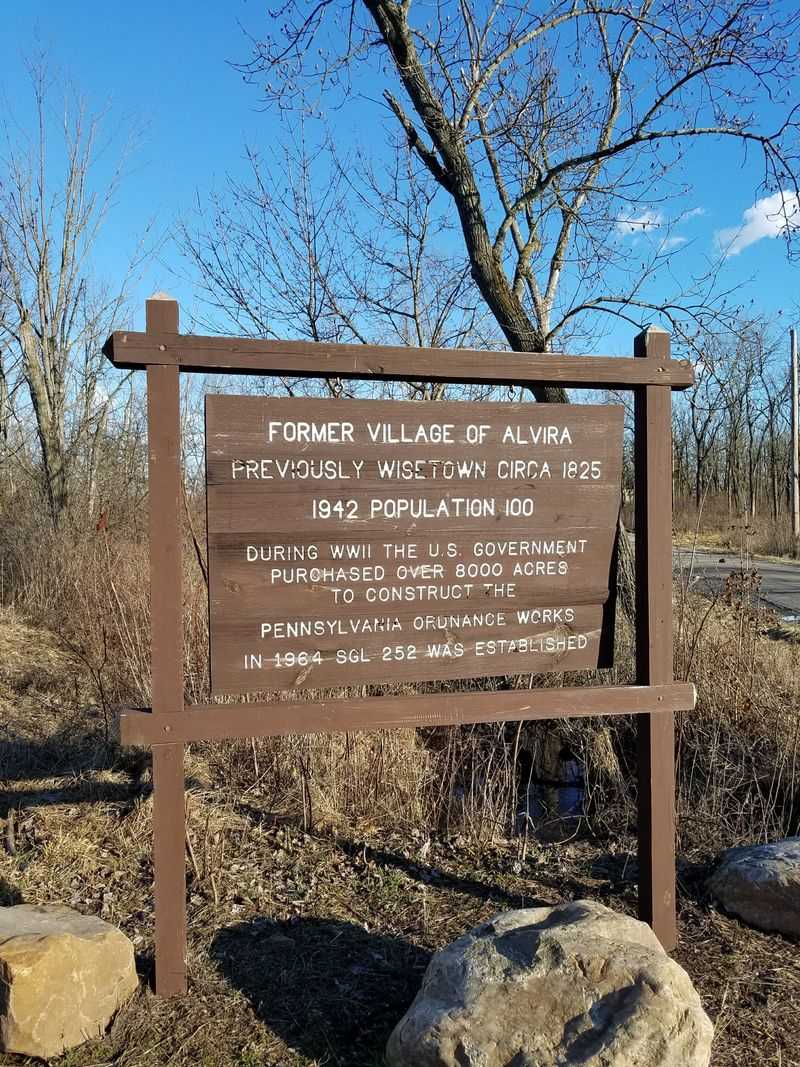
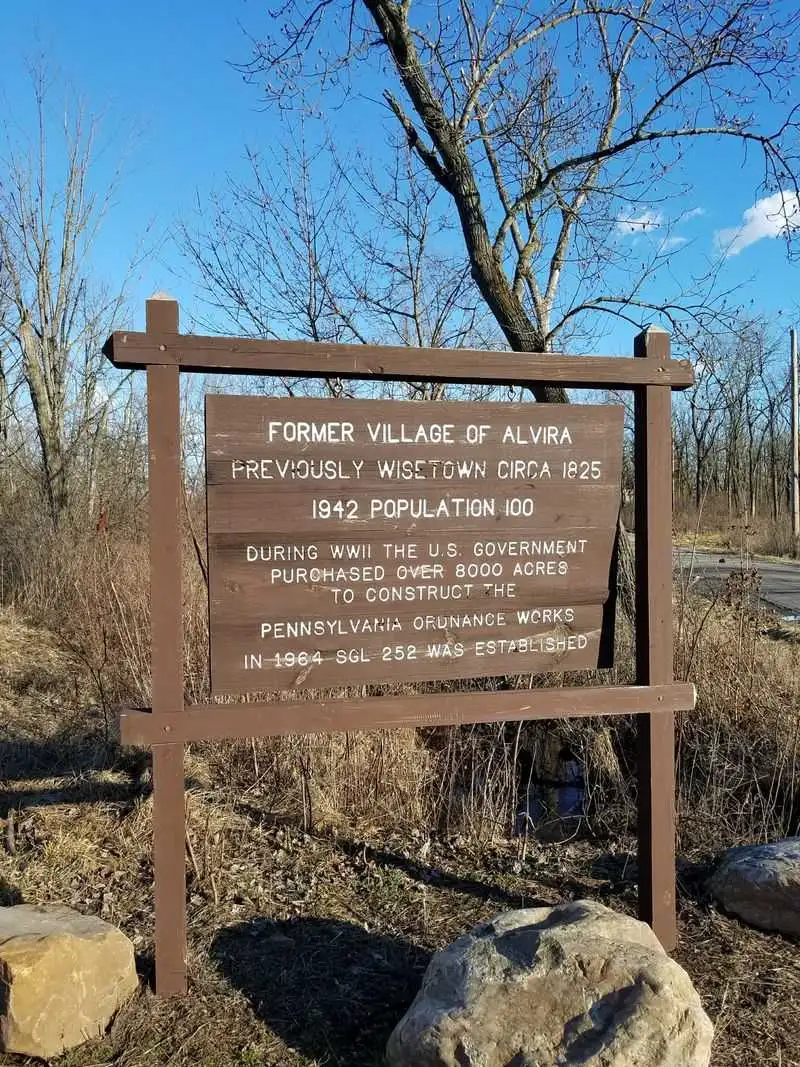
Before the bunkers, there was Alvira, a small Pennsylvania village with farms, churches, and tidy lanes. In World War II, the federal government moved quickly to acquire the land for a TNT plant, reshaping families and futures overnight.
Deeds were taken, homes were demolished, and the residents dispersed, leaving a quiet story written in stone and soil.
Walking the trail today, you will spot low foundation lines peeking through leaf litter, a domestic geometry softened by moss. Imagine garden fences where brambles now tangle, or milk pails where puddles sit after rain.
The woods hold the shapes, and once you see them, they keep appearing.
Official histories explain the exigencies of wartime production, yet the emotions linger here. You can feel it in the way birdsong stops inside the trees, as if the forest remembers doors closing.
The town did not just vanish, it transformed into absence.
Bring a respectful mindset and time to wander. Follow old road beds that curve like habits, and you will understand why reviews call this place haunting.
Alvira survives in footprints and family names etched on headstones nearby, a lesson in how national priorities ripple through ordinary lives.
Finding The Bunkers On State Game Lands 252
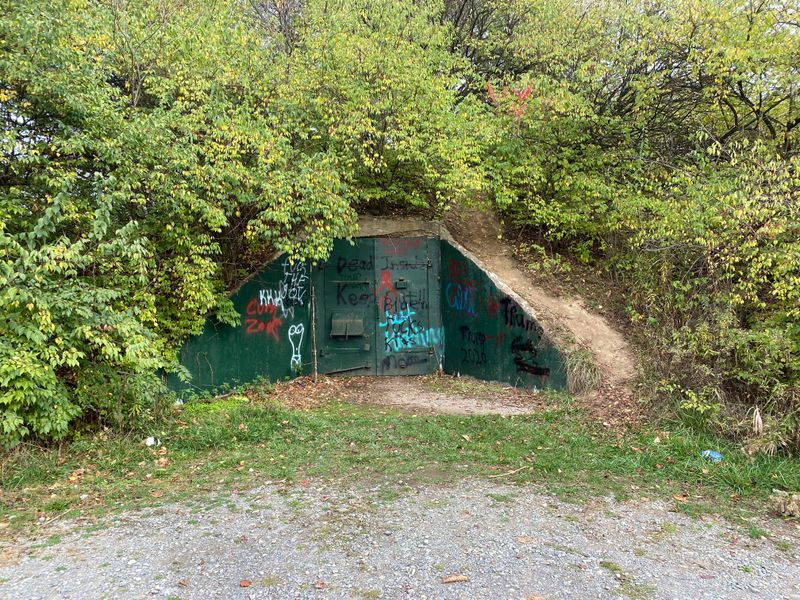
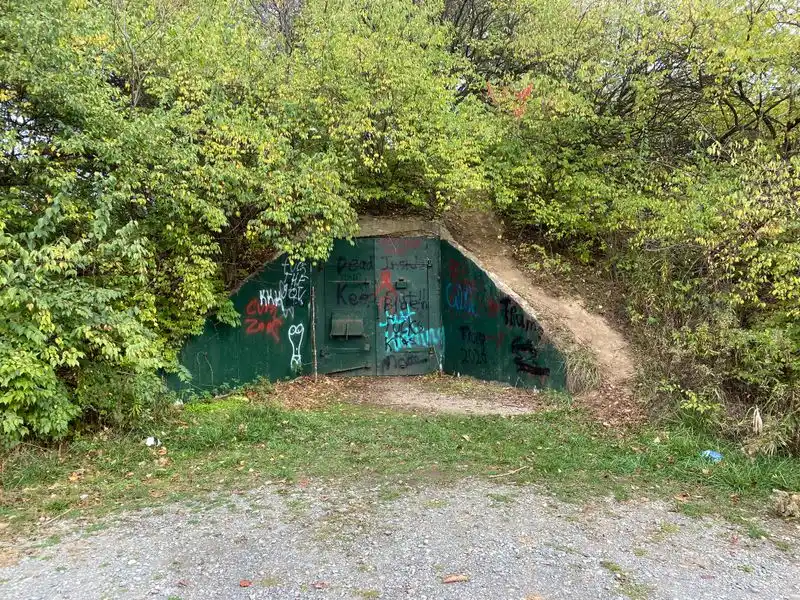
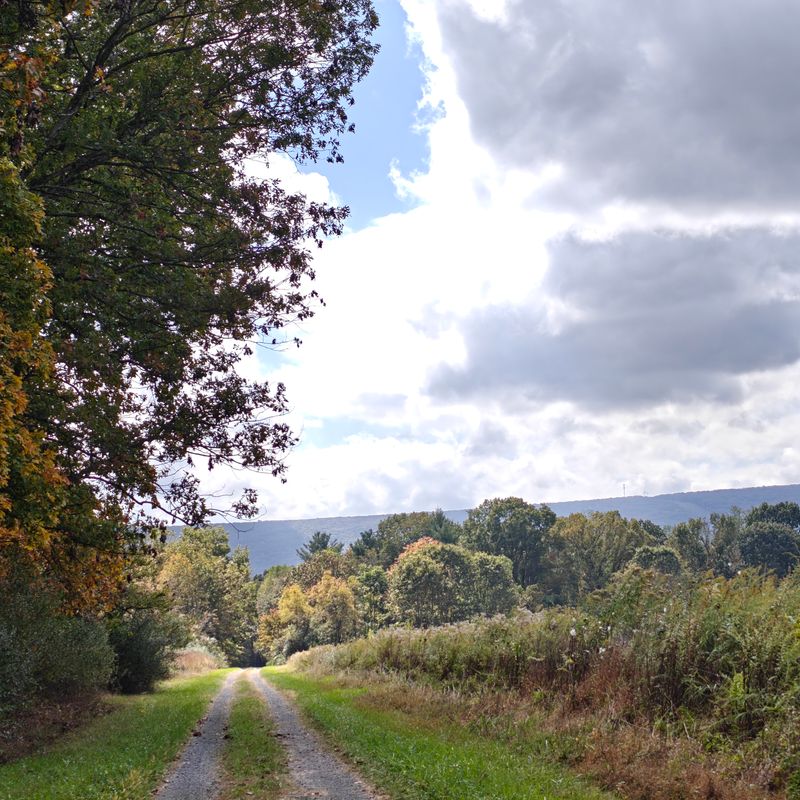
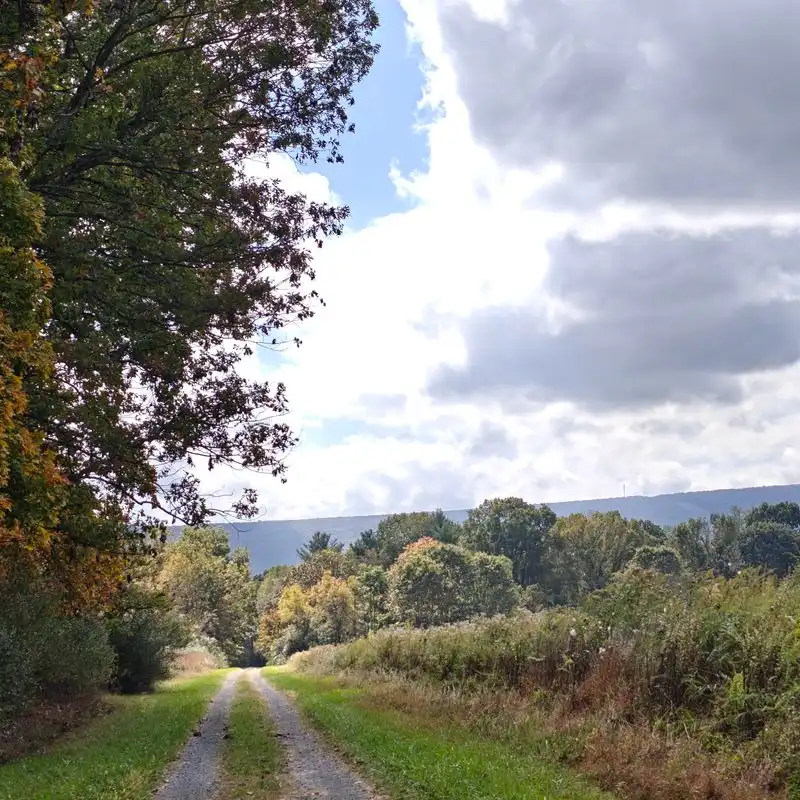
The bunkers sit deep within Pennsylvania State Game Lands 252 between Williamsport and Allenwood. Most visitors park in the stone lot on Alvira Road near a Game Commission facility, then continue on foot along level dirt roads.
You will encounter junctions that look similar, so a downloaded map or GPS track helps.
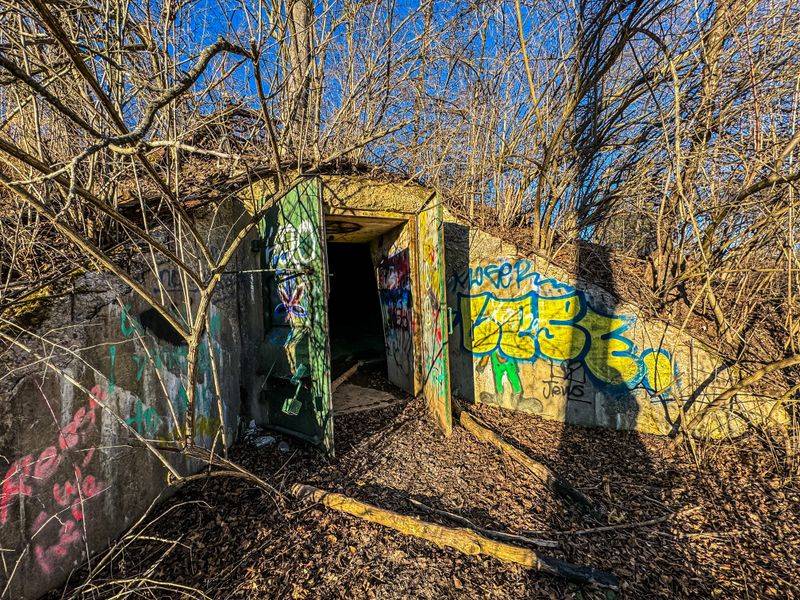
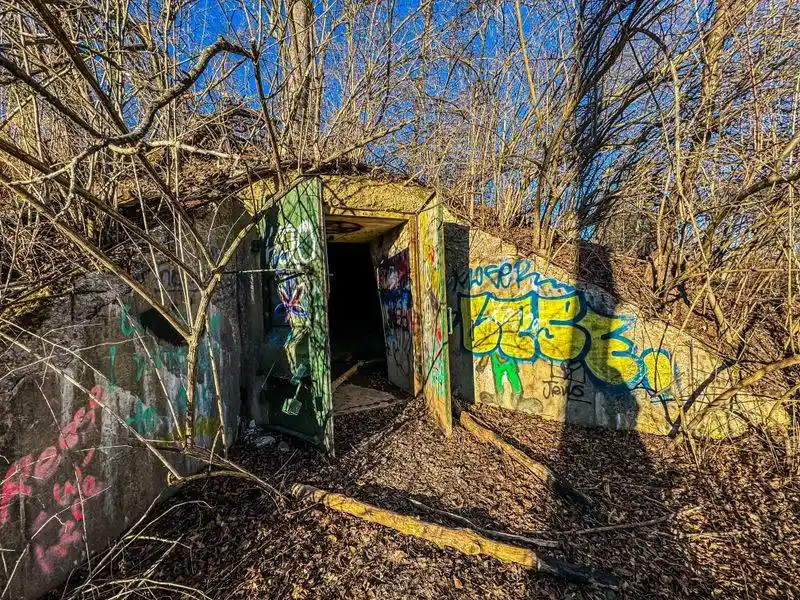
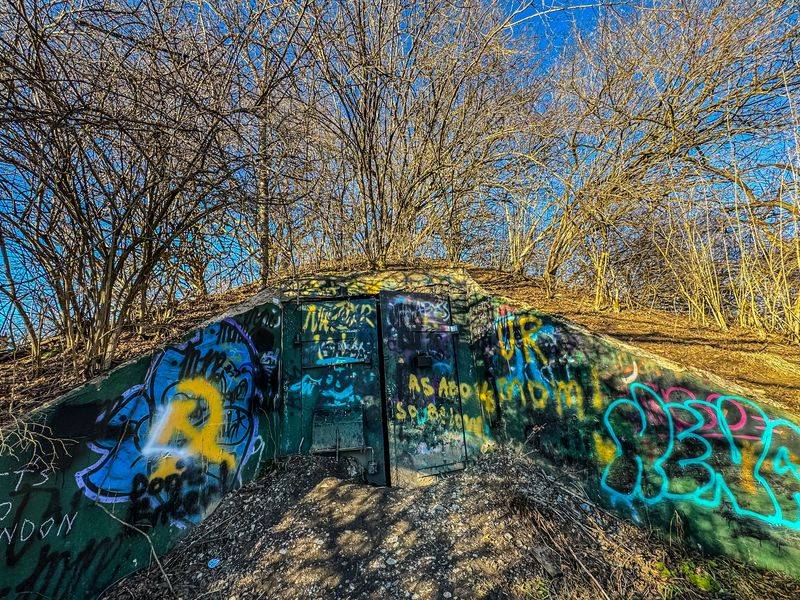
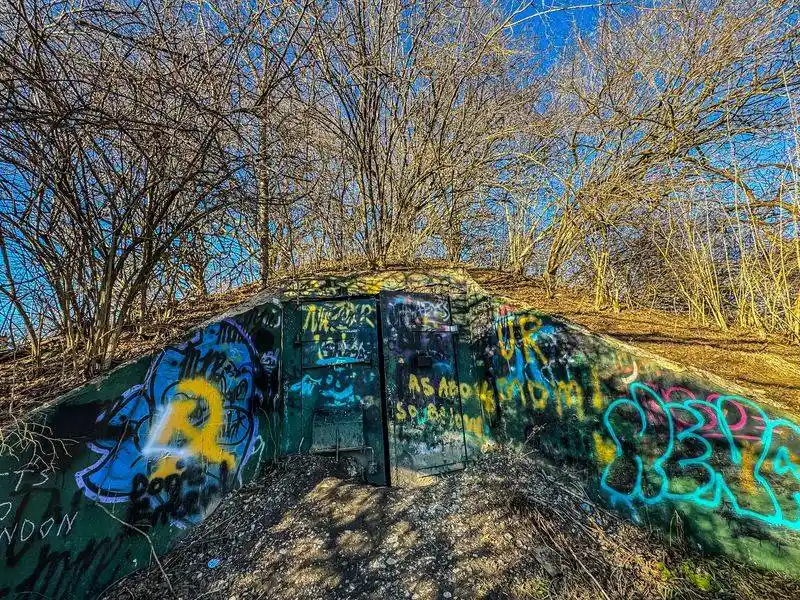
As you walk, watch for rounded earth berms with concrete faces. Some bunker doors are open, others sealed with soil or debris.
The pattern spreads across hundreds of acres, and finding them becomes a scavenger hunt that rewards patience.
Because this is active hunting land, wear blaze orange and make noise when visibility is poor. Reviews note that the layout can hide you, so do not assume others see you on the next lane.
Stick to established roads when foliage is thick and avoid wandering into brush.
Expect muddy patches after rain, large puddles, and slick clay. Summer overgrowth can slow progress and harbor ticks, so check yourself often and consider cooler months for clearer paths.
If you loop lefts from the lot, you can circle back efficiently. Keep your bearings, mark waypoints, and the bunkers reveal themselves one by one.
Why There Are 150 TNT Bunkers
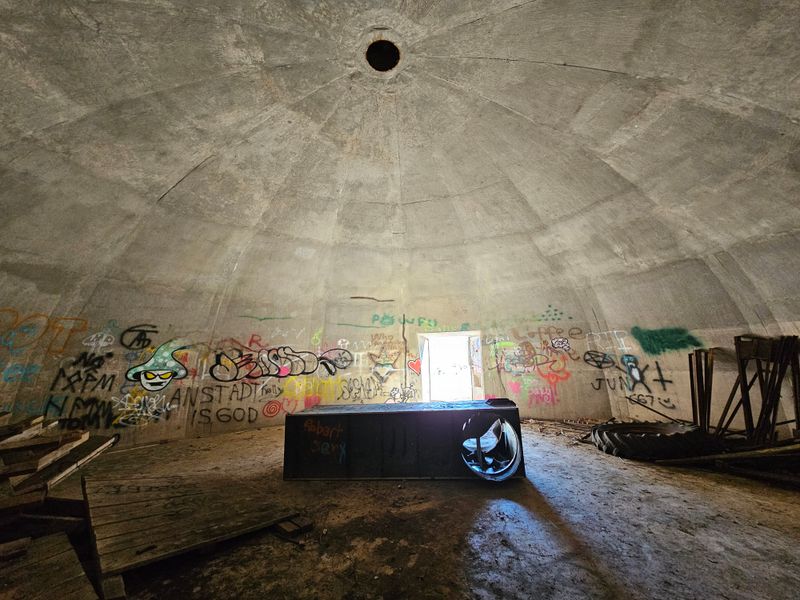
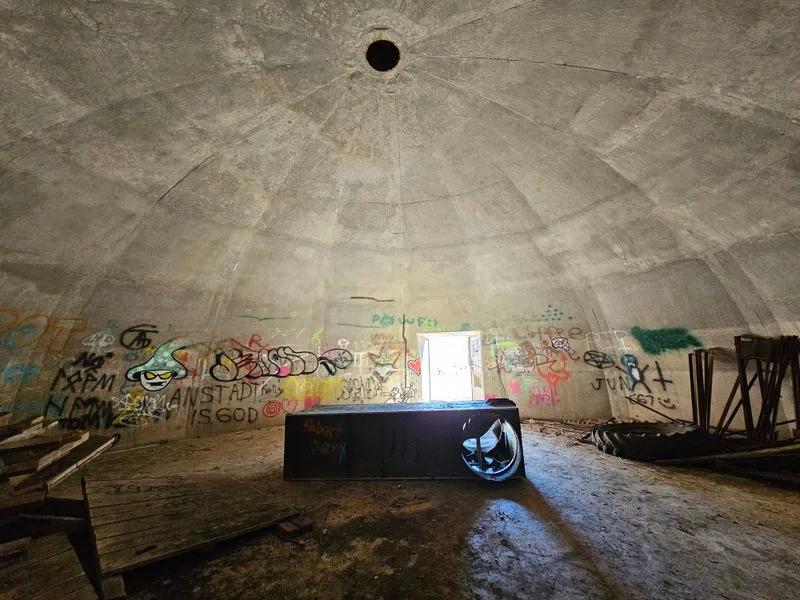
During World War II, demand for explosives drove the construction of massive storage facilities near production plants. Alvira’s landscape became a carefully engineered grid of earth-covered concrete bunkers that kept TNT stable and separated.
Each bunker sat apart so a mishap would not cascade into catastrophe.
The number often cited is 150, a testament to both scale and urgency. From above, the layout resembles beads on strings winding through the forest.
On foot, the repetition feels dreamlike, as if you are looping through time every few minutes.
Engineering details matter here. Earthen berms moderate temperature and deflect blast force, while thick walls dampen sound and vibration.
You can see vent hardware on some, small clues to the science behind safety.
As you explore, imagine crews cataloging pallets of munitions and guards pacing the lanes. The quiet today magnifies the logistics that once ruled these roads.
Understanding the why turns curiosity into comprehension, and the bunkers stop being random ruins. They become a system, a wartime machine etched into the woods, still legible if you read carefully.
Acoustics And Echoes Inside The Domes
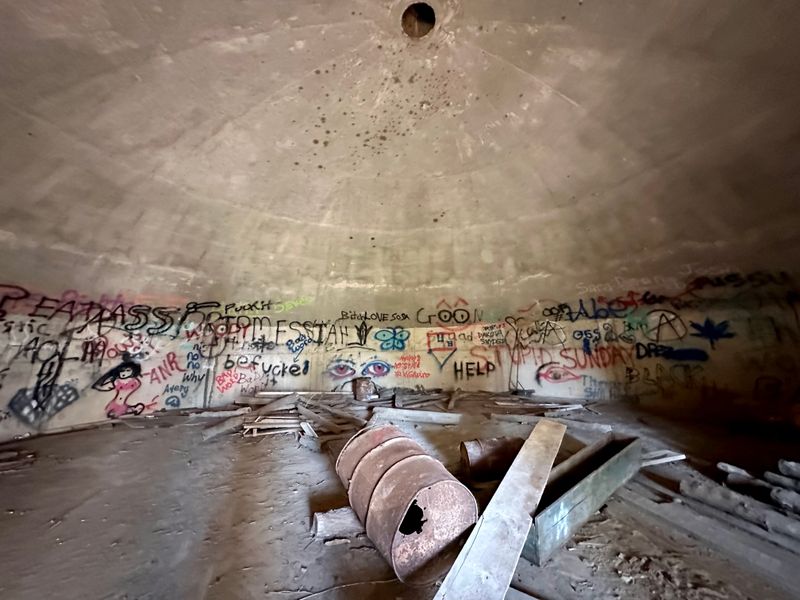
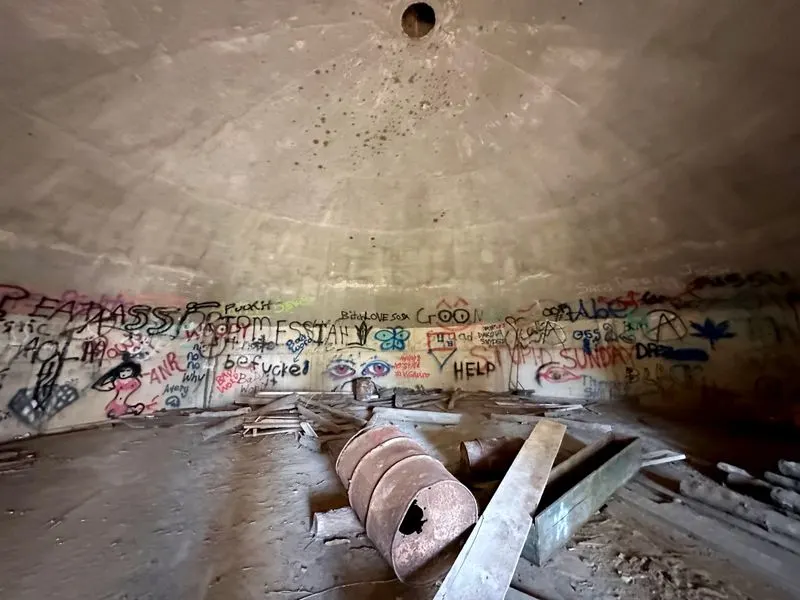
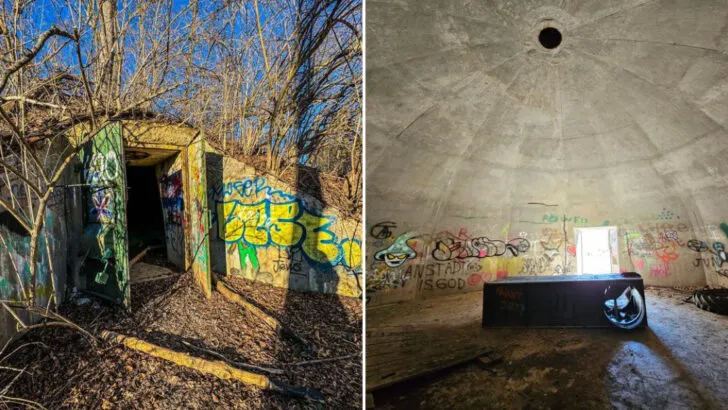
Step into an open bunker and you will hear the space answer. The curved ceiling focuses sound so claps, chants, or a cappella notes bloom and return with surprising clarity.
It is playful and unsettling, like singing inside a giant instrument.
Bring a flashlight and tread carefully. Floors can be muddy, littered, or slick with algae.
Some structures have debris, so watch your footing and test the echo without rushing forward.
Musicians sometimes record short snippets here because the reverb is natural and unique. Even simple humming becomes layered and cathedral-like.
Try a whispered count and listen as the numbers wrap back around you.
Do not linger if air feels stagnant, and avoid sealed spaces. Respect that these are abandoned buildings, not performance halls.
Keep voices at a considerate level when others are exploring nearby. The best part is discovering how sound maps the architecture for you, turning an empty shell into a resonant memory you will replay long after leaving.
Cemeteries And Traces Of Community
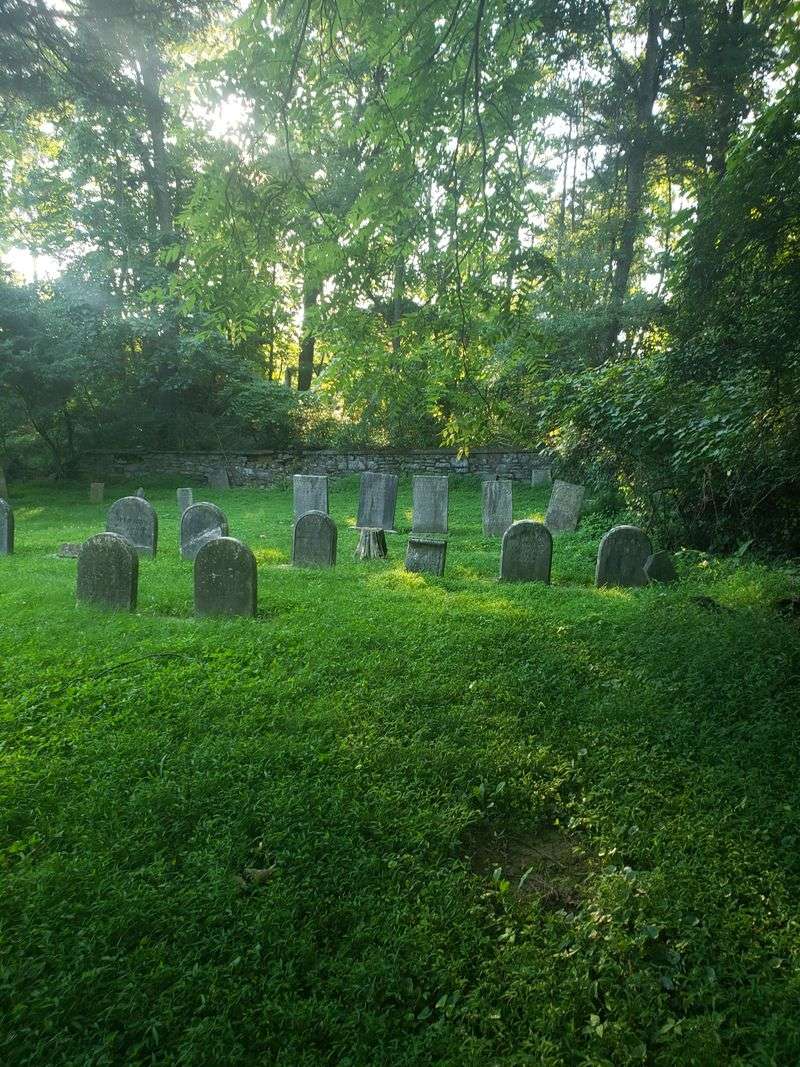
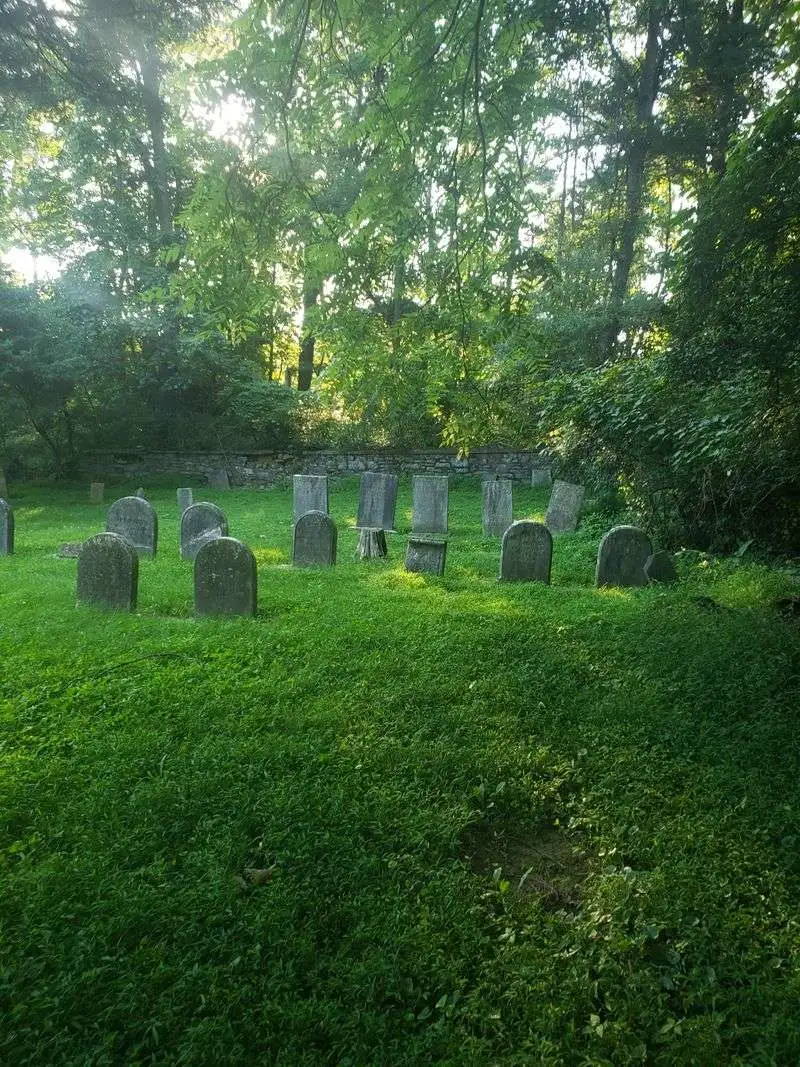
Three cemeteries persist near the bunkers, anchoring Alvira’s story in names and dates. They are somber, beautiful places where sunlight filters through oaks and the forest keeps watch.
When you stand there, the wartime narrative becomes personal.
Stay on established paths and show respect. Do not touch fragile stones or lean on markers.
Photograph gently, and leave the place exactly as you found it.
These graveyards remind you that Alvira was not a rumor. Families lived here, worshiped, tended gardens, and buried loved ones long before the TNT plant arrived.
Foundations and wells nearby add texture to that memory.
Plan your route so you can visit without rushing, and read any posted information. Small clusters of graves may appear deeper in the woods, subtly enclosed by stones.
Take a quiet moment before moving on. You will carry the names in your head as you walk, and the bunkers will feel different afterward, less like curiosities and more like neighbors to a history that still breathes.
Seasonal Tips: Ticks, Mud, And Overgrowth
Visitors mention ticks often, especially in warmer months. Wear long pants, tuck them into socks, use repellent with proven ingredients, and check yourself during breaks and at the car.
Consider lighter visits in late fall or winter when grass dies back.
Rain transforms roads into slick clay with deep puddles. Waterproof boots help, as does walking the road edges where footing is steadier.
Avoid summer after heavy storms if you dislike soggy miles.
Overgrowth can swallow side paths and hide hazards. A trail map, offline GPS, and patience keep you oriented when every corridor looks the same.
In winter, sightlines open and bunkers pop into view from farther away.
Also think about bugs beyond ticks. Mosquitoes and gnats turn a casual stroll into a swatting contest, so pack a head net if you run hot.
Bring extra water, sun protection, and a simple first aid kit. The right season can change the experience from frustrating to phenomenal, revealing the site’s structure and story without the green curtain.
Safety On Active Hunting Lands
State Game Lands operate for wildlife management and public hunting. That means you share space with hunters who may not see you through brush or bunker berms.
Bright blaze orange is not optional here, it is essential.
Check the Pennsylvania Game Commission calendar for seasons and special regulations. Weekdays outside peak seasons are quieter, but still practice visibility and situational awareness.
Announce yourself near corners and keep pets leashed in high-visibility gear.
Stick to main roads during low light and avoid cutting cross-country where sightlines vanish. Do not enter areas marked closed or storage zones near facilities.
Ear protection can be useful if shots echo unexpectedly through the domes.
Carry a whistle, small flashlight, and backup batteries. Tell someone your route and estimated return time.
If you encounter hunters, a friendly wave and clear communication go a long way. Safety lets you relax into the history rather than flinching at every rustle, and it respects the multiple uses these lands support.
Navigation: Maps, Waypoints, And Loops
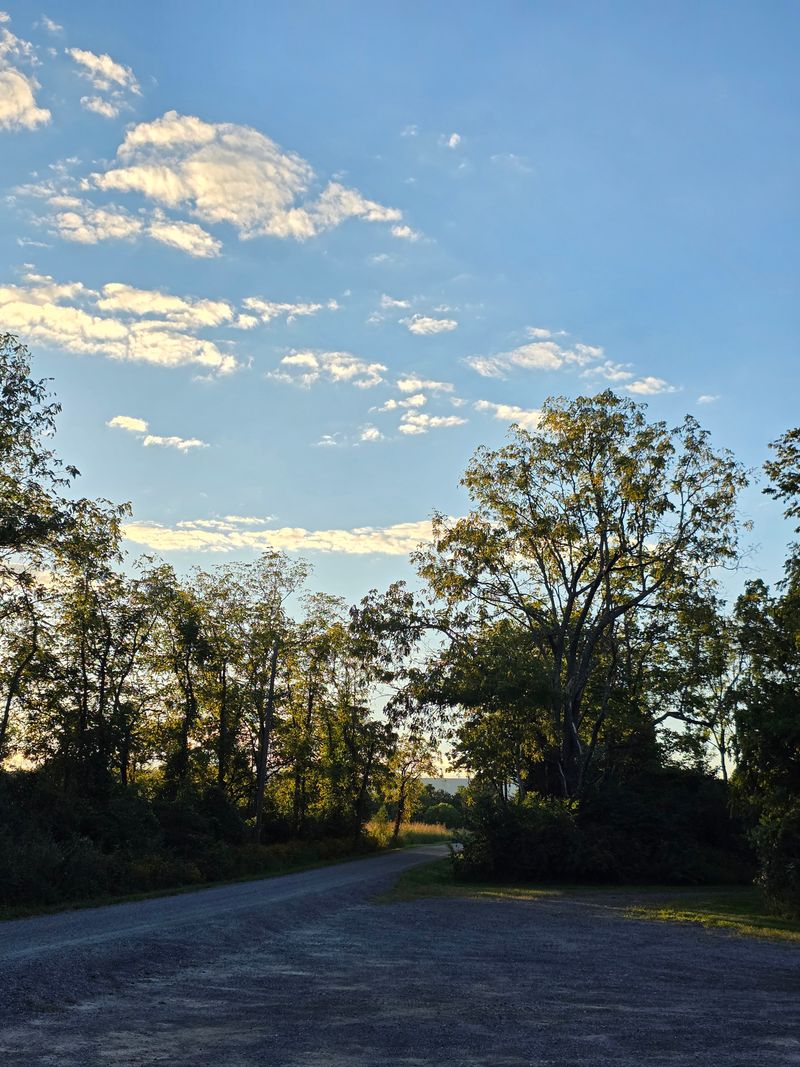
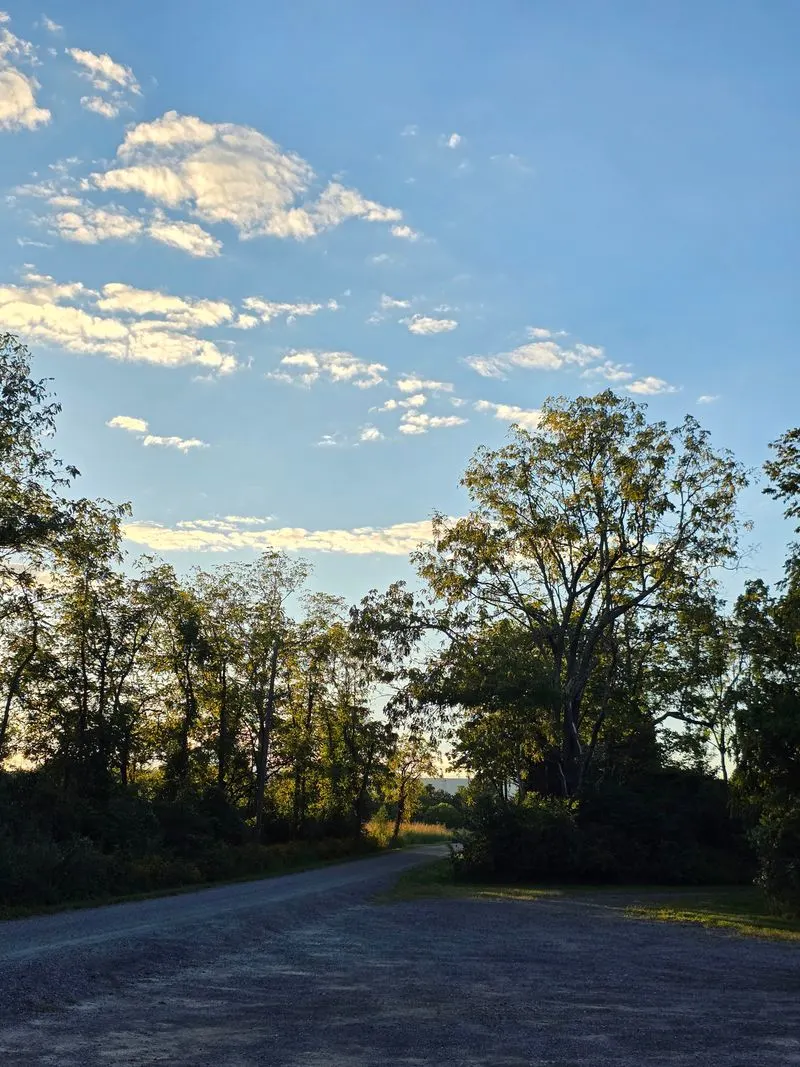
The road network around the bunkers forms a loose grid with many similar intersections. To avoid wandering, download an offline map and mark waypoints at the parking lot, first open bunker, and any cemetery you visit.
A simple breadcrumb trail reduces stress.
Many people use a left-turn loop from the main lot to create a tidy circuit. Others collect bunker clusters by zigzagging between bermed domes noted on crowd-sourced maps.
Do what suits your time, but keep an eye on daylight.
Cell service can be patchy. Bring a printed map or screenshot of an overhead layout that shows approximate bunker positions.
If you find historical signage or a posted map, snap a photo for reference.
Wayfinding becomes part of the fun, like an outdoor puzzle with concrete clues. If you lose track, pause, backtrack to your last known point, and reset your plan.
Check the compass, sip water, and the forest will offer the next landmark. Navigation confidence lets you explore deeper without drifting into frustration.
Photography And Low-Light Exploration
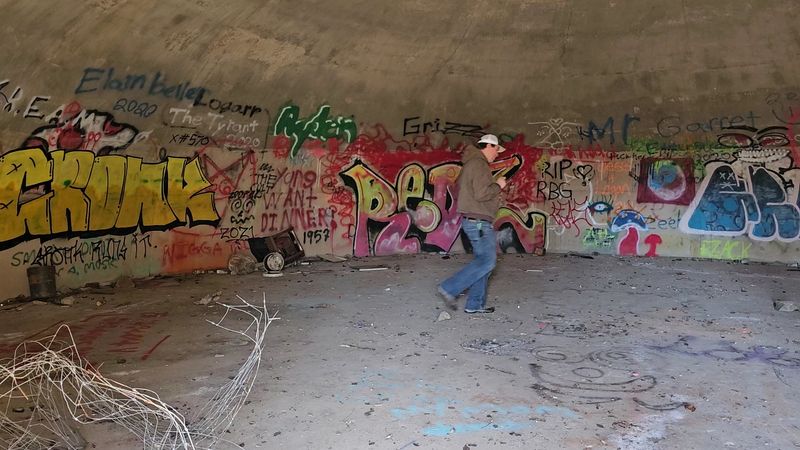
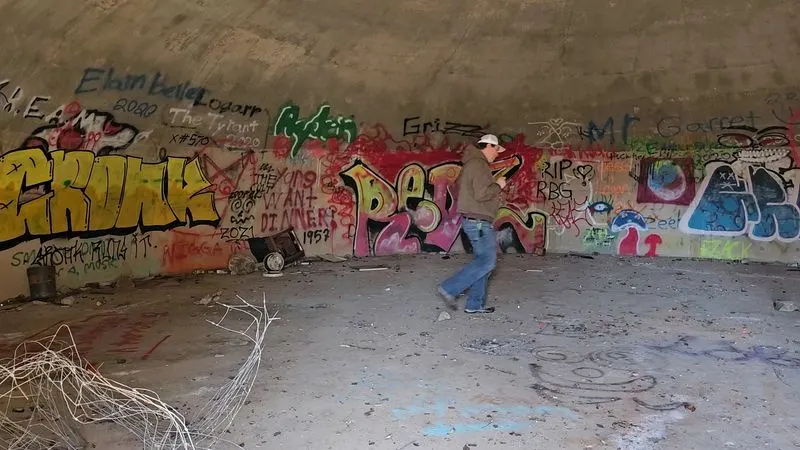
The bunkers photograph beautifully because texture, geometry, and shadow do the heavy lifting. A wide lens captures the curve of the ceiling, while a small flashlight paints details during a long exposure.
Tripods help in the dim interiors where ISO can climb quickly.
Graffiti appears in some structures, so compose with intention if you prefer to avoid offensive markings. Angling upward toward the arch reduces clutter and emphasizes symmetry.
If you shoot portraits, the echo adds a performative energy.
Dusk and fog create moody frames on the forest roads. Watch your footing and step lightly to keep mud off the gear.
Bring a lens cloth for condensation when temperatures swing.
Remember that these are abandoned buildings with unknown hazards. Test each step, keep your hands free, and do not wedge doors or move debris for a shot.
A respectful approach yields stronger images and preserves the site for others. When you nail the light on concrete ribs, the photos feel timeless, like evidence from a story that still unfolds.
Responsible Exploring: Leave No Trace
Exploring abandoned places is a privilege that depends on respect. Pack out every crumb, even if you did not bring it.
If you can safely remove a small piece of litter, do it, and you will change the experience for the next person.
Stay on durable surfaces and avoid trampling vegetation around foundations or grave sites. Do not pry, peel, or pocket artifacts.
Photographs and notes are the best souvenirs here.
Keep voices low near cemeteries and be mindful of wildlife. Deer and turkey use the same corridors you do, and spring is sensitive for nesting.
Give space to anyone hunting or photographing quietly.
Share accurate directions and safety tips, not secret bravado. Encourage blaze orange and tick checks rather than risky shortcuts.
When we model good stewardship, the Bunkers Of Alvira remain open, peaceful, and fascinating. The woods remember how we treat them, and they repay care with discovery.