

This is not the kind of museum you casually wander into.
The Mütter Museum in Philadelphia grabs your attention and refuses to let go. From the moment you step inside, curiosity mixes with awe and a slight shiver of discomfort.
Glass cases hold stories of the human body that feel intimate, strange, and impossible to ignore.
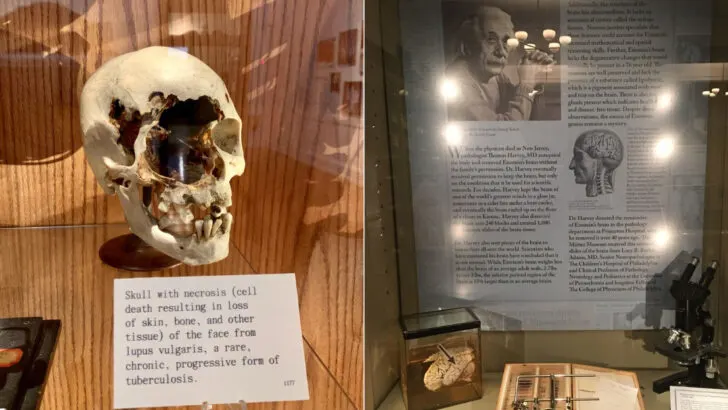
Here, Einstein’s brain sits just steps away from more than 130 human skulls, each one hinting at a life once lived. Medical history unfolds through preserved specimens, rare conditions, and artifacts that blur the line between science and the deeply personal.
You’re not just looking—you’re confronting what it means to be human.
The experience lingers long after you leave. Conversations grow quieter.
Thoughts get heavier. The Mütter Museum doesn’t aim to comfort or entertain—it invites reflection, curiosity, and respect for the fragile bodies we inhabit.
It’s haunting, fascinating, and unforgettable, the kind of place that stays with you long after the doors close behind you.
Plan Your Visit: Hours, Tickets, and What to Expect
Before you go, plan for a focused, respectful experience. The museum is open 10 AM to 5 PM Wednesday through Monday, with Tuesday closed, and tickets often sell out on busy weekends.
You cannot take photos inside the galleries, so consider bringing a notebook to capture reflections and favorite details.
Expect dense exhibits, dim lighting, and carefully arranged cases that prioritize context and dignity. You might feel crowded during peak hours, but patient pacing helps.
Lockers and a coat check keep you unencumbered while reading labels, which reward slow attention.
Set aside at least an hour, though two hours feels ideal if you read deeply and pause to reflect. Comfortable shoes matter, because lower shelves require kneeling or a patient bend.
If you are squeamish, know that the museum presents human remains with clear consent and history.
Buy timed tickets online, especially in summer and holidays. Public transit is convenient, with a SEPTA station nearby, and limited street parking can surprise you with good luck.
Afterward, decompress in the small garden, where fresh air helps you transition from the emotional weight inside.
Einstein’s Brain: What You Are Really Seeing
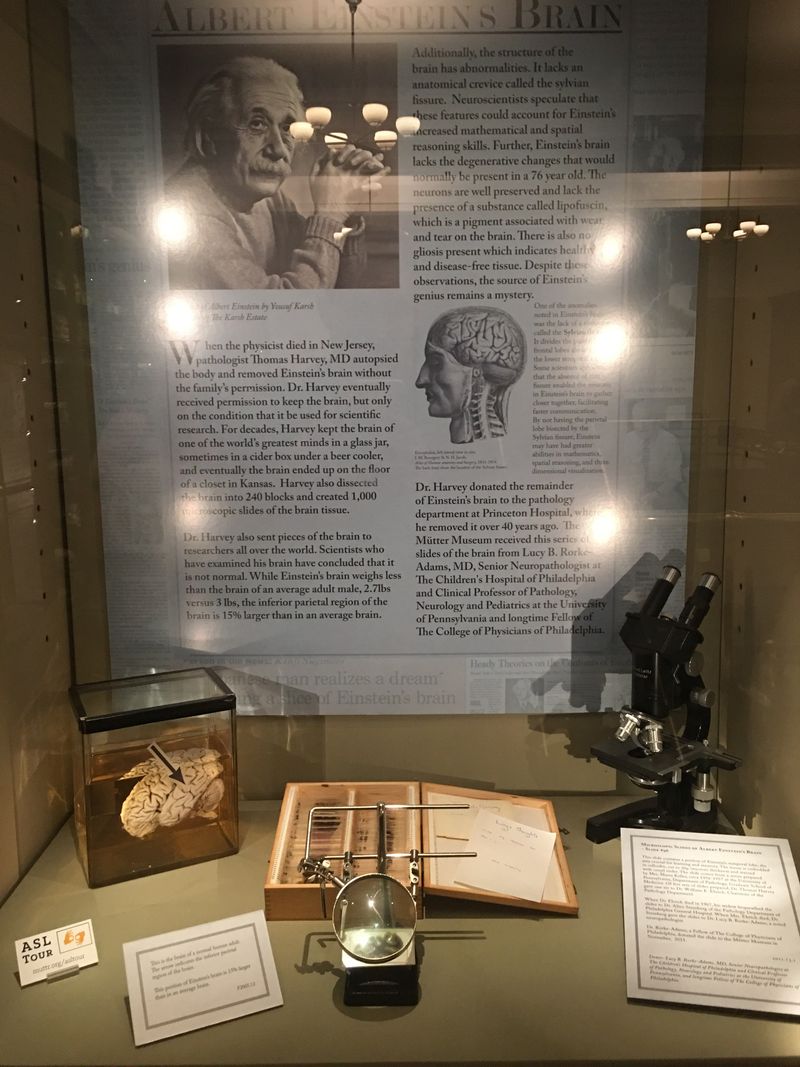
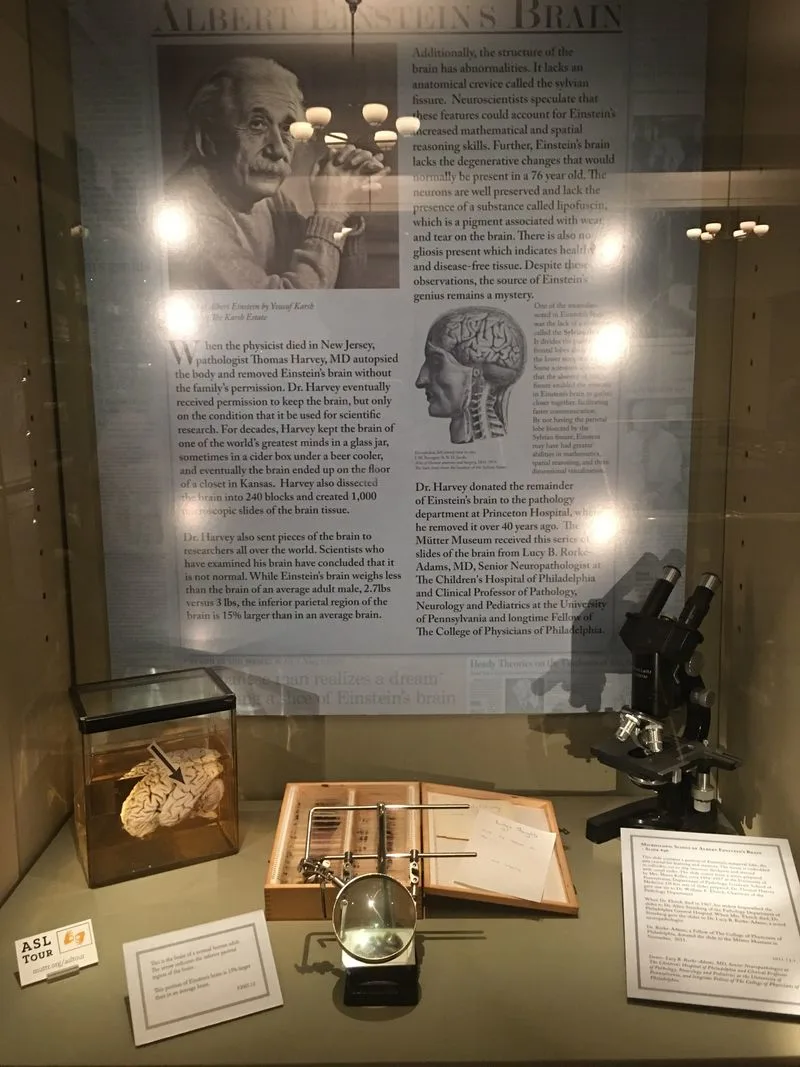
Einstein’s brain draws crowds, but it is not a whole brain in a jar. What you will see are preserved histological slides, thin sections prepared for research after his death in 1955.
They embody a complex legacy of consent, ethics, and scientific curiosity.
Context panels explain how researchers once sought anatomical clues to genius, examining cortical thickness and unusual morphology. Today, the museum invites you to question those assumptions.
Rather than claiming definitive answers, the display shows science evolving, sometimes humbly.
You will likely feel both wonder and responsibility. Looking at microscopic slices can feel intimate, almost intrusive, yet the framing emphasizes learning and critical thinking.
You are encouraged to ask what questions are worth asking and how they should be asked.
Expect careful, quiet presentation instead of spectacle. You cannot photograph the slides, which keeps focus on the text and your own reflection.
When you leave, you may remember less the tissue itself and more the conversation around it.
The Hyrtl Skull Collection: Faces of Identity and History
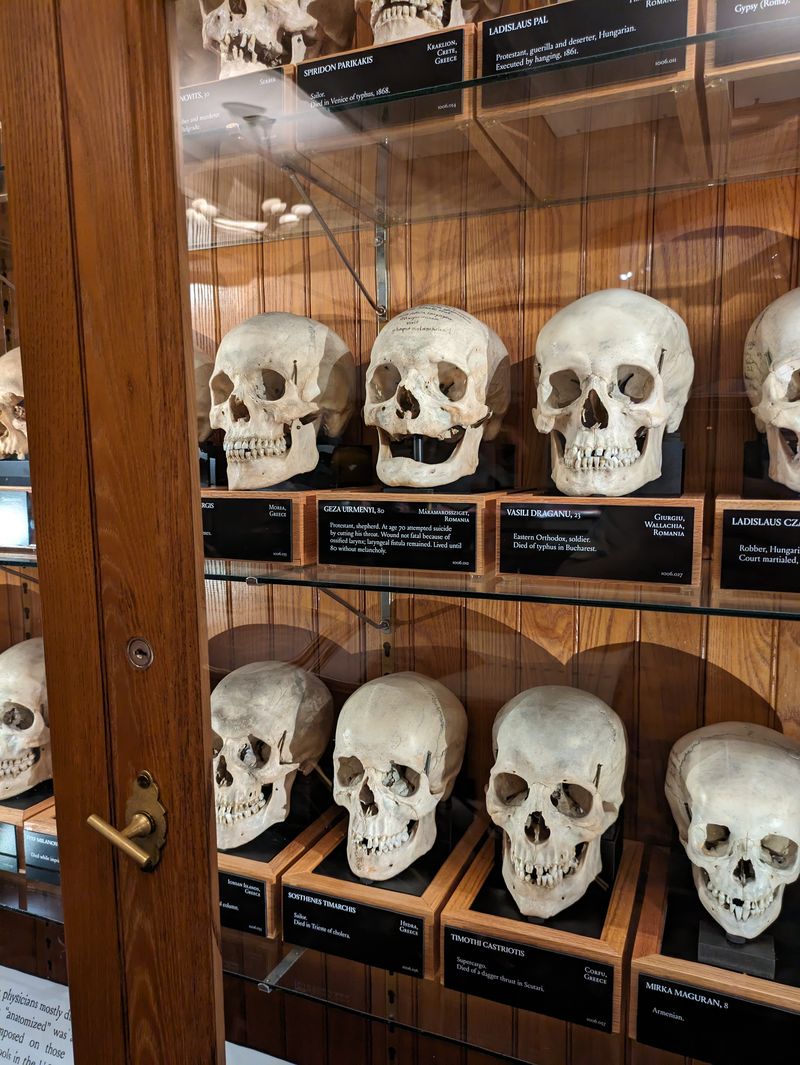
More than 130 human skulls line the famous Hyrtl collection, each with handwritten notes about origin, profession, or cause of death. It is visually striking, but the real power lies in individual stories.
You are invited to see people, not trophies.
Joseph Hyrtl, a 19th century anatomist, assembled the collection to challenge phrenology and simplistic racial theories. The museum carries that mission forward by foregrounding provenance, translation, and the limits of old labels.
It feels like a room of conversations across time.
Reading the inscriptions takes patience. Some labels are faded or brief, prompting questions more than answers.
You will sense how medical knowledge and social biases once intertwined, and still echo today.
Stand back for the wall’s overwhelming geometry, then draw close to a single skull and read slowly. Consider occupation, migration, disease, and war.
The emotional shift from display to biography is where this gallery truly transforms understanding.
Pathology in Jars: Learning From Preserved Specimens
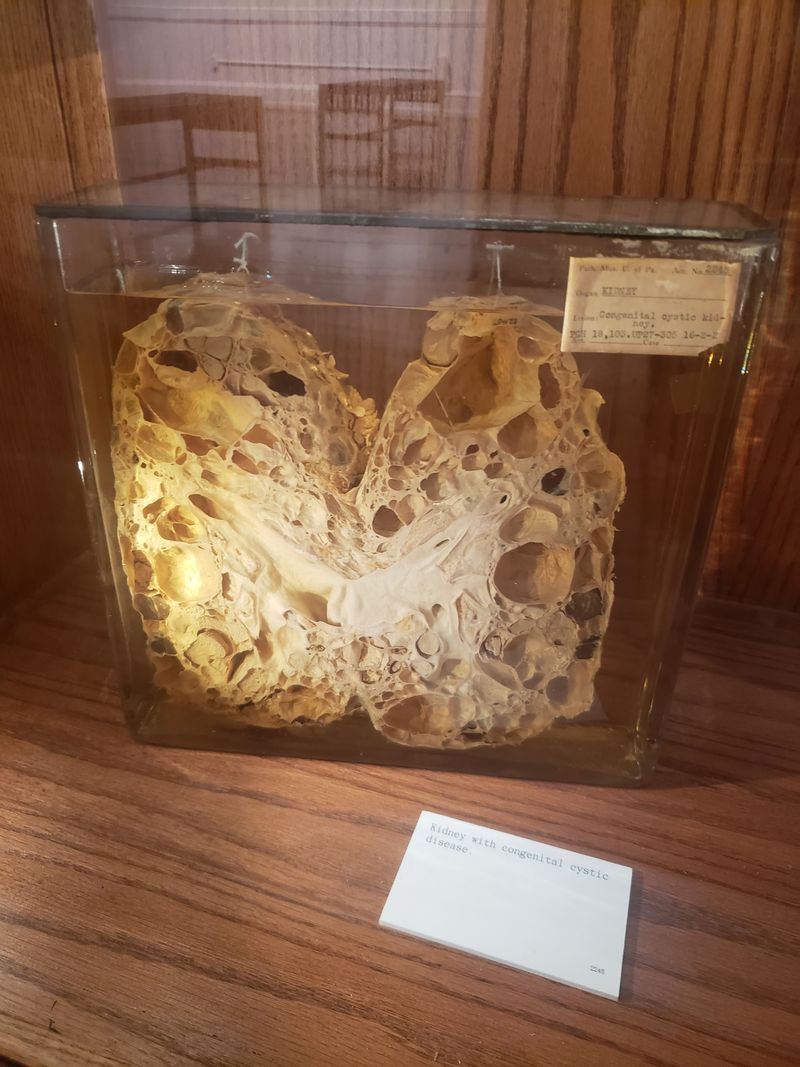
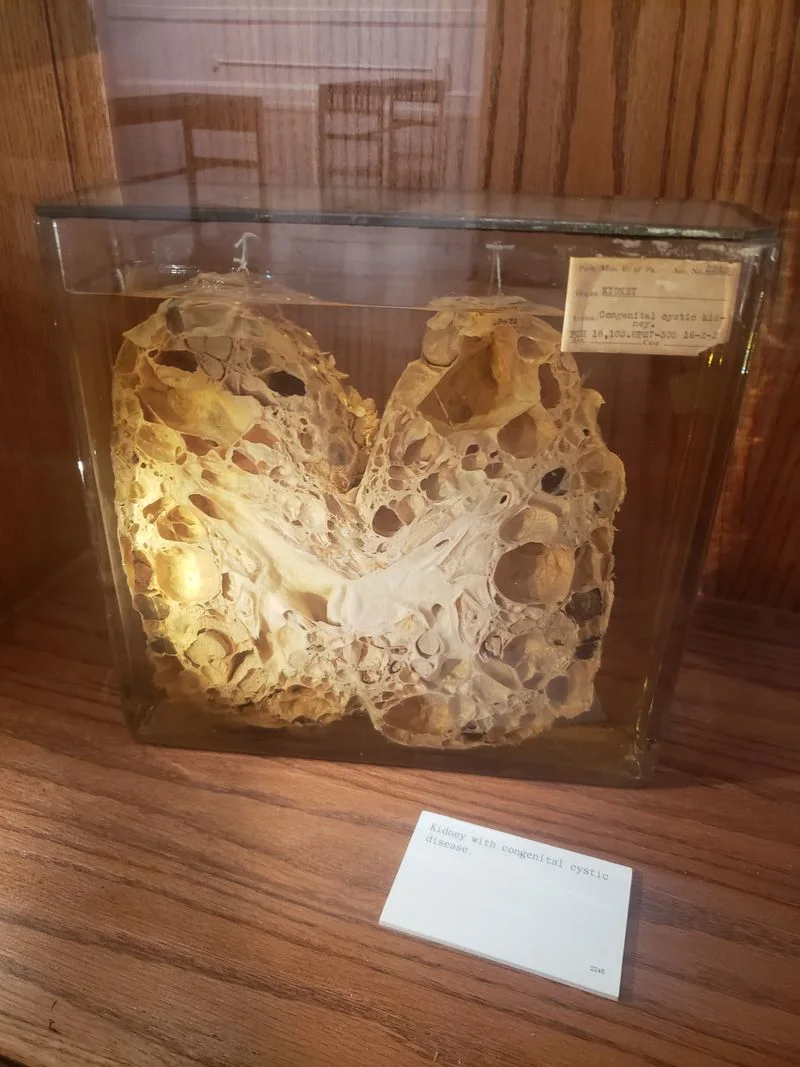
Rows of preserved organs and tissues reveal how disease reshapes the body. At first glance, it is unsettling, but clear labels and careful arrangement help you understand why these specimens matter.
You are studying real lives and real lessons for medicine.
The jars show tuberculosis cavities, syphilitic damage, congenital anomalies, and tumors that once baffled clinicians. This is not horror.
It is a record of uncertainty giving way to discovery, and of patients whose conditions taught others.
Slow down and compare a healthy organ image with a diseased specimen. Patterns emerge: thickened walls, calcifications, strange growths that betray time and pathology.
The museum balances scientific description with human context.
If you visit with kids or squeamish friends, set expectations and take breaks. Respect the no photos policy so focus stays on reading and reflection.
You may walk out quietly, realizing how much modern treatments owe to people who endured the unknown.
Medical History, Instruments, and Shifting Ethics
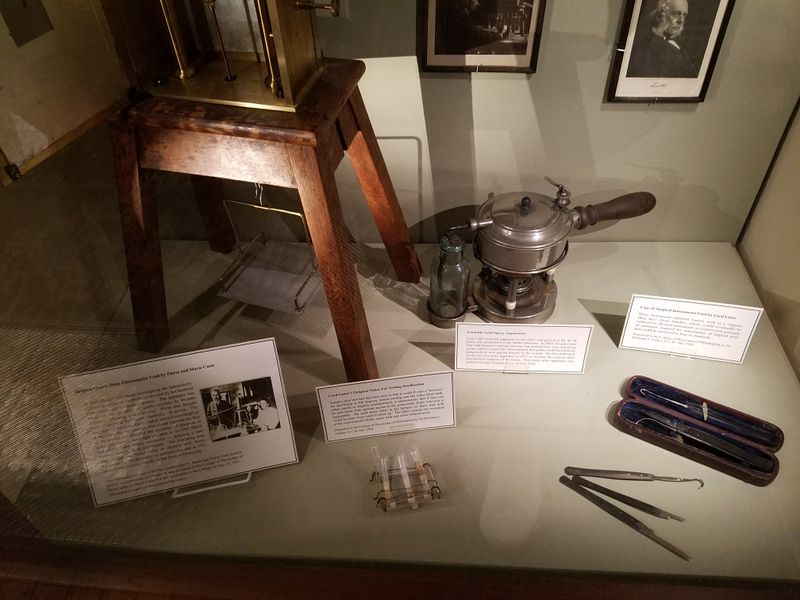
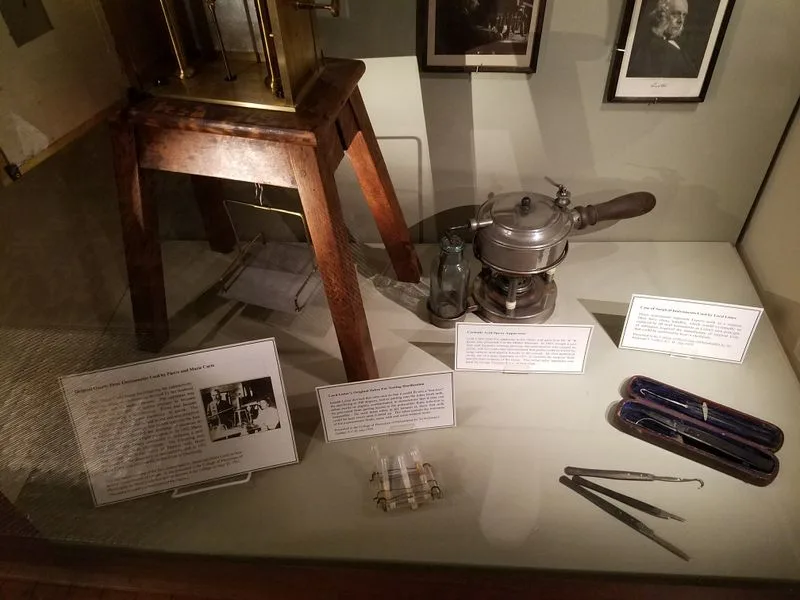
Beyond specimens, the museum presents tools that shaped clinical practice. Surgical kits, obstetric forceps, and early diagnostic devices speak to ingenuity and risk.
You will encounter stories of trial, error, and eventual progress.
Interpretive text does not gloss over harm. It addresses how consent, collection practices, and representation changed across centuries.
The museum invites you to weigh benefits against costs, and to see ethics as living work.
Look closely at instrument design and ask what problems they were meant to solve. Then imagine the patient’s view: anesthesia limits, infection risks, and pain management before antibiotics.
Suddenly, modern clinics feel miraculous, not inevitable.
Leave time for the quieter cases. They often hide the most illuminating narratives about community health and public policy.
You will come away with respect for the incremental steps that built today’s standards.
Spanish Flu and Public Health Lessons
The museum’s focus on the 1918 influenza pandemic resonates powerfully after recent years. Archival materials and local stories show how Philadelphia weathered a brutal wave.
You will see how public health decisions echo through neighborhoods and families.
Rather than sensationalize, the exhibit emphasizes data, caregiving, and community response. It highlights nurses, volunteers, and physicians who improvised under pressure.
It also traces how misinformation and mixed messaging compounded loss.
As you read, compare historical charts to modern dashboards you have seen. The parallels are instructive: communication timing, mask debates, and resource allocation.
Public health is as much about trust as it is about science.
This gallery can be sobering, but it leaves you with agency. You will understand why prevention, transparency, and mutual care save lives.
If you bring students, this is a perfect discussion stop.
Deformities, Anatomy, and Seeing With Compassion
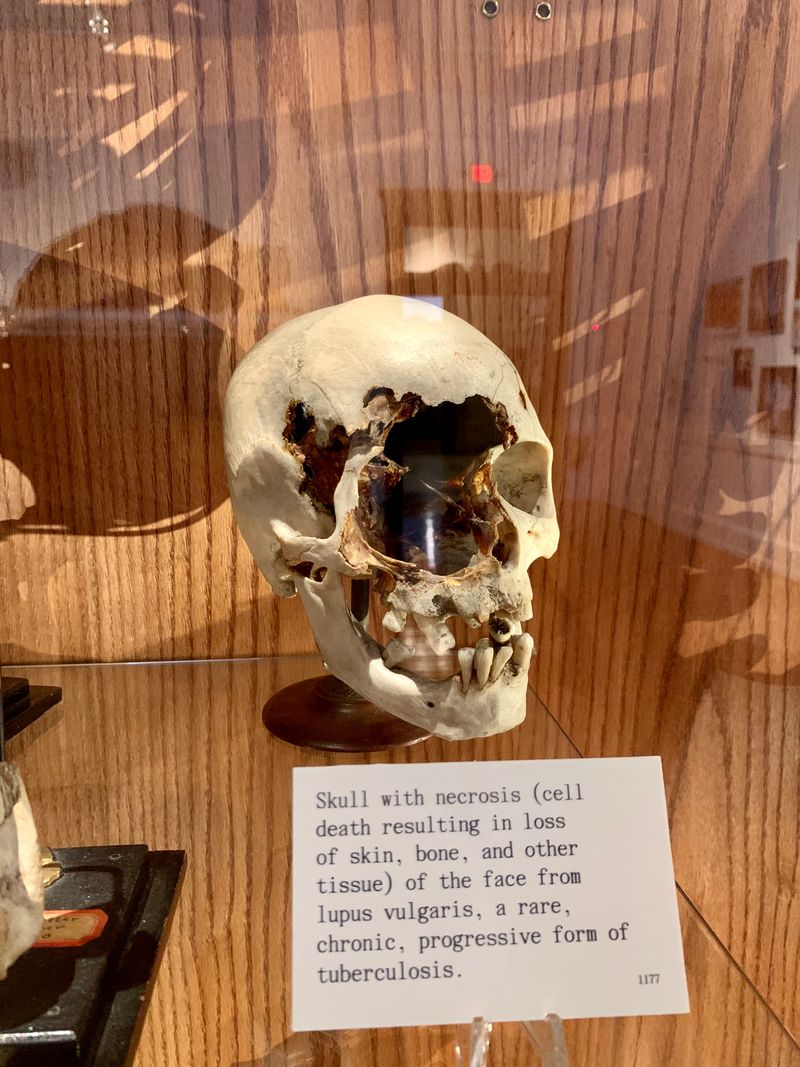
Some of the most talked about displays address congenital differences and severe disease outcomes. The museum makes space for empathy, naming donors when possible and acknowledging historic missteps.
You are guided to move beyond spectacle toward understanding.
Labels explain conditions in accessible language, often paired with historical treatment attempts. You may notice how curiosity can slip into othering.
The museum asks you to notice that too and steer back to respect.
If you feel overwhelmed, pause. Step back, breathe, and remember these are human remains entrusted for learning.
Your thoughtfulness is part of the ethical chain.
When ready, return and read a single case from start to finish. Connect the biology to societal context: stigma, access to care, and evolving terminology.
This approach turns difficult viewing into meaningful insight and compassion.
Navigating Crowds and Reading the Fine Print
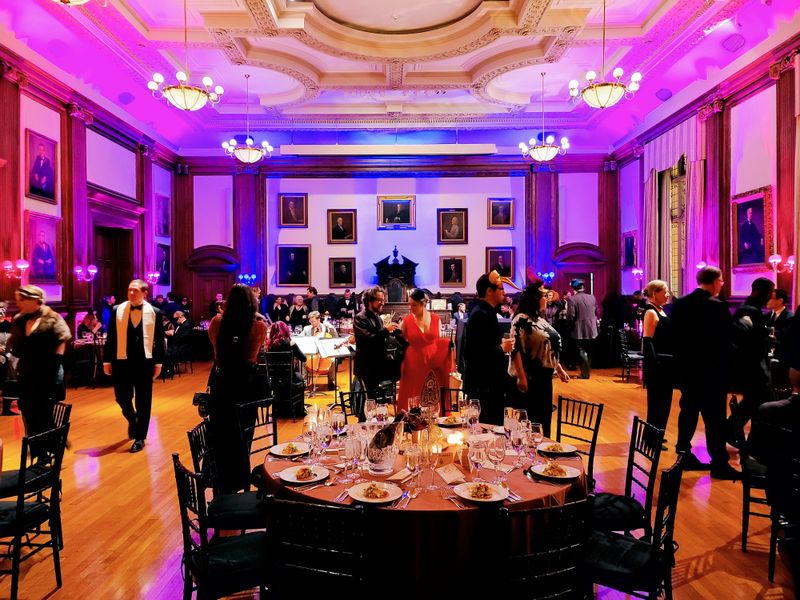
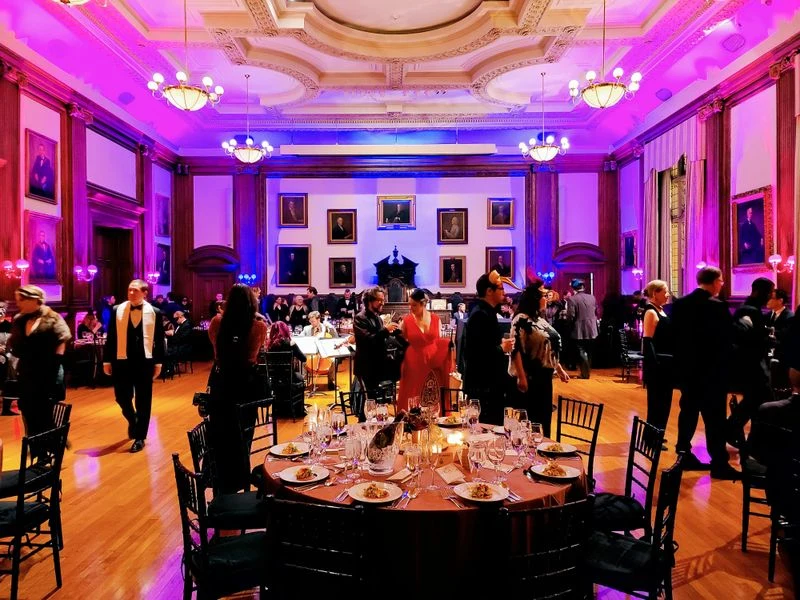
Weekends can get crowded, which changes how you see the galleries. Arrive early or late afternoon to find calmer flow.
Staff are friendly and can help you locate quieter corners upstairs.
Take your time with labels, even when text is small or aged. Some signage is older, and light levels protect specimens more than eyes.
Move closer, then step aside so others can view comfortably.
Consider a lap strategy: quick scan first, focused read second. Note what calls you back, from a syphilis lesion to a rare tumor.
That second pass often yields the real learning.
For accessibility, ask at the desk about resources and route suggestions. Lockers free your hands for note-taking, and the gift shop offers thoughtfully curated books.
Expect no photos inside, but the memory will be vivid.
The Building, Library Vibes, and Physic Garden
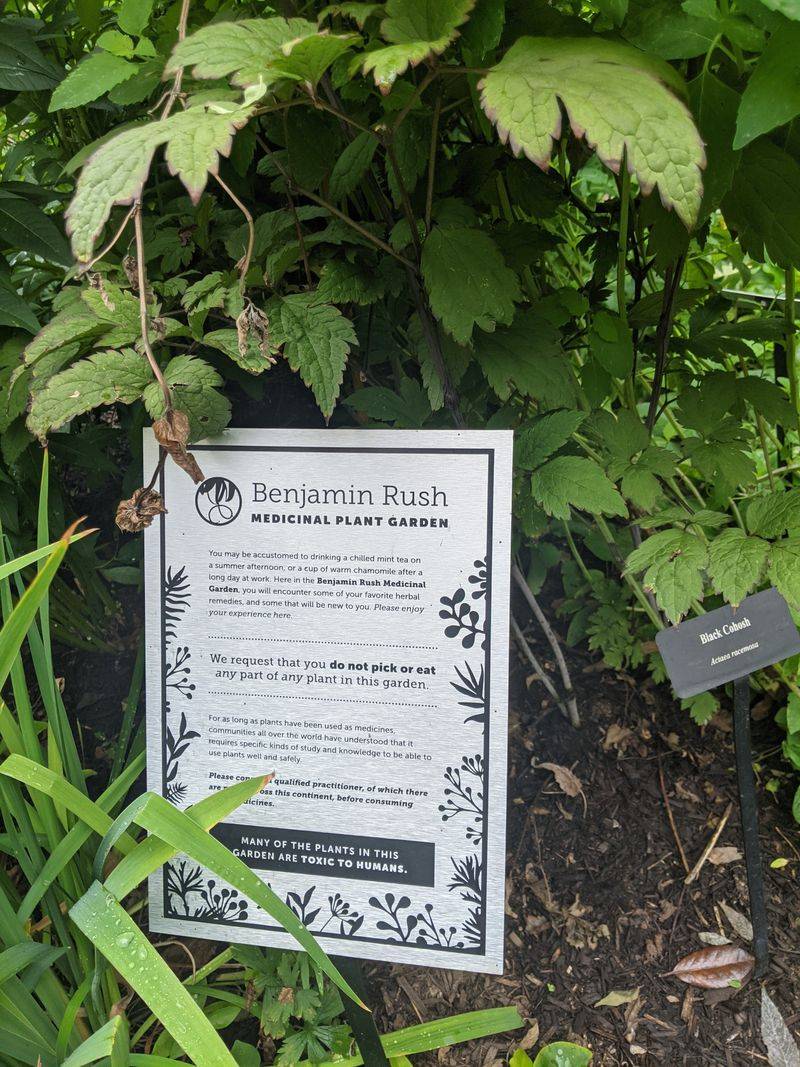
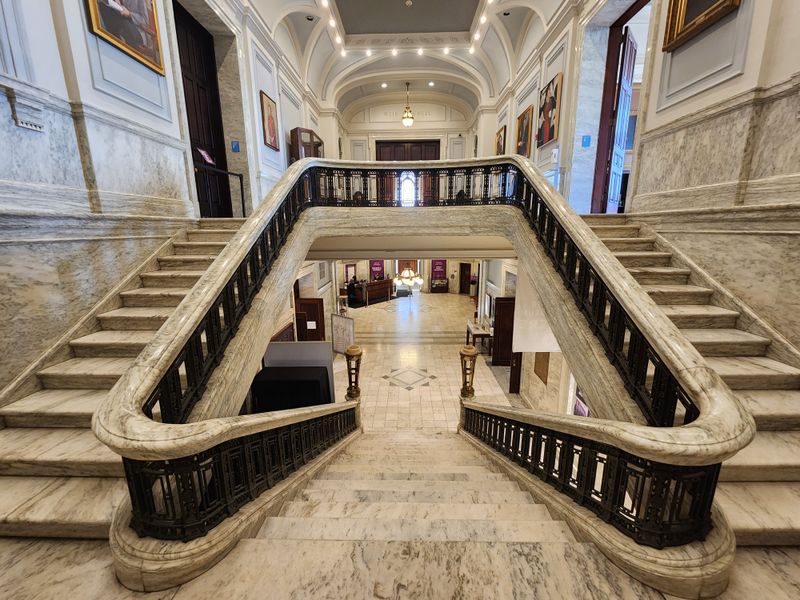
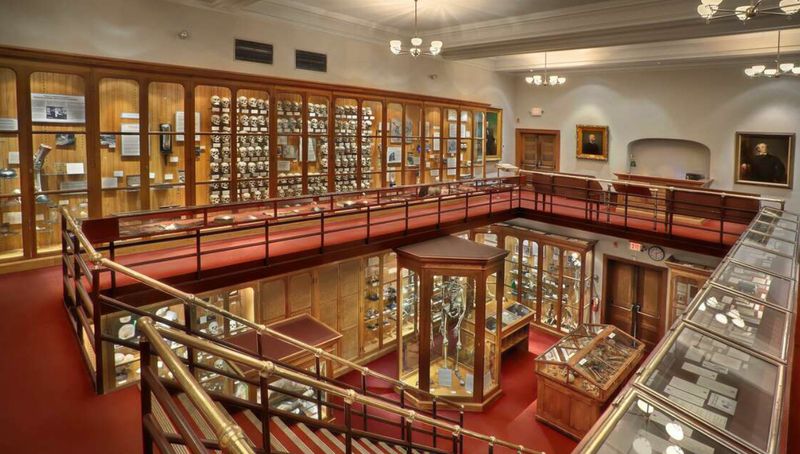
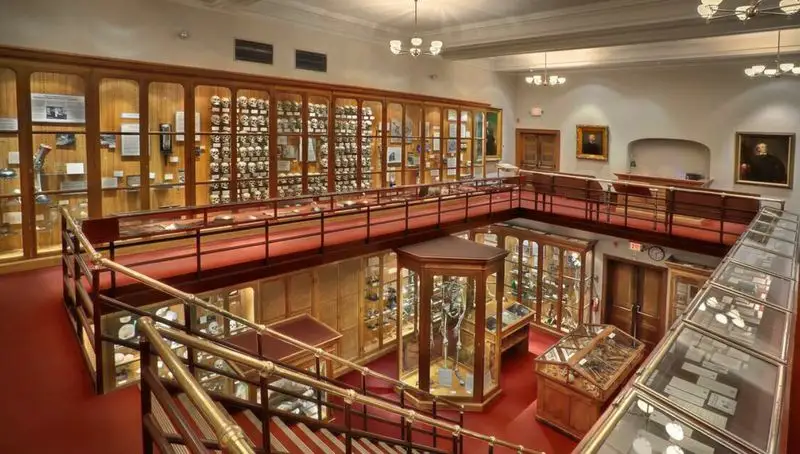
The museum sits within a historic space that feels like a Victorian library for the body. Wood cabinets, glass vitrines, and measured light create a contemplative mood.
Upstairs, architectural details reward a slow look.
Outside, the small physic garden offers herbs once used in medicine. It is a perfect decompression zone after intense galleries.
Take a minute to notice plant labels and connections to pharmacology.
Indoors, the building’s quiet corridors help you reset between heavier sections. Benches give short breaks for reflection.
The atmosphere encourages seriousness without severity.
If architecture and gardens enhance your learning, plan time here. The environment shapes how information lands, and this one is crafted for depth.
You may leave feeling like you visited both a museum and a sanctuary.
Practicalities: Getting There, Parking, and Nearby Walks
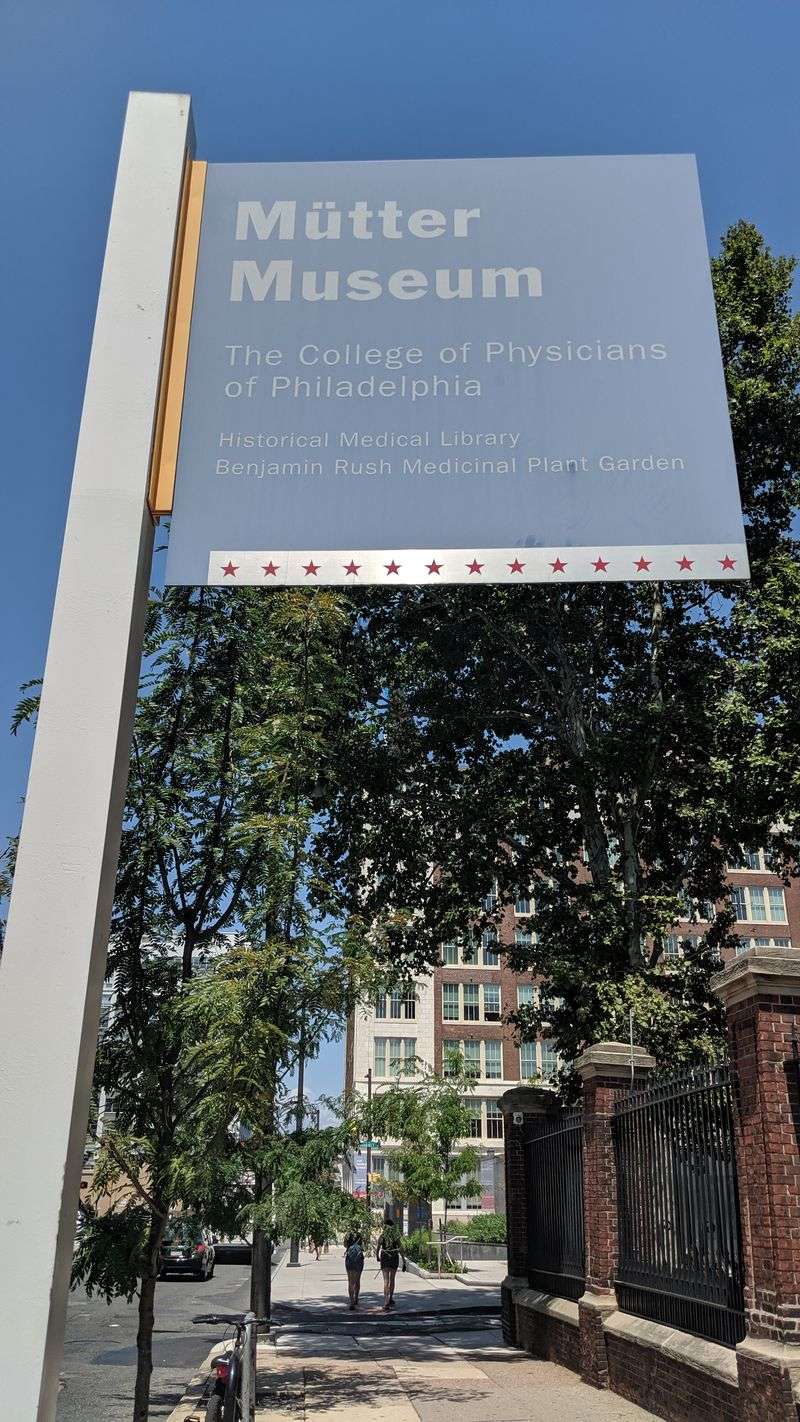

The address is 19 S 22nd St, Philadelphia, near transit and walkable from Center City. SEPTA stops are close, and rideshares drop at the entrance.
Street parking can be lucky, but do not count on it during events.
Time your arrival with the 10 AM opening if you prefer quiet galleries. Buy tickets in advance to avoid waiting, especially weekends and holidays.
If you are short on time, prioritize Einstein slides and the skull wall.
The neighborhood rewards wandering afterward. Reading Terminal is a longer walk, but cafes nearby help you debrief.
Hydrate and reset before heading to your next stop.
Call +1 215-563-3737 or check muttermuseum.org for current hours and policies. Temporary rotations happen during inventory or conservation.
Flexibility makes for a better day.