Most streets in America are younger than the oldest tree in your neighborhood park.
One narrow lane in Old City Philadelphia is different.
People have been unlocking front doors, raising kids, and chatting with neighbors on it since the early 1700s, long before the Declaration of Independence was signed a few blocks away.
Today it holds about 32 houses built between roughly 1720 and 1830, and many of them are still private homes with real families inside.
The lane has survived wars, factories, and plans to knock it down.
Keep reading to learn how it got its name, who lived there, what you can see today, and the smart tips that will make your visit smooth and respectful.
A Tiny Lane With a Big Address
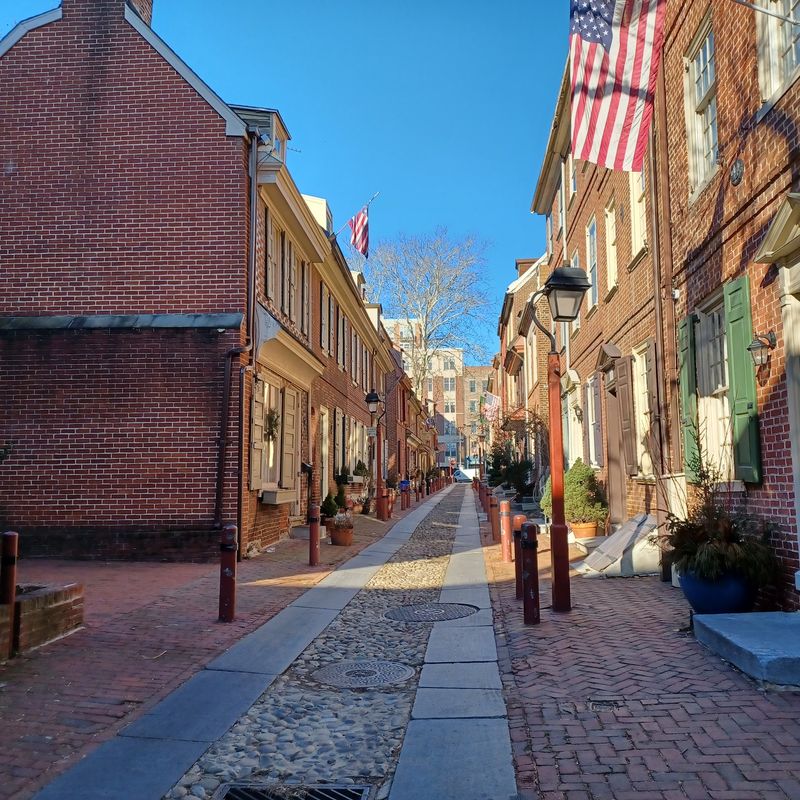
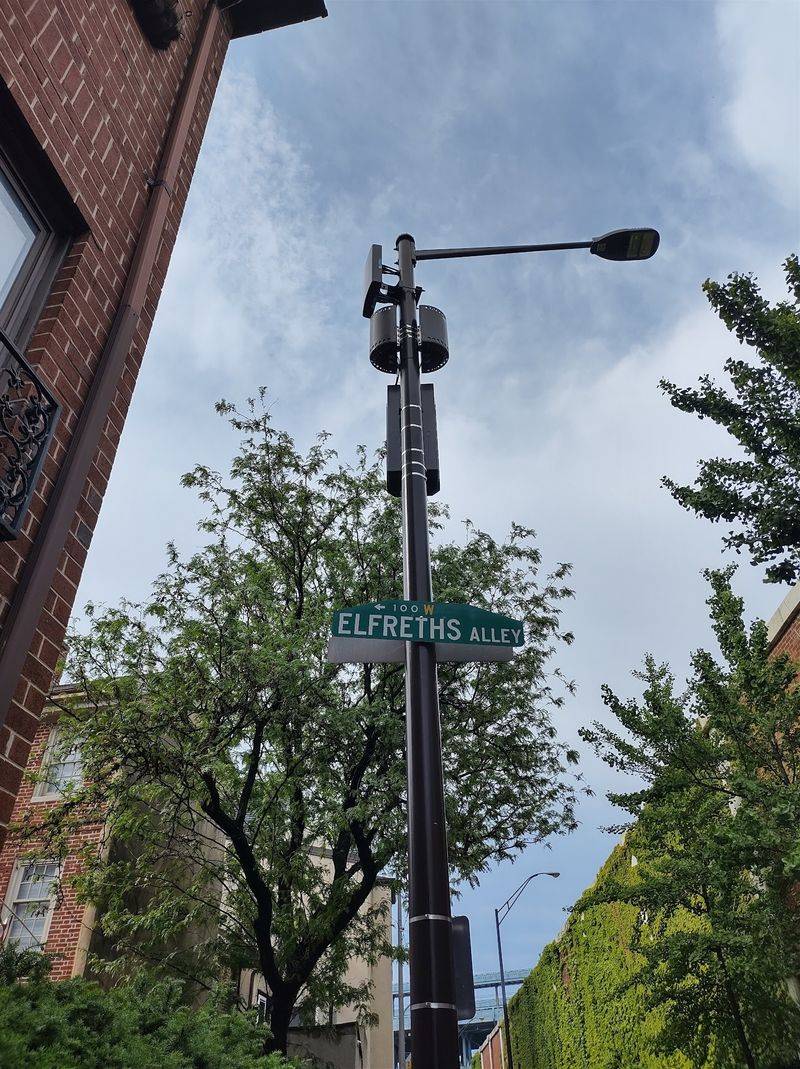
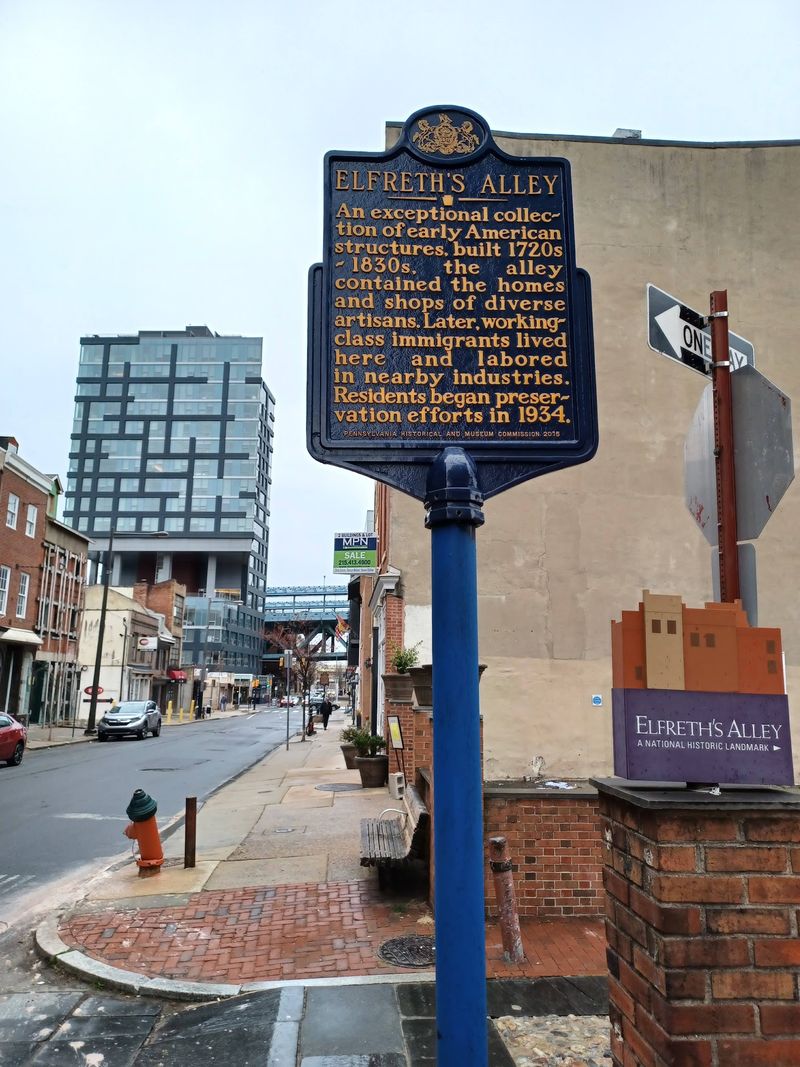
Tucked between busy city blocks, the street in question is Elfreth’s Alley, Philadelphia, PA 19106, USA. It sits in the Old City neighborhood, just off North 2nd Street and between Arch Street and Race Street.
Many people walk right past the entrance without noticing it. The lane is narrow, short, and easy to miss if you are not looking for the small street sign.
It is often called the oldest continuously lived-on residential street in the United States. That means people have made homes here without a long break since around 1702.
Other old streets exist, but few can match that unbroken record of everyday life.
The location makes it simple to add to a history-filled day. Independence Hall, the Liberty Bell, and the Betsy Ross House are all a short walk away.
Public transit helps too. The 2nd Street station on the Market-Frankford Line is nearby, so leaving the car behind is a smart move in this tight, historic part of town.
How a Blacksmith Lent His Name
Names often stick around longer than the people behind them. Around 1702, two property owners, John Gilbert and Arthur Wells, opened a path to connect their land to the Delaware River area.
Later, a blacksmith and property owner named Jeremiah Elfreth bought land along the lane. He rented out houses to working families, and over time his name became the name of the street.
So the alley does not honor a famous general or a president. It honors a tradesman who saw value in housing for regular people.
That fits the spirit of the place well. The lane was built for workers, not the wealthy.
Philadelphia was growing fast in those years. William Penn had founded the city in 1682, and the area near the river was busy with ships, shops, and craftsmen who needed homes close to their jobs.
Knowing this backstory makes a stroll here feel personal. Every brick is tied to someone who worked hard for a living.
Who Actually Lived Here
Forget powdered wigs and grand ballrooms. The early residents of this lane were mostly tradespeople and their families.
Records show homes belonging to people such as glassblowers, furniture makers, silversmiths, shipwrights, and other skilled workers. Many of them worked near the busy Delaware River waterfront.
Later, in the 1800s, the street changed with the city. Waves of immigrants, including families from Ireland, Germany, and Eastern Europe, moved into the small houses.
Some homes became crowded as more people squeezed in. Factories and warehouses grew up nearby during the industrial years.
That shifting mix is part of what makes the alley special. It shows the story of ordinary Americans across three centuries, not just one moment in time.
Here is a fun way to explore it: as you walk, count the doors and think about how many different families each one has welcomed. The number is likely far higher than you would guess.
Bricks, Shutters, and Flower Boxes
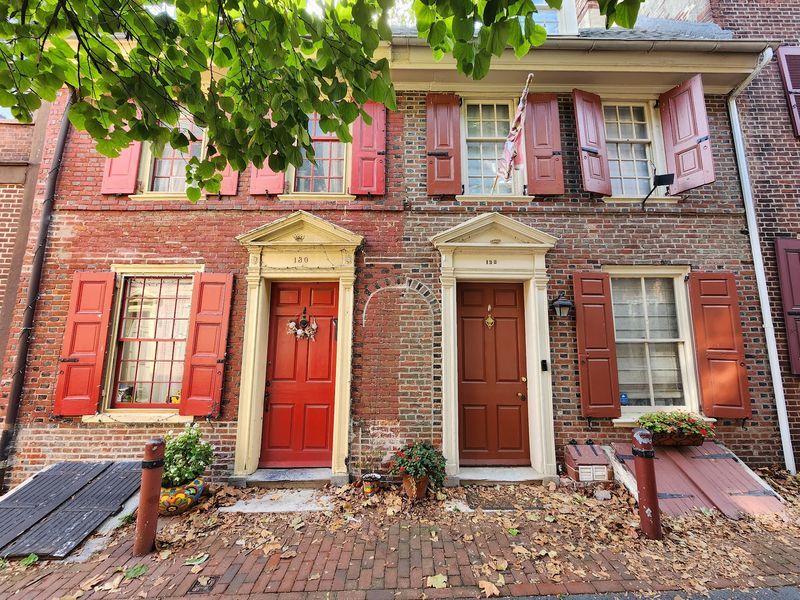
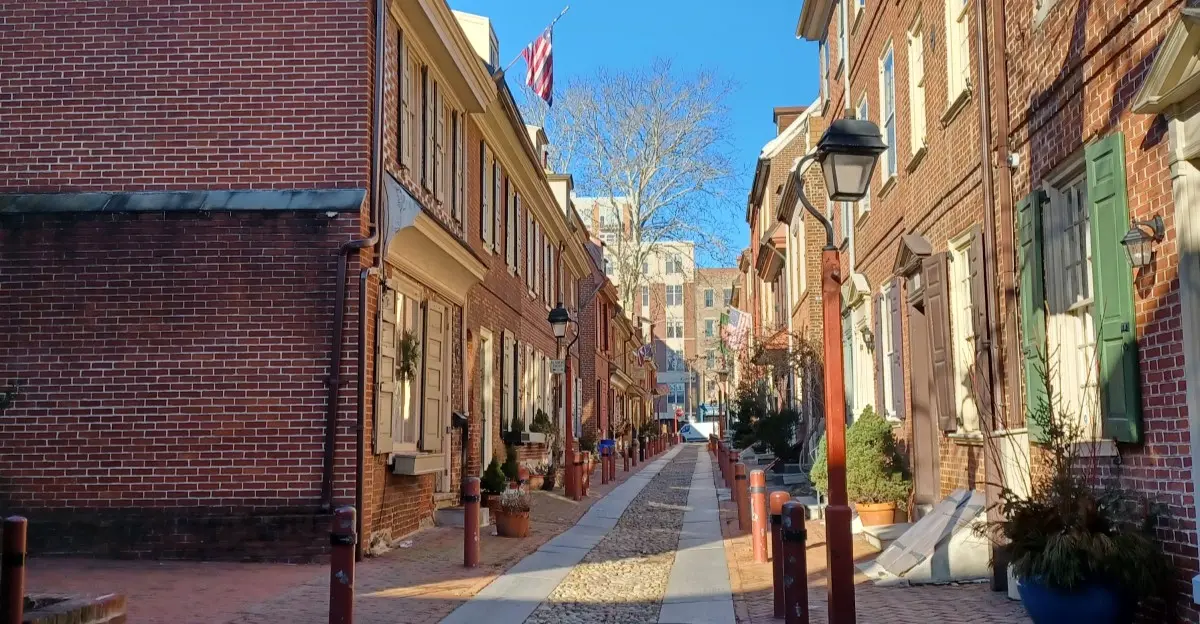
Architecture fans, this is your playground. The roughly 32 houses on the alley were built between about 1720 and 1830, and they show off Georgian and Federal styles.
Most are brick row houses standing shoulder to shoulder. Look for details like wooden shutters, small front steps, and doors painted in different colors.
Many homeowners add window boxes and potted plants. That personal touch reminds you these are lived-in homes, not stage sets.
The street itself is paved partly with cobblestones. Wear sturdy shoes, because uneven stones and old sidewalks can be tricky.
Small markers on some houses show their history. Keep an eye out for fire insurance marks, which were plaques that showed a home was insured by a fire company back in the day.
Spotting these little clues turns a quick walk into a treasure hunt. Kids especially enjoy finding as many as they can before reaching the end of the block.
The Museum Behind Two Doors
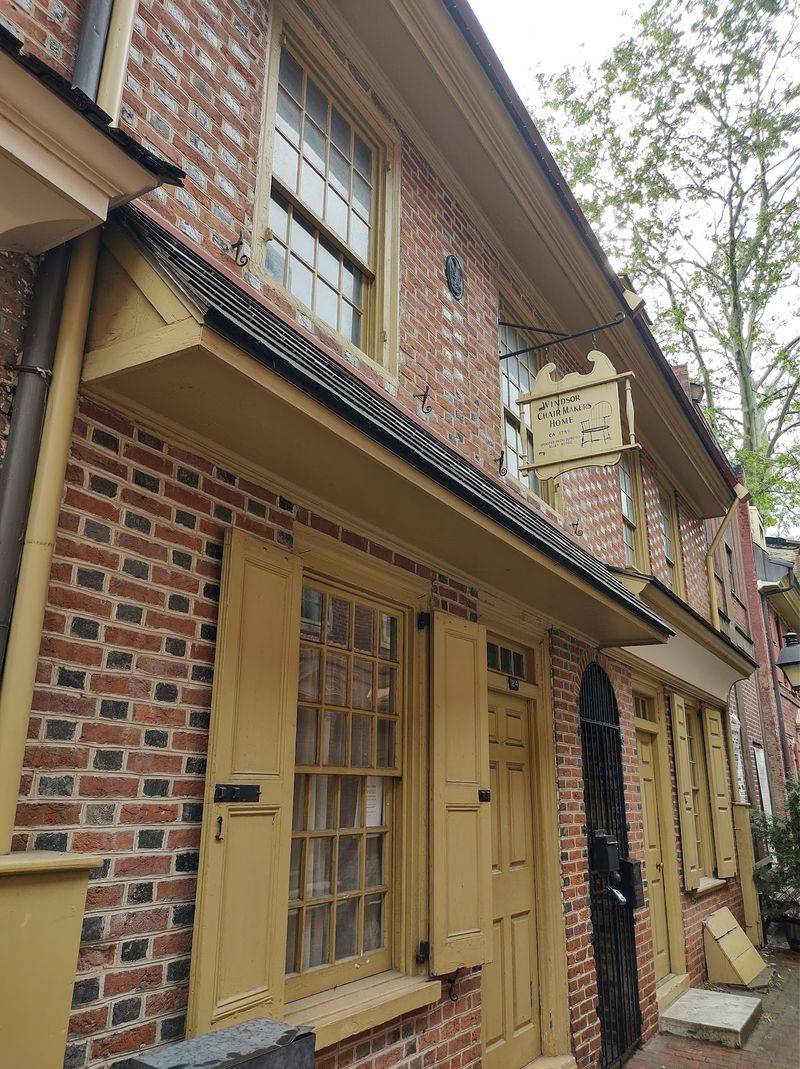
Curious about what lies behind those colonial front doors? Most homes are private, but two of them, numbers 124 and 126, are run by the Elfreth’s Alley Association as a museum.
Inside, the rooms help tell the stories of real residents from different eras. Exhibits explore who lived here and how daily life worked in such small spaces.
The Association offers guided tours that share details you would never guess from the sidewalk. Guides explain the people, the trades, and the changes over time.
Hours and tour times can change by season. Checking the official Elfreth’s Alley website before your trip is the best way to avoid surprises.
There is also a small gift area with books and keepsakes. Purchases help support the care of the street.
Even a short visit adds depth to your walk outside. After seeing the rooms, the rest of the block suddenly feels much more personal and real.
Saved From the Wrecking Ball
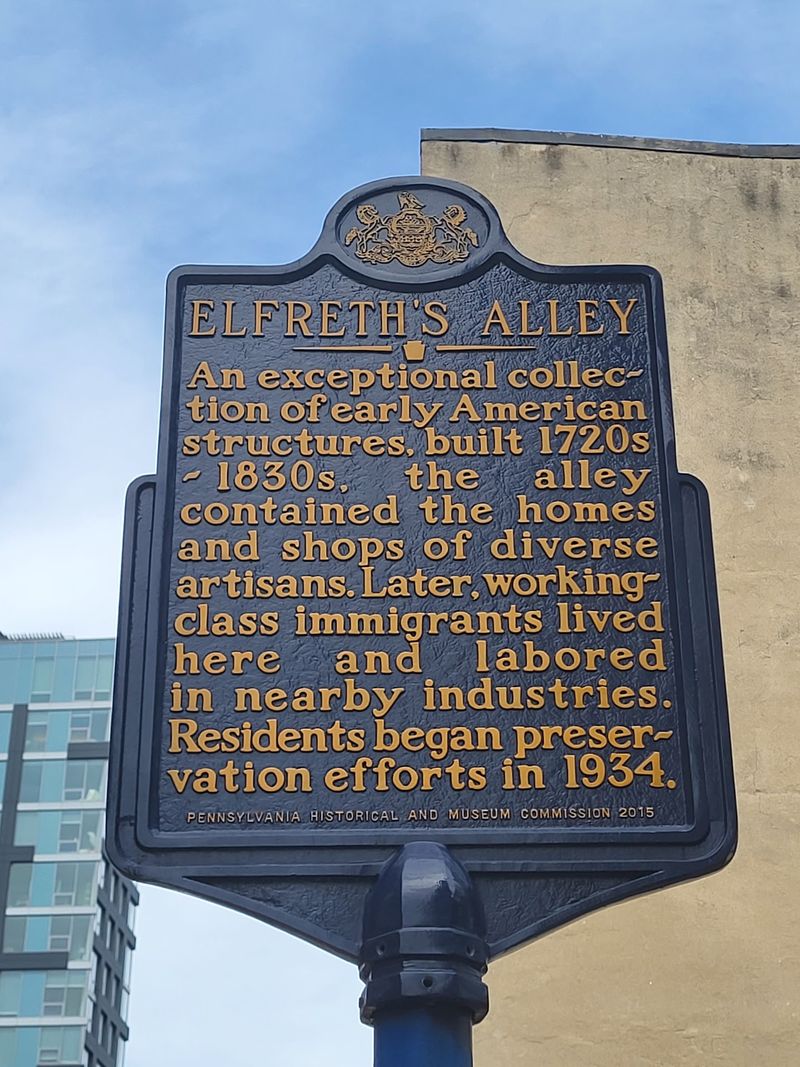
Believe it or not, this treasured street came close to disappearing. By the early 1900s, many houses had fallen into poor shape, and the area around them was full of industry.
In 1934, neighbors and supporters formed the Elfreth’s Alley Association. Their goal was simple: save the homes and protect the street’s history.
They worked to stop plans that threatened the block, including changes tied to new construction in the area. Their efforts paid off over the decades.
In 1966, the alley was named a National Historic Landmark. That honor brought more attention and support for keeping it standing.
Today, the Association still cares for the museum houses and hosts events. It shows how a small group of determined people can protect a big piece of history.
Next time you hear that one neighborhood cannot make a difference, think of this lane. It is still here because folks refused to give it up.
Real Neighbors, Real Rules
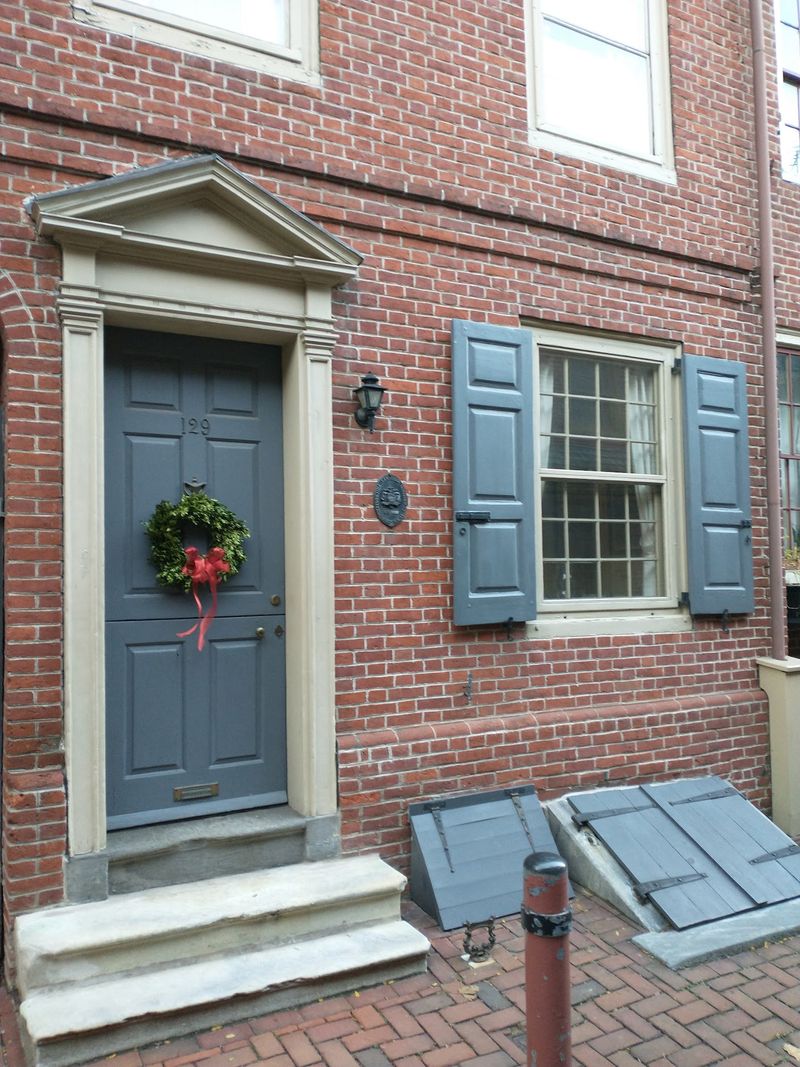
Here is the most useful tip of the whole trip: people truly live here. These are private homes, not shops or exhibits, except for the museum houses.
That means good manners matter. Keep your voice down, stay off front steps, and never try doors or peek into windows.
Photos from the street are fine, but give residents space. Blocking doorways for a picture is a quick way to make neighbors unhappy.
Groups should stay together and keep the path clear. The lane is narrow, so a big crowd can easily fill it.
Residents put up with lots of foot traffic every day. Being polite helps keep the street open and welcoming for future guests.
A simple smile or nod goes a long way if you see someone heading home. After all, you are walking through their front yard, and a little kindness keeps that tradition of shared history alive.
Open House Days Worth Planning For
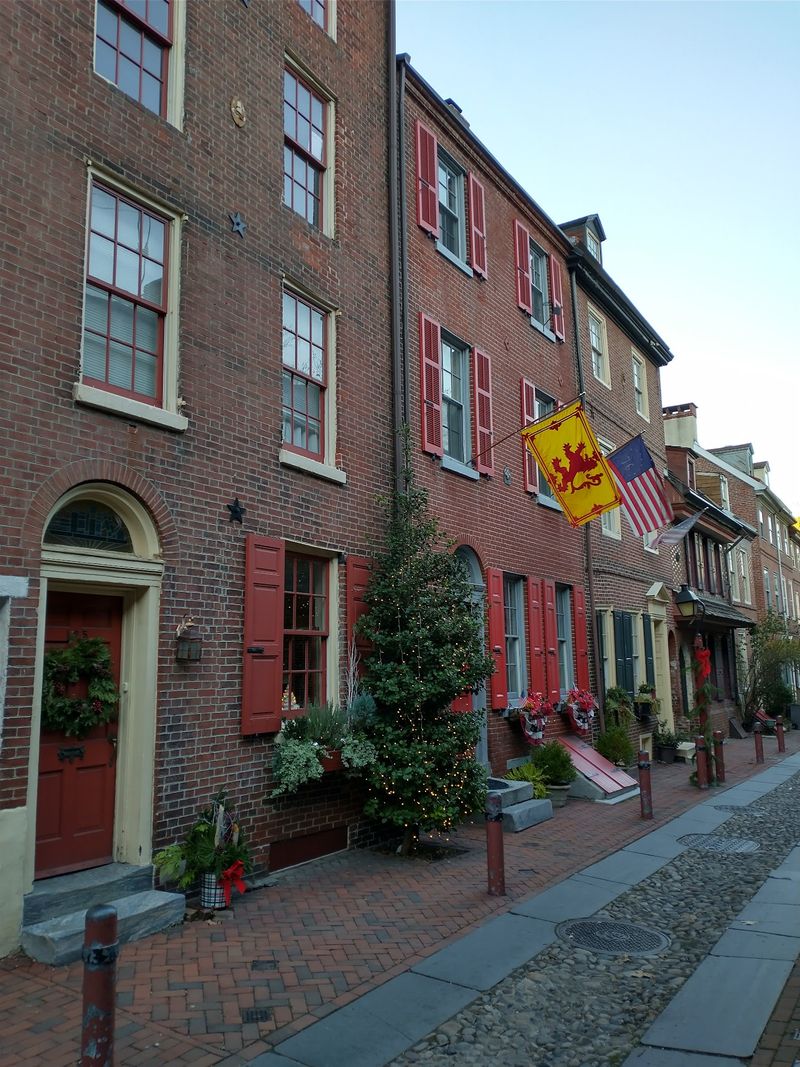
Want a peek inside more than two houses? Time your trip around one of the Association’s special events.
The alley has long hosted Fete Days, a celebration usually held in early summer. During this event, some private homeowners open their doors so guests can see inside.
Costumed guides, crafts, and family activities often join the fun. It is a rare chance to see how modern life fits inside centuries-old walls.
Around the winter holidays, the Association has also hosted evening open house events. Those tours tend to be popular, so tickets may sell out.
Dates and details change from year to year. Always check the Association’s website or social media pages before making plans.
Buying tickets early is a smart move. Events like these help fund preservation, so your visit doubles as support for the street.
That is a pretty good deal for an afternoon of history.
Timing Your Stroll Just Right
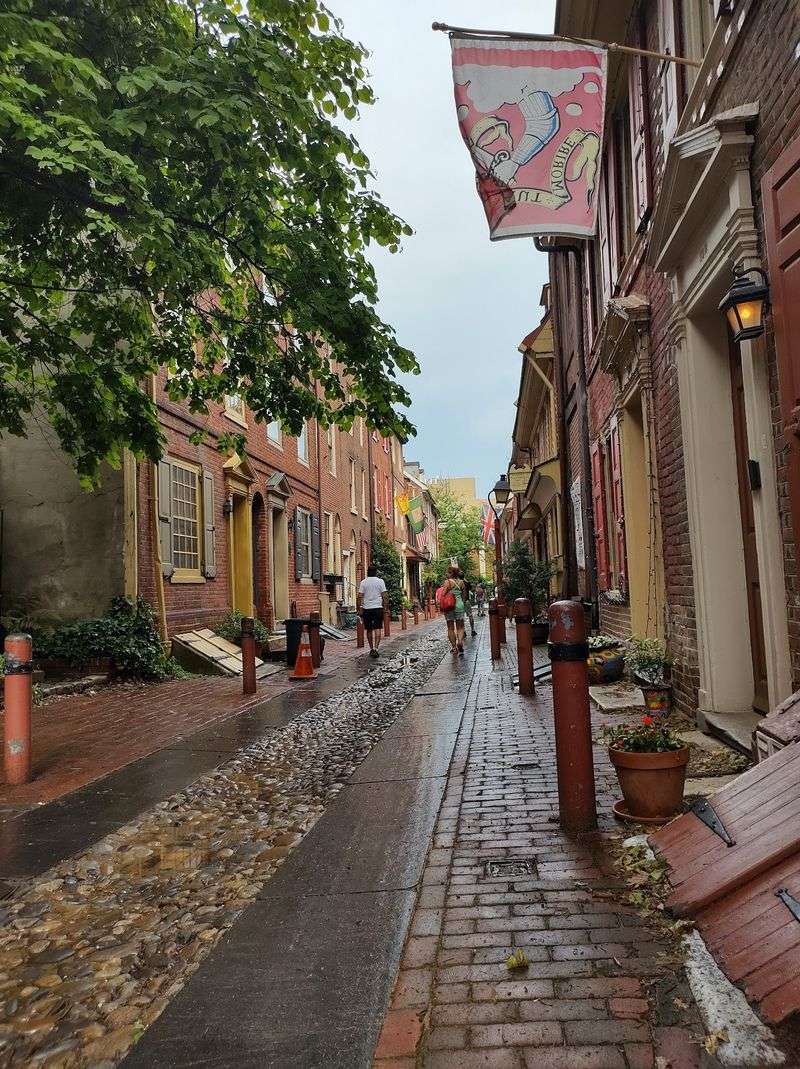
Good timing can turn a crowded walk into a calm one. Early mornings on weekdays are often the quietest, which is great for photos and easy browsing.
Weekend afternoons and summer days tend to bring more people. School trips and tour groups also stop by during spring and fall.
The street itself is outdoors, so you can usually walk through anytime during reasonable hours. Still, late-night visits are not a kind choice for residents.
Plan for about 15 to 30 minutes for a simple walk. Add more time if you take a museum tour.
Spring and fall offer comfortable weather for exploring Old City on foot. Summer can get hot, so bring water and a hat.
Rain makes cobblestones slippery. If the sky looks gray, pack an umbrella and take slower steps, because those old stones were not designed with modern sneakers in mind.
Making a Day of Old City
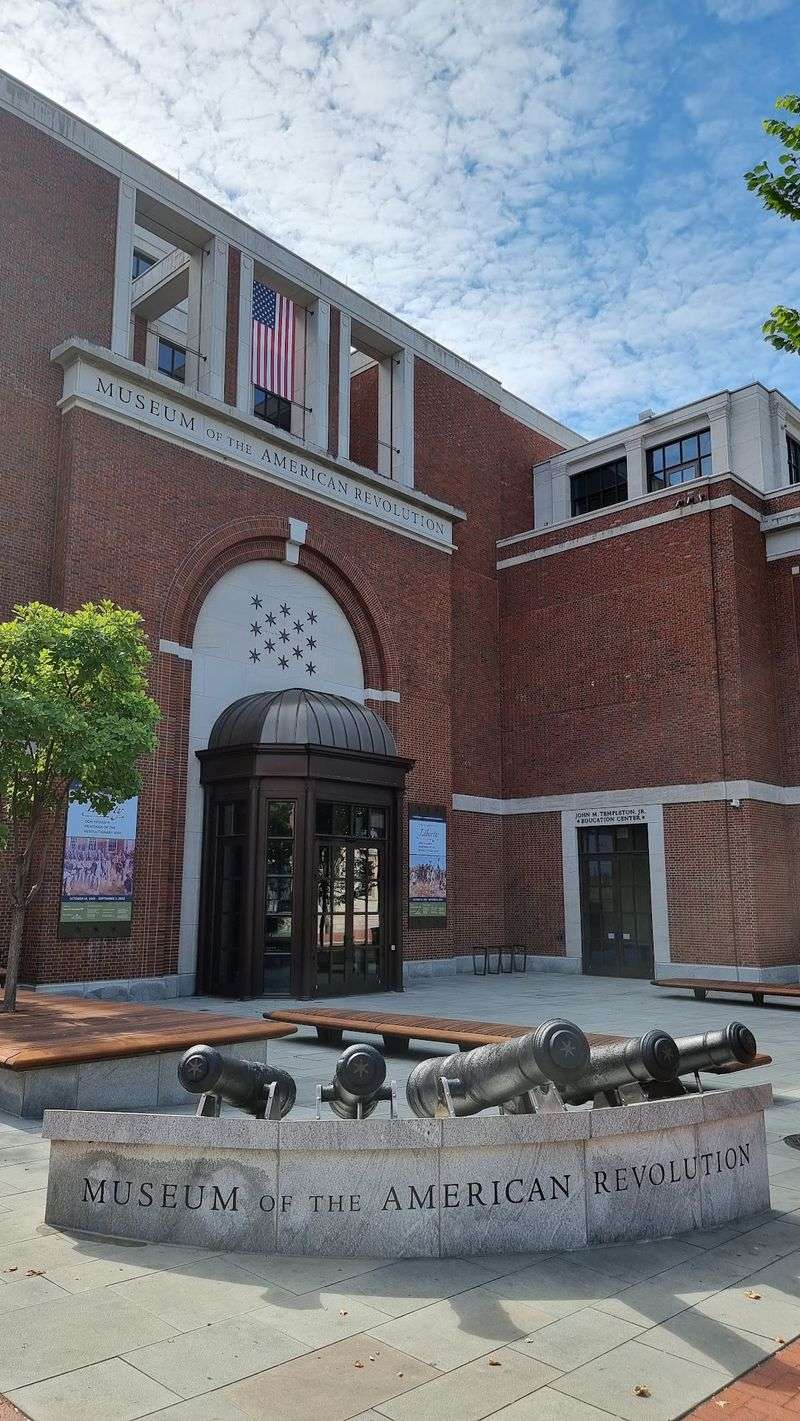
One short lane, many neighbors worth meeting. The alley sits in the heart of Old City, so it pairs easily with other historic stops.
The Betsy Ross House is just a few blocks away on Arch Street. Christ Church, where several Founding Fathers worshipped, is also close by.
Benjamin Franklin’s resting place at Christ Church Burial Ground and Franklin Court are within walking distance too. Independence National Historical Park, home to Independence Hall and the Liberty Bell, makes a great anchor for the day.
Families might enjoy the Museum of the American Revolution, which brings the war years to life with exhibits and films.
A simple plan works well: start at the alley in the morning, then work your way toward the bigger landmarks.
That order lets you see how regular people lived before learning about the leaders who shaped the nation. Together, they tell a fuller story of how Philadelphia, and the country, got started.