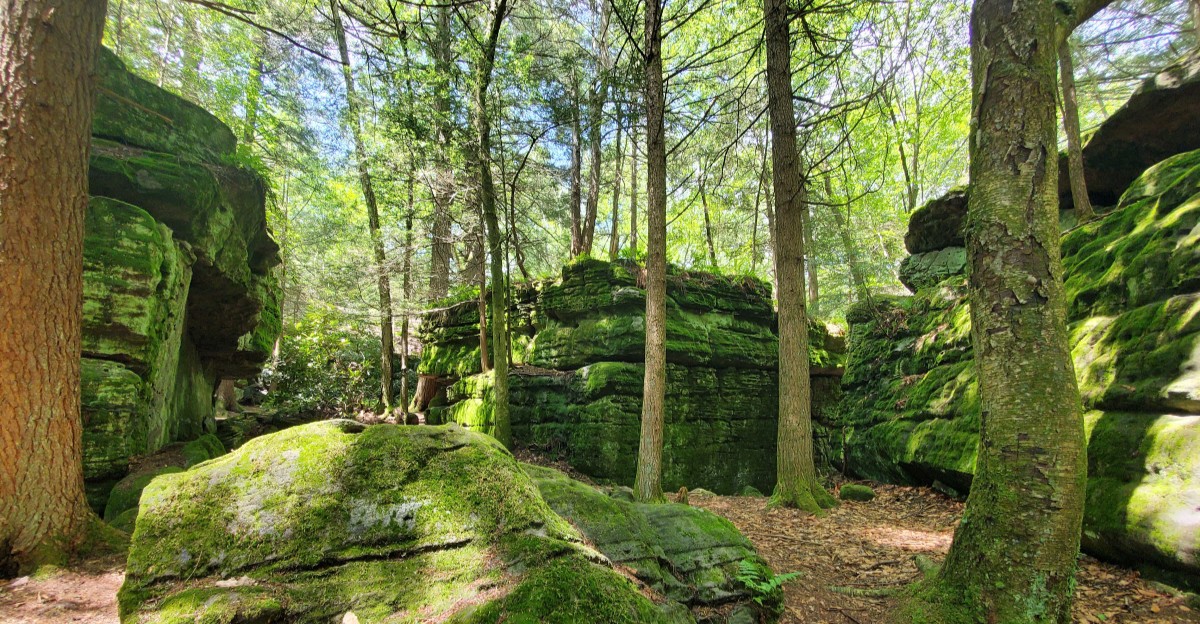
Deep in the woods of central Pennsylvania, a cluster of sandstone giants has been waiting around for roughly 300 million years.
Nobody built these walls, tunnels, and chasms, yet they line up like streets in a tiny stone town.
Kids crawl through cracks, adults scratch their heads at how big the boulders are, and dogs happily lead the way.
Old carvings dating back more than a century hide on the rock faces for anyone sharp-eyed enough to spot them.
The best part is that this whole adventure costs nothing to enter.
Keep reading to learn where it is, how it formed, what to wear, and which corners hold the coolest surprises.
By the end, you will have a full game plan for a day of squeezing, climbing, and exploring.
Where the Rock City Hides
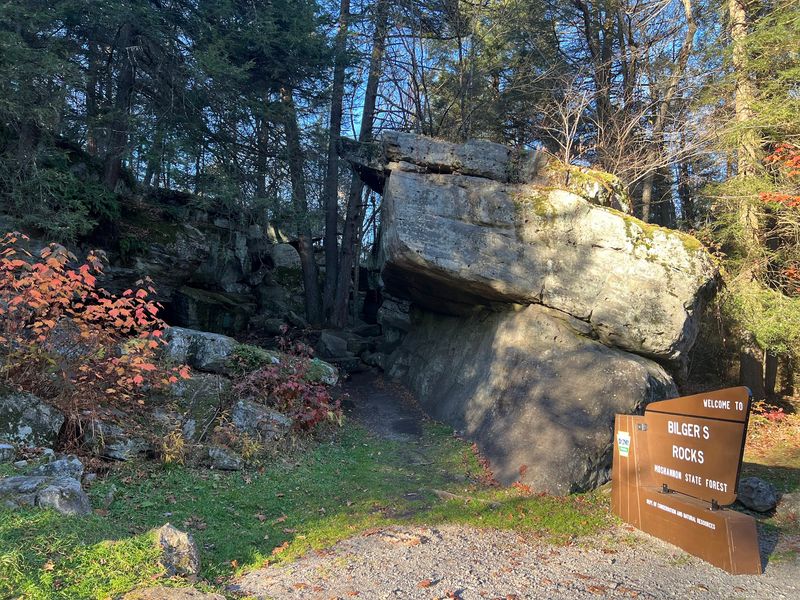
Tucked into the rolling forests of Clearfield County, this natural wonder sits at 1921 Bilgers Rocks Rd, Grampian, PA 16838, in the United States. The park is called Bilger’s Rocks, and it ranks among the most unusual geological sites in the state.
Getting there is fairly simple. Grampian is a small community, so the drive takes you along quiet country roads rather than busy highways.
Parking can be found right near the entrance area. On busier days, spots along the road fill up, so some people park up the hill and walk down to the rocks.
The path to the rock formations starts just down the road from the parking area. It is a short walk, which makes the site friendly for families with younger kids.
Many people who find this place are surprised it exists at all. It does not look like much from the road, but the forest hides something special.
Plug the address into your map app before you lose cell service in the hills, and the journey becomes a breeze.
Born 300 Million Years Ago
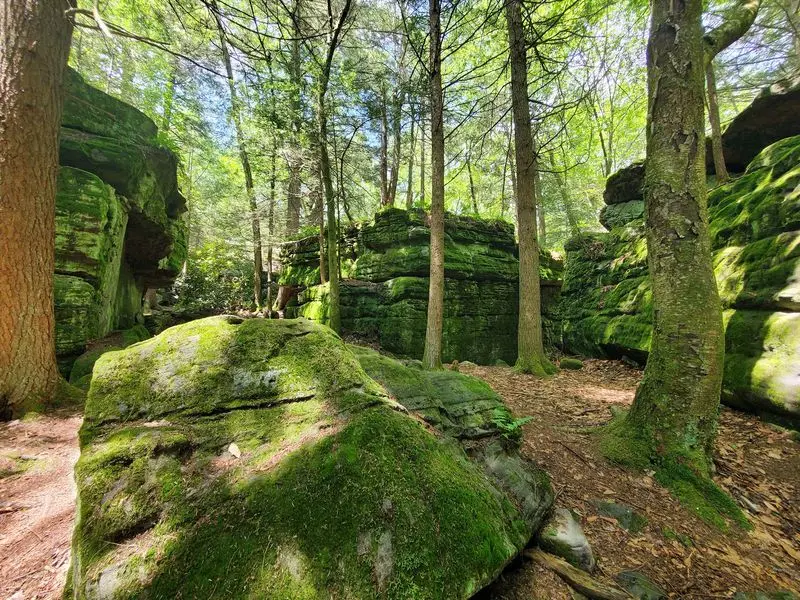
Long before dinosaurs showed up, the land here was busy making stone. The boulders at this site are made of sandstone that formed around 300 million years ago.
Over time, layers of sand pressed together and hardened into thick rock. Later, natural forces cracked the stone and slowly pulled huge blocks apart.
Those cracks became the passages and chasms you can walk through today. Some gaps are wide enough for a small group, while others barely fit one person turned sideways.
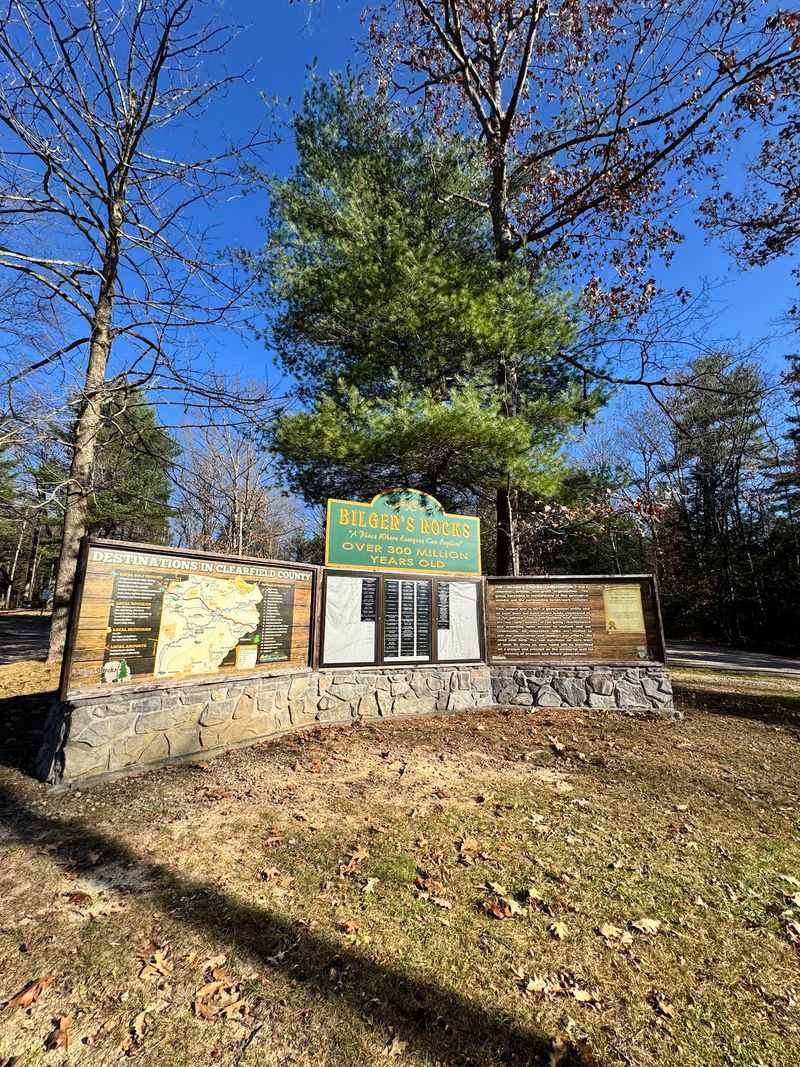
Signs around the park share information about how the rocks were formed. Reading them first makes the walk much more interesting, because you start noticing the layers and breaks yourself.
Fun fact for curious kids: the stone you touch here is older than nearly every fossil animal they know by name.
Science class rarely feels this hands-on. Teachers and parents can turn a simple outing into a geology lesson that nobody will want to skip, since the textbook is a giant boulder.
Squeeze Through the Crevices
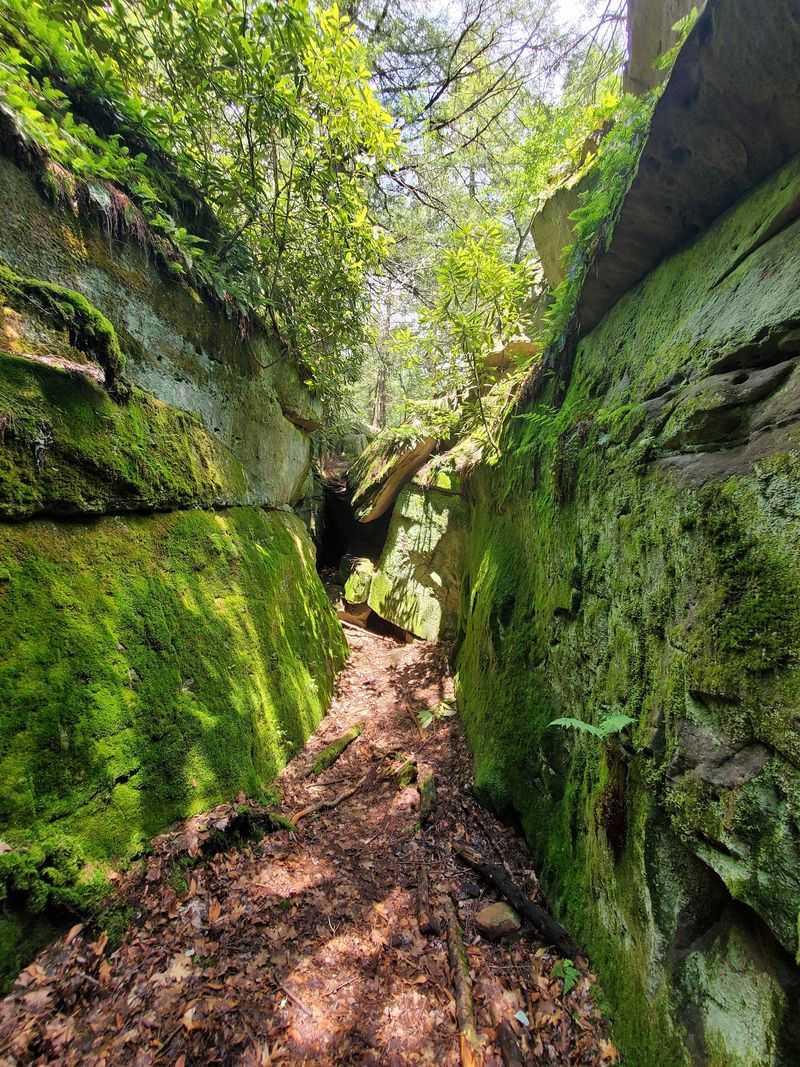
Tight spaces are the main event here. Narrow passages wind between rock walls, and you never quite know what waits around the next corner.
Some crevices run deep and long, which makes them feel like hallways in a stone maze. Others are short squeezes that pop you out into a wider open area.
Exploring is self-guided, so you set your own pace. Families often split up and race to find new routes, then meet back at a familiar boulder.
A smart tip is to leave the bulky backpack in the car. A small bag or a few pocketed items will make those skinny gaps far easier to slip through.
Longtime locals who have come for over twenty years still say they discover new spots on every trip. That says a lot about how many hidden routes are packed into this compact area.
Bring a sense of adventure and a willingness to turn sideways. The rocks reward the curious and the flexible in equal measure.
Caves Worth Crawling Into
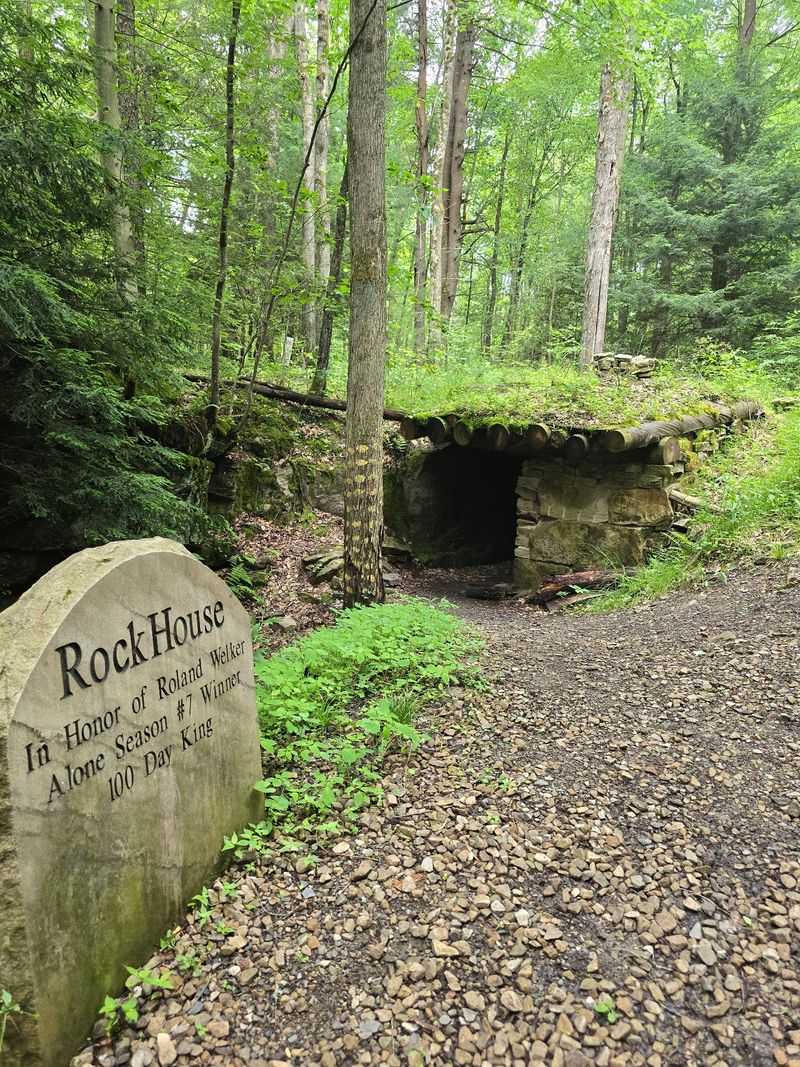
Kids tend to name the cave as their favorite part of the trip. Small caves and rock shelters are scattered around the formations, giving little explorers plenty of places to duck inside.
One well-known feature is often called the rock house. It is a sheltered spot under the stone that feels like a natural room.
These spaces are not huge underground systems. They are short, fun pockets that add some extra excitement without needing special gear.
A small flashlight or headlamp still comes in handy. Some corners stay shadowy, and a light helps you check your footing before moving forward.
Parents should keep younger children close in these areas. The ground can be uneven, and it is easy for a small kid to wander deeper than planned.
Crawling into a cave carved by nature millions of years ago is a memory that sticks. Plenty of grown-ups who visited as children now bring their own families back to share the same thrill.
Climbing Without the Gym Membership
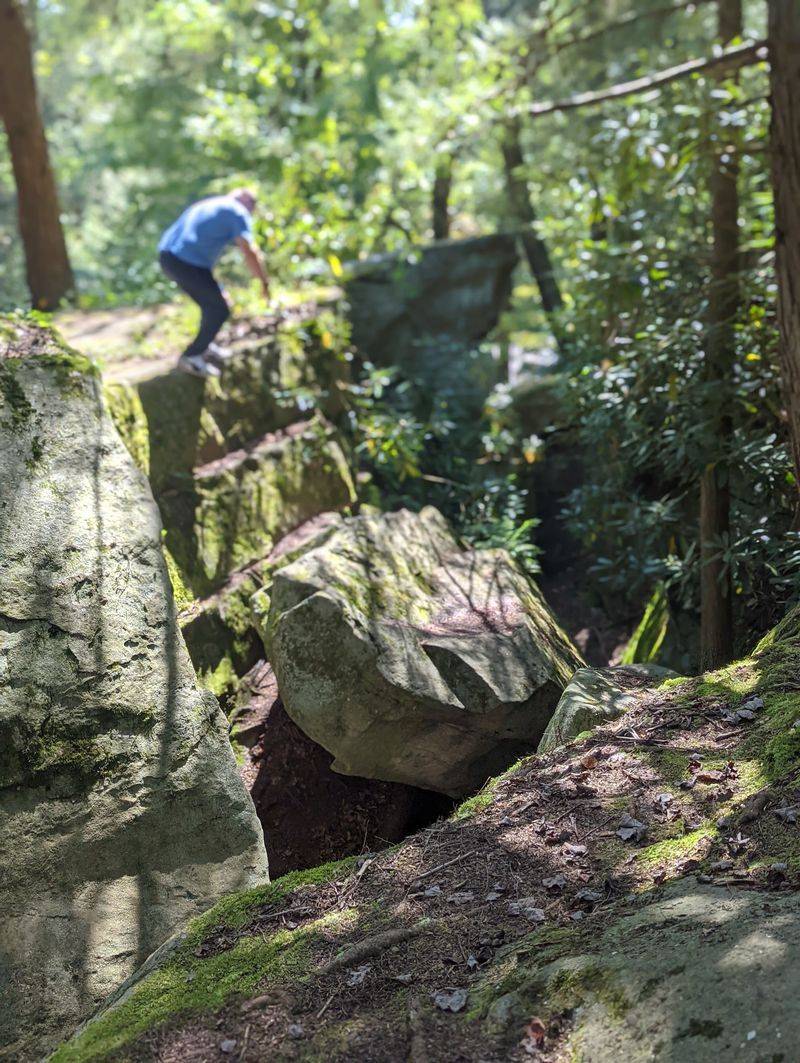
Climbing is the activity people bring up more than any other at this park. The boulders invite scrambling, and many of them have natural handholds and ledges.
Bouldering fans enjoy testing themselves on short routes. Parents and kids also like doing small climbs together, cheering each other on as they reach new heights.
Every climber should know their limits. Some rocks are tall, and a fall from the top could cause real harm, so start low and build confidence slowly.
Climbing with a buddy is always a good choice. A partner can spot you, point out footholds, and help if anything goes wrong.
If you are lucky, you might even see local firefighters practicing rappelling here. Watching trained crews work their ropes down the stone faces is a bonus show nobody expects.
No harness or gym pass is required for basic scrambling. Just bring strong arms, steady feet, and good judgment, and the boulders will provide the workout for free.
A Carved Message From 1921
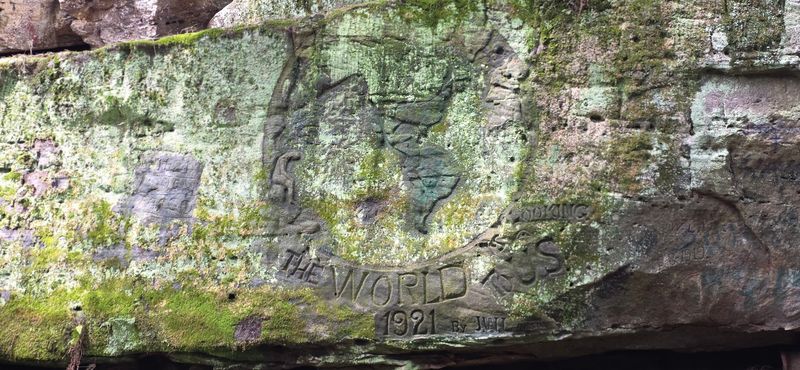
Hidden on the stone is a bit of history worth hunting down. A large carving titled The World Is Looking to Us was completed in 1921.
That date happens to match part of the park address, which makes for a fun coincidence to point out to your group.
Other carvings appear here and there across the rocks. Some of them date back to around 1919, showing that people have been drawn to this place for over a century.
Finding the carvings can feel like a treasure hunt. Encourage kids to keep their eyes open as they move between boulders, because the markings can be easy to miss.
Please admire these pieces without adding new ones. Sadly, some areas have been vandalized, and protecting the old carvings keeps the story intact for future guests.
Snap a photo of the 1921 mural to remember your trip. It is a rare chance to see art and nature sharing the same canvas, and the message still feels meaningful today.
Shoes Make or Break the Day
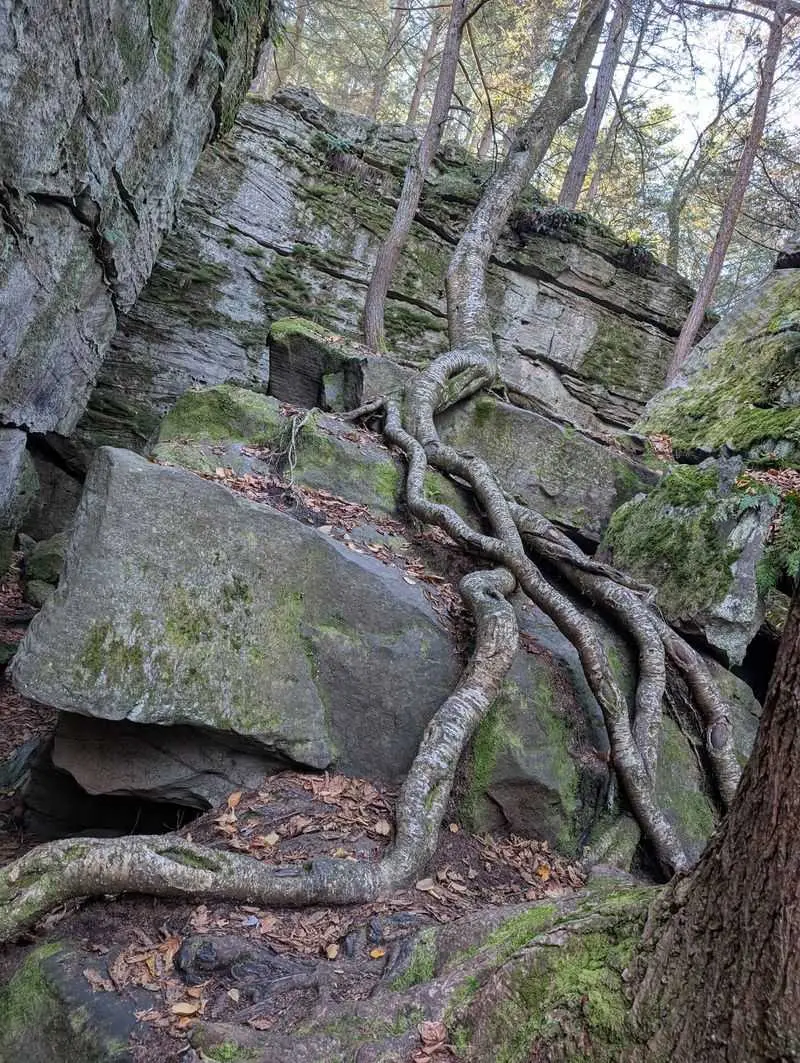
Footwear might sound boring, but it matters a lot here. The rocks can be slippery, especially after rain or in shady, damp corners.
Anti-slip shoes are a must. Hiking boots or trail sneakers with deep treads give you the grip needed for climbing and squeezing.
Flip-flops and smooth-soled sandals are a bad match for this terrain. They slide easily and leave toes exposed to scrapes.
Watch where you step on the ground too. Pieces of broken glass have turned up in some areas, so sturdy closed shoes help protect your feet.
Footing can be tricky throughout the park. People with limited mobility may find it hard to explore much beyond the easier paths and picnic area.
Comfortable clothes that you do not mind getting dirty are another smart choice. Rock dust and moss tend to rub off on jeans and jackets.
Dress for adventure, and the boulders become your playground instead of your obstacle course.
Picnics, Playgrounds, and a Pavilion
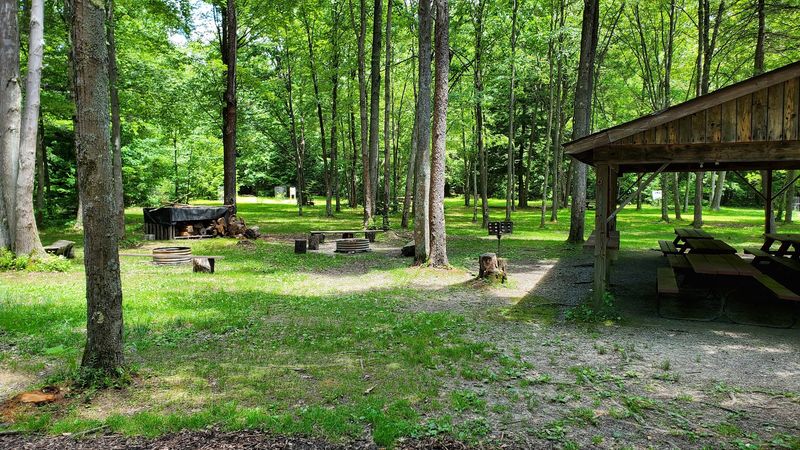
Exploring stone mazes works up an appetite, and the park planners clearly thought about that. A picnic area sits near the rocks with tables and benches for a break.
There is also a pavilion, which offers shelter for larger groups or family gatherings. It makes a handy base camp for birthday outings or reunions.
Younger kids can burn off extra energy at the playground. That gives parents a breather while still keeping everyone close by.
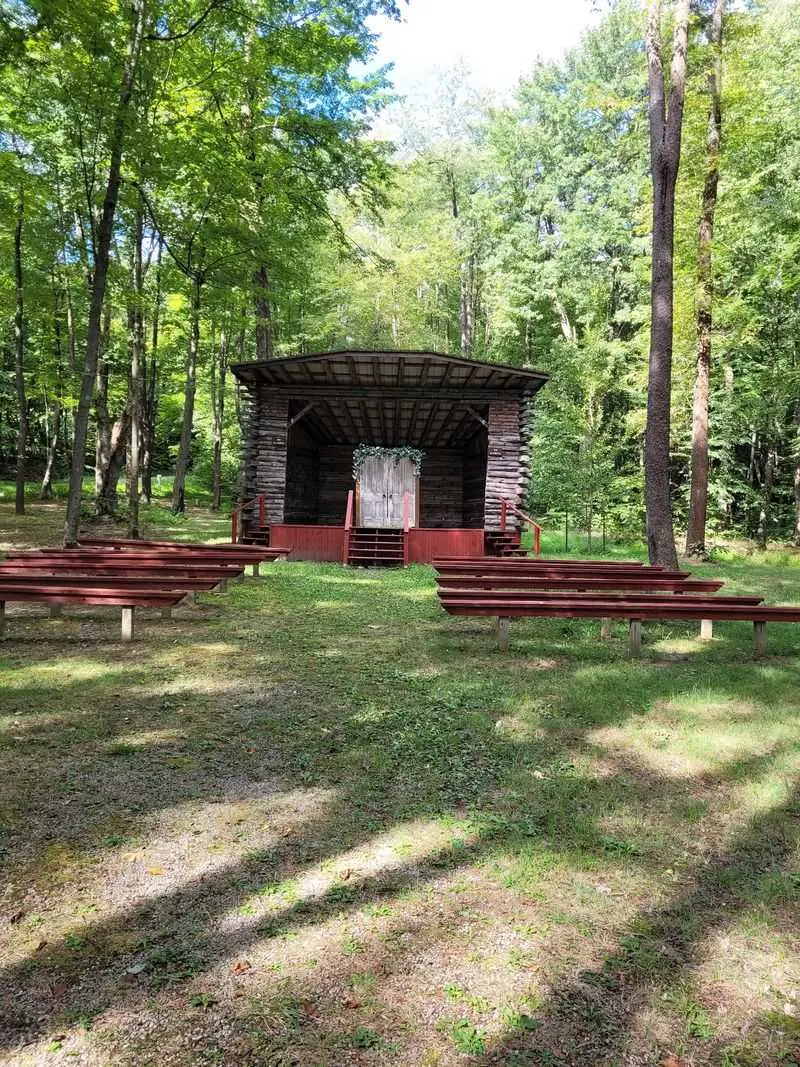
An amphitheater is part of the grounds as well. It adds a community feel and hints at events and gatherings held here.
Restroom facilities are limited to a portable toilet. Plan ahead, especially if you are traveling with little ones.
Pack your own lunch, water, and snacks, since the park does not run a food stand. Carry out what you carry in to help keep the grounds clean.
A relaxed meal under the trees is the perfect way to recharge before round two of rock exploring.
Free Fun for Every Budget
Good news for wallets everywhere: there is no entry fee to explore these rocks. Families can spend hours here without paying a cent at the gate.
The park is open every day of the week from 6 AM to 10 PM. That wide window lets early risers and after-work explorers both find time to visit.
Since entry is free, supporting the park in other ways helps a lot. Picking up trash and leaving the stone unmarked are easy ways to give back.
The official website shares more details about the grounds and its history. Checking it before your trip can help you learn about upcoming happenings.
Budget travelers love stacking this stop with other nearby adventures. A free morning among the boulders leaves more cash for gas and snacks later.
Free does not mean small in value. Many families return year after year, proving that the best outings do not always come with a ticket price.
Bring the Whole Crew, Paws Included
Four-legged hikers often tag along on trips here. Dogs on a leash can join the fun on the trails around the formations.
Adults and children both find plenty to do. Grandparents can relax near the picnic area while younger family members climb and explore.
Teens enjoy the challenge of tight squeezes and minor climbs. Small kids get excited about every cave opening and hidden corner.
Keep pets close near steep drops and narrow gaps. Some passages are too tight or high for dogs, so take the easier routes with them.
Bring water for everyone, including your furry friend. The walk is short, but scrambling around the boulders can be tiring.
Friendly encounters with other explorers are common too. Folks often swap tips about hidden passages or point out cool spots to newcomers.
Days like these turn into family stories told for years. People who moved far away even make a point to return and relive their childhood adventures among the stones.
Timing Your Trip Just Right
Crowds are rarely a big problem at this park. Still, a little planning can make your visit even smoother.
Weekdays tend to be peaceful, with fewer cars and more room to explore. Weekends draw more families, so arriving early helps with parking.
Plan for at least two hours on site. Fans of exploring say five hours can fill a full day of discovery without running out of new corners.
Dry weather is ideal for climbing. After rain, the stone stays slick longer in shady spots, which raises the chance of slipping.
Morning visits also give you more daylight to work with. Deep crevices get dim as the sun lowers, making footing harder to judge.
Spring through fall brings leafy trees that frame the boulders beautifully for photos. Each season gives the place a different look.
Check the forecast, pack a light, and choose a calm day. A well-timed trip lets the rocks shine and keeps everyone smiling.
Snapshots and a Fond Farewell
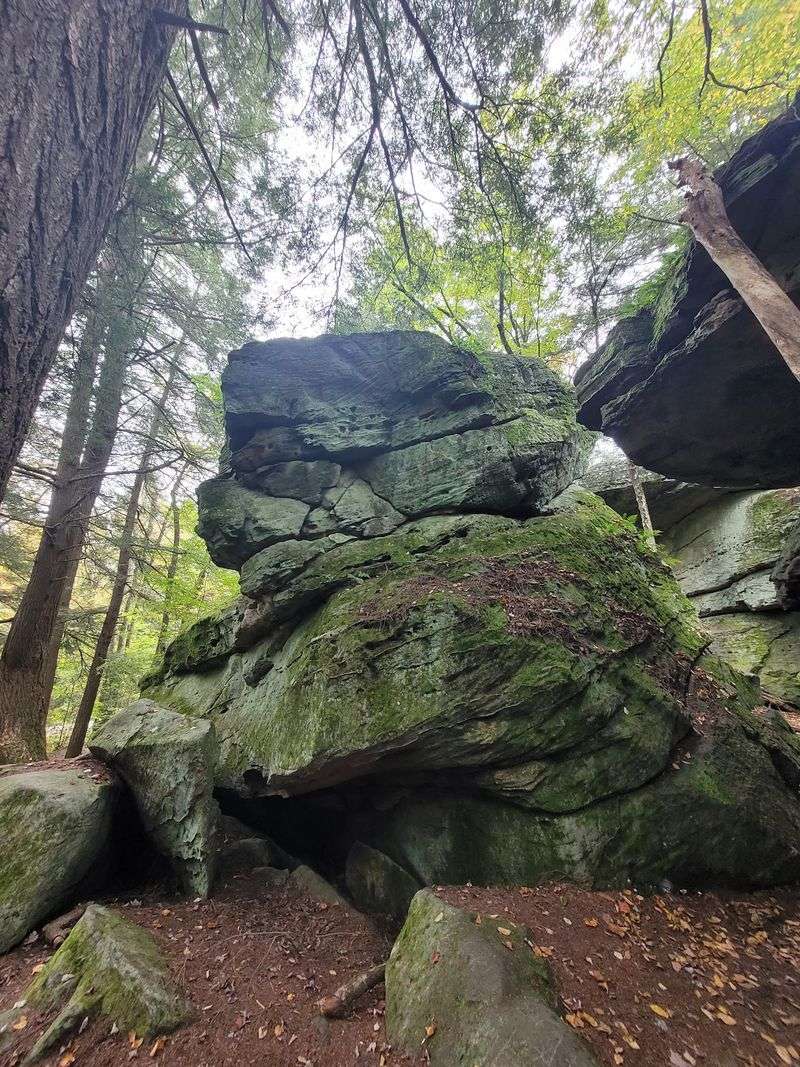
Photos rarely capture the true size of these boulders. Many people end up snapping far more pictures than they planned, then admit the camera still missed the scale.
Placing a person in the frame helps show how huge the rocks really are. A friend standing at the base of a stone wall makes for a striking shot.
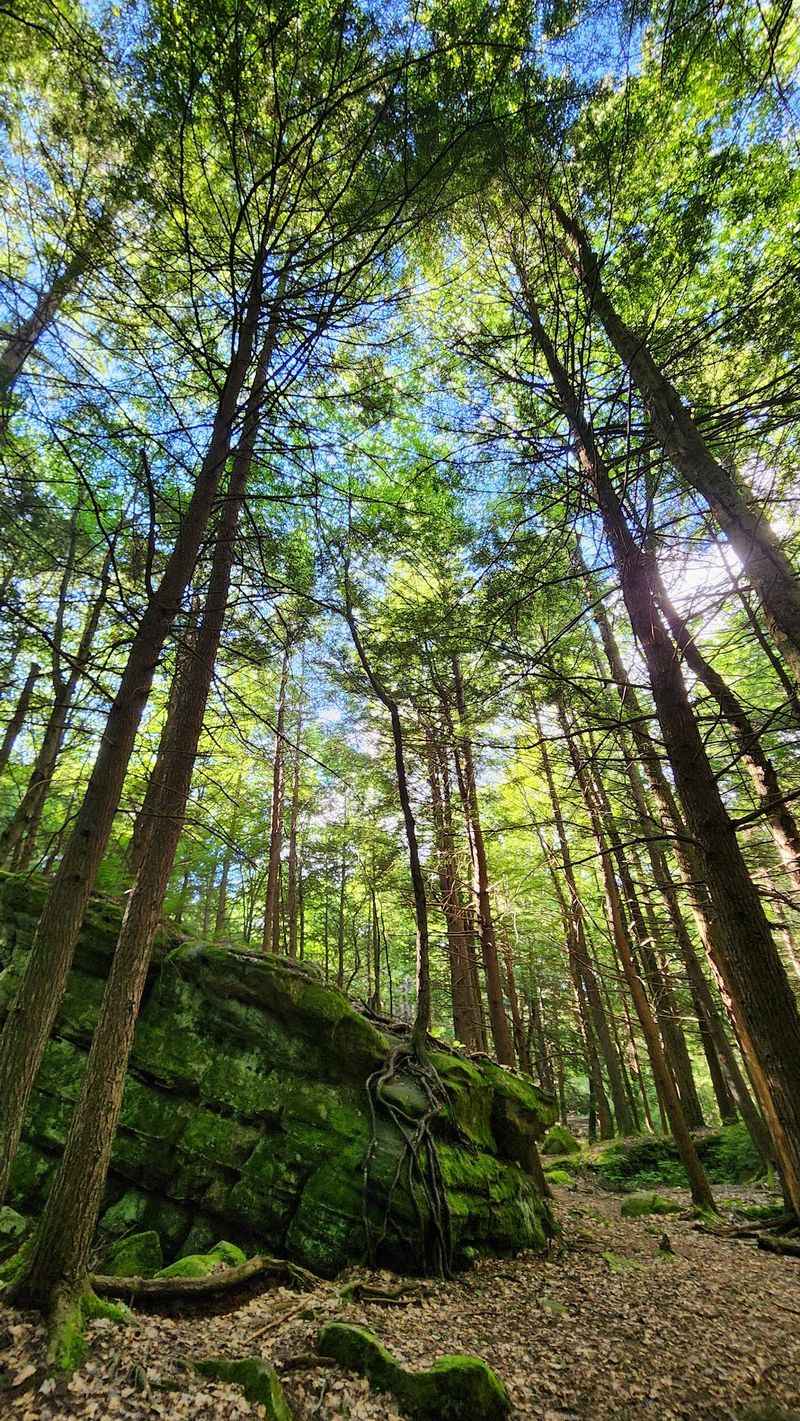
The tall trees around the formations add depth to every image. Looking straight up from inside a chasm creates especially dramatic pictures.
Remember to put the phone away now and then. Some moments are better enjoyed in person than through a screen.
Before leaving, take one last walk past a favorite crevice or carving. It is a nice way to wrap up the adventure.
This rock city has stood for millions of years, and it will be ready for your next visit. Come back curious, wear grippy shoes, and keep discovering the hidden corners that make Grampian such a surprising place to explore.