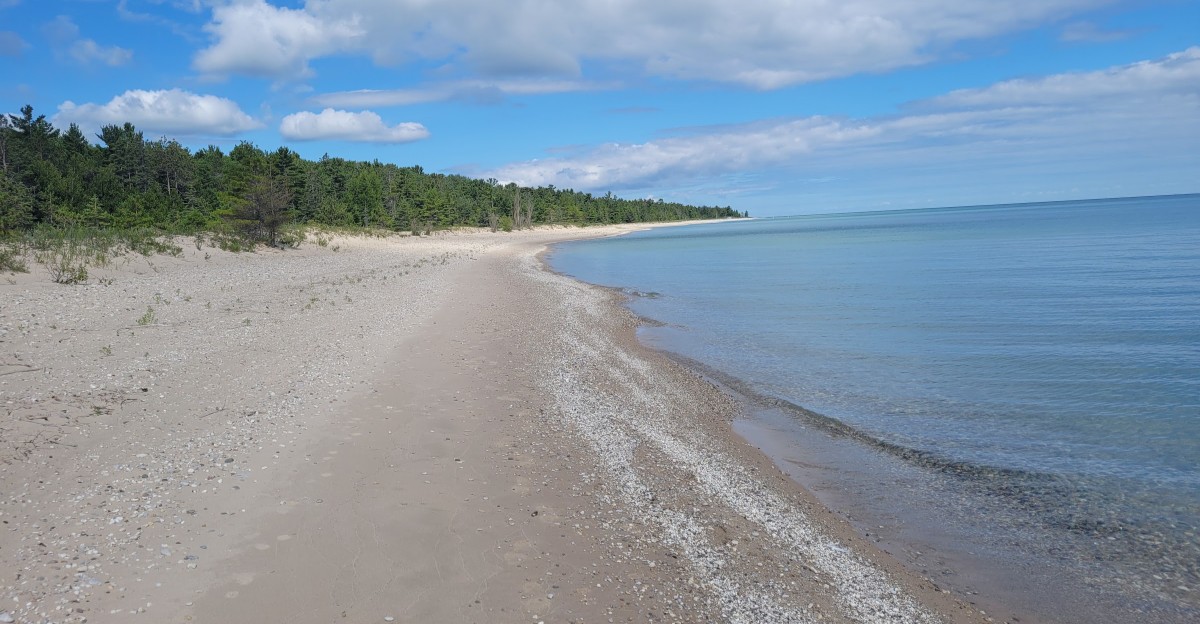
Some kids beg for screens on vacation. Others beg for one more hour at the waterline, bucket in hand, hunting for stones with stripes, spots, and ancient coral patterns.
On the northeast side of Michigan, near the small town of Rogers City, there is a quiet stretch of Lake Huron shoreline where that second kind of kid feels right at home.
The beach is free of big crowds, the water is famously clear, and the rocks along the edge hold little treasures from a sea that existed long before anyone built a campfire here.
Add shaded campsites, dune trails, a paved bike path, and a playground near the sand, and you have a family trip that rarely needs a backup plan.
Meet the Park Behind the Bucket
Every good treasure hunt needs a map, and this one starts on a two-lane highway in northern Michigan.
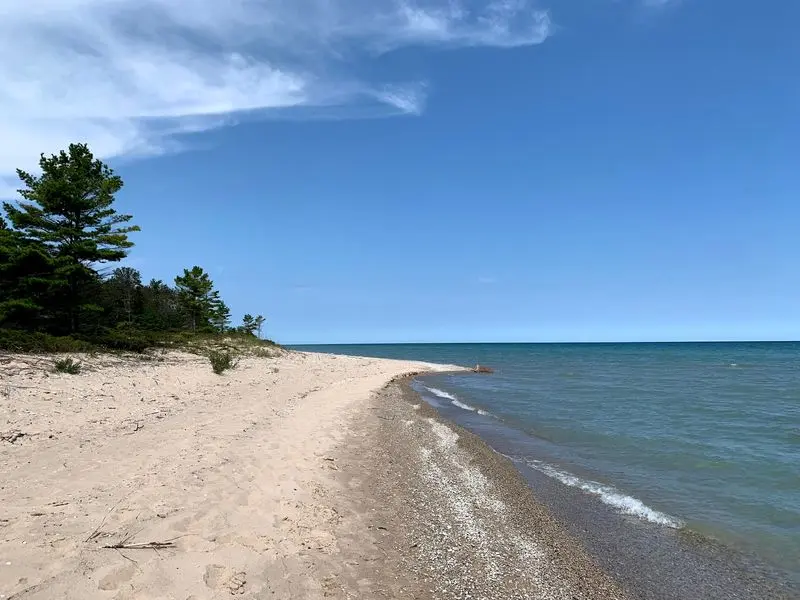
Hoeft State Park sits at 5001 US-23, Rogers City, MI 49779, United States. It rests right along the Lake Huron shore, a short drive from downtown Rogers City in Presque Isle County.
The park mixes thick forest with open beach. It offers about one mile of shoreline, plus wooded land used for hiking, biking, and even skiing in winter.
Day use hours run from 8 am to 8 pm, seven days a week. That gives families plenty of daylight for a long session of rock hunting followed by a picnic.
Hoeft is one of the oldest state parks in Michigan. Its land was donated in the early 1920s by Paul Hoeft, a local lumberman, which explains the name on the sign.
The park keeps a calm, low-key feel compared to busier lakeshore spots. Families who want space to wander without fighting for towel room tend to appreciate that difference.
Treasure Waiting at the Waterline
Kids do not need fancy gear here. A bucket, a pair of water shoes, and a little patience will do the trick.
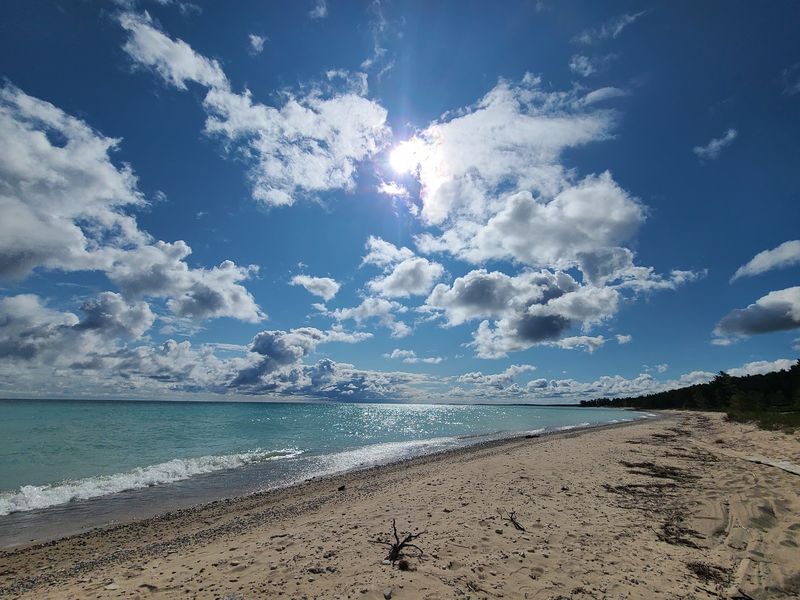
The shoreline at Hoeft has a band of small and medium rocks right where the water meets the sand. That rocky strip is exactly where young collectors should focus their search.
Families often turn up Petoskey stones, which are fossilized coral famous across Michigan. Other finds can include banded stones, fossils with tiny shell or coral patterns, and the occasional agate.
Expectations matter, though. Some days are full of finds, while other days produce only a handful of keepers, so treat it as a fun search rather than a guaranteed haul.
A quick tip helps a lot. Wet rocks show their patterns much more clearly, so dip any promising stone in the lake before deciding to keep it.
Michigan state parks limit collecting, so check the posted rules with park staff. Small personal amounts for a home shelf are the usual goal.
Water So Clear It Feels Like Cheating
Spotting a fossil is much easier when the lake does half the work.
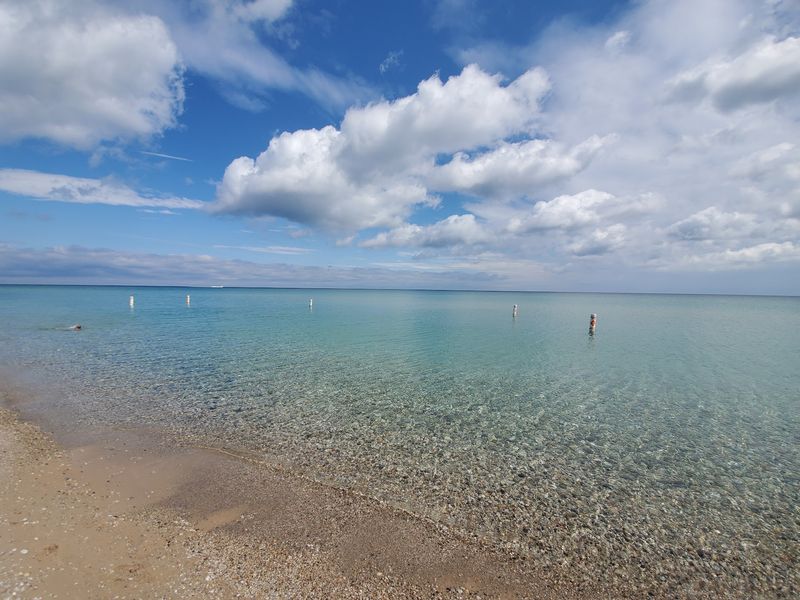
Lake Huron at Hoeft is known for strikingly clear water with a turquoise tint on calm days. Kids can often see stones on the bottom while standing knee deep.
That clarity turns rock hunting into a two-zone game. Some searchers stay on the dry beach, while others wade slowly and scan the lake floor below.
Close to shore, the bottom is rocky for roughly 20 to 30 feet. After that, it changes back to soft sand, with the water around waist high at that point.
Water shoes are a smart buy for this reason. They protect little feet on the rocky stretch and make the walk out much less wobbly.
There is no lifeguard on duty at this beach. Adults should stay close to younger swimmers, especially when the waves pick up.
Calm mornings tend to be the best time for clear views of the lake bottom.
Dunes That Double as a Playground
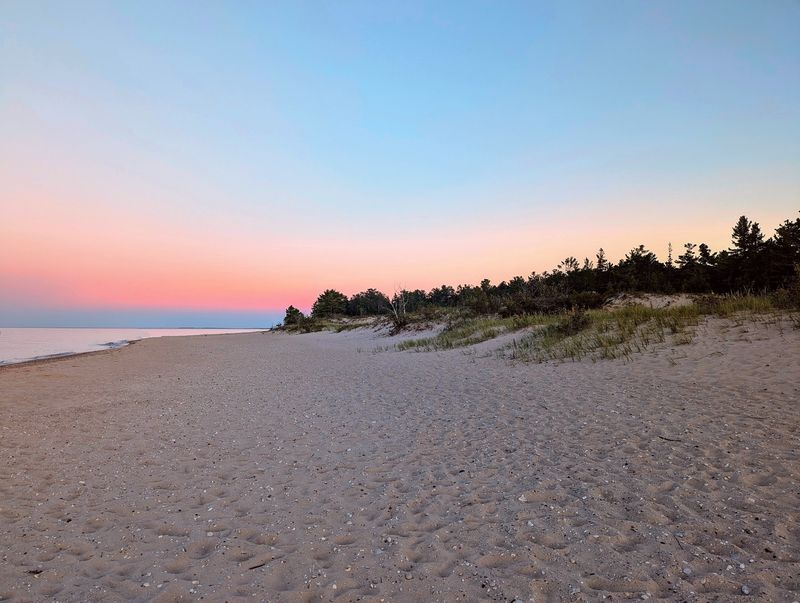
Getting to the beach can be half the fun, depending on which path you pick.
Hoeft has gentle, wooded sand dunes between the campground and the shore. Several access points lead down to the water, so families are not stuck with just one route.
A wooden walkway offers the easiest trip for strollers, grandparents, and anyone carrying a heavy cooler. It is the go-to choice for the most relaxed walk.
Kids with extra energy may prefer the sandy dune paths. These take a bit more effort and feel like a small adventure before the rock hunting even starts.
At times, some paths can have overgrown plants or branches along the way. Sticking to the main marked routes keeps the trip smooth.
Two beach volleyball setups sit in the dune area near the beach. Older kids and teens can burn off steam with a quick match between collecting sessions, which keeps the whole crew happy for a longer beach day.
Swings With a Lake View
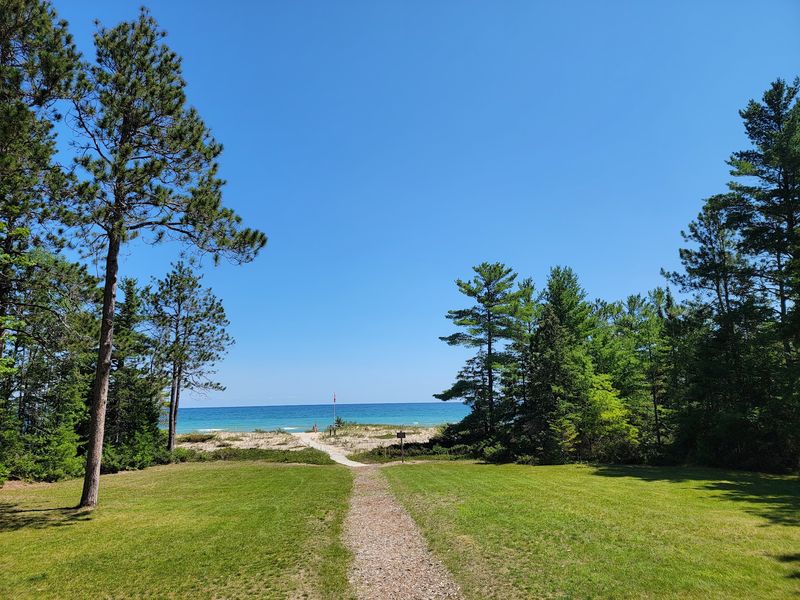
Sometimes a junior geologist needs a break from geology.
A playground sits right by one of the beach entrances, which makes it easy to switch between digging through rocks and climbing. Parents can move the group back and forth without a long walk.
The play area includes swings set over sand, along with some newer equipment. It works especially well for school-age kids who like to climb and explore on their own.
Families with toddlers should know the structures are better suited to older children. Kids around ages 2 to 5 may find less to do on the main equipment, though the swings still offer simple fun.
The location is the real win. Having the playground near the sand means snack breaks, sunscreen refills, and quick rests all happen in one spot.
A good plan is to start with the rocks while energy is high. Save the playground as a reward for later in the day, when little legs need something different to do.
Trails Where Rocks Hide in Streams
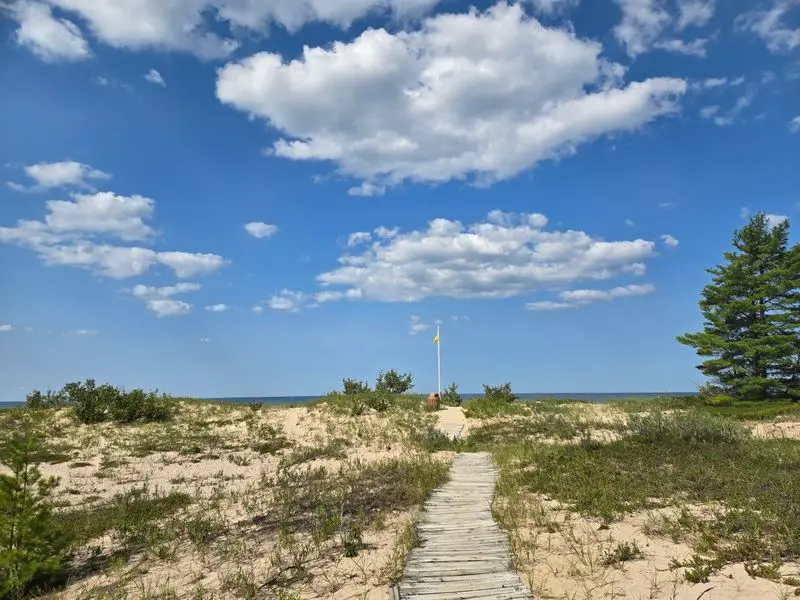
Not every rock worth finding sits on a beach.
Hoeft has a network of casual dirt trails that wind through the forest around the park. The paths are generally easy, which makes them a solid choice for kids who are new to hiking.
One trail leads toward a stream, a nice bonus for rock hounds who want a change of scenery. Streambeds can reveal stones that look quite different from the ones along the lakeshore.
The woods are also popular for birding. Bringing a simple field guide or binoculars can turn a short walk into a game of spotting and naming.
Bugs are part of summer in the north. Mosquitoes and flies show up in some seasons, so pack repellent before heading into the trees.
Signage and maps around the park are clear, which helps families keep track of where they are. Short loops make it easy to turn back whenever young hikers decide the trail has done its job for the day.
Pedal to a Lighthouse
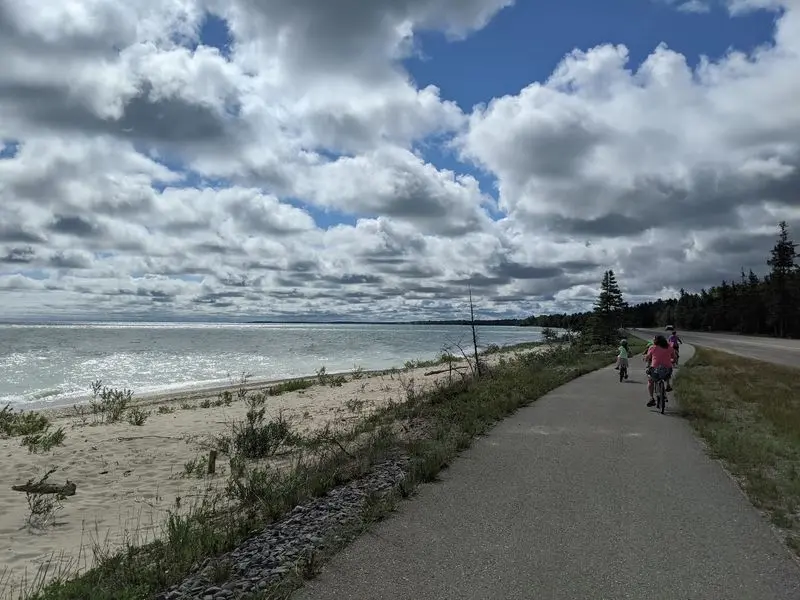
Here is a fun bonus for families with bikes: the park sits right on the Huron Sunrise Trail.
The paved path runs roughly 15 miles in this area. Heading north from the park takes riders toward the 40 Mile Point Lighthouse, a popular stop for an afternoon outing.
Riding south leads into Rogers City. Families can visit the marina area or grab a treat before turning around for the trip back.
The paved surface works well for kids who are comfortable riding but not ready for rough mountain trails. Strong riders can cover the full route, while younger ones can pick a shorter section.
Plan the distance with care. A round trip to the lighthouse adds up, so bring water, snacks, and maybe a small backpack for any rocks found along the way.
The lighthouse also makes a handy history lesson. It was built in the late 1890s to guide ships along the Lake Huron shore, and the grounds now serve as a local museum.
Campsites Tucked Under the Trees
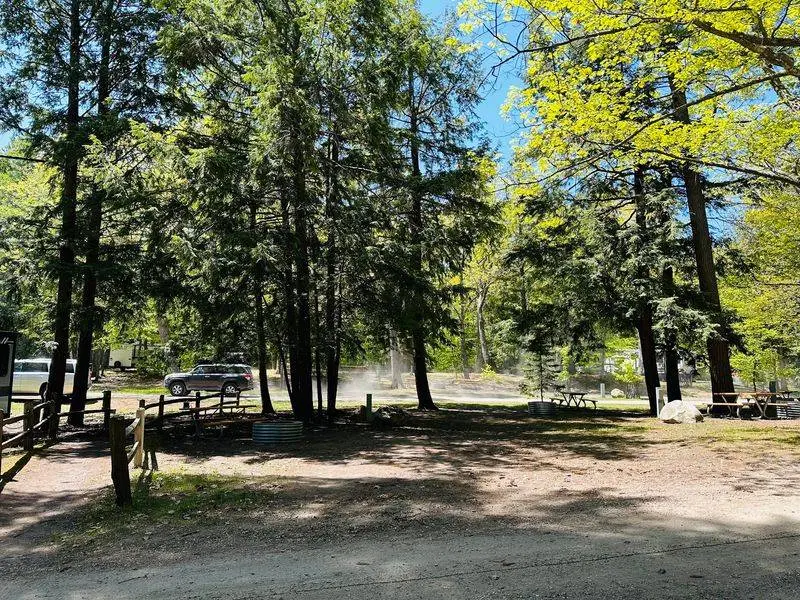
One day of rock hunting often turns into a weekend, and the campground makes that easy.
Hoeft has a modern campground with many sites shaded by tall trees. The outer sites tend to feel larger and more private, while the inner loop sites are more open.
Each site has a fire ring and a picnic table. Shared grill areas are available, but individual sites do not come with grills, so bring a cooking grate if you plan to cook over the fire.
Electric hookups offer 20 and 30 amp service. A recently updated dump and fill station has two pull-through lanes for campers.
Site size varies across the park. Some spots fit a tent and a truck with little room to spare, so groups larger than four may feel tight.
Firewood and ice are sold at the main office near the entrance. Pets are welcome in the campground but not allowed on the beach, a rule families with dogs should plan around.
Timing Your Trip Just Right
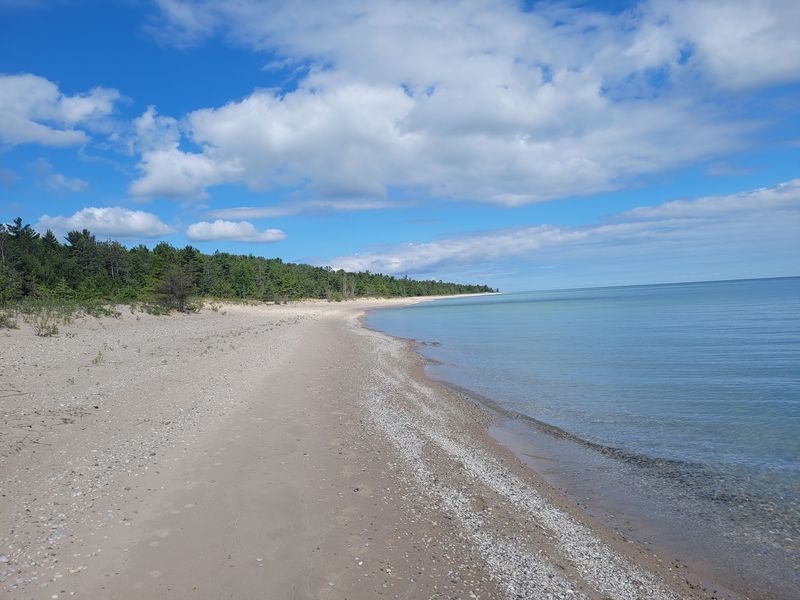
Calendar choices can shape the whole experience at Hoeft.
Summer brings warm days for wading, which is ideal for kids who want to search the rocky lake bottom. Shade from the forest helps keep the campground comfortable during hot July weekends.
Early August tends to feel calm, with fewer bugs and a relaxed campground. Families looking for a quieter visit often find this window works well.
Fall is lovely too, but there is a catch. The bath house typically closes around October 20, and the campground shuts down around November 1.
Tent campers who want showers should plan fall trips for early October. Self-contained campers have more freedom later in the season.
Bathrooms and showers have been recently renovated, which is good news for longer stays. Always check the Michigan DNR website or call ahead before a late season visit, since schedules can shift from year to year.
A quick check now can save a lot of disappointment later.
Sunrises, Stars, and a Phone Break
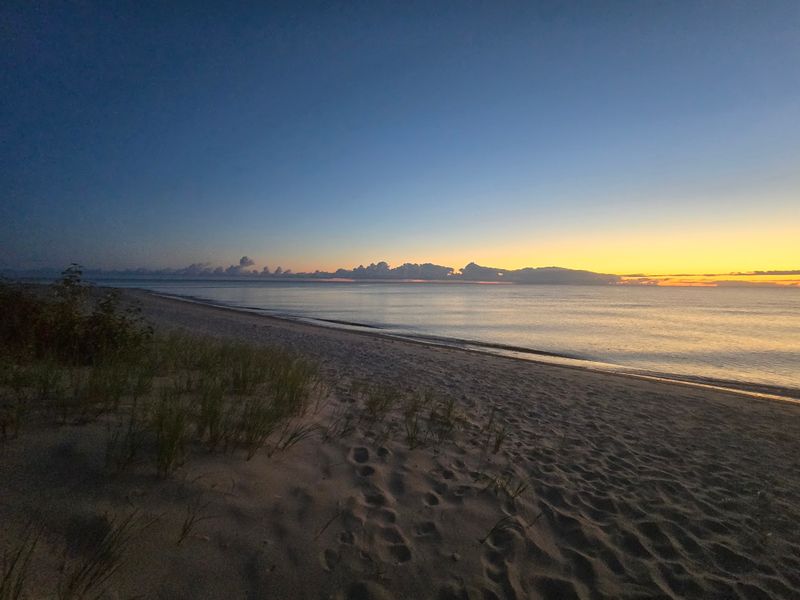
Early risers get a real reward on this side of Michigan.
The park faces Lake Huron to the east, so the sun climbs straight up over the water. A dawn walk to the beach can double as a quiet rock hunt before anyone else arrives.
Nights can be just as memorable. Dark skies away from big cities make stargazing popular, and on lucky nights, the northern lights have shown up over the park.
Cell service is limited here. Signal is spotty, and some phones may connect to Canadian towers, so check your plan before you go.
There is no internet in the campground. For many families, that turns out to be a plus, since kids spend more time sorting stones and less time scrolling.
Bring a flashlight, a star chart, and a small notebook. Kids can log their best rock finds by day and the brightest stars by night, creating a trip journal that lasts much longer than any photo feed.