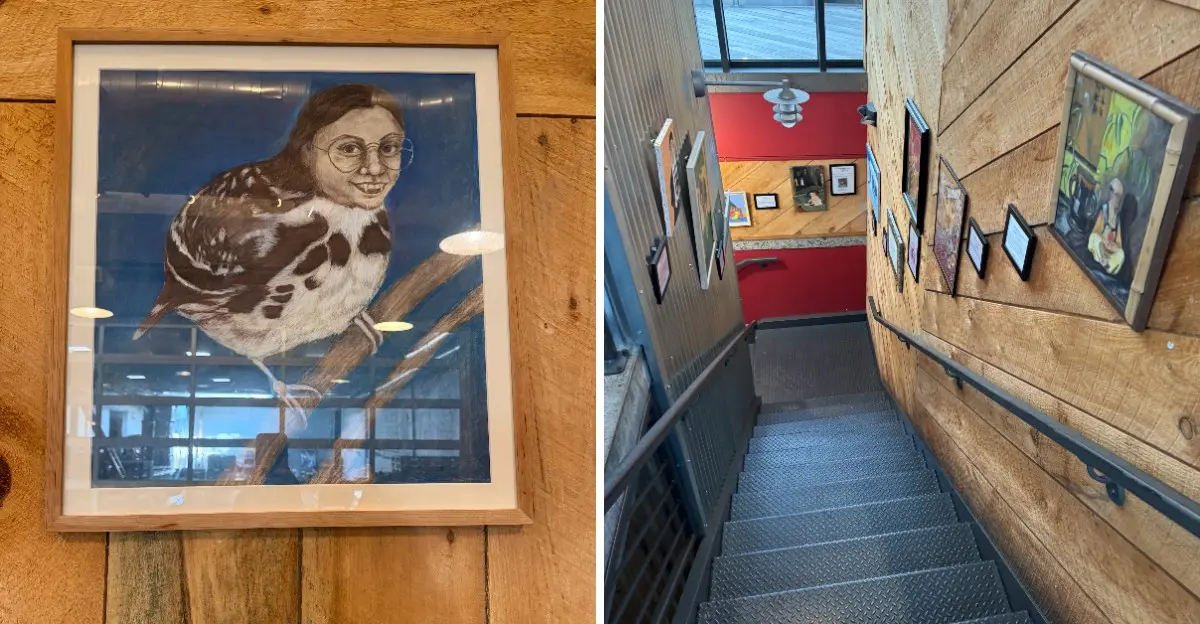
The star of this whole collection was pulled from a pile of trash. An antique dealer spotted the painting sticking out of a curbside heap and decided it deserved better.
That rescue started a museum.
Today the collection holds almost 900 pieces. Every one was made with real effort by someone who meant it.
Something just went wonderfully wrong along the way.
I love that nothing here is a joke on purpose.
Deliberate kitsch gets turned away at the door.
The art has to be sincere, and it has to be too bad to ignore.
This Massachusetts spot also costs nothing to enter.
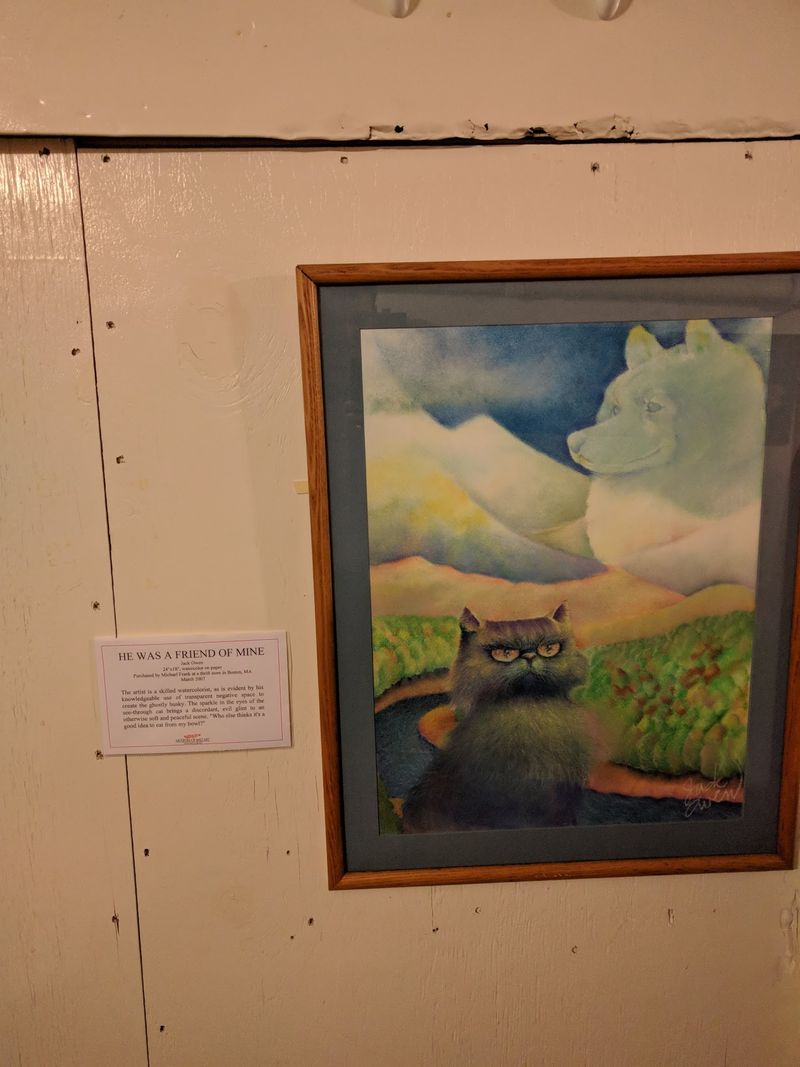
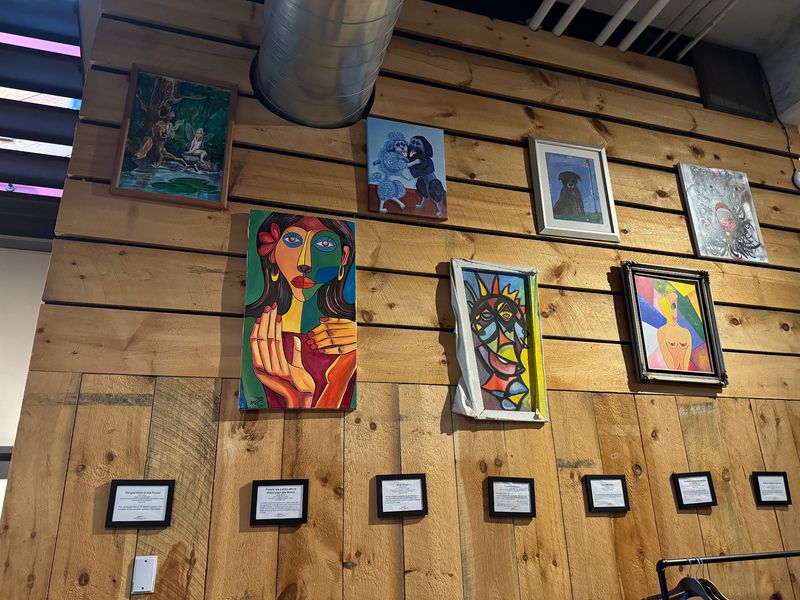
Each piece comes with a written analysis that treats every wobbly brushstroke like a masterpiece.
I can’t imagine a better way to teach kids that art can be fun. Who knew failure could look this proud?
A Trash Heap Started The Whole Wonderful Story
Back in 1993, an antique dealer named Scott Wilson spotted a painting poking out of a pile of trash. He saw something special in it, even if most people would have kept walking.
That painting became Lucy in the Field with Flowers, the signature piece of The Museum Of Bad Art. Think of it as the Mona Lisa of this collection, just with a lot more questions attached.
The museum held its first exhibition in March 1994. Its earliest home was the basement of a private house in Boston, which is about as humble as a start can get.
From there, the collection moved to the basement of a theater in Dedham, Massachusetts. Later, it spent time at the Somerville Theatre before moving to its current home at Dorchester Brewing Co. in Boston.
I like that this museum grew from pure curiosity. Nobody planned a grand building or hired a fancy architect.
One person simply refused to let a painting go to waste.
Share that story with your kids before you go. It turns the whole visit into a lesson about noticing value where others see none.
That idea sticks around long after the trip ends.
Only Sincere Mistakes Get Past The Front Door
Getting your art rejected by a museum is normal. Getting rejected by a museum of bad art for being too clever is a whole different level.
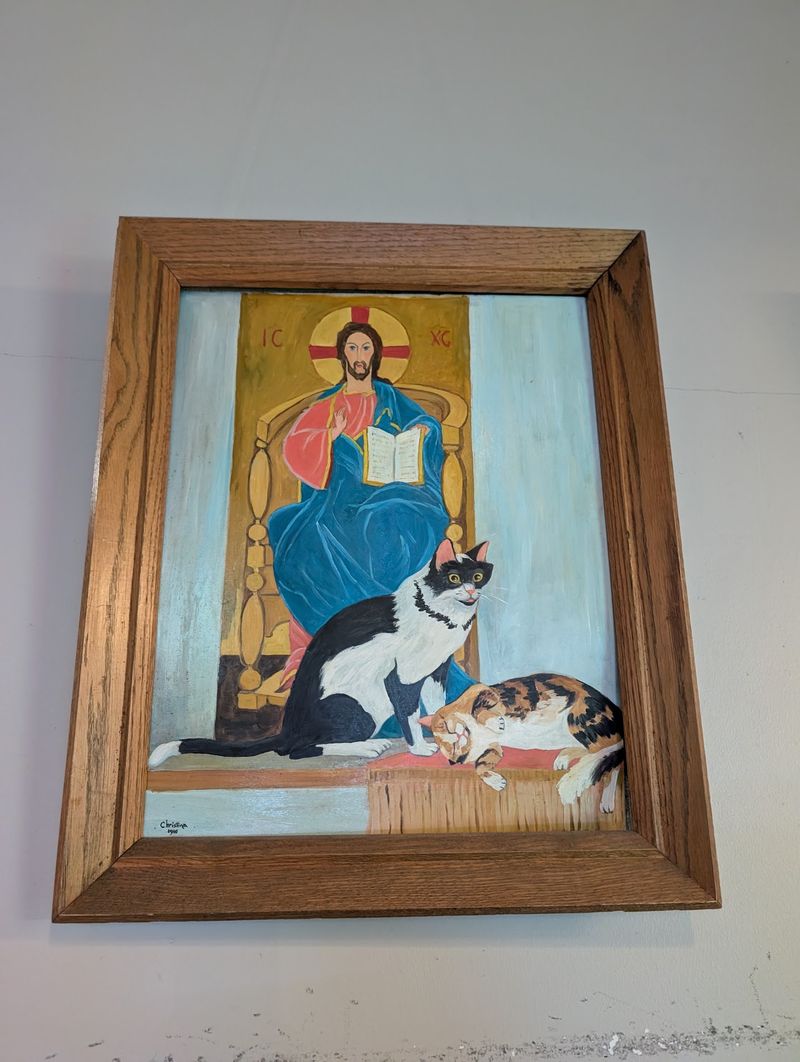
The museum has strict rules about what earns a spot on the wall. Each piece must be a sincere attempt at art where something went badly wrong.
The mistake could be in the idea or in the execution.
Deliberate kitsch never makes the cut. If someone painted a goofy picture just to be funny, the curators can tell.
Honest effort is the price of admission here.
The result still has to be compelling, though. A boring bad painting doesn’t count.
It has to pull your eyes in and make you wonder what the artist was thinking.
Kids get this rule surprisingly fast. They understand trying hard and still landing somewhere strange.
Most of them have handed a parent a drawing like that.
That makes this a gentle place to talk about effort. The museum’s stated aim is to celebrate artists whose work would be appreciated in no other forum.
Honestly, that’s a sweet mission for a place known for laughs.
Read Every Label, Because That’s Where The Magic Hides
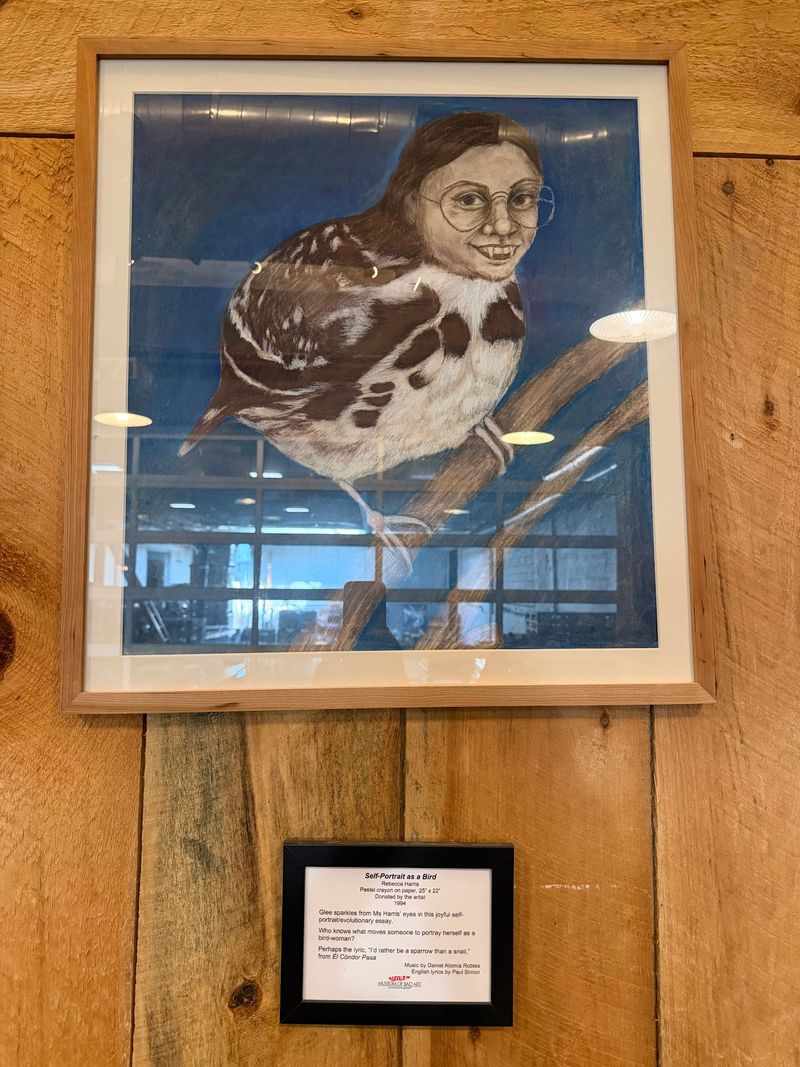
Some museums give you a title and a date. This one hands you a full critical analysis for paintings that probably wouldn’t sell at a yard sale.
Every artwork comes with a written interpretation. The labels help visitors understand the so-called complexities of each piece.
They’re written with a straight face, which makes them even funnier.
Honestly, the labels might be half the show. A strange portrait becomes ten times better once someone explains its deep meaning in serious museum language.
Here’s a tip for families. Let one kid read a label out loud while everyone else studies the painting.
Then guess what the artist was going for before you hear the answer.
Younger readers may need help with a few big words. That’s part of the fun, since the fancy vocabulary is the joke.
Older kids will catch the dry humor right away.
Plan time for slow reading. Rushing past the labels is like skipping the punchline.
Give each one a minute, and the visit turns into a mix of art class and comedy club.
You’ll Find The Gallery Inside A Busy Boston Brewery
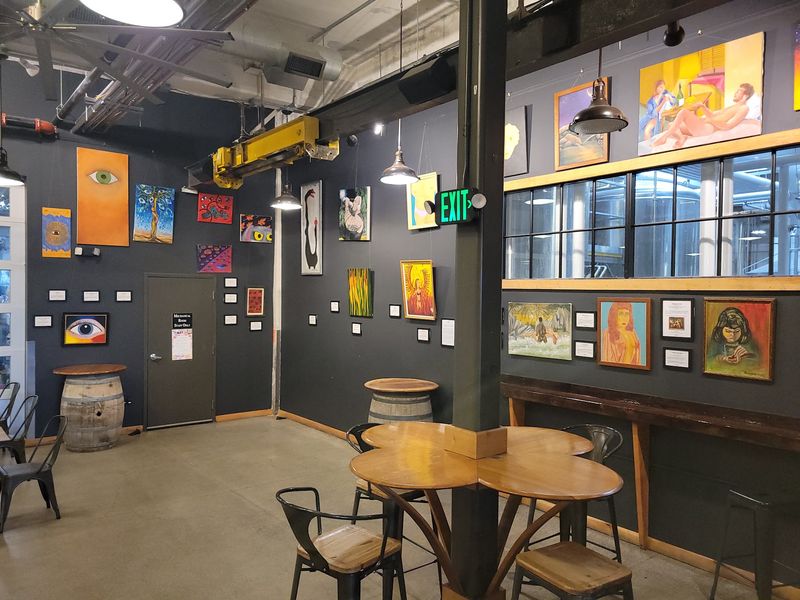
Most museums have marble steps. The Museum Of Bad Art has a brewery, and that’s exactly where you’ll head.
The gallery lives inside Dorchester Brewing Co. at 1250 Massachusetts Ave Ste 1, Boston, MA 02125. The museum moved into this space in 2022, after years at other spots around the region.
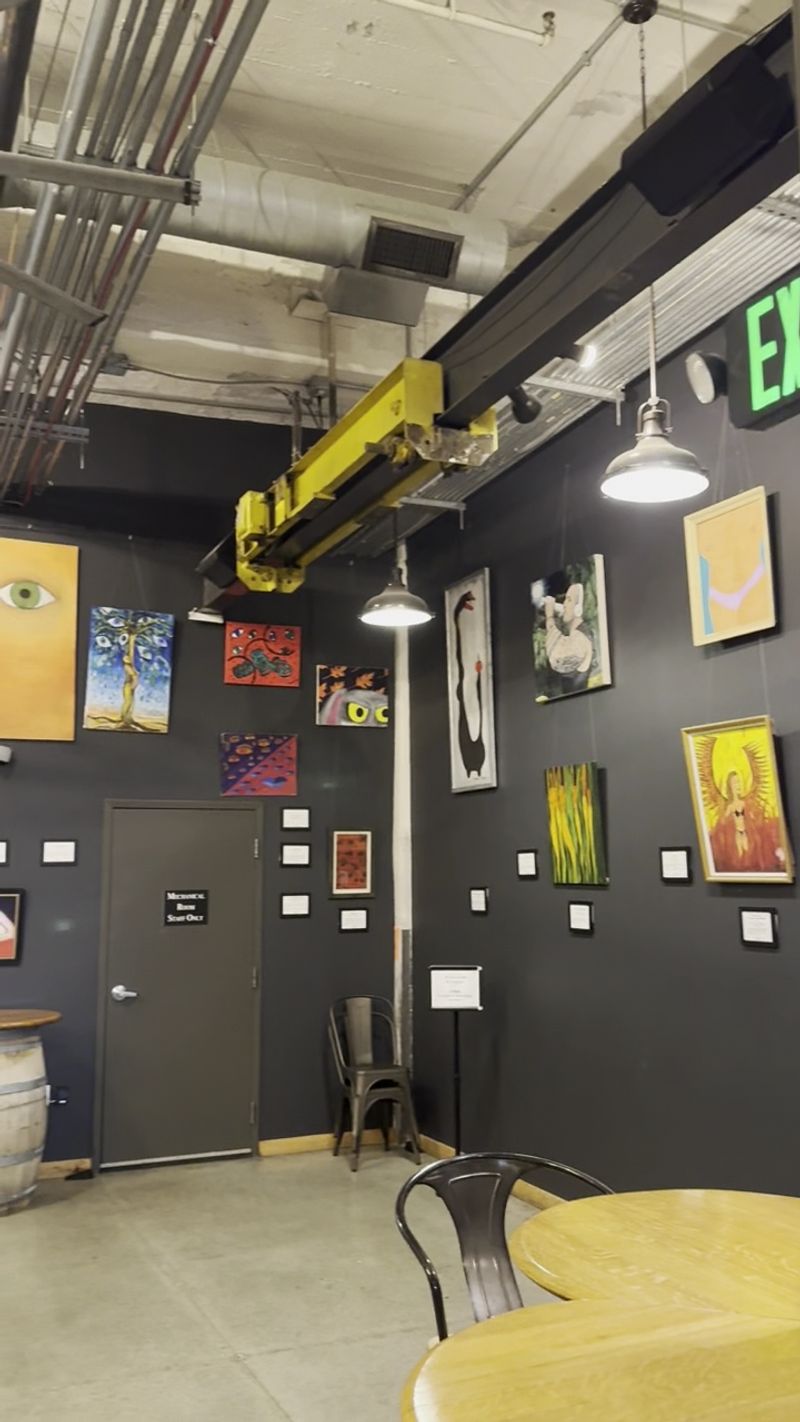
The art hangs right on the walls of the working space. That means you can wander, look, and chat without whispering.
It’s a very different feel from a hushed gallery.
For families, the setting matters. It’s a lively room, not a quiet hall.
Kids who struggle with strict museum rules may find it far more relaxed.
The space does sell grown-up drinks, so plan your timing carefully. Families do best during daytime hours, when the rules are friendliest for younger visitors.
Getting here works by car or public transit. The JFK/UMass stop on the Red Line sits nearby, which helps if you’d rather skip city parking.
Either way, you’re in Dorchester, a neighborhood that gives you a real slice of Boston beyond the tourist trail.
Free Admission Makes This An Easy Yes
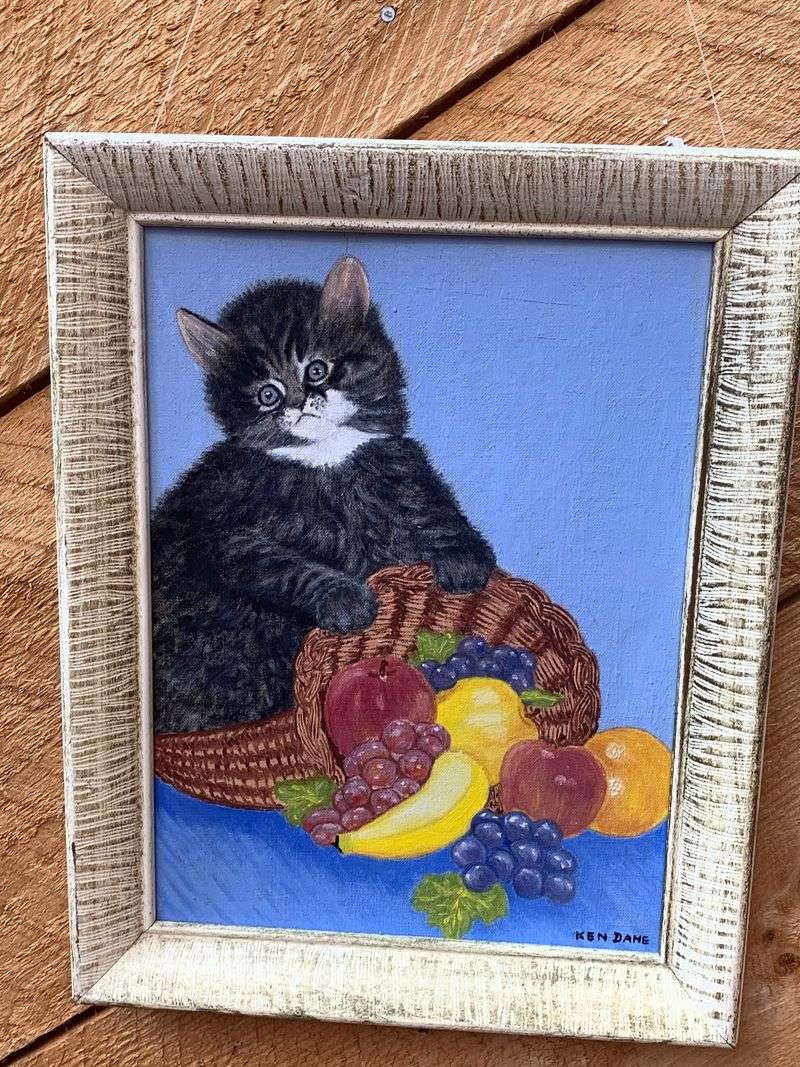
Good news for your wallet. Admission to the Boston gallery is completely free.
That’s rare for a museum in a big city. Family outings add up fast, and a free art stop gives you room to spend elsewhere.
Since you’re inside a brewery, buying something is a polite way to say thanks. Non-alcoholic drinks are available, so everyone can join in.
Free entry also takes the pressure off. If your kids only last twenty minutes, nobody feels like they wasted money.
You can pop in, giggle, and move on.
On the flip side, curious families can linger. Reading every label and debating every odd face takes longer than you’d think.
The Museum Of Bad Art is a not-for-profit and runs without paid staff. That detail makes the whole project feel even more charming.
Volunteers keep this weird little treasure going out of pure love for the cause.
Consider grabbing a souvenir from the merch on hand if you enjoyed yourself. It’s a fun way to support the mission, and your fridge deserves some bad art too.
Almost 900 Pieces, But Only A Lucky Few Hang At Once
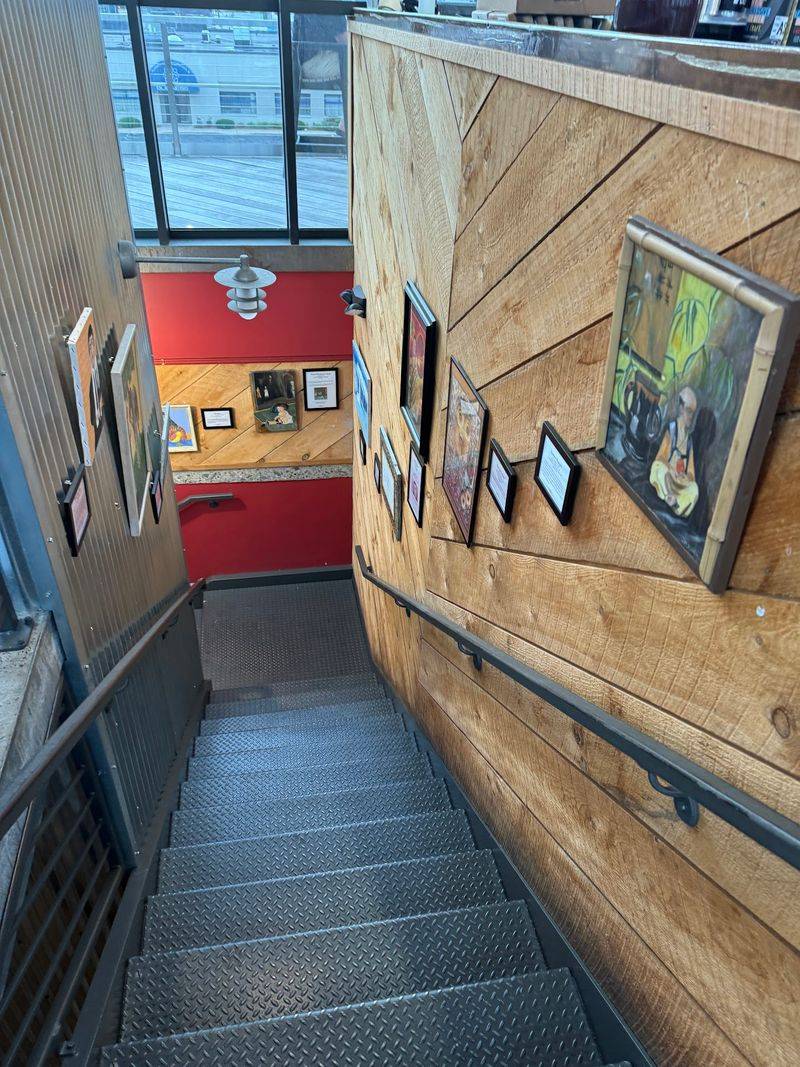
Nearly 900 works sit in the permanent collection. That’s a lot of ambitious brushwork with questionable results.
Only about 50 to 70 pieces are on public display at any given time. So what you see is a carefully chosen slice of a much larger stash.
That number feels just right for families. It’s enough to fill a satisfying visit without wearing out little legs.
Kids can see everything before boredom sets in.
The art spreads across the space, including more than one floor. Start downstairs, then head up to keep the surprises coming.
Bring a game plan to keep things lively. Ask each family member to pick a personal favorite and a personal worst.
Then compare picks over a snack.
You might be shocked by how often those lists overlap. One person’s disaster is another person’s prized discovery, which is kind of the point here.
Paintings and sculptures both show up in the collection. Variety keeps the eyes busy and the jokes fresh.
Every corner seems to offer one more face, animal, or scene that makes you tilt your head.
Barbecue Fuel Keeps Young Art Critics Going
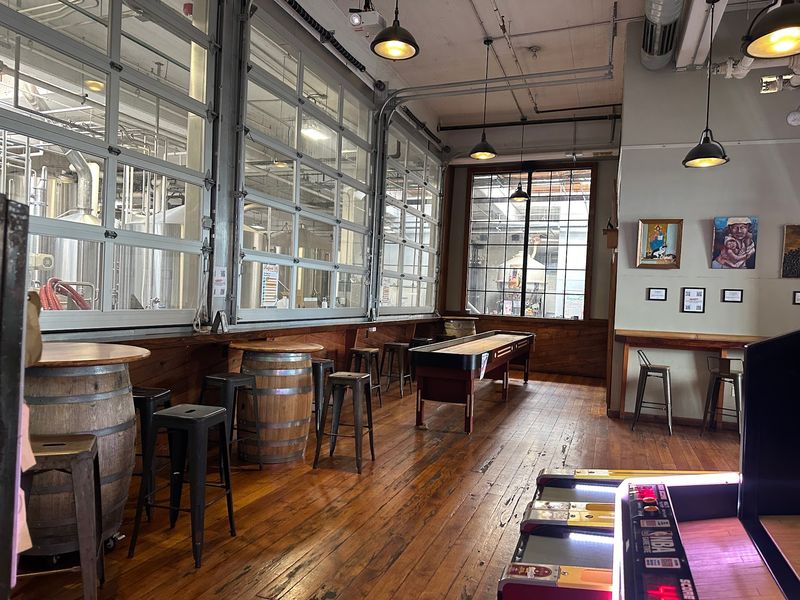
Hungry art critics are cranky art critics. Luckily, food is right there.
M&M BBQ serves food inside the brewery, so you won’t need to leave to refuel. That’s a big win when you’re touring with kids who suddenly announce they’re starving.
Eating on site also lets you stretch the visit. Grab a table, take a break, and then go back for a second look at the strangest pieces.
Meal time doubles as review time. Ask everyone to describe their favorite painting without pointing.
You’ll hear some creative descriptions that rival the museum labels.
Non-alcoholic drinks are available too. That keeps the whole crew happy while the grown-ups sort out the next stop.
Food menus can change, so check what’s being served before you go. Picky eaters may want a backup plan, just in case.
Still, a lunch stop beside paintings like these beats a food court any day. Few places let you discuss a confusing portrait between bites.
In this part of Massachusetts, that combo is hard to beat.
Timing Your Trip Right Matters For Families
Kids under 21 have a curfew here on weekends. On Friday and Saturday nights, no one under 21 is admitted after 6 PM.
That rule comes from the brewery setting. It’s easy to miss, so keep it in mind when planning a weekend trip.
The museum opens daily at 11:30 AM and closes at 9 PM on Sundays and Mondays. Tuesday through Thursday runs until 10 PM, and Friday and Saturday stay open until 11 PM.
For families, early afternoon is a smart choice. You’ll have plenty of daylight and plenty of time before any age limits kick in.
Weekday visits can also feel easier with little ones. A calmer room makes reading those long labels much simpler.
If your schedule only allows weekends, aim for lunch. You can tour, eat, and head out well before the evening cutoff.
Double-check hours before you leave home, since schedules can shift. A quick look saves you from a disappointed carful of kids.
Nobody wants to miss the bad art over a timing mix-up.
Your Kids Might Leave Wanting To Paint Badly On Purpose
Expect a burst of creativity on the ride home. A visit like this tends to make kids grab the markers.
The Museum Of Bad Art quietly teaches a big lesson. Trying something and missing the mark is nothing to be ashamed of.
Sometimes it even lands you in a museum.
That message can be freeing for young artists. Perfectionists especially may relax after seeing so many bold, wobbly attempts proudly framed.
Try a family art night afterward. Everyone paints something sincere, then writes a fancy museum label for someone else’s work.
Just remember the rule about honest effort.
The museum also runs traveling exhibitions, and it occasionally hosts special events. Its sister gallery in Quebec City is slated to reopen in 2026, which shows how far this odd idea has spread.
Still, the Boston gallery remains the heart of the story. It’s a proud piece of Massachusetts culture that celebrates effort over polish.
I believe every family deserves a museum that makes them laugh together. This one manages it while turning failure into something worth framing.
Not bad for a painting found in the trash.