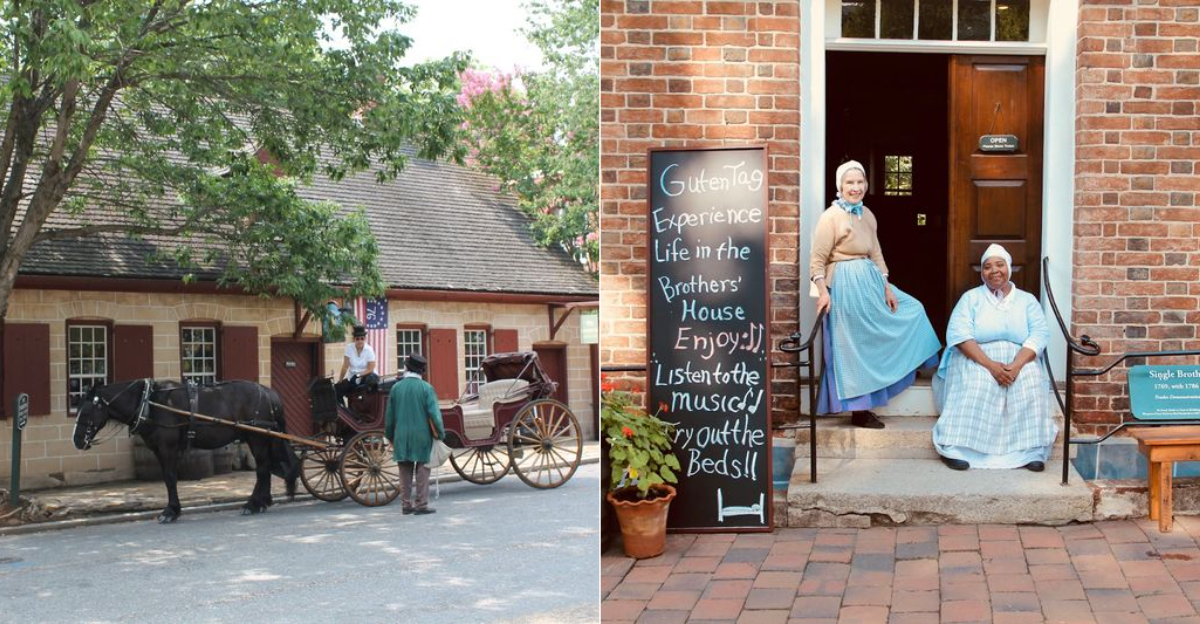
Tucked into the heart of Winston-Salem, Old Salem Museums and Gardens is one of the most remarkable living history destinations in the entire Southeast. Founded by Moravian settlers in 1766, this carefully preserved village lets visitors walk cobblestone streets, chat with costumed interpreters, and experience daily life exactly as it was over 250 years ago.
Whether you are a history lover, a curious family, or just looking for a genuinely unforgettable day trip, Old Salem delivers something few places can match. With a 4.6-star rating and glowing reviews from hundreds of visitors, it is clear this hidden gem deserves a spot on every North Carolina bucket list.
Winkler Bakery: Taste History Fresh From a Wood-Fired Oven
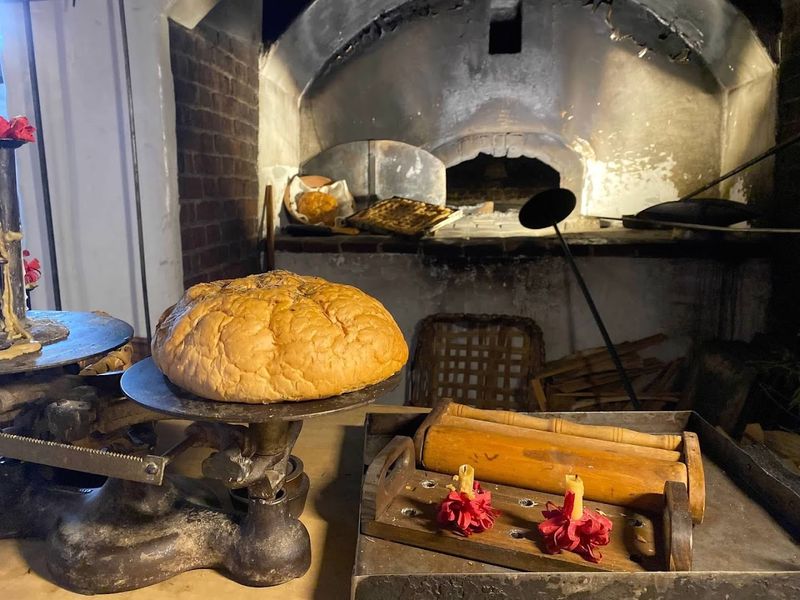
Some smells stop you in your tracks, and the warm, sugary aroma drifting from Winkler Bakery is absolutely one of them. Operating since 1800, this bakery is one of the longest-running in North Carolina and still uses its original wood-fired oven to produce authentic Moravian recipes every single day it is open.
Winkler Bakery sits at the heart of Old Salem’s foodways history. Visitors can watch bakers in period clothing shape dough and slide loaves into the massive brick oven, making it a genuinely hands-on sensory experience.
The famous Moravian sugar cake — pillowy, buttery, and dusted with cinnamon — is worth the trip alone.
Entrance to the bakery is free, so even visitors without a museum ticket can stop in and grab a treat. The thin, crispy Moravian cookies also make excellent souvenirs to bring home.
Reviewers consistently mention the bakery as a trip highlight, with one visitor calling it “pure magic.” Plan to arrive early because popular items sell out fast, especially on weekends. Winkler Bakery is proof that some traditions are simply too good to let fade away.
Single Brothers’ House: Where Young Craftsmen Learned Their Trades
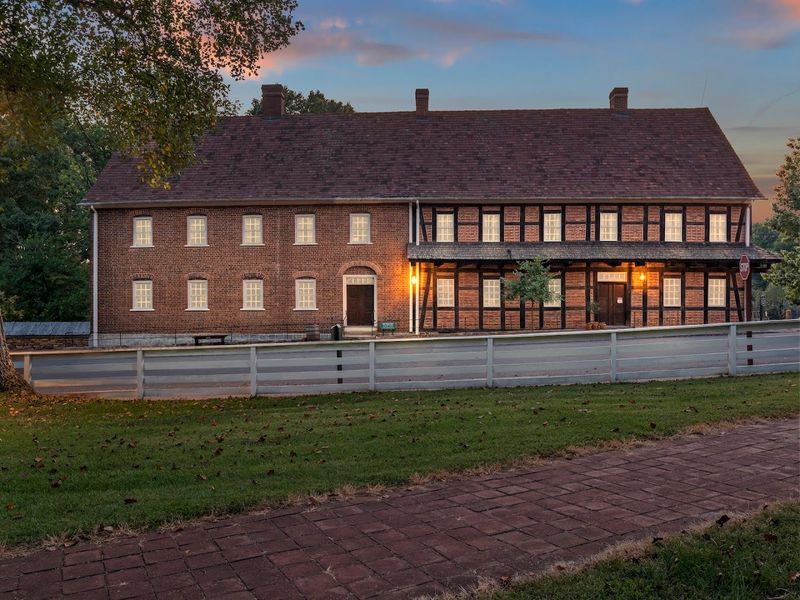
Imagine living, working, and learning all under one roof alongside dozens of other young men your age. That was everyday life inside the Single Brothers’ House, a striking structure that served as both a residence and a vocational training center for unmarried Moravian men beginning in 1769.
Inside, visitors can explore rooms dedicated to specific crafts including woodworking, shoemaking, pottery, and tailoring. Costumed interpreters demonstrate these trades using period-accurate tools and techniques, making it easy to understand just how self-sufficient the Moravian community truly was.
The building itself is a fascinating example of Germanic architecture adapted to the Carolina frontier.
One reviewer praised the woodworking demonstrations specifically, noting that staff helped teenage visitors actually craft small wood pieces themselves. That kind of hands-on engagement is rare and makes the Single Brothers’ House stand out even among Old Salem’s many excellent exhibits.
The building also anchors important conversations about Salem’s communal economic model, where skilled labor was organized, shared, and deeply valued. History fans who enjoy understanding how societies actually functioned day-to-day will find this stop especially rewarding.
Budget at least 30 to 45 minutes here to take it all in.
Costumed Historical Interpreters: Conversations That Bring the Past to Life
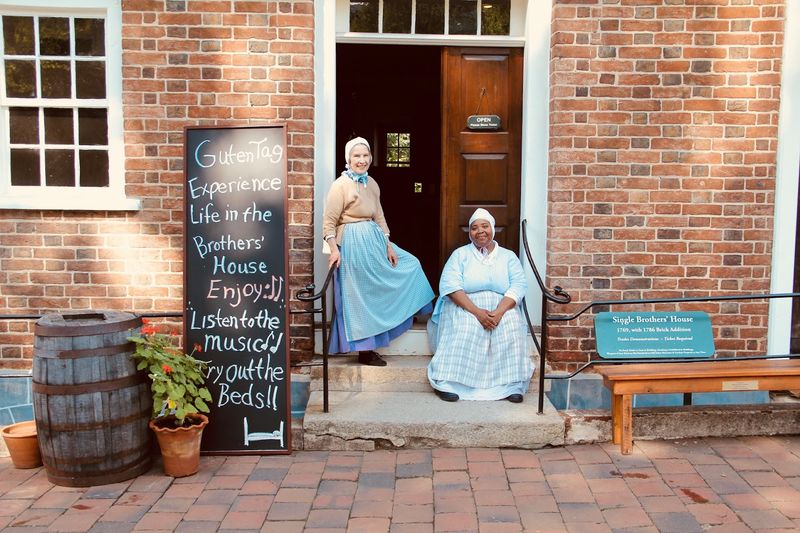
Not every museum can make you feel like you have genuinely traveled back in time, but Old Salem comes remarkably close, largely because of its exceptional team of costumed historical interpreters. These knowledgeable storytellers dress in authentic period clothing and spend their days fully immersed in the roles of 18th-century Moravian residents.
Visitors consistently rave about the interpreters in reviews. One guest wrote about the “passion each interpreter brought to their work,” while another specifically shouted out Brother DJ and Sister Stacy at the Salem Tavern for making the group feel like they had truly stepped into another era.
The interpreters do not just recite facts; they engage visitors in genuine conversation, answer questions thoughtfully, and adapt their stories to audiences of all ages.
Kids especially respond well to this style of living history because it feels more like meeting a real person than sitting through a lecture. The interpreters are also rigorously trained, so the historical details they share are accurate and meaningful.
If you want to get the most out of your visit, do not be shy about asking questions. Every conversation with an interpreter is a chance to learn something genuinely surprising about Moravian life.
The Museum of Early Southern Decorative Arts: A Treasure Trove of Regional Craftsmanship
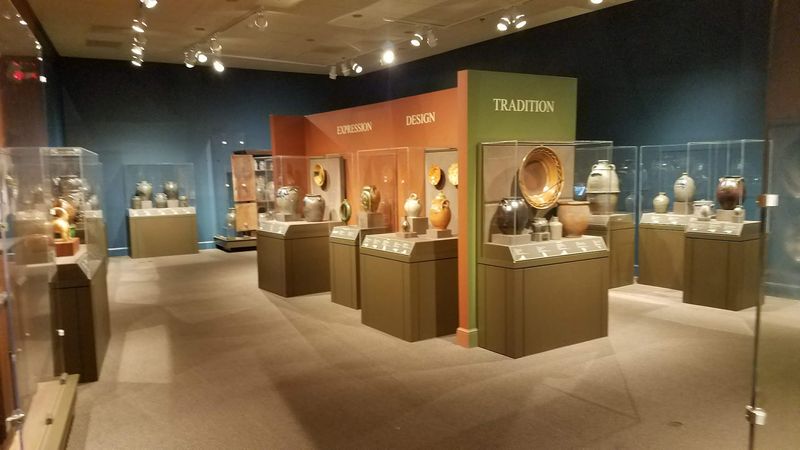
Hidden in plain sight within the Old Salem campus, the Museum of Early Southern Decorative Arts — known as MESDA — is a world-class collection that many first-time visitors do not even realize is there. Founded in 1965, it houses one of the most significant collections of furniture, ceramics, textiles, and metalwork made in the American South before 1860.
What sets MESDA apart from typical art museums is its commitment to regional identity. Every piece in the collection was made south of the Mason-Dixon Line, giving visitors a clear picture of how Southern craftspeople developed their own distinct artistic traditions separate from New England or European influences.
The period room installations are particularly striking, recreating the interiors of actual Southern homes with meticulous historical accuracy.
Researchers, collectors, and design enthusiasts travel from across the country specifically to study MESDA’s holdings, which speaks to just how seriously the institution is taken in scholarly circles. For casual visitors, the galleries offer a visually rich and deeply engaging experience that reframes what Southern history looks and feels like.
Plan to spend at least an hour here. The combination of beautiful objects and compelling stories makes MESDA one of the most underrated museum experiences in all of North Carolina.
Old Salem Gardens: Where Heirloom Plants Grow Just as They Did Centuries Ago
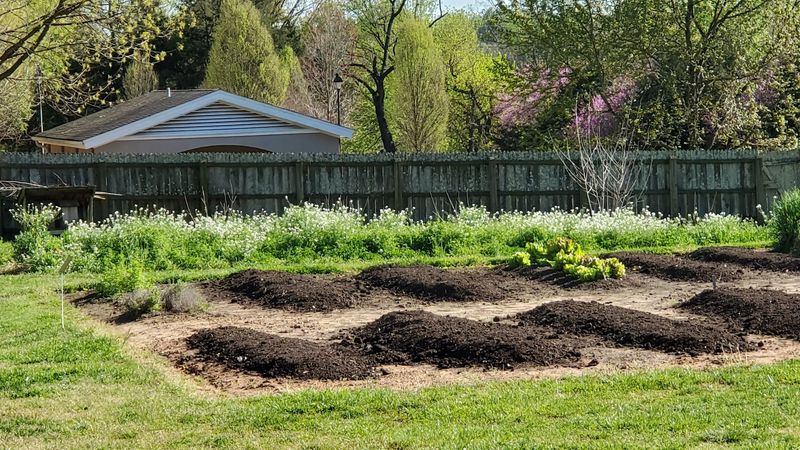
Gardens at Old Salem are not just decorative backdrops. They are living, growing pieces of historical research that tell the story of how Moravian settlers fed, healed, and sustained themselves in colonial North Carolina.
Many of the plants growing here are heirloom varieties carefully sourced to match what would have been cultivated in the 1700s and 1800s.
Each garden plot has a specific purpose, mirroring the organized, intentional approach the Moravians took to community life. Some sections focus on culinary herbs used in everyday cooking, while others feature medicinal plants that served as the community’s primary healthcare.
The visual contrast of orderly, geometric beds against the backdrop of historic brick buildings creates a scene that feels genuinely timeless.
Horticulture enthusiasts will find plenty to geek out over, but even casual visitors tend to slow down and linger here. The gardens offer a peaceful, unhurried space that feels removed from the noise of modern life.
Spring and early summer are particularly beautiful times to visit when blooms are at their peak. Entrance to the outdoor garden areas is generally free, making this a wonderful option for visitors who want to experience Old Salem’s atmosphere without purchasing a full museum ticket.
Salem Tavern: Dining and Stories in a Building George Washington Actually Visited
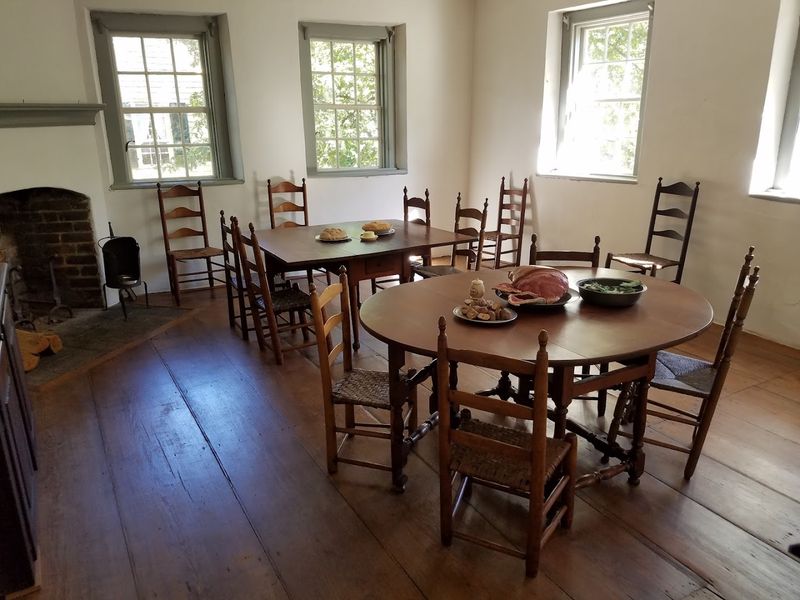
There are not many places in America where you can eat a meal in the same building that once hosted George Washington, but Salem Tavern is one of them. Washington visited Salem in 1791 during his Southern tour and stayed at this very tavern, making it one of the most historically significant structures in the entire district.
Today the tavern operates as both a museum exhibit and a dining destination, depending on the time of your visit. Costumed interpreters stationed inside bring the space to life with stories about the travelers, merchants, and community members who passed through its doors over the centuries.
Multiple reviewers have singled out the tavern interpreters as among the best at Old Salem, praising their warmth, authenticity, and storytelling ability.
The building itself is a beautiful example of Moravian construction, with thick walls, wide-plank floors, and period-appropriate furnishings that make every room feel like a movie set. Whether you stop in for a historical conversation or simply to admire the architecture, the Salem Tavern is a must-see stop on any Old Salem itinerary.
History rarely feels this tangible or this welcoming. Make sure you carve out enough time to really explore every corner of this remarkable space.
The Visitor Center: Your Perfect Starting Point for the Whole Experience
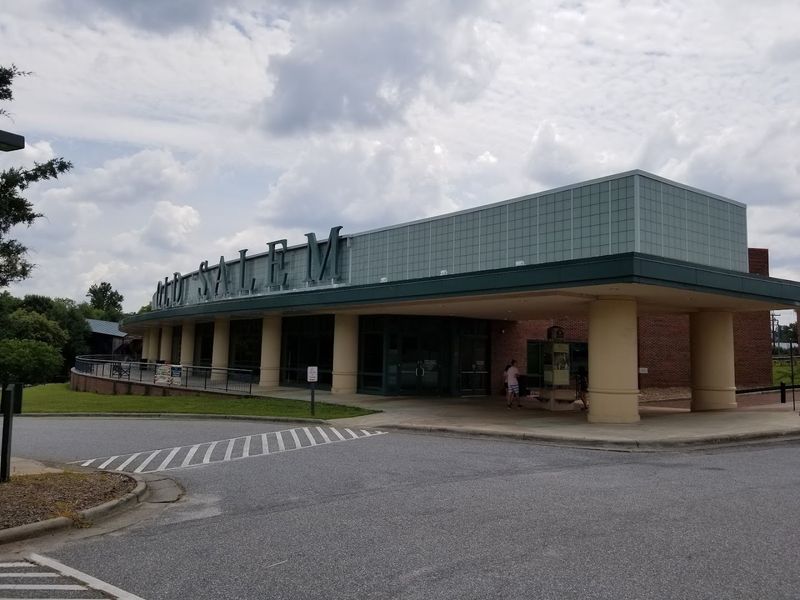
Starting your Old Salem adventure at the Visitor Center is genuinely the smartest move you can make. Located conveniently within the historic district, it is set up with helpful historical displays, maps, brochures, and friendly staff who can orient you before you set off to explore the village on your own.
Inside you will also find a gift shop stocked with books, Moravian-themed souvenirs, and local goods that make for meaningful mementos. The ticket desk is where you can purchase your all-access pass, which grants entry to the museum buildings and exhibit spaces throughout the district.
One reviewer described the Visitor Center as a “great place to start your adventure,” and that assessment is hard to argue with.
There is also an auditorium on site where orientation presentations are occasionally shown, giving newcomers helpful context about the Moravian community and what makes Old Salem historically significant. Entrance to the Visitor Center itself is free, so even if you are just passing through or planning a casual walk around the district, stopping in to grab a map is worth your time.
The staff are knowledgeable and happy to suggest which exhibits to prioritize based on your interests and how much time you have available.
Inclusive History: How Old Salem Tells the Full Story, Including Slavery
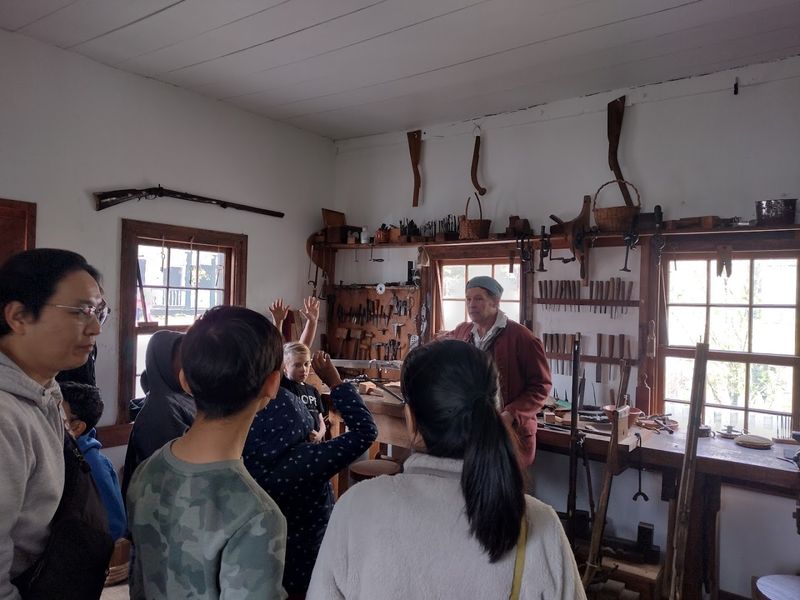
Old Salem does not shy away from the complicated parts of its history, and that honesty is one of the things that makes it genuinely exceptional. While the Moravian community was progressive in many ways — offering education to both men and women well ahead of its time — it also participated in the institution of slavery, and Old Salem addresses this directly and thoughtfully.
Exhibits and interpreter presentations foreground the stories of enslaved Black individuals and Indigenous peoples who were part of Salem’s community, ensuring that visitors leave with a complete and accurate picture rather than a sanitized one. Reviewers have praised this approach, with one noting that the site “advances an inclusive mission that foregrounds the stories of Moravian, Black, and Indigenous peoples.”
This commitment to honest, research-grounded storytelling elevates Old Salem above many living history museums that tend to present idealized versions of the past. Families visiting with older children and teenagers will find that these conversations are handled with care and age-appropriate sensitivity by the interpretive staff.
Understanding history fully, including its hardest chapters, is what allows communities to grow and learn. Old Salem’s willingness to hold that complexity is one of the most important things it offers every visitor who walks through its gates.
Architecture Walk: Stunning Moravian Buildings Frozen in the 18th Century
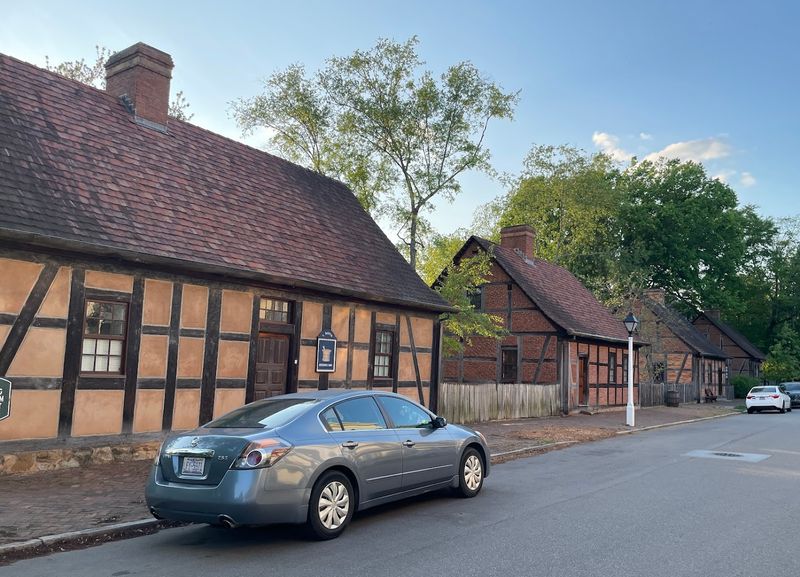
Even if you never step inside a single museum building, walking the streets of Old Salem is a jaw-dropping architectural experience all on its own. The district contains dozens of remarkably well-preserved structures dating from the late 1700s and early 1800s, ranging from modest timber-frame homes to grand brick community buildings.
The Moravians were meticulous builders who blended German construction traditions with locally available materials, creating a visual style unlike anything else in North Carolina. Details like hand-forged iron hardware, thick masonry walls, and multi-pane windows give each building a sense of weight and permanence that feels almost out of place in modern America.
Walking between them feels less like sightseeing and more like genuinely inhabiting a different century.
Architecture enthusiasts will want to bring a camera because every block offers a new composition worth capturing. Even visitors who do not typically think of themselves as architecture fans tend to find themselves slowing down to look more closely at cornices, doorways, and rooflines.
The outdoor walking experience is completely free, making it an accessible option for all budgets. One reviewer summed it up perfectly: “It all looks so real and authentic.” That authenticity is not accidental; it is the result of decades of careful, dedicated preservation work.
Planning Your Visit: Tips, Tickets, and Timing for the Best Experience
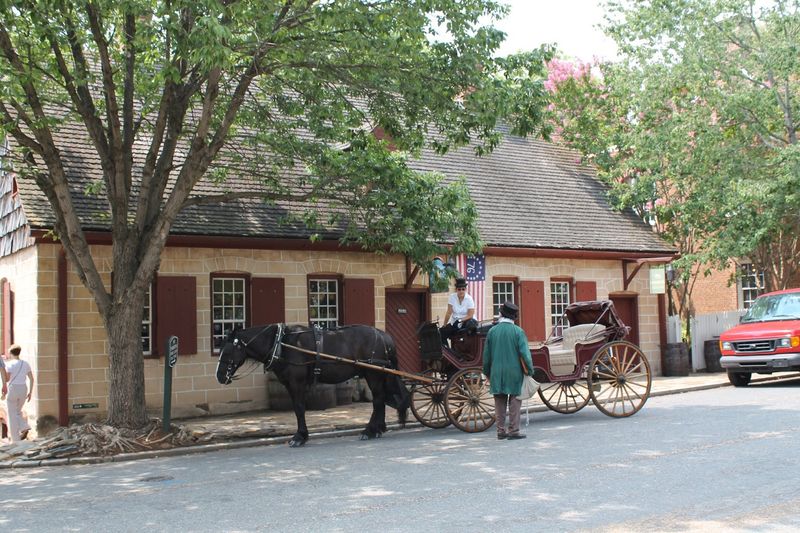
Getting the most out of Old Salem comes down to a little bit of planning, and the good news is that the logistics are pretty straightforward. The museum is open Wednesday through Saturday, with hours running from 9 AM to 4 PM on weekdays and 10 AM to 4 PM on Saturdays.
Arriving early is strongly recommended because some buildings close for a midday lunch break around noon and reopen at 1:15 PM.
Ticket prices vary depending on how many buildings you want to access. An all-access pass is widely recommended by reviewers for history lovers who want to see everything.
Walking around the outdoor district, visiting the bakery, and browsing the gift shop are all free, which makes Old Salem accessible even for budget-conscious visitors. The total walking distance through the village is approximately one mile, so wear comfortable shoes.
Families with strollers or wheelchair users should be aware that the historic cobblestone streets can be uneven and challenging to navigate. Fall and spring are considered peak seasons, so expect larger crowds between mid-October and December and again from March through July.
Weekday visits tend to be quieter and more relaxed. The museum is located at 900 Old Salem Rd, Winston-Salem, NC, and can be reached at +1 336-721-7350 for any questions before your trip.