Some restaurants make an impression before you even park, and Gamekeeper Restaurant does exactly that. Hidden along a winding mountain road near Boone, it feels like a secret you are lucky enough to stumble upon.
The setting, the stone cottage, and the slow, cozy rhythm all work together to make dinner feel like an escape. If you love places that seem fully shaped by their surroundings, this one is hard to forget.
The Road Becomes the Appetizer
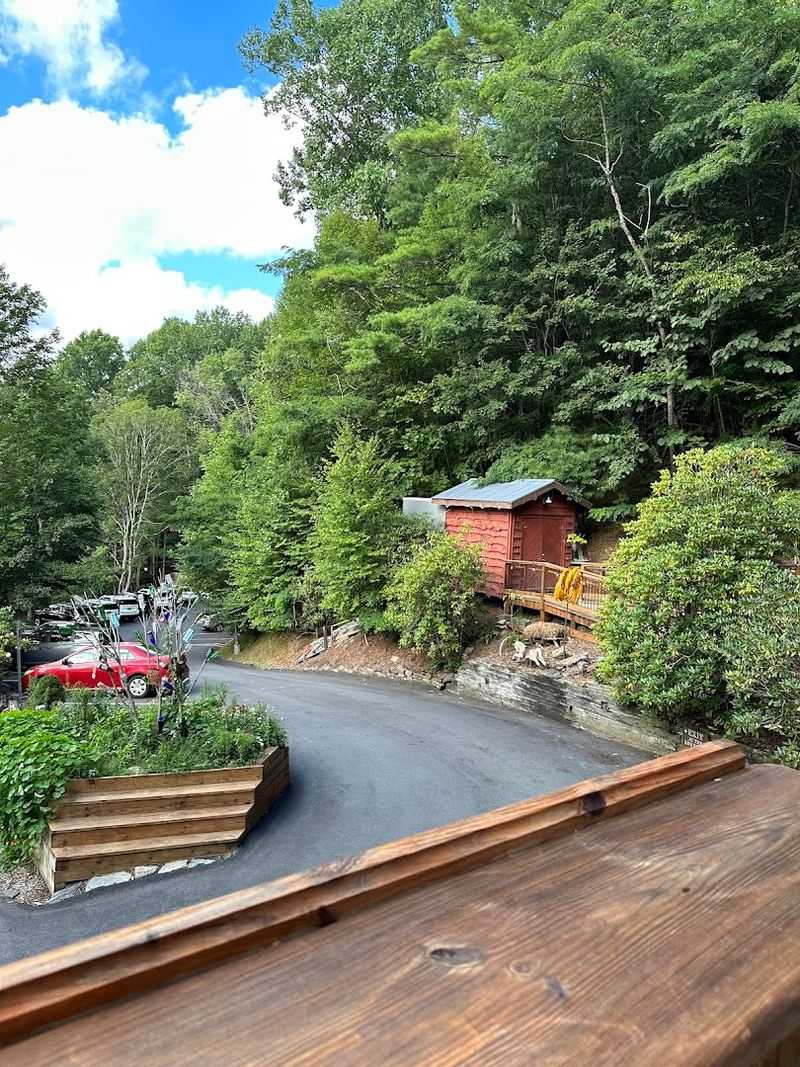
Getting to Gamekeeper Restaurant feels like the first course of the evening, because Shulls Mill Road slowly pulls you away from ordinary errands and into something quieter. As the trees close in and the elevation shifts, the drive starts to feel less like transportation and more like a transition into mountain time.
I love how the last stretch makes you pay attention, because it clears your head before dinner even begins.
There are fewer reminders of town life the deeper you go, and that separation gives the restaurant a sense of discovery that chain dining could never fake. By the time you arrive, you are already tuned to the landscape, watching the woods, the hillside, and the fading light with a little more care.
That hidden quality is a huge part of why Gamekeeper feels memorable, because the meal starts long before the first plate reaches the table.
A Stone Cottage With Mountain Gravity
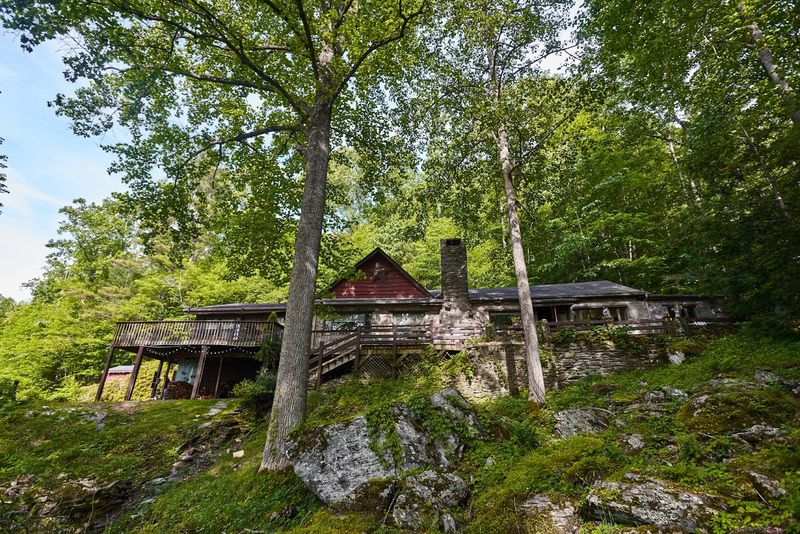
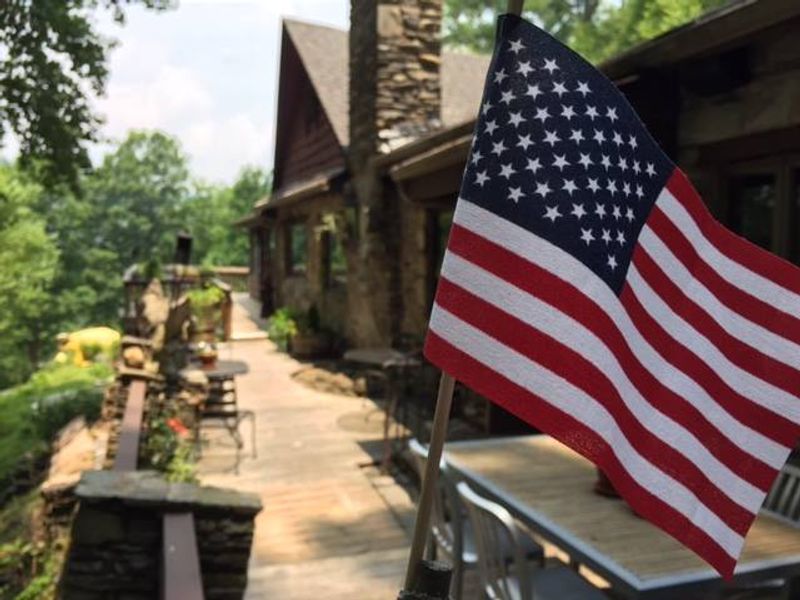
The exterior of Gamekeeper Restaurant has the kind of presence that does not need to shout. Set into the mountainside in a historic stone cottage, it looks grounded, weathered, and completely at home among the rocks and trees around it.
You can tell right away that this is not a restaurant trying to imitate rustic style, because the building already carries that history in its walls.
I find that the best part is how naturally it blends into the setting while still announcing itself as somewhere special. The stone, the uneven terrain, and the tucked-away position all make it feel like a place discovered rather than manufactured.
Even before you step inside, Gamekeeper gives off a strong sense of permanence, as if dinners, celebrations, and quiet evenings have been gathering here for decades without ever disturbing the mountain mood.
Inside Feels Like Firelight Without the Rush
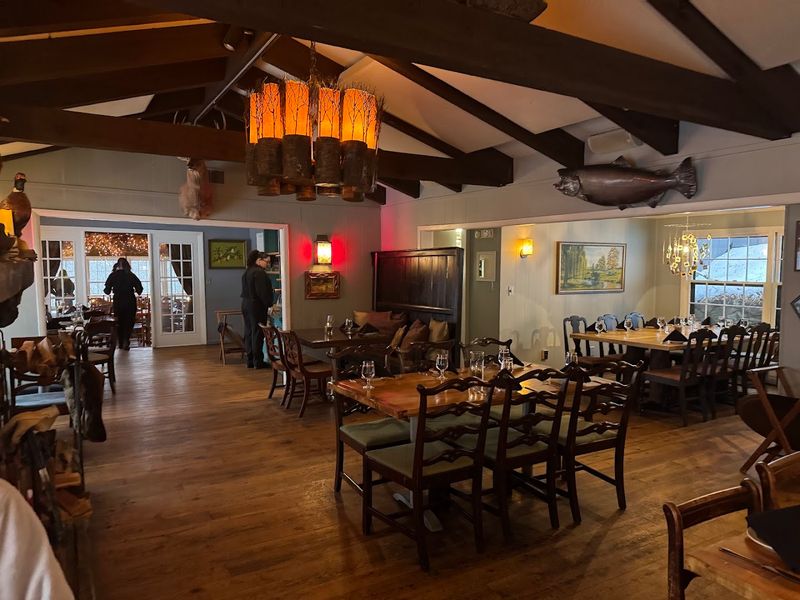
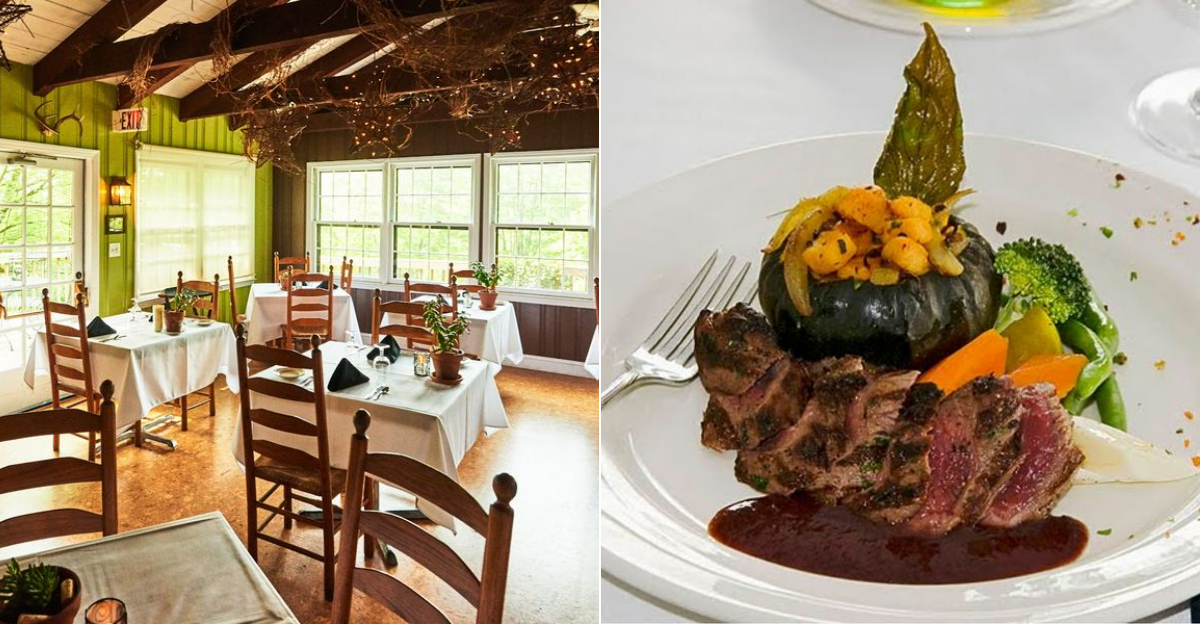
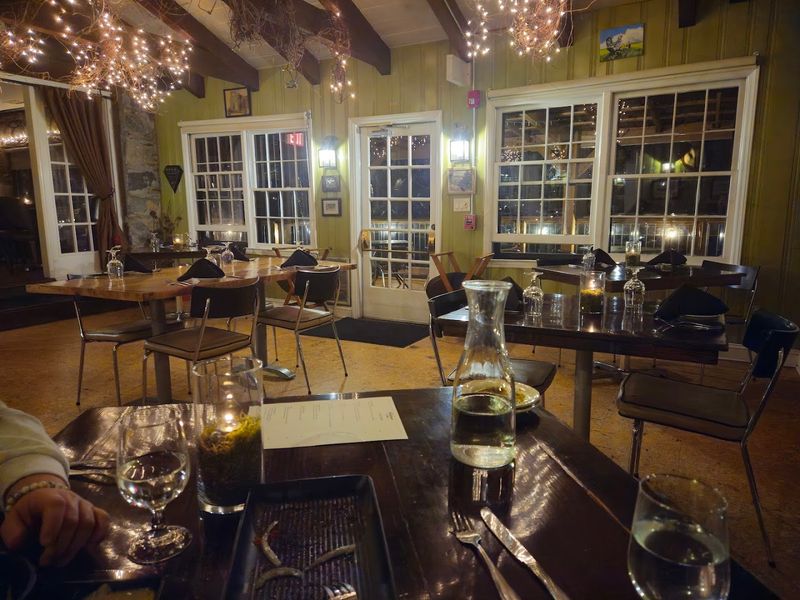
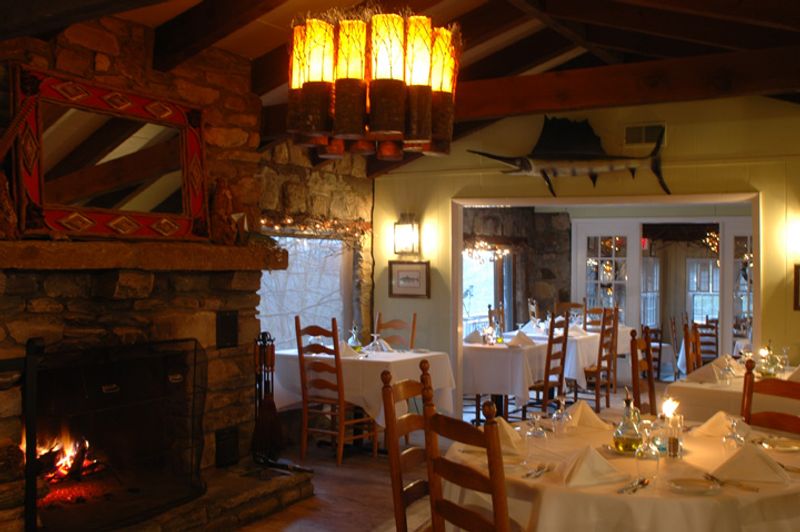
Walking into Gamekeeper Restaurant feels like stepping into warmth that has been carefully arranged but never overdesigned. The wood interiors, stone details, and soft lighting create a room that is cozy without becoming heavy or theatrical.
I noticed right away that the space encourages you to settle in, lower your voice a little, and let the evening unfold at its own pace.
There is a hunting-lodge elegance here, but it never turns stiff or overly formal, which makes the room more inviting than intimidating. The glow from fireplaces and lamps softens everything, from the tables to the beams overhead, and gives dinner a steady, unhurried rhythm.
For you, that means the atmosphere supports the food instead of competing with it, and that balance is a big reason the restaurant feels comforting from the first few minutes.
Windows That Serve the Mountains Too
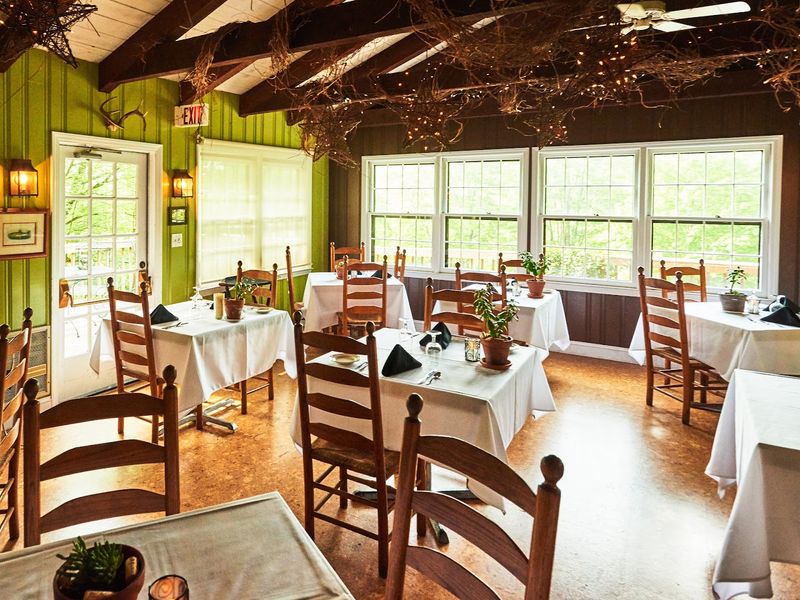
One of the quiet pleasures of Gamekeeper Restaurant is how often the outside landscape remains part of the meal. Many tables look toward trees, rock, and mountainside slopes, so even when you are indoors, the forest still feels close enough to shape the evening.
I think that connection matters, because it keeps the restaurant from feeling sealed off from the place that gives it character.
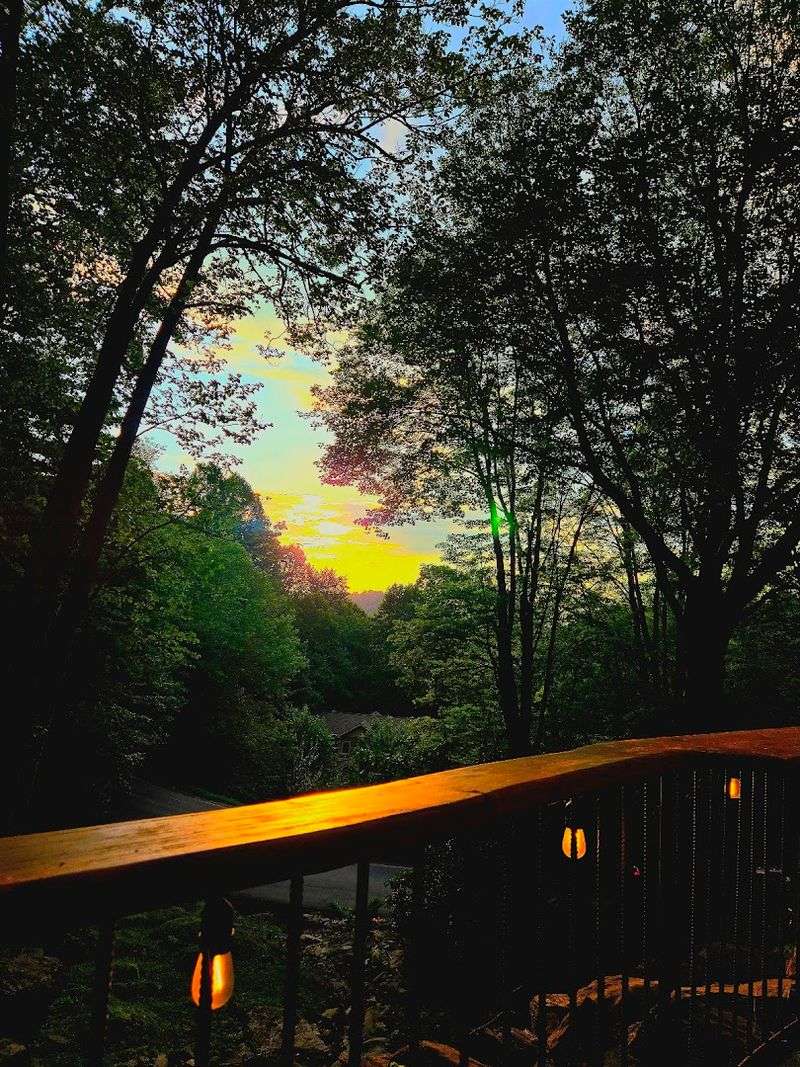
As daylight fades, the contrast becomes especially beautiful, with cool blues and greens outside meeting the warm amber glow inside. That shift makes dinner feel a little cinematic without becoming staged, and it adds a calm backdrop to conversation, wine, and lingering courses.
If you catch a sunset view or even a simple dimming treeline, the room suddenly feels more intimate, as though the mountains themselves are helping set the pace for the night.
The Menu That Refuses to Be Boring
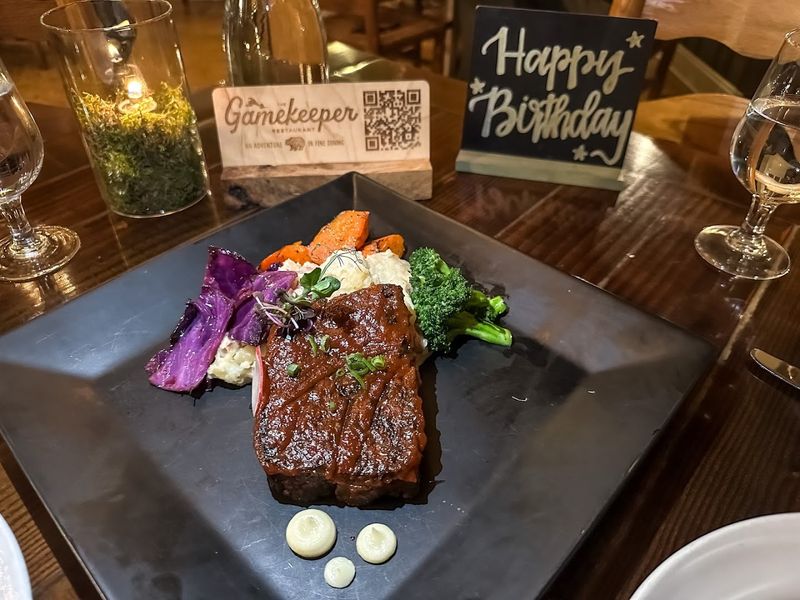
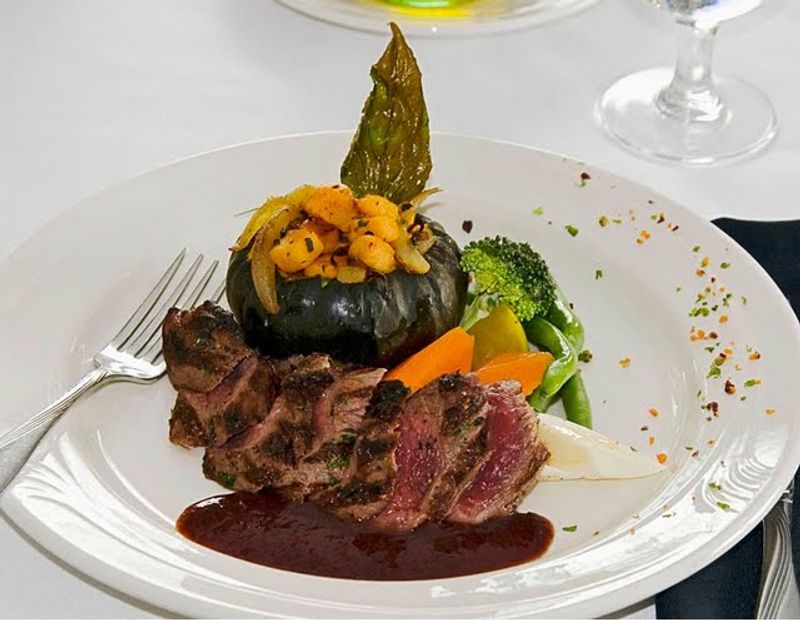
Gamekeeper Restaurant has built its identity around wild game, and that choice immediately separates it from the usual mountain dinner stop. Elk, venison, bison, duck, and other less common proteins make the menu feel adventurous, but the kitchen presents them with enough care that the experience stays approachable.
I appreciate that you do not have to be an expert in game meats to enjoy the meal, because curiosity is enough to get started.
Instead of leaning on novelty alone, the restaurant treats these ingredients with the kind of seriousness that fine dining deserves. The dishes feel thoughtful, balanced, and rooted in technique, which is why first-timers often leave feeling pleasantly surprised rather than overwhelmed.
For anyone tired of predictable steakhouse repetition, this menu offers something more memorable, where the thrill comes not just from what is rare, but from how confidently it is prepared.
Sides That Smell Like the Region
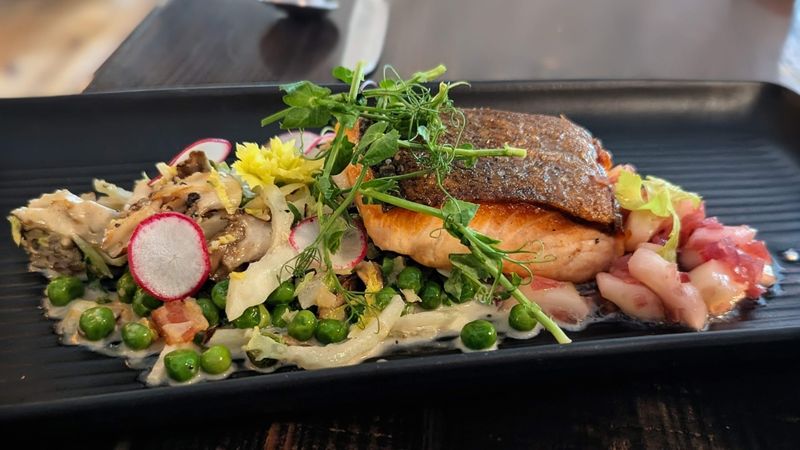
What makes the food at Gamekeeper Restaurant feel complete is that the supporting flavors carry as much mountain personality as the main proteins. Seasonal vegetables, hearty sides, rich sauces, and local ingredients keep the plates grounded in the Blue Ridge setting instead of drifting into trend-chasing fine dining.
I like that the food feels connected to place, because it gives the menu depth beyond the novelty of game.
The farm-to-table approach is noticeable in a practical way, not a preachy one, with regional produce, cheeses, eggs, and carefully sourced meats appearing throughout the meal. Smoking, curing, preserving, and wood-fired cooking add another layer of character that fits the restaurant’s rustic surroundings beautifully.
When you taste a plate here, it often feels like the mountain climate, the local farms, and the stone cottage are all speaking the same culinary language, and that consistency is deeply satisfying.
An Unhurried Clock in a Fast World
One of the most appealing things about Gamekeeper Restaurant is that dinner is allowed to breathe. Courses arrive at a comfortable pace, conversations stretch naturally, and nobody seems interested in flipping the table for the next reservation the second you set down your fork.
I think that slower rhythm changes the entire experience, because it invites you to notice more than just what is on the plate.
In a world where so many meals feel compressed into a schedule, this place offers the opposite kind of luxury. You have time to ask questions, to sip a cocktail without rushing, and to let the room’s warmth settle in around you as the evening develops.
That pacing feels especially right in the mountains, where the setting already encourages you to slow down, and Gamekeeper smartly lets the service mirror the landscape instead of fighting against it.
Servers Who Translate the Wild Side
Because Gamekeeper Restaurant serves dishes that many people do not order every day, the staff plays an important role in making the experience feel comfortable. Servers are known for explaining the menu, offering thoughtful suggestions, and helping first-time guests choose something that matches their comfort level without making the meal feel overly serious.
I find that kind of guidance especially valuable here, because a little confidence can turn hesitation into excitement.
It is one thing to serve unusual ingredients, but it is another to present them with warmth and clarity, and Gamekeeper seems to understand that difference. The hospitality helps bridge the gap between curiosity and commitment, especially if you are unsure how elk differs from bison or whether a sampler is the better starting point.
That personal attention makes the restaurant feel welcoming rather than exclusive, which is exactly what adventurous dining should feel like at its best.
The Quiet Has Its Own Flavor
There is a kind of quiet at Gamekeeper Restaurant that feels increasingly rare, especially in popular dining rooms. You hear conversation, glassware, and the occasional note of soft music, but the overall sound stays controlled enough that the room never tips into chaos.
I think that calm is part of the restaurant’s appeal, because it makes the mountain setting feel present even once the dining room fills up.
Instead of depending on loud energy, the atmosphere leans into subtle details like low jazz, gentle lighting, and the natural murmur of people enjoying themselves without competing for attention. That creates space for real conversation, which suits the restaurant’s slower pace and thoughtful menu perfectly.
For you, the effect is simple but powerful: dinner feels removed from busier, brighter places, and that distance allows the entire experience to feel more restorative than just impressive.
Every Season Rewrites the Same Story
Gamekeeper Restaurant changes with the seasons in a way that keeps the experience fresh while preserving its core identity. In colder months, the fireplaces, wood interiors, and stone structure feel especially comforting, turning dinner into a retreat from the mountain chill.
I can easily see why winter visits leave such a strong impression, because the contrast between the cold outside and the warmth indoors is almost theatrical.
When the weather turns greener, the surrounding foliage becomes more visible and the restaurant takes on a different kind of charm. The views feel fuller, the exterior seems even more embedded in the landscape, and the overall mood becomes lighter without losing its rustic depth.
That seasonal flexibility is part of what makes Gamekeeper feel alive rather than fixed, because whether you arrive in leaf season, summer, or winter, the place still feels true to itself.
Why This Place Stays With You
What makes Gamekeeper Restaurant distinct is not just one dish, one room, or one scenic detail, but how consistently everything reflects its location. The mountain road approach, the historic stone cottage, the warm wood interiors, the forest views, and the game-focused menu all feel connected rather than assembled from separate ideas.
I think that coherence is what turns a good dinner into a place you keep thinking about long after the drive back.
Plenty of restaurants have atmosphere, and others have strong food, but this one ties setting and identity together in a way that feels unusually complete. Even its slower service, seasonal shifts, and knowledgeable staff reinforce the same message: you are here for a mountain experience, not just a meal.
That is why Gamekeeper has the feeling of a destination instead of a stop, and why it stands out so clearly in North Carolina’s restaurant landscape.