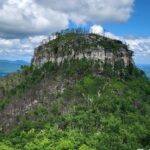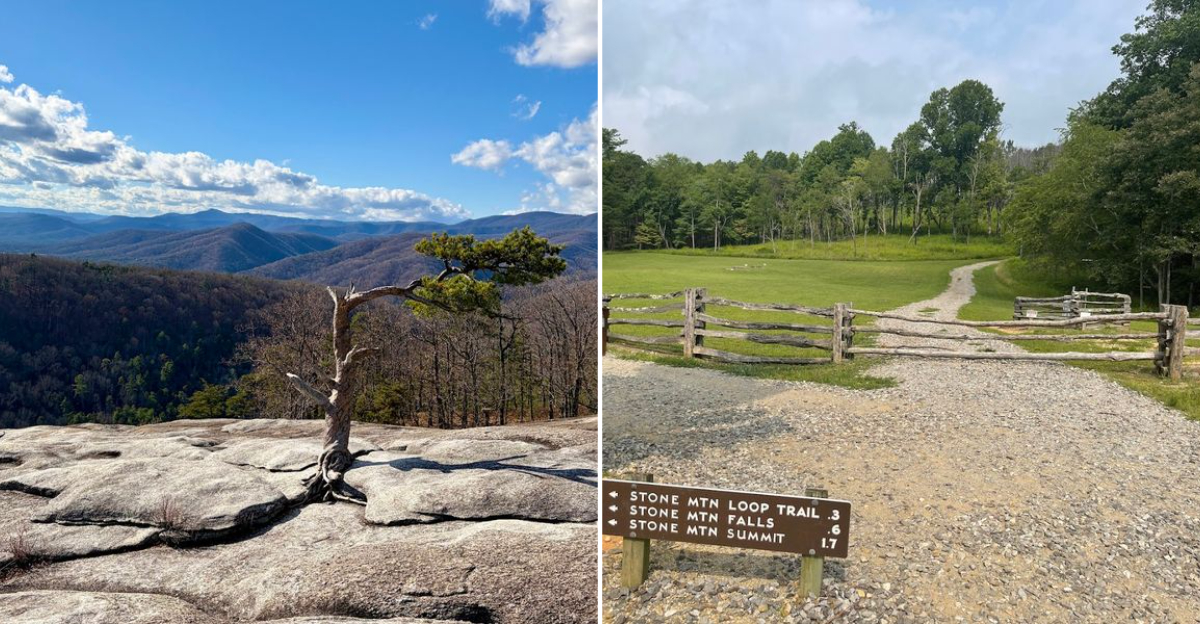
Tucked away in the northwestern corner of North Carolina lies a natural wonder that often gets overshadowed by its more famous neighbors along the Blue Ridge Parkway. Stone Mountain State Park in Roaring Gap spans over 14,000 acres of pristine wilderness, featuring a stunning 600-foot granite dome that rises dramatically from the forest floor.
While many travelers rush past this hidden gem on their way to busier destinations, those who stop discover waterfalls, historic homesteads, and panoramic mountain views that rival any scenic spot in the state. Whether you’re an experienced hiker seeking challenging trails or a family looking for an easy outdoor adventure, this remarkable park offers something special for everyone.
The Magnificent Granite Dome
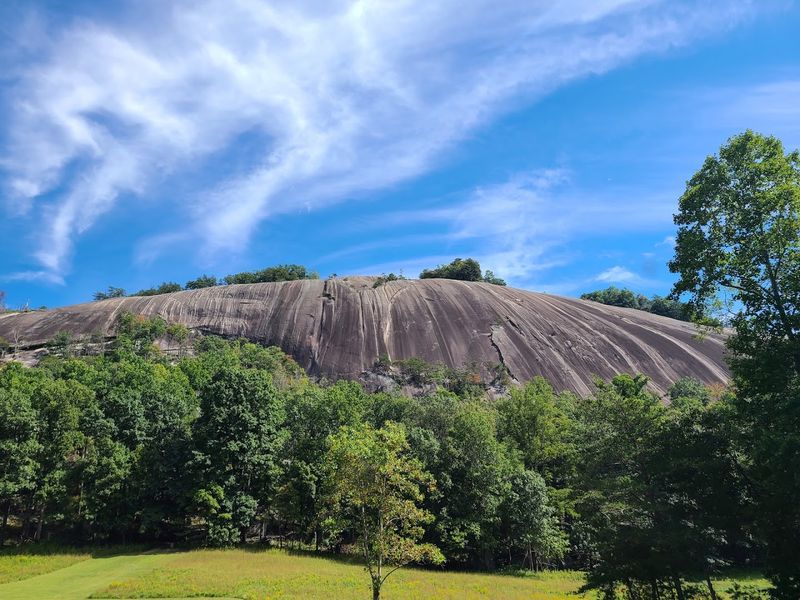
Towering 600 feet above the surrounding forest, a massive bald granite dome commands attention the moment you enter the park. This geological marvel formed millions of years ago and creates one of the most distinctive landmarks in North Carolina’s mountain region.
The exposed rock face glows golden during sunrise and sunset, creating photo opportunities that capture the raw beauty of nature’s architecture.
Reaching the summit takes about 50 minutes for most hikers, covering 1.7 miles of moderately challenging terrain. Once at the top, panoramic views stretch for miles in every direction, revealing layer upon layer of Blue Ridge Mountains fading into the distance.
Many visitors describe the feeling as standing on top of the world, especially when clouds drift below the peak.
Rock climbers with proper permits can tackle the sheer face itself, finding various routes that test their skills and courage. The granite provides excellent grip and numerous challenging paths.
Even if climbing isn’t your thing, watching skilled climbers scale this natural monument adds another dimension to your visit and showcases the park’s versatility for outdoor enthusiasts.
Stone Mountain Falls
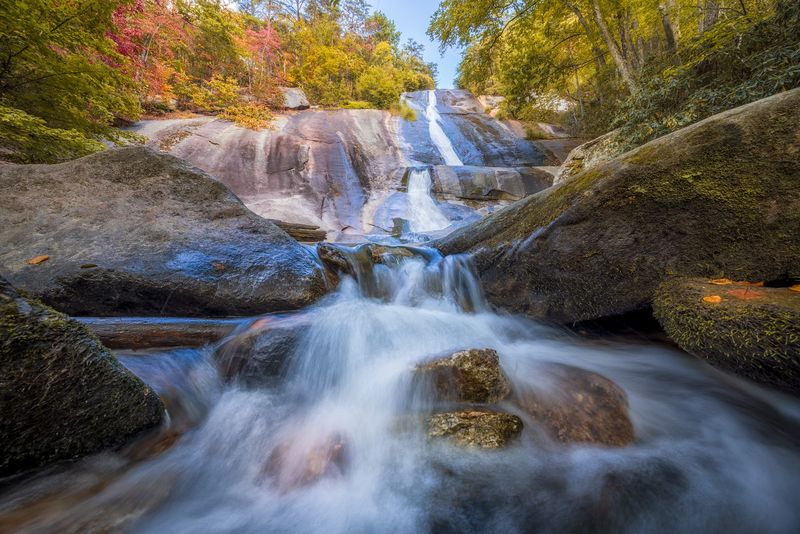
Water thunders down a dramatic 200-foot cascade, creating a symphony of sound that echoes through the canyon long before the falls come into view. This spectacular waterfall ranks among North Carolina’s most impressive natural features, yet it remains surprisingly uncrowded compared to other famous cascades in the state.
The combination of massive boulders, rushing water, and surrounding forest creates a scene straight from a wilderness postcard.
The falls are accessible via the Stone Mountain Loop Trail, though note that access occasionally closes for trail maintenance or safety concerns. When open, hikers are rewarded with viewing areas that allow safe observation from multiple angles.
Driftwood and smooth rocks near the base provide natural seating where visitors can rest and absorb the waterfall’s mesmerizing power.
Spring brings the most dramatic water flow as snowmelt and rain feed the cascade, making it thunder with impressive force. Summer offers a gentler experience where the cooling mist provides welcome relief from heat.
Photographers love capturing the falls in autumn when colorful leaves frame the white water, creating stunning contrasts that showcase nature’s artistic palette perfectly.
The Historic Homestead Area
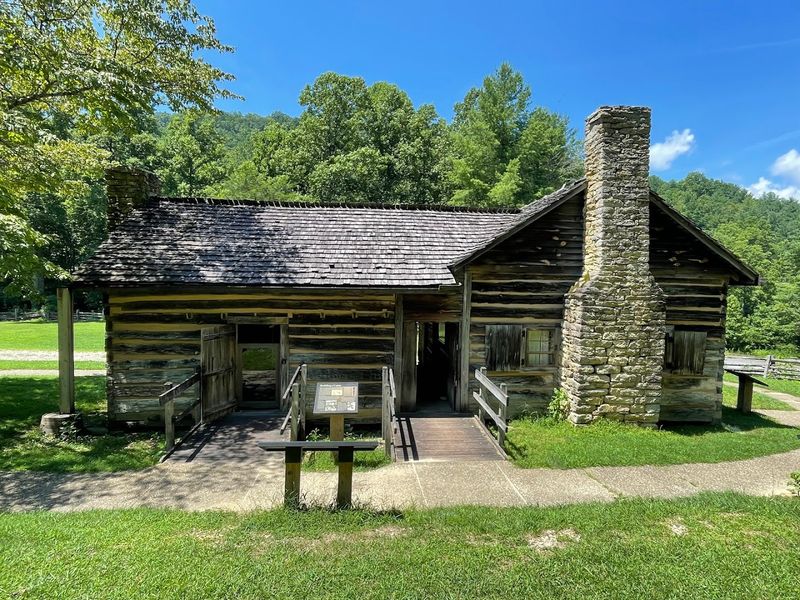
Step back in time where preserved buildings from the 1800s stand as silent witnesses to mountain life before modern conveniences existed. These authentic structures, carefully maintained by park rangers, tell stories of families who carved out lives in this rugged wilderness.
Walking among the weathered log cabins and outbuildings feels like opening a window into North Carolina’s pioneer past.
Located at the base of the granite dome, the homestead area is accessible both by hiking trails and via a handicap-accessible route. This thoughtful design ensures everyone can experience this living history museum regardless of mobility challenges.
Educational signs throughout the area explain how residents farmed, cooked, stored food, and survived harsh mountain winters with only basic tools and determination.
Children especially love exploring these old buildings, imagining what daily life meant without electricity, running water, or nearby stores. The homestead provides tangible connections to history that textbooks simply cannot match.
Rangers occasionally offer guided tours sharing fascinating details about the families who lived here, what crops they grew, and how they interacted with the surrounding wilderness that both provided for and challenged them daily.
Stone Mountain Loop Trail
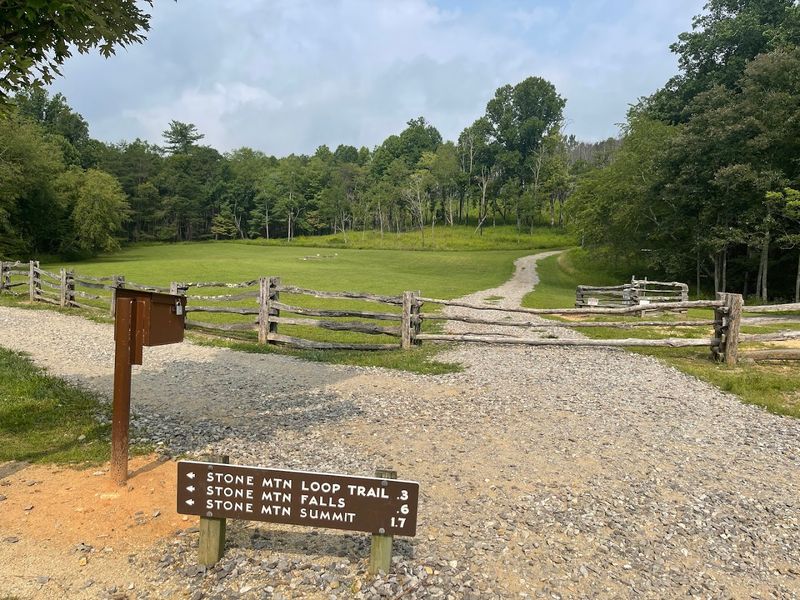
Winding through diverse terrain, this 4.5-mile circuit offers arguably the most complete park experience available in a single hike. Marked by orange circles, the trail delivers constantly changing scenery that keeps hikers engaged from start to finish.
Unlike many loop trails that feel repetitive, this route showcases waterfalls, summit views, forest paths, and historic sites in one rewarding journey.
Starting from the upper trailhead, experienced hikers recommend going counterclockwise by turning right at the beginning. This direction tackles the more challenging sections first while energy levels are highest, then rewards tired legs with easier terrain toward the end.
The summit portion requires some climbing effort, but countless hikers confirm the panoramic views make every step worthwhile.
Budget approximately four to four and a half hours for the complete loop if you plan to stop, rest, and truly appreciate each highlight. Rushing through defeats the purpose of experiencing everything this trail offers.
Bring plenty of water, snacks, and a camera because photo opportunities appear around nearly every bend, from distant mountain vistas to intimate woodland scenes that capture the park’s incredible natural diversity.
Widow Creek Falls
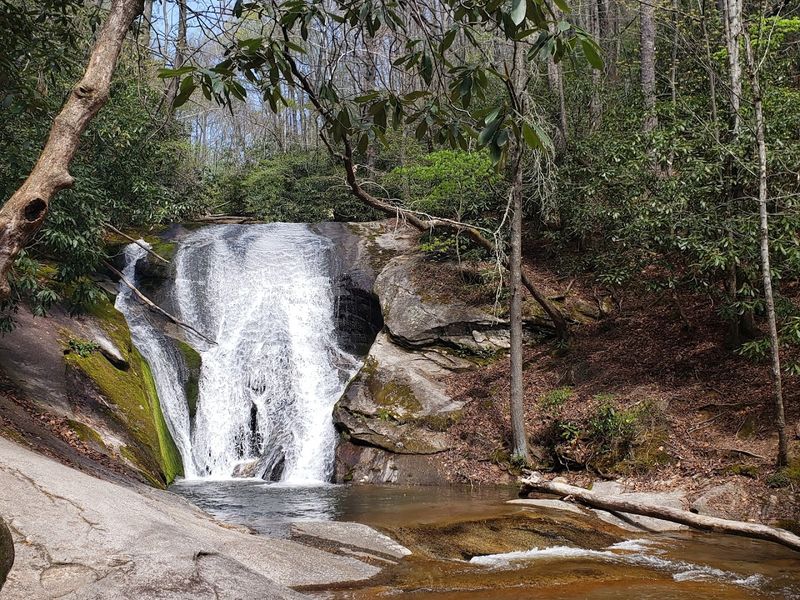
When traveling with young children or visitors with limited mobility, finding beautiful waterfalls that don’t require strenuous hikes can feel impossible. Widow Creek Falls breaks that pattern by offering one of the park’s most accessible natural attractions.
A short, relatively easy walk leads to this lovely cascade, making it perfect for families with toddlers or anyone seeking waterfall beauty without the workout.
The falls themselves create a peaceful scene where water tumbles over rocks into a clear pool below. While not as massive as Stone Mountain Falls, Widow Creek possesses its own charm and intimate beauty.
Many visitors specifically mention this spot in reviews as an ideal place to introduce children to hiking and waterfall exploration without overwhelming them.
During summer months, the area provides wonderful opportunities for cooling off and enjoying a picnic near the water. The gentle sound of cascading water creates natural white noise that melts away stress and modern worries.
Some reviewers suggest visiting Widow Creek Falls during leaf-changing season when autumn colors reflect in the water, though the falls look beautiful year-round and offer different experiences depending on seasonal water levels and surrounding foliage.
Camping Facilities and Grounds
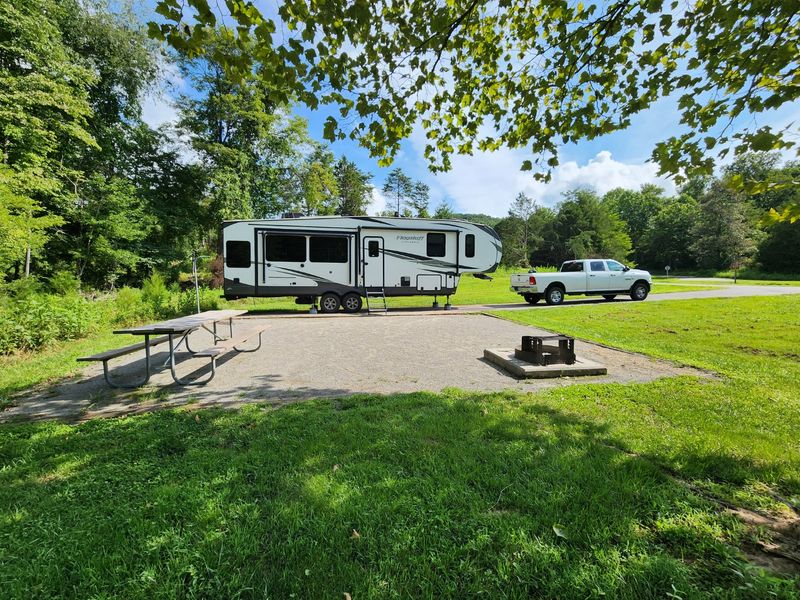
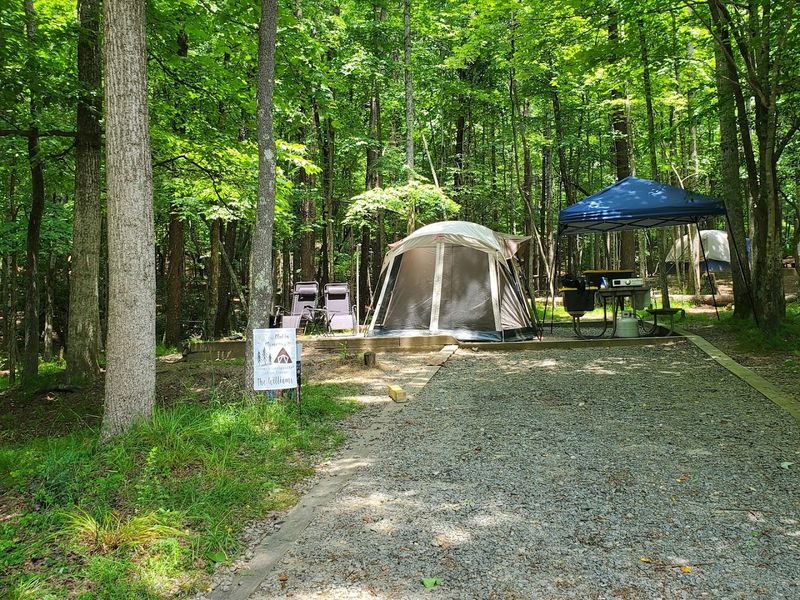
Imagine waking to birdsong and mountain air, stepping outside your tent or RV to find yourself surrounded by pristine wilderness. The park’s camping facilities have earned praise from countless visitors who appreciate the thoughtful layout and well-maintained amenities.
Sites are generously spaced, offering privacy that many modern campgrounds lack, with natural brush providing buffers between neighbors.
Both RV and tent sites are available, with some offering full hookups including water and electricity. The RV areas feature level gravel and paved pads, making setup considerably easier than many mountain campgrounds.
Site 54, located near a peaceful creek and charming bridge, receives particular mentions from repeat campers who love the soothing water sounds as their nighttime soundtrack.
Bathhouse facilities stay remarkably clean with multiple toilets, showers, and sinks in the RV section. While the push-button showers and fixed water temperature receive occasional complaints, most campers consider these minor inconveniences compared to the overall quality and beauty of the camping experience.
The park sells firewood and ice at the check-in office, eliminating the need to haul supplies from town for those spontaneous campfire evenings under star-filled mountain skies.
Rock Climbing Adventures
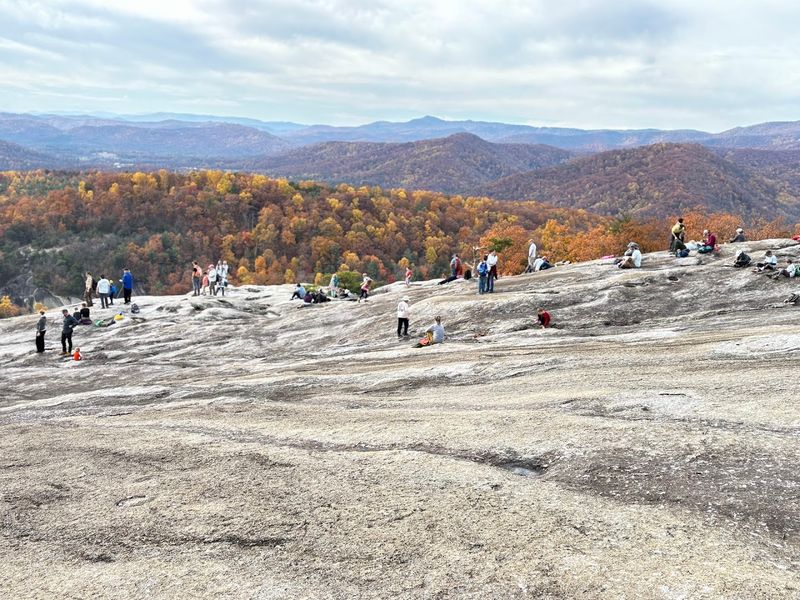
Vertical granite faces present irresistible challenges for climbers seeking to test their skills against ancient stone. The park’s massive dome offers various climbing routes that attract enthusiasts from across the region, each route presenting unique technical demands and rewards.
Proper permits are required before attempting climbs, ensuring safety protocols are followed and the park can monitor climbing activity.
Routes range across difficulty levels, though the sheer scale and exposed nature of the granite face mean climbing here demands solid skills and proper equipment. The rock’s composition provides excellent friction and numerous holds, making it technically rewarding for those with appropriate experience.
Watching climbers inch their way up the imposing face adds drama to any visit, even for ground-bound observers.
Safety remains paramount, and the park emphasizes following all climbing regulations and guidelines. Climbers must bring their own gear and ideally climb with experienced partners who understand mountain rescue procedures.
The reward for successful climbs extends beyond personal achievement; reaching the top via climbing routes offers unique perspectives impossible to gain from hiking trails. Both climbing and watching climbers adds another layer to understanding why this granite dome captivates so many outdoor adventure seekers.
The Summit Panoramas
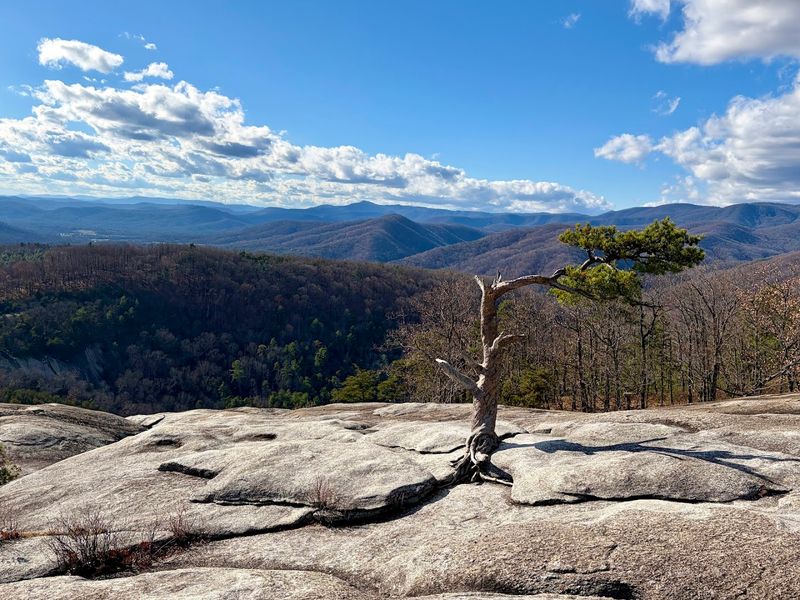
Standing atop the bare granite peak feels like touching the sky itself. Once you complete the challenging climb, a 360-degree vista unfolds that stretches across three states on clear days.
The rewarding views make every step of the upward journey worthwhile.
Brilliant blue ridges roll endlessly toward distant horizons while puffy clouds cast shadows across the valleys below. Hawks circle on thermal currents at eye level, and the wind whispers stories across the exposed stone.
Early morning climbers witness spectacular sunrises that paint the mountains in shades of pink and gold.
Pack plenty of water and start early during summer months when afternoon heat intensifies on the exposed rock face. The final push requires scrambling over smooth granite, so wear shoes with good grip.
Most visitors spend at least thirty minutes soaking in the incredible scenery before beginning their descent back through the shaded forest.
The Backcountry Campsites
Far beyond the developed campground, primitive sites scattered throughout the park’s wilderness offer true solitude seekers an unforgettable overnight experience. These designated spots require hiking several miles with everything you need on your back.
Permits are free but required, helping rangers manage visitor impact across these fragile mountain ecosystems.
Creek-side locations provide soothing water sounds throughout the night while sheltered forest sites offer protection from mountain weather. Each designated area accommodates just a few tents, ensuring your camping neighbors won’t crowd your wilderness escape.
Star-filled skies shine brilliantly without light pollution to dim their sparkle.
Remember that backcountry rules apply strictly here. Pack out everything you pack in, including all trash and toilet paper.
Campfires are only allowed in existing fire rings during permitted seasons. Proper food storage protects both wildlife and your supplies from curious nighttime visitors exploring the forest.