
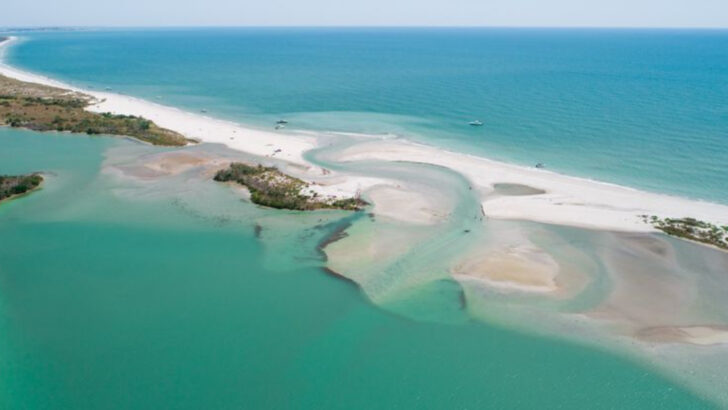
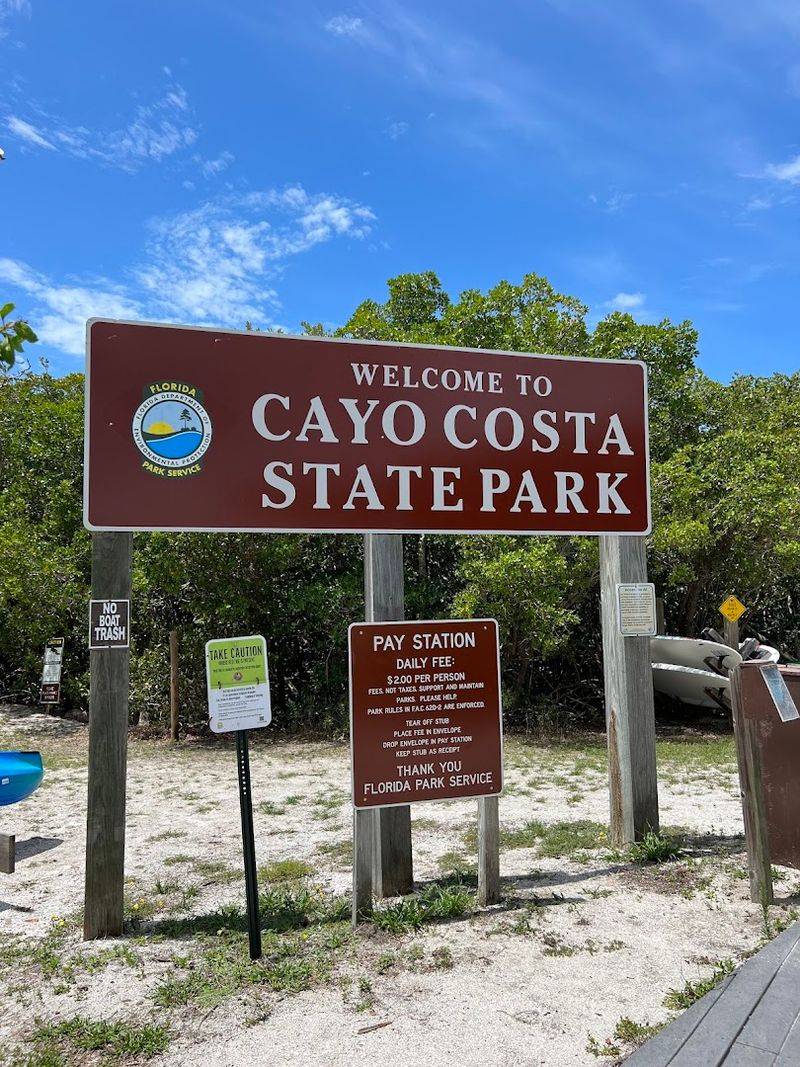
Hidden away from the busy highways and crowded tourist strips, Cayo Costa State Park is one of Florida’s best-kept secrets.
Sitting on a barrier island along the Gulf Coast, this stunning park offers nearly nine miles of pure, untouched white sand beach that feels like stepping back in time.
Getting there requires a boat or ferry, which keeps the crowds away and the shoreline breathtakingly pristine.
Whether you are a nature lover, an adventurer, or simply someone craving peace and quiet, Cayo Costa delivers an experience that is hard to find anywhere else in Florida.
Nature’s Hidden Gem in Florida
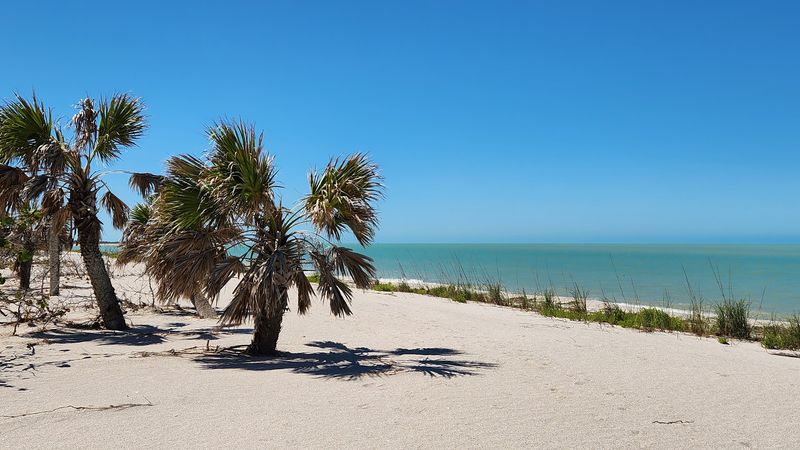
Imagine stepping onto a beach where the only footprints in the sand might be your own. That is exactly the kind of magic Cayo Costa State Park delivers to every visitor lucky enough to make the journey.
Tucked along Florida’s Gulf Coast, this barrier island paradise remains one of the most unspoiled stretches of shoreline in the entire state.
Unlike the packed resort beaches of Miami or Clearwater, Cayo Costa has no hotels, no fast-food restaurants, and no parking lots full of cars. What it does have is raw, stunning natural beauty that feels almost otherworldly.
The Gulf waters shimmer in shades of blue and green, and the soft white sand squeaks beneath your feet as you walk.
Florida is home to many beautiful beaches, but few can match the sense of solitude and wonder that Cayo Costa offers. Conservation efforts and limited access have kept the island remarkably intact over the decades.
For anyone craving a genuine escape from modern life, this hidden gem is absolutely worth the trip.
Where It Is and How to Get There
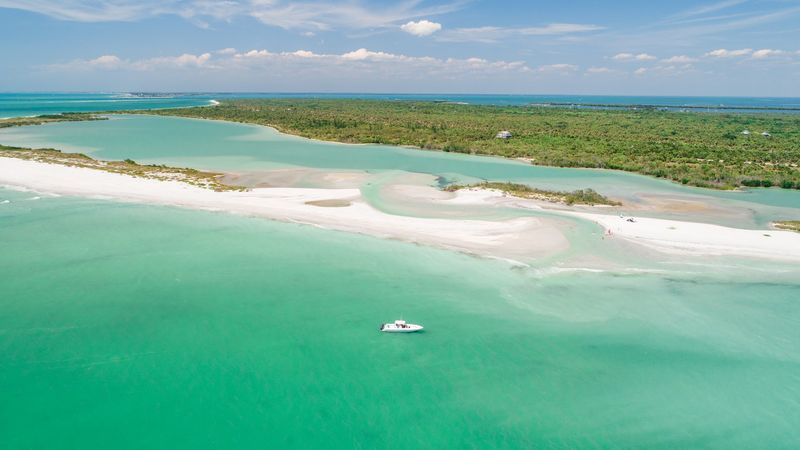
Finding Cayo Costa is part of the adventure. The park sits on a barrier island in Lee County, Florida, nestled between Boca Grande and North Captiva Island in Pine Island Sound.
There are no bridges connecting it to the mainland, which is a big reason why the island has stayed so beautifully wild.
Visitors typically reach Cayo Costa by private boat, kayak, or the Tropic Star Ferry, which departs from Pine Island. The ferry ride itself is a treat, offering views of dolphins, pelicans, and shimmering open water before you even set foot on the island.
Paddlers who are up for the challenge can kayak across from nearby Pine Island or Bokeelia.
Planning ahead is essential. Ferry schedules can change seasonally, and boat launch spots fill up on busy weekends.
Always check the Florida State Parks website before your trip for the most current access information. The journey might take a little extra effort compared to driving straight to a beach, but that effort is exactly what keeps Cayo Costa so refreshingly crowd-free and worth every minute of the ride.
Miles of Untouched White Sand Beaches
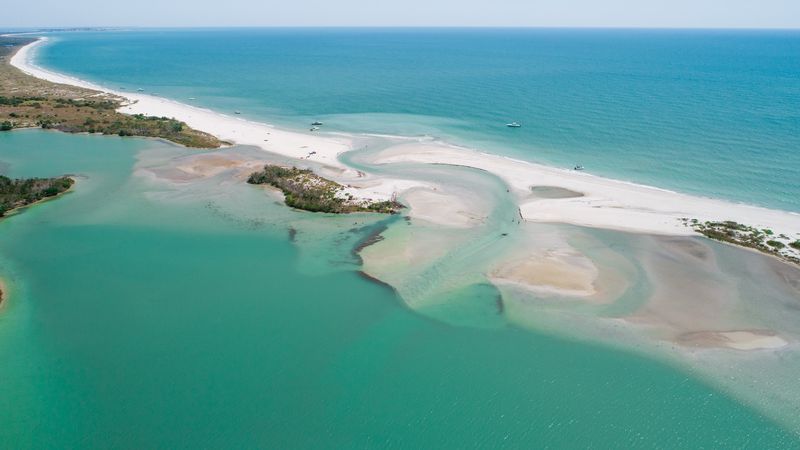
Nearly nine miles of soft, powdery white sand — and almost no one on it. That sentence alone might be enough to convince any beach lover to pack their bags and head to Cayo Costa.
The shoreline stretches in both directions as far as the eye can see, broken only by the occasional piece of driftwood or a curious shorebird picking at the waterline.
Walking along this beach feels meditative. Without the noise of beach bars, jet skis, or vendor carts, you can actually hear the rhythm of the waves and feel genuinely present in the moment.
Families find wide open spaces to set up without crowding anyone else, and solo visitors can find a quiet corner of the shore that feels entirely their own.
The sand itself is remarkably fine and light-colored, a hallmark of Florida’s Gulf Coast beaches. Shell collectors absolutely love this stretch because the lack of heavy foot traffic means shells wash up and stay put longer.
Rare finds like lightning whelks and junonia shells have been spotted here by lucky beachcombers. Simply put, this is the kind of beach that reminds you why you fell in love with the ocean in the first place.
Pristine Natural Scenery and Landscapes
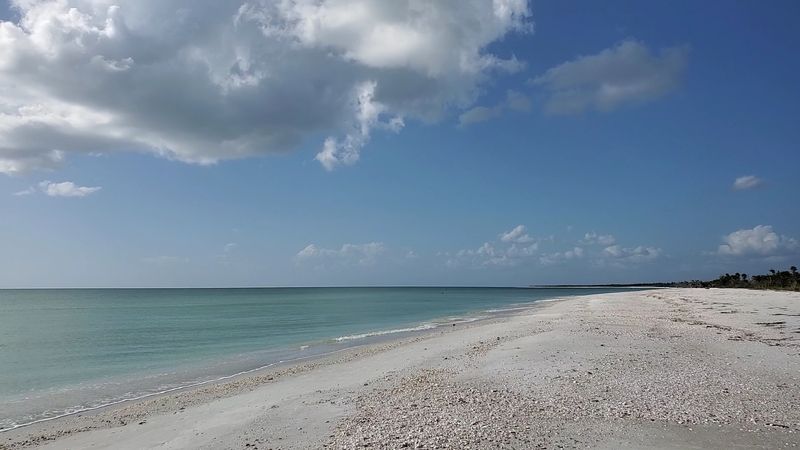
There is something almost cinematic about the landscapes at Cayo Costa. Behind the wide beach, rolling sand dunes rise and fall, topped with waving sea oats that glow gold in the afternoon sun.
Further inland, wind-twisted trees and dense subtropical forests create a layered, textured backdrop that photographers and nature lovers find endlessly captivating.
This is what old Florida looked like before the condos and causeways arrived. The coastal scrub habitat supports a surprising variety of plant life, including saw palmetto, cabbage palms, and sea grapes.
Mangrove forests line the calmer bay side of the island, creating sheltered nurseries for fish and crabs and providing a striking visual contrast to the open Gulf shore.
Walking the interior trails gives visitors a completely different experience from the beach itself. Dappled light filters through the tree canopy, birds call from hidden branches, and the air carries the faint, salty sweetness of the coastal environment.
Whether you are a serious naturalist or just someone who appreciates a beautiful view, Cayo Costa’s layered scenery offers something genuinely special at every turn of the trail.
Native Wildlife and Marine Life Encounters
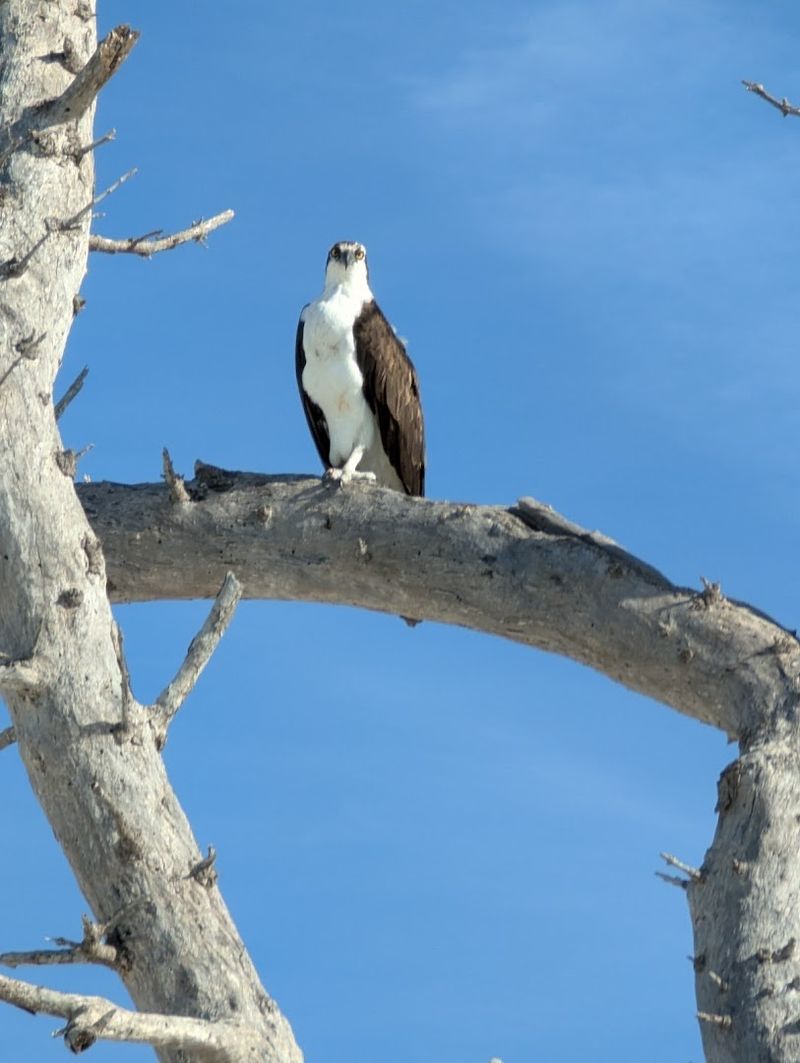
Pull up a quiet spot on the shore and just watch — you might be amazed by what shows up. Cayo Costa is a hotspot for wildlife sightings that rival anything you would see at a dedicated nature reserve.
Bottlenose dolphins regularly cruise the waters just offshore, sometimes close enough that you can hear them breathing.
Sea turtles nest on the beach from May through October, and park rangers sometimes mark nest sites to protect them from accidental disturbance. Manatees drift through the calmer bay waters, especially in cooler months when they seek out warm spots.
Birdwatchers are in for a real treat, too — ospreys, roseate spoonbills, great blue herons, and a rotating cast of migratory shorebirds make the island their home or stopover throughout the year.
Snorkelers exploring the nearshore waters often spot spotted eagle rays, sheepshead fish, and colorful sea stars tucked among the seagrass beds. The rich biodiversity here is not accidental — it is a direct result of the island remaining largely undisturbed for decades.
Every visit to Cayo Costa feels like a front-row seat to Florida’s natural world, and the wildlife rarely disappoints.
Ideal Activities for Visitors
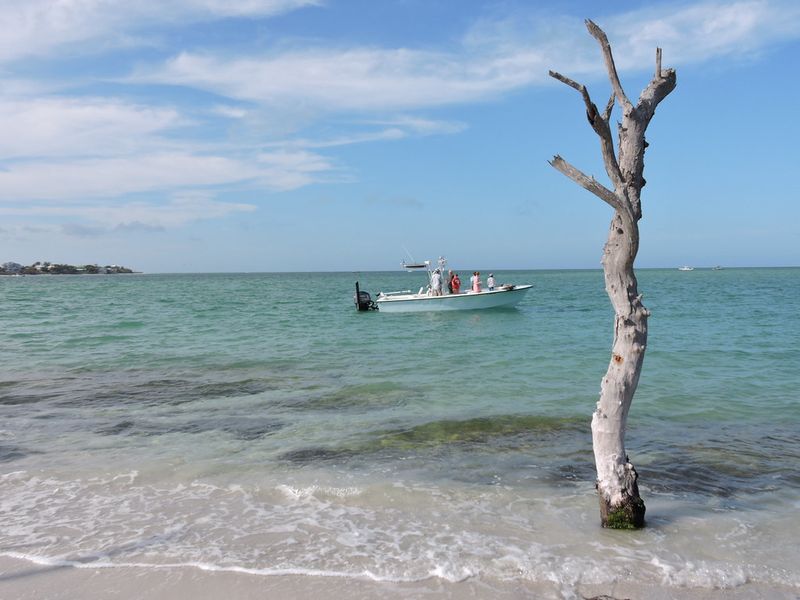
A day at Cayo Costa is never a passive experience unless you want it to be. The beach invites swimming in some of the clearest, calmest Gulf water in Florida, especially on the protected bay side where the current is gentle and the water stays shallow for a good distance.
Snorkelers who venture out along the sandbars often find an exciting variety of fish and invertebrates.
Shelling is practically a competitive sport here. Because the beach sees so little foot traffic compared to more popular spots, shells accumulate in impressive numbers after each tide change.
Serious collectors show up early in the morning with mesh bags and a sharp eye, hunting for junonia, lightning whelk, and alphabet cone shells.
Fishing from the shore or from a kayak is also incredibly popular. Anglers target snook, redfish, and trout in the flats around the island.
Paddlers can explore the mangrove tunnels on the bay side, which offer a completely different and wonderfully intimate perspective of the island. Bird-watchers armed with binoculars can rack up impressive species counts without ever leaving the beach trail.
There is genuinely no shortage of ways to fill a rewarding day at Cayo Costa.
Cultural and Historical Context
Long before the first tourists arrived, Cayo Costa had already witnessed thousands of years of human history. The Calusa Indians, one of Florida’s most powerful ancient civilizations, inhabited these barrier islands for centuries.
They were skilled fishermen and traders who built complex societies along the Gulf Coast, and evidence of their presence — including shell mounds — can still be found on the island today.
Spanish explorers later mapped and named the surrounding waters, and the island became part of the broader story of Florida’s colonial era. By the late 1800s and early 1900s, Cuban fishing families had established seasonal camps on the island, harvesting mullet and other fish from the rich Gulf waters.
These camps, known as ranchos, were a vibrant part of southwest Florida’s fishing culture for generations.
Remnants of these historical layers add a quiet depth to any visit. Walking the island, you are not just experiencing a beautiful beach — you are moving through a place that has meant something to people across centuries.
That sense of layered history gives Cayo Costa a richness that purely commercial beach destinations simply cannot replicate. History here is not behind glass in a museum; it is woven into the landscape itself.
Camping, Cabins, and Overnight Options
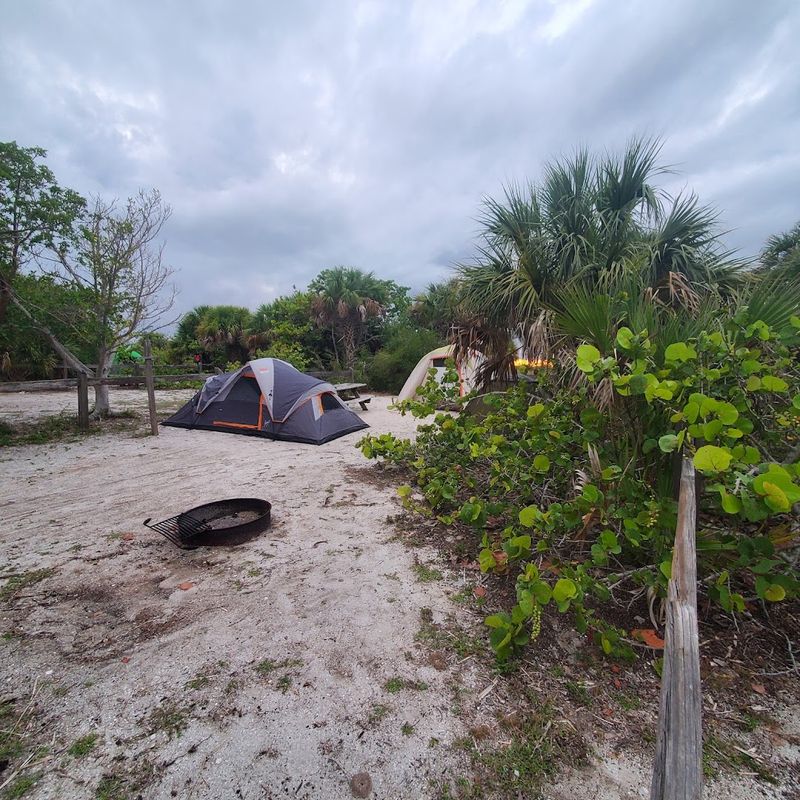
Spending the night at Cayo Costa transforms a day trip into a full-blown adventure. The park offers both tent camping and a small collection of rustic cabins that allow visitors to truly immerse themselves in the island environment.
Waking up to the sound of waves and birdsong, with no traffic noise or city lights, is an experience that stays with you long after you leave.
The primitive campsites are located near the beach and come with basic amenities like restrooms and cold-water outdoor showers. They are not glamping setups — they are honest, back-to-basics camping that rewards those who appreciate simplicity.
The cabins offer a bit more shelter and comfort, making them a popular choice for families or visitors who want to ease into the outdoor experience without sleeping on the ground.
It is important to check current availability and any temporary closures with Florida State Parks before booking, as facilities can sometimes be affected by storm damage or maintenance. Reservations fill up quickly, especially during the cooler winter months when the weather is ideal.
Packing in everything you need — food, water, and supplies — is part of the adventure, since there are no stores or restaurants on the island.
Conservation and Seclusion
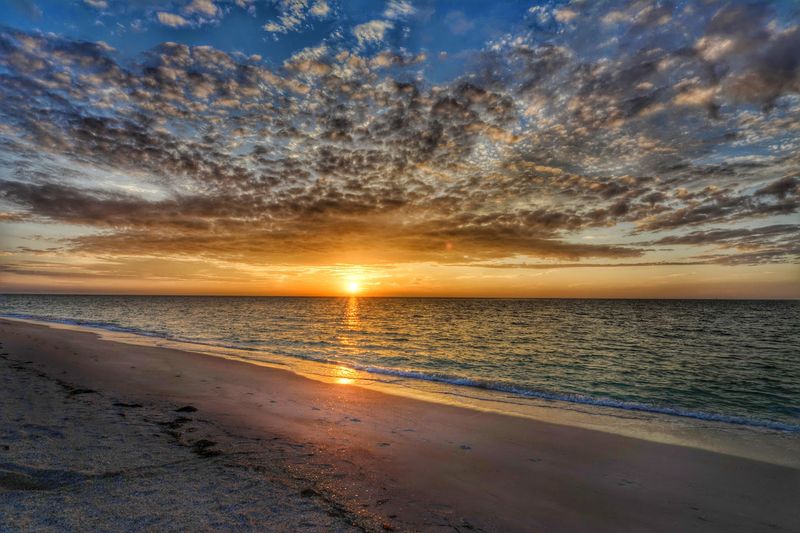
The seclusion that makes Cayo Costa so special did not happen by accident. Florida acquired the island as a state park in 1976, protecting it from the kind of development that transformed so many other Gulf Coast barrier islands into resort destinations.
That decision has paid off in ways that become obvious the moment you set foot on the shore.
Without roads, hotels, or commercial development, the island’s ecosystems have been allowed to function naturally. Sea turtle nesting success rates here are higher than on many heavily developed beaches.
Native plant communities remain intact, providing habitat for species that have been pushed out of more urbanized coastal areas. The surrounding waters, protected as part of a larger conservation network, support healthy populations of fish, dolphins, and manatees.
Visitors play a role in conservation too. Leave No Trace principles are encouraged throughout the park, and rangers ask guests to stay off marked nesting areas and avoid disturbing wildlife.
The rule of thumb is simple: take only photos, leave only footprints. Every person who respects these guidelines helps ensure that Cayo Costa remains wild, beautiful, and accessible to future generations who deserve the chance to experience it just as it is today.