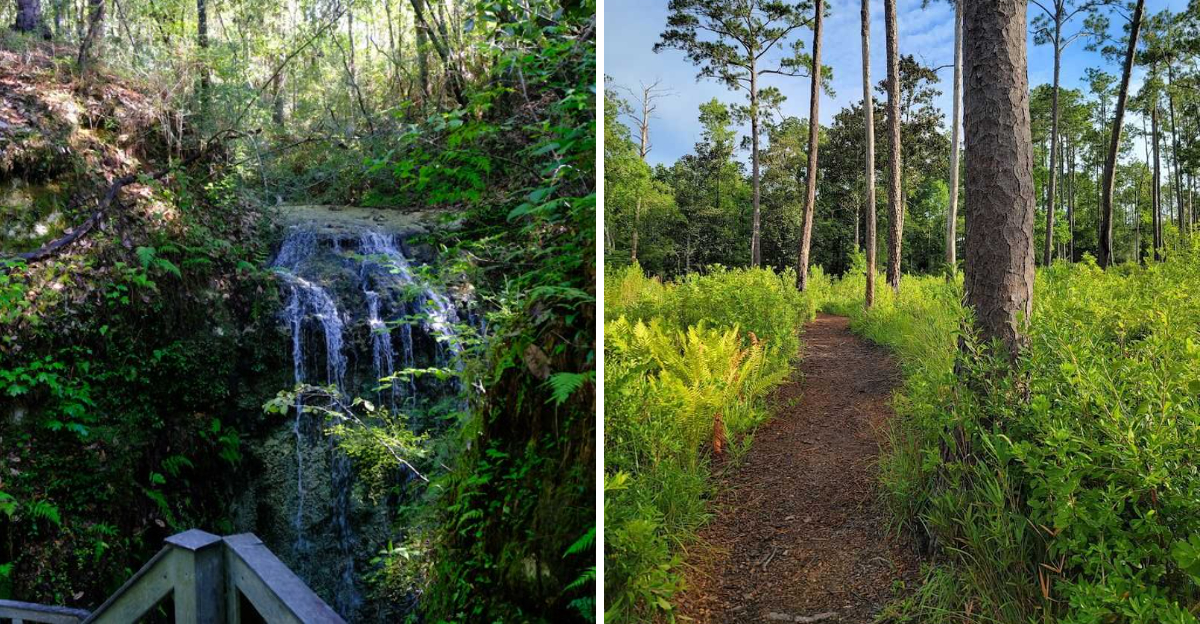
Forget everything you thought you knew about Florida. Just when you think the Sunshine State has shown all its surprises, a towering waterfall appears deep in the Panhandle, tucked inside a peaceful state park near Chipley.
A short one-mile trail leads straight to Falling Waters, where water drops 73 feet into a massive limestone sinkhole and disappears below ground. It’s one of Florida’s most unusual natural sights, and you don’t need to be an experienced hiker to reach it.
The walk is easy, scenic, and filled with towering pines, ferns, and wooden boardwalks that make the journey just as memorable as the destination. Every turn builds anticipation for the dramatic view waiting ahead.
If you’re searching for an unforgettable day trip, this hidden gem proves Florida offers far more than sandy shores and roller coasters.
One visit is all it takes to see the state from a completely different perspective.
Florida’s Most Surprising Natural Wonder
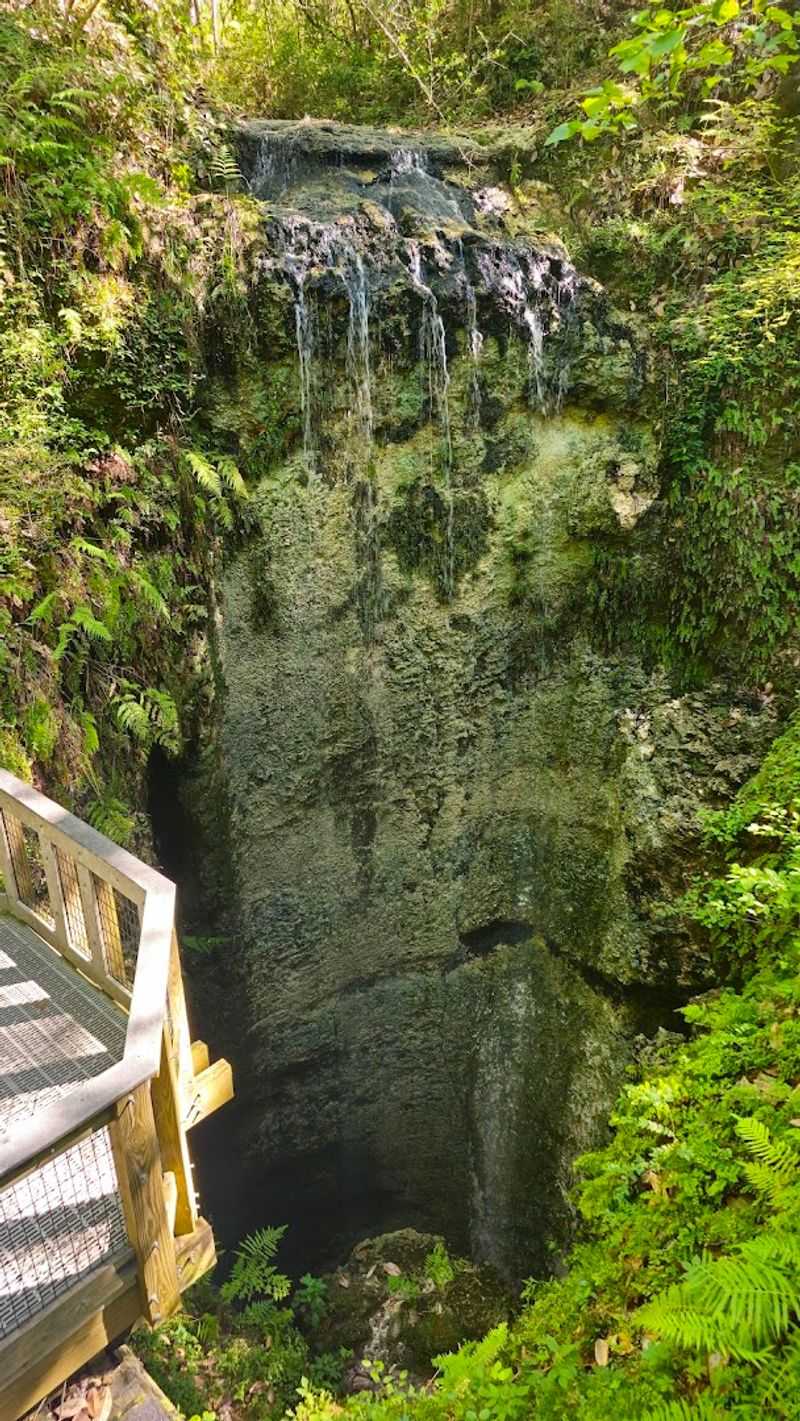
Picture this: a waterfall in Florida. Not a man-made fountain or theme park attraction, but an actual 73-foot natural waterfall plummeting into the earth.
Most visitors can hardly believe their eyes when they first witness Falling Waters.
Located near the small town of Chipley in the Florida Panhandle, this geological wonder defies what everyone expects from the Sunshine State. While the rest of Florida stays relatively flat, this region features rolling hills and unique limestone formations created over millions of years.
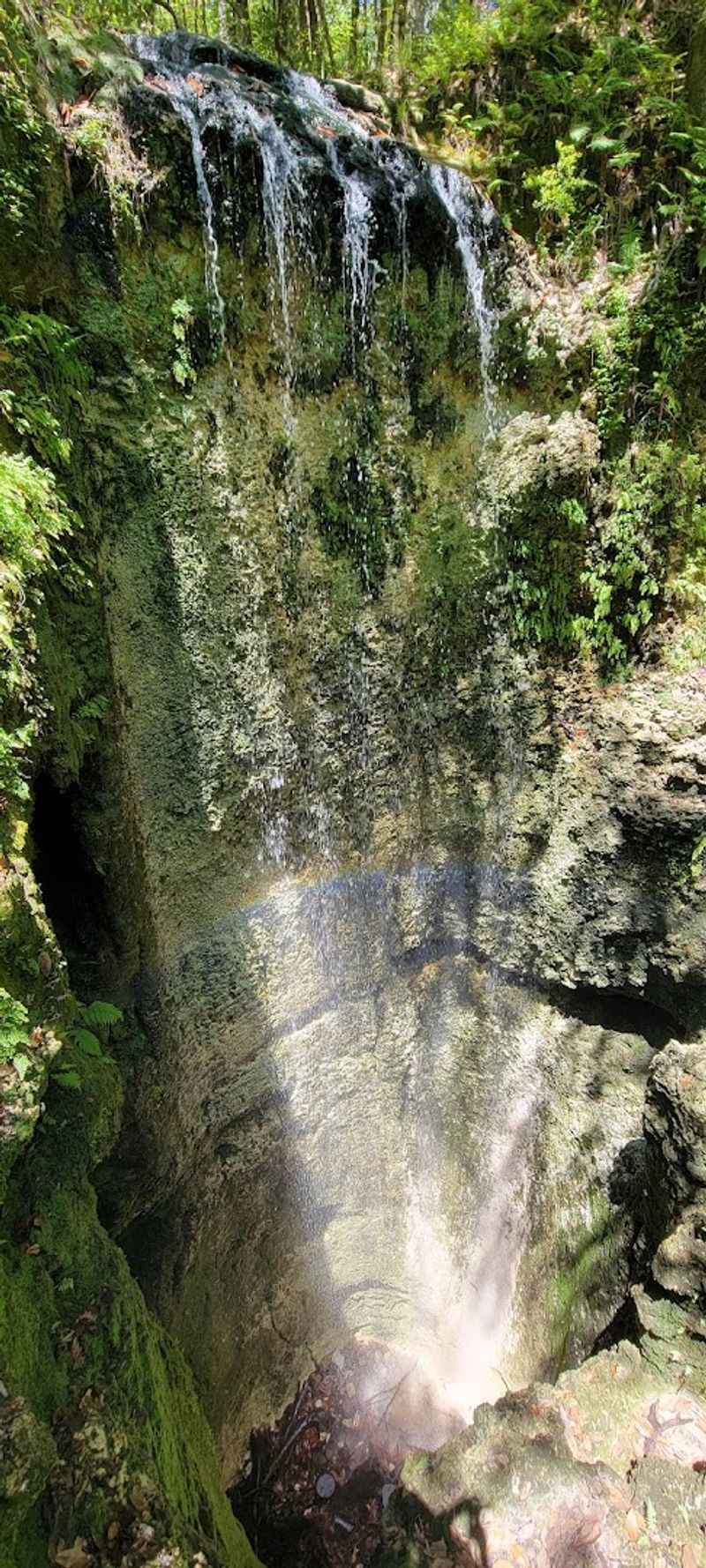
The waterfall itself cascades over a rocky ledge before disappearing into a massive cylindrical sinkhole below. Water flows year-round, though the volume depends entirely on recent rainfall.
During wet seasons, the falls roar with power, creating mist that cools visitors standing at the overlook.
What makes this place even more remarkable is how few people know it exists. Even lifelong Florida residents are stunned to learn their state holds such a treasure.
Standing at the observation deck, watching water vanish into the earth, visitors experience something truly magical and entirely unexpected from Florida.
The Easy One-Mile Trail Anyone Can Enjoy
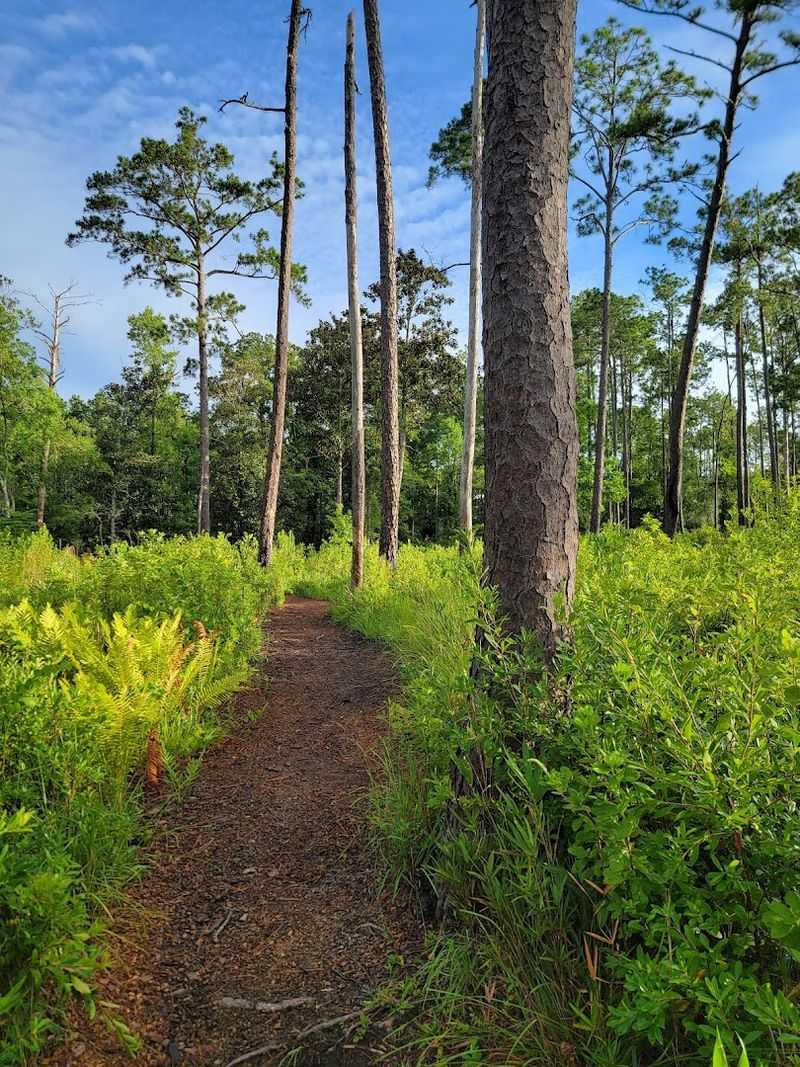
Forget those exhausting mountain hikes that leave you gasping for breath. The trail to Falling Waters waterfall measures just about one mile round trip and stays mostly level throughout.
Families with young children, seniors, and people who prefer gentle walks can all enjoy this adventure comfortably.
The path begins at the main parking area and winds through beautiful Florida woodlands. Thick canopies of longleaf pines provide natural shade along much of the route.
The trail surface alternates between compact dirt paths and sturdy elevated boardwalks that protect the delicate ecosystem while keeping your feet dry.
No special hiking gear is required here. Regular sneakers or comfortable walking shoes work perfectly fine.
The entire journey from parking lot to waterfall overlook takes most people only 15 to 20 minutes of easy walking.
This accessibility makes Falling Waters State Park ideal for visitors who want outdoor beauty without athletic demands. Grandparents can bring grandchildren without worry.
Friends recovering from injuries can still participate. Everyone gets to experience Florida’s tallest waterfall regardless of fitness level or hiking experience.
A Waterfall That Disappears Underground
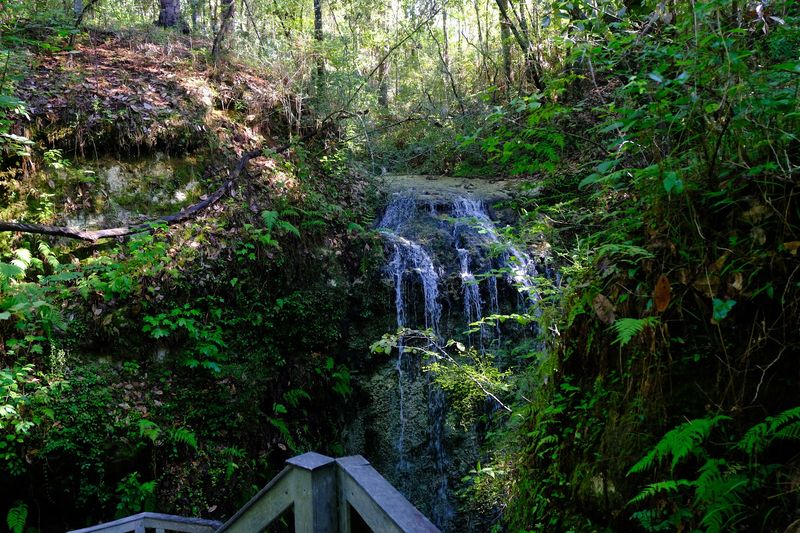
Here’s where things get really interesting. Unlike typical waterfalls that flow into rivers or pools, Falling Waters literally vanishes into the ground.
The water plunges 73 feet into a perfectly cylindrical limestone sinkhole that measures about 20 feet across and drops another 100 feet underground.
Where does the water go after it disappears? Nobody knows for certain.
The underground cave system connected to this sinkhole has never been fully explored or mapped. Scientists believe the water eventually joins underground rivers flowing through Florida’s porous limestone foundation, but the exact path remains one of the state’s geological mysteries.
This disappearing act happens because Florida sits on a massive limestone platform riddled with caves and underground passages. Over thousands of years, acidic rainwater slowly dissolved the limestone, creating sinkholes like this one.
Falling Waters represents one of the most dramatic examples of this natural process.
During your visit, lean over the railing carefully and peer into the darkness below. You’ll see where the waterfall splashes against rocks before fading into shadow, heading to places humans have never fully reached.
Scenic Boardwalks and Overlook Platforms
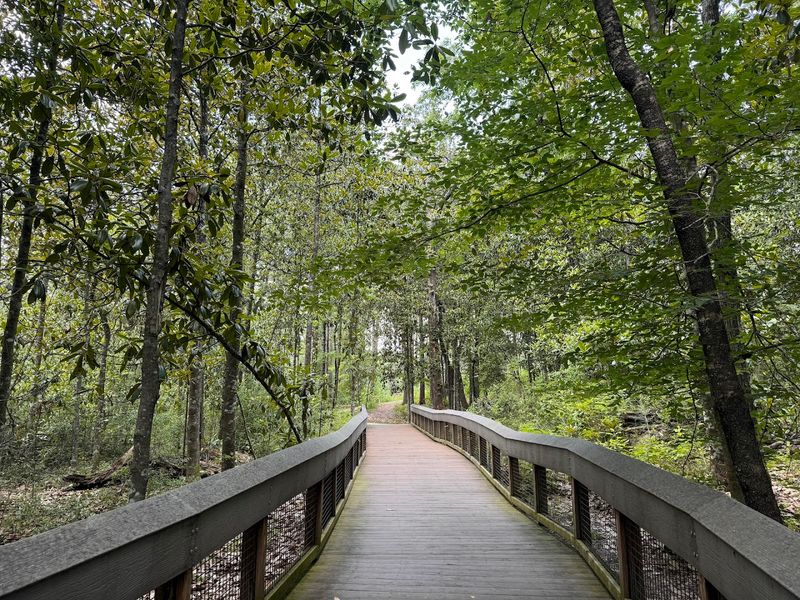
Safety meets scenery at Falling Waters State Park, where carefully constructed boardwalks and viewing platforms let you get remarkably close to the action. Sturdy wooden structures with secure railings wind through the forest and position you at perfect vantage points for viewing the waterfall and surrounding sinkholes.
The elevated boardwalk serves multiple purposes beyond convenience. It protects fragile plant life from being trampled by thousands of annual visitors.
The raised pathway keeps you above muddy ground during rainy periods. Plus, the slight elevation provides better photography angles for capturing the waterfall’s full height.
Multiple observation platforms surround the main sinkhole, each offering different perspectives. Some platforms sit almost directly across from the falling water, letting you watch it cascade down.
Others position you above the sinkhole’s rim, providing bird’s-eye views into the mysterious depths below.
After heavy rains, these overlooks become especially photogenic as the waterfall reaches maximum power and misty spray fills the air. The combination of rushing water, green vegetation, and ancient limestone creates pictures worthy of any nature magazine.
Why Every Visit Looks Different
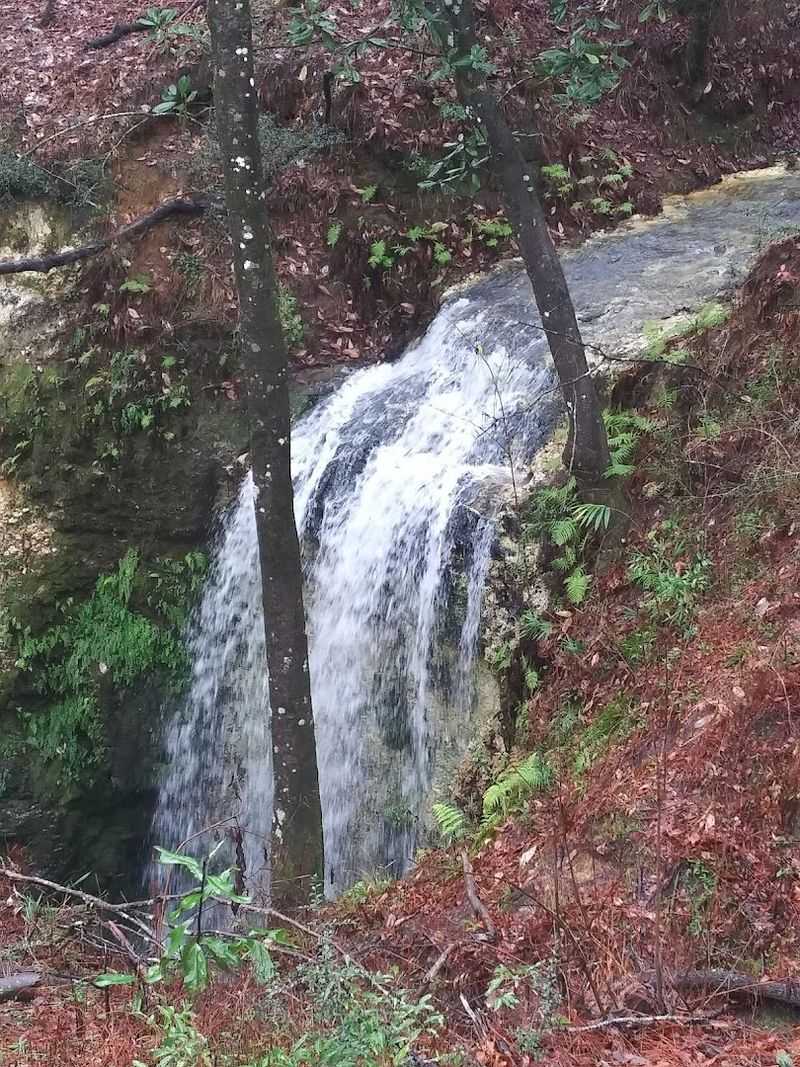
Planning matters at Falling Waters because Mother Nature controls the show. This waterfall depends entirely on rainfall, meaning your experience varies dramatically based on weather patterns.
After several days of heavy rain, the falls transform into a thundering cascade that you can hear before you see it.
During Florida’s wet season, typically summer months, water pours over the ledge with impressive force. The sinkhole below fills with mist, and the roar echoes through the forest.
This is when photographers capture those stunning shots that make social media feeds explode with likes.
However, during extended dry spells, particularly in winter and spring, the waterfall can shrink to a modest trickle or even disappear temporarily. While still beautiful, the experience differs significantly from those dramatic wet-season visits.
Some visitors arrive during dry periods and see only a damp wall and small drips.
Check recent weather reports before your trip. If it hasn’t rained in the Chipley area for several weeks, set realistic expectations.
Alternatively, plan your visit specifically after storms for the most spectacular waterfall display Florida can offer.
More Than Just One Waterfall
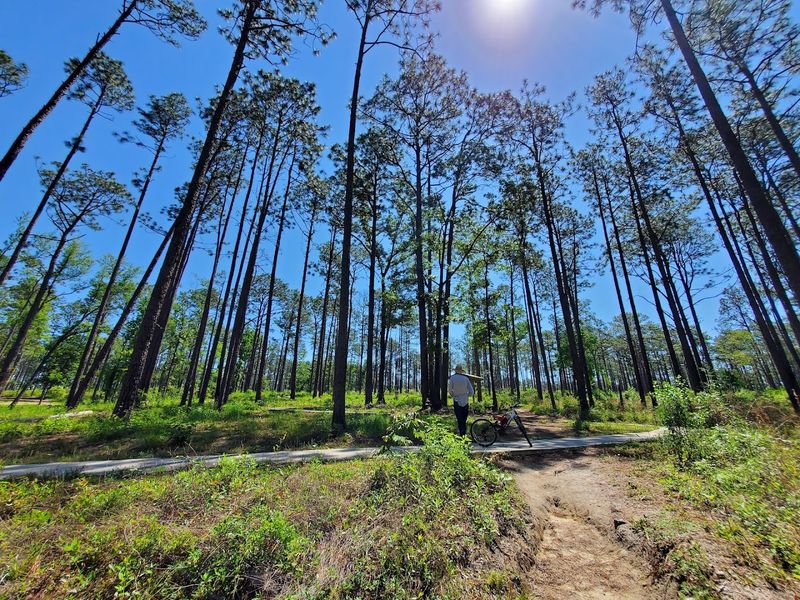
Don’t rush away after seeing the main waterfall attraction. Falling Waters State Park encompasses 171 acres packed with additional natural wonders worth exploring.
Beyond the famous falls, several miles of hiking trails wind through pristine longleaf pine forests that once covered much of the Southeast.
The park contains numerous other sinkholes scattered throughout the property, each with its own character and depth. Some are shallow depressions filled with ferns and shade-loving plants.
Others plunge deep into the earth, revealing layers of limestone and geological history spanning thousands of years.
Spring visitors discover fields of native wildflowers blooming in vibrant colors throughout the park. A dedicated butterfly garden near the park office attracts dozens of species, making it a favorite spot for photographers and nature lovers.
Educational signs identify plants and explain the unique ecology of Florida’s highest elevations.
Additional trails ranging from easy strolls to moderate hikes let you spend hours exploring if you choose. Bird watchers bring binoculars hoping to spot species that prefer this cooler, hillier habitat.
The entire park showcases geological features and ecosystems completely different from typical Florida environments.
Cool Off at Turtle Lake
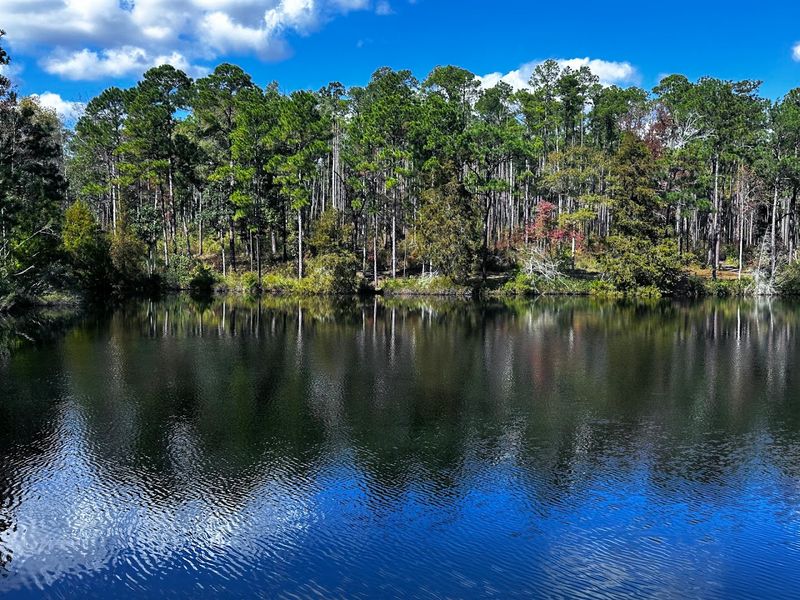
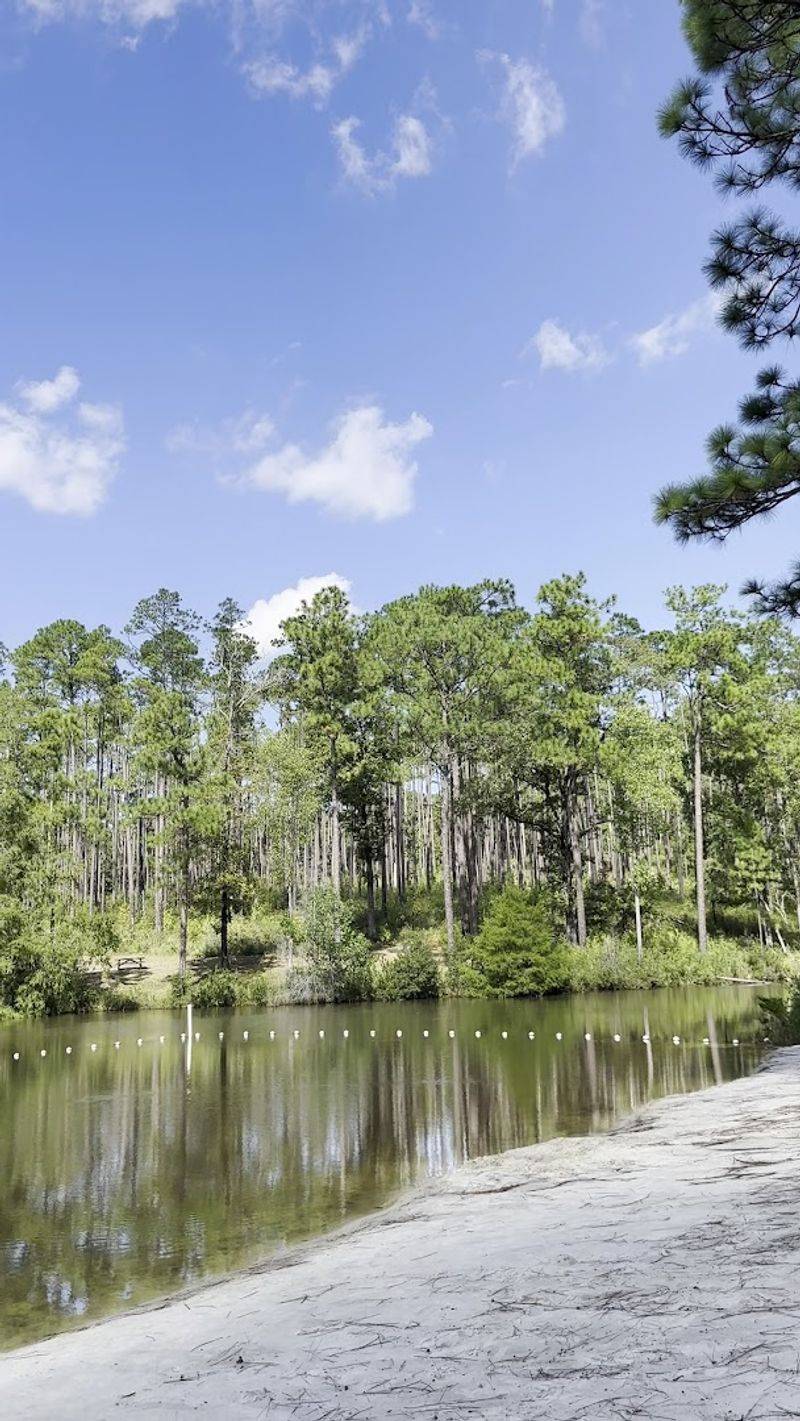
After hiking to the waterfall, head over to Turtle Lake for a completely different kind of water experience. This spring-fed swimming hole offers a sandy beach perfect for cooling off on hot Florida days.
Unlike the sinkhole where swimming is absolutely forbidden, Turtle Lake welcomes swimmers of all ages.
The lake’s spring-fed water stays refreshingly cool year-round, providing natural air conditioning during summer months. Clear water lets you see fish swimming around your feet.
Designated swimming areas keep everyone safe, while lifeguards watch over the beach during peak season.
Shaded picnic pavilions surround the lake, equipped with tables and grills for family cookouts. Pack a lunch and make it a full-day adventure.
A playground keeps young children entertained when they need a break from swimming. Fishing is allowed in certain areas, with bass and bream commonly caught.
The peaceful setting makes Turtle Lake feel like a private retreat rather than a public park. Tall pines provide natural shade, and gentle breezes rustle through the trees.
Many families arrive early, visit the waterfall first, then spend the rest of the day relaxing lakeside before heading home.
Camping Under Some of Florida’s Highest Hills
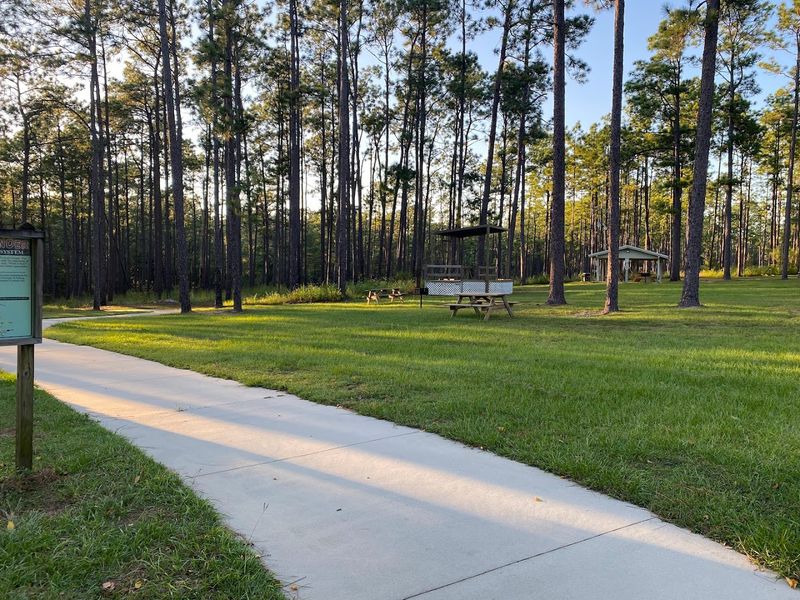
Did you know this area sits on some of Florida’s highest ground? While that might not sound impressive compared to mountain states, the elevation here creates noticeably different conditions from coastal Florida.
Temperatures drop several degrees, humidity feels less oppressive, and the landscape rolls with actual hills.
The campground at Falling Waters State Park takes full advantage of this unique terrain. Sites nestle among towering longleaf pines that provide natural shade and character.
The park offers both RV sites with electric and water hookups plus primitive tent camping areas for those seeking a more rustic experience.
Each campsite includes a picnic table, fire ring, and access to modern bathhouses. The campground feels spacious rather than crowded, with vegetation screening sites from each other.
Evening brings cooler temperatures than you’d find elsewhere in Florida, making campfires actually enjoyable rather than unbearably hot.
Waking up to bird songs in the pines, then walking to the waterfall for a morning visit before crowds arrive, ranks among camping’s simple pleasures. Reservations are strongly recommended, especially during fall and spring when the weather is perfect and families flock to the Panhandle.
Why Falling Waters Belongs on Every Florida Road Trip
Florida Panhandle road trips offer something special that differs from the rest of the state. Instead of beaches and palm trees dominating every view, you’ll find forests, hills, and hidden natural gems like Falling Waters.
This park deserves a stop on any route through northwest Florida.
Located just off Interstate 10 near Chipley, the park sits conveniently between Tallahassee and Pensacola. You can easily incorporate a visit into longer journeys without major detours.
The exit, drive, and waterfall visit might only add an hour or two to your travel day, but the memories last forever.
What makes this stop particularly worthwhile is how it challenges assumptions about Florida. Many visitors never knew the state had waterfalls, sinkholes, or actual elevation changes.
Experiencing these features firsthand expands your understanding of Florida’s incredible diversity. You’ll return home with stories that surprise friends who thought they knew everything about the Sunshine State.
The park also provides a peaceful break from highway driving. Stretch your legs on the easy trail, breathe fresh pine-scented air, and reset your mood before continuing your journey.
Road trips need these memorable stops, and Falling Waters delivers.
What to Know Before You Go
Smart planning ensures your Falling Waters visit goes smoothly. The park sits approximately three miles south of Chipley in Florida’s Panhandle, easily accessible from State Road 77A.
Standard Florida State Park entrance fees apply: typically around eight dollars per vehicle, though prices may change so check current rates before arriving.
Park gates open at 8 a.m. and close at sundown year-round. The waterfall trail remains open during all operating hours.
Arrive early on weekends and holidays to secure parking, as the small lot fills quickly during popular times.
Timing your visit matters tremendously. Check recent Chipley weather reports or call the park office to ask about current waterfall conditions.
Visiting within a few days after rainfall guarantees the best show. Wear comfortable closed-toe shoes since boardwalks can be slippery when wet.
Bring drinking water, sunscreen, and insect repellent for comfort. Swimming is only permitted at Turtle Lake, never at the waterfall or sinkholes.
Stay on designated trails and behind all railings for your safety, as sinkholes pose serious dangers. If planning to camp, make reservations through the Florida State Parks website well in advance, especially during peak seasons when sites book quickly.