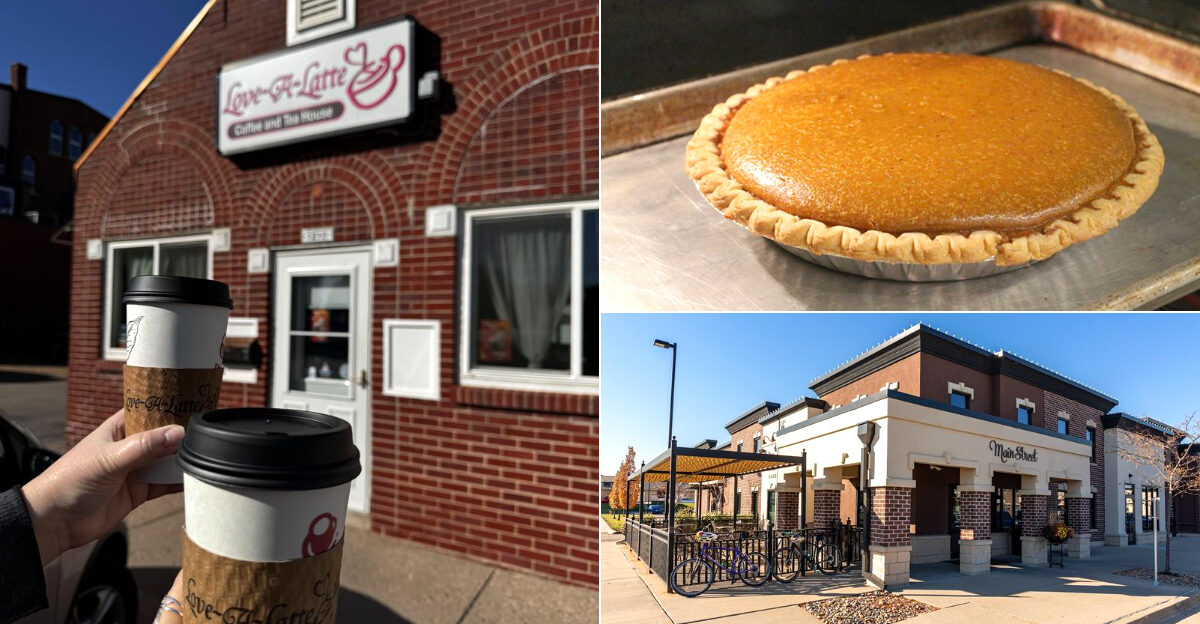
Tucked into north-central Iowa, Eldora is the kind of town that moves at its own unhurried pace, and its bakers seem to have it all figured out.
The aroma of fresh pie drifts through the streets with an ease that makes you slow down, look around, and wonder why you were ever in a hurry.
This small community has developed a genuine culture around homemade baking, one that feels organic and deeply rooted in the rhythms of small-town life.
Whether you find yourself at a church bazaar, a local diner, or a home kitchen that doubles as a bakery, the pies here are made with care that simply can’t be replicated at scale.
Come for the pie, and you’ll leave with a genuine appreciation for what makes small-town Iowa so quietly worth visiting.
A Main Street That Smells Like Butter and Fruit
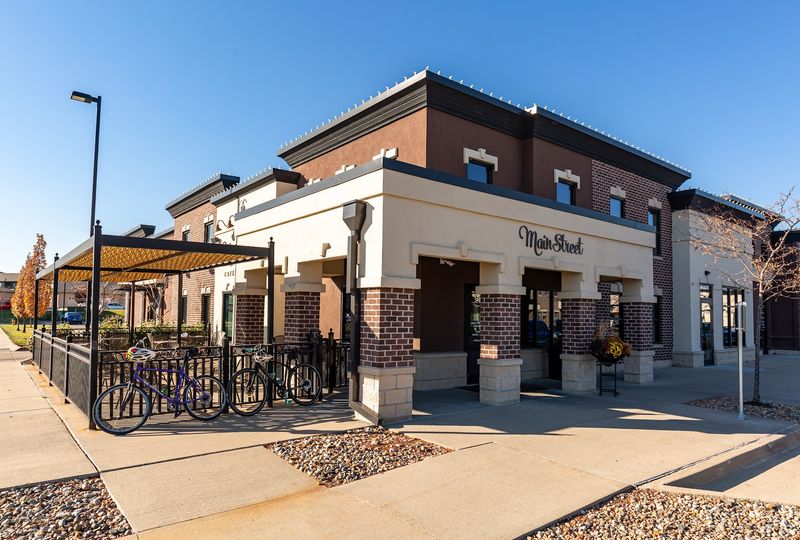
Warm bakery air can make even a regular errand feel like a small celebration.
Along the older business blocks of Eldora · Iowa 50627, the idea of homemade pie fits naturally with brick storefronts, friendly waves, and slow downtown walks.
Visitors should not expect a giant food district, but they can look for local cafes, seasonal specials, church meals, and community bake sales where pie often feels right at home.
The best way to enjoy the town is to ask what is fresh that day.
Apple, cherry, peach, rhubarb, and cream pies all make sense in a farming area where family recipes are often passed down, shared, and quietly improved over time.
If you stop for lunch, save room for dessert, because small-town slices can be generous and served with a story.
For a simple visit, park near the center of town and walk slowly.
Check bulletin boards, cafe counters, and local event notices.
Pie here is less about chasing one famous shop and more about noticing how food, neighbors, and tradition meet in everyday places with a smile.
Church Suppers Keep the Pie Table Busy

The dessert table at a church supper can tell you a lot about a town.
Before the first fork touches crust, people are already scanning the choices, trading quiet tips, and remembering who always makes the best lemon meringue.
That kind of scene belongs in places where neighbors still gather for meals that feel both useful and joyful.
Pie at these suppers is often tied to fundraising, fellowship, and old family habits.
A single table may hold fruit pies, custard pies, chocolate pies, and something unusual from a recipe card tucked in a kitchen drawer.
Visitors who attend a public meal should bring cash, arrive early, and be ready to chat, because the best slice may come with directions to the next local event.
Good manners matter in a close community.
Compliment the baker if you know who made the pie, take only what you can finish, and consider buying an extra piece when proceeds help a local cause.
Small choices like that keep these sweet traditions strong for another season and make guests feel welcome.
Farm Roots Show Up in Every Filling
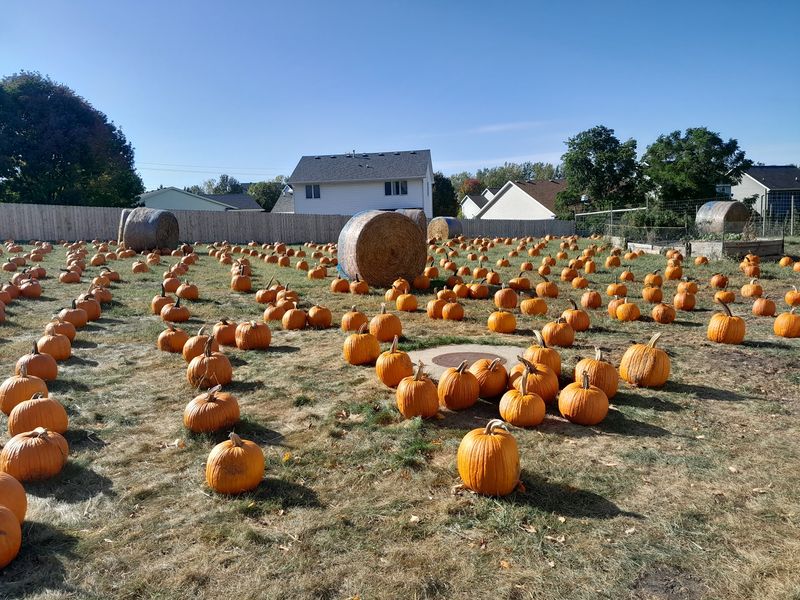
Some pies taste like they started in a nearby field before they ever reached an oven.
In farm country, dessert is often connected to gardens, orchards, roadside stands, and freezer bags saved from summer.
That connection gives each filling a plainspoken honesty, because good fruit usually needs only sugar, spice, patience, and a careful hand.
Rhubarb is a classic example of a crop that turns simple into special.
Its sharp flavor softens beautifully under a flaky top crust, especially when mixed with strawberries or balanced with enough sweetness.
Apple pie also fits the area well, since it travels easily to potlucks, family dinners, school events, and holiday tables.
Readers planning a pie-themed stop should think seasonally.
Spring may bring rhubarb, summer can mean berries or peaches, and fall belongs to apples, pumpkin, and warm spices.
Ask whether a slice is made in house or by a local baker, because that question often opens the door to a friendly story about gardens, grandparents, county fairs, or a recipe everyone seems to know.
Coffee Counters Turn Slices Into Conversation
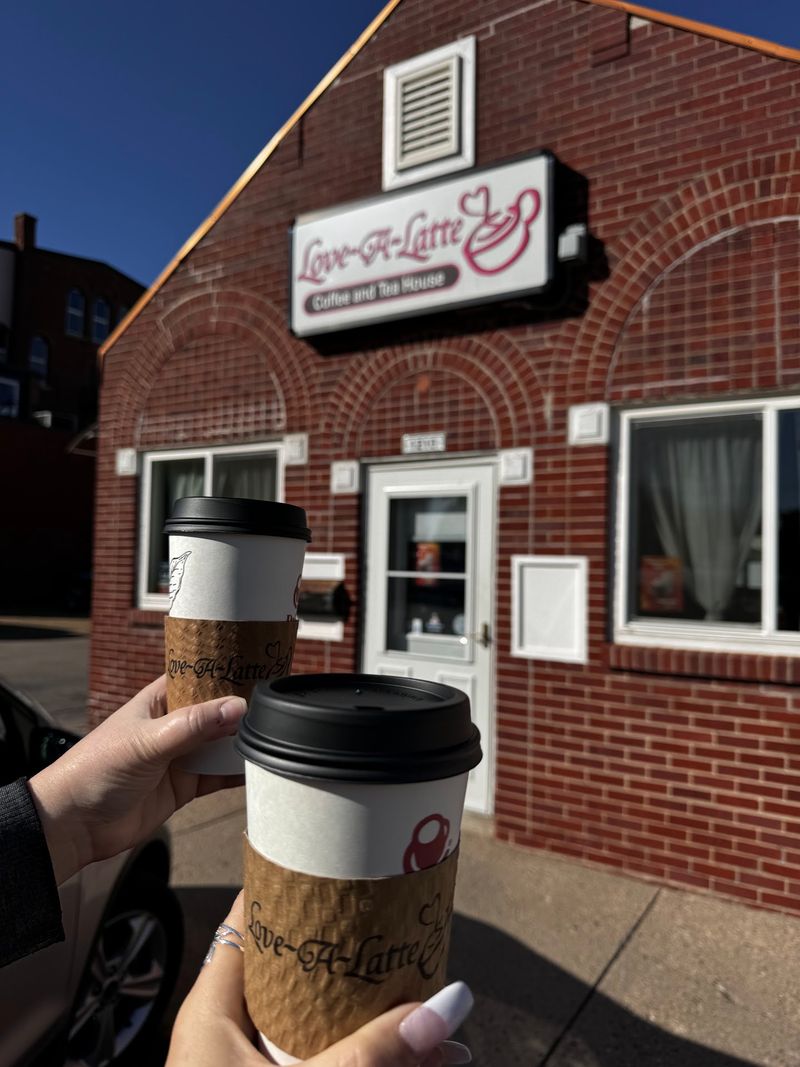
A slice of pie beside a cup of coffee can slow the whole morning down.
At a small-town counter, dessert is not always saved for after supper, because farmers, retirees, travelers, and courthouse workers may all want something sweet with their news.
That is where pie becomes more than food, turning into a reason to sit a little longer.
Coffee counters are useful places for visitors because they collect local knowledge.
You might learn which day a cafe bakes, where a fundraiser is happening, or which seasonal flavor people hope has not sold out yet.
Ordering politely and asking simple questions works better than rushing in with a checklist.
If you want the best experience, choose an off-peak time and let the staff guide you.
A plain wedge of apple or coconut cream can be just as memorable as a fancy dessert when it is served fresh and warm.
Leave a fair tip, thank the server, and remember that small-town hospitality grows when visitors treat everyday places with care and respect.
County Fair Ribbons Add Sweet Bragging Rights
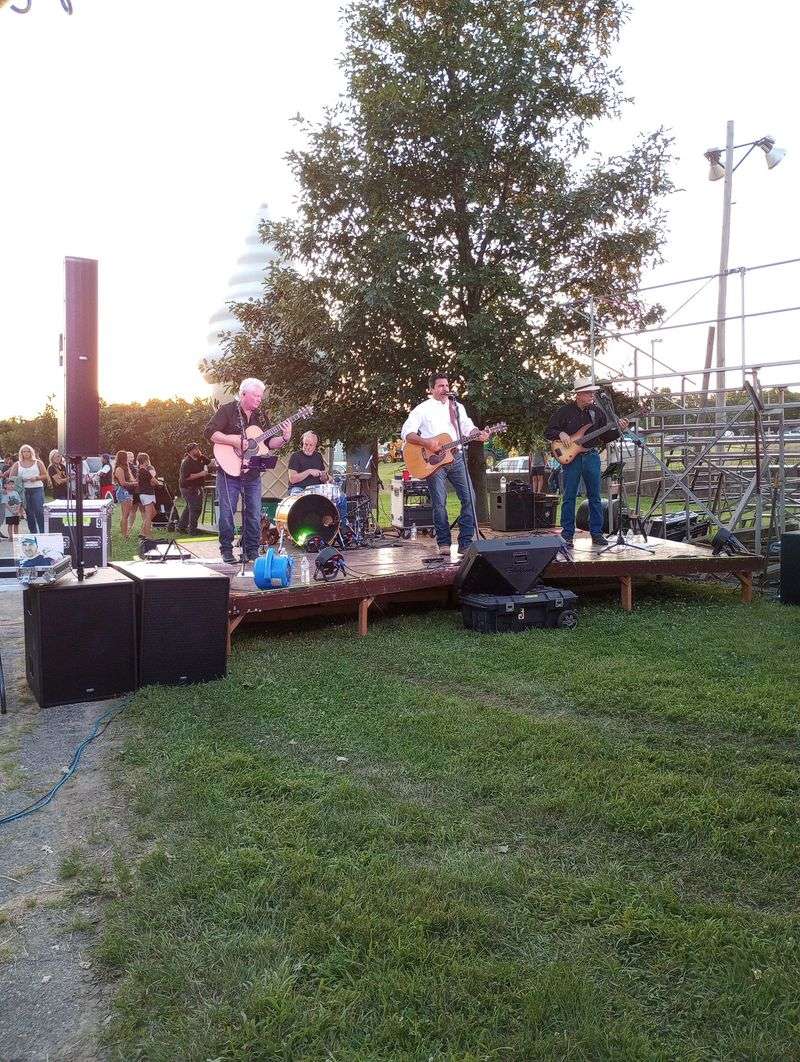
Blue ribbons have a way of making pie feel like friendly sport.
At county fairs and local contests, bakers bring their best crusts, brightest fillings, and neatest edges, hoping a judge notices the work hidden in every bite.
The mood is usually cheerful, but the pride can be very real.
Pie competitions matter because they protect skills that are easy to lose.
Rolling dough, thickening fruit, blind baking a shell, and cooling a cream pie safely all take practice.
Younger bakers often learn by watching parents, grandparents, 4-H leaders, or neighbors who know exactly when a crust has the right feel.
For visitors, fair season is a smart time to look for local flavor.
Check community calendars, watch for bake-off notices, and visit exhibit halls where pies may be displayed before judging or served at related meals.
Even if you never taste the winning slice, reading the entry tags can show what people value, from classic apple to raisin sour cream, and from careful lattice tops to humble crumb toppings made with love.
Family Recipes Travel Better Than Souvenirs
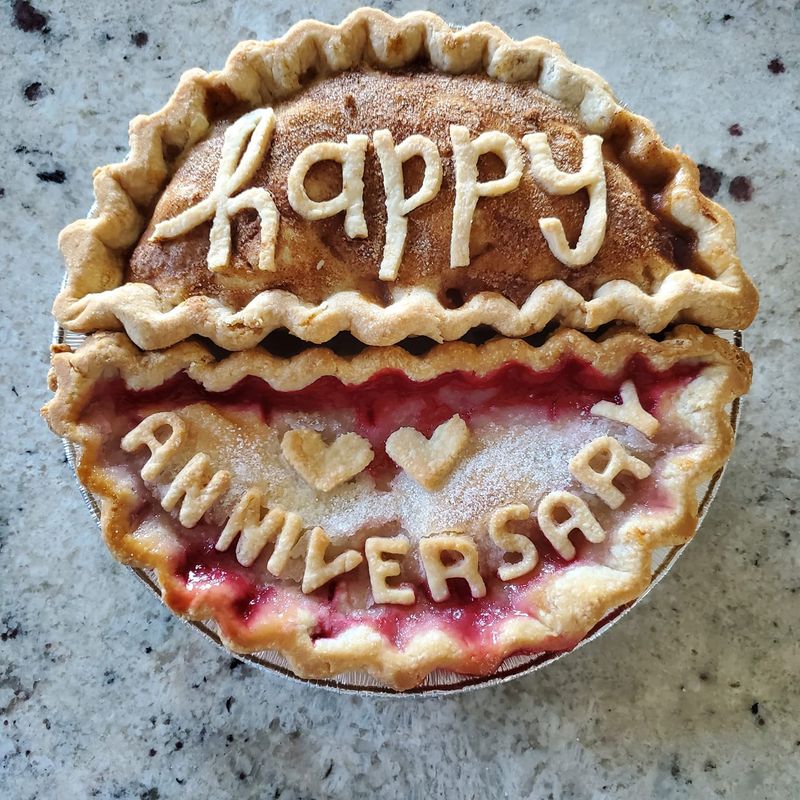
A handwritten recipe card can feel like a tiny family treasure.
Stains from butter, fruit juice, and vanilla often mean the recipe was used again and again, not saved for show.
In small communities, those cards may travel between sisters, neighbors, church friends, and new cooks who want to learn.
Homemade pie is often remembered by the person who made it first.
Someone may call it Aunt Marys cherry pie, Grandmas sour cream raisin, or the crust recipe from the lady down the street.
Names like that keep people present at the table long after kitchens change and children grow up.
Travelers can honor this tradition without prying.
If a baker shares a tip, listen closely and say thank you.
If the full recipe stays private, enjoy the mystery, because not every good thing needs to be copied.
For your own kitchen, write down where you tasted a memorable slice, what made it special, and who served it.
That note may become the beginning of your own pie story someday.
Seasonal Events Make Dessert Part of the Plan
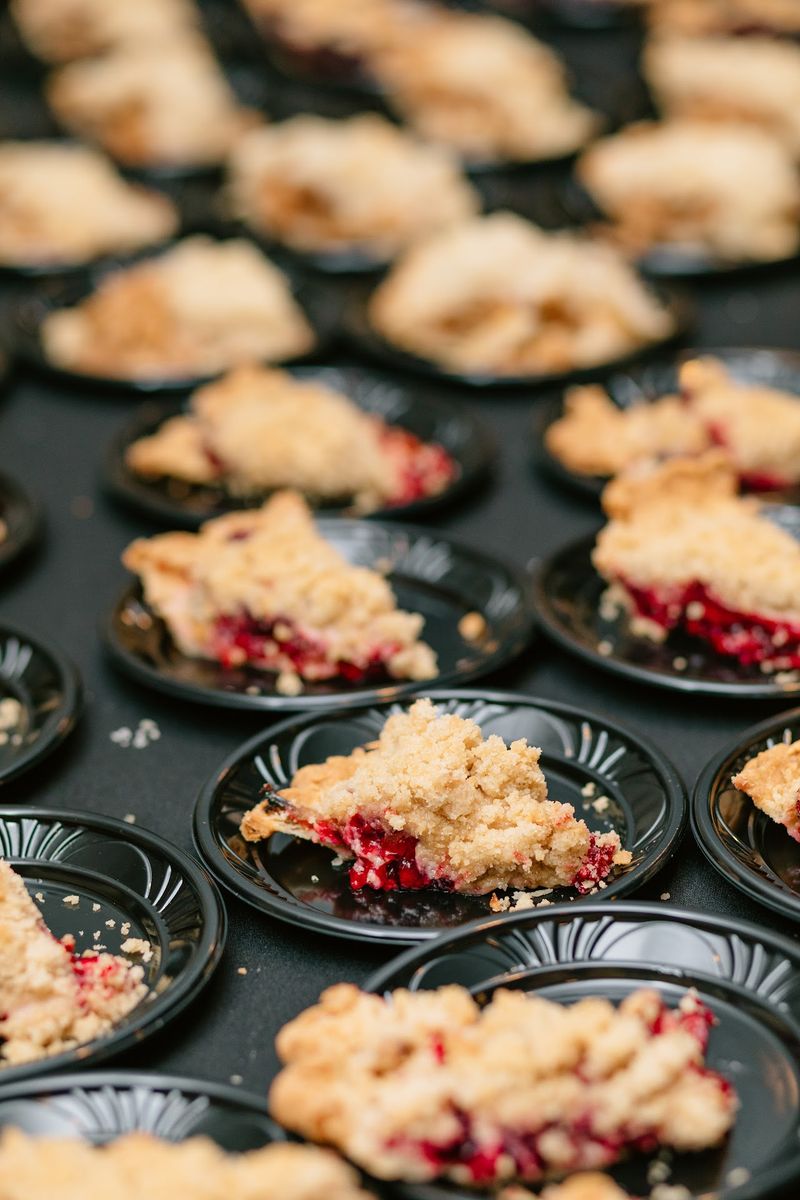
Community calendars can be the secret map to the best desserts.
When towns host summer gatherings, holiday markets, school fundraisers, or fall meals, pie often appears because it is easy to share and easy to love.
A pan of bars is handy, but a pie still feels like someone made an extra effort.
Planning ahead helps a lot.
Local social media pages, library boards, courthouse-area notices, and cafe flyers may list dinners or bake sales before they happen.
If you are visiting on a weekend, check these sources early, because homemade pies can sell out quickly when regulars know which bakers are involved.
Seasonal pie also helps you understand the rhythm of the year.
Summer slices may taste bright and juicy, while winter pies lean toward cream, custard, nuts, and spice.
Bring a cooler if you hope to take a whole pie home, and keep food safety in mind on warm days.
Most of all, be flexible, because the unexpected flavor left on the table might become the one you remember best.
Why Pie Makes a Small Town Feel Close
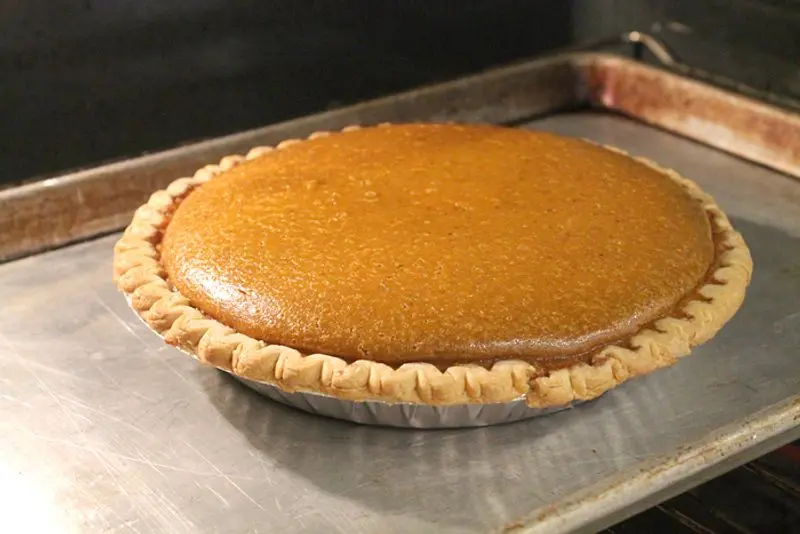
Pie has a funny way of turning strangers into tablemates.
One person asks what flavor another person chose, someone recommends the crumb topping, and suddenly a simple dessert has started a conversation.
That is why pie fits so well in a place where daily life still depends on greeting people, helping neighbors, and showing up.
The charm is not only in sugar and crust.
It is in the shared labor behind school benefits, funeral lunches, holiday dinners, and Sunday meals.
Every pie carries time, heat, skill, and care, which makes even a modest slice feel personal.
Anyone writing a travel plan around homemade pie should keep expectations human and flexible.
Small towns change hours, menus shift, and the best treats may appear at a one-day event rather than a permanent shop.
Call ahead when possible, ask locals kindly, and support the businesses and groups you visit.
When you leave with a full stomach and a better sense of the community, you understand why homemade pie can make a town feel bigger-hearted than its population number suggests.