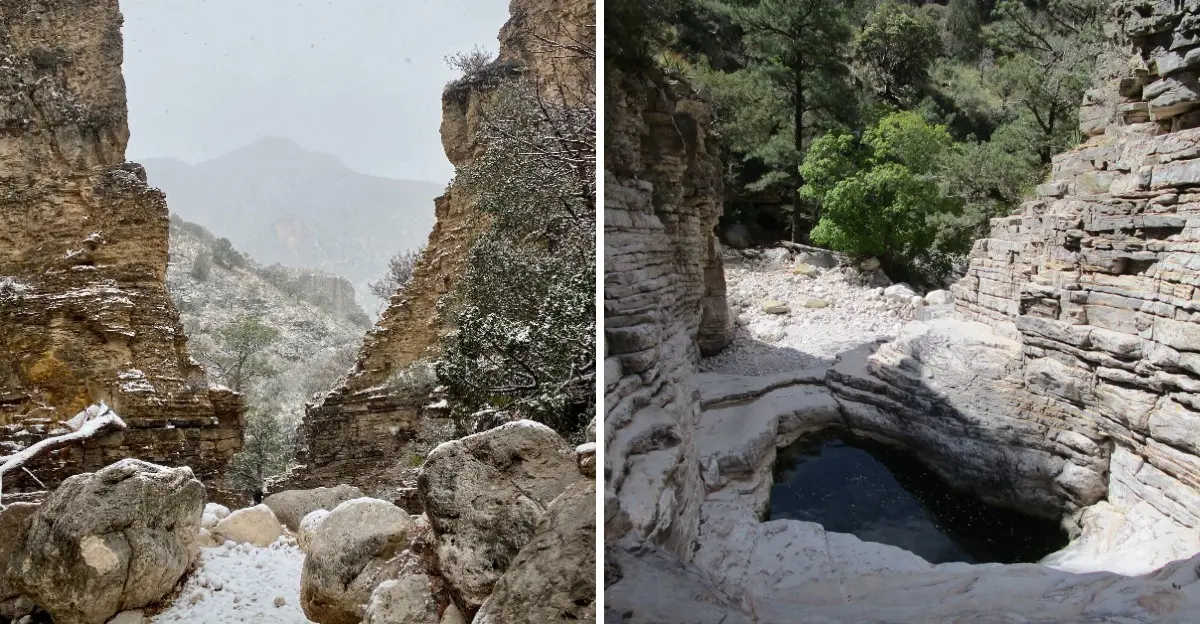
Some trails ask for a little effort, and some trails ask you to climb over boulders the size of a pickup truck. Out in the far western corner of Texas, there is a 4.2-mile round-trip hike that starts out calm and then turns into a rocky obstacle course.
The first half feels like a warm-up. The second half drops into a dry creek bed where hikers pick their own way up, over, and around giant stones.
At the end sits a narrow rock canyon with walls so straight and tall that it barely seems real. Park staff rate this route as strenuous, and they have good reason.
Still, plenty of hikers walk away saying it was one of the most fun mornings of their trip.
Keep reading to learn what makes this hike so special, how long it takes, and how to get ready for it.
Where This Rocky Adventure Begins
Far from big cities and busy highways, the Guadalupe Mountains rise out of the West Texas desert like a giant stone wall.
Devil’s Hall Trail sits inside Guadalupe Mountains National Park, with a listed address of Texas 79847, USA. The hike starts at the Pine Springs Trailhead, the same starting point used by hikers heading to Guadalupe Peak, the highest point in Texas.
The trail is 4.2 miles round trip. It is an out-and-back route, so hikers return the same way they came in.
For about the first mile, the path shares space with the Guadalupe Peak route before splitting off on its own. Signs help point the way at that fork.
The park is remote, so planning ahead pays off. Gas stations and stores are few and far between in this part of the state.
Many hikers fuel up and stock supplies before the long drive in. A full tank and a packed bag make the day go much smoother once the boots hit the dirt.
A Calm First Mile
Nobody would guess the trail gets wild based on the opening stretch.
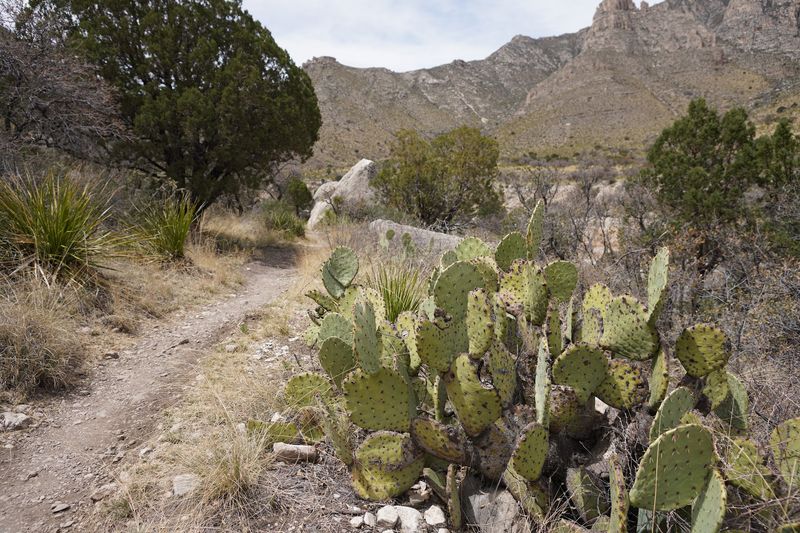
The first part of the hike is a regular dirt path with a gentle climb. It winds along the side of the mountains and gives hikers some nice views of the slopes and canyons around them.
Plenty of folks call this section a warm-up. It is a good time to settle into a steady pace, check that shoes feel right, and sip some water.
Along the way, the plant life looks very much like the desert. Cactus, yucca, and alligator juniper trees grow beside the path, which is a fun reminder of just how far west Texas stretches.
Some hikers find this part a little plain compared to what comes next. That is okay, because the trail is saving its best tricks for later.
Use this easy start wisely. Stretch your legs, enjoy the open views, and get your energy ready, since the real adventure begins once the path drops into the wash.
Into the Wash We Go
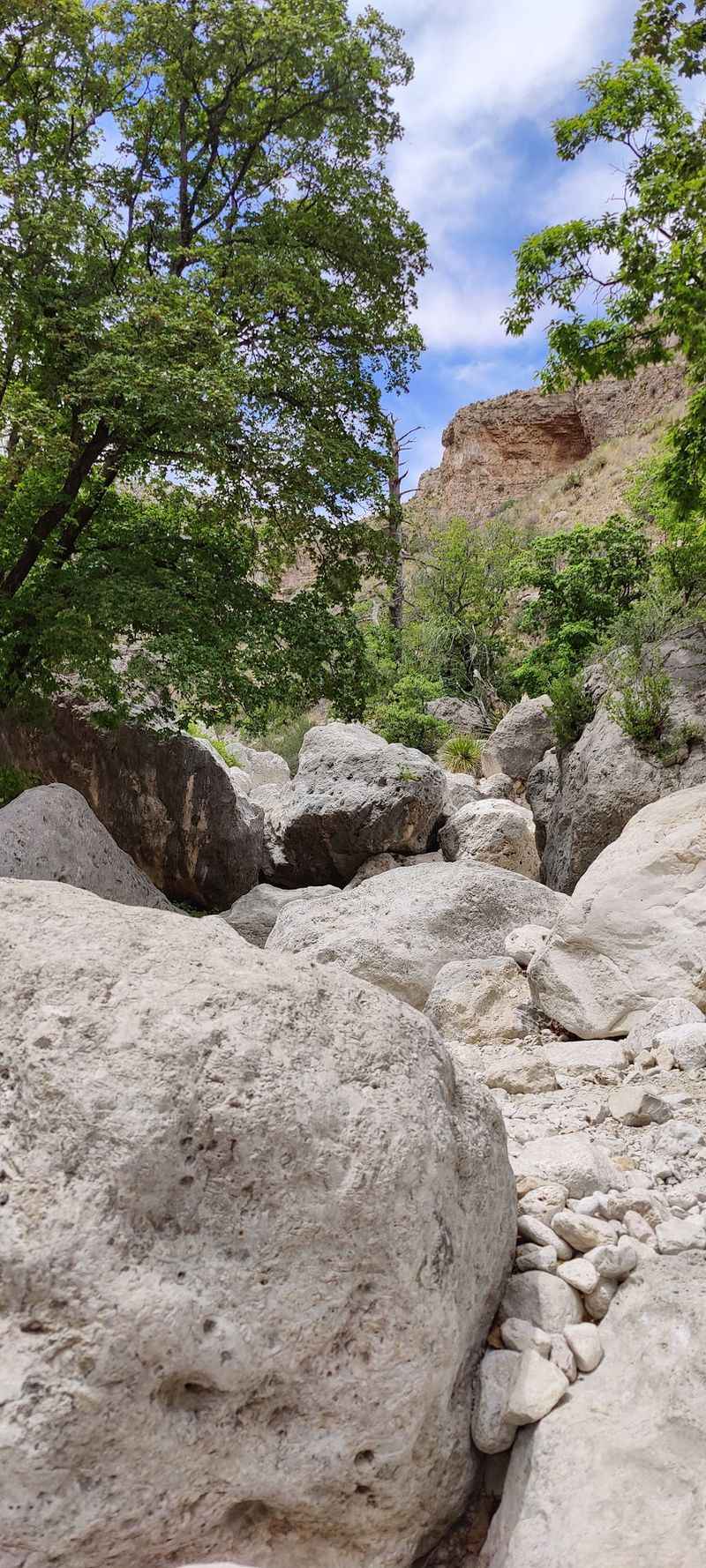
About halfway in, a sign points hikers down into a dry stream bed, and everything changes.
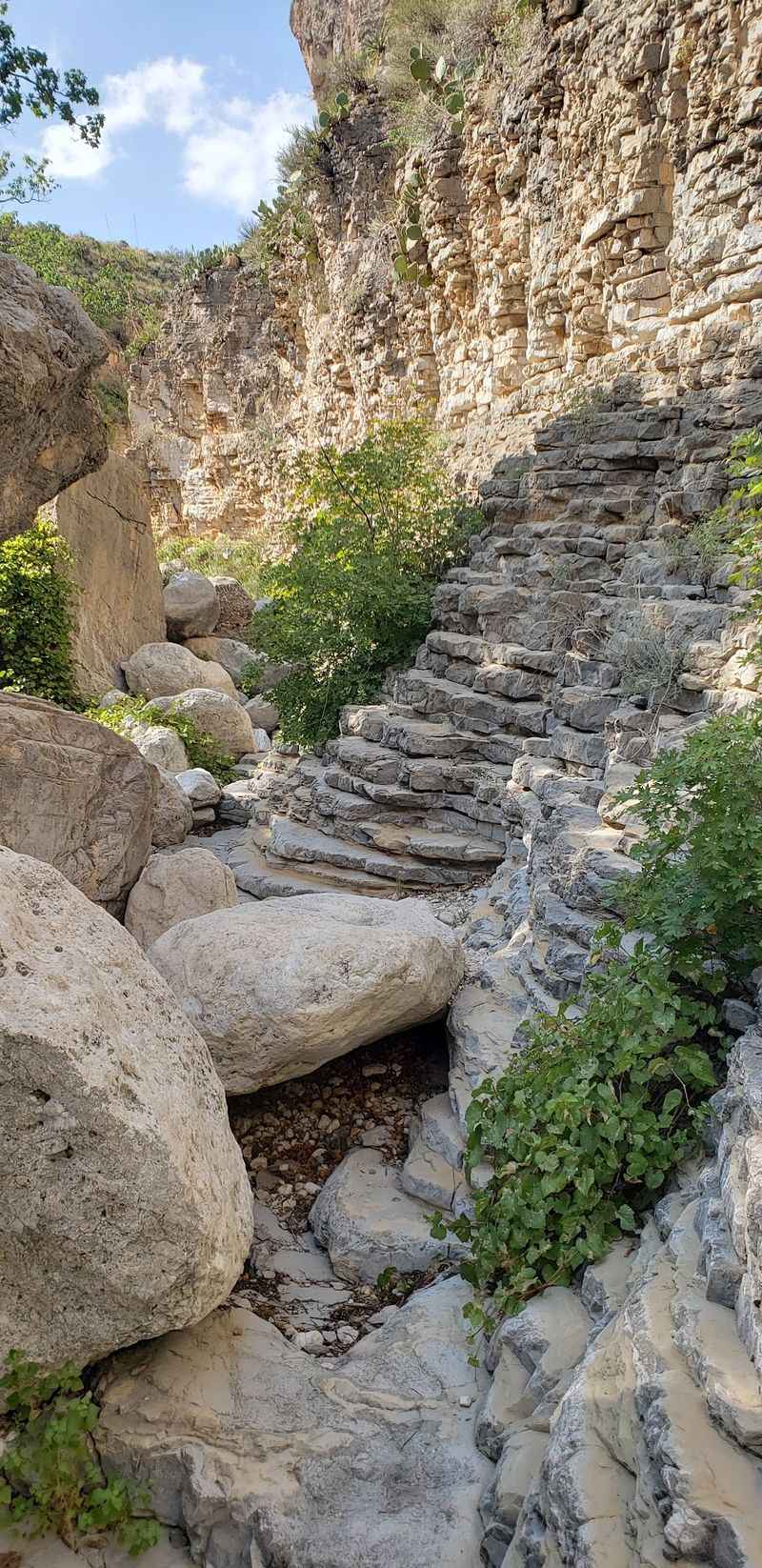
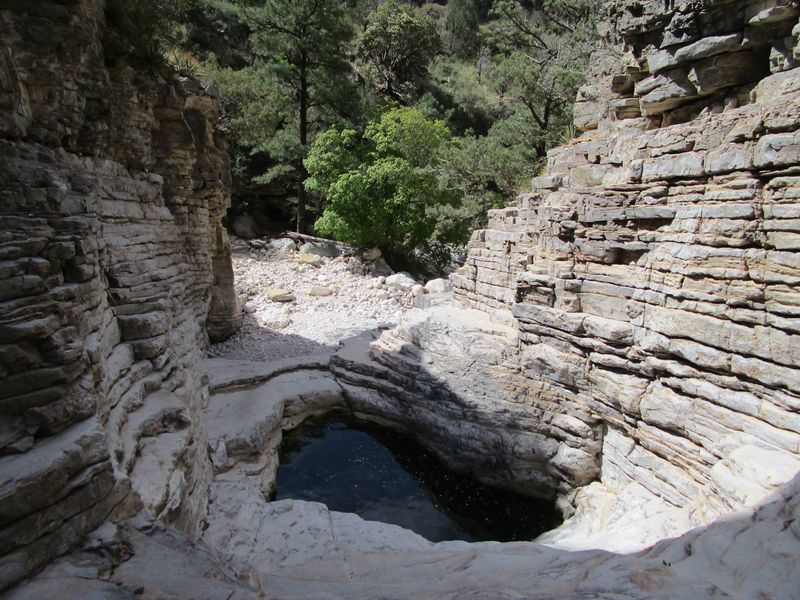
This rocky wash is the heart of the hike. Instead of a smooth path, the route becomes a field of stones and boulders that climb steadily uphill.
Hikers have to step up, slide down, squeeze around, and sometimes use their hands. There is no single correct line through the rocks, so each person gets to pick a route.
That freedom is part of the fun. Kids especially love bouldering over the big stones, and many adults feel like kids again too.
The total elevation gain is not huge, roughly a few hundred feet. The tricky part is the uneven ground, not the steepness.
This rugged section is why the park upgraded the trail to strenuous. Take your time here and watch where each foot lands.
Slow and steady wins this race, and the payoff waiting at the top is worth every careful step.
Climbing the Hiker’s Staircase
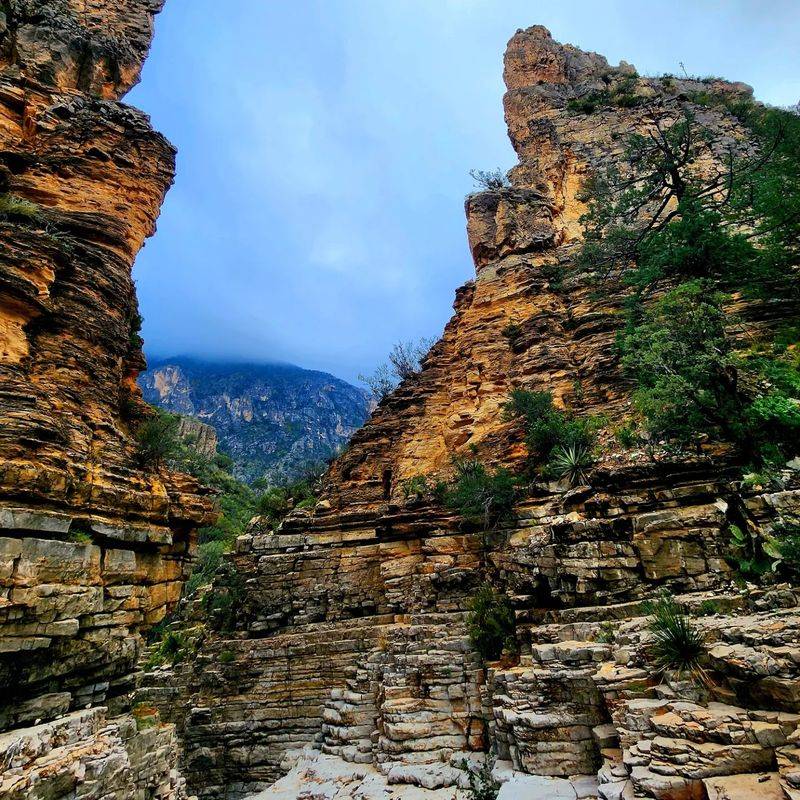
Near the end of the wash, the canyon offers up a surprise that looks almost built by hand.
A set of natural rock ledges stacks up like giant stairs. Many people call this spot the Hiker’s Staircase, and it is one of the most photographed features along the route.
The layers of stone formed over a very long time. Water and weather slowly shaped the rock into flat steps that hikers can climb.
Each step can be tall, so shorter hikers may need to use their hands for balance. That is perfectly normal here.
The staircase is a sign that the goal is very close. Many hikers say the last 500 feet of the trail are the most amazing part of the whole journey.
Pause at the bottom to look up before you climb. It is a great place for a group picture, and it makes a fine excuse for a quick breather before the grand finale.
The Hall Itself
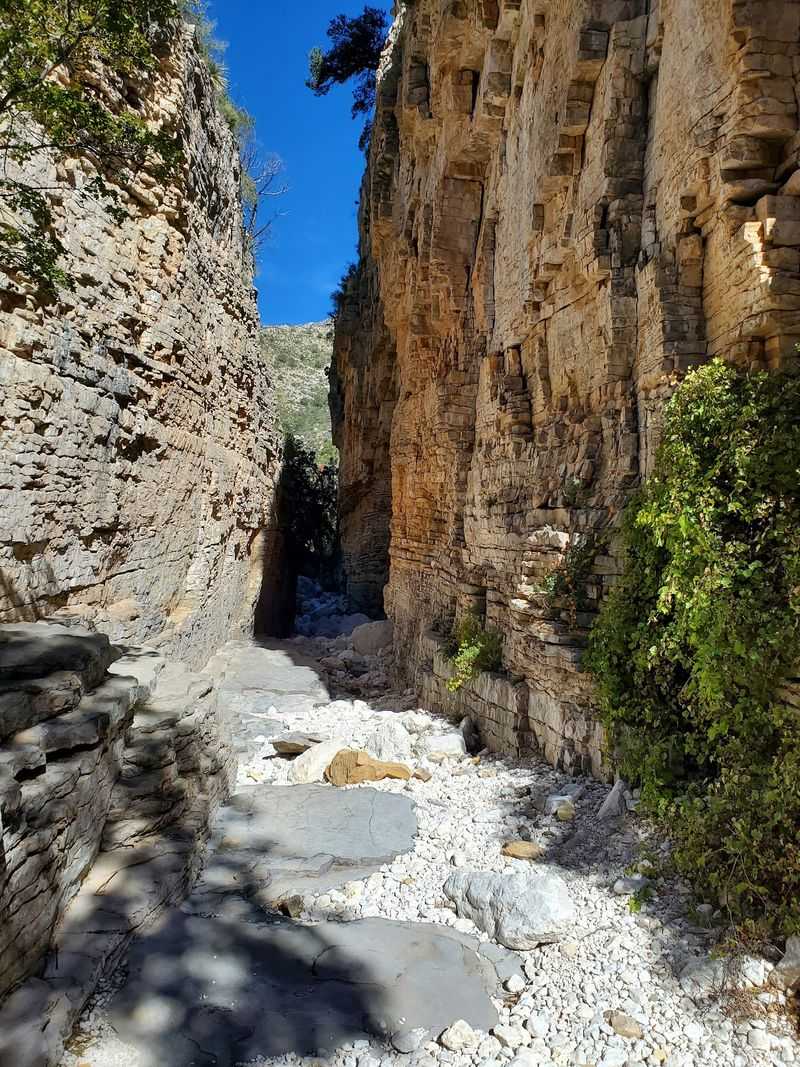
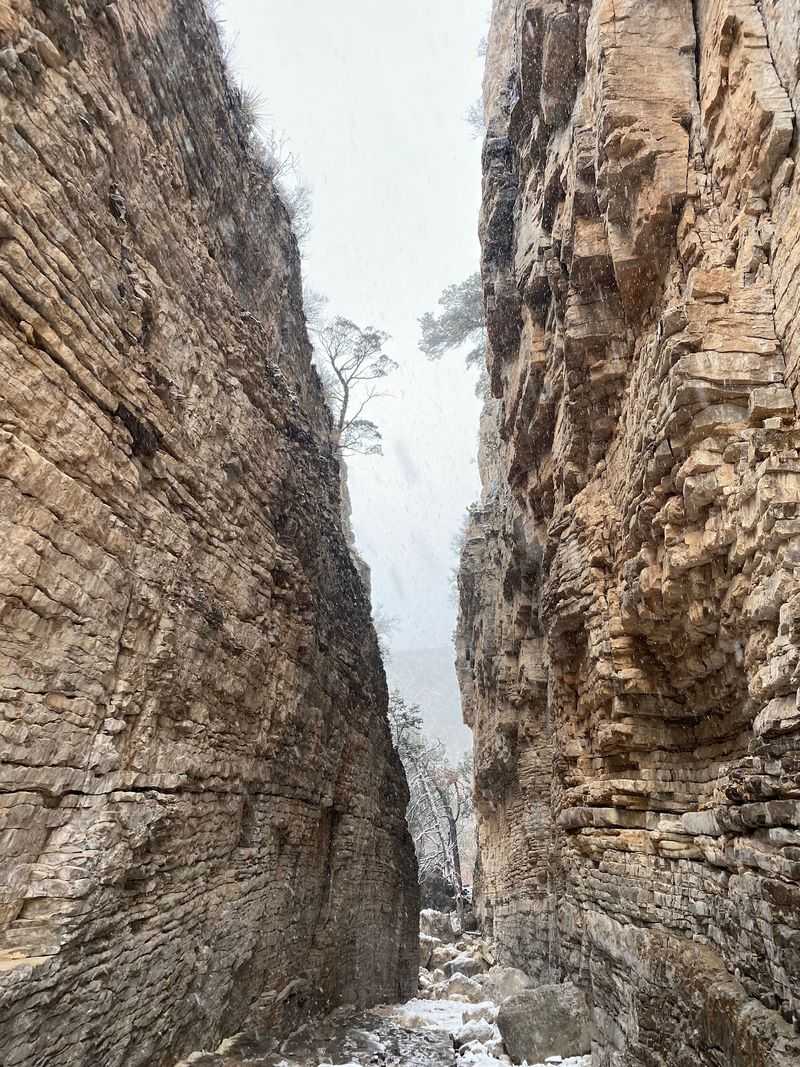
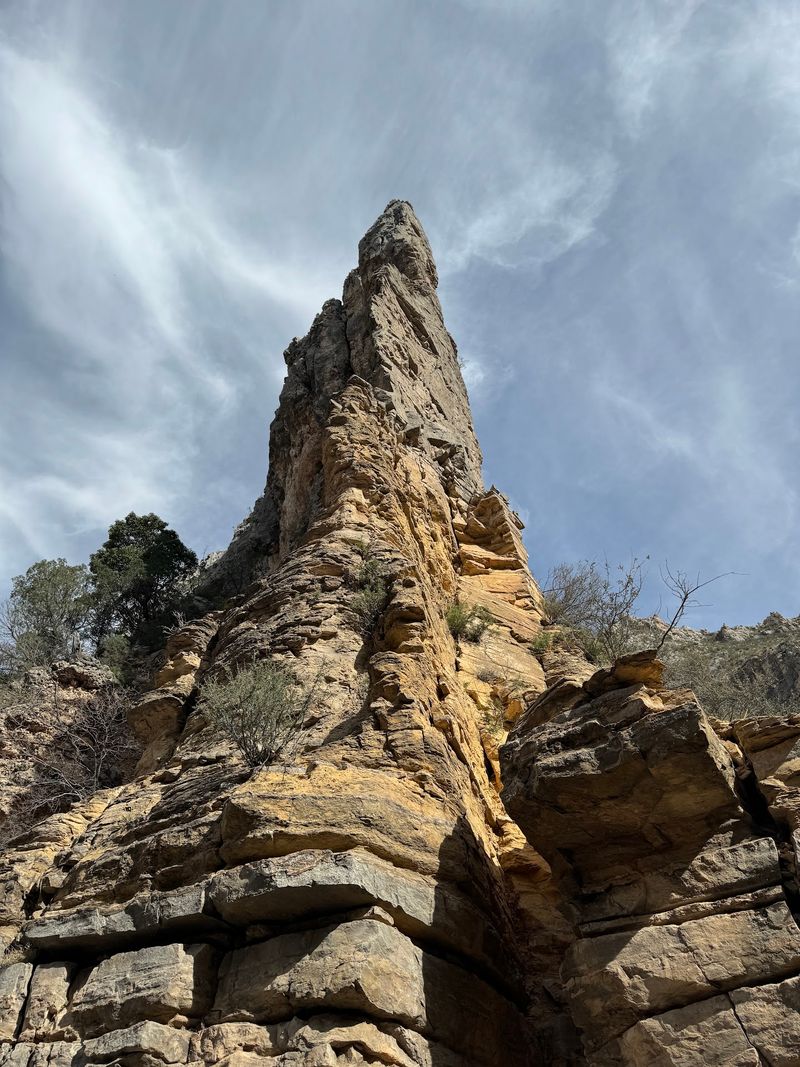
Two towering stone walls stand close together, forming a narrow hallway right in the middle of the canyon.
That is Devil’s Hall, the reason everyone sweats through the boulders. The walls rise straight up on both sides, creating a passage that feels like a room carved out of the mountain.
The hall is wider than some people expect. It is not a tight squeeze, but it is still very unique and unlike most spots in Texas.
Hikers often spend extra time here looking around. It is smart to plan a few spare minutes to rest, snap photos, and simply enjoy reaching the end.
The trail officially stops at the hall. Going farther is not part of the marked route, so this is the turnaround point.
Many people call it the perfect payoff for the climb. Standing between those tall walls makes the scraped knees and tired legs feel like a small price for such a big reward.
How Long Will It Take
Time on this trail depends less on distance and more on those rocks.
Park rangers often suggest setting aside about four hours for the full trip. That gives plenty of room for slow scrambling and breaks.
Many hikers finish faster. A total of two to four hours is common, depending on fitness level and how comfortable someone feels climbing over boulders.
The first section goes by quickly. The wash is where the clock slows down, because every step needs a little thought.
Some groups reach the hall in about two hours. Others finish the round trip in around two and a half to three hours, including a meal and a rest.
A smart plan is to start early in the day. That way, nobody feels rushed on the way back down.
Leave extra time to hang out inside the hall too. Rushing the best part of the hike would be like leaving a movie right before the ending.
Easy to Get Lost on the Return
Here is a twist many first-timers do not see coming. Heading back can be trickier than heading in.
Inside the wash, there is no clear dirt path to follow. Rocks look alike, and it is easy to miss the spot where the trail climbs back out.
Hikers are wise to stay sharp on the return trip. Paying attention to landmarks on the way up makes the trip down much easier.
Look for signs and small rock piles that mark the route. Recent storms can also shift rocks and change how the wash looks, so expect a few surprises.
A downloaded trail map on a phone is a helpful backup, since cell signal can be spotty in the park. A paper map from the visitor center works well too.
On the bright side, going down the boulders often feels easier than climbing up. Just keep your eyes open, and that exit from the wash will be waiting right where it should be.
Gear That Makes a Difference
Good shoes might be the most important thing you bring on this hike.
The rocky footing in the wash calls for sturdy hiking shoes or boots with strong grip. Smooth sneakers can slip, especially on worn stone.
Water is the next big item. The desert air dries people out fast, and there is no water source along the trail, so pack plenty.
Snacks or a light meal help keep energy up during the scramble. Many hikers stop to eat at the hall before heading back.
Here are a few other helpful items to consider:
Sun protection, like a hat and sunscreen, is useful on the open first half. Light gloves can make grabbing rough rocks more comfortable.
A small first aid kit is handy for scrapes. Trekking poles help some people on the easy section, though many pack them away in the boulders.
With the right gear on your back, the trail feels much less intimidating and a whole lot more fun.
Seasons and Surprises
West Texas weather has a sense of humor, and this trail feels it.
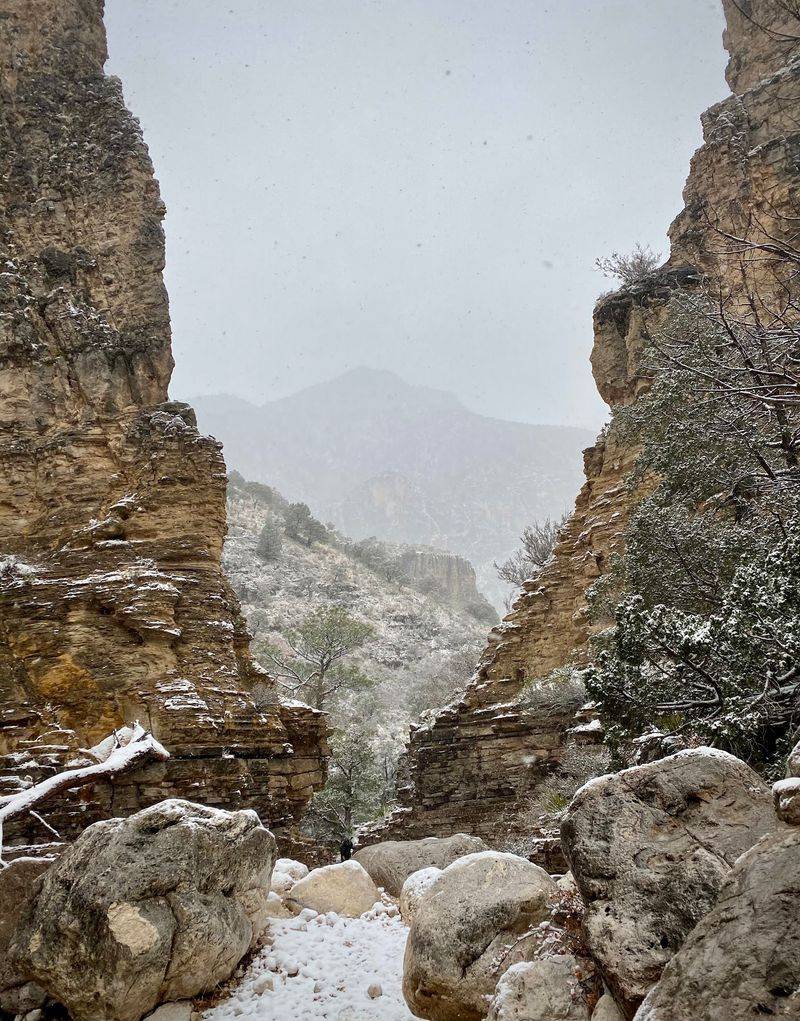
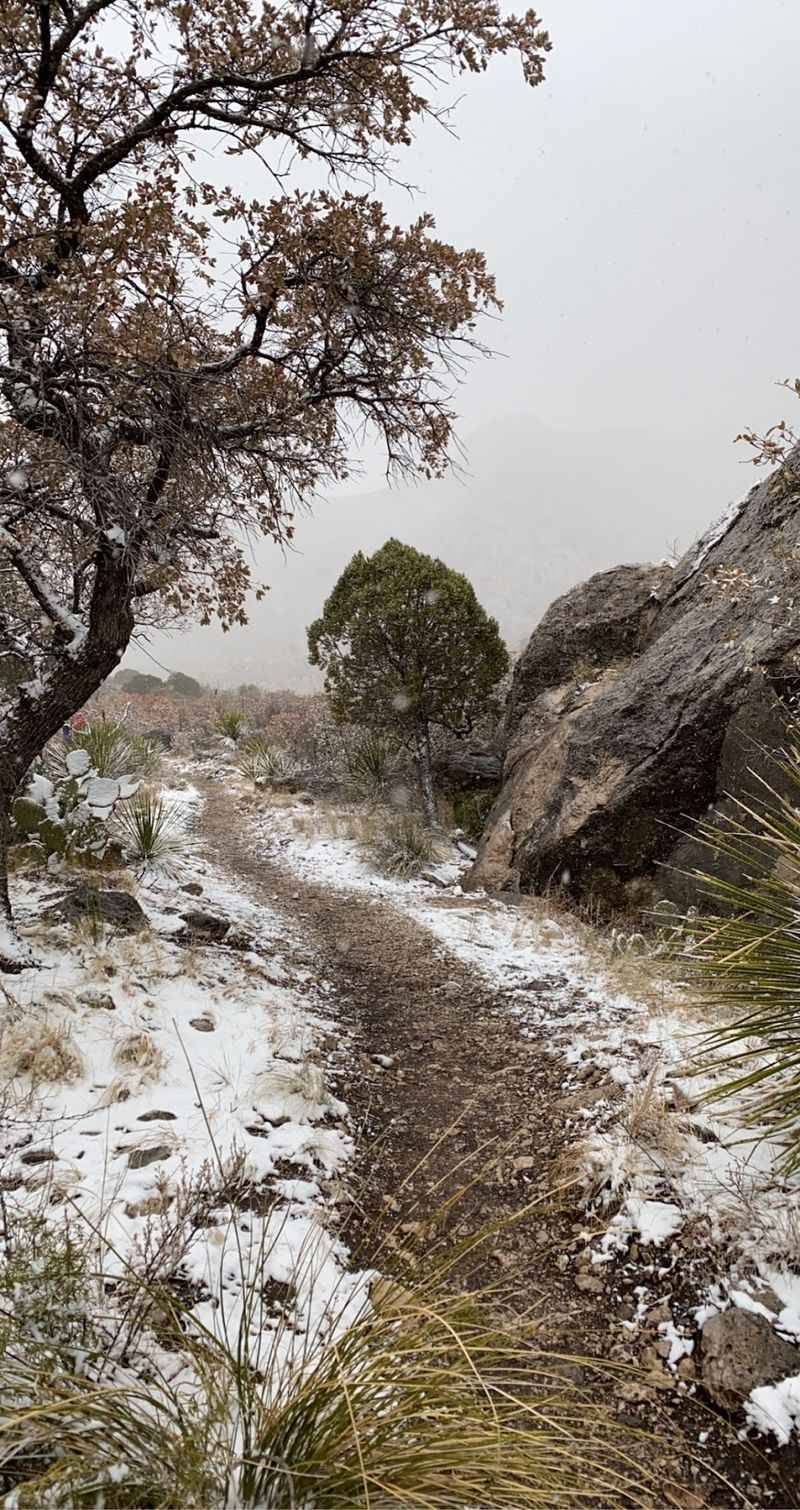
Winter hikes can be cold and windy in the Guadalupe Mountains. Some hikers have even tackled the route during a snowstorm.
Wet or icy rocks make the wash much harder. Climbing slick boulders takes extra care, and slips are more likely.
Summer brings a different challenge. Heat can build up quickly, so early starts and extra water become very important.
Bugs can show up in the wash during warmer months. They tend to be less bothersome when hikers keep moving.
Wildlife is also part of life here. Rattlesnakes live in the area, so watching where hands and feet go is a smart habit.
Checking the forecast before heading out is always a good idea. The park visitor center can share current trail conditions too.
Every season offers a different version of the same hike, which might be a sneaky reason to come back more than once.
The Perfect Partner for Guadalupe Peak
Most people come to this park for one famous summit, but smart planners save room for a second adventure.
Guadalupe Peak is the highest point in Texas, and its trail draws big crowds. Devil’s Hall Trail starts from the same trailhead yet feels far quieter and more peaceful.
That makes it a great add-on hike. Some travelers do the peak one day and the hall the next, giving their legs a fun change of pace.
The two trails offer very different experiences. One is a long climb to a high point, while the other is a playful scramble through a canyon.
Families often enjoy the hall because it feels like a giant playground. Kids can climb and explore while adults admire the canyon views.
The trail stays a favorite among those who visit the park. It earns praise for being unique, fun, and full of mountain scenery.
Pack up, lace up, and keep going, because those tall stone walls are waiting at the end.