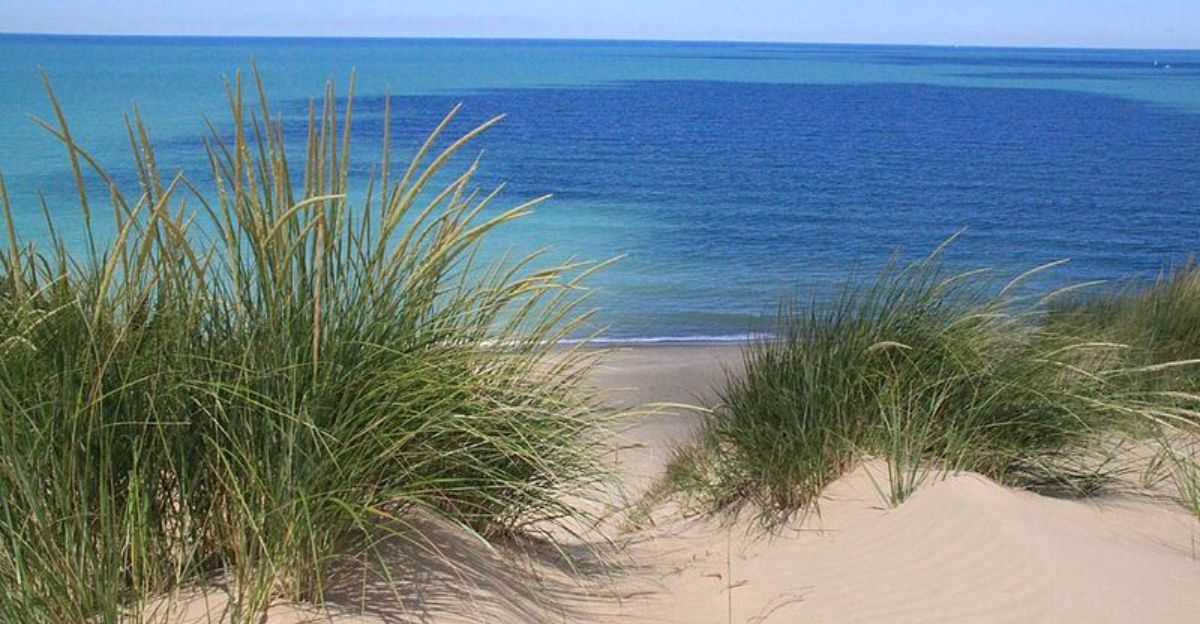
If you think Indiana is all flat farmland, this lakeside national park will completely change your mind.
Indiana Dunes National Park packs giant sand hills, wide beaches, rare habitats, and surprisingly wild scenery into a stretch of shoreline just beyond Chicago.
It feels like a place where the Midwest shows off in a totally unexpected way.
Once you see how dunes, forests, wetlands, and blue water come together here, you will want to start planning your visit immediately.
A Unique National Park on the Shores of Lake Michigan
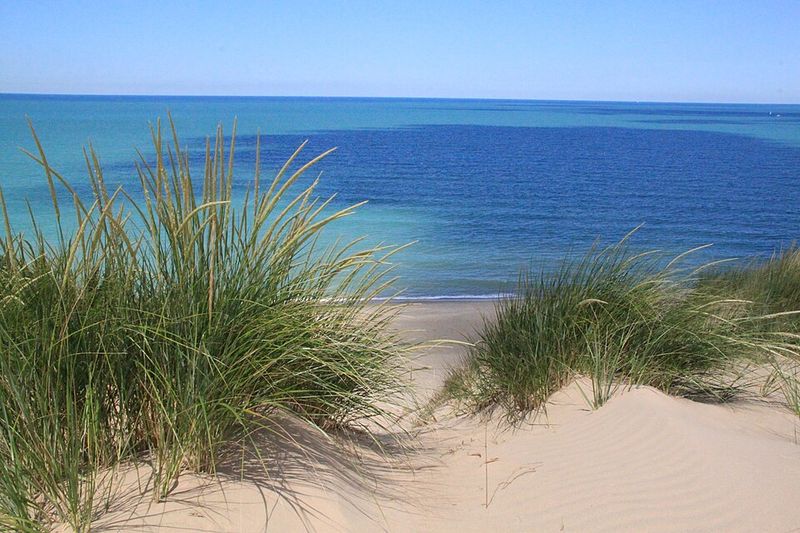
What grabbed me first about Indiana Dunes National Park is how much variety fits into one shoreline escape. Along roughly 15 miles of southern Lake Michigan, you move through beaches, giant dunes, wetlands, oak forests, and open prairie without ever feeling like the scenery repeats itself.
It is compact compared with blockbuster western parks, but that smaller footprint makes the diversity feel even more impressive up close.
If you are expecting a single beach stop, this place quickly proves it has layers. One trail can lead you from shifting sand to shaded woods, while another brings marsh views, wildflowers, and birdsong that make the whole park feel far wilder than its map suggests.
I think that contrast is what makes it memorable, because every section reveals a slightly different version of the lakeshore.
The park also carries serious ecological significance, protecting one of the richest concentrations of plant and habitat diversity in the country. That means your visit is not just scenic, it is a chance to experience an unusually complex natural system in a very accessible setting.
For a park surrounded by communities and industry, it feels refreshingly alive, surprising, and deeply worth exploring.
Towering Sand Dunes Shaped by Wind and Time
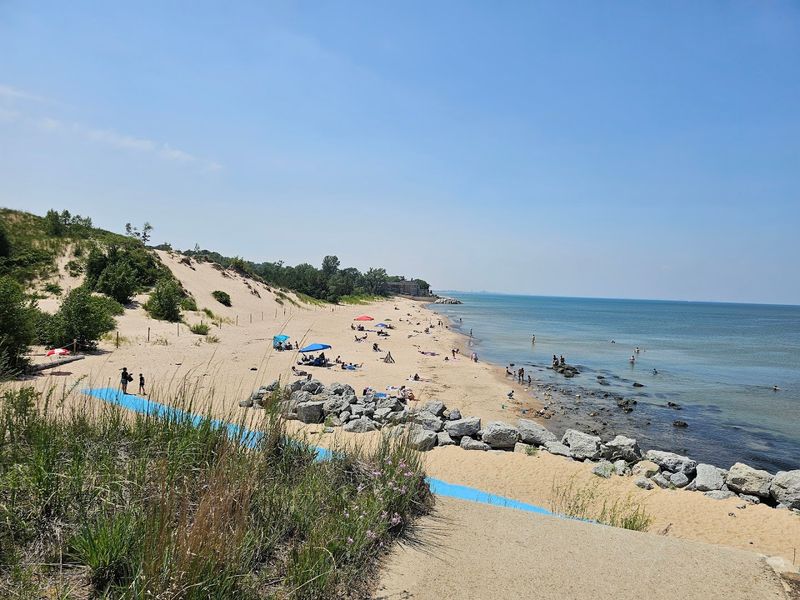
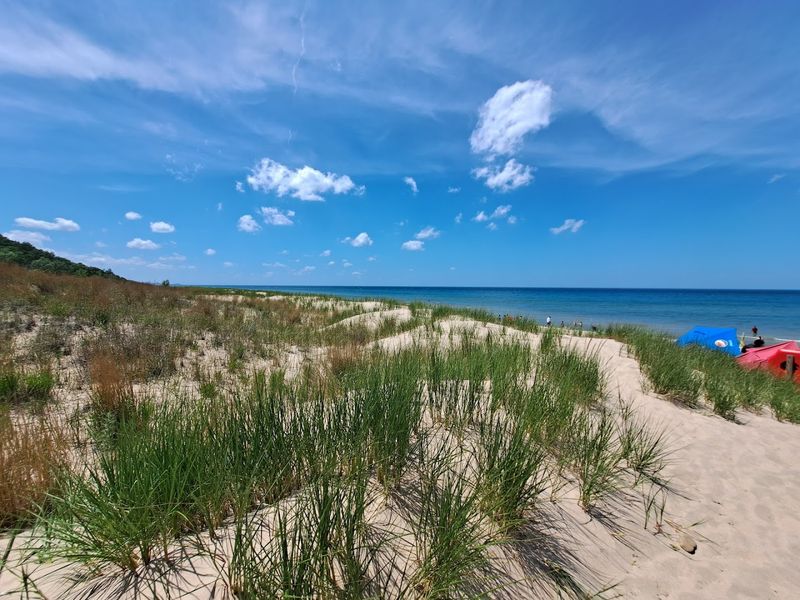
The dunes are the stars here, and seeing them in person makes that instantly obvious. Some rise nearly 200 feet above the surrounding landscape, creating steep sandy climbs that feel far more dramatic than most people expect in Indiana.
When you stand at the top and look toward Lake Michigan, the view feels broad, bright, and almost coastal in a way that completely rewrites the state’s reputation.
These hills were shaped over thousands of years through glacial forces, shifting sediment, and persistent lake winds. That long process created a landscape that still feels active, with contours, ridges, and blowouts that change subtly over time.
I love that the dunes do not look frozen in place, because they remind you that nature here is still working, moving, and reshaping itself season after season.
Walking on them is also more demanding than it looks from a distance. Soft sand slows every step, inclines sneak up on you, and sunny days can make the climb feel like a workout in minutes.
But that effort is part of the reward, because reaching a high dune gives you sweeping lake views, open sky, and that satisfying sense that you earned the scene in front of you.
A Landscape of Rare Biodiversity
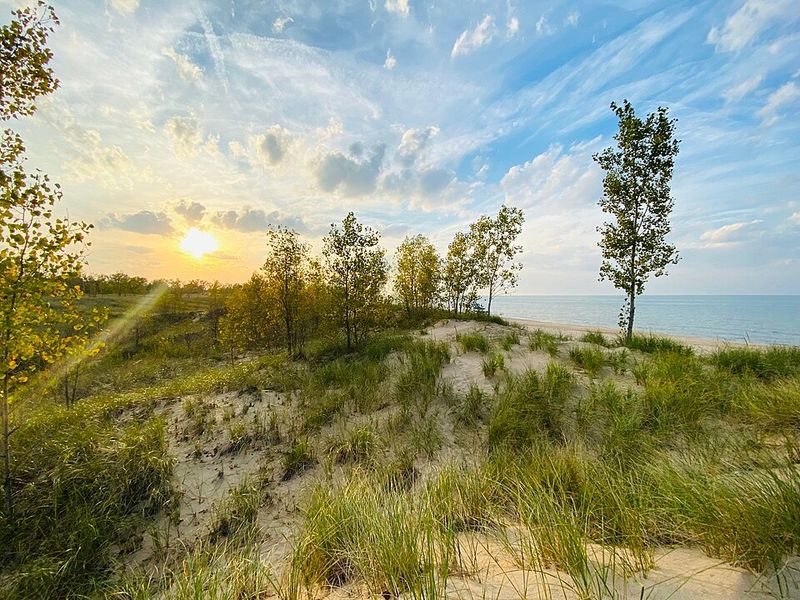
One of the most fascinating things about Indiana Dunes National Park is how biologically rich it is. More than 1,100 native plant species have been recorded here, which is remarkable for a park of this size and one reason scientists and nature lovers pay so much attention to it.
If you enjoy places where every trail feels like a lesson in ecology, this park delivers that in a very approachable way.
The variety of habitats explains a lot of that richness. You can move from bogs and marshes to black oak savannas, wooded ravines, prairies, and sandy beach communities, sometimes within a short drive or hike.
That constant transition creates niches for an impressive range of plant and animal life, and it keeps the landscape feeling fresh no matter how many areas you explore.
I think this biodiversity gives the park a deeper kind of beauty that goes beyond a pretty view. You are not just looking at scenery, you are stepping into an unusually layered living system where rare plants, insects, birds, and changing habitats all interact.
It makes every walk feel more meaningful, especially when you slow down enough to notice the small details that many visitors might otherwise miss.
Beautiful Sandy Beaches Along Lake Michigan
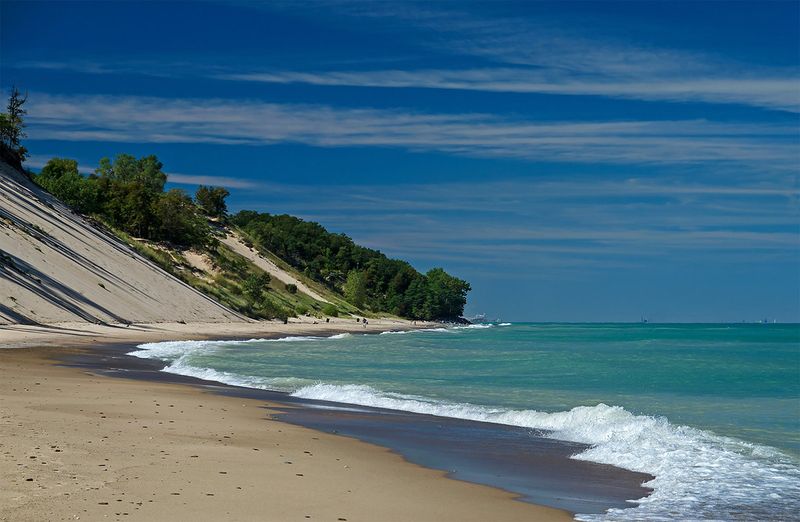
The beaches at Indiana Dunes National Park are easily some of the most inviting in the Midwest. Wide stretches of pale sand meet the open water of Lake Michigan, creating views that can look more like an ocean coastline than an inland lake on the right day.
If you come when the wind is calm and the sun is out, the water can turn a clear, vivid blue that feels unexpectedly tropical.
That is part of the charm here – conditions are always a little different. Some days bring choppier waves and a moodier horizon, while other days are ideal for swimming, lounging, or simply walking the shoreline with your shoes in hand.
I like that unpredictability, because it makes each visit feel unique and keeps you paying attention to the weather, light, and movement across the lake.
These beaches also offer more than just a place to spread out a towel. They connect directly to dune systems, nearby trails, and scenic overlooks, so a beach day can easily become a fuller park experience.
Whether you want to sunbathe, picnic, watch birds, or just stare at the water for a while, the shoreline here gives you plenty of reasons to linger longer than planned.
More Than 50 Miles of Scenic Trails
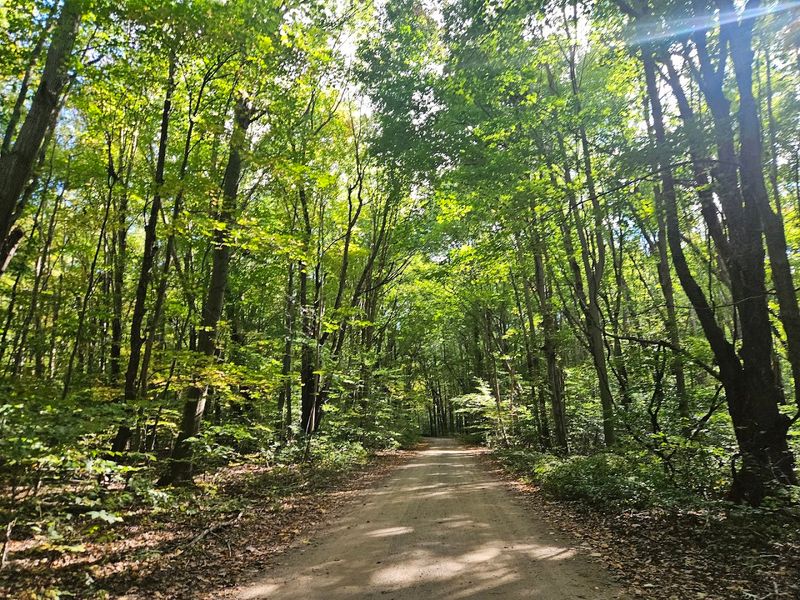
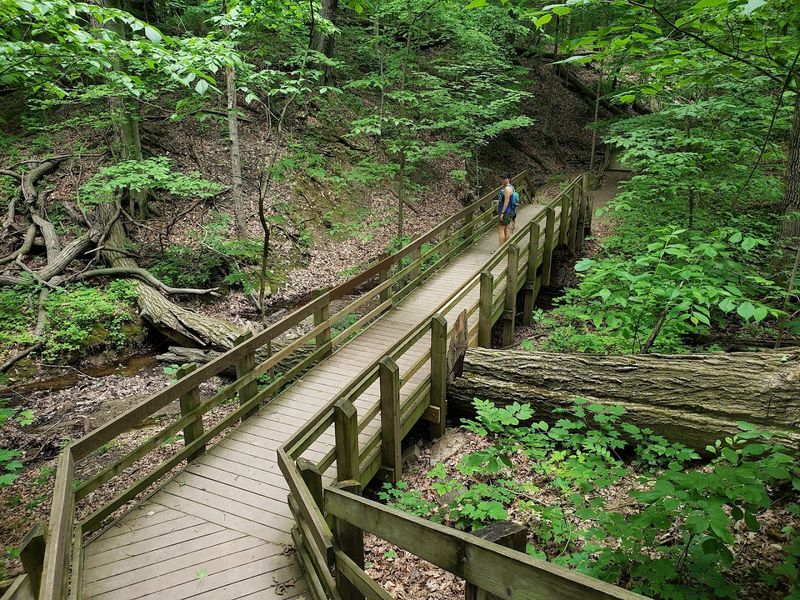
If you like to experience a place on foot, Indiana Dunes National Park gives you plenty of options. More than 50 miles of trails wind through dunes, forests, wetlands, prairies, and quiet natural pockets that reveal just how varied this landscape really is.
You can choose easy walks with lake views or longer outings that show off the park’s ecological range in a more immersive way.
One of the most interesting routes is the Dune Succession Trail, which helps you understand how plant life gradually establishes itself across shifting sand. Instead of seeing the dunes as empty or barren, you begin to notice the stages of change, from open beach to grasses, shrubs, and eventually more stable wooded areas.
I think that storyline makes the trail especially rewarding, because the scenery becomes both beautiful and educational at the same time.
The trails also encourage repeat visits because different seasons transform them completely. Spring wildflowers, summer greenery, fall color, and winter quiet each give the same paths a different personality.
Whether you want a casual stroll or a leg-burning climb over sand, hiking here lets you connect the park’s beaches, habitats, and hidden corners in a way that driving alone never could.
A Globally Important Birding Destination

Bird lovers already know Indiana Dunes National Park is a major destination, but even casual visitors can feel how special it is. The park sits along an important migration corridor, which means seasonal movements bring a huge variety of species through its beaches, woods, marshes, and open fields.
If you time your visit well, almost any walk can turn into an unexpected birding experience.
Hundreds of species are recorded here each year, and that diversity comes from the park’s mix of habitats and its strategic location on Lake Michigan. Migrating birds often pause here to rest and feed, making spring and fall especially exciting for anyone carrying binoculars or a camera.
I love that you do not need to be an expert to enjoy it, because hearing calls overhead or spotting movement in the trees adds energy to every trail.
Even if birding is not your main reason for coming, it can easily become one of your favorite parts of the trip. A beach walk feels richer when gulls, shorebirds, warblers, or hawks are part of the scene.
The park’s reputation among birders is well earned, and once you notice how alive the landscape feels during migration, you will understand why people return again and again.
Historic Sites Within the Park
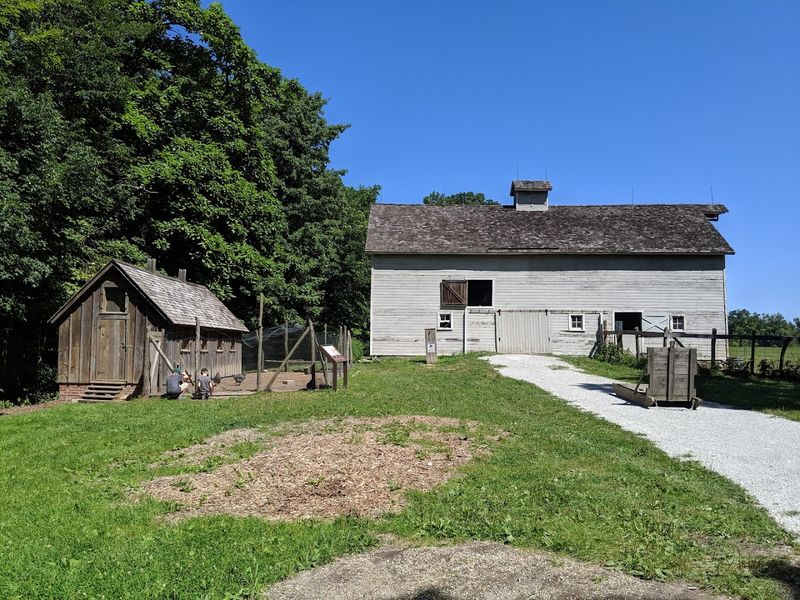
Indiana Dunes National Park is not only about dunes and beaches – it also preserves stories from the people who lived and worked here. Sites like the Bailly Homestead and Chellberg Farm add a cultural layer that helps you understand how this landscape shaped trade, settlement, and daily life long before it became a national park.
If you enjoy places where history and nature meet, these stops are worth your time.
The Bailly Homestead connects visitors to the region’s early fur trade era, while Chellberg Farm offers insight into immigrant farming life and the routines that once defined this part of Indiana. Walking through these areas gives you a more grounded sense of the past than a simple signboard ever could.
I find that these preserved spaces make the park feel more human, not less wild, because they reveal how people adapted to the land around them.
They also create a nice change of pace during a visit filled with hiking and beach time. You can slow down, explore old structures, and imagine the work, weather, and resilience tied to this landscape in another era.
That historical context adds depth to the trip, reminding you that Indiana Dunes has always been more than a scenic shoreline.
A National Park Surrounded by Industry and Communities
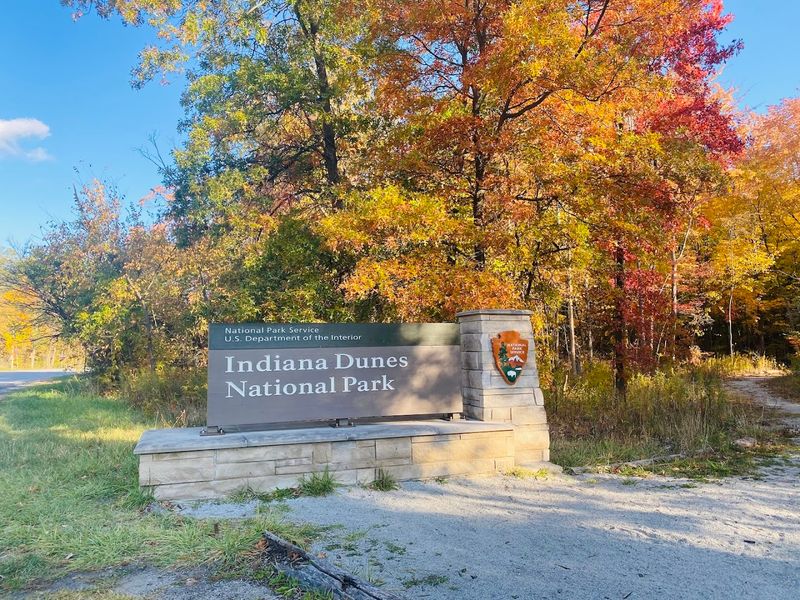
One of the most surprising things about Indiana Dunes National Park is how it exists alongside towns, roads, and industrial areas. Unlike remote parks that feel separated from daily life, this one is non-contiguous and woven into a developed region, which creates a striking contrast between preserved nature and the working landscape around it.
That tension is part of what makes the park feel so unique and memorable.
You can spend part of the day climbing a sandy ridge, listening to wind in the grasses, and looking out over Lake Michigan, then notice signs of nearby communities or industry not far away. Instead of ruining the experience, that contrast often makes the protected scenery feel even more valuable.
I think it highlights just how important conservation is, especially in places where natural systems survive within heavily used human spaces.
This setting also changes the way you think about what a national park can be. It does not have to be isolated to feel important, beautiful, or ecologically rich.
Indiana Dunes proves that wildness can persist in fragments, edges, and unexpected pockets, and that accessibility does not make a place less worthy of protection. In many ways, its surroundings make its survival feel even more impressive.
Easy Access From Chicago
One reason Indiana Dunes National Park draws so many visitors is how easy it is to reach. Located about an hour from Chicago, it offers a genuine national park experience without requiring a long road trip, expensive flights, or complicated planning.
If you live in the city or are visiting the region, it is one of those rare places where a spontaneous day trip can still feel like a real escape.
That accessibility makes the park appealing to a wide range of travelers. You can come for a quick beach afternoon, a morning hike, a full weekend of exploring different sections, or even a first introduction to national parks if you are not sure where to start.
I like that it feels flexible, because you do not need a huge commitment to enjoy big scenery, fresh air, and a meaningful break from urban routines.
Its location also helps explain why the park receives millions of visitors each year. People want nature they can actually reach, and Indiana Dunes delivers that in a way few parks can.
Even better, once you arrive, the landscape feels far more varied and expansive than the drive suggests. It is convenient, yes, but it still manages to feel exciting, scenic, and unexpectedly transporting.
What to Know Before You Go
A little planning goes a long way at Indiana Dunes National Park, especially because the park is spread across multiple disconnected sections. It is smart to decide your stops ahead of time, check current conditions, and know that fees for the national park are separate from nearby Indiana Dunes State Park.
Entrance costs typically range from about $15 to $25 per vehicle for seven days, so budget for that before you go.
Summer is the busiest season, and parking can fill faster than many first-time visitors expect. If you want the most relaxed experience, arriving early helps, especially for popular beaches and trailheads.
I would also not underestimate the dunes themselves, because hiking on soft sand is more tiring than it looks and can feel surprisingly intense under direct sun.
Bring plenty of water, sun protection, and sturdy footwear that can handle both sand and uneven trails. A simple beach day can easily turn into a longer outdoor adventure, so it helps to prepare for more movement than you originally planned.
With a little foresight, you can avoid common frustrations and spend more time enjoying what makes this park special: big views, diverse landscapes, and a shoreline that keeps surprising you.