
Tea fields this serene are not what you expect to find just an hour from downtown Charleston. At Charleston Tea Garden on Wadmalaw Island, the rows ripple like hillside terraces and the air hums with quiet purpose.
You taste the difference, but more importantly, you see and understand it. Here is how to make your visit feel effortless and unforgettable.
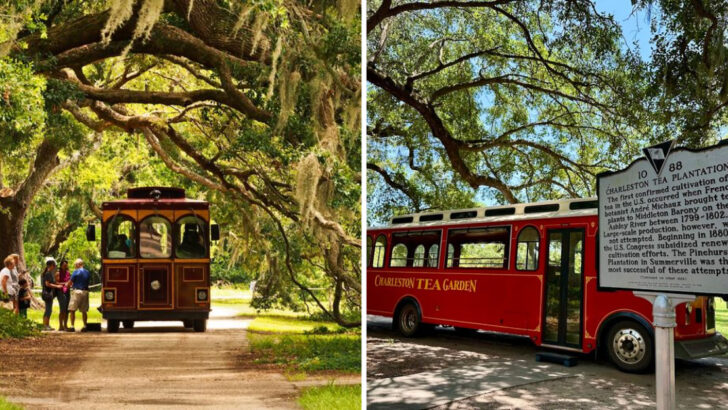
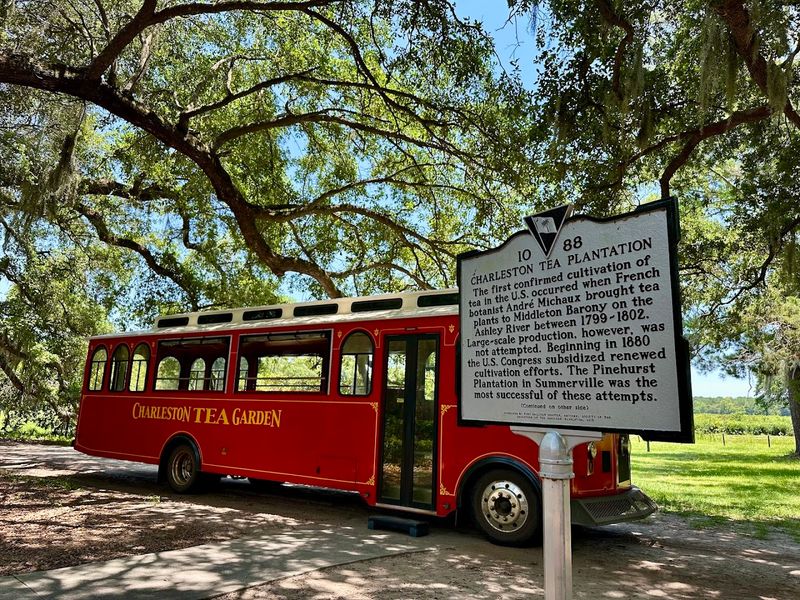
How To Get The Most From The Trolley Tour
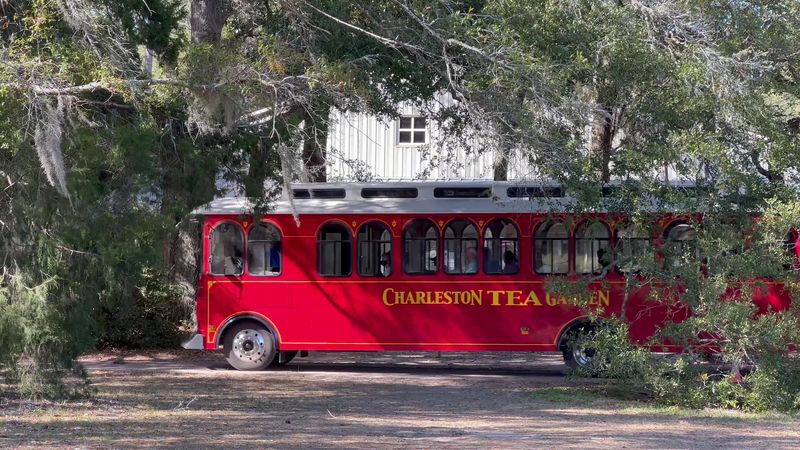
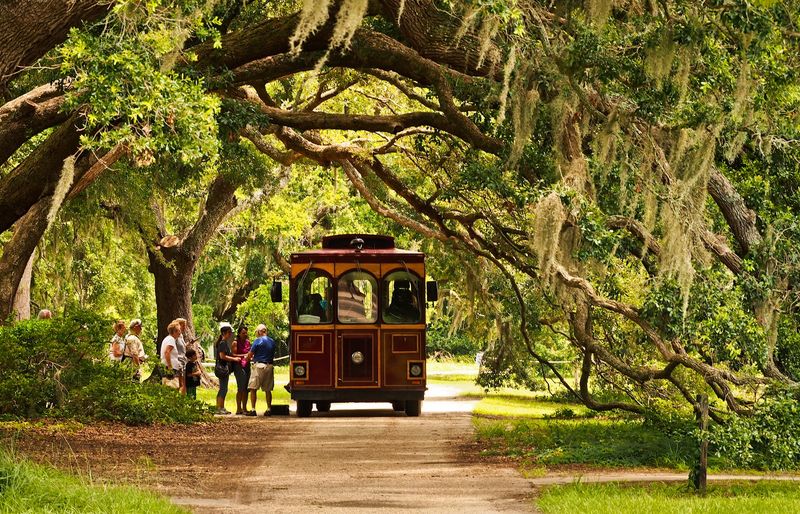
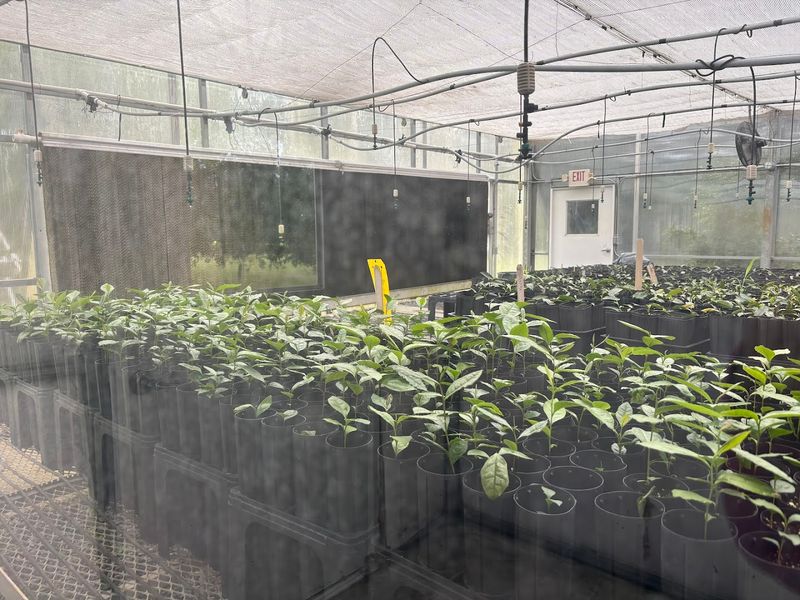
Seats fill quickly, so book trolley tickets online before driving out Maybank Highway. The ride lasts about 45 minutes and threads past fields, greenhouse stops, and shaded pockets under live oaks.
Audio narration pairs with a personable guide, blending history, cultivation techniques, and plenty of gentle humor.
Look closely at the harvesters, because they reveal why American tea is so hands on. You will hear how the top two leaves and a bud determine quality, and why timing shapes flavor.
Even rainy days work, thanks to covered cars that keep you dry while the island air does its thing.
Sit on the right side for brighter field views in the afternoon, or left side for shade on hot days. If motion sensitive, choose the middle rows where bumps feel gentler.
Keep your tasting cup, because the last stop drops you near refills that pair well with the breezy return.
Guides love questions, so ask about bloom season and winter pruning to deepen what you see. Families will appreciate the manageable length, while photographers get steady framing moments at each pause.
By the time wheels roll back to the gift shop, you will have context that makes every sip taste clearer.
First Impressions That Feel Incredibly Far From The Lowcountry
Step off the parking lot and your senses shift immediately. Neat hedge rows arc across gentle slopes, mist rising off Wadmalaw Island like a mountain morning.
It feels surprisingly far from coastal South Carolina, and that contrast is exactly why the experience sticks.
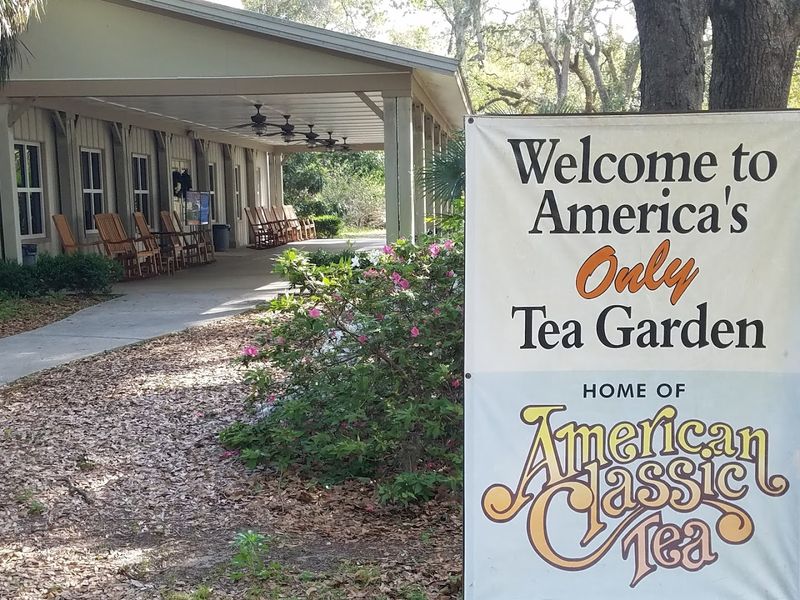
Before wandering, look toward the wooden sign that maps the next nearest tea plantations around the world. Seeing Kenya, India, and Japan listed so far away underscores how rare this American operation is.
You are not just visiting a garden, you are stepping into a story still being written.
Grab a free hot sample inside to set the tone, then stroll the rows slowly. Notice the clipped camellia sinensis leaves, the shears, and the breeze moving like a whispered lesson in patience.
If the sun is bright, aim for golden hour to watch the fields glow and the live oaks frame the scene.
Parking is free, restrooms are large, and staff happily point you toward the next tour. Budget one and a half to two hours for tasting, the trolley, and a gift shop browse.
On hotter days bring water, a hat, and patience for brief lines, then settle in and let the quiet do its work.
The Free Factory Tour, Decoded In Plain English
Inside the processing building, a free 15 minute video strings together every step from leaf to cup. Multiple screens and glass windows turn machinery into a living diagram.
You stand close enough to smell the withering room on active days, learning why airflow matters as much as terroir.
Expect a tight overview of oxidation, rolling, and firing, plus how green, oolong, and black teas all begin the same. That revelation clicks when you later taste different styles in the shop.
If crowds build, wait one cycle, then slide into a corner spot where the speakers are clearest.
Bring questions about caffeine levels, because staff answer with practical ranges, not vague guesses. You will also hear about American Camellia sinensis varieties, mechanical harvest, and the partnership ties to larger brands.
For a quieter visit, target midweek mornings, then pop back outside with new knowledge that frames the fields around you.
If traveling with kids, set expectations that it is a standing presentation, not a ride. Attention spans improve with a warm sample in hand and a scavenger style challenge to spot specific machines.
Ten minutes later you will catch yourself decoding tea labels at home with a sharper, more confident eye.
Tasting Like A Pro Without Overthinking It

Free samples sit near the entrance, and the smart move is to start small. Pour half cups of hot English Breakfast and mint, then compare body and aroma before sweetening anything.
Many visitors find the iced batch a touch bitter, so try it last after your palate warms up.
Bring a reusable bottle for water between sips, which clears tannins and keeps the flavors honest. If milk is your habit, taste neat first, then add a splash to see how structure changes.
Staff rotate options, so do a second circuit after the trolley when new urns might be out.
Note how green tea tea reads lighter but can feel sharper, while black tea lands rounder with toast. Oolong splits the difference, offering floral notes that linger in a pleasant way.
Keep quick notes on your phone, then snag a tin that matches how you actually drink tea at home.
If you dislike bitterness, ask for fresher hot batches or cooler iced pours, which often fix the issue. Pair sips with a small snack from your bag to reset your taste buds between styles.
By the end, your preferences will feel clearer, and that gift shop purchase will actually get used.
Best Seasons, Bloom Timing, And Comfort Strategies
Timing affects everything on the island, from color to comfort. Spring through early summer delivers fresh growth and, if you are lucky, delicate white blossoms that surprise first timers.
Fall often runs cooler with golden light that flatters photos and makes the trolley particularly comfortable.
Heat and humidity spike midsummer, so pack sunscreen and a brimmed hat, then plan indoor breaks. Morning factory sessions paired with late afternoon field time make a strong schedule.
If rain threatens, you will still stay dry on the covered trolley, though puddles can make shoes messy.
Bloom windows change year to year, so ask staff during check in for the latest forecast. Visiting outside harvest is still worthwhile, because pruning, resting fields, and winter textures tell their own story.
Photographers should chase the last hour before closing, when shadows lengthen and rows look almost terraced.
Hours vary slightly by day, with Sunday opening at noon and weekdays at ten, so double check before driving. Aim for one to two hours on site, plus travel time from downtown Charleston.
Miss the trolley one cycle and you might snag the best seat, then roll into sunset with tea in hand. Reservations help on holidays and weekends.
Making It Easy For Families With Kids
Kids like clear expectations, so start with the short factory video, then promise the trolley next. The mix of screens, machines, and movement keeps boredom away.
Bring jackets in cooler months and a simple snack to bridge the gap between tours without meltdowns.
Restrooms are spacious, and the gift shop offers a soft landing if someone needs a breather. Let each child pick a tea to sample and vote favorite flavors, which turns tasting into a game.
Strollers roll fine on paved paths, though muddy patches by the fields can slow progress.
Seat placement matters with little ones, so choose the trolley center for smoother rides. Keep cups away from small hands on curves, and pack wipes for inevitable drips.
A quick photo scavenger list oak branch, greenhouse fan, blossom, harvester turns attention outward and makes memories stick.
Budget a souvenir per kid ahead of time to avoid last minute haggling. Tees and magnets travel well and remind them of the only tea farm in the country.
On the drive back, queue a tea themed podcast and let everyone share their favorite fact from the day. Call ahead for trolley availability during school breaks and arrive early on busy weekends.
Gift Shop Game Plan That Saves Time And Money
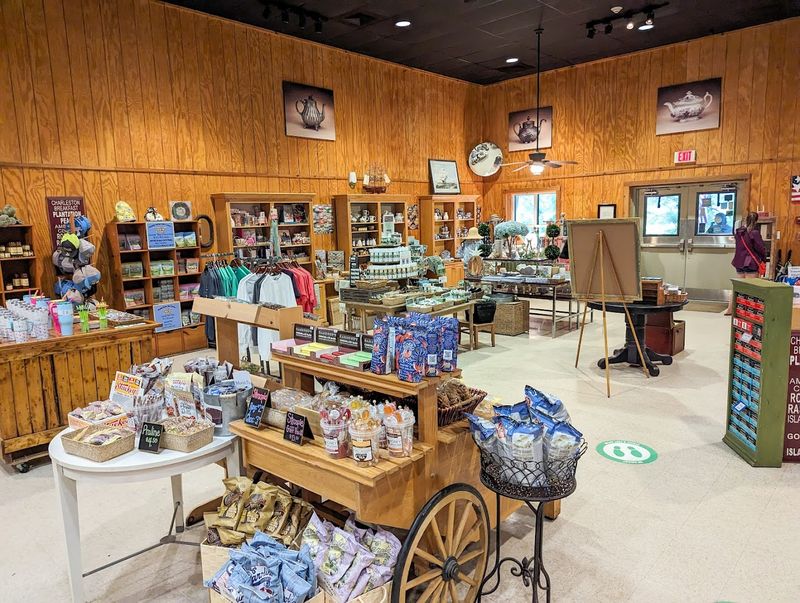
The shop is more than souvenirs; it is a tasting lab and weather shelter in one. Start with tea tins, then check loose leaf options for fresher aromas if you brew at home.
Compare labels and choose styles you actually finish in a week, not aspirational blends.
T shirts run soft and true to size, while mugs survive road trips without chipping. If you are gifting, pick sampler stacks and add a handwritten note about your favorite sip.
Shipping is available, but packing a couple tins in clothing saves time and keeps leaves from rattling.
Budget a few minutes for local books and maps that enrich the trolley narrative. You can also grab a cold bottle for the drive, though refill stations cover most cravings.
Keep receipts handy if you plan returns, and photograph lot numbers to match flavors you enjoy later.
Free tastings happen here, so circle back after tours when supply has rotated. Ask staff to suggest a brewing ratio, then take a picture of their advice card.
Back at home, you will recreate the visit reliably and smile each time steam carries that Wadmalaw Island memory across your kitchen. Sign up for email discounts at checkout today.
Logistics, Hours, And The Drive From Charleston
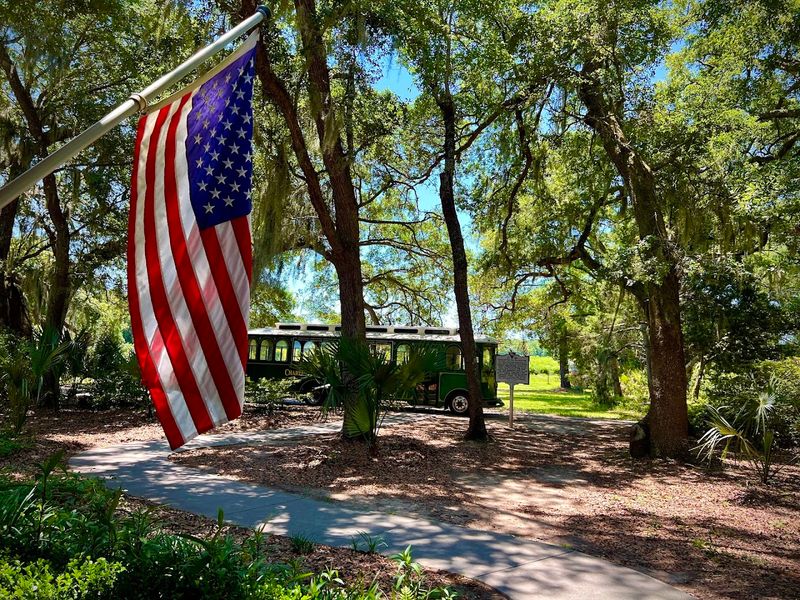
It takes roughly an hour from downtown Charleston, depending on traffic along Maybank Highway and Johns Island lights. The final stretch feels rural, so top off gas and snacks beforehand.
Cell coverage is decent, yet downloading tickets and directions in advance keeps stress low.
Hours shift slightly, with Sunday opening noon to four and weekdays ten to four, so plan a window. Calling ahead for trolley availability helps align expectations with nap schedules and dinner reservations.
If mobility is a concern, ask staff about seating and boarding assistance before you purchase.
Parking is straightforward and free, with clear spots for larger vehicles. Shade can be limited midday, so keep a windshield screen handy and a cooler with ice packs.
Late arrivals sometimes find lines smoothed out, though earlier slots give you more buffer to wander slowly.
Combine the visit with nearby Angel Oak or an early dinner at Wild Olive to cut backtracking. Keep the garden phone number saved for timing updates if storms roll through.
Your future self will thank you for building a little slack into the day so moments can breathe. Bring cash for tips and a few roadside produce stands on Johns Island during peak seasons.
Sustainability, History, And Why This Place Is Singular

The sign outside says it best the next tea plantations are oceans away. That distance frames how singular this place is in American agriculture.
Decades of experimentation, from seed selection to harvester design, made commercial scale possible out here on Wadmalaw Island.
You will hear about partnerships with larger brands that stabilized operations without diluting the garden’s educational mission. Mechanical harvesting paired with careful processing protects consistency while keeping tours safe for visitors.
Water use, pruning cycles, and integrated pest strategies add up to practical sustainability you can actually see.
History lives in the trolley narration, tying Charleston’s maritime past to imported camellias that found a home here. That context makes each sip feel connected to place, not just flavor notes on a label.
Ask guides about winter dormancy and spring flush, then carry those details into your next grocery aisle.
On departure, consider how rare it is to understand a product from field to mug in one afternoon. Support that continuity by brewing with care at home and sharing the story with friends.
Small choices like water temperature and timing become souvenirs, turning everyday cups into memories that quietly last. You will taste the difference every single time afterward.