

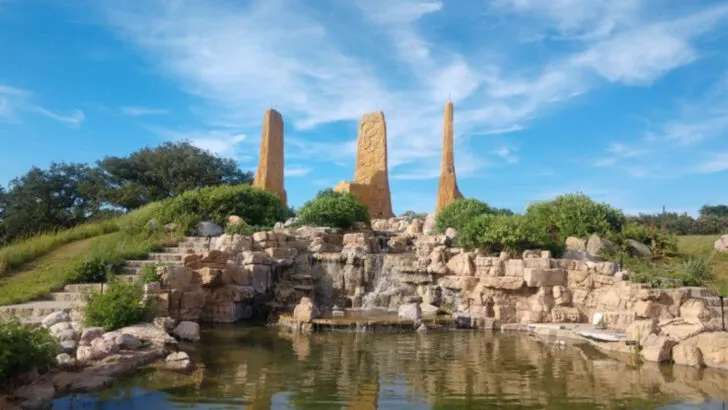
Ponca State Park might look modest on a map, but it packs more adventure, scenery, and serenity than you’d guess at first glance. Set along the Missouri River bluffs, its 2,400 acres feel like a secret pocket of Nebraska where trails, wildlife, and river views compete for your attention. You get the comforts of cabins and the thrill of true wilderness, all minutes apart.
If you are planning a day trip or a long weekend, this guide shows how to make every hour count.
Signature Missouri River Overlook
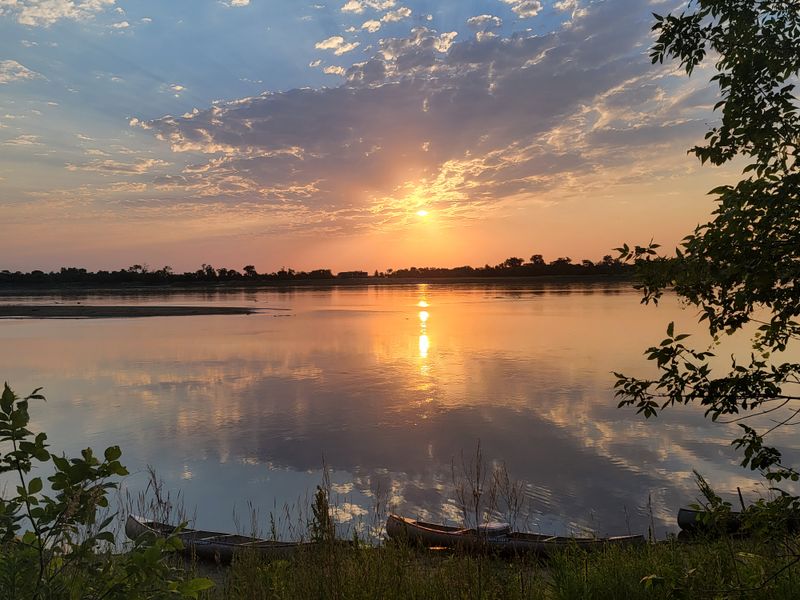
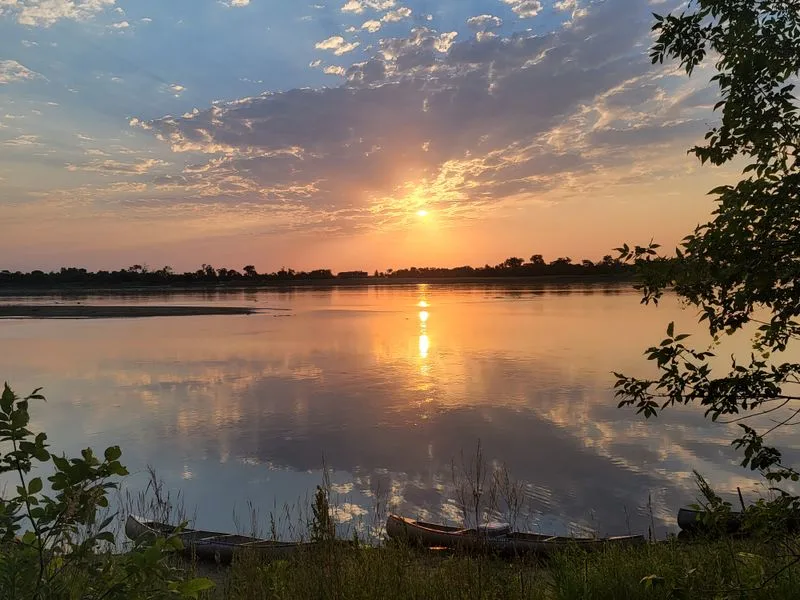
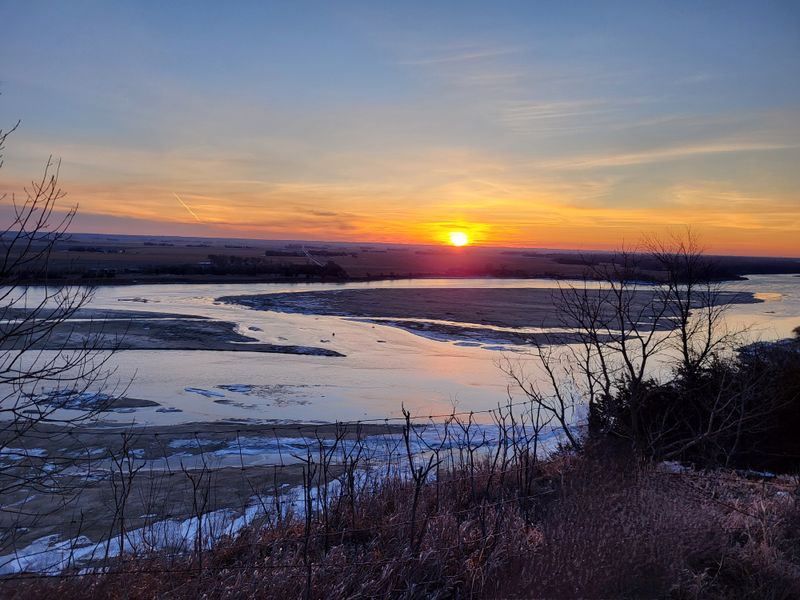
Start where the park grabs your senses instantly: the sweeping Missouri River overlook. From this high bluff, the water threads through cottonwood bottoms while distant hills fade into soft blues. Morning light warms the trunks, and at sunset the sky glows copper, letting you photograph silhouettes without moving your feet.
You will find benches and interpretive signs that explain river migration, floodplain ecology, and historic navigation. Spend a few minutes tracing the meanders with your eyes and you will see why birders linger. Bring binoculars and watch bald eagles ride thermals above sandbars.
If you want solitude, arrive just after sunrise when the trail is quiet and deer step from the woods below. In winter, rime coats branches and the view feels Arctic, crisp and still. Summer adds cicadas and a warm breeze off the valley.
Getting here is easy via the park’s paved loops, but do wear sturdy shoes since the bluff edge can be breezy and uneven. Keep kids close and follow posted boundaries. Even short visits reward patience, so pause, breathe, and let the river’s slow rhythm reset your pace.
Classic Trails: Old Oak and Corps of Discovery
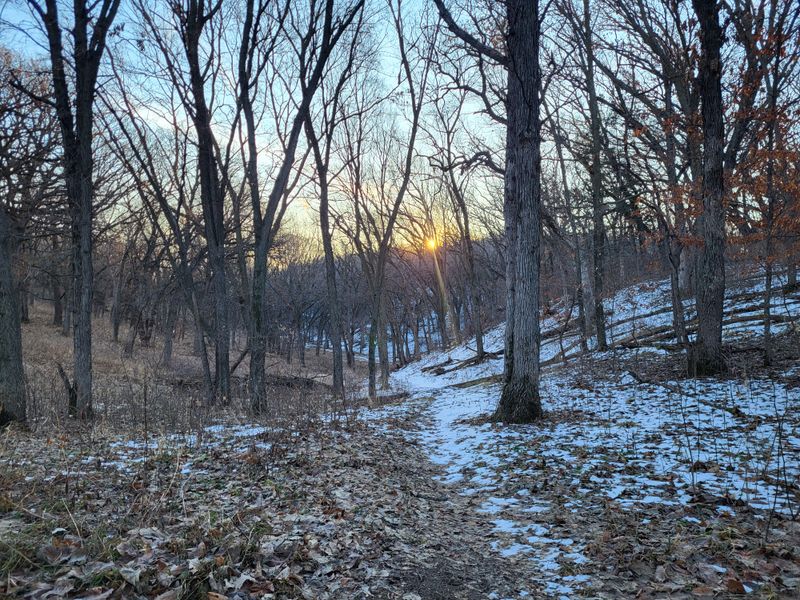
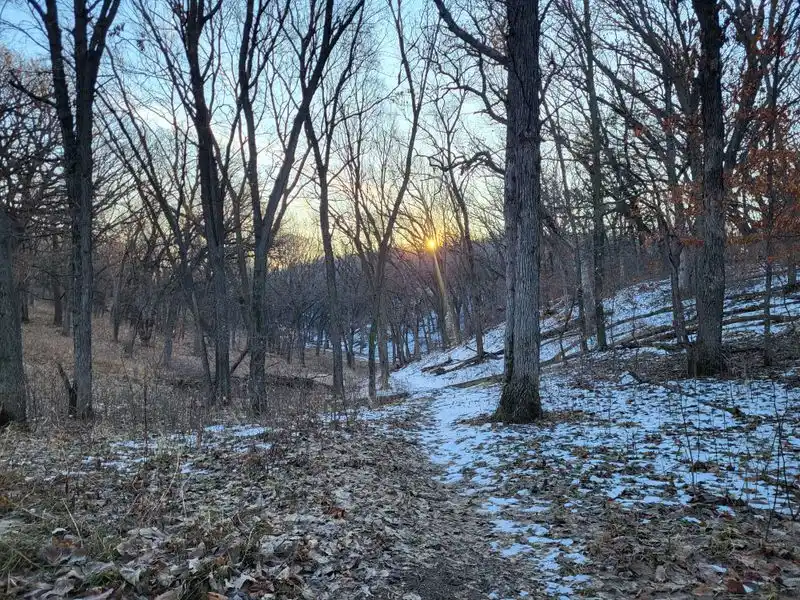
Hiking defines Ponca’s character, and two trails give you the park’s essence in a few miles. Old Oak Trail loops under towering bur oak and hickory, with soft leaf litter and woodpecker drumming guiding your steps. The Corps of Discovery Trail follows interpretive markers tied to Lewis and Clark, connecting scenery with story.
Expect rolling grades, occasional roots, and seasonal mud after rains. You will want trail shoes and water, especially in late summer. In spring, woodland wildflowers like Dutchman’s breeches and bloodroot pop along shady sections.
Pace yourself to read the signs without feeling rushed. Kids love spotting trail blazes and searching for turkey tracks near damp patches. If you hike near dusk, bring a headlamp and watch for deer browsing along edges.
Trail etiquette matters: step aside for uphill hikers, keep dogs leashed, and pack out snacks. Afterward, log mileage at the park office and ask staff for current wildlife sightings. These paths prove the park’s scale is perfect for day hikers, offering varied terrain, interpretive context, and quiet corners where wind in the canopy is the only noise.
Wildlife Watching and Birding Hotspots
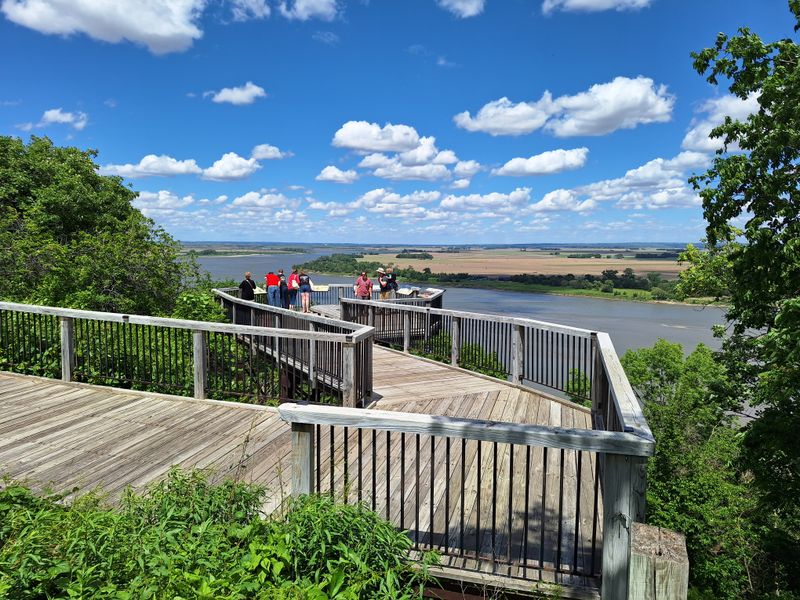
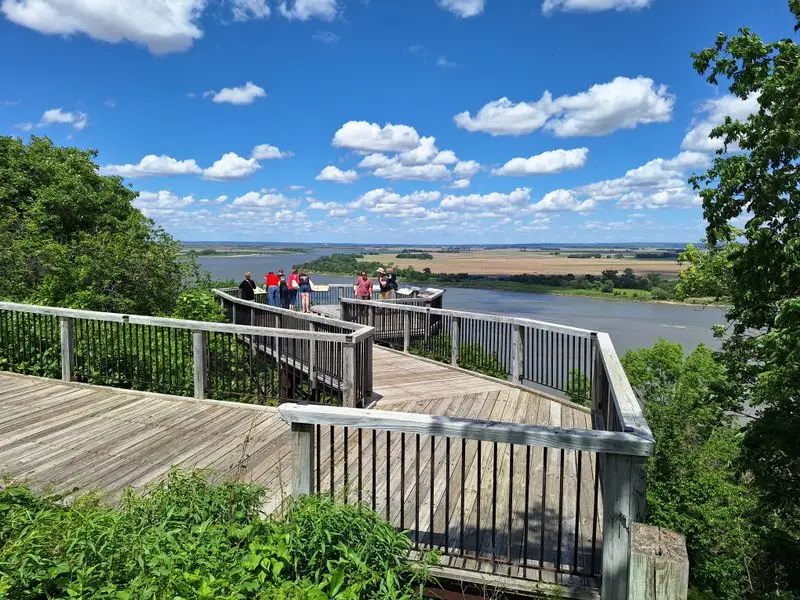
Ponca sits on a migratory highway, so birding can be fantastic any month. Along the river flats, look for bald eagles in winter and gulls working open water. In spring, warblers flit through riparian edges while turkeys strut near meadows at dawn.
Bring binoculars and a small field guide or an app with offline identification. You will hear barred owls at dusk and see great blue herons stabbing minnows near backwaters. Deer, fox squirrels, and the occasional coyote add surprise sightings during quieter hours.
For patient observers, the scout tower areas and open overlooks provide reliable scan points. Dress quietly, avoid bright white, and stand downwind when possible. If you are with kids, create a simple list and celebrate five species to keep attention high.
Respect distance, especially around nests and dens. Stay on trails to protect sensitive understory and reduce stress for wildlife. Report notable sightings to rangers, who track seasonal trends. Even a short loop delivers action, and if you can time visits around sunrise or after a light rain, you will catch birds feeding aggressively, making Ponca feel like your own private refuge.
Cabins, Campgrounds, and Cozy Stays
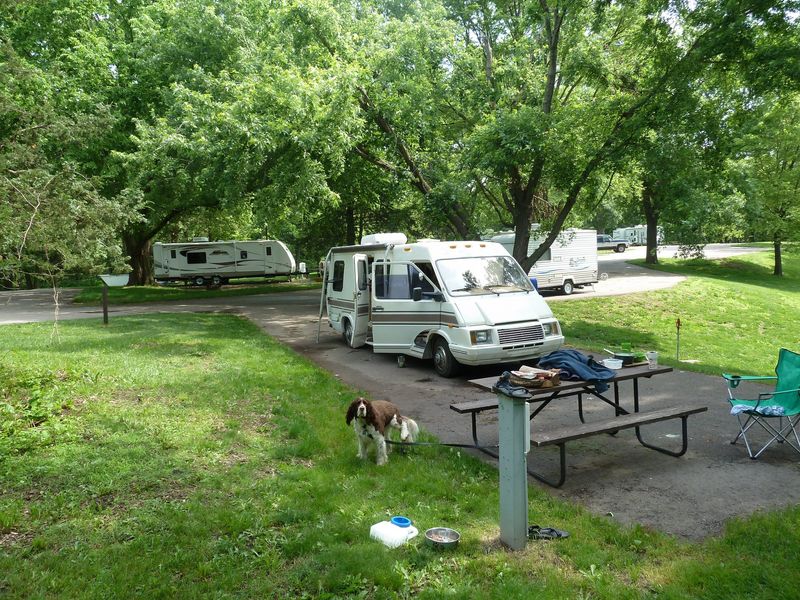
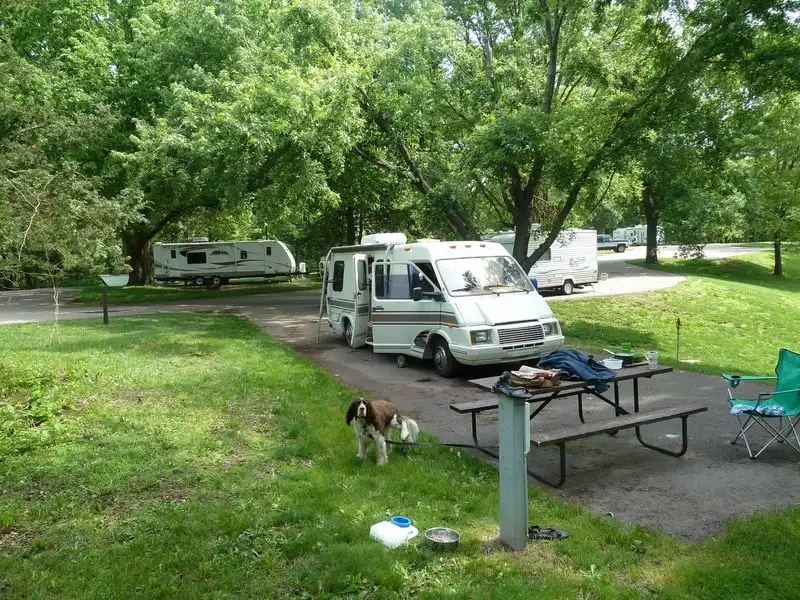
Whether you want a rustic vibe or plug in a laptop, lodging at Ponca meets you where you are. Modern cabins perch near the bluffs with porches, kitchens, and heating or air conditioning. Traditional campsites nestle under trees, and some pads support RVs with hookups.
Reserve early for peak weekends and fall color. You will appreciate level tent pads, clean bathhouses, and the convenience of a short walk to trailheads. Quiet hours keep nights peaceful, so stargazing can be excellent when skies cooperate.
Pack layers because river breezes cool evenings even in July. A compact camp kitchen, headlamp, and extra tarp make you adaptable to Nebraska’s quick weather shifts. If you prefer comfort, cabins offer refrigerators and beds without losing proximity to the woods.
Check in at the office for firewood rules and burn bans. Keep food sealed to deter raccoons and practice leave no trace at fireplaces and grills. After coffee, you can step straight into sunrise trails or drive the loop to a vantage point in minutes, turning your stay into a string of easy wins.
Education Center and Family Programs
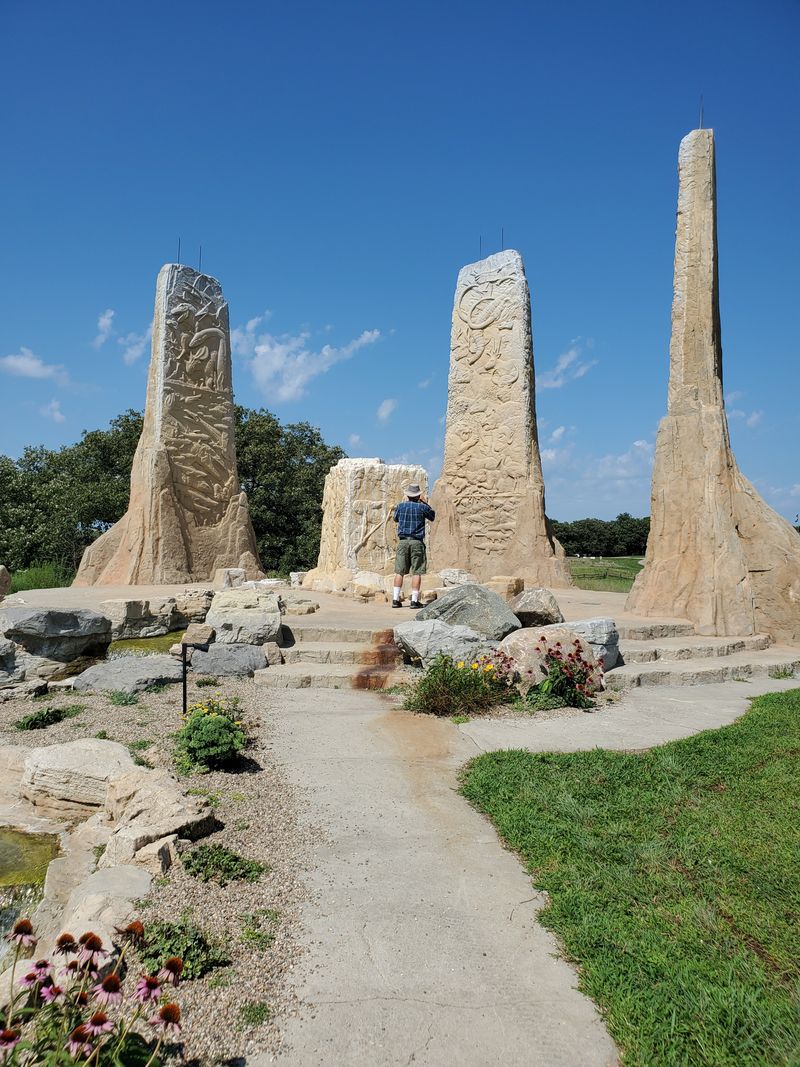
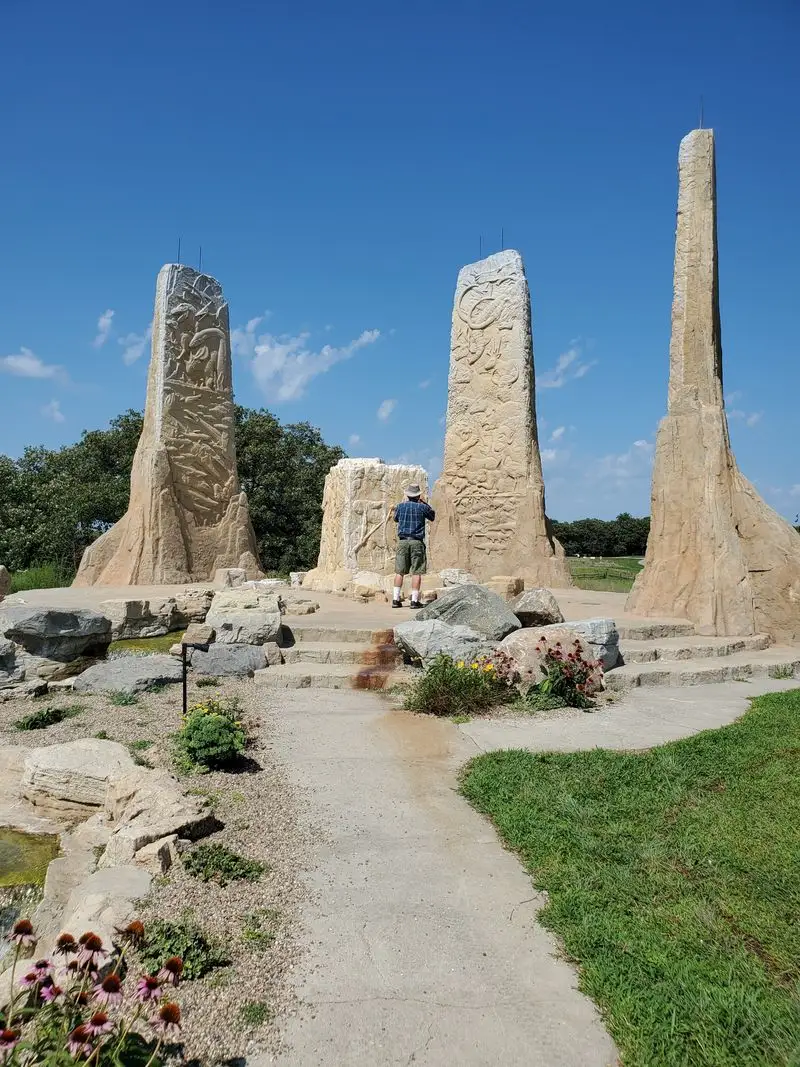
The park’s Education Center ties everything together with hands on learning. Exhibits cover river ecology, forestry, and regional history with touchable displays and live program areas. Kids light up at skulls, tracks, and specimens that make science feel real.
Check the calendar for weekend workshops, guided hikes, and Junior Explorer activities. You will often find rangers leading short talks about eagles, fish, or native plants. Seasonal festivals highlight monarch tagging or archery basics for beginners.
Allow time to talk with staff, who are generous with trail updates and wildlife intel. If weather turns, this is the perfect indoor pivot that still keeps your day meaningful. Bring questions about safety, closures, and current fishing success.
Before leaving, browse maps and pick up a self guided booklet for the next hike. Donations support future programs, so consider a small contribution. Families appreciate restrooms, water, and a comfortable space to reset. You will walk out with new context and a plan that makes the rest of Ponca click into place.
Paddling and Fishing Access on the Missouri
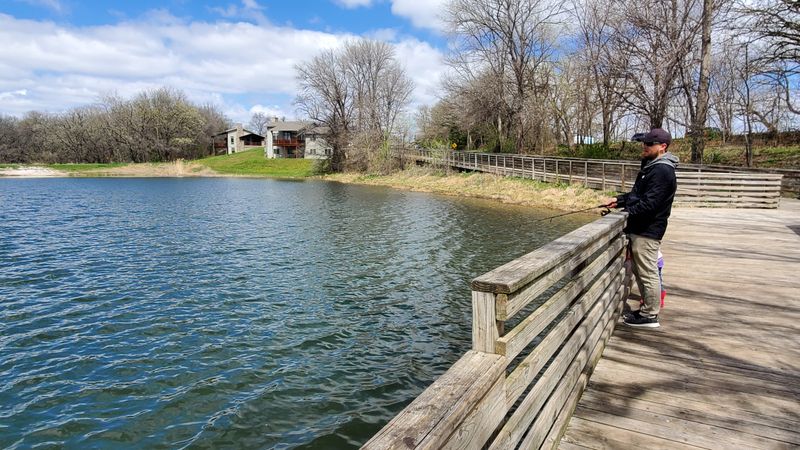
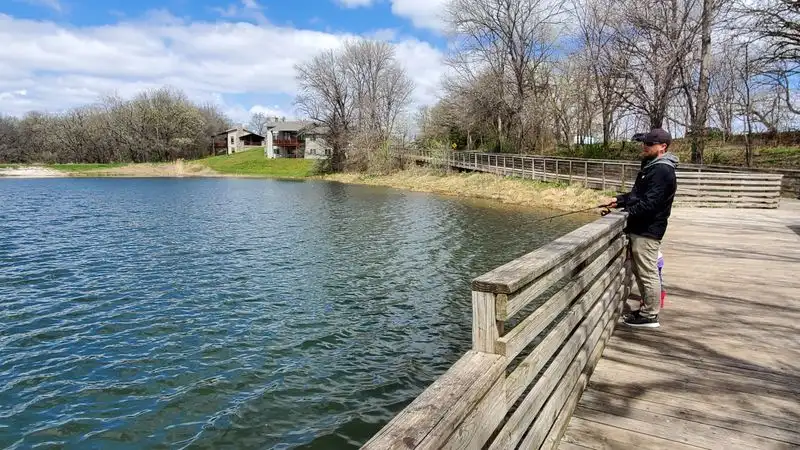
Water is the park’s heartbeat, and you feel it most when paddling or fishing. Launch points near the river provide access to gentle side channels when levels cooperate. Anglers target catfish, sauger, and the occasional walleye, while shoreline casting can be productive at dawn and dusk.
Bring a personal flotation device and check flow rates before launching. You will want sun protection, a spare layer, and a dry bag for phone and keys. If you are new, consider hugging eddies and staying close to shore.
Fishing regulations change, so verify permits and seasonal limits with Nebraska Game and Parks. A small tackle kit with sinkers, circle hooks, and cut bait covers most scenarios. Keep a respectful buffer from nesting birds and avoid trampling fragile banks.
Wind can build quickly in the valley, shifting conditions in minutes. Buddy up, file a float plan, and carry a whistle for quick signals. Even a short session can deliver a sunset bite or a glassy paddle under pastel skies, leaving you thankful this river still feels wild.
Seasonal Magic: Fall Color and Winter Quiet

Ponca changes personalities across the calendar, and that is half the fun. Fall brings a canopy of gold and rust as oaks and hickories flare along the bluffs. Trails feel crisp, and photo stops multiply at every bend.
Winter trades color for silence, with frosted grasses and eagle sightings spiking near open water. You will appreciate microspikes on icy mornings and a thermos tucked in your daypack. Cabins feel extra cozy when the wind hums through branches.
Spring unrolls wildflowers and fresh birdsong, perfect for short family loops. Summer delivers long evenings for grilling and late hikes, but plan around heat with early starts and river breezes. No matter the month, the park’s hours make it easy to shape quick outings.
Check forecasts and road conditions, then tailor your route to daylight. Layer clothing and carry a simple safety kit year round. With smart timing, you capture the flavor of each season without rushing, and Ponca keeps surprising you with small, vivid moments.
Practical Info: Hours, Fees, and Getting Around
Ponca State Park keeps visitor logistics simple so you can focus on fun. The park operates daily, typically 8 AM to 8 PM for office services, with grounds accessible within standard hours. You will need a Nebraska park entry permit, available online or at the entrance.
Use the main address at 88090 Spur 26 E, Ponca, NE 68770 for navigation. Cell service can dip in low spots, so download maps before arrival. Wayfinding signs along the paved loop make it easy to reach trailheads, overlooks, cabins, and the Education Center.
Pack water, snacks, and a small first aid kit. Weather shifts fast in river country, so throw in rain gear and a warm layer. If you are meeting friends, designate the overlook parking as a default rendezvous.
For questions, call +1 402-755-2284 or check outdoornebraska.gov/ponca for updates on programs and closures. Respect posted rules, keep speeds low on wildlife friendly roads, and carry out every crumb. With simple prep and mindful pace, you will turn logistics into a smooth, stress free backdrop for a standout day.