
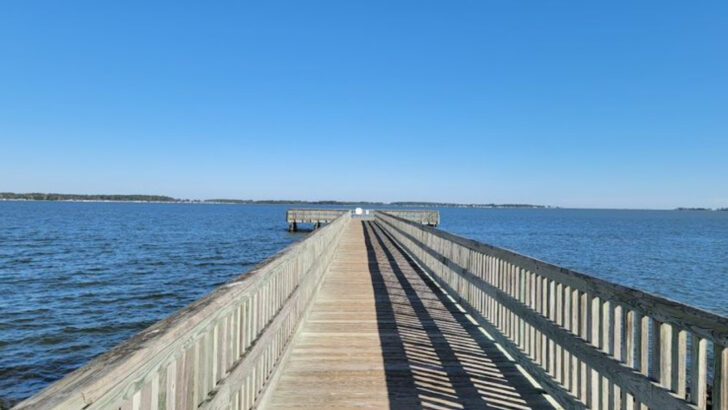
Tucked along the south shore of Indian River Bay in Sussex County, Delaware, Holts Landing State Park is a peaceful little escape that most people drive right past on their way to the beach.
At just 203 acres, this waterfront gem offers sweeping bay views, quiet walking trails, and a genuine sense of calm that bigger parks simply can’t match.
Whether you’re a birdwatcher, a kayaker, a crabber, or someone who just needs a slow afternoon by the water, this park delivers without the crowds.
If you’ve never heard of Holts Landing, now is the perfect time to get acquainted.
A Hidden Delaware Gem
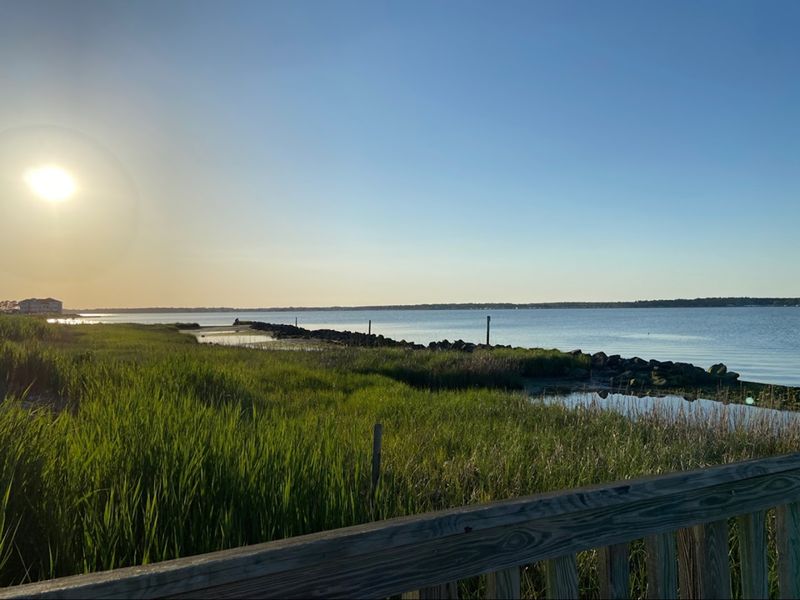
Some places don’t need to shout to get your attention — they just quietly wait for the right visitor to find them. Holts Landing State Park is exactly that kind of place.
Sitting on just 203 acres along the south shore of Indian River Bay in Sussex County, Delaware, this small park packs in more natural beauty than its size suggests.
Unlike the packed boardwalks and busy beaches just a short drive away, Holts Landing feels like a well-kept local secret. There’s no admission fee, no long lines, and no overwhelming crowds — just open sky, gentle bay breezes, and the soft sound of water lapping near the shore.
Families, solo hikers, and retired couples all seem to find their own version of peace here.
The park sits far enough from the tourist trail to feel genuinely removed from the hustle, yet it’s close enough to Bethany Beach and Ocean City to make a great half-day side trip. If you’re looking for a place that trades noise for nature and chaos for calm, Holts Landing is exactly the kind of Delaware treasure worth discovering on your next visit to the coast.
Scenic Bayfront Views
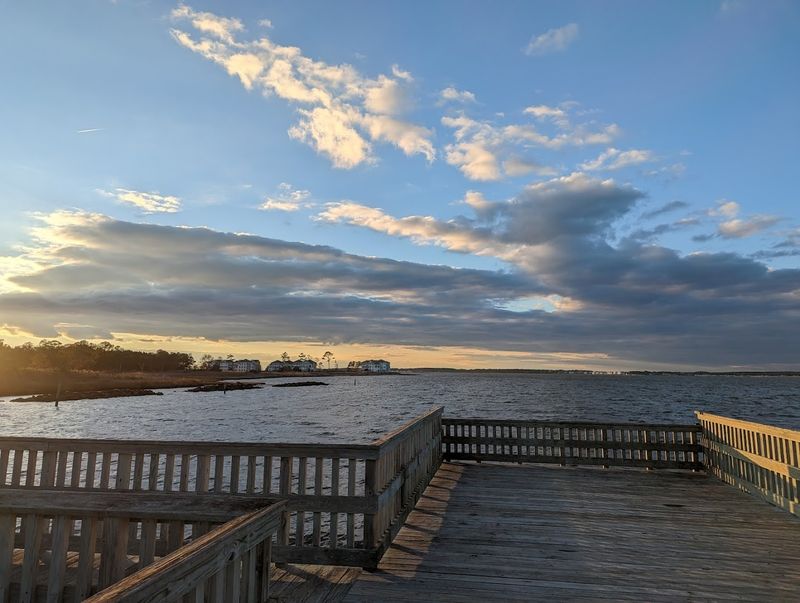
Standing at the water’s edge at Holts Landing, you’ll understand immediately why people keep coming back. The park’s position on the south shore of Indian River Bay gives visitors a wide, unobstructed look across calm, glittering water that stretches toward the horizon.
On clear days, the reflections of clouds on the bay surface make the whole scene look almost like a painting.
Photographers especially love the golden hour here. As the sun begins to dip in the late afternoon, the bay takes on warm amber and rose tones that are hard to capture anywhere else along this stretch of Delaware coastline.
Even a basic smartphone camera can produce stunning shots from this vantage point. Sunrise visits are equally rewarding for early risers willing to beat the morning mist.
Beyond photography, the bayfront is simply a great place to sit and breathe. Bring a camp chair, a thermos of coffee, and absolutely nothing on your schedule.
The combination of open marshland, distant tree lines, and quiet water creates a visual landscape that feels both expansive and deeply soothing. Few spots in Delaware offer this kind of panoramic waterfront calm without a crowd attached to it.
Easy Walking on Calm Trails
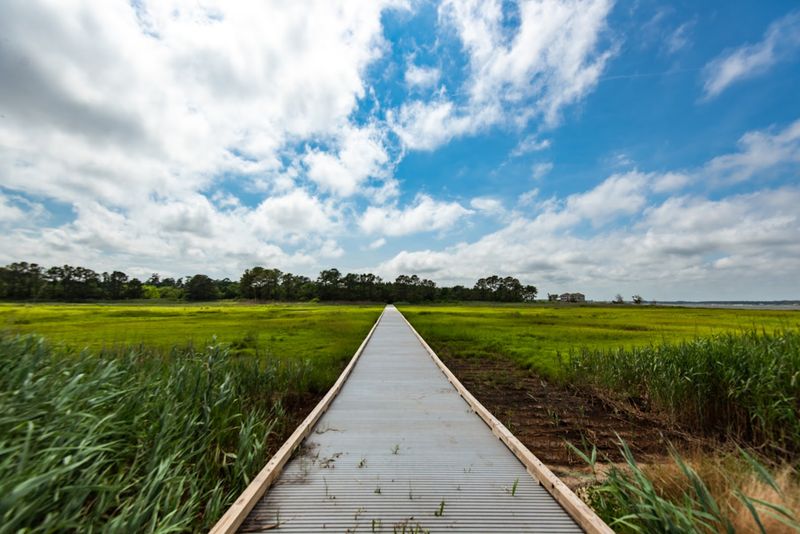
Not every hike needs to be a challenge. Sometimes the best trail is one that lets you slow down, look around, and actually notice things — a red-winged blackbird on a cattail, a spider web catching morning light, the smell of pine and salt air mixing together.
That’s what walking at Holts Landing feels like on any given day.
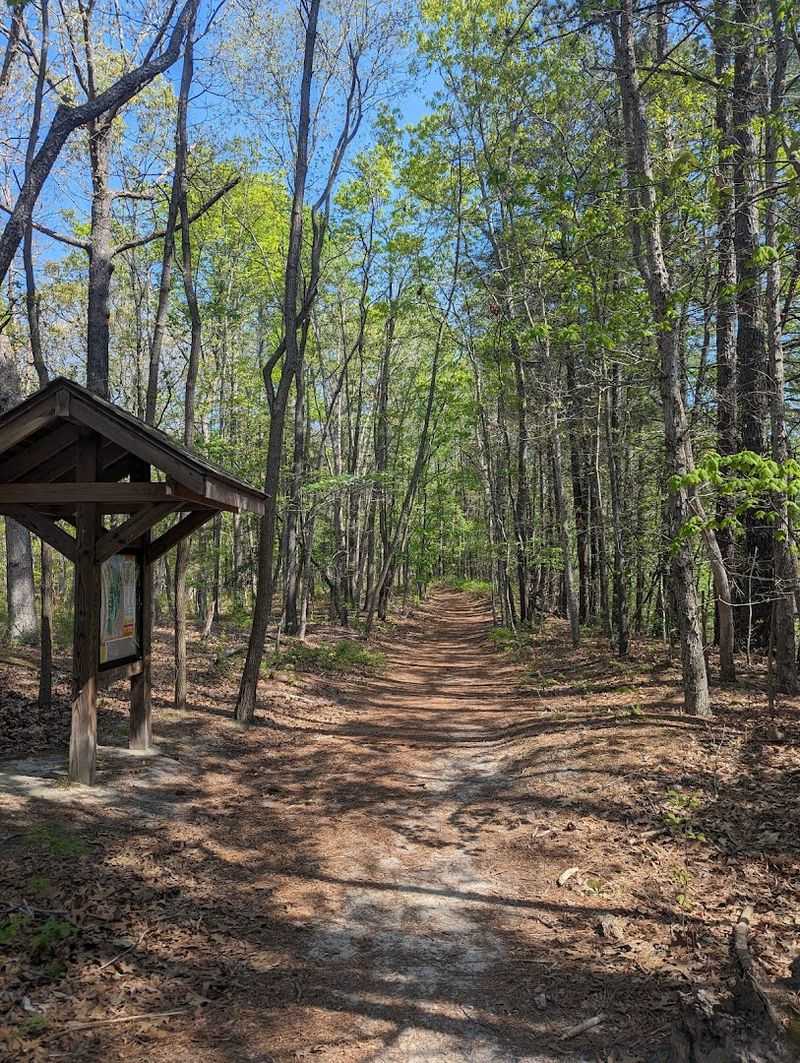
The park’s trail network is refreshingly accessible. Paths wind through a pleasant mix of hardwood forest, open meadow, and marsh edge, offering changing scenery without steep climbs or rough terrain.
Most surfaces are flat and manageable, making these trails welcoming for older adults, families with young children, and anyone who prefers a relaxed pace over an intense workout.
Trail distances are short enough that you can explore the whole network in a couple of hours without feeling rushed. That low-pressure setup is part of the park’s charm — you’re not racing a clock or ticking off mileage goals.
You’re just walking, breathing, and paying attention to the natural world around you. For beginners looking to build a hiking habit or experienced walkers wanting a peaceful detour, Holts Landing’s trails offer exactly the right kind of easygoing outdoor experience.
Wildlife Watching Opportunities
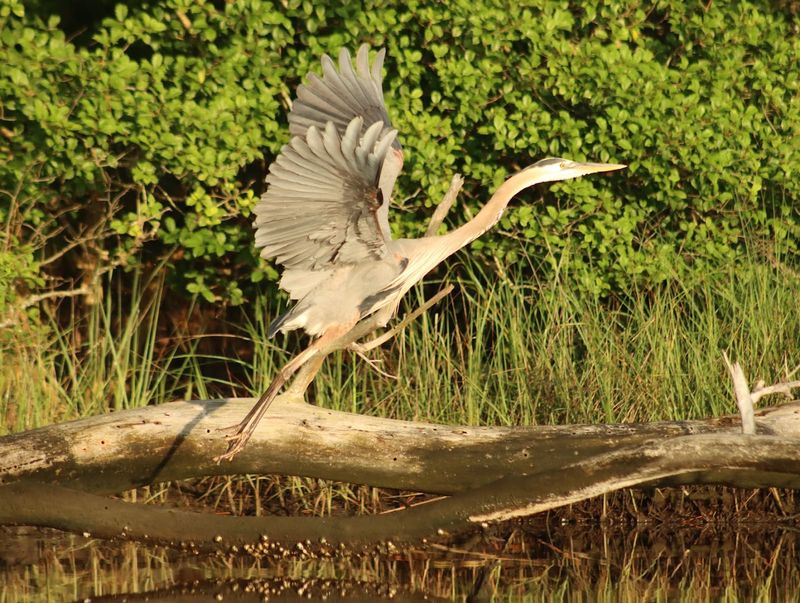
Great blue herons move like slow-motion sculptures, and at Holts Landing, you can watch them hunt along the shoreline with remarkable patience. The park’s mix of bay access, freshwater ponds, marsh edges, and forested trails creates a layered ecosystem that supports a surprisingly rich variety of wildlife for such a small protected area.
Ospreys are another frequent highlight. These skilled fishing birds are commonly seen hovering over the bay before plunging feet-first into the water to snag a meal.
Songbirds fill the tree canopy with sound throughout spring and summer, while shorebirds pick along the mudflats during low tide. Deer are spotted regularly in the meadow sections of the park, especially during early morning and evening hours when they feel bold enough to graze in the open.
Raccoons, red foxes, and the occasional river otter round out the mammal sightings that patient visitors sometimes get lucky enough to witness. The key to wildlife watching at any park is slowing down and staying quiet — two things Holts Landing naturally encourages.
Bring binoculars, wear earth-toned clothing, and resist the urge to rush. The animals here aren’t shy, but they do reward visitors who move with a little more care and a little less noise.
Crabbing and Fishing on the Pier
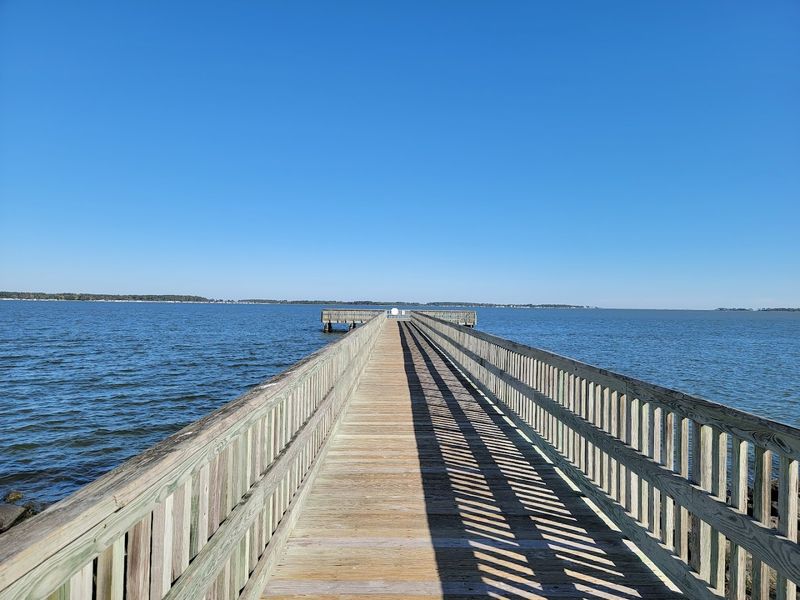
There’s something wonderfully old-fashioned about spending an afternoon crabbing from a pier. No fancy gear, no complicated strategy — just a line, some bait, a net, and a bucket.
Holts Landing’s 220-foot crabbing pier makes that classic Delaware summer experience accessible to anyone willing to show up with a little patience and a cooler.
Blue crabs are the main attraction here, and the pier’s reach into Indian River Bay puts you right in productive territory during peak season, which typically runs from late spring through early fall. Locals often arrive in the early morning hours to beat the heat and catch the crabs at their most active.
Families with kids find the pier especially fun — there’s something magnetic about the moment a crab grabs the bait and the excitement of pulling it up to the surface.
Fishing is also permitted from the pier, and bay species like flounder, spot, and croaker are commonly targeted. No boat is required, which makes this one of the most democratic fishing spots in the region.
A Delaware fishing license is required for anyone 16 and older, so make sure you’re covered before you cast. Beyond the catch itself, the pier offers a lovely vantage point over the bay that makes the whole outing feel rewarding regardless of what ends up in the bucket.
Boat Ramp and Water Access
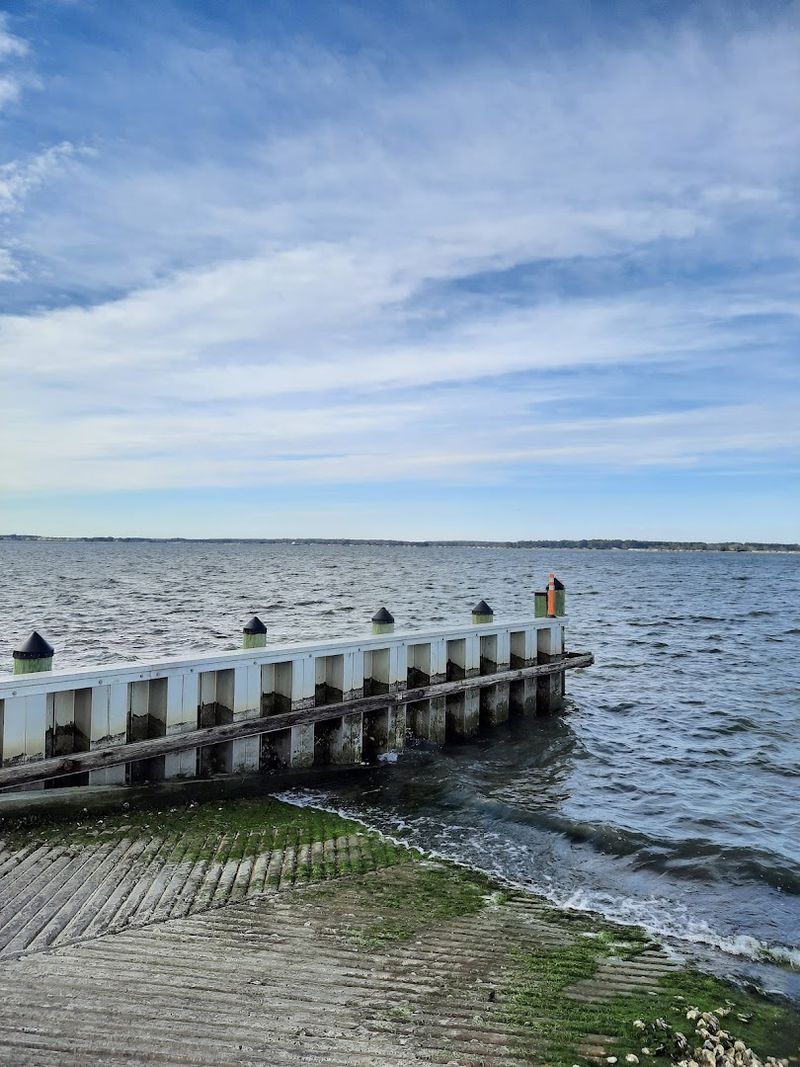
Public boat launches on Indian River Bay are not as common as you might expect, which makes the two-lane concrete ramp at Holts Landing a genuinely valuable resource for boaters in the region. Whether you’re trailering a small motorboat or sliding a kayak off the roof of your car, this ramp gives you clean, easy access to one of Delaware’s most scenic stretches of coastal water.
Anglers use the ramp to reach productive bay fishing spots that are simply too far to reach from shore. Kayakers and paddleboarders find it equally useful as a launching point for longer bay explorations, including routes toward nearby marshes and tidal creeks that reward slow, quiet paddling.
The ramp is maintained in good condition and offers enough space for multiple vehicles with trailers during busy summer weekends.
Parking near the ramp fills up faster on weekends, so arriving early is smart strategy during peak season. The surrounding area near the launch is also pleasant — flat, open, and breezy, with views across the water that make even the pre-launch prep feel relaxed.
If you’ve been looking for a no-fuss, low-cost entry point onto Indian River Bay, the boat ramp at Holts Landing is one of the best options available on this part of the Delaware coast.
Picnics and Leisure Spaces
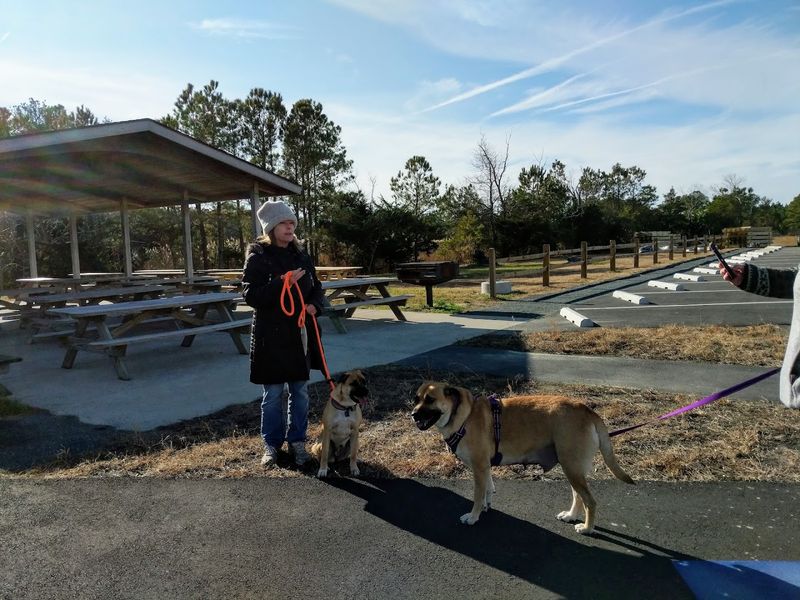
Some of the best park experiences don’t involve hiking a single mile. Sometimes the ideal afternoon is a checkered blanket on a grassy lawn, a cooler full of sandwiches, and a view of open water while kids run in circles and adults finally stop checking their phones.
Holts Landing makes that kind of afternoon surprisingly easy to pull off.
The park’s picnic area features shaded tables, open lawn space, and a large pavilion equipped with grills — everything you need for a proper outdoor meal without hauling excessive gear. The pavilion can be reserved for group events, making it a popular spot for family reunions, birthday gatherings, and community outings during warmer months.
Even without a reservation, plenty of open space remains available for casual visitors who just want to spread out.
The proximity to the bay adds a level of ambiance that most inland picnic spots simply can’t compete with. A light breeze usually rolls in off the water, keeping temperatures comfortable even on warm summer days.
After lunch, the pier and trails are just a short walk away, making it easy to build a full, satisfying park visit around a central meal. Holts Landing might be small, but its leisure setup is thoughtfully complete for the kind of relaxed day out most families are actually craving.
Assawoman Canal: Quiet Kayaking Spot
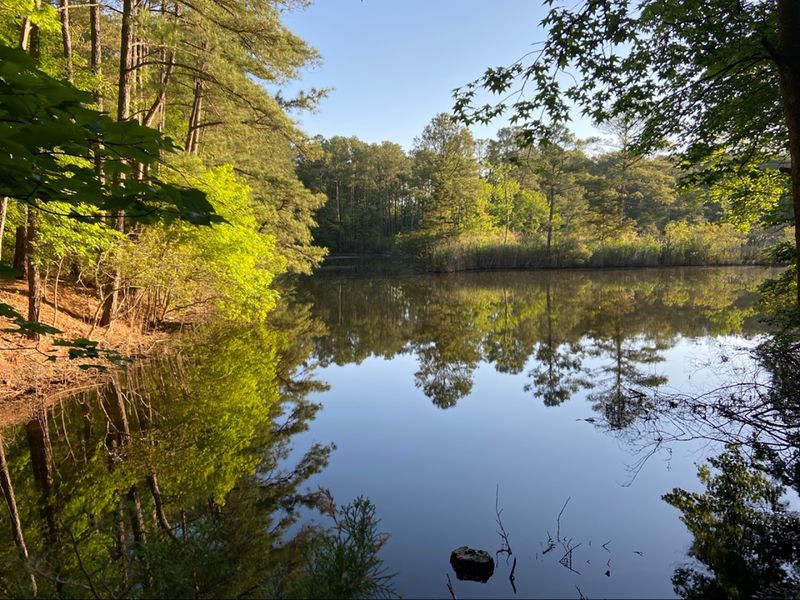
History and water have a way of combining into something quietly extraordinary, and the Assawoman Canal is a perfect example. Running adjacent to the park, this historic waterway was once part of the broader Intracoastal Waterway system, designed in the late 1800s to allow boats to travel along the Atlantic coast without venturing into open ocean.
Today, it flows peacefully through the landscape as a calm, scenic corridor that kayakers and paddleboarders have essentially claimed as their own.
Paddling the canal feels almost meditative. The water moves slowly, the banks are lined with tall marsh grasses and overhanging trees, and the only sounds you’re likely to hear are birds, wind, and the gentle dip of your paddle.
It’s a sharp contrast to the more exposed bay paddling experience — narrower, more sheltered, and somehow more intimate with the surrounding ecosystem.
Access to the canal from Holts Landing is straightforward, and the flat water makes it appropriate for beginners and experienced paddlers alike. Early morning is the most magical time to be on the water here, when mist hovers above the surface and wildlife activity peaks.
If you’ve ever wanted to paddle through living history on a route that feels like it belongs in a nature documentary, the Assawoman Canal delivers exactly that kind of experience.
A Brief History of the Park
Long before it became a state park, the land at Holts Landing carried centuries of human history. Indigenous people of the Lenape nation used this stretch of Indian River Bay for fishing and gathering long before European settlers arrived in the region.
The bayshore provided reliable access to shellfish, migratory fish, and waterfowl — resources that made this a naturally desirable place to live and work near the water.
By the 19th and early 20th centuries, the Holt family had established a working farm on the property. The name Holts Landing reflects that agricultural heritage, a nod to the family’s presence along this particular section of the bay.
Like many small coastal farms of that era, the land served both practical and community purposes, with the water offering a natural point of connection between the property and surrounding communities.
Delaware officially designated the area as a state park in 1965, preserving its natural character at a time when coastal development pressure was beginning to intensify across the region. That decision has paid off in lasting ways.
Today, visitors enjoy the same bay views and natural habitats that have drawn people to this spot for generations. Knowing that history adds a quiet depth to every walk along the shore or quiet moment on the pier.