Most people drive right past one of Georgia’s greatest racing treasures without realizing it. Tucked away in Dawsonville, the Georgia Racing Hall of Fame is packed with legendary cars, unforgettable stories, and the gritty history that helped shape stock car racing as we know it.
Step inside, and you’re surrounded by roaring engines, championship machines, moonshine legends, and hometown heroes who turned back roads into racing history. Every corner feels like another chapter waiting to surprise you.
You don’t have to know every NASCAR champion to enjoy this place. The stories are full of daring escapes, mechanical genius, family rivalries, and small-town pride that make every exhibit feel personal.
If you love hidden gems with plenty of character, this museum deserves a spot on your Georgia road trip.
It’s the kind of place that leaves you talking about it long after you’ve pulled back onto the highway.
Why Dawsonville Is Called the Birthplace of Stock Car Racing
Long before NASCAR became a household name, Dawsonville’s winding mountain roads served as training grounds for some of America’s fastest drivers. Moonshine runners needed speed to outrun federal agents, and the steep, curvy highways around this tiny town created the perfect proving ground.
Their cars got faster, their reflexes sharper, and eventually, someone decided these skills deserved an official competition.
When Prohibition ended, these drivers didn’t just fade away. They took their souped-up machines and turned illegal runs into legitimate races, creating the foundation for stock car racing.
Dawsonville produced so many champion drivers that it earned its legendary title.
The town’s racing culture runs incredibly deep today. Local businesses display checkered flags, residents swap racing stories like family recipes, and the famous siren still blows downtown whenever a Dawsonville driver wins.
Walking through town, you can practically feel the engines rumbling beneath the pavement. The Georgia Racing Hall of Fame chose this location specifically because nowhere else captures the sport’s authentic roots quite like this mountain community does.
The Story Behind the Georgia Racing Hall of Fame
Picture a handful of passionate racing enthusiasts sitting around a table in 2002, determined to preserve stories that were slipping away. Too many pioneers were aging, their memories fading, and nobody had properly documented Georgia’s incredible contributions to motorsports.
These founders knew something had to change fast.
They created the Georgia Racing Hall of Fame with a clear mission: honor everyone who helped build the sport from mechanics tightening bolts to drivers pushing limits. The museum doesn’t just celebrate wins; it remembers the people who made those victories possible through innovation, courage, and pure determination.
What started small has grown into something remarkable. The collection expanded as families donated precious memorabilia, and the exhibits became more sophisticated over time.
Today, the museum stands as Georgia’s official motorsports archive, protecting artifacts that would otherwise disappear forever. Every display tells authentic stories about real people who changed history, making this more than just another car museum—it’s a living tribute to Southern racing heritage.
Vintage Race Cars That Steal the Show
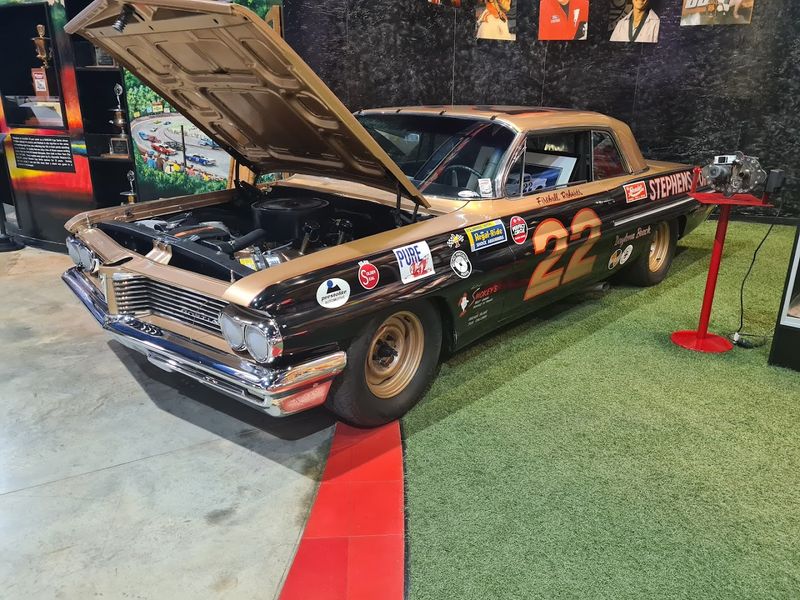
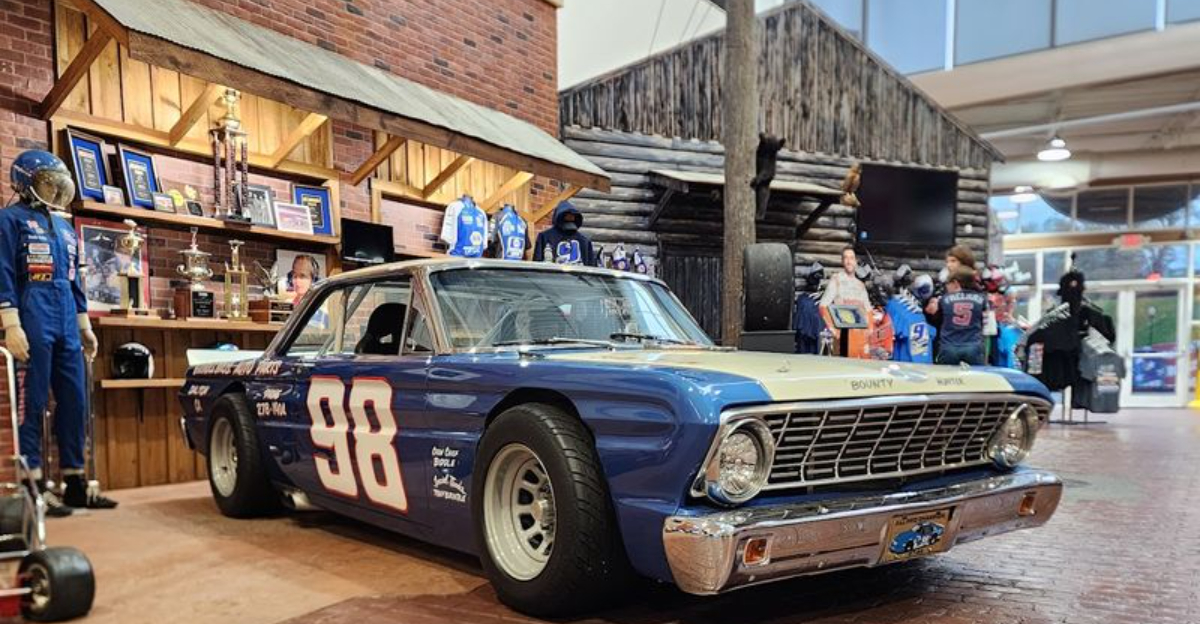
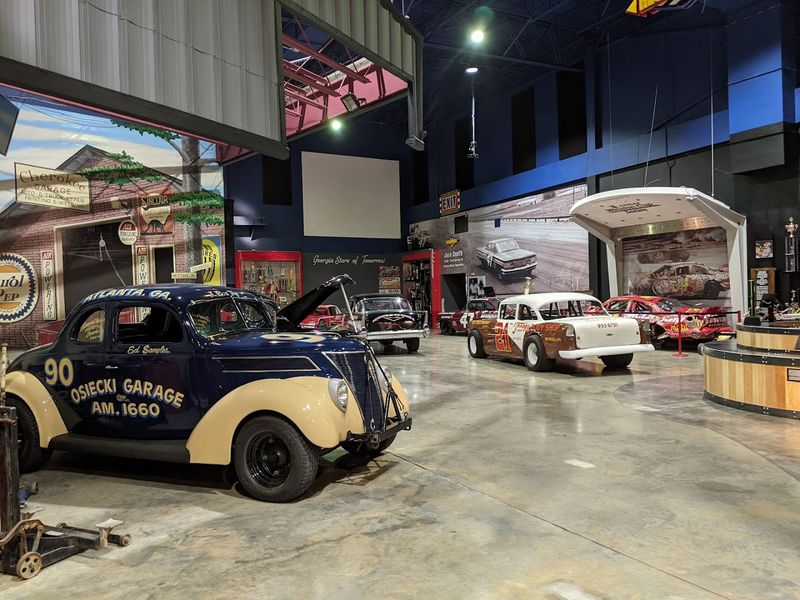
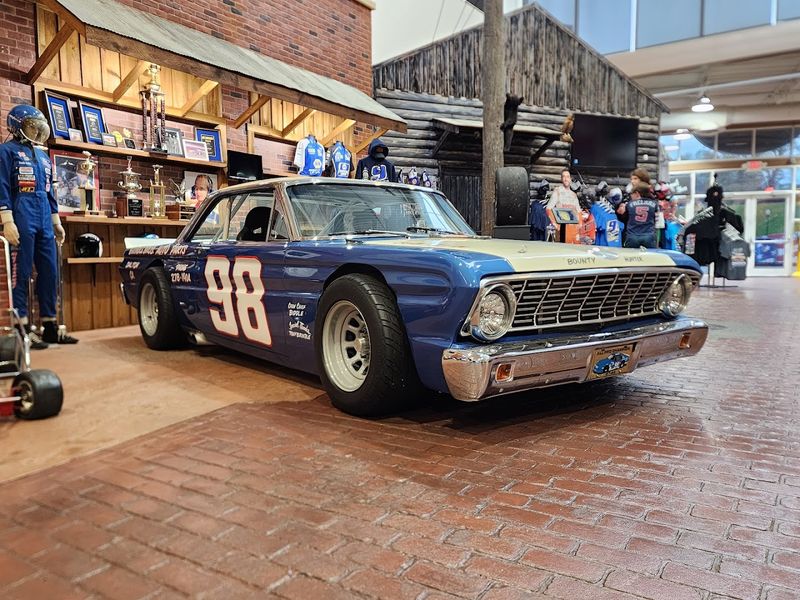
Stepping into the main gallery feels like time travel. Gleaming race cars from decades past sit frozen in their glory, each one representing a different chapter in motorsports evolution.
These aren’t replicas or restored showpieces—they’re actual battle-scarred machines that crossed finish lines first.
Red Byron’s championship car commands serious respect, considering he won NASCAR’s first Strictly Stock championship in 1949. Gober Sosebee’s ride sits nearby, its hand-painted number reminding visitors that professional racing once meant local mechanics working miracles with limited resources.
The moonshine-era vehicles show incredible ingenuity, with hidden compartments and engine modifications that look primitive now but were cutting-edge then.
Each car carries its own personality through dents, paint chips, and wear patterns. You can spot exactly where tires rubbed against metal during hard turns or where another driver made contact during an aggressive pass.
Standing close enough to touch these legends makes history feel suddenly real. The museum rotates vehicles periodically, so repeat visitors often discover different treasures.
Some cars still smell faintly of oil and rubber, triggering sensory memories that photographs never could.
The Elliott Family Legacy
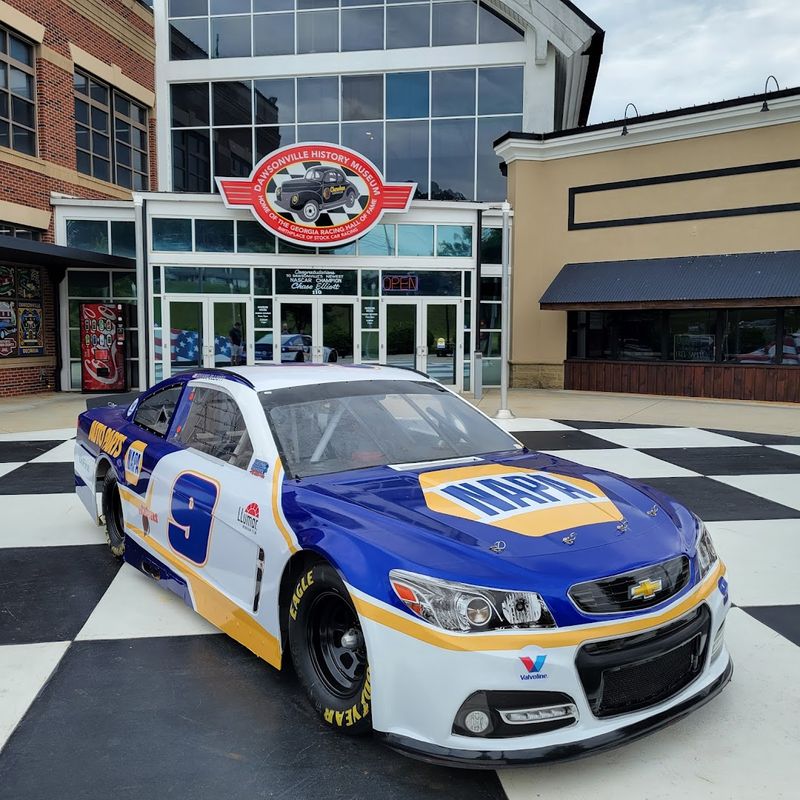
“Awesome Bill from Dawsonville” changed everything for this mountain town. Bill Elliott didn’t just win races; he captured America’s heart with his humble personality and extraordinary talent behind the wheel.
His 1985 Winston Million victory remains one of NASCAR’s most celebrated achievements, and the museum dedicates significant space to commemorating his legendary career.
But the Elliott story doesn’t stop with Bill. His son Chase followed the family tradition straight to the top, winning the 2020 NASCAR Cup Series championship.
Ernie Elliott, Bill’s brother, revolutionized engine building with innovations that competitors scrambled to copy. Casey Elliott rounded out this dynasty with his own racing contributions, proving that speed truly runs in the family’s DNA.
The exhibit overflows with treasures: championship rings, winning cars, fire suits worn during historic victories, and personal photographs showing the Elliotts as regular people who happened to be racing royalty. Handwritten notes and letters add intimate touches that bring visitors closer to understanding what drives this family.
For Dawsonville residents, the Elliotts represent homegrown success that makes everyone proud.
Moonshine, Bootleggers, and NASCAR’s Origins
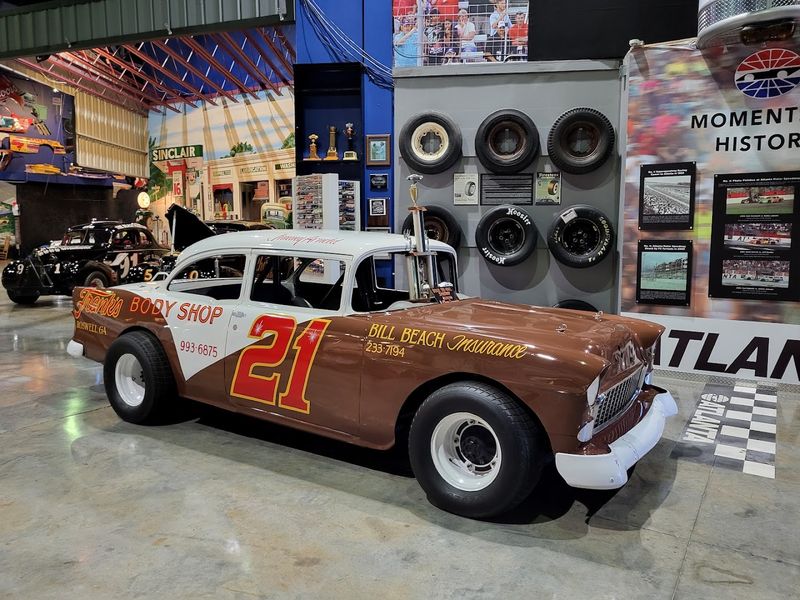
Here’s something they don’t teach in most history classes: illegal liquor created modern stock car racing. During Prohibition and beyond, North Georgia moonshiners needed fast, reliable transportation to deliver their product without getting caught.
They started modifying ordinary-looking cars with powerful engines, reinforced suspensions, and clever hiding spots for mason jars.
The best drivers became local legends, known for outrunning police on treacherous mountain roads in pitch-black conditions. Their skills weren’t just impressive—they were literally life-saving, since getting caught meant serious jail time.
Eventually, someone realized these modified cars and talented drivers could put on quite a show.
The museum’s moonshine exhibit connects these dots brilliantly through authentic equipment, modified vehicles, and firsthand accounts from people who lived this history. You’ll see actual copper stills, hidden compartments that fooled countless inspections, and engine parts that turned family sedans into rockets.
Information panels explain how organized racing emerged from these bootlegging roots, transforming outlaws into sports heroes. It’s a uniquely American story that somehow makes perfect sense once you understand the context and cultural circumstances.
Memorabilia You Won’t Find Anywhere Else
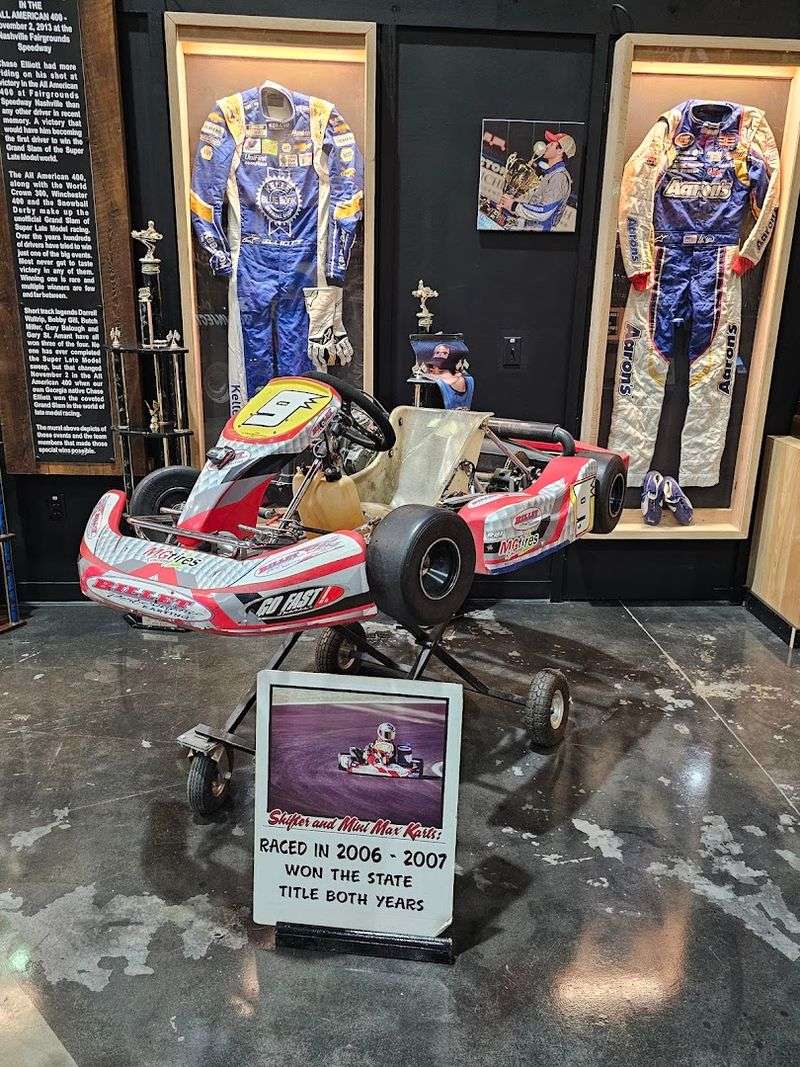
Forget mass-produced merchandise and generic collectibles. This museum houses one-of-a-kind treasures that racing historians drool over.
Championship trophies stand alongside handwritten race notes, faded photographs capture forgotten moments, and personal items reveal intimate details about drivers’ lives beyond the track.
Take the racing suit worn during someone’s first victory, still bearing grass stains from a celebratory slide across the infield. Or examine engines that mechanics rebuilt using pure ingenuity when proper parts weren’t available.
Vintage programs show ticket prices that seem impossible today, while signed photographs include personal messages that make you feel like you’re reading someone’s mail.
The museum constantly receives donations from families cleaning out garages or attics, uncovering forgotten treasures that add new layers to the collection. Some helmets show impact marks from serious crashes that drivers miraculously walked away from.
Letters between drivers and sponsors reveal the business side of early racing, when handshake deals meant everything. Every item has a story, and docents love sharing the background details that make these artifacts meaningful rather than just old stuff behind glass.
Annual Events and Hall of Fame Inductees
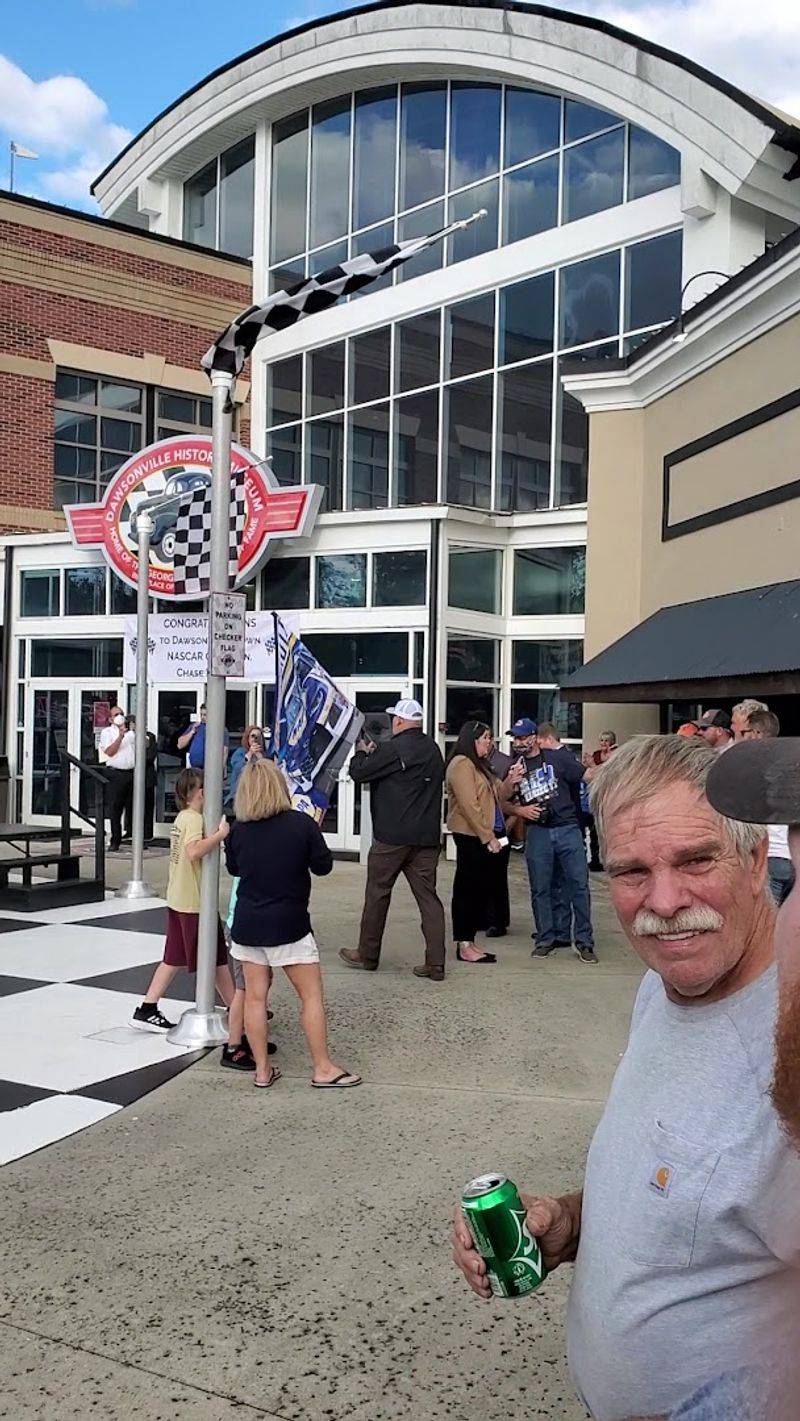
Every year brings fresh excitement when new inductees join the Hall of Fame’s prestigious roster. The induction ceremony draws crowds of racing fans, family members, and industry professionals who gather to celebrate legends receiving their well-deserved recognition.
Speeches get emotional as inductees thank mentors, recall pivotal moments, and acknowledge the people who believed in them.
Beyond inductions, the museum hosts car shows that transform the parking lot into a rolling automotive museum. Classic race cars, vintage hot rods, and modern performance vehicles create an amazing display that attracts gearheads from across the Southeast.
Owners love sharing stories about their prized machines, and friendly competitions keep things entertaining.
Special exhibits rotate regularly, focusing on specific drivers, eras, or racing categories that deserve deeper exploration. These temporary displays keep the museum experience fresh for locals who visit repeatedly throughout the year.
Holiday events add festive touches, while anniversary celebrations honor significant milestones in Georgia racing history. The museum’s event calendar stays busy, giving people multiple reasons to return.
Each gathering strengthens the community bonds that make this place special beyond its physical collections.
Why Even Non-Racing Fans Enjoy It
Don’t worry if you can’t name a single NASCAR driver—this museum still offers plenty to appreciate. The human stories transcend motorsports, showcasing universal themes like perseverance, innovation, and family legacy that resonate with everyone.
You’ll meet underdogs who succeeded against impossible odds, inventors who revolutionized their field, and families who supported each other through triumph and tragedy.
Georgia history buffs find fascinating connections to Prohibition, rural culture, and economic development in Appalachia. Engineering enthusiasts marvel at mechanical innovations that solved complex problems using limited resources and creative thinking.
Photographers love the visual drama of gleaming machines displayed like art installations.
Families appreciate that kids stay genuinely engaged rather than complaining about boredom. The storytelling feels authentic because it is authentic—these are real people from this region, not distant celebrities.
Even visitors who initially came along reluctantly often leave surprised by how much they enjoyed themselves. The museum presents information in accessible ways that don’t require existing knowledge to understand or appreciate.
Whether you’re interested in Southern culture, American history, technological progress, or just good stories well told, you’ll find something worth your time here.
Visitor Info and Tips
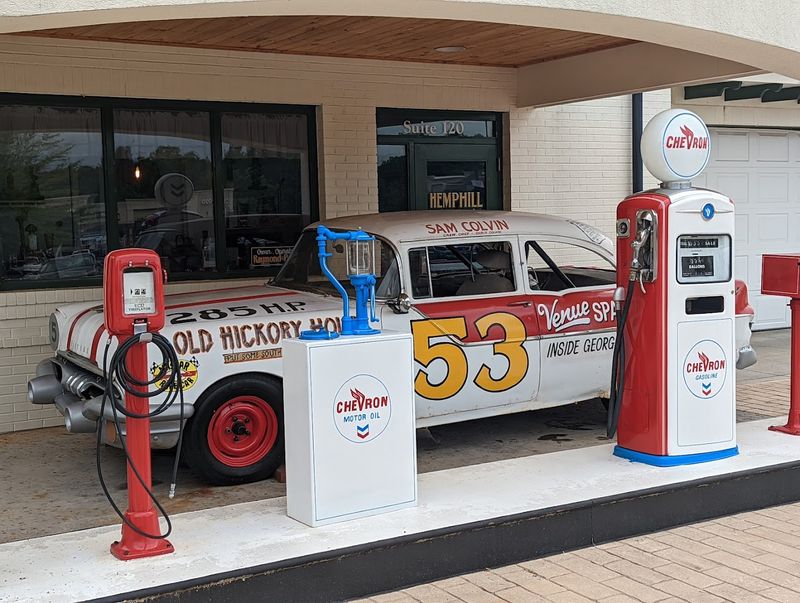
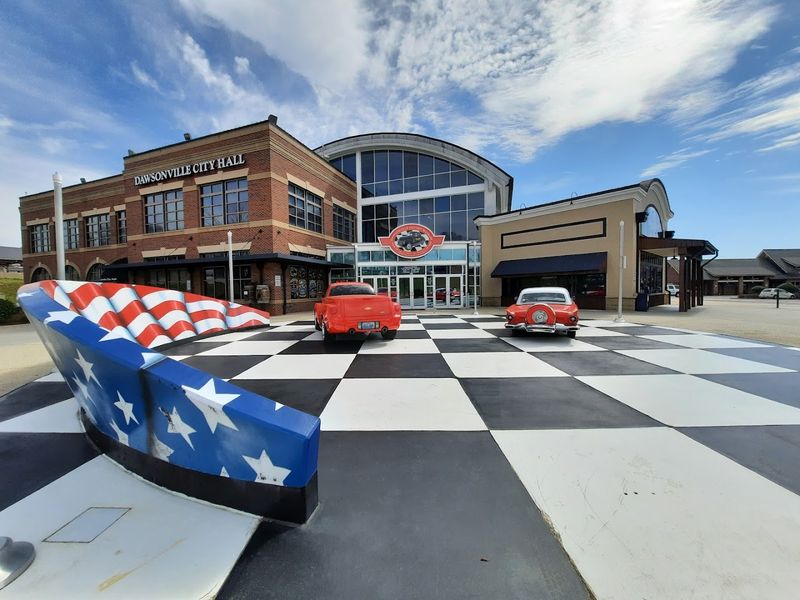
Finding the museum is straightforward: head to 415 Highway 53 East in Dawsonville, where ample parking awaits. Admission prices remain reasonable, making this an affordable family outing compared to larger tourist attractions.
Most visitors spend between ninety minutes and two hours exploring, though racing enthusiasts often linger longer reading every placard and examining every detail.
The facility offers wheelchair accessibility throughout, ensuring everyone can enjoy the entire collection. Staff members are typically racing enthusiasts themselves, so don’t hesitate to ask questions—they love sharing knowledge and pointing out hidden gems.
Arrive early on weekends during peak season to avoid crowds.
Before leaving town, stop by the famous Dawsonville Pool Room for authentic Southern food where locals gather. The restaurant celebrates racing heritage with memorabilia covering every wall, and that iconic siren sits right outside.
Several nearby moonshine-themed experiences let you taste legally-produced spirits and learn more about this controversial history. Combine your museum visit with hiking in the surrounding mountains or exploring Amicalola Falls State Park just minutes away.
Downtown Dawsonville offers charming shops and friendly atmosphere that perfectly complements your racing history lesson, making this a complete day trip destination.