

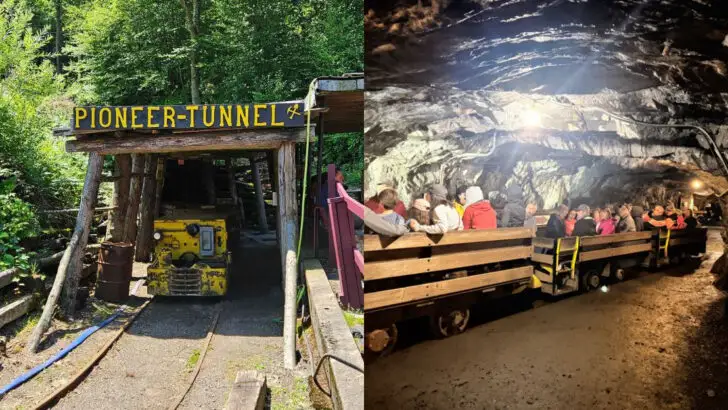
Step into the darkness, and let history rumble beneath your feet.
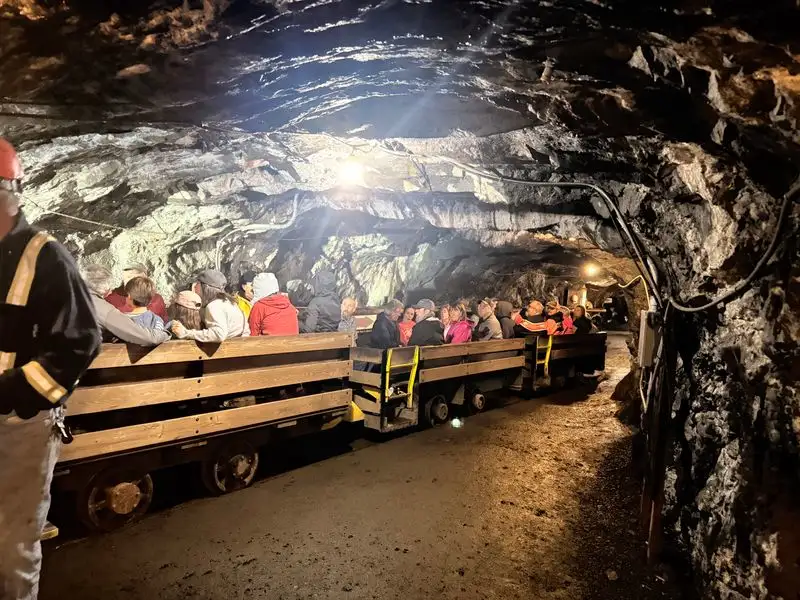
At Pioneer Tunnel Coal Mine & Steam Train in Pennsylvania, adventure starts the moment you climb into an electric mine car. The track hums, the air cools, and tunnels open to reveal narrow anthracite seams where miners once labored with precision and grit.
Every bolt, beam, and fracture tells a story of danger, skill, and human determination.
Then comes the steam train. It climbs the mountainside with a rhythmic chuff, winding past rocky cuts, scrub pines, and panoramic valley views.
Conductors share snippets of mining history, from illegal operations to the restoration of the locomotive itself. The whistle echoes across ridges, adding drama to every photo and memory.
From underground tunnels to surface vistas, the ride connects the past to the present. You’ll see evidence of strip mining, reforestation, and fall foliage that transforms the ridges into fiery carpets of red, orange, and gold.
Pioneer Tunnel proves history is not meant to sit behind glass—it is meant to be felt, heard, and explored.
Plan Your Visit: Hours, Tickets, and Best Times

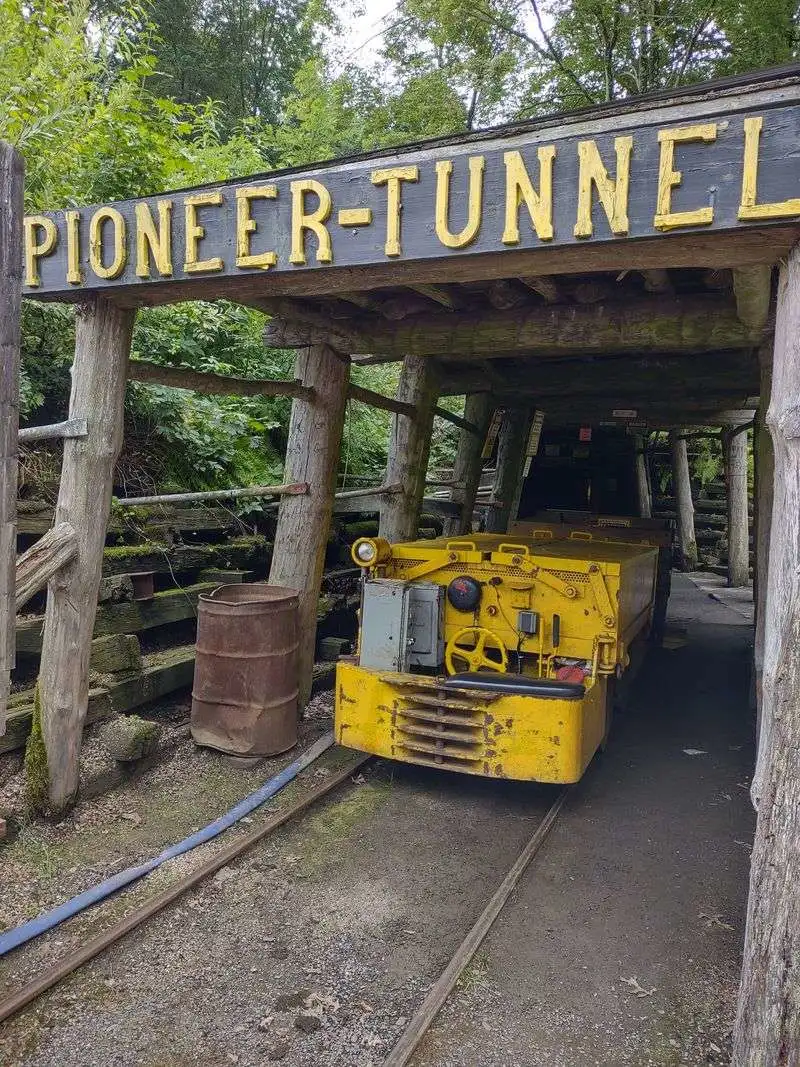
Before you go, check the seasonal schedule because Pioneer Tunnel keeps tight hours. As of now, the mine and steam train typically run Friday through Sunday, with Friday afternoons and longer weekend blocks.
Lines can form on peak fall weekends, so arrive early, call ahead if you have a tight itinerary, and dress for cool underground temps.
Combo tickets let you pair the coal mine tour with the steam train ride. If you want both, plan them consecutively because tours alternate and can sell out.
Budget a few hours to include the small museum, playground stop, and a snack break. Parking is easy, and you will find clean restrooms adjacent to the lot.
Wear sneakers, bring a sweater, and expect damp walkways in the mine. Photos are encouraged, but mind your footing and listen to your guide.
Kids usually love the mine cars and the train’s whistle, and grandparents appreciate the comfortable pacing.
Peak foliage season paints the mountainsides with oranges and reds that pop in every photo. Summer heat outside makes the mine’s chill feel amazing.
Winter operations vary, so always confirm on the official website or by phone for the latest hours and weather updates.
The Underground Mine Tour: What You Will Experience

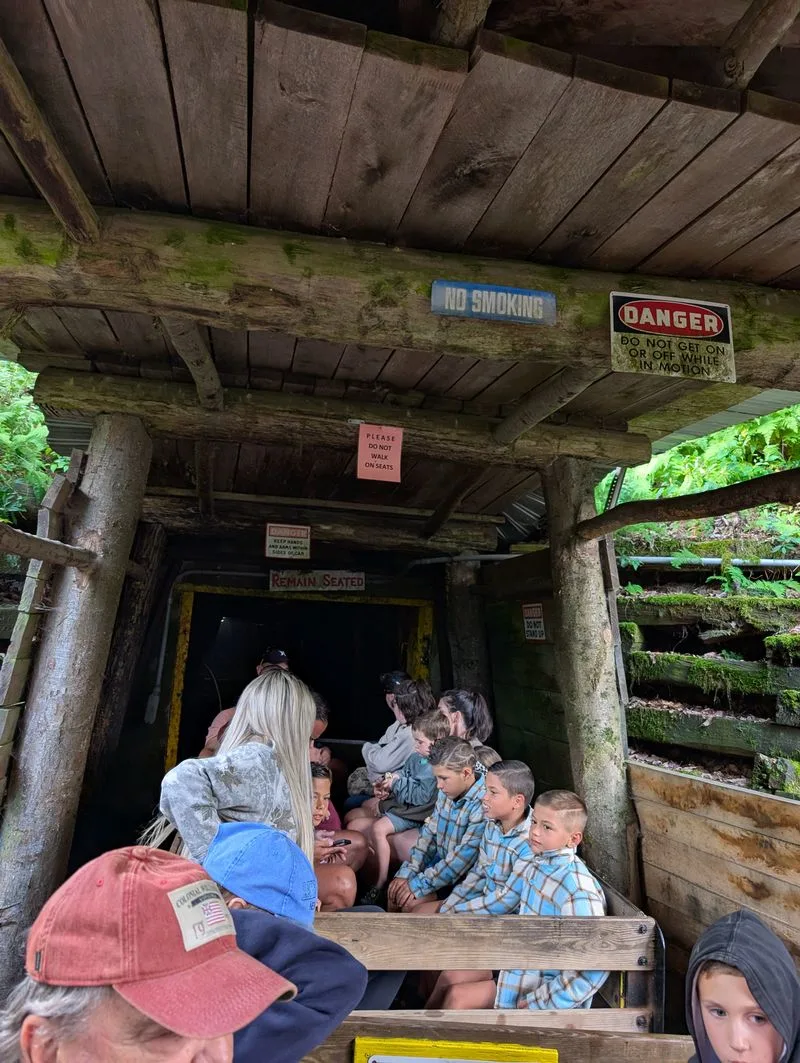
Climb into an electric mine car and rumble into the mountain about 350 feet to the first level. The air cools, the rail hums, and the tunnel opens to crosscuts and chambers where miners once chased narrow anthracite seams.
Your guide explains safety practices, timbering, ventilation, and how families depended on these wages.
You will disembark and walk portions of the passage, seeing tools, exhibits, and the geology that made anthracite so prized. Expect a measured pace, plenty of narration, and time for questions.
The 45 minute tour balances stories with clear demonstrations of mining methods.
It is damp underfoot, so steady shoes help. Temperatures stay sweater worthy even on a blazing July day.
The guide may discuss the famous Centralia seam fire and how regional geology connects to the area’s burning coal seams.
Kids are often captivated by the echoes and the dramatic lighting that reveals gleaming coal bands. Adults appreciate the context around labor history, technology, and risk.
This is not a haunted attraction, but the real deal, presented respectfully. When you ride out, daylight suddenly feels brighter, and the mountain’s quiet seems earned.
Steam Train Ride: Mountainside Views and History

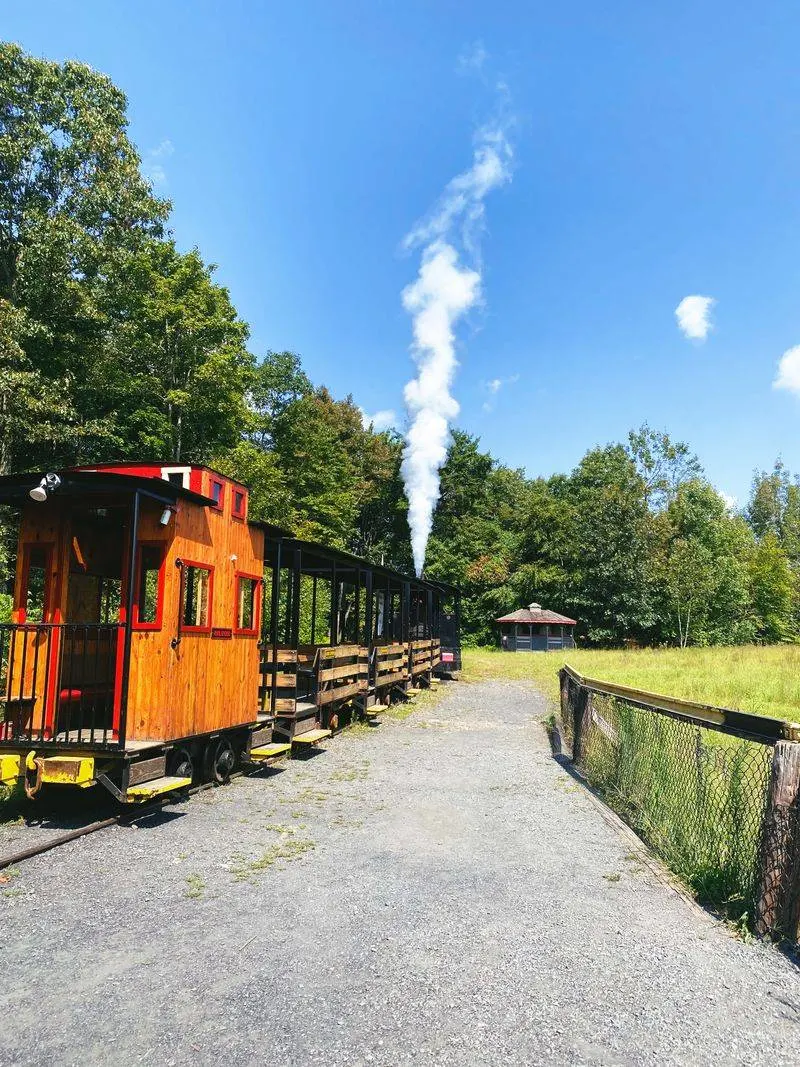
The steam train climbs the mountainside with a satisfying chuff, pulling you past scrub pines, rocky cuts, and views across the valley. Conductors share bite sized history about bootleg mining sites, the industry’s booms and busts, and how the locomotive was restored.
The whistle echoes off the ridge, perfect for photos and videos.
This ride complements the mine tour by bringing the surface story to life. You will see evidence of strip mining, spoil piles, and reforestation efforts.
On clear days, the horizon stretches for miles, and fall foliage transforms the ridgelines into layered carpets of red, orange, and gold.
Coaches are family friendly with open air vibes in good weather. Bring a light jacket, as the breeze can be brisk.
Staff often point out landmarks and explain how the train connects to regional rail heritage.
Timing matters because the train and mine tours alternate. Snag the combo to save time and money, then ride the locomotive before or after your underground visit.
If mobility is a concern, ask the ticket office about boarding assistance. The experience is short, scenic, and surprisingly educational without feeling like a lecture.
Anthracite 101: Geology and Coal Seam Science

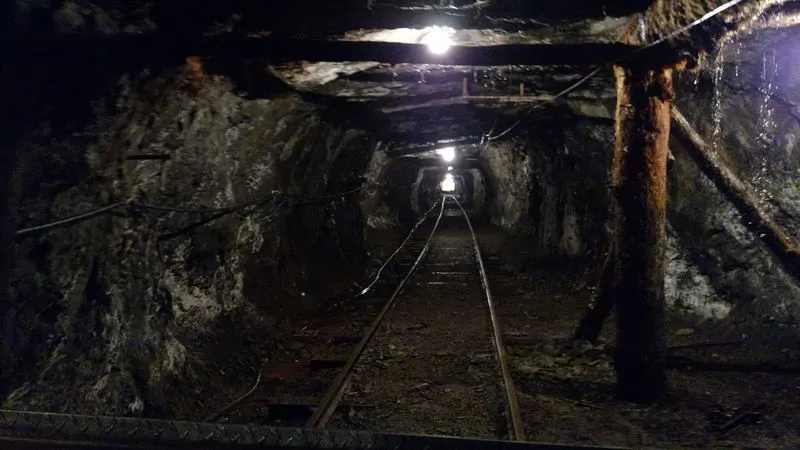
Anthracite is hard, high carbon coal that burns hot and clean compared to softer bituminous varieties. In the mine, you will see its jet black sheen, fractured cleats, and narrow seams that demanded precise, dangerous labor.
Guides show how miners followed the vein by hand, timbered roofs, and managed water and gas.
The geology of Ashland tells a story of folded beds and tilted strata. You will notice how seams pinch and swell, forcing constant adjustments underground.
Diagrams and displays explain why extraction here required skill, teamwork, and strict safety habits.
Expect to learn about ventilation doors, drainage tunnels, and blasting routines. Sometimes the narrative touches on Centralia’s seam fire, illustrating how oxygen, heat, and fuel interact.
You will leave understanding that geology is not abstract here, but a force shaping towns and livelihoods.
If you bring kids, frame anthracite as ancient solar energy, stored in carbon long before humans arrived. The mine becomes a giant time capsule, and every glinting face of coal is like a page in a deep history book.
It is scientific, tangible, and surprisingly beautiful when lamplight catches the crystalline luster.
Voices of the Miners: Labor, Life, and Community

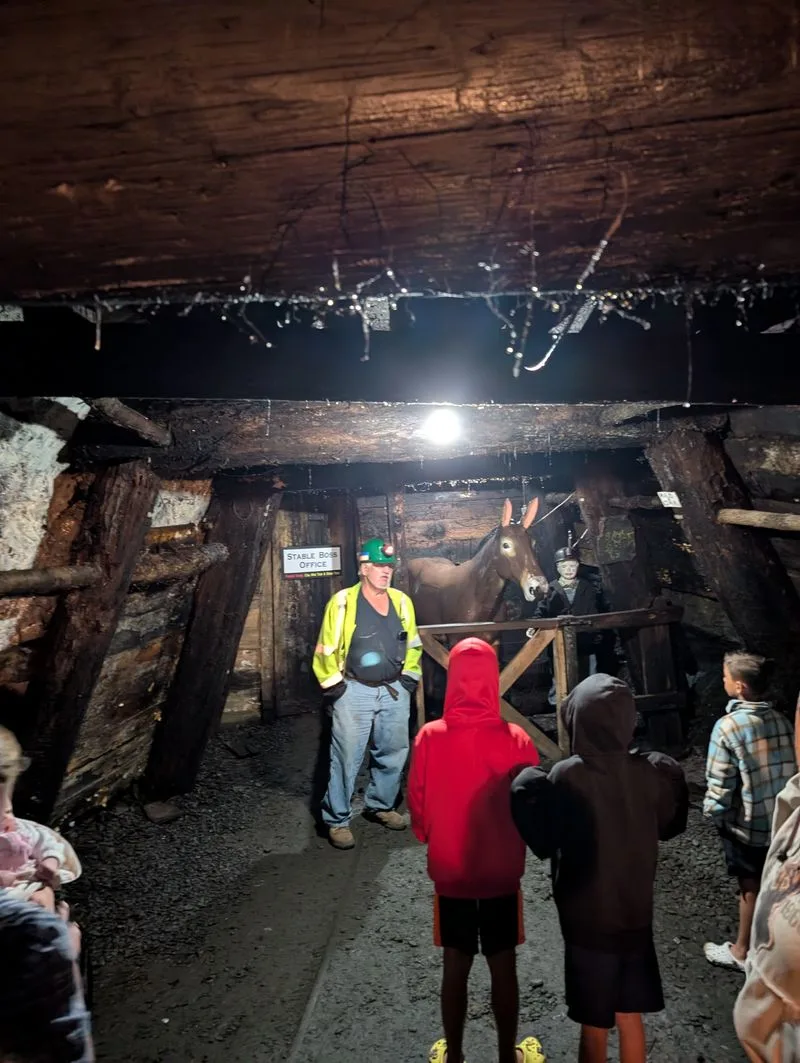
Guides weave stories of miners who descended daily with courage and pragmatism. You will hear about mule drivers, breaker boys, and the families who stretched every paycheck.
The tour honors workers’ ingenuity, union efforts, and the sacrifices behind each ton lifted to daylight.
Life in Ashland moved to the rhythm of whistles, shifts, and church bells. Company stores, ethnic neighborhoods, and coal patches formed tight communities.
When the industry contracted, many families left, reshaping the town’s future while preserving memory through museums and local pride.
Expect a balanced perspective on hazards, from roof falls to black lung. The guide’s anecdotes make it personal and human, often inviting questions.
It is not just dates and names, but small details like lunch buckets, tags, and lamp checks that linger.
As you stand in the tunnel, imagine the darkness when lamps went out and the teamwork required to stay safe. You feel the weight of history, yet also resilience.
The ride back becomes a tribute, not merely a tour. You walk away grateful for the labor that built communities and powered cities.
Family Tips: Kids, Strollers, and Accessibility

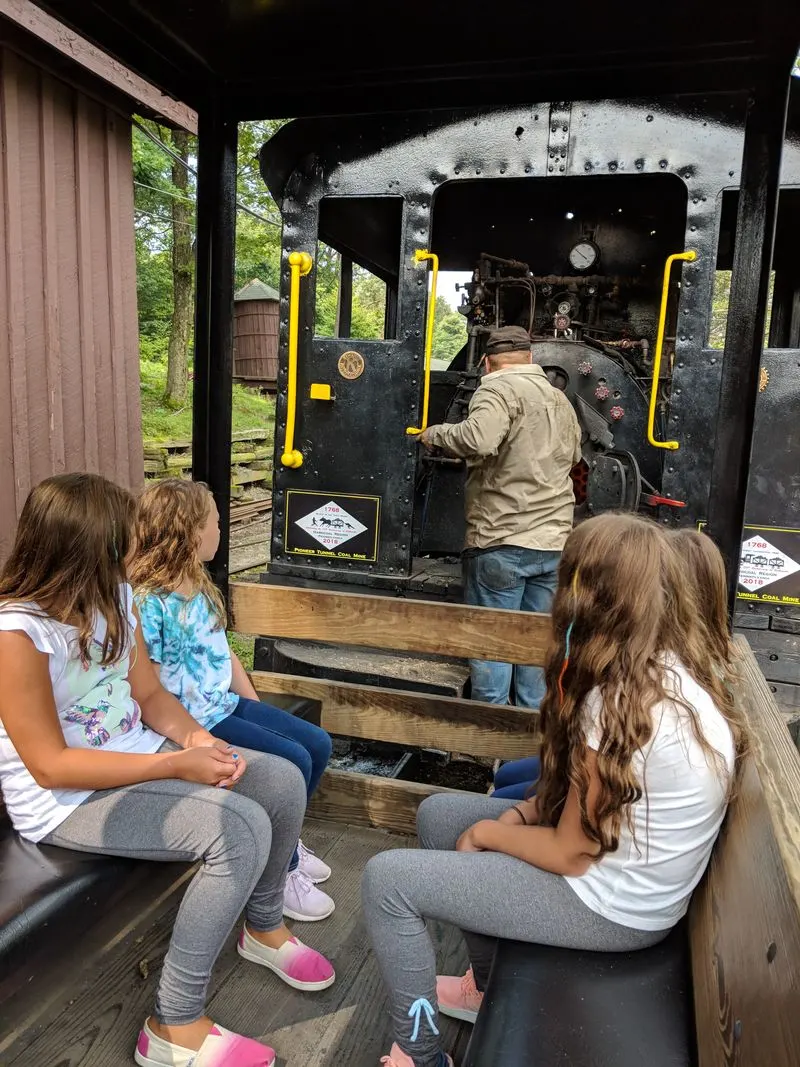
Pioneer Tunnel is a great fit for families because it is structured, engaging, and the timing works with attention spans. The mine car ride is short and dramatic, and the walking segments are manageable for school age kids.
Strollers typically stay outside, so plan a baby carrier if needed.
Wear closed toe shoes and bring layers for the mine’s cool air. Kids may get a little muddy, which honestly adds to the adventure.
The playground near the lot is a perfect decompression zone after the tour, and bathrooms are clean and close by.
Call ahead if accessibility is a concern. Staff are helpful about boarding the train and accommodating slower pacing underground.
The terrain is uneven in places, so communicate needs at the ticket desk and they will advise the best approach.
Snacks on site make life easier, and the gift shop carries affordable souvenirs like miner helmets and hoodies. Build in time to browse the small museum, which keeps visits short yet meaningful.
Most families report the combo tour hits a sweet spot: excitement, learning, and plenty of fresh air without overwhelming little travelers.
What to Wear and Bring: Comfort Underground

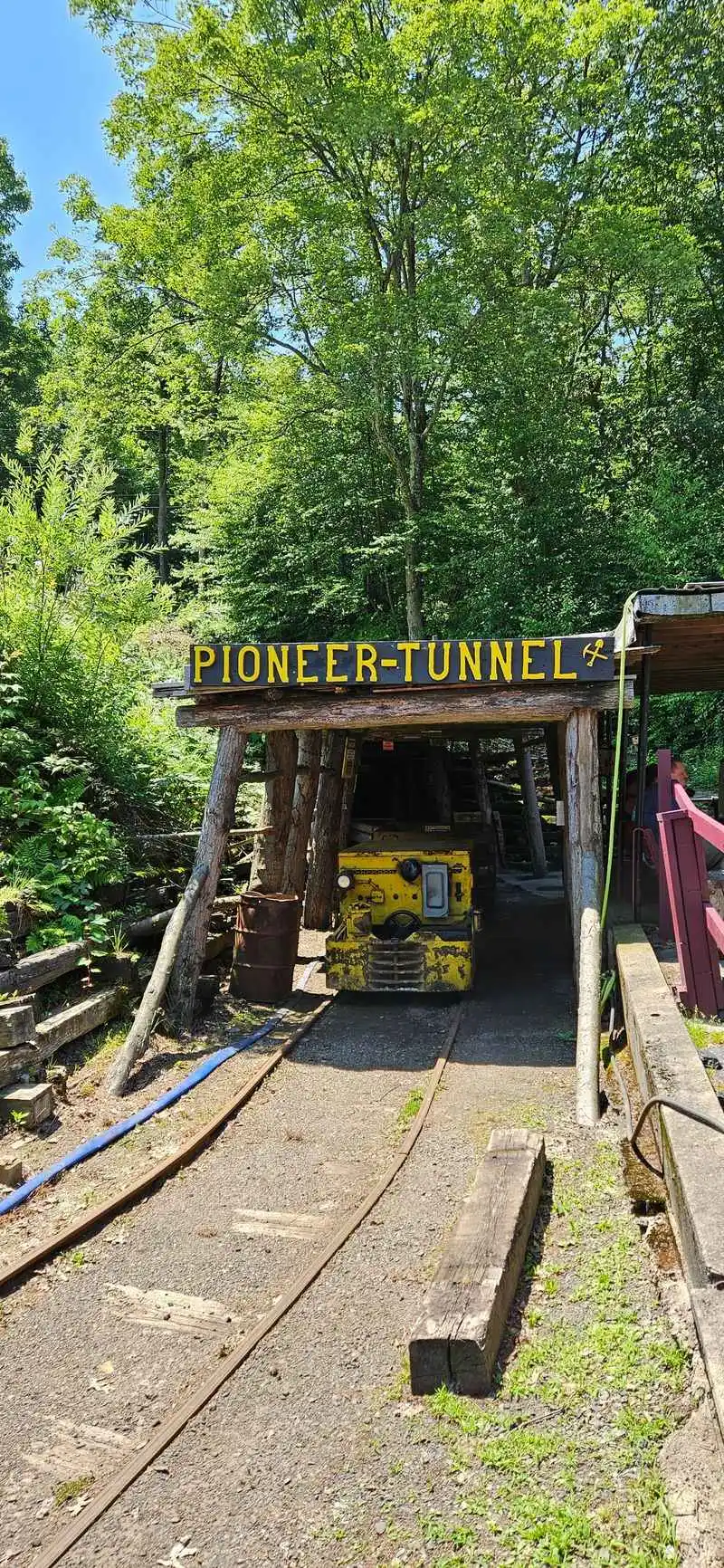
The mine’s steady chill makes a sweater or light hoodie your best friend. Sneakers with tread handle damp floors and gravel paths.
Bring a compact camera or phone for low light shots, but remember flash can wash out detail and annoy neighbors.
A small crossbody bag keeps hands free for railings. Pack water for before or after the tour, and a pocket tissue for drips.
If you have a sensitivity to damp environments, a thin beanie helps, even in summer.
Skip sandals and long trailing clothing. Expect some mud splashes and occasional drips from the roof timbers.
The steam train can be breezy, so a wind layer turns a good ride into a great one.
Gloves are optional, but handy for cool days. A simple flashlight helps curious kids examine rock textures, yet always follow guide instructions.
You do not need specialized gear, just practical layers and shoes. With comfort sorted, you can focus on the stories, the geology, and the thrill of rolling into the mountain.
Tying In Centralia: The Burning Seam Connection

Guides often mention the Centralia mine fire to explain how coal seams can carry combustion underground. At Pioneer Tunnel, you learn how seams interconnect regionally, moving heat and gases through fractured rock.
This makes the abstract Centralia story tangible as you stand amid actual anthracite beds.
Expect a careful, factual treatment rather than sensationalism. The discussion covers ignition sources, airflow, and why seam fires persist for decades.
You will also hear how monitoring and safety practices protect visitors at Pioneer Tunnel.
From the train, you may spot landscapes shaped by past mining and reclamation. The guide points to features that help visualize subsurface pathways.
Together, these moments connect a famous case study to the mine beneath your feet.
If you plan a broader regional trip, Pioneer Tunnel pairs well with a guided Centralia history drive. Here you get science, context, and a safe, grounded look at anthracite’s complexities.
The result is a nuanced understanding that goes beyond headlines, rooted in place and personal experience.
Photography Guide: Low Light, Big Atmosphere

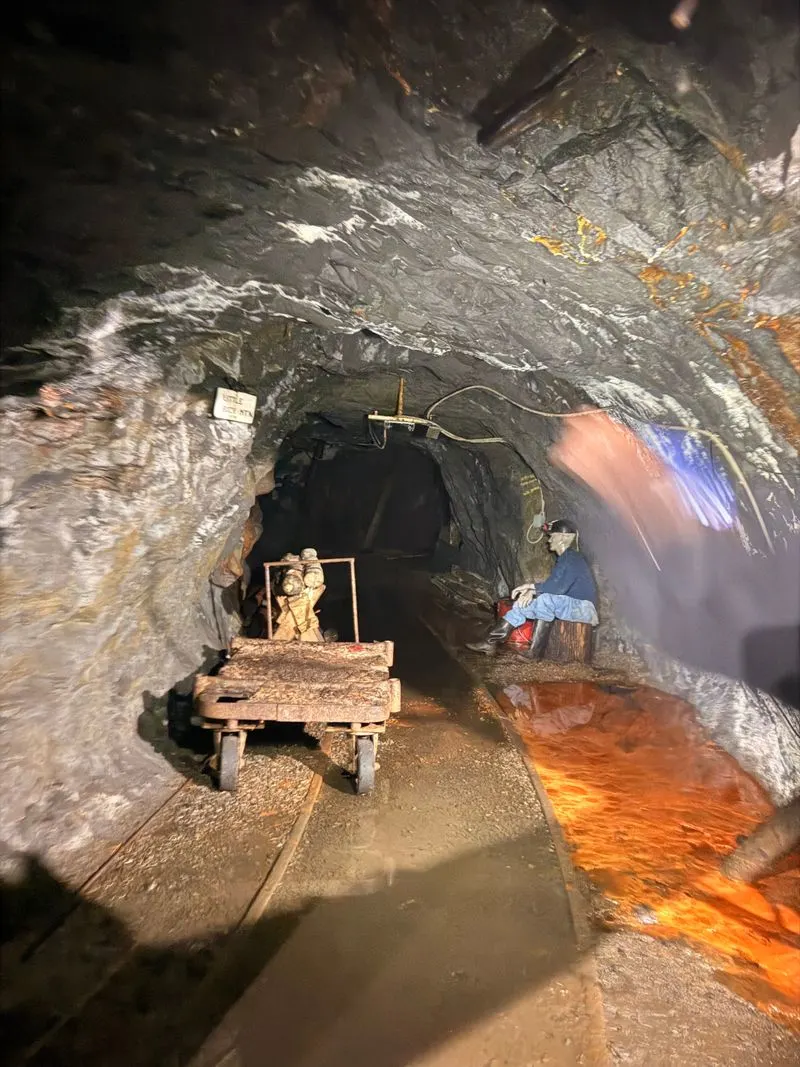
Low light is your main challenge, but also your aesthetic superpower underground. Stabilize your phone against a timber or wall, and tap to expose on the lamp glow, not the darkest shadows.
Avoid harsh flash, which flattens coal’s sparkle and distracts others.
On the train, use burst mode for the whistle and smoke plume moments. Shoot wide to capture the ridgeline, then zoom for the locomotive’s rivets and rods.
Cloudy days soften contrast for more balanced landscapes.
Look for reflections in wet rock and puddles to double the drama. Include context: rails, timbers, and signage that anchor the story.
A sweatered silhouette against tunnel lighting can feel cinematic and personal.
Respect safety lines and keep gear compact. A small LED key light can add catchlights without blinding neighbors.
After the ride, photograph your souvenir hoodie or coal sample near the station sign. Your album tells a narrative arc: arrival, descent, discovery, ascent, and the train’s triumphant climb.
Nearby Ashland Essentials: Parking, Parks, and Eats

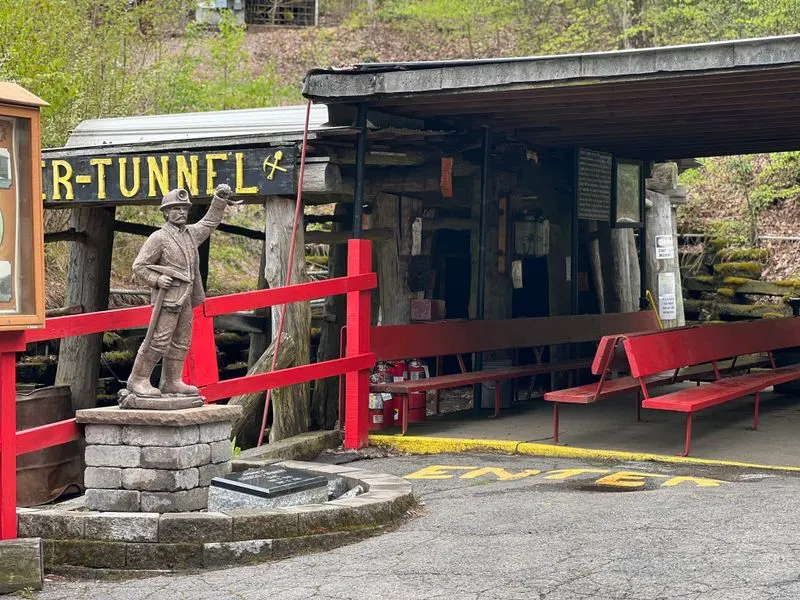
Parking is straightforward with upper and lower lots plus nearby street spaces by the park. Weekends can be busy, but turnover is steady because tours stay on schedule.
If you arrive early or need a breather, the adjacent community park offers benches, restrooms, and a playground.
For food, you will find casual diners and pizza joints within a short drive. Many visitors plan a late lunch after the combo tour, which keeps schedules smooth.
Ask staff for current local favorites because hours can shift seasonally.
Cell coverage is generally reliable, though you are in hilly country. If you are mapping multiple stops, download directions just in case.
Small town hospitality is the vibe, and businesses appreciate a quick call ahead for larger groups.
Round out your day with a slow drive along the ridges or a detour to nearby viewpoints. The mining heritage echoes in murals, memorials, and conversation.
You will leave with full memory cards, happily tired legs, and a deeper connection to Ashland’s past and present.