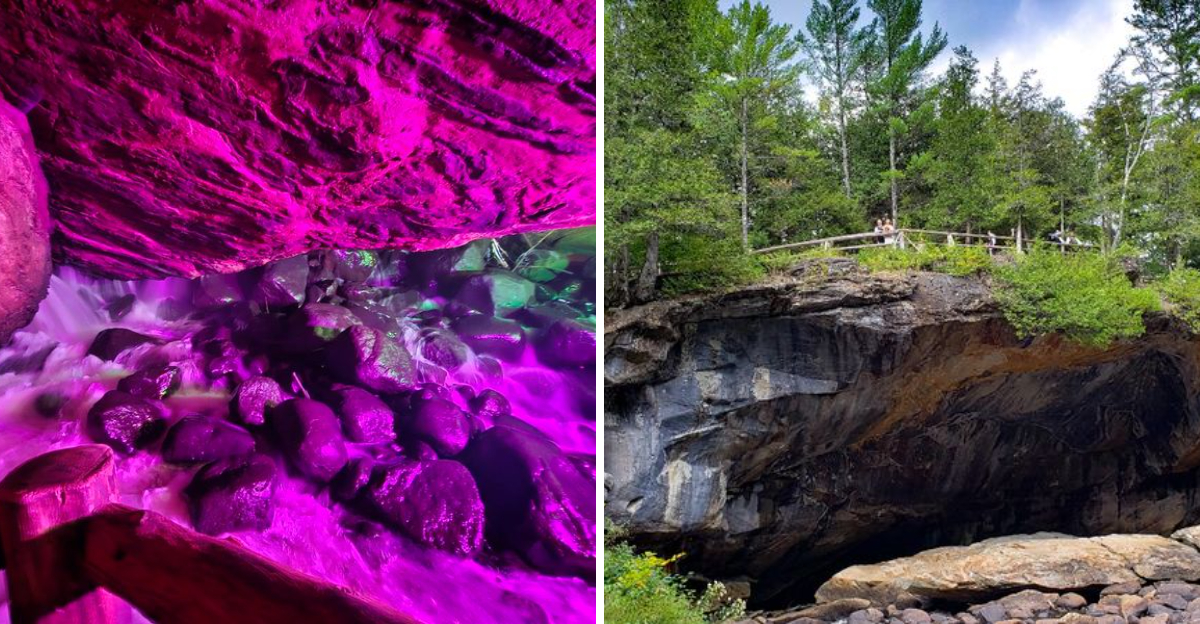
Natural Stone Bridge & Caves in Pottersville, New York offers visitors a rare chance to explore both above-ground trails and actual underground cave passages in one location.
Most Adirondack destinations focus on either outdoor hiking or cave exploration, but this family-owned attraction combines both experiences in a way that lets everyone choose their own adventure level.
The property centers around what’s billed as the largest marble cave entrance in the eastern United States, where Trout Brook has spent thousands of years carving an impressive landscape of waterfalls, gorges, potholes, and underground passages.
Whether you prefer a relaxed nature walk or want to descend into lighted grottos with rushing water and dark pools, this spot delivers a genuinely unique outdoor experience that works for families, geology enthusiasts, and Adirondack road-trippers alike.
A Massive Natural Stone Bridge Is The Star Of The Show
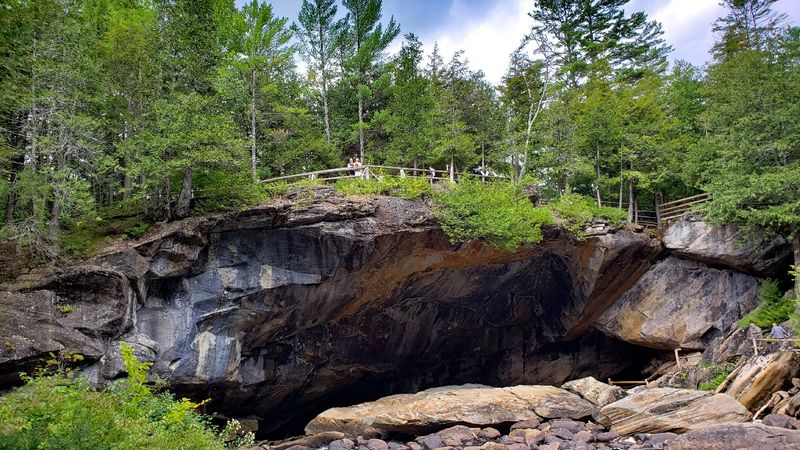
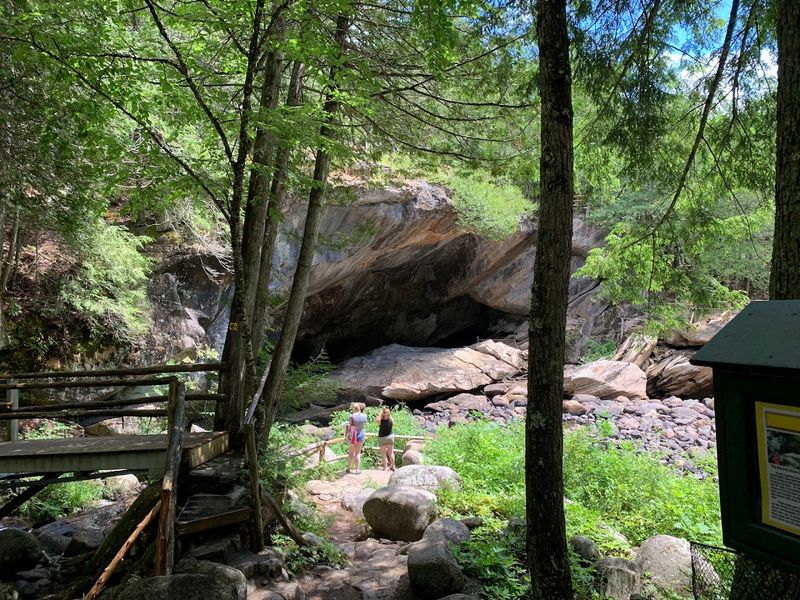
The moment you arrive, you’ll understand why this place earned its name. Trout Brook carved a huge marble cave entrance over thousands of years, creating a natural bridge that towers above the water flowing beneath it.
This isn’t just marketing hype either. The Stone Bridge holds the title of the largest marble cave entrance in the eastern United States, giving visitors an immediate reason to pull over and explore what might otherwise seem like just another Adirondack roadside stop.
Standing beneath this geological wonder helps you appreciate the incredible power of moving water over time. The sheer size of the formation makes it clear that nature created something genuinely special here, not just another pretty rock formation you’d find anywhere else.
First-time visitors often spend several minutes just taking photos and marveling at the scale before even starting the trail. That initial impression sets the tone for everything else you’ll discover as you explore deeper into the property and its network of caves and passages.
The Scenic Cave Trail Lets You Explore At Your Own Pace
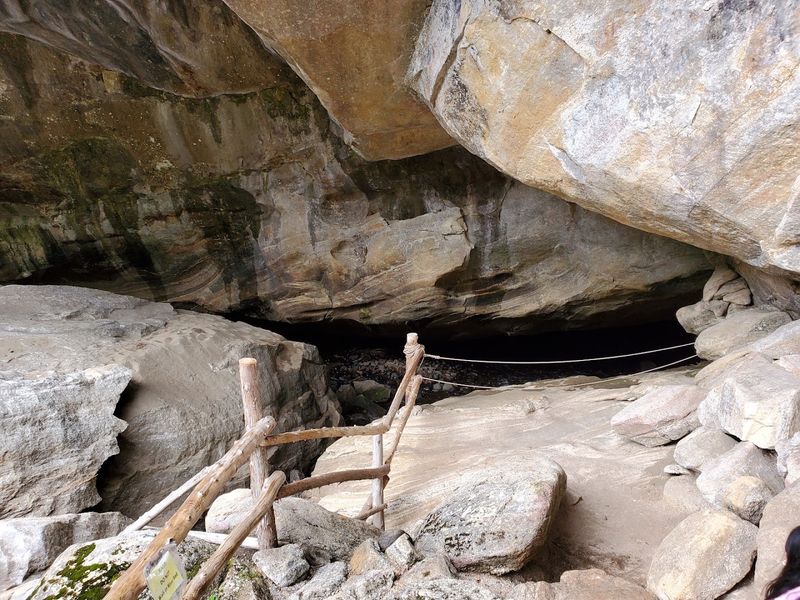
Nobody rushes you through this experience. The self-guided format means you control exactly how long you spend at each spot, whether that’s thirty seconds snapping a quick photo or ten minutes studying the geology.
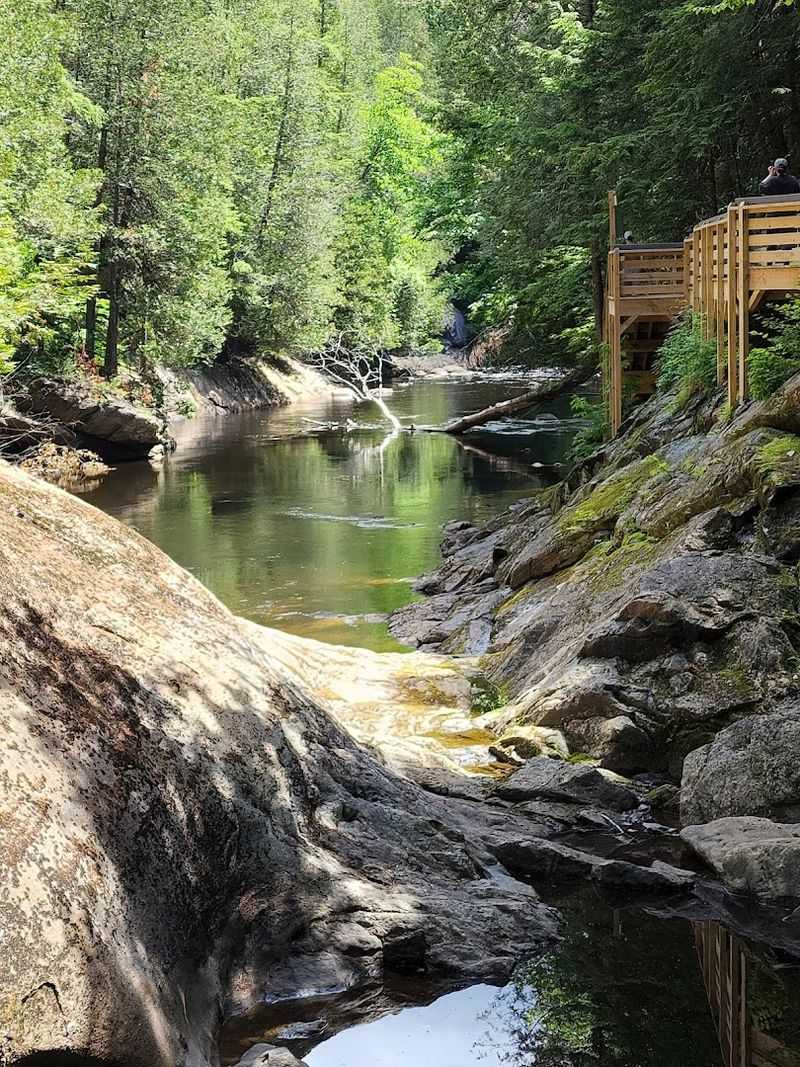
The entire route covers roughly three-quarters of a mile, winding through an impressive variety of natural features. You’ll encounter waterfalls, deep gorges, fascinating potholes, unusual rock formations, and other geological surprises along a trail made from rustic stone steps and gravel.
Comfortable shoes matter here because the terrain shifts from smooth gravel to natural stone surfaces as you navigate the route. Some sections require careful footing, especially when the rocks are wet from spray or recent rain.
The beauty of the self-guided approach is that families with young children can take breaks whenever needed, while geology enthusiasts can linger over interesting formations without holding up a group. You’re free to create your own experience based on your interests and fitness level.
Trout Brook Has Carved A Remarkable Underground World
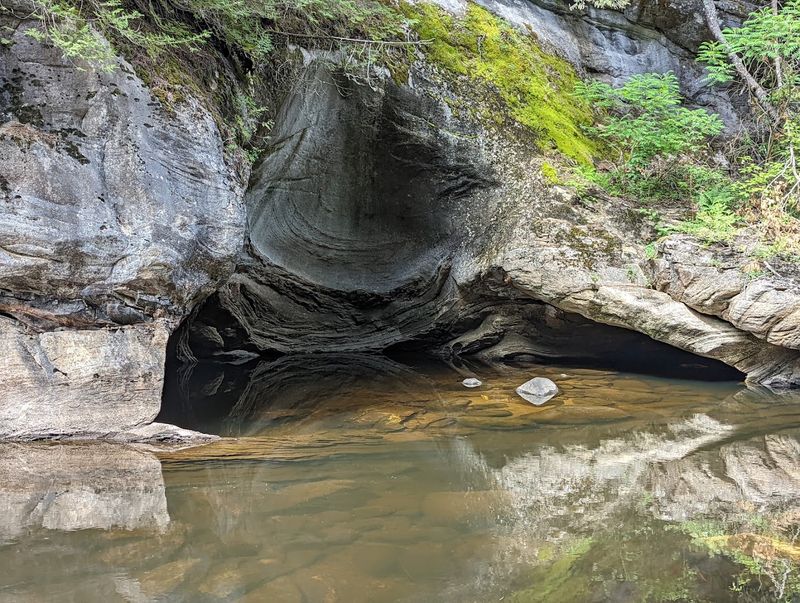
Water deserves all the credit for the attraction’s most impressive features. Trout Brook continues its ancient work even today, steadily shaping the marble landscape beneath your feet as it flows through and under various sections of the cave system.
The brook’s constant movement creates an ever-changing collection of passages, pools, potholes, and unusual formations. What you see during your visit represents just one moment in an ongoing geological process that’s been happening for thousands of years and won’t stop anytime soon.
Understanding this dynamic relationship between water and stone helps visitors appreciate why the caves look the way they do. The smooth, curved surfaces inside the passages reveal where water swirled and pushed against the marble over countless seasons.
Some pools remain calm and mirror-like, while other sections feature rushing water that demonstrates the erosive power still at work. This active geological environment makes the caves feel alive rather than static, giving the experience an educational dimension beyond just pretty scenery.
The Lighted Caves Add A Genuine Underground Adventure
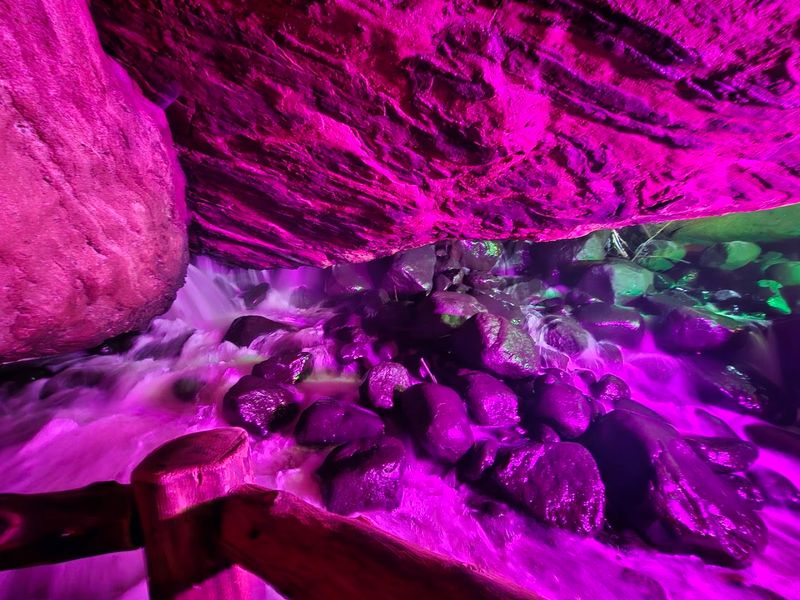
Surface trails are nice, but descending into actual lighted caves kicks the adventure up several notches. These aren’t just overhangs or shallow grottos—you’re genuinely going underground into enclosed spaces carved by water.
The lighting system helps visitors safely navigate while preserving the mysterious atmosphere that makes cave exploration exciting. Some sections echo with the sound of rushing water, while others open into chambers with still, dark pools that reflect the lights above.
What makes this experience special is the accessibility. You get real underground adventure without needing headlamps, helmets, or crawling through tight passages on your belly like a traditional caving expedition would require.
Families with older children especially appreciate this middle-ground approach. Kids get the thrill of exploring actual caves while parents don’t have to worry about dangerous technical challenges or getting stuck in narrow passages.
The experience delivers genuine excitement without requiring serious caving skills or equipment beyond sturdy shoes.
Waterfalls, Gorges, And Giant Potholes Keep The Trail Interesting
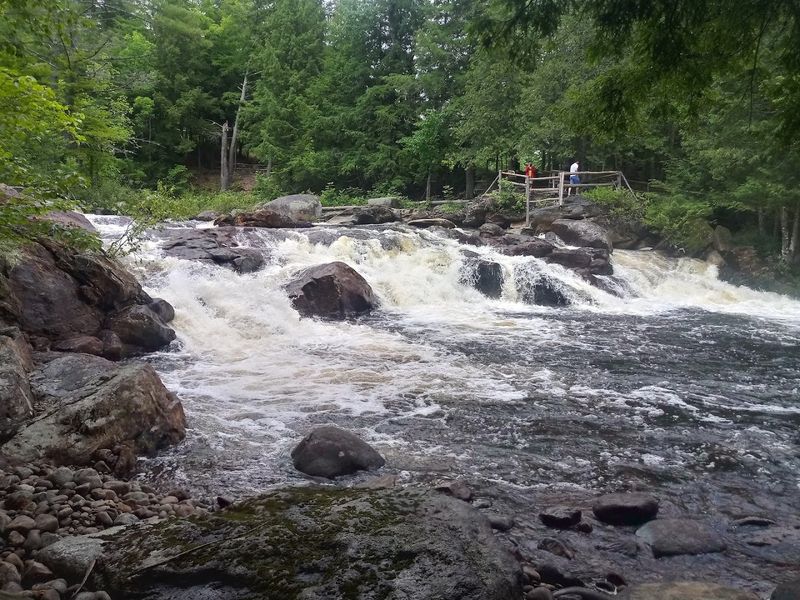
Variety prevents boredom on this trail. Just when you think you’ve seen the best feature, the path reveals something completely different that demands your attention.
The old sawmill site waterfalls offer one type of beauty, while Artists’ Gorge provides dramatic vertical relief that photographs beautifully. The giant potholes might be the most fascinating features, created by rocks swirling in the same spot for years until they drilled perfect circular depressions into the marble.
Each major feature comes with informational signs explaining the geology and history. These educational elements add context without overwhelming visitors who just want to enjoy the scenery without turning the trip into a science lesson.
The constant change in landscape means even shorter attention spans stay engaged. You’re never walking through identical scenery for long stretches, which helps when visiting with children or teenagers who might otherwise complain about boring nature walks.
Every turn brings something different to see, photograph, or wonder about.
The Experience Changes Dramatically With The Seasons
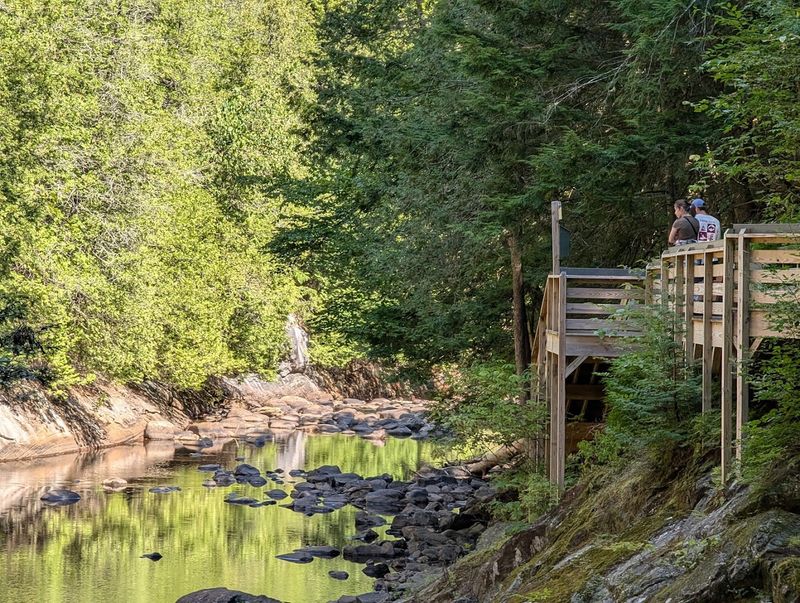
Four-season operations mean vastly different experiences depending when you visit. Summer and fall focus on self-guided cave exploration and trail hiking when the weather cooperates and everything stays open and accessible.
Winter transforms the property into something entirely different. The focus shifts to snowshoeing adventures across more than fourteen miles of trails that wind through the snow-covered Adirondack landscape surrounding the caves.
Each season reveals different aspects of the natural beauty. Fall foliage creates spectacular backdrops for photos, while winter’s frozen waterfalls and ice formations add dramatic elements you’d never see during warmer months.
Spring brings rushing water as snowmelt feeds Trout Brook, making the waterfalls more powerful and impressive than during summer’s lower water levels. Understanding these seasonal changes helps you plan the type of visit you want—whether that’s comfortable summer hiking, colorful fall photography, or adventurous winter snowshoeing through pristine wilderness.
It Has A Long Family History Behind The Attraction
More than two centuries of continuous family ownership adds meaningful depth to what might otherwise feel like just another commercial tourist trap. That’s an incredibly rare accomplishment in today’s corporate-dominated tourism industry.
This long connection to the land explains a lot about the attraction’s character. The combination of geological education, outdoor recreation, family activities, and traditional Adirondack atmosphere reflects generations of stewardship rather than recent development by outside investors.
You can sense this difference in how the property maintains its rustic, natural feel instead of being over-developed with concrete pathways and modern facilities that would diminish the authentic experience. The family’s approach preserves the caves’ natural character while making them safely accessible.
Understanding this history helps visitors appreciate why certain choices were made in developing the trail system and facilities. This isn’t maximized commercial exploitation—it’s a family sharing something special they’ve protected and understood for over two hundred years of continuous ownership and care.
It’s An Easy Stop For A Larger Adirondack Trip
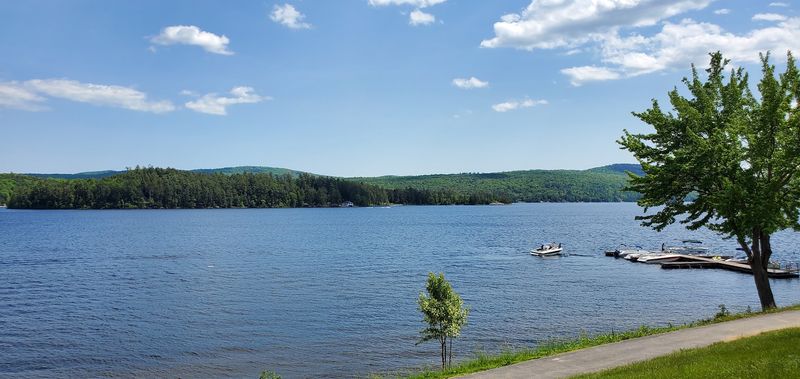
Location matters when planning road trips, and this attraction scores high marks for convenience. Situated near several popular Adirondack destinations like Schroon Lake and Lake George, it fits naturally into existing travel plans without major detours.
The proximity to Interstate 87’s Exit 26 makes access particularly simple. You’re not driving thirty miles down winding back roads to reach some remote location that eats up half your day just getting there and back.
This convenience transforms the caves from a standalone destination into a perfect addition to broader Adirondack exploration. Families heading to Lake George for vacation can easily add a half-day cave visit without disrupting their main plans.
Road-trippers appreciate stops that deliver memorable experiences without requiring hours of extra driving or complicated navigation. Natural Stone Bridge & Caves fits that description perfectly, offering genuine adventure and natural beauty that’s worth the brief detour while remaining accessible enough that you won’t regret the decision if your schedule gets tight.
What To Know Before You Go
Practical details prevent disappointing surprises. Natural Stone Bridge & Caves sits at 535 Stone Bridge Road, Pottersville, NY 12860, and you can call them at 518-494-2283 with questions.
Hours change seasonally, so checking ahead matters. For the 2026 summer season, self-guided tours run daily from May 15 through September 7, with operating hours from 9 a.m. to 4:30 p.m.
The last tickets sell at 4:30 p.m., so don’t arrive expecting to start a tour at closing time.
Fall brings shorter hours that the attraction posts on their website. They recommend booking online at least one day ahead when possible because they limit hourly visitor numbers to protect the experience and environment.
Footwear requirements are serious—wear secure, rubber-soled shoes because natural stone steps and uneven terrain can be slippery and challenging in sandals or smooth-soled shoes. Important policy notes: this is a no-pets and no-drones area, so leave both at home to avoid problems at the entrance.